Mom's Best Recipes
Recipe

Silky Carbonara Sauce

Creamy without cream, glossy without stress, and peppery in the best way.

Author By Matt Campbell
4.8
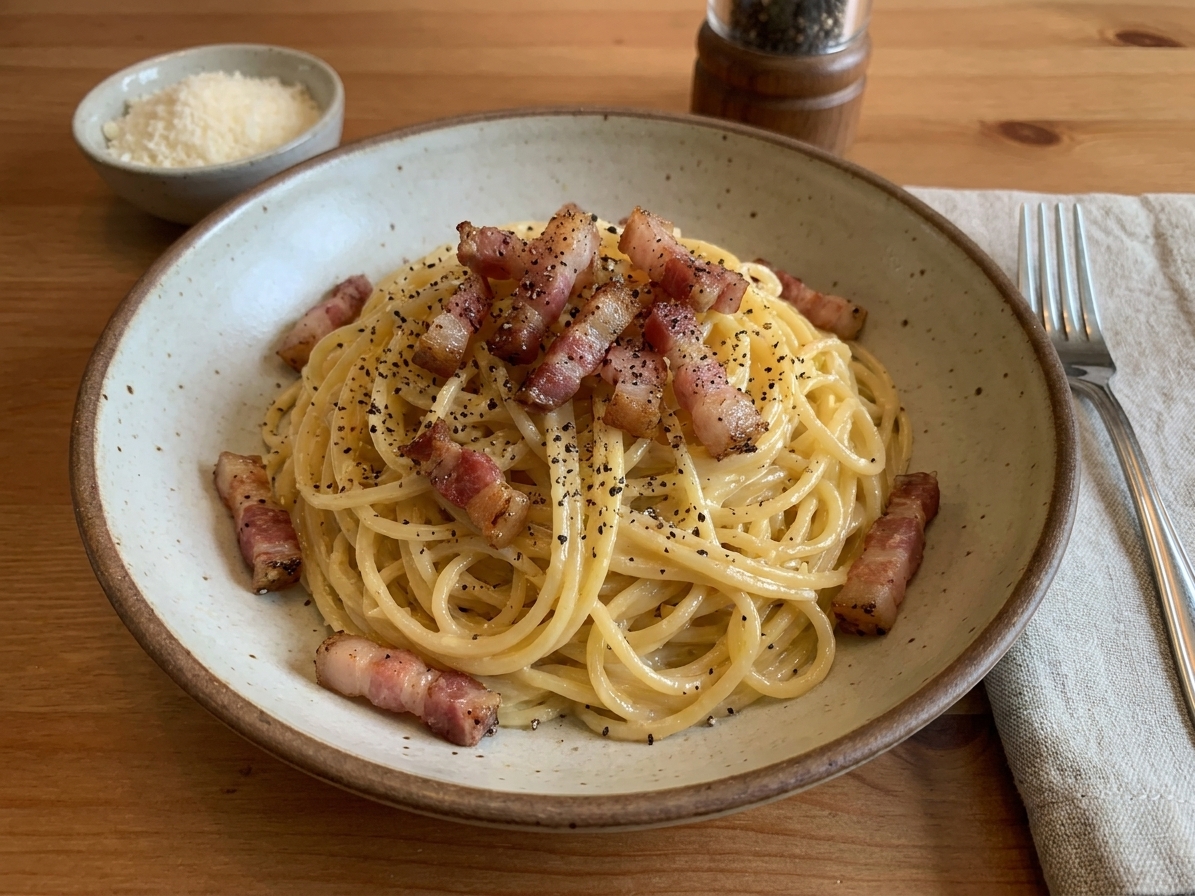
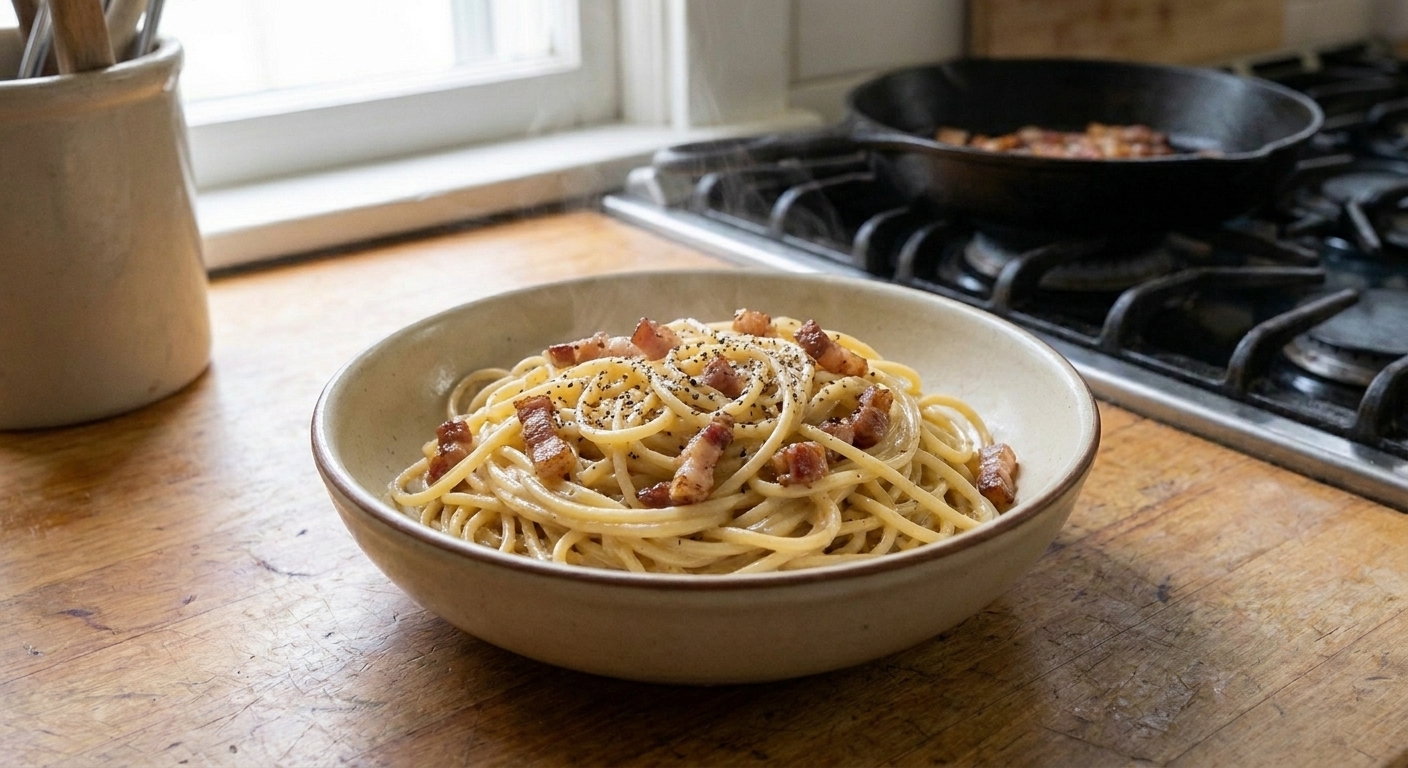
A warm bowl of spaghetti carbonara with glossy sauce, crispy guanciale, and plenty of cracked black pepper on a wooden table in soft natural light

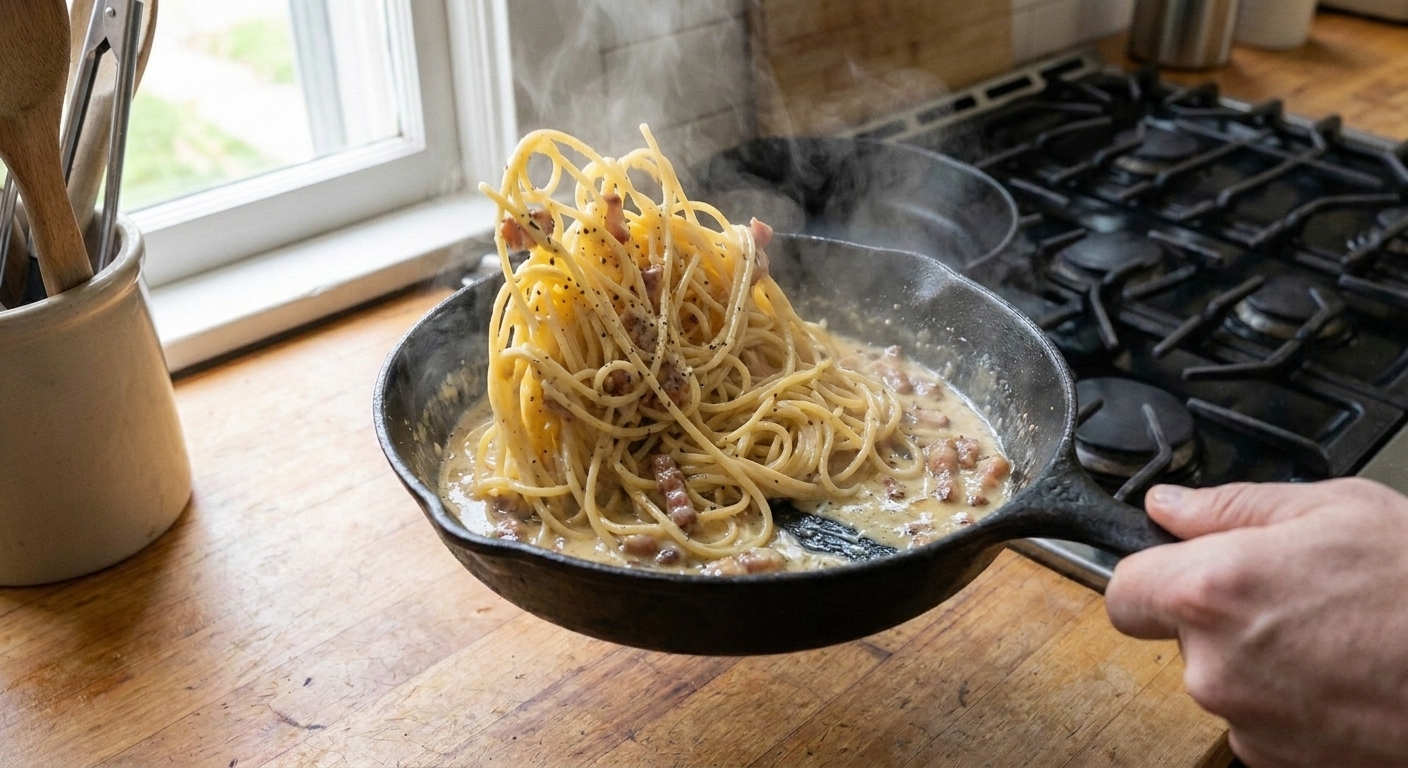
Carbonara sauce is one of those magic tricks that feels like you are getting away with something the first time it works. You whisk eggs and cheese, toss it with hot pasta, add a splash of starchy pasta water, and suddenly you have a sauce that looks like it came from a tiny Roman trattoria that does not own a measuring cup.

But it can also go sideways fast. Too much heat and your “sauce” becomes scrambled eggs. Too little pasta water and it turns tight and clumpy. So today we are doing carbonara sauce the low drama way, with clear timing, a bowl, and one simple rule: pasta off the heat before eggs go in.

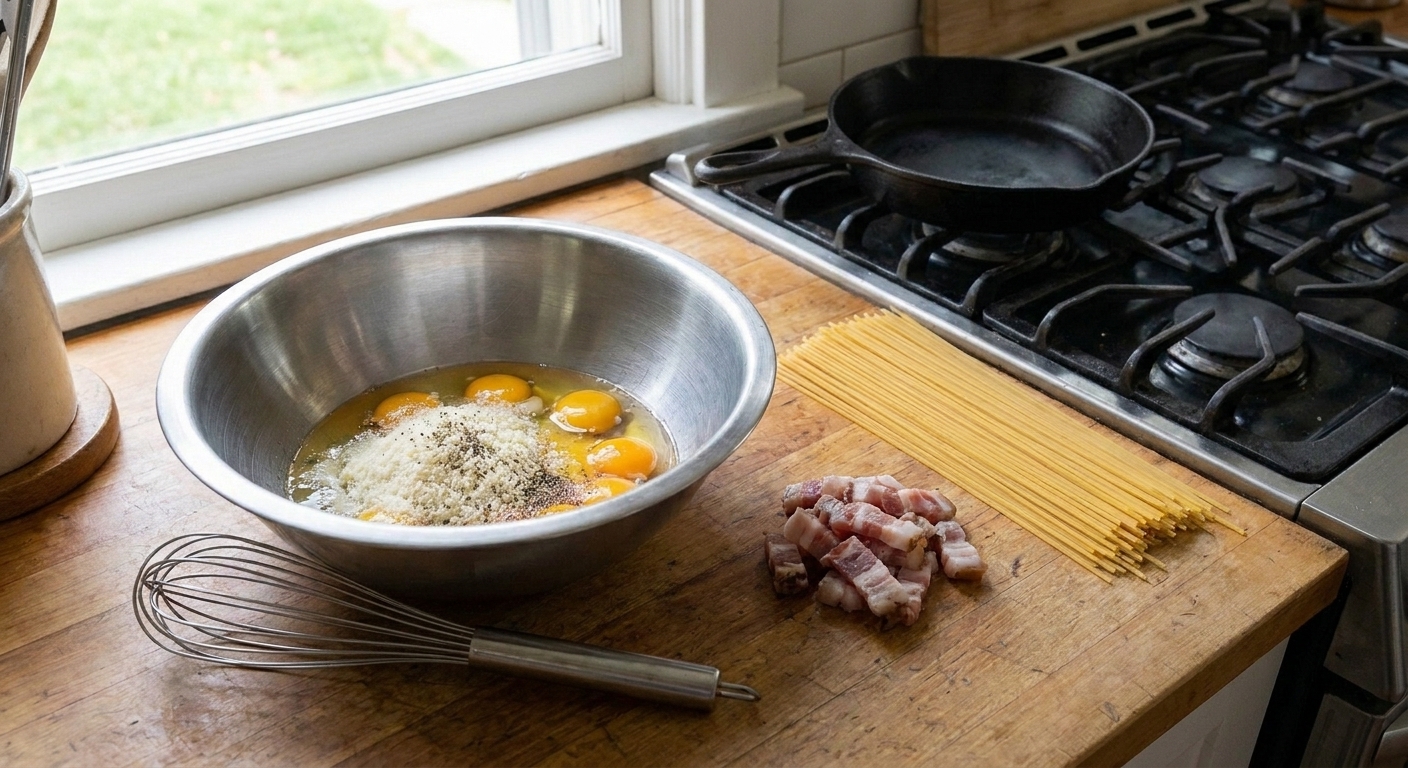
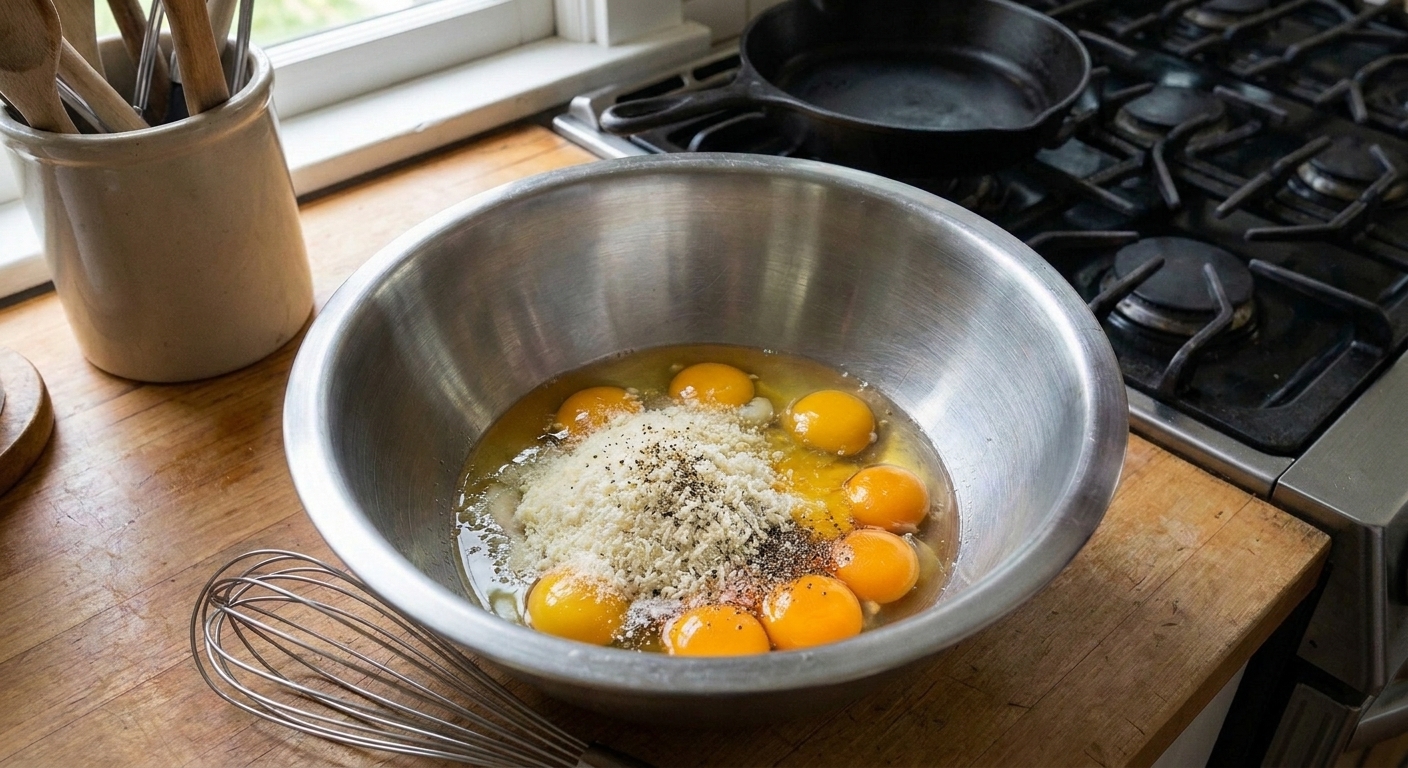
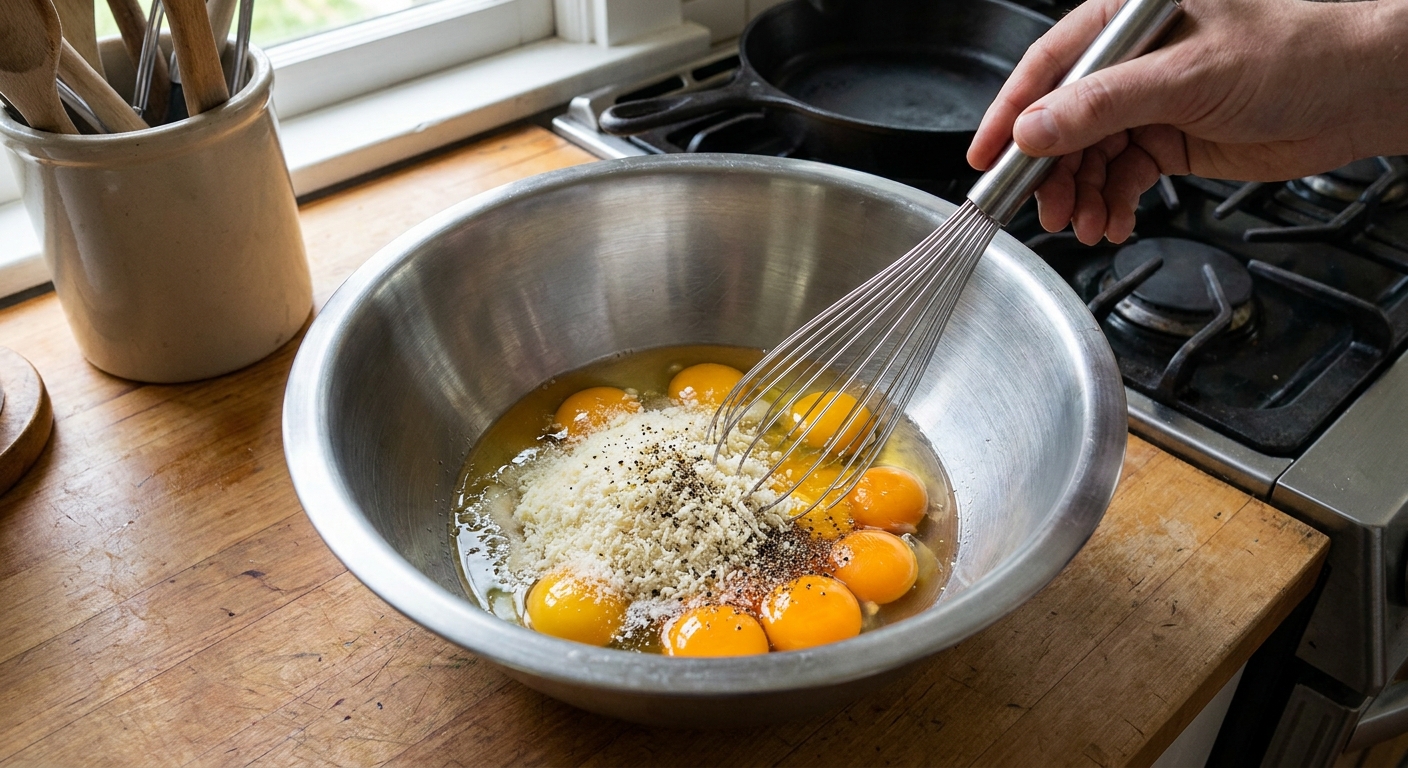
Eggs, grated Pecorino Romano, guanciale, black pepper, and dry spaghetti arranged on a clean kitchen counter with a mixing bowl and whisk

Why It Works

  • Silky texture without cream: Eggs emulsify with cheese and pasta water into a glossy sauce.
  • Built-in flavor: Rendered guanciale or pancetta fat seasons the whole pan, so every noodle tastes intentional.
  • Controlled heat: Tossing off the burner lets residual heat cook the eggs gently, not aggressively.
  • Repeatable method: A warm bowl, reserved pasta water, and quick tossing are your carbonara safety net.

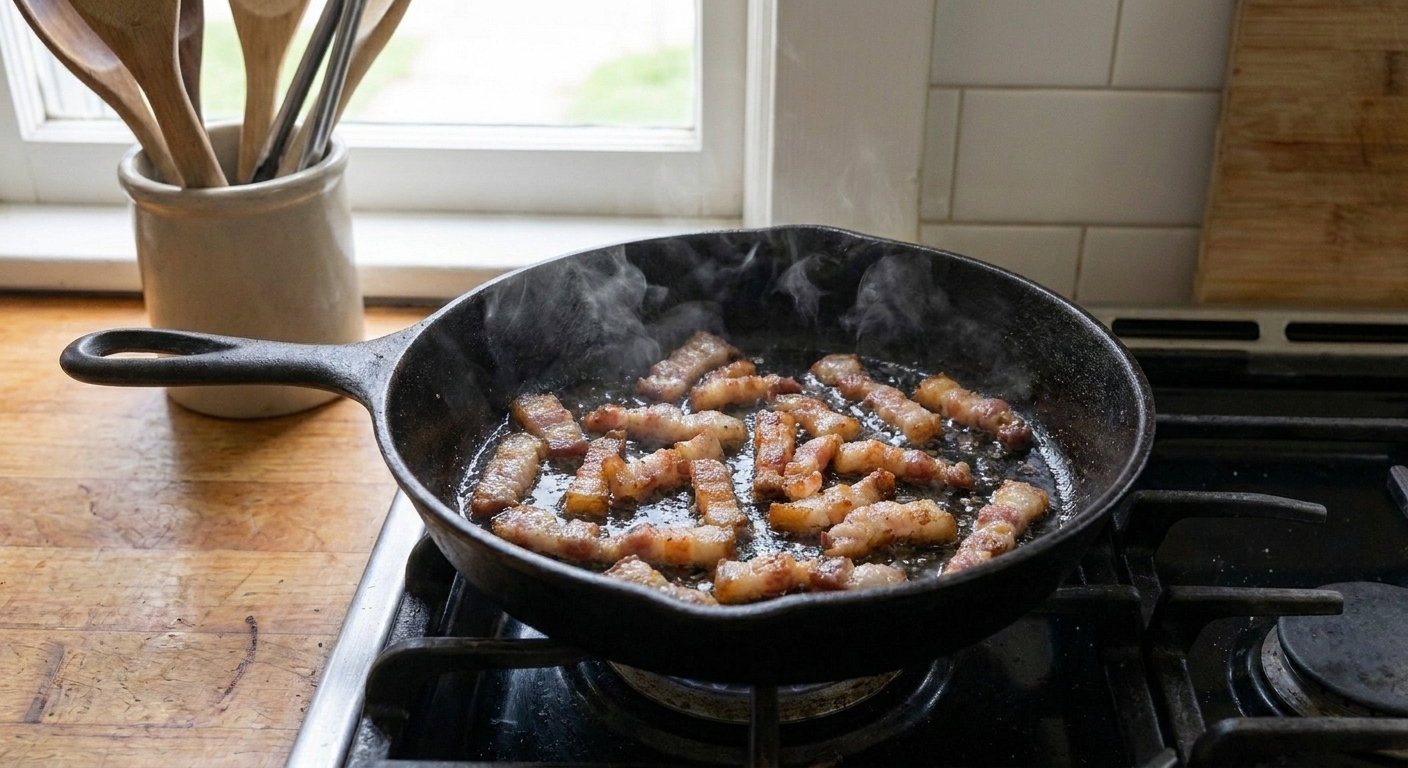
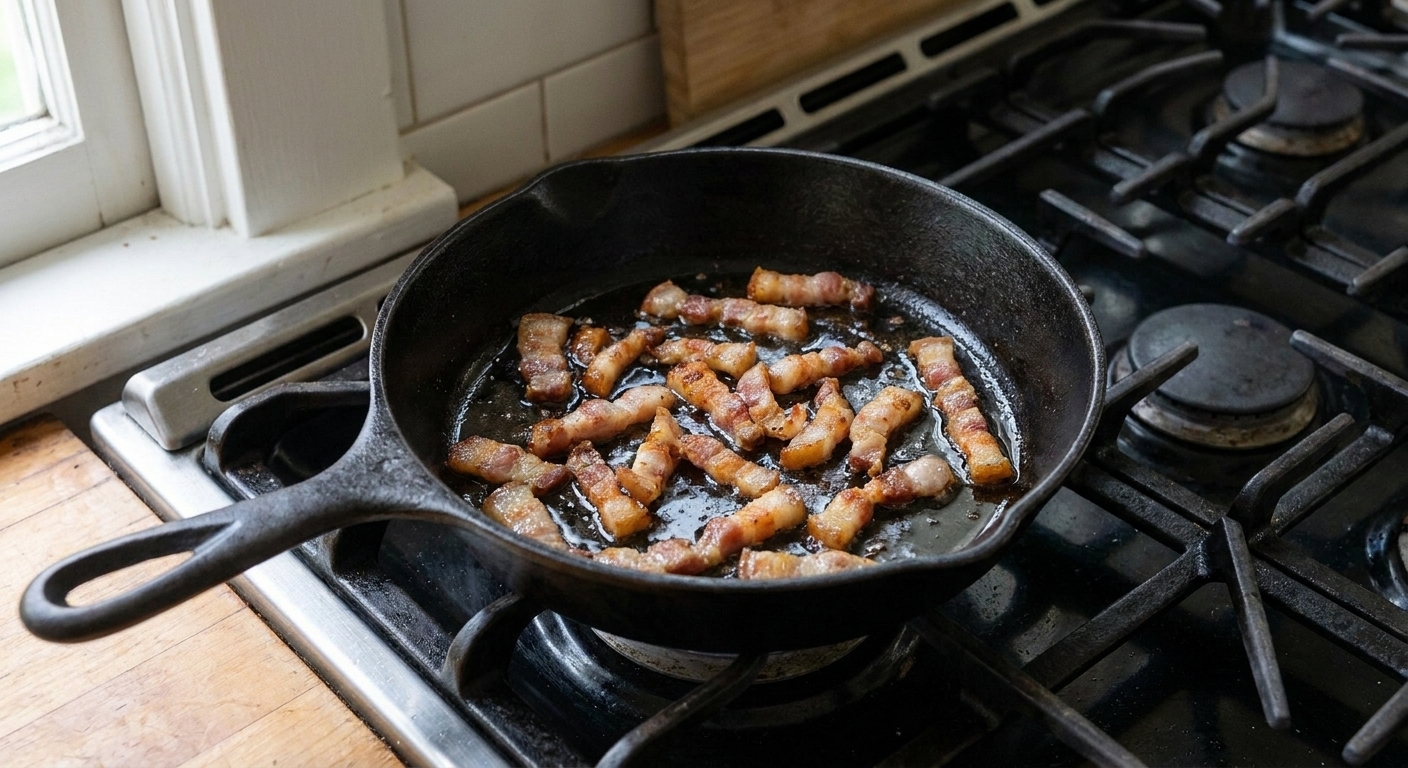
Small batons of guanciale rendering in a skillet on the stove as the fat bubbles and the edges turn golden

Pairs Well With

Storage Tips

Carbonara is at its absolute best right after you toss it. That said, leftovers happen.

How to store

  • Cool quickly, then refrigerate in an airtight container for up to 2 days.

How to reheat (best effort)

  • Know this going in: it will not fully return to that just-made emulsion. You can still get it creamy and delicious, but it is a gentle reheat, not a rewind button.
  • Add pasta to a skillet with a splash of water (or broth) over low heat.
  • Toss gently until loosened and just warmed through.
  • If it still looks tight, add another splash of water and keep tossing.

Do not do this

  • Do not microwave on high unless you enjoy surprise omelet pasta. If you must microwave, do it at 50% power in short bursts, stirring often.

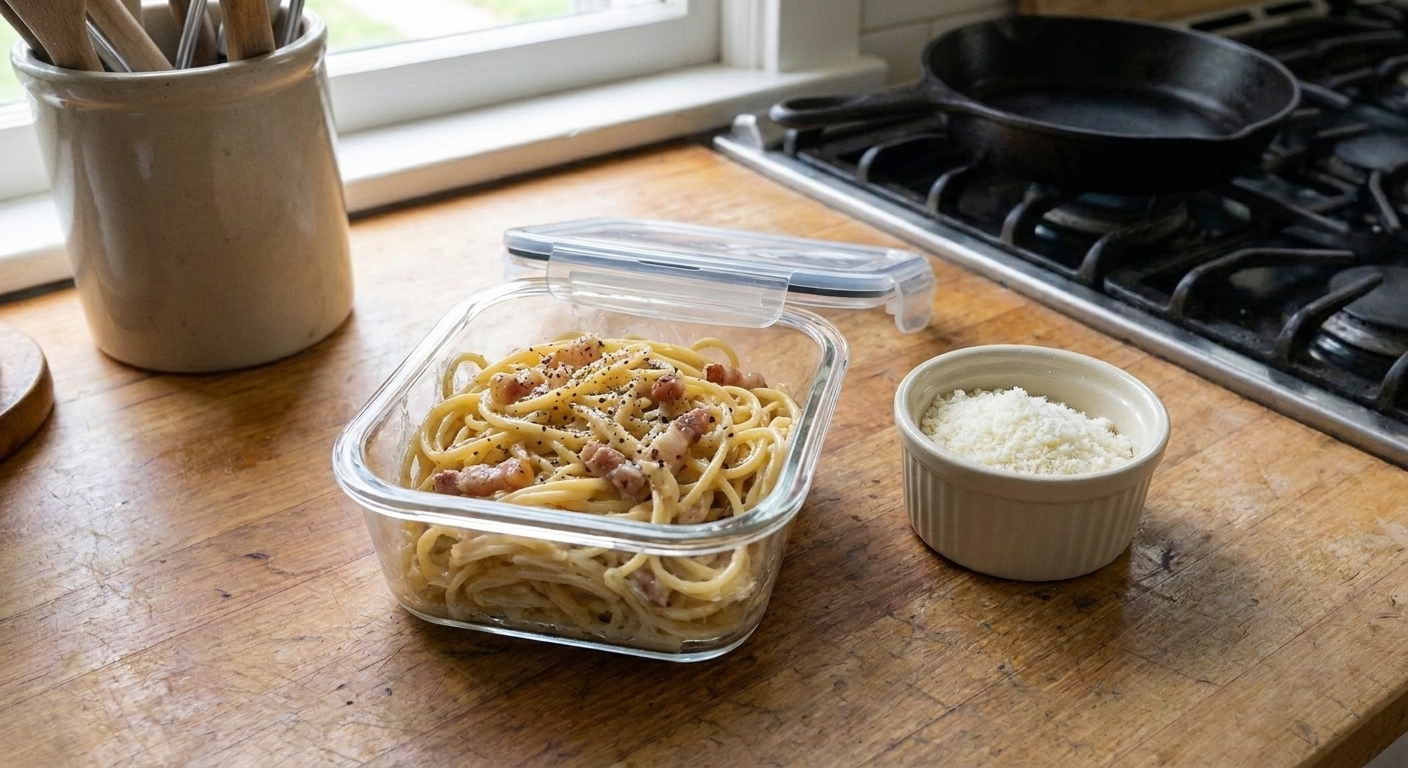
An airtight glass container holding leftover spaghetti carbonara on a kitchen counter next to a small ramekin of grated cheese

Common Questions

Is carbonara sauce raw egg?

Not in the usual sense. When you do carbonara right, the eggs thicken from the heat of the pasta, the warm pan, and a bit of hot pasta water. That said, it is not a guaranteed pasteurization moment. If you are pregnant, immunocompromised, serving very young kids, or you just want extra peace of mind, use pasteurized eggs or gently warm the egg and cheese mixture over a double boiler, stirring constantly, until it reaches about 160°F, then toss with the pasta.

Why is there no cream in this recipe?

Because classic carbonara gets its creaminess from eggs, cheese, pork fat, and pasta water. Cream can be tasty, but it changes the dish and can mute the sharp, peppery bite that makes carbonara feel alive.

How do I keep carbonara from scrambling?

  • Turn off the heat before adding the egg and cheese mixture.
  • Toss constantly and add pasta water gradually.
  • If your pan is screaming hot, let it cool 30 to 60 seconds off the burner first.
  • If you are using a very conductive pan, take the skillet fully off the stove and toss in a bowl.

Can I use bacon?

You can. It will taste more smoky and a little sweeter than guanciale or pancetta. If using bacon, consider reducing added salt and leaning hard into black pepper.

What if I do not have guanciale or pancetta?

Use bacon if you have it. In a pinch, you can crisp up chopped prosciutto, but it is lean so keep the heat gentle and add a small splash of olive oil to help things along. If you go meatless, sauté a little garlic in olive oil, then remove the garlic before tossing with the egg mixture. It will not be classic, but it will still be very good.

Whole eggs only or yolks only?

More yolks means a richer, silkier sauce. More whole eggs makes it a bit lighter and easier to toss. This recipe uses both so you get that glossy texture without feeling heavy.

Pecorino or Parmesan?

Pecorino Romano is the traditional move and gives you that salty, tangy punch. Parmesan works or do a half-and-half blend if you want it a touch softer.

My sauce is clumpy. Can I fix it?

Usually yes. Take the pan off the heat, add a splash of hot pasta water, and toss like you mean it. Clumps often just need more water and movement to smooth out.

Can I make the sauce ahead?

I would not. Carbonara sauce is a “make it, toss it, eat it” situation. You can pre-grate cheese and whisk the egg base, but wait to combine until the pasta is ready.

Carbonara was one of the first “fancy but actually simple” dishes that made me feel like I could hang in a real kitchen. The first time I tried it, I scrambled the eggs and convinced myself I had ruined dinner and my reputation. Then I tried again with two tweaks: pasta off the heat, and more pasta water than I thought I needed. It turned glossy and perfect, and I did that little mid-bite pause like, okay wow. Now it is my go-to when I want comfort food that still feels sharp around the edges.