Mom's Best Recipes
Recipe

Skillet Cheesesteak

Tender shaved steak, sweet golden onions, and melty provolone piled into toasted rolls, all done in one skillet.

Author By Matt Campbell
4.8
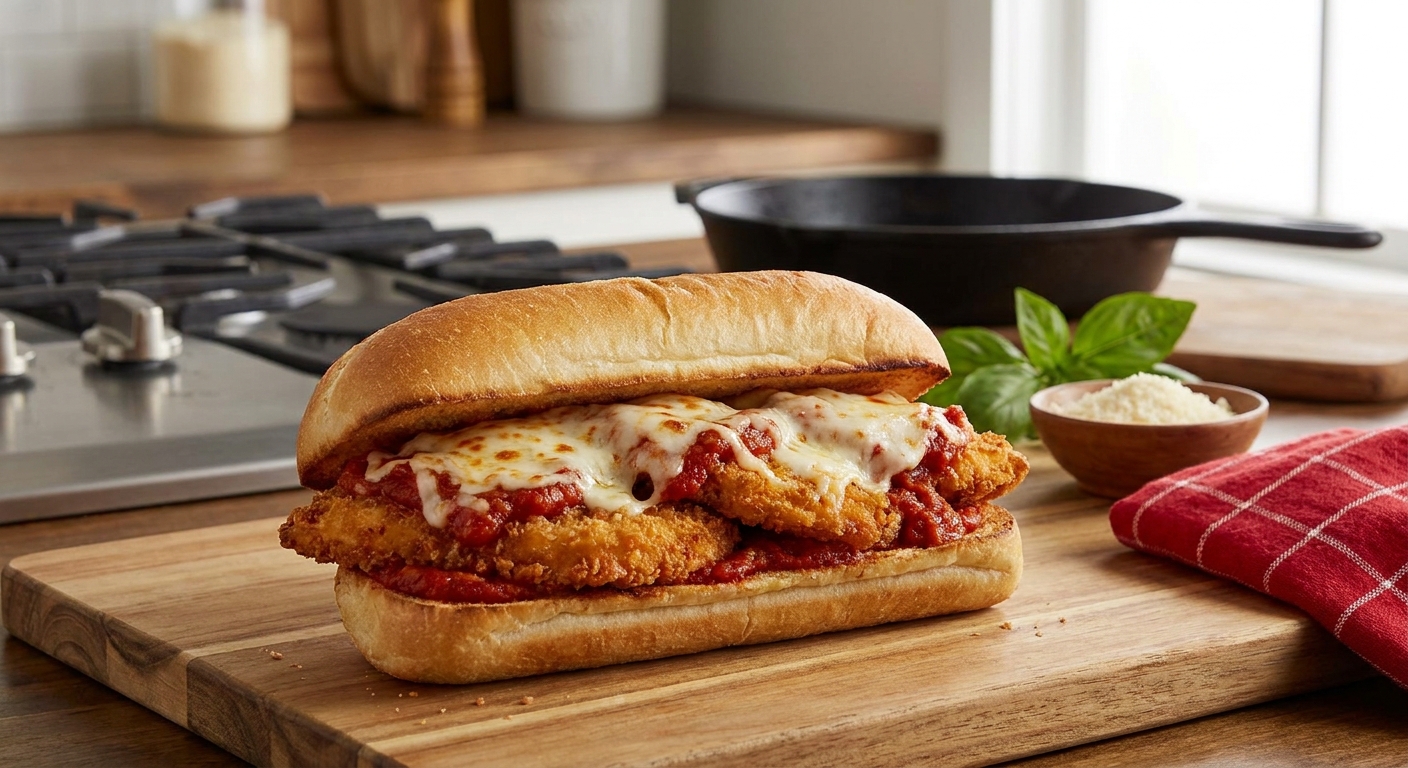
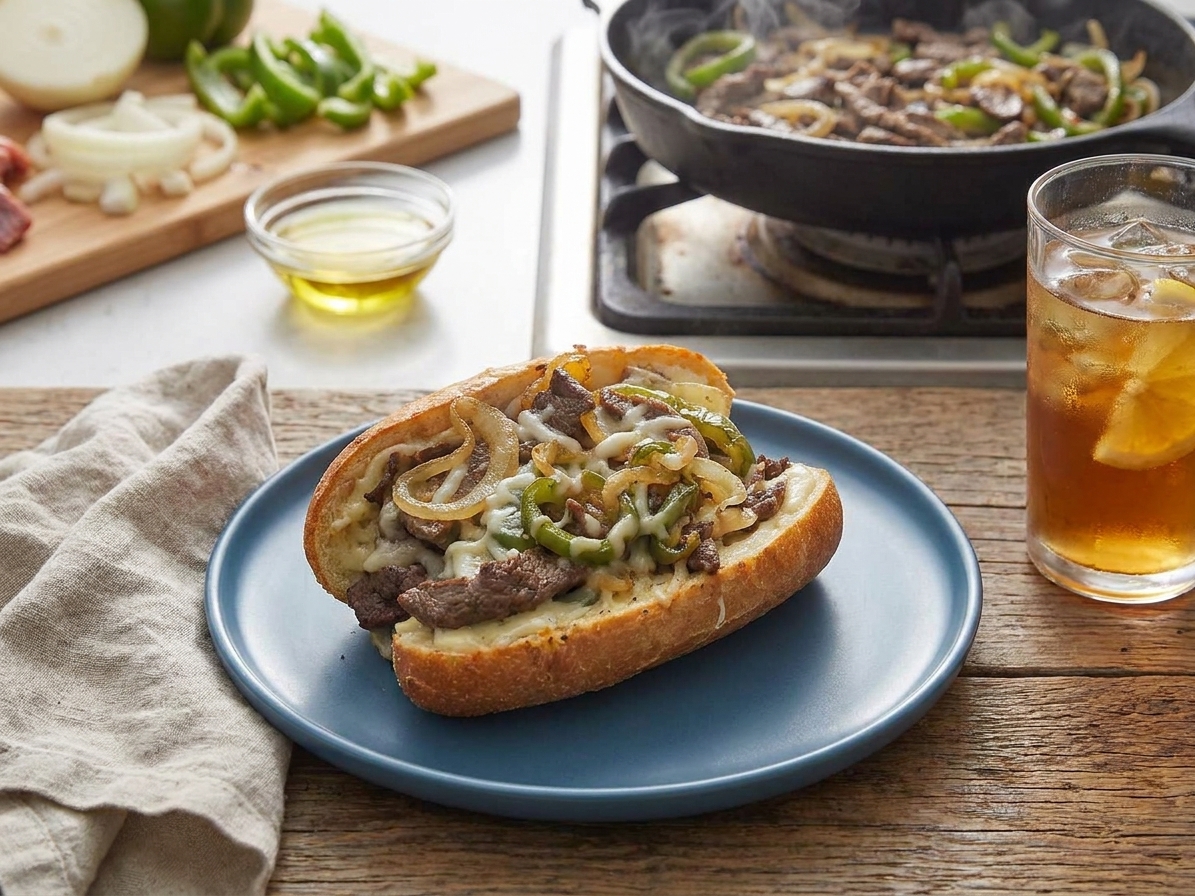
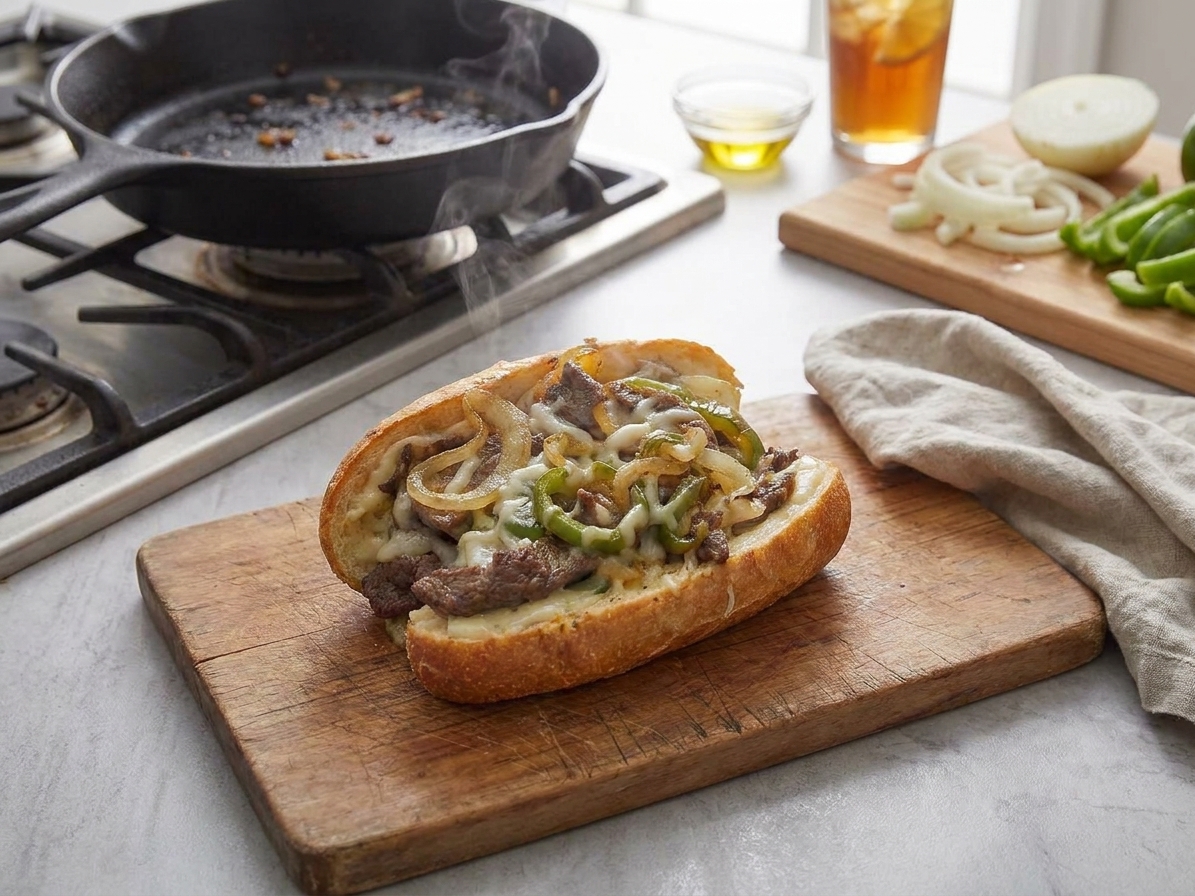
A freshly made cheesesteak on a toasted hoagie roll, filled with chopped steak, sweet golden onions, and melted provolone, sitting on a simple wooden cutting board in a warm home kitchen

Cheesesteak night is one of my favorite kinds of chaos because it is basically one hot skillet, a cutting board, and the very real possibility that you “taste test” half the onions before the sandwiches even hit the table. This version is my weeknight go-to: shaved steak cooks fast, onions get sweet and golden, and the cheese goes full blanket-mode over everything.

You do not need a flat top. You do not need special tools. You just need a skillet, decent rolls, and the willingness to let the onions take their time. The reward is a sandwich that hits all the right notes: crisp edges, juicy meat, and that melty cheese pull that makes you pause mid-bite like, okay wow.
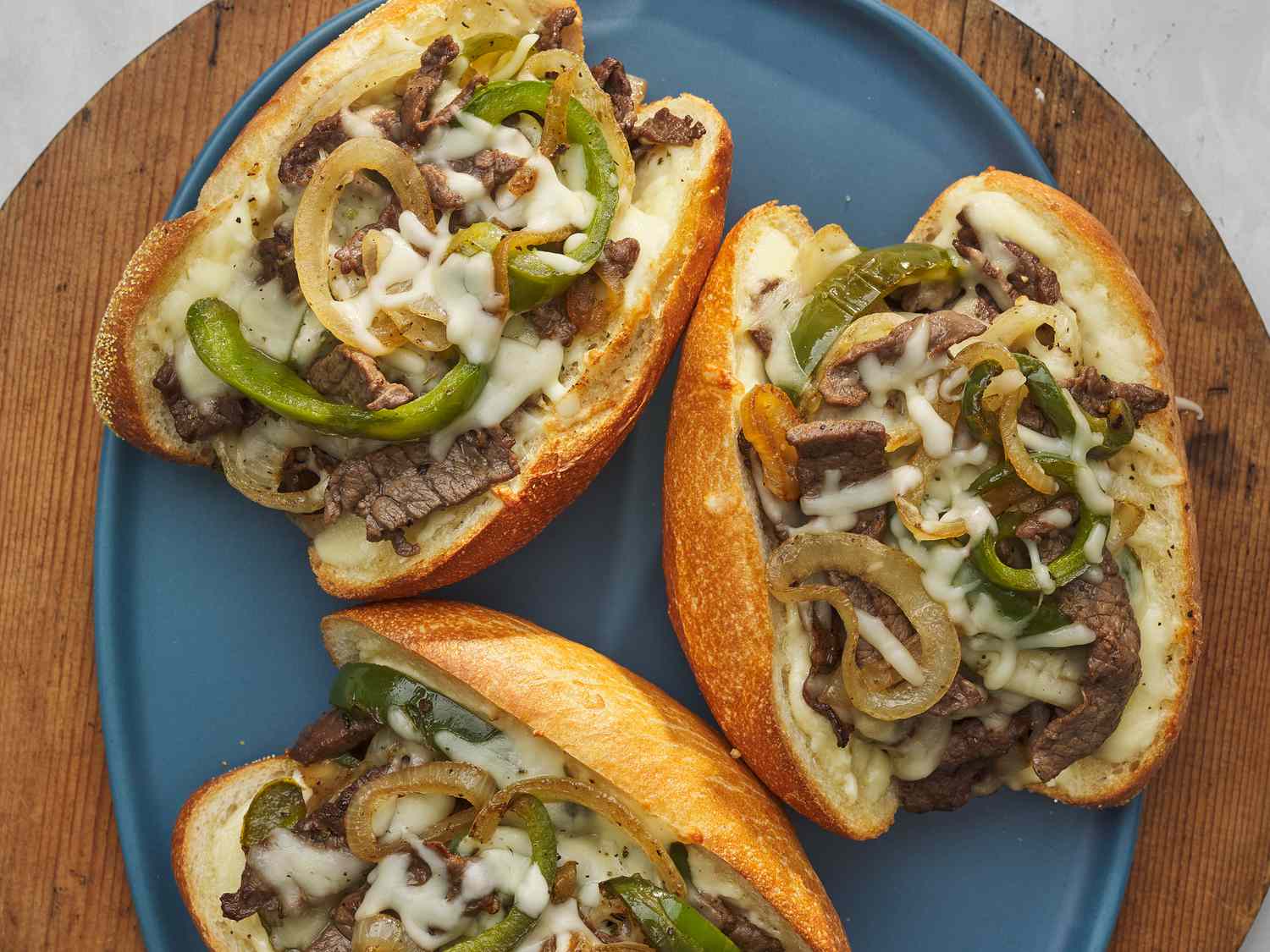
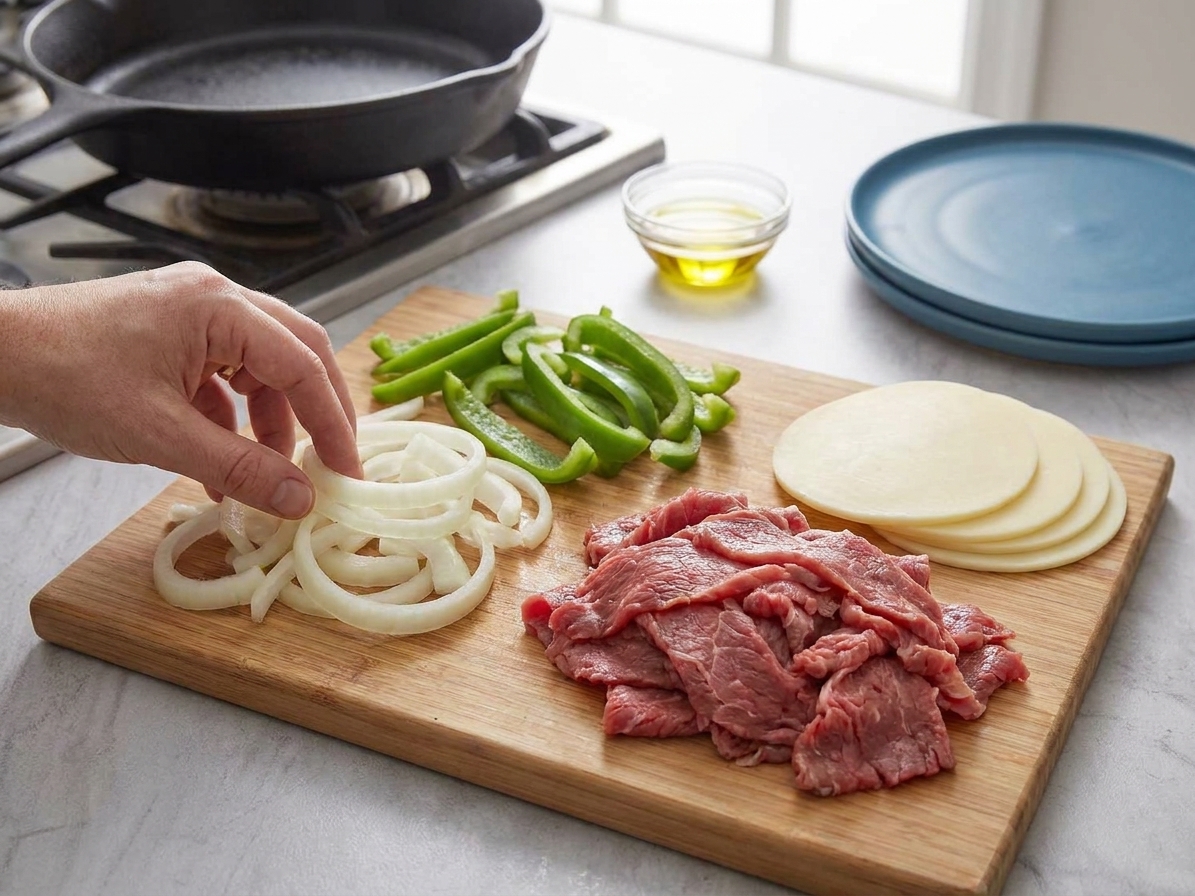
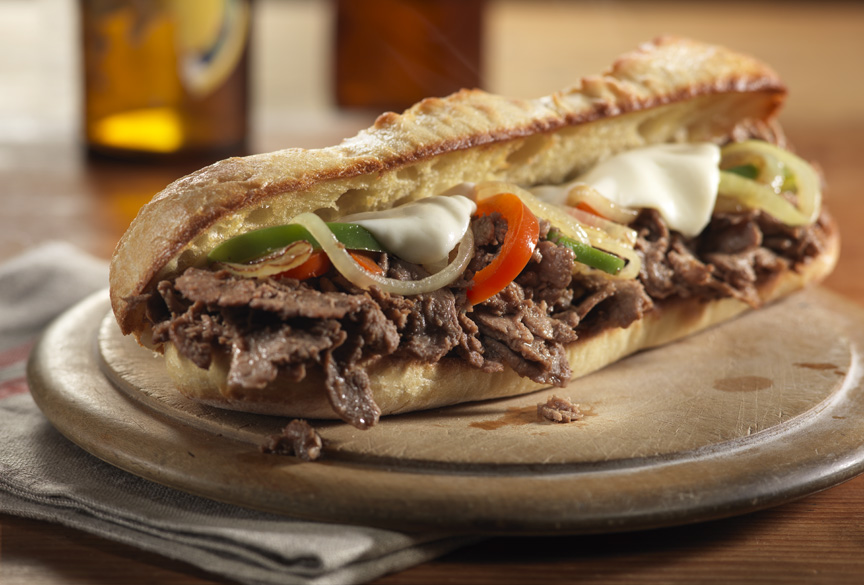
Cheesesteak ingredients laid out on a bright kitchen counter including shaved steak, hoagie rolls, onions, provolone slices, bell pepper, and seasonings in small bowls

Why It Works

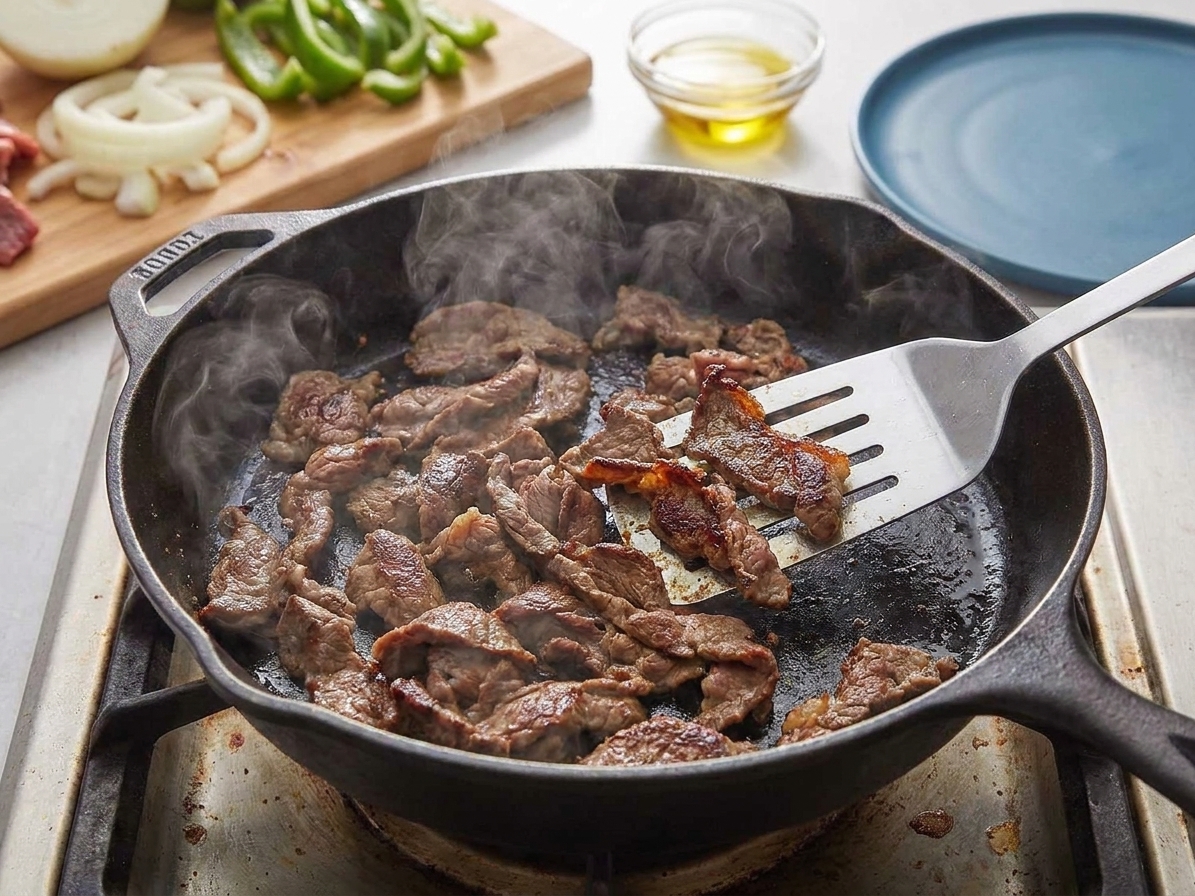
  • Fast-cooking, tender steak: Shaved ribeye style steak cooks in minutes and stays juicy when you keep the heat high and the cook time short.
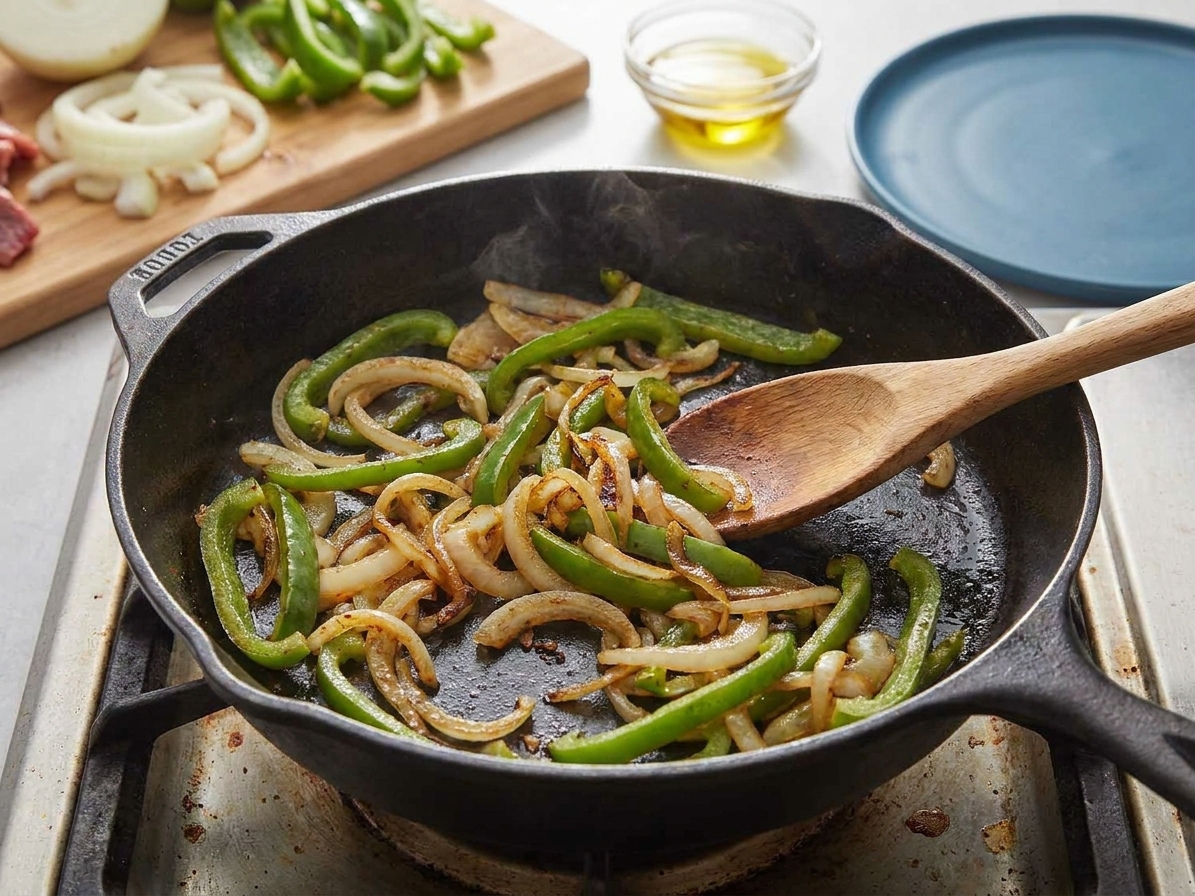
  • Onions that actually taste like something: We cook them until soft and deeply golden, then deglaze the pan for bonus flavor stuck to the skillet.
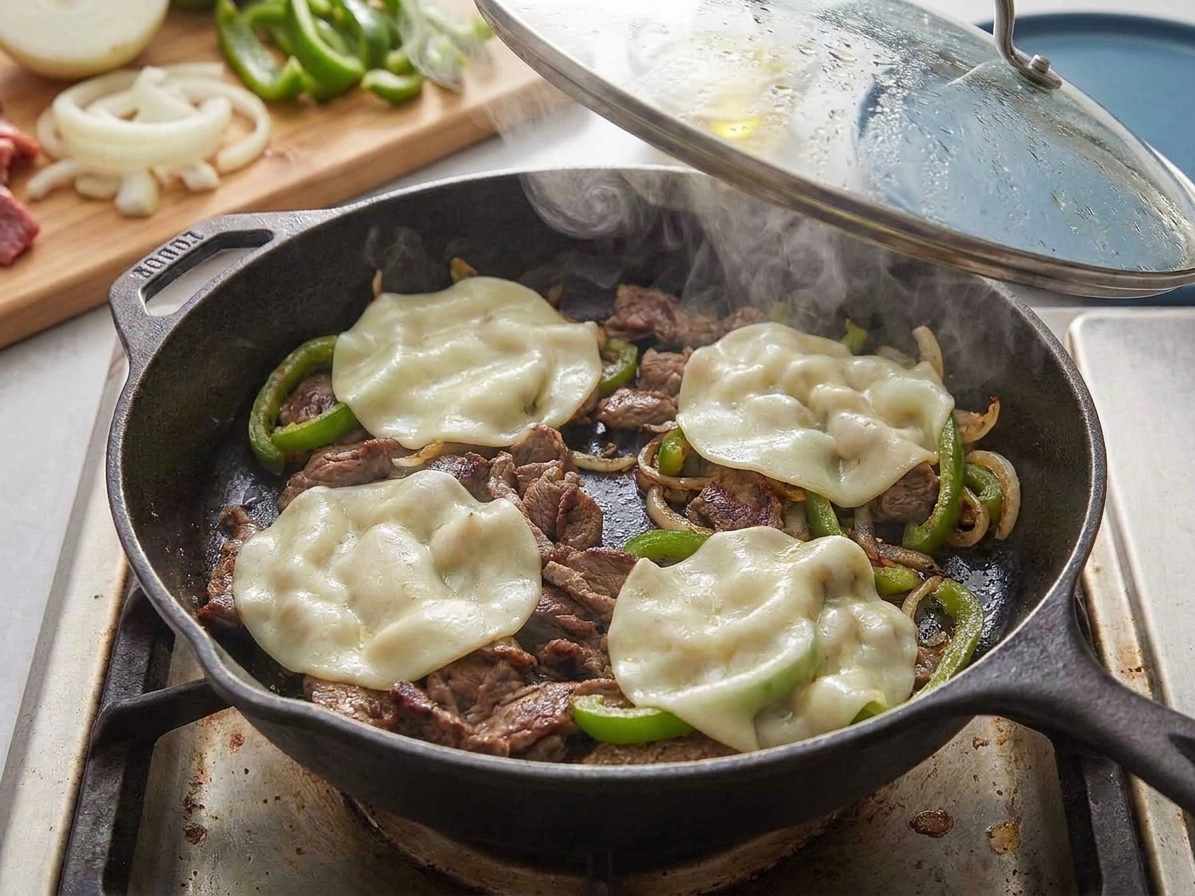
  • Melty cheese in every bite: We steam the cheese briefly, so it turns into a gooey, cohesive filling instead of random slices.
  • Toasted rolls that do not go soggy: A quick toast gives you structure, crisp edges, and a sandwich that holds up.

Pairs Well With

Storage Tips

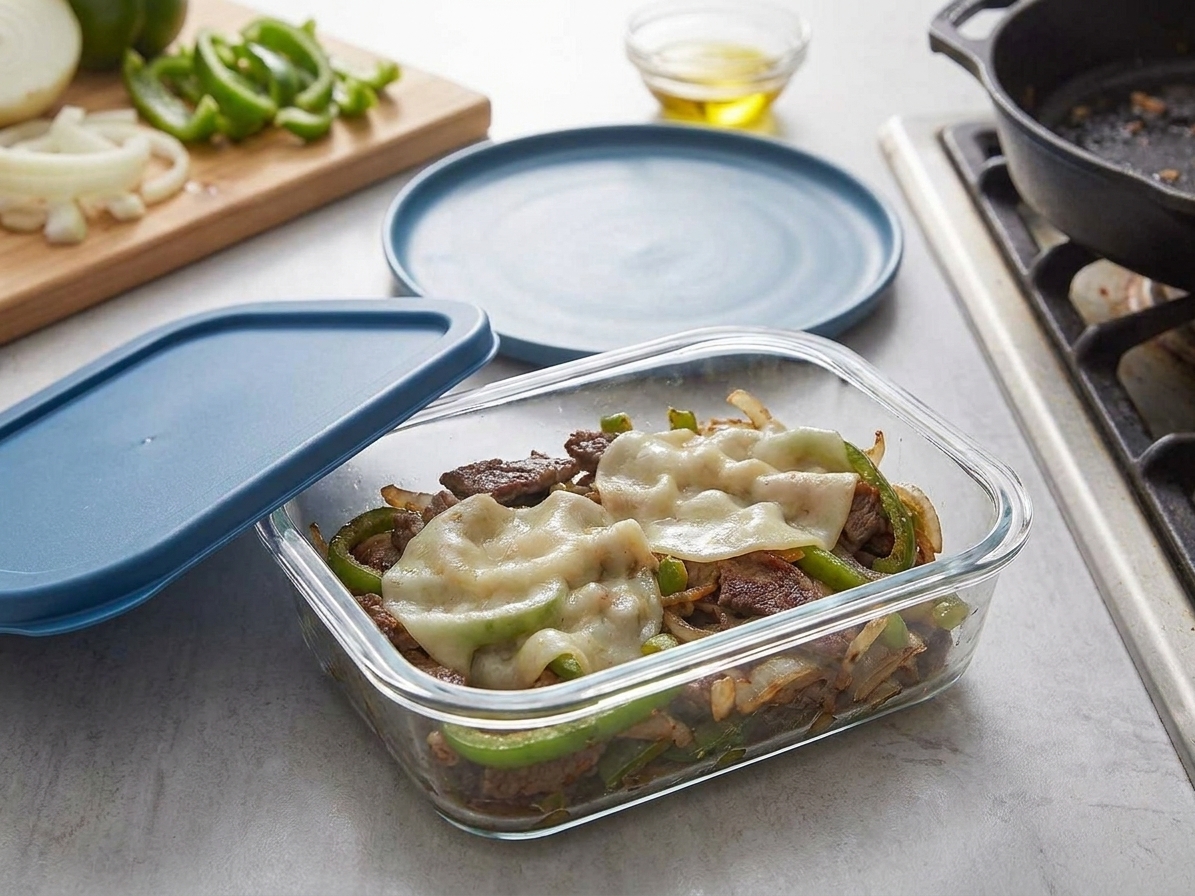
Best move: Store the filling and rolls separately. That keeps the bread from turning into a sponge.

  • Refrigerate: Cool the steak and onion mixture quickly, then store in an airtight container for 3 to 4 days.
  • Reheat: Warm in a skillet over medium heat with a small splash of water or beef broth, just until hot. For food safety, reheat leftovers to 165°F (or until steaming hot throughout). Add cheese at the end so it melts fresh.
  • Freeze: You can freeze the cooked filling for up to 2 months. Thaw overnight in the fridge, then reheat in a skillet.
  • Leftover idea: Chop it up and throw it into scrambled eggs, a quesadilla, or over fries.
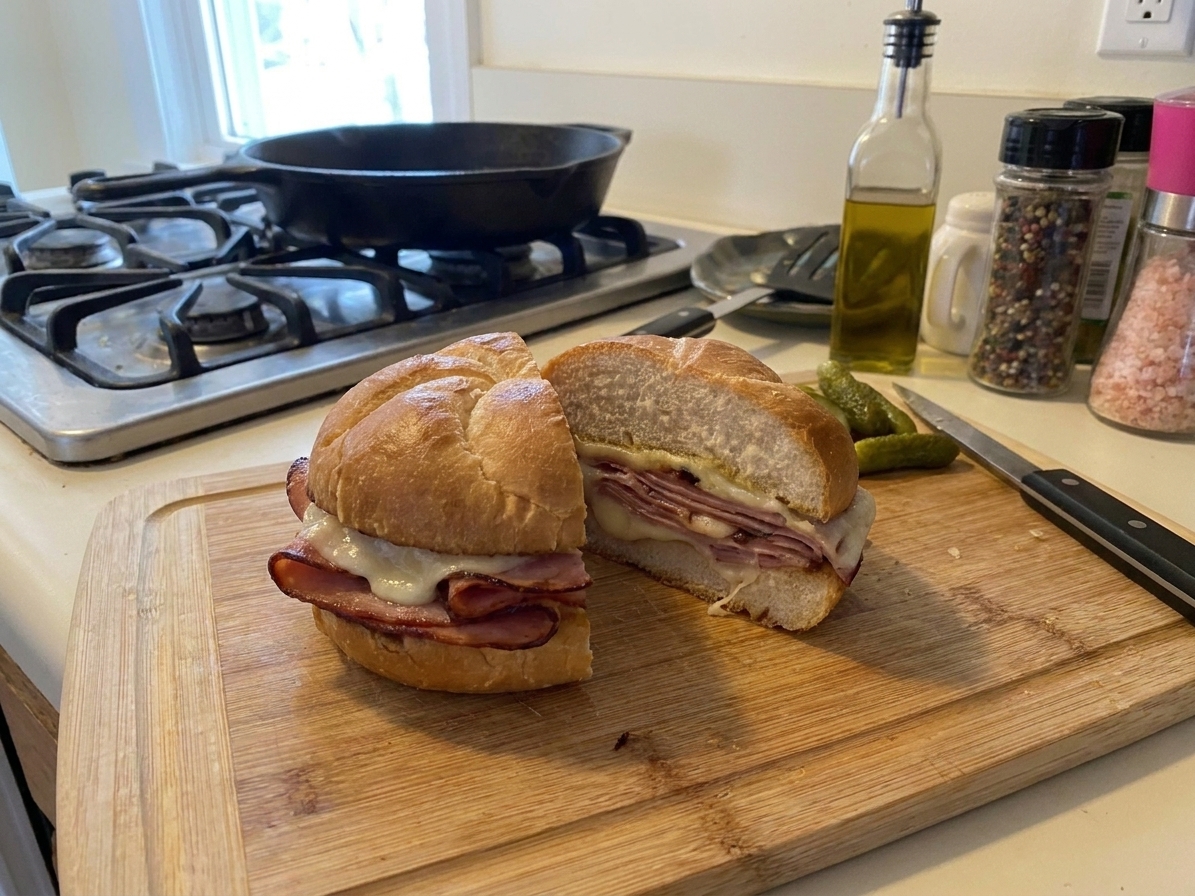
A glass meal prep container filled with leftover cheesesteak meat and onions, with provolone on top, sitting on a kitchen counter next to a lidded container

Common Questions

What cut of beef is best for cheesesteak?

Classic cheesesteaks are often made with ribeye. For home cooking, look for thinly shaved steak labeled ribeye or sirloin, or ask the butcher to slice ribeye very thin. If you are slicing at home, partially freeze the steak for 20 to 30 minutes first so it firms up.

Can I make this without a griddle?

Absolutely. A heavy skillet (cast iron is great) gets you the same high heat sear. Just cook in batches if your pan is small so the meat browns instead of steaming.

Provolone, American, or Cheese Whiz?

All are valid, and I refuse to be the cheese police. Provolone is sharp and stretchy, American melts like a dream, and Cheese Whiz gives you that classic, saucy vibe. Use what makes you happiest.

Do peppers belong on a cheesesteak?

Traditionally, cheesesteaks are onion-forward, and peppers are optional. In this recipe, peppers are a choose-your-own-adventure add-in. If you love them, sauté them with the onions.

How do I keep the steak from turning tough?

High heat, quick cook, and do not overwork it. If it is shaved thin, it only needs a couple minutes. For seasoning: salt it right before it hits the pan for the best sear, or salt it well ahead (about 40 minutes or more) if you want a mini dry brine. Try to avoid salting in the 10 to 30 minute window, when it can draw out moisture without enough time to reabsorb.

I love cheesesteaks because they are the rare “messy” food that still feels like a plan. You have a hot pan, a pile of onions, and suddenly the kitchen smells like you knew what you were doing all along. The first time I made them at home, I overcooked the steak and under-toasted the rolls, which is a truly humbling combo. Now I do it the way I wish someone had told me from the start: let the onions get sweet and golden, cook the steak fast, and melt the cheese with a lid. It is relaxed, a little chaotic, and the payoff is immediate.