Mom's Best Recipes
Recipe

Slime With Glue

Classic stretchy slime made with school glue and a simple activator, plus my go-to fixes for sticky, rippy, or rubbery batches.

Author By Matt Campbell
4.8
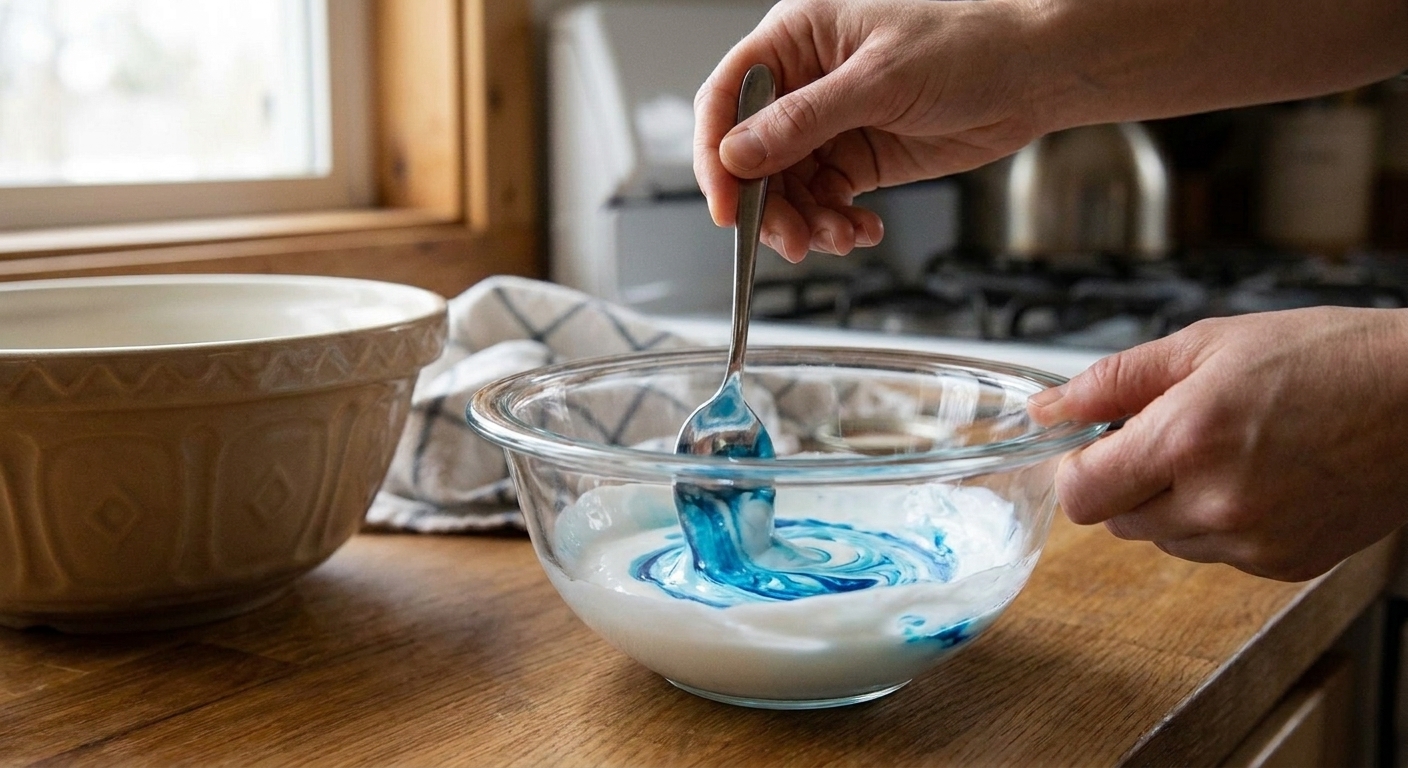
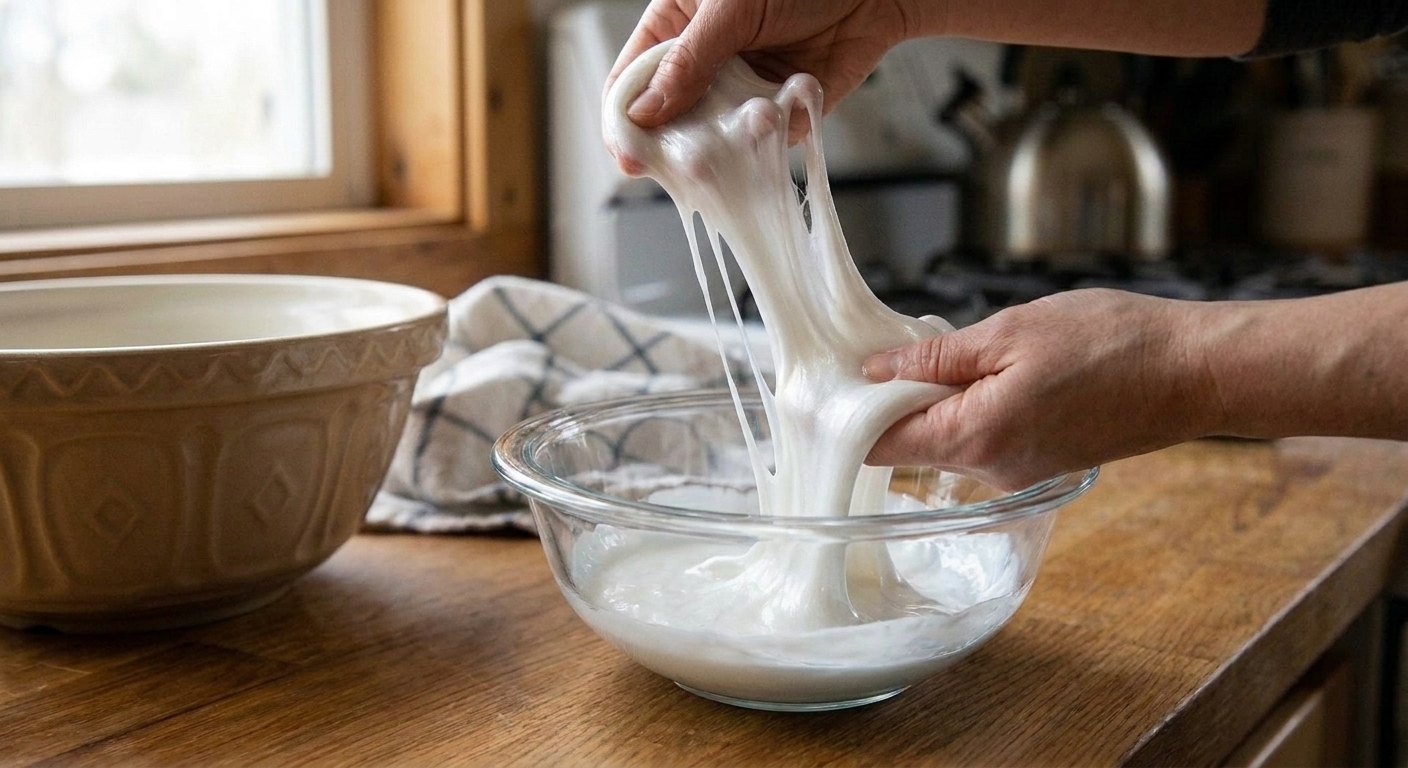
A clear glass bowl of glossy white slime being stretched by two hands over a light kitchen counter in bright natural window light

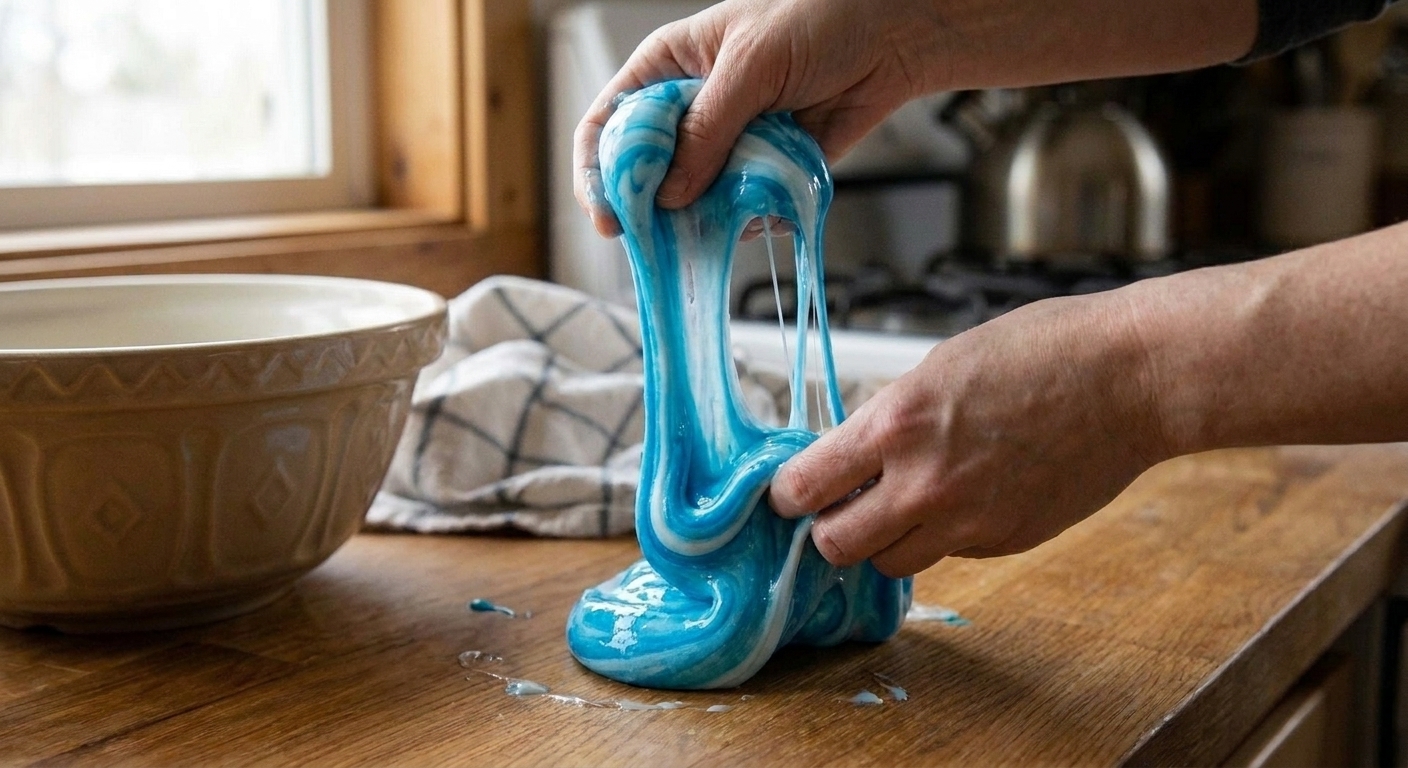
Slime is basically a sauce, just for your hands. You are building texture. You are balancing hydration. And yes, one tiny splash too much can take you from perfectly stretchy to sad rubber ball in about three seconds.

Also, quick reminder up front: slime is not food. It just borrows a few kitchen skills.

This is my no-drama, glue-based slime recipe. It uses regular school glue and a simple borax solution activator. I will also show you how to feel when the slime is ready, because chasing exact teaspoon math with slime is like trying to measure a sneeze.

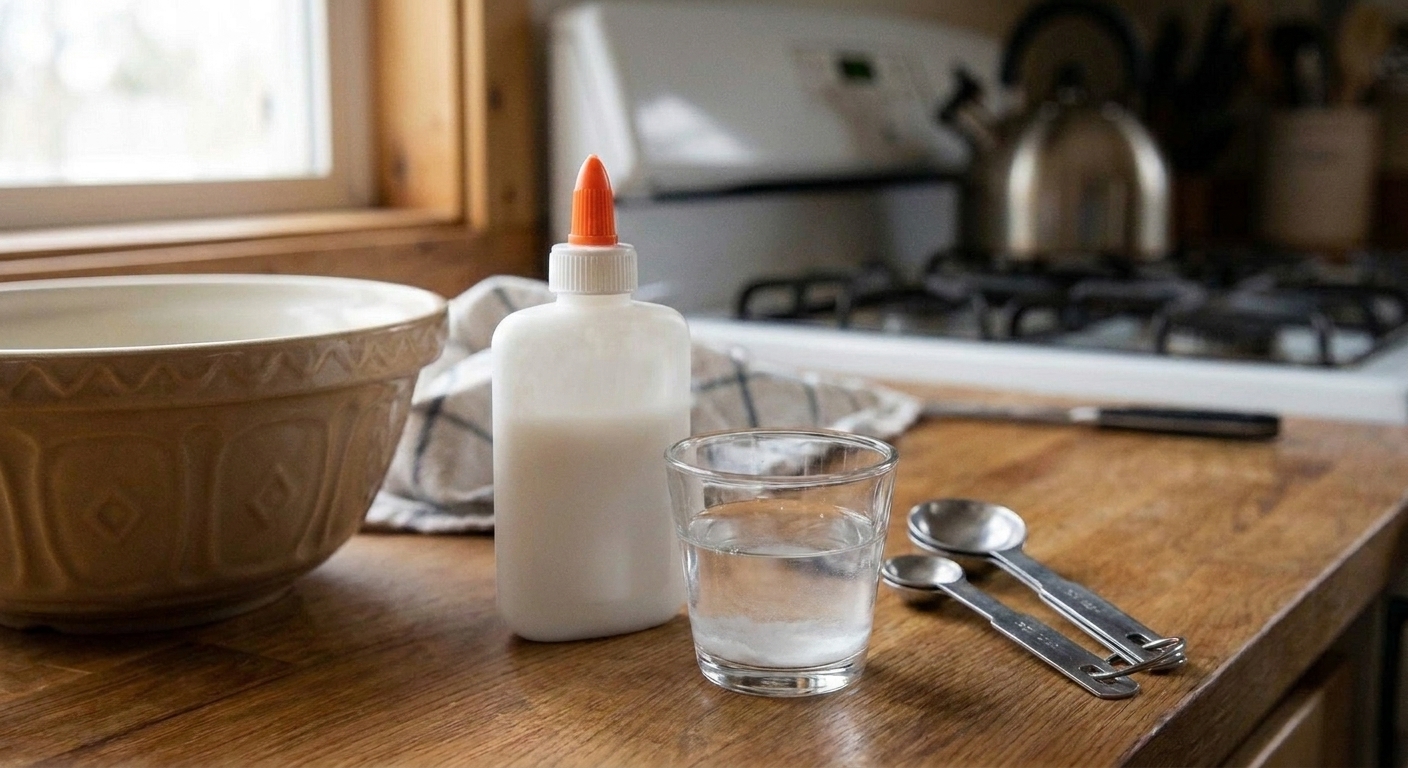
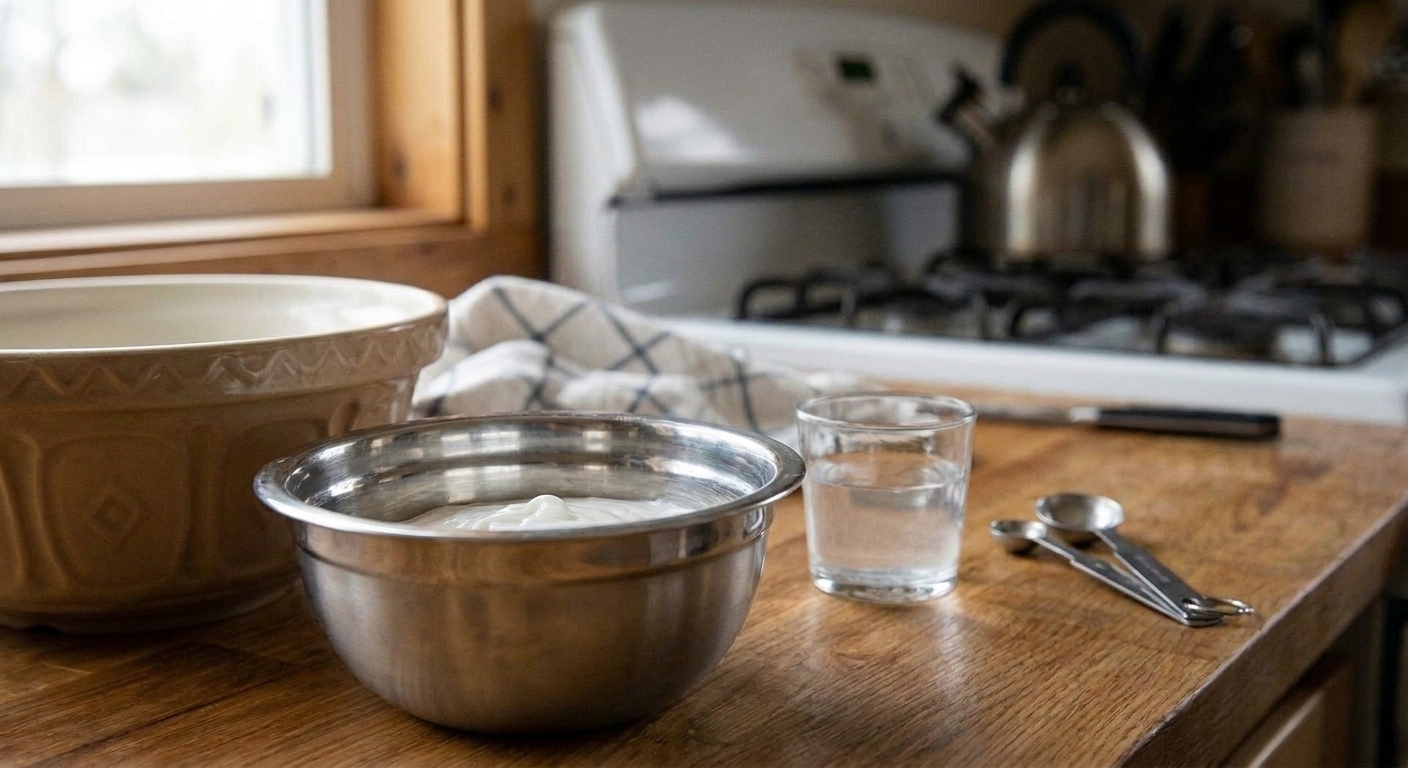
White school glue and a small cup of clear borax solution with measuring spoons arranged on a clean kitchen counter

Why It Works

  • Stretchy, glossy texture: We add activator slowly so it stays pliable instead of turning stiff.
  • Clear checkpoints: You will know what the slime should look like at each stage, including the moment it pulls cleanly from the bowl.
  • Fixable if you miss: Sticky slime and rubbery slime are both recoverable most of the time, and I tell you exactly how.
  • Accessible ingredients: Basic school glue and a common activator, with an optional contact solution method if that is what you have.

Pairs Well With

Storage Tips

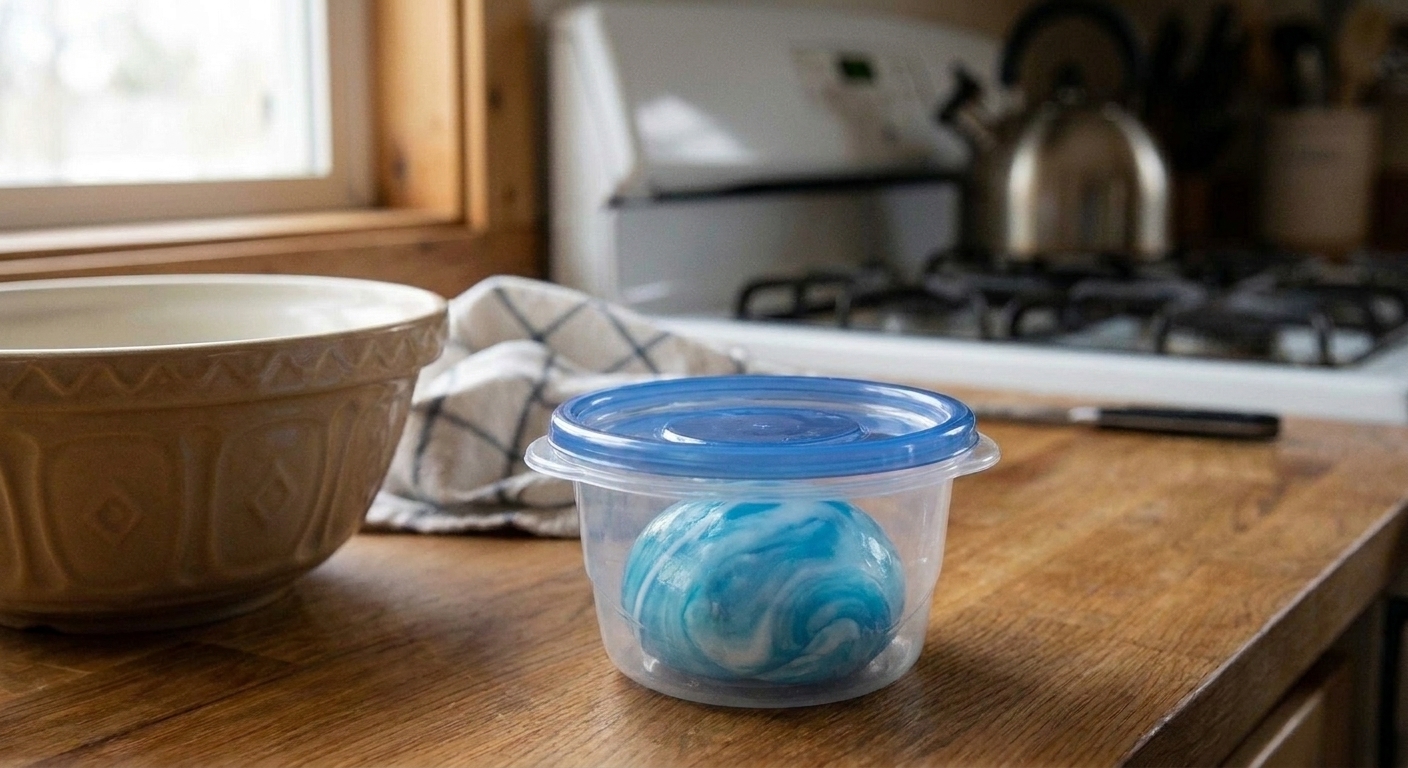
Short term: Store slime in an airtight container or zip-top bag at room temperature for up to a week. Some batches last longer if kept very clean and tightly sealed.

Keep it from getting crusty: If it starts to feel dry, knead in 1 to 2 teaspoons warm water a little at a time until it loosens up.

If it gets too sticky after storage: Add a few drops of activator, knead, and stop as soon as it becomes smooth again.

Cleanup tip: If any bits get on fabric, do not rub. Let it dry, then pick off gently. Rinse the spot with cool water and a little soap. If residue remains, try a small splash of vinegar on the spot, then rinse again. Test an inconspicuous area first.

Scaling tip: You can double the glue, but activator does not always double perfectly. Mix a bigger batch the same way, slowly, and expect to use a little less or a little more than “double” depending on your glue.

Common Questions

Is glue slime safe?

For most families, glue slime is fine for supervised play, but it is not edible. If you are using borax, keep it away from toddlers and pets, avoid contact with eyes and broken skin, and have everyone wash hands after. Adult supervision is a good idea. If anyone gets irritation, stop and rinse with cool water.

Why is my slime still sticky?

Usually it just needs a little more activator or a little more kneading time. Add 1 teaspoon of borax solution at a time and knead for 30 to 60 seconds before adding more. Slime tightens slowly as you work it.

Why did my slime turn rubbery or stiff?

That is over-activated. Fix it by kneading in warm water a teaspoon at a time. You can also knead in 1/2 teaspoon glycerin or a tiny bit of lotion to bring back stretch.

Can I make slime with contact lens solution instead of borax?

Yes, but it can be less consistent depending on the brand. For 1/2 cup glue, stir in 1/2 teaspoon baking soda, then add contact lens solution in small squirts (about 1/2 teaspoon at a time) until it clumps and pulls from the bowl. Look for solution that contains boric acid or sodium borate.

What glue works best?

Look for PVA school glue. Off-brand is fine, but super watery glue can make a stickier slime. Clear glue makes a more glassy slime. White glue makes an opaque, marshmallowy slime.

How do I keep slime from sticking to hair?

Best move is prevention. Tie hair back. If it happens, coat the stuck area with conditioner or oil, gently work slime out with your fingers, then shampoo.

I did not go to culinary school, but I did spend plenty of time learning the hard way that texture is everything. Slime scratches that same itch as making a quick pan sauce: you add a little, stir, pause, then decide if it needs more. The first time I made glue slime, I dumped in activator like I was salting pasta water and instantly created a bouncy rubber meteor. Now I go slow, knead longer than I think I need to, and treat “sticky” as a phase, not a failure.