Common Questions
Do I have to cook the noodles first?
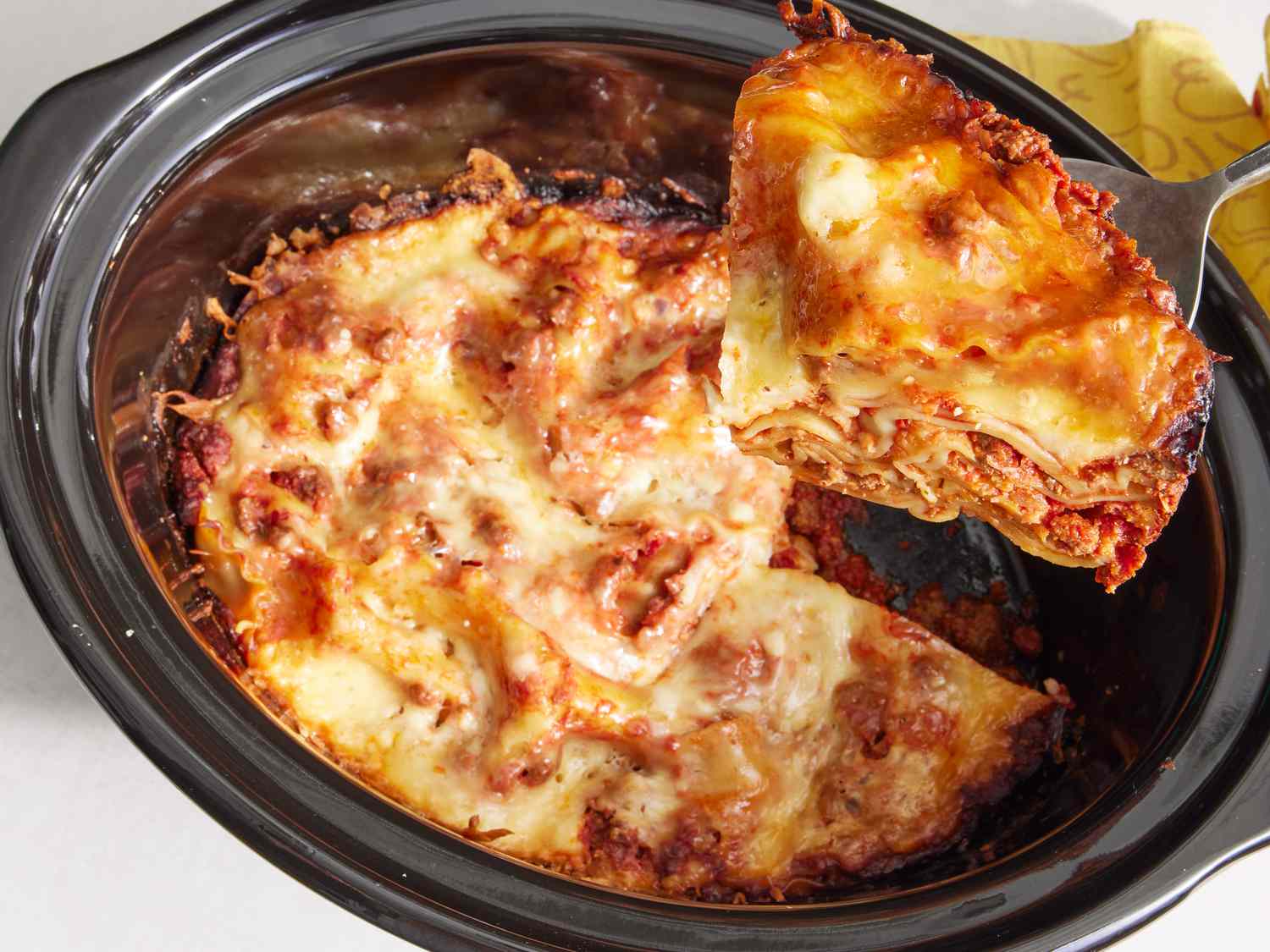
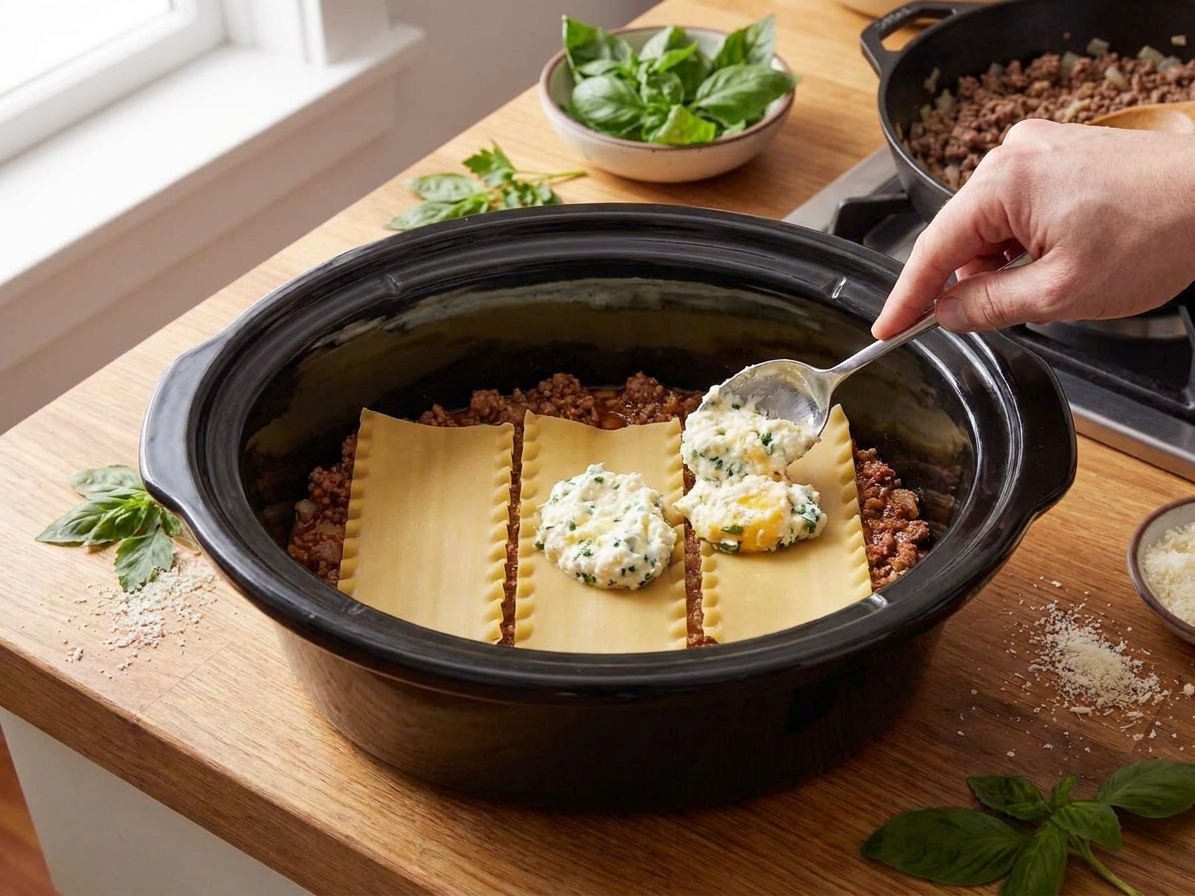
Nope. Use regular lasagna noodles, break them to fit, and layer them in with plenty of sauce. The key is making sure the noodles are fully covered with sauce so they soften properly.
Why did my slow cooker lasagna turn out watery?
The usual culprits are thin sauce, extra-wet ricotta, or vegetables that release a lot of water. Use a thicker marinara, drain meat well, and if you add veggies like zucchini or spinach, saute and squeeze out moisture first. Also, let the lasagna rest 20 to 30 minutes after cooking so it can set.
Can I use no-boil (oven-ready) noodles?
Yes. They work great here. They can cook faster and soften more than regular noodles, so start checking early and go by texture. On HIGH, check around 2.5 hours. On LOW, check around 3.5 to 4 hours depending on your slow cooker.
Do I need to stir the layers?
Please do not. Stirring turns lasagna into casserole, which is not a crime, but it is a different vibe. Keep the layers intact and let it do its thing.
How do I keep it from sticking or burning on the edges?
Lightly oil the insert and start with a thin layer of sauce on the bottom. Make sure the outer edges have sauce coverage too, since some slow cookers run hot around the sides. If yours tends to scorch, cook on LOW and avoid letting exposed noodles sit against the crock. You can also use a slow cooker liner if that is your love language.
Can I make it vegetarian?
Absolutely. Skip the meat and add sauteed mushrooms, chopped spinach (squeezed dry), or diced bell peppers. You can also use a plant-based crumble, browned first for better flavor.
Should I lift the lid to check it?
Try not to. Every peek drops the heat and can mess with the timing. If you must check, do it near the end and do it fast.