Mom's Best Recipes
Recipe

Small-Batch Orange Marmalade

Glossy, bright, and toast-ready with a gentle citrus bite and tender peel.

Author By Matt Campbell
4.8
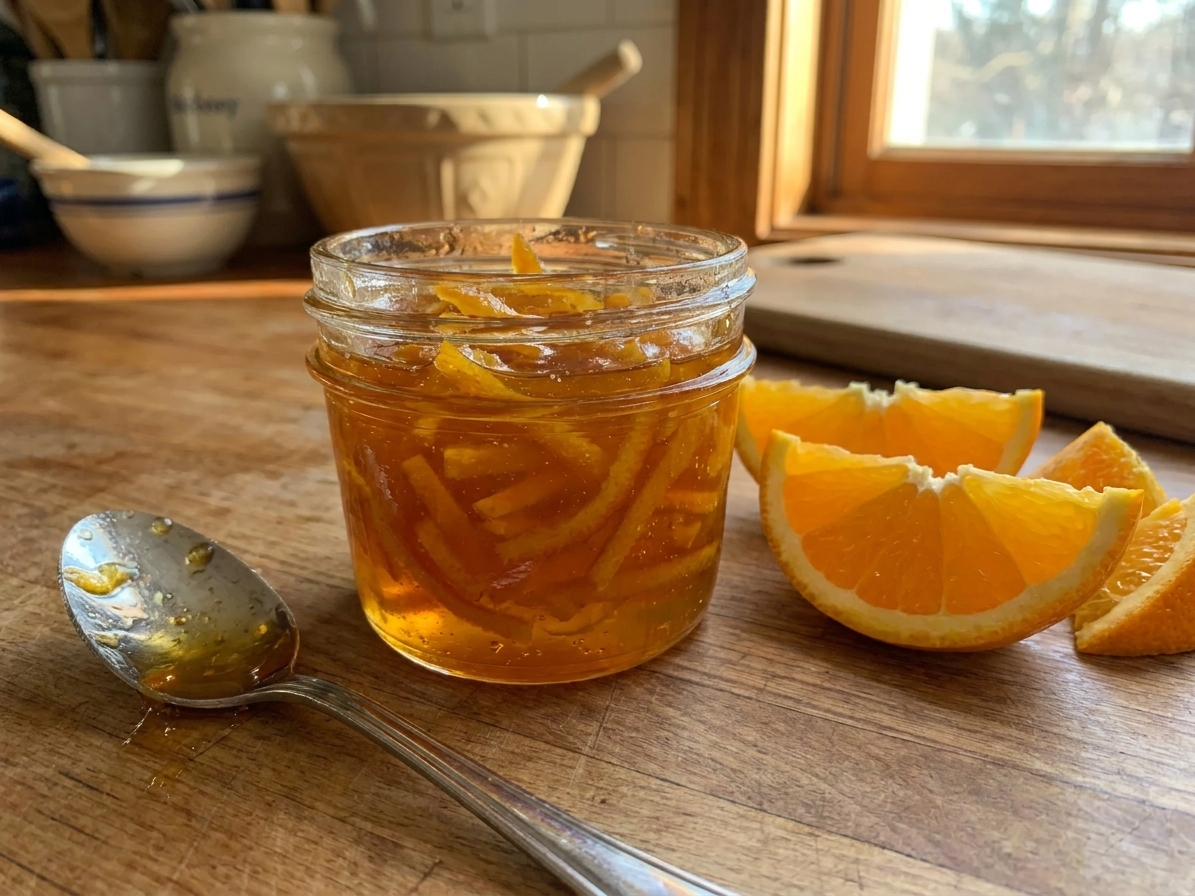
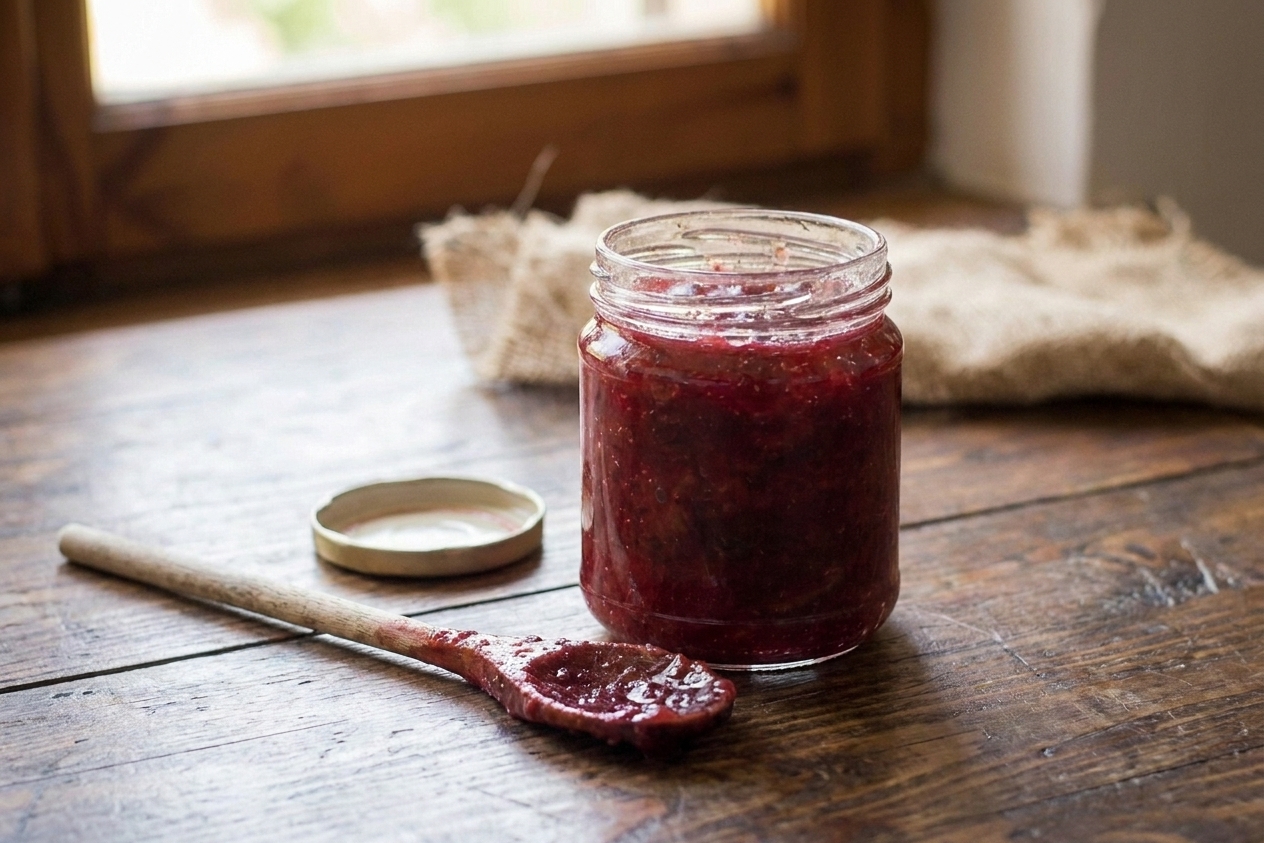
A small glass jar of glossy orange marmalade with visible tender peel on a wooden kitchen counter beside a spoon and sliced oranges in warm natural light

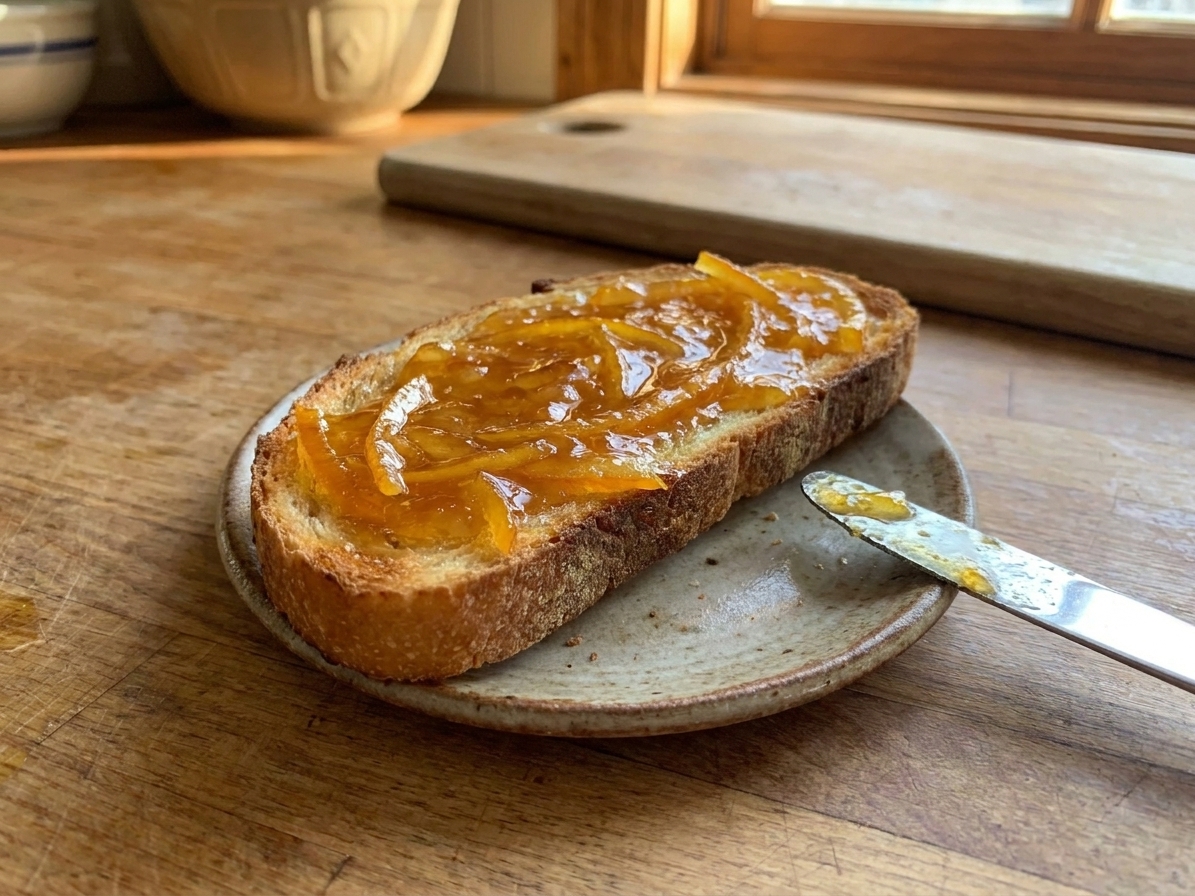
Marmalade is one of those pantry flexes that feels fancy, but it is really just fruit + sugar + a little patience. The magic is in the peel. Done right, it turns from bitter and tough into soft little ribbons that make your toast taste like it has its life together.

This is my small-batch orange marmalade for normal humans. No giant stockpot situation, no mystery boxed pectin, no boil-for-exactly-47-minutes stress. We use the citrus pectin already in the fruit, slice the peel thin, and cook it down until it goes glossy and spoon-coating. (And if your fruit is a little low-pectin, I will tell you exactly what to do.)

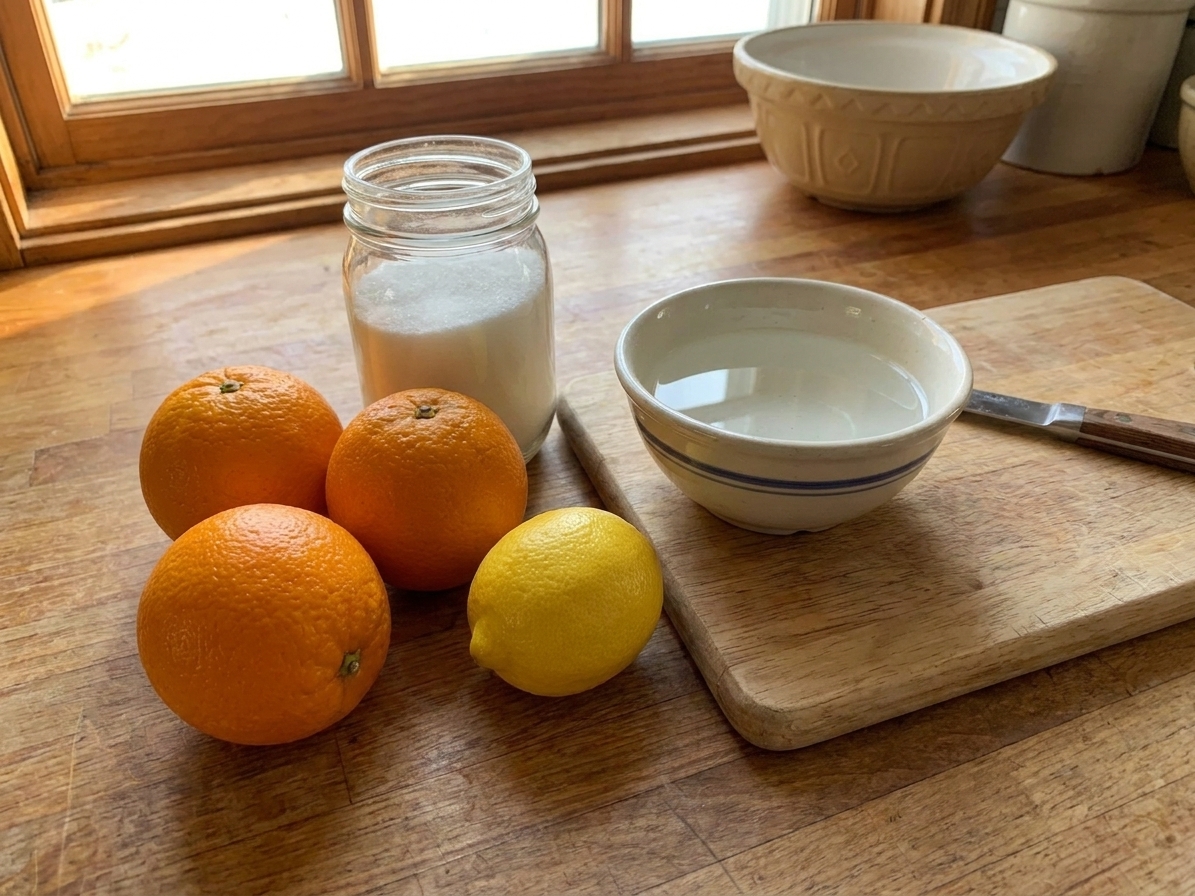
Whole oranges, a lemon, granulated sugar, and a bowl of water arranged on a clean kitchen counter, ready for marmalade

Why It Works

  • Bright, balanced flavor: lemon lifts the oranges so it tastes sunny, not flat or candy-sweet.
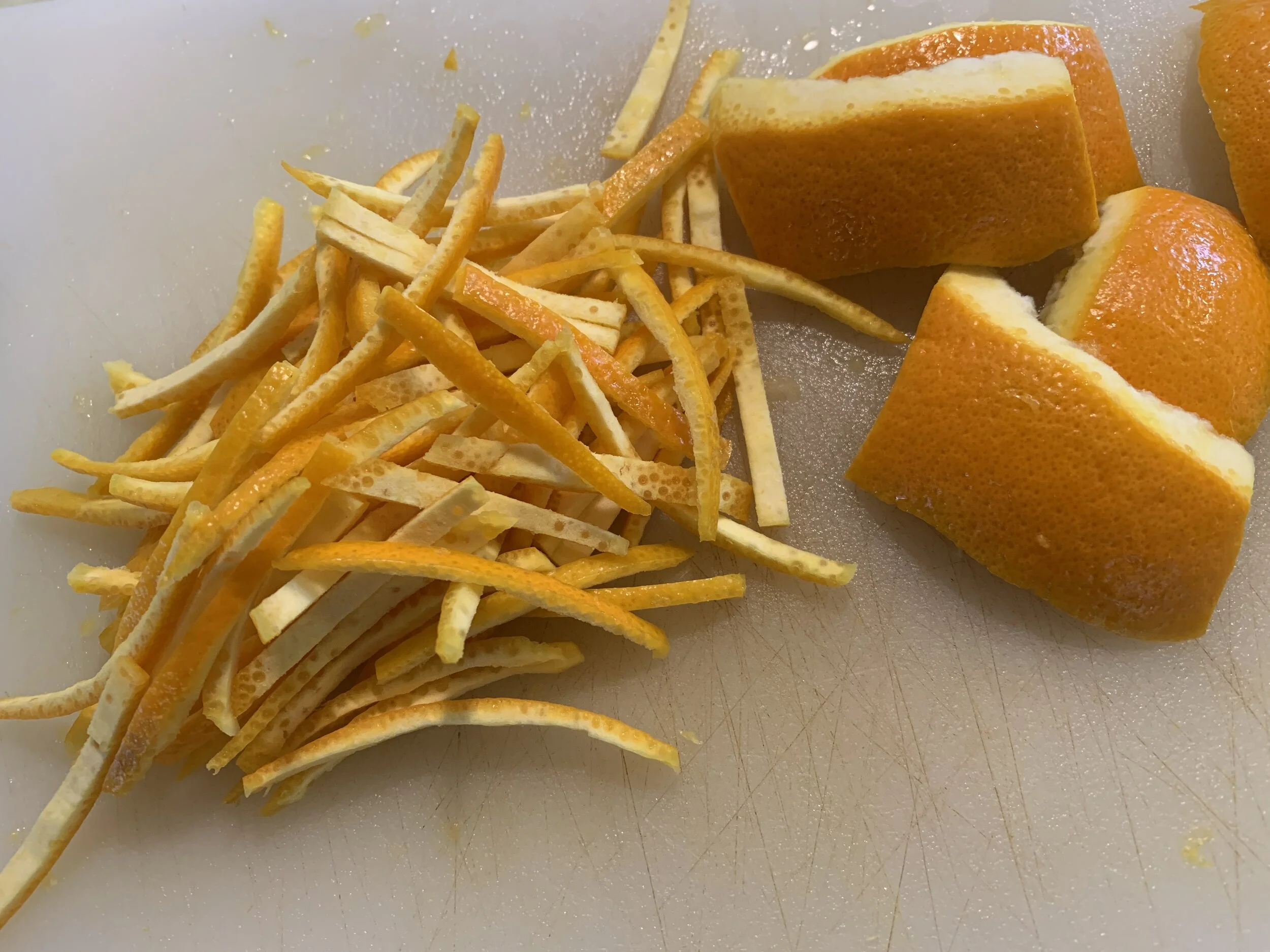
  • Tender peel, not chewy: a quick blanch takes the harsh edge off and softens the rind.
  • No pectin needed: citrus can set naturally when you simmer it to the right temp and texture. (If your batch is stubborn, you just simmer a bit longer and re-test.)
  • Small batch, big payoff: you get enough for your week without committing your whole afternoon.

Pairs Well With

Storage Tips

Refrigerator: Cool completely, then store in a clean jar with a tight lid for about 2 to 3 weeks. Keep it cold and use a clean spoon every time.

Freezer: Marmalade freezes great. Spoon into freezer-safe containers, leaving a little headspace. Freeze up to 3 months. Thaw overnight in the fridge.

If it thickens too much in the fridge: Stir in 1 to 2 teaspoons warm water to loosen, or let it sit at room temp for 10 minutes before spreading.

Note on canning: This recipe is written for fridge or freezer storage. If you want shelf-stable canning, use a tested, canning-specific recipe and follow safe processing times for your jar size and altitude.

Common Questions

What is the difference between marmalade and jam?

Marmalade includes citrus peel (or other citrus rind) for that signature bittersweet bite. Jam usually uses peeled fruit and has a softer, more uniform texture.

Why does my marmalade taste bitter?

The bitterness mostly comes from the white pith, membranes, and the peel. A few fixes: slice the peel thinner, remove as much pith as you can, and do not skip the blanch. Seville oranges are the classic bitter orange, and some navels with thick pith can taste more bitter than you expect, so taste your fruit and adjust the blanching if needed.

How do I know when it is set without a thermometer?

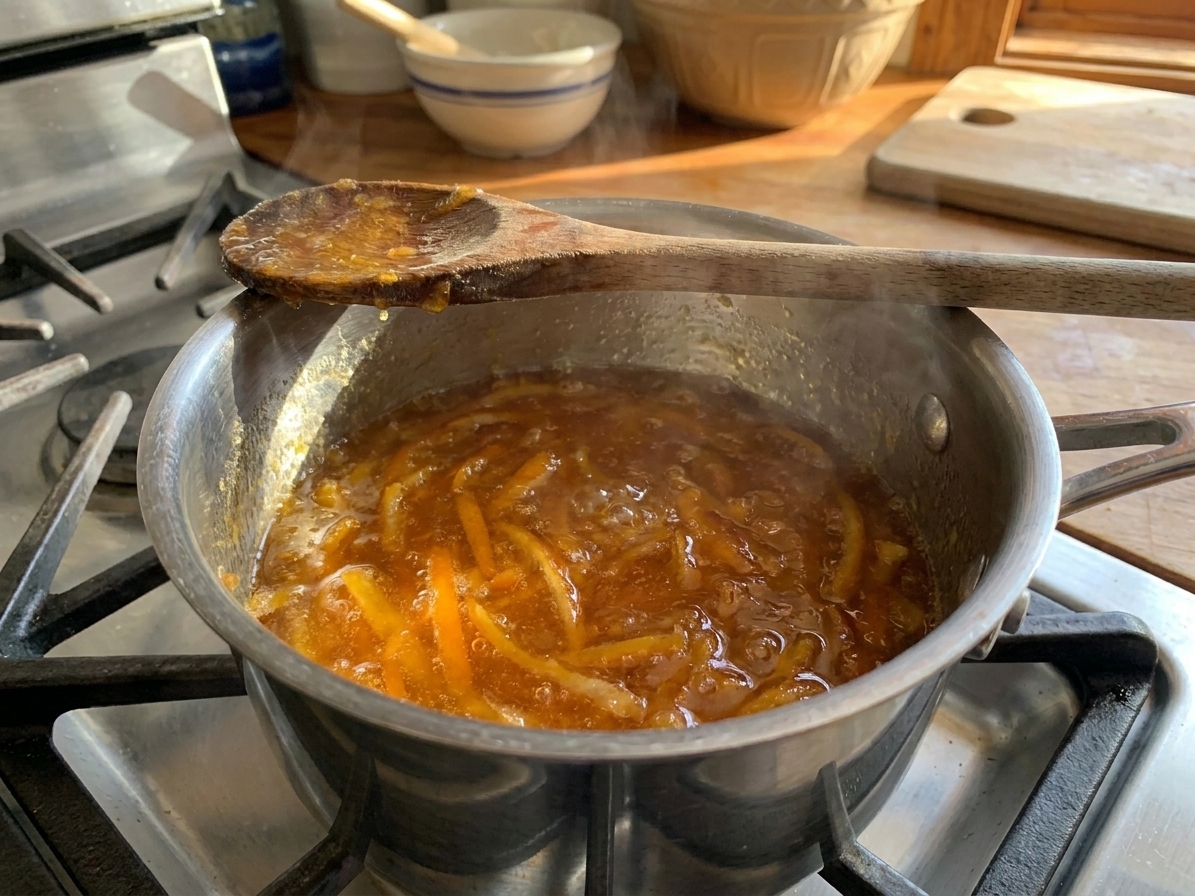
Use the cold plate test: chill a small plate in the freezer. Spoon a little marmalade onto it, wait 30 seconds, then drag your finger through. If it wrinkles and the line holds, you are there. If it runs like syrup, simmer a few more minutes and test again.

What is the set temperature?

The common target is 220°F at sea level, but it can be a little lower at higher altitudes and depends on thermometer accuracy. Use temperature as a guide and back it up with the cold plate test and visual cues (thicker bubbles, spoon leaves a brief trail).

What oranges work best?

Seville oranges are the classic, but they are seasonal and extra bitter. For everyday marmalade, I like a mix of navel oranges (sweet) and one blood orange if you have it (deeper flavor), or just all navels plus lemon for balance. Fruit size and juiciness vary, so cook time can vary too.

Can I reduce the sugar?

You can, but the set and shelf life will suffer because sugar is doing structural work here. If you reduce it, expect a softer marmalade and store it in the fridge, using it within about 1 to 2 weeks.

Help, it will not set

Keep simmering in 3 to 5 minute bursts and re-test. Citrus sets from a mix of natural pectin, sugar, and reduction, and some fruit is just lower-pectin. If it still stays loose, call it a win and use it as a spoonable citrus syrup for yogurt and pancakes.

Help, it is too thick

Warm it gently and stir in a splash of water (start with 1 teaspoon at a time) until it loosens.

Why did mine crystallize?

Crystals usually come from undissolved sugar or sugar stuck on the sides of the pot. Stir until fully dissolved before the strong simmer, avoid vigorous scraping once it is thick, and wipe down the pot sides with a damp brush if you see crystals forming.

Is foam a problem?

Nope. Foam is normal. Skim it if you want a clearer, shinier jar.

I got into marmalade because I wanted the kind of breakfast that feels like you tried, even when you absolutely did not. A good jar in the fridge makes toast taste intentional. The first time I made it, I sliced the peel way too thick and ended up with something that felt like chewing citrus shoelaces. Lesson learned: thin peel, quick blanch, then let the pot do the work. Now it is one of my favorite kitchen therapy projects, especially when the house smells like oranges and you start thinking you might be a morning person after all.