Do I need pectin for orange marmalade?
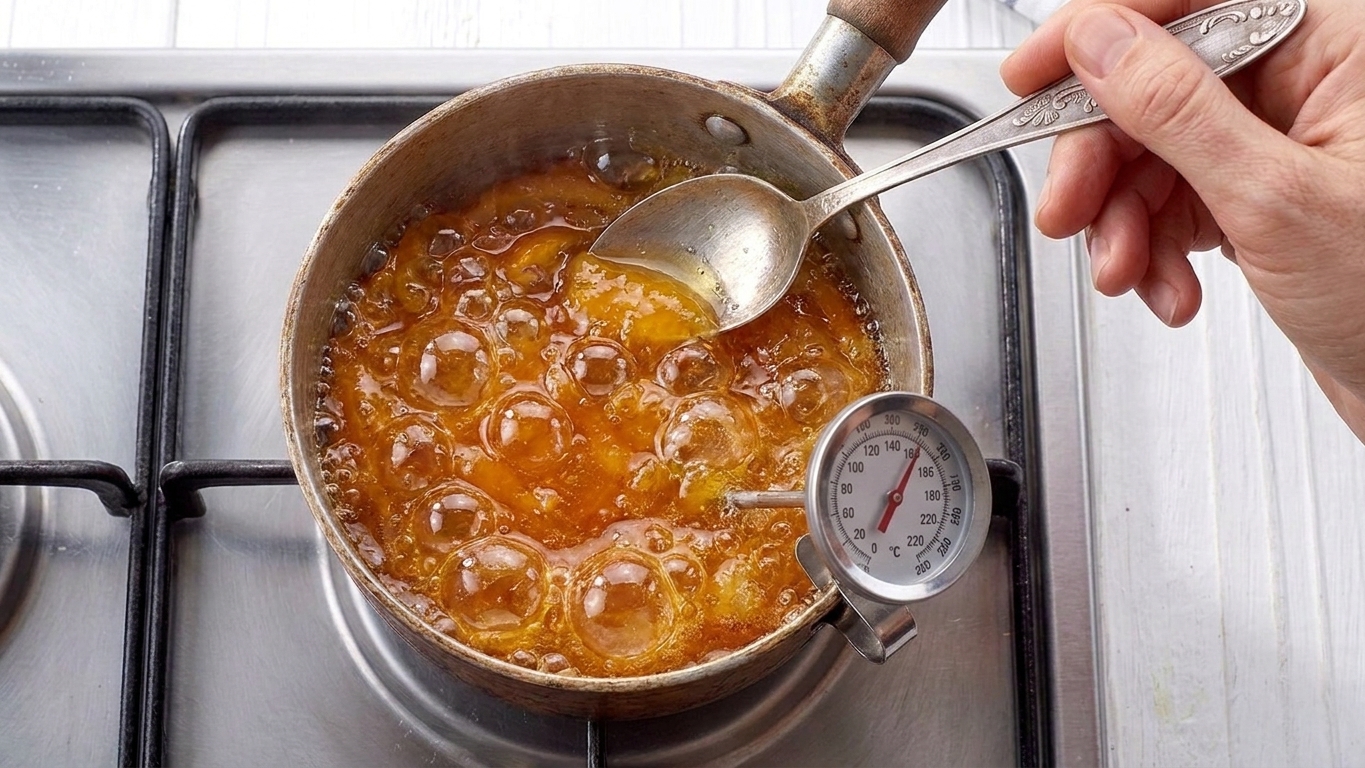
No. Citrus has natural pectin, mostly in the membranes, pithy bits, and seeds. For a more reliable set with navel oranges (which are usually seedless and can run lower in pectin), this recipe simmers a simple cheesecloth “pectin bundle” of the leftover membranes and pulp to help the marmalade gel without any commercial pectin. That said, set can still vary based on fruit and how hard you boil, so treat the thermometer as a guide and use the plate test as your real finish line.
How do I make marmalade less bitter?
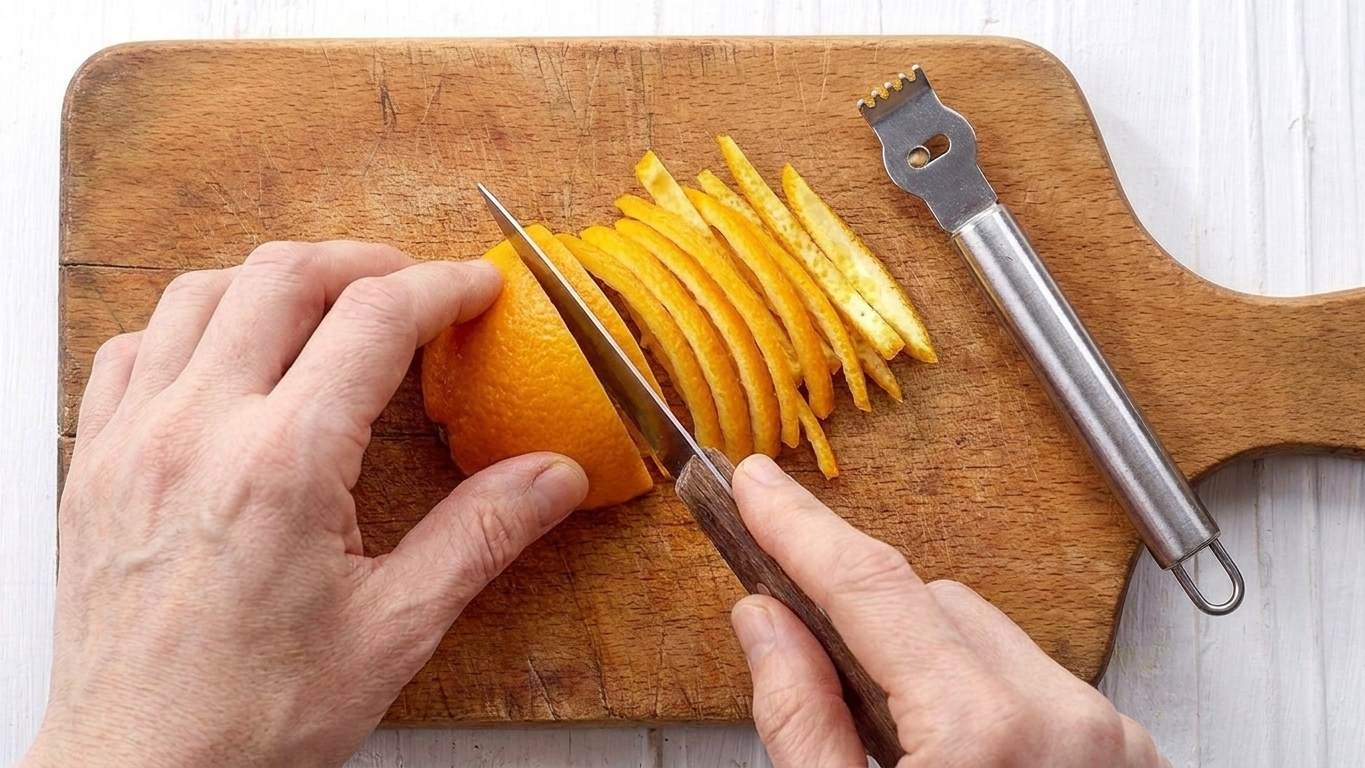
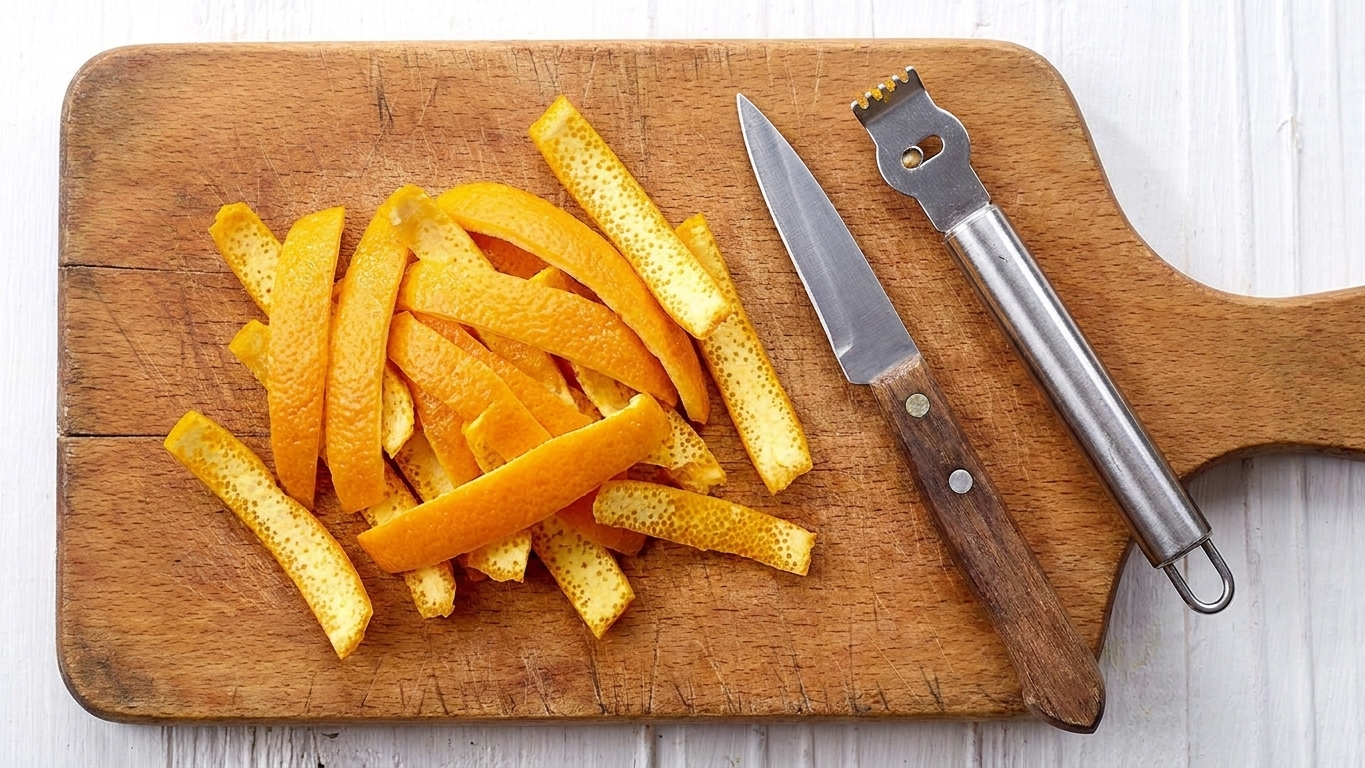
Bitterness comes from the pith and the peel. Here is the gentle fix: keep the peel, but blanch or simmer it first (Step 3). Also, do not leave thick chunks of white pith clinging to the peel.
Why is my marmalade runny?
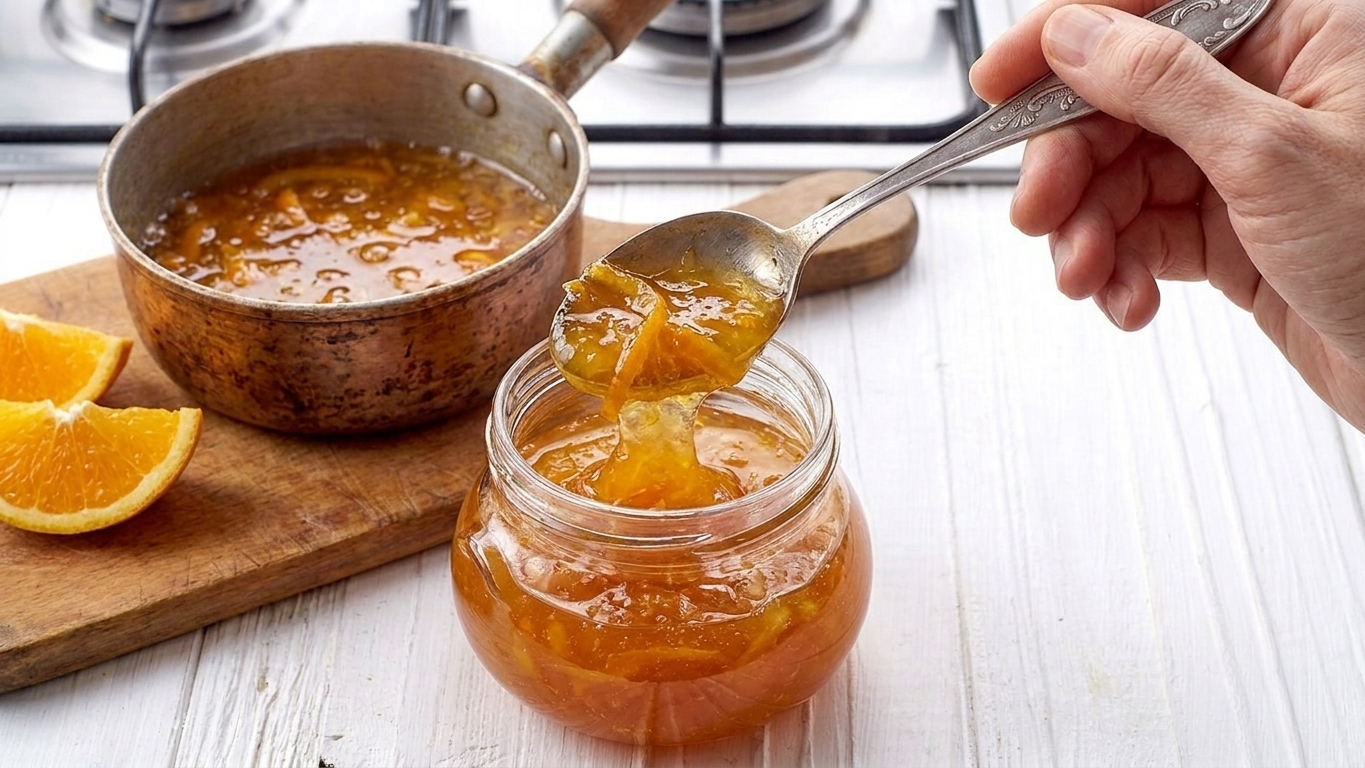
Usually it just needed a little more cook time, or it did not extract enough natural pectin. Bring it back to a steady boil and cook 3 to 8 minutes more, then re-test. Remember it thickens a lot as it cools. Next time, do not skip the membrane bundle and give it a good simmer (Step 6) before boiling to set.
Why is my marmalade too firm or sticky?
It likely cooked a bit past the gel point. Next time, pull it right when it hits temperature and passes the plate test. To soften a too-firm batch, warm it gently and stir in a tablespoon or two of water until it loosens.
How do I prevent sugar crystals?
Crystals usually happen when sugar does not fully dissolve, or when sugar crystals on the side of the pot get stirred in later. Make sure the sugar is fully dissolved before boiling (Step 7). While it boils, avoid scraping down the sides with a spoon. If you see crystals on the pot sides, brush them down with a clean, wet pastry brush.
Can I use different oranges?
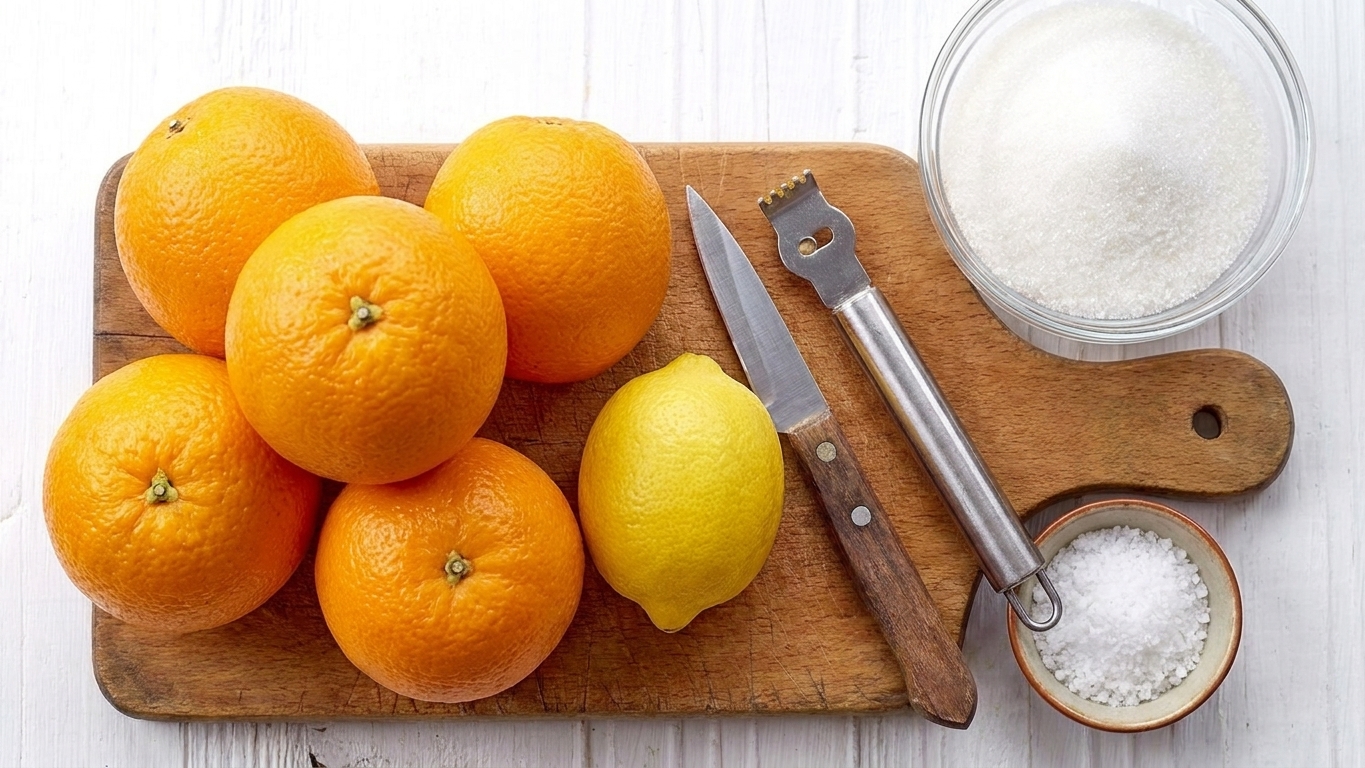
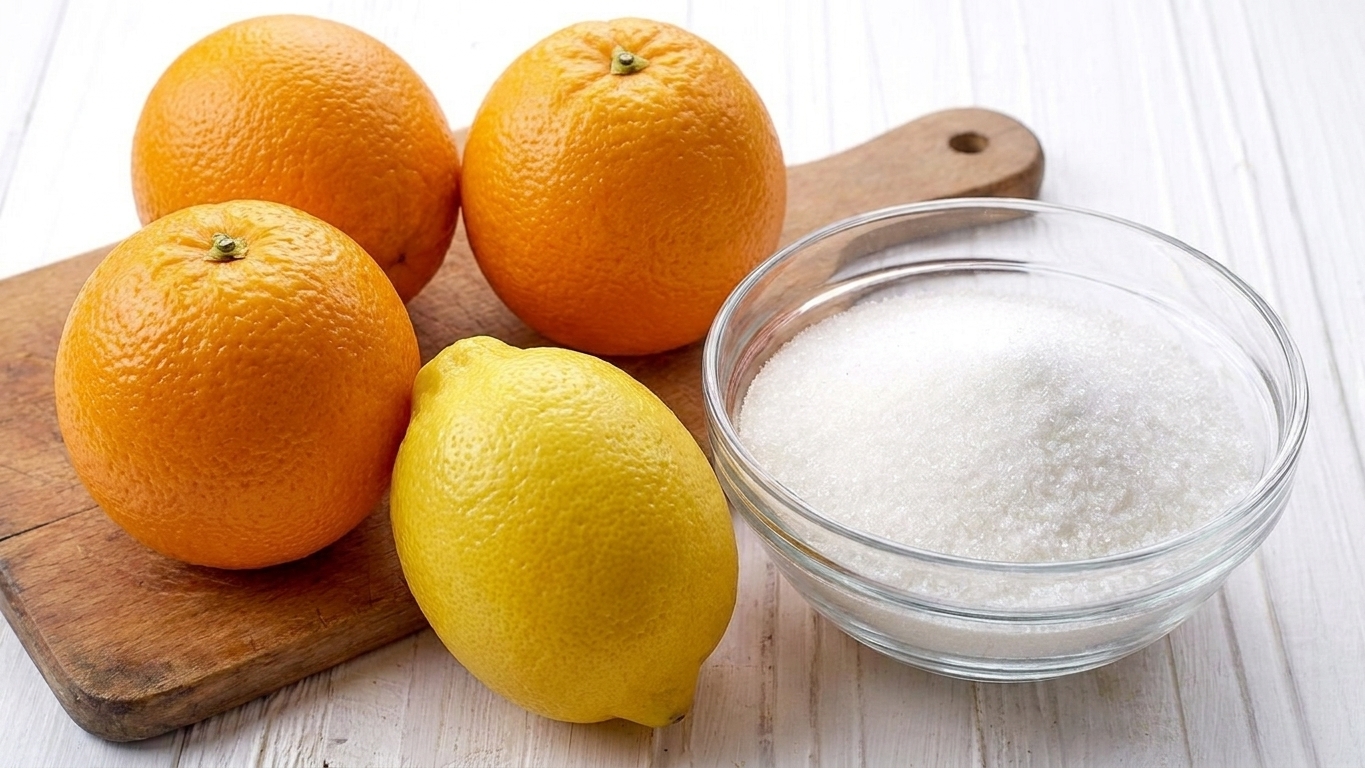
Yes. Navel oranges are easy and sweet (and usually seedless, so we rely on membranes for pectin). Valencias are bright and juicy. Blood oranges make a gorgeous, deeper flavored marmalade. If you can find Seville oranges, expect a more traditional bitter bite and consider adding an extra sweet orange.
Do I have to include peel?
For true marmalade, yes, the peel is the point. If you want a peel-free spread, you are looking for orange jam or orange curd instead.
What if the peel is still chewy?
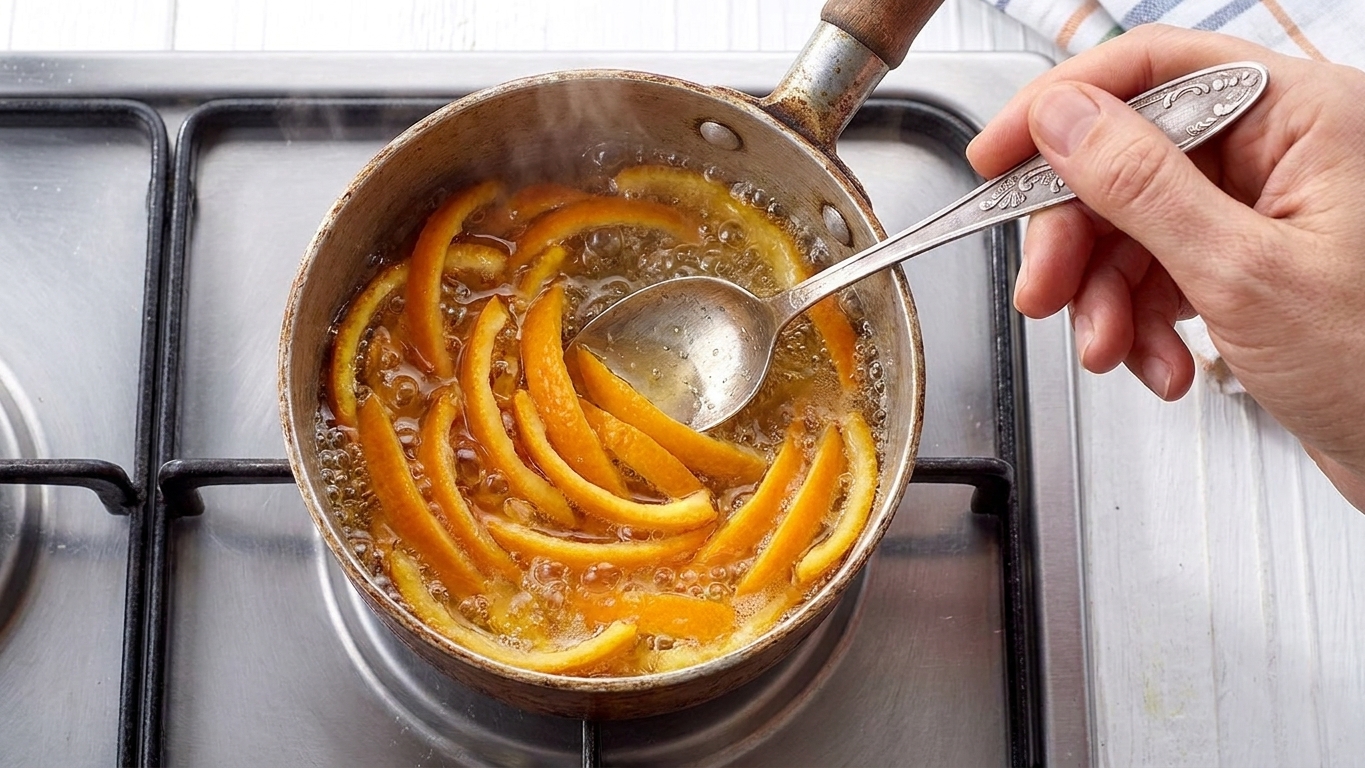
If you like a softer bite, simmer the peel a little longer before the sugar goes in. Once sugar is added, the peel softens more slowly. Add 5 to 10 extra minutes to the peel simmer in Step 6, then continue.