Mom's Best Recipes
Recipe

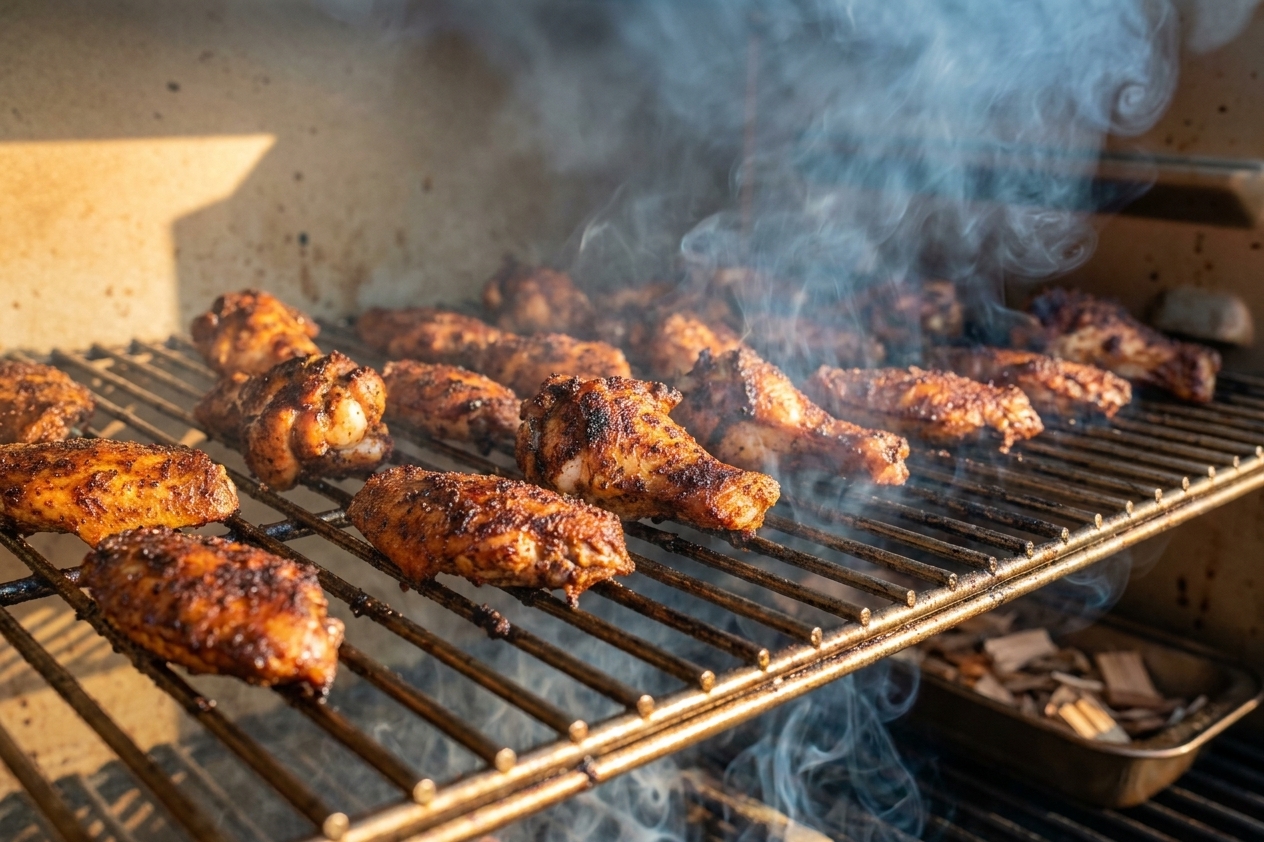
Smoked Chicken Wings

Crisp edges, juicy meat, and real smoke flavor with an easy rub and a quick high-heat finish.

Author By Matt Campbell
4.8
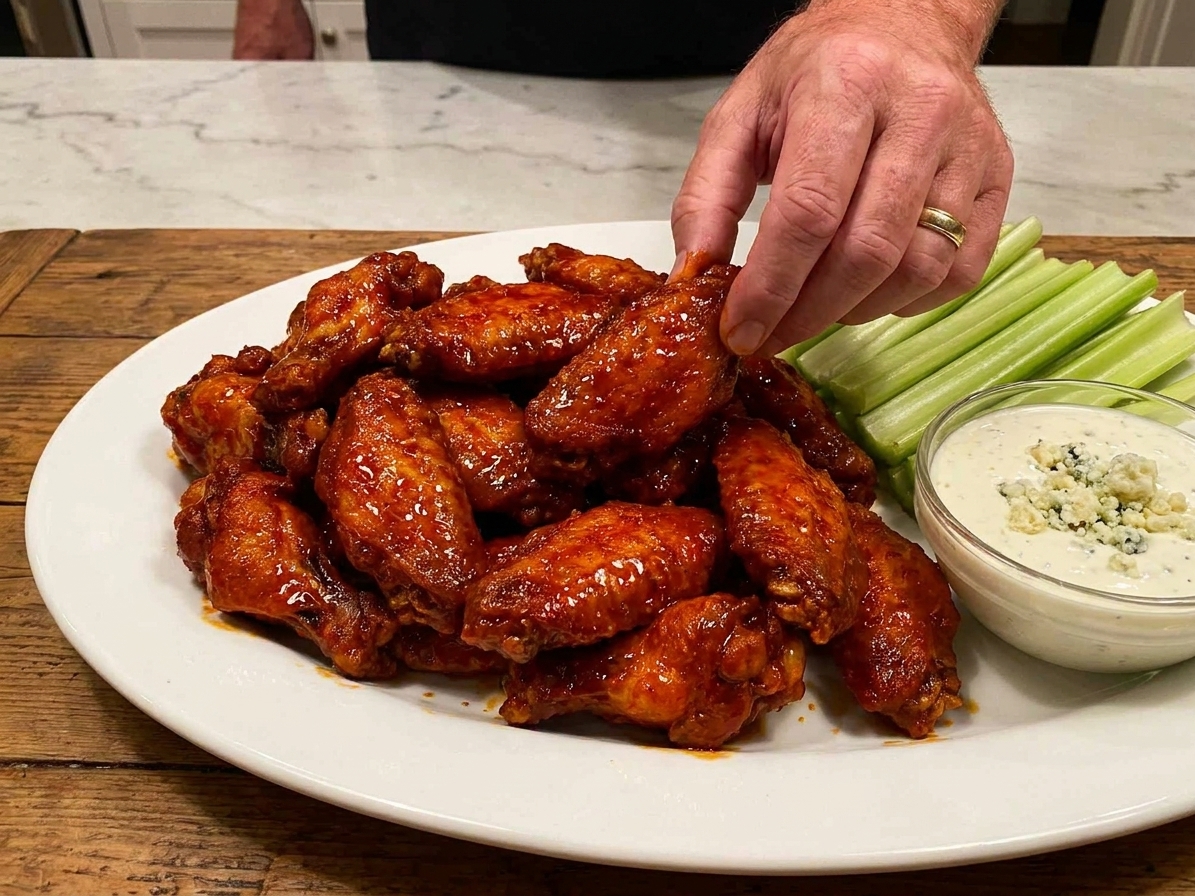
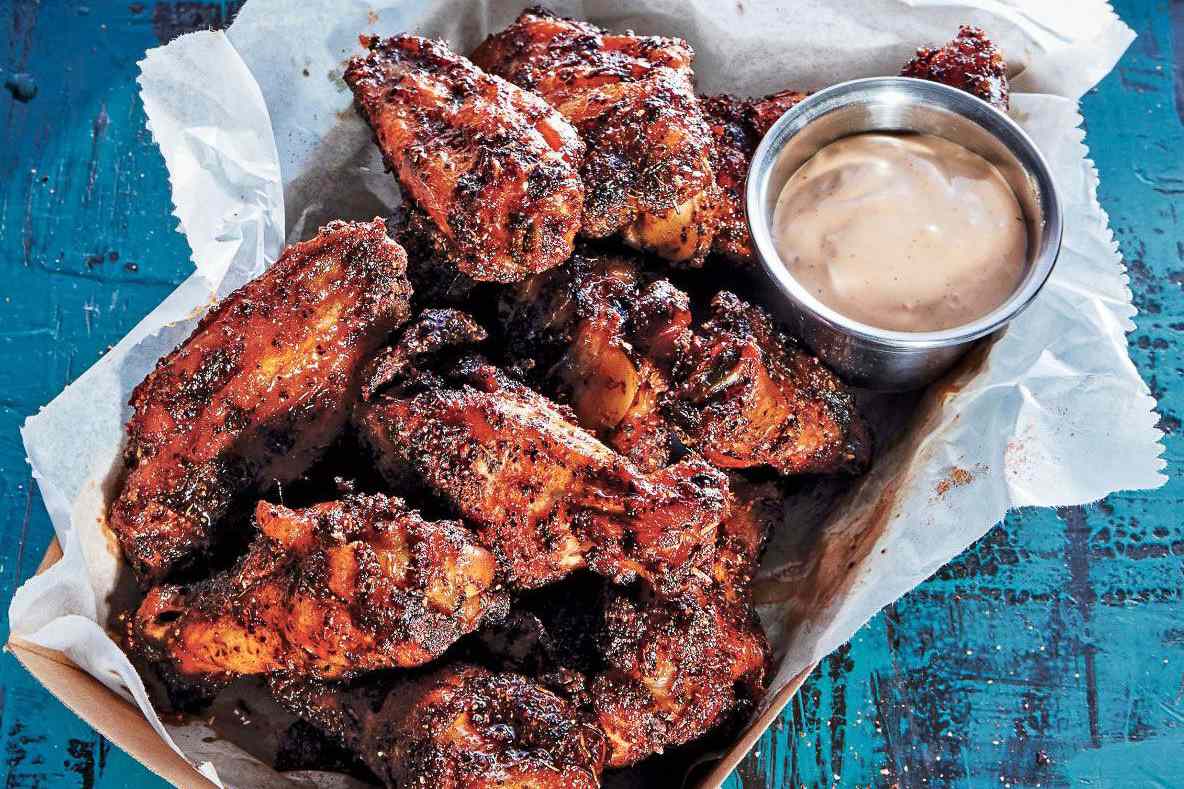
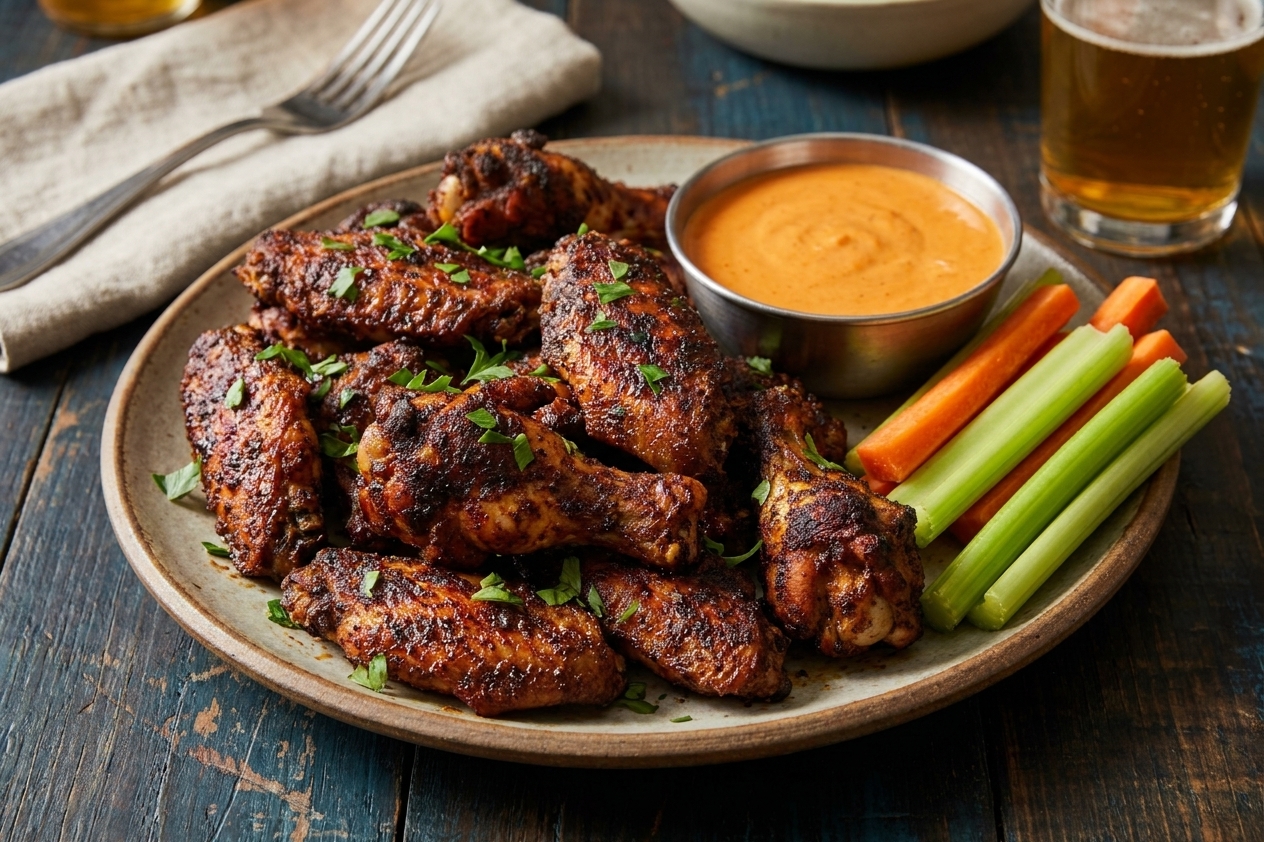
A platter of smoked chicken wings with crisp browned skin, a small bowl of sauce, and scattered chopped parsley on a wooden table under warm kitchen lighting

Smoked wings are one of those foods that make people hover near the smoker like it is a campfire. The goal is simple: big smoke flavor, juicy meat, and skin that does not turn rubbery.

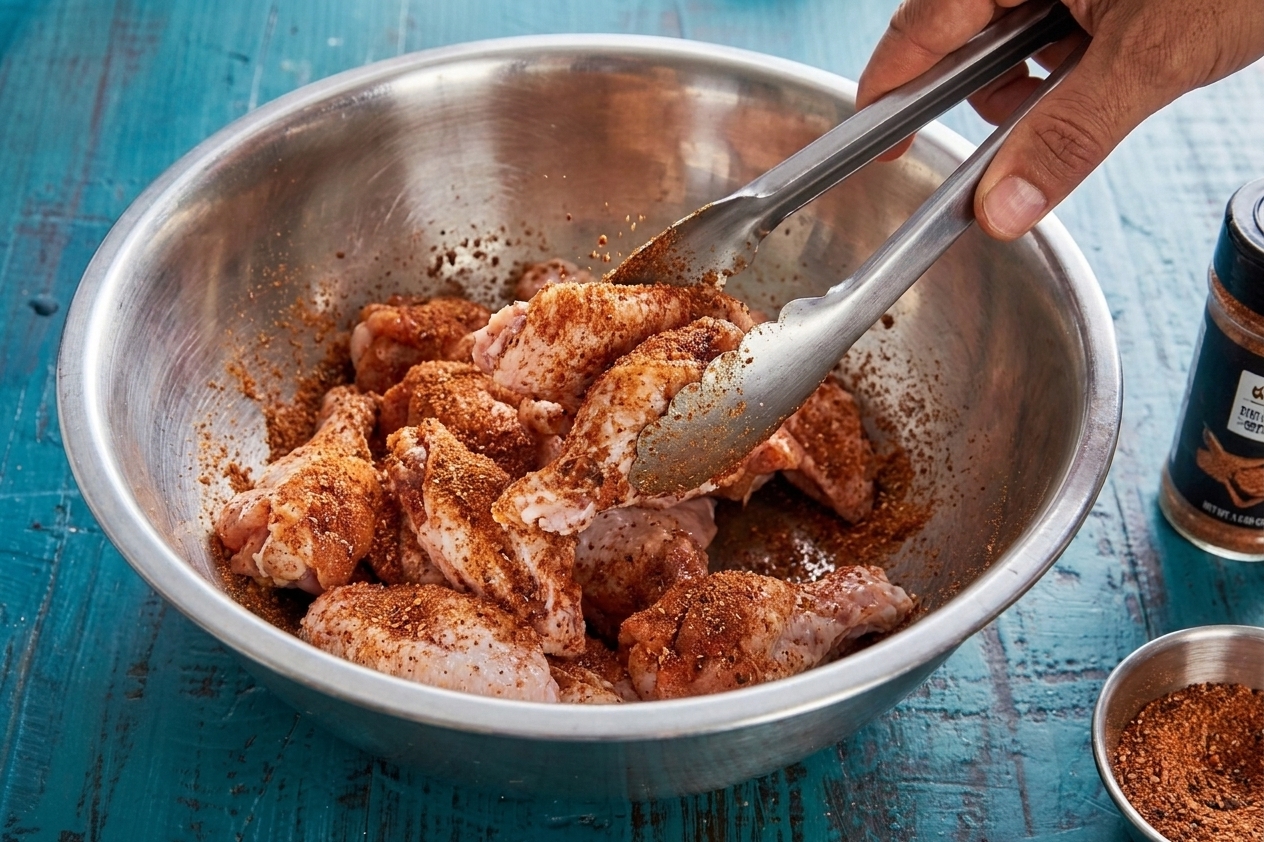
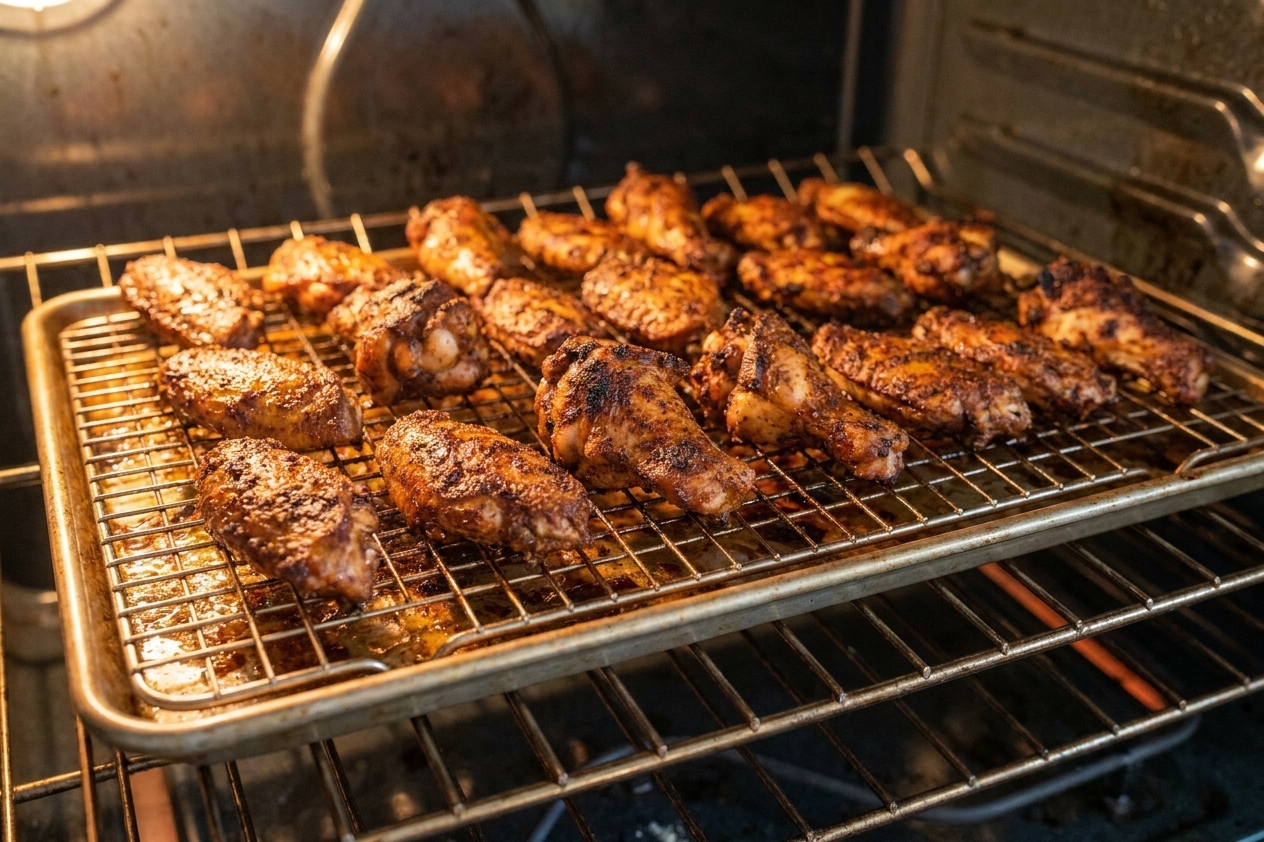
This recipe gets you there with two moves: a dry-brine-style rub that seasons and helps the surface dry out, then a quick high-heat finish to tighten and crisp the skin. You can sauce them, glaze them, or keep them dry and let the smoke do the talking. Either way, you will be tasting as you go. I am not stopping you.

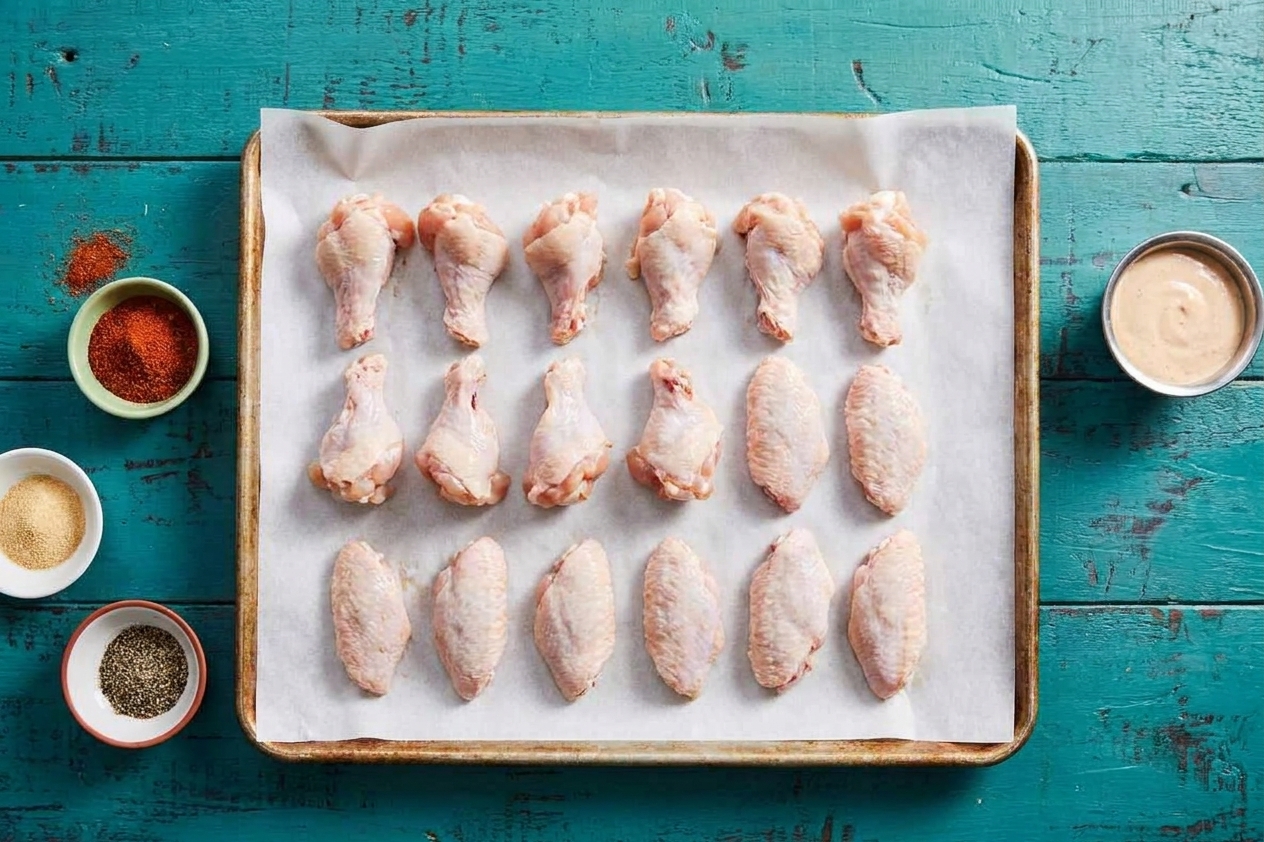
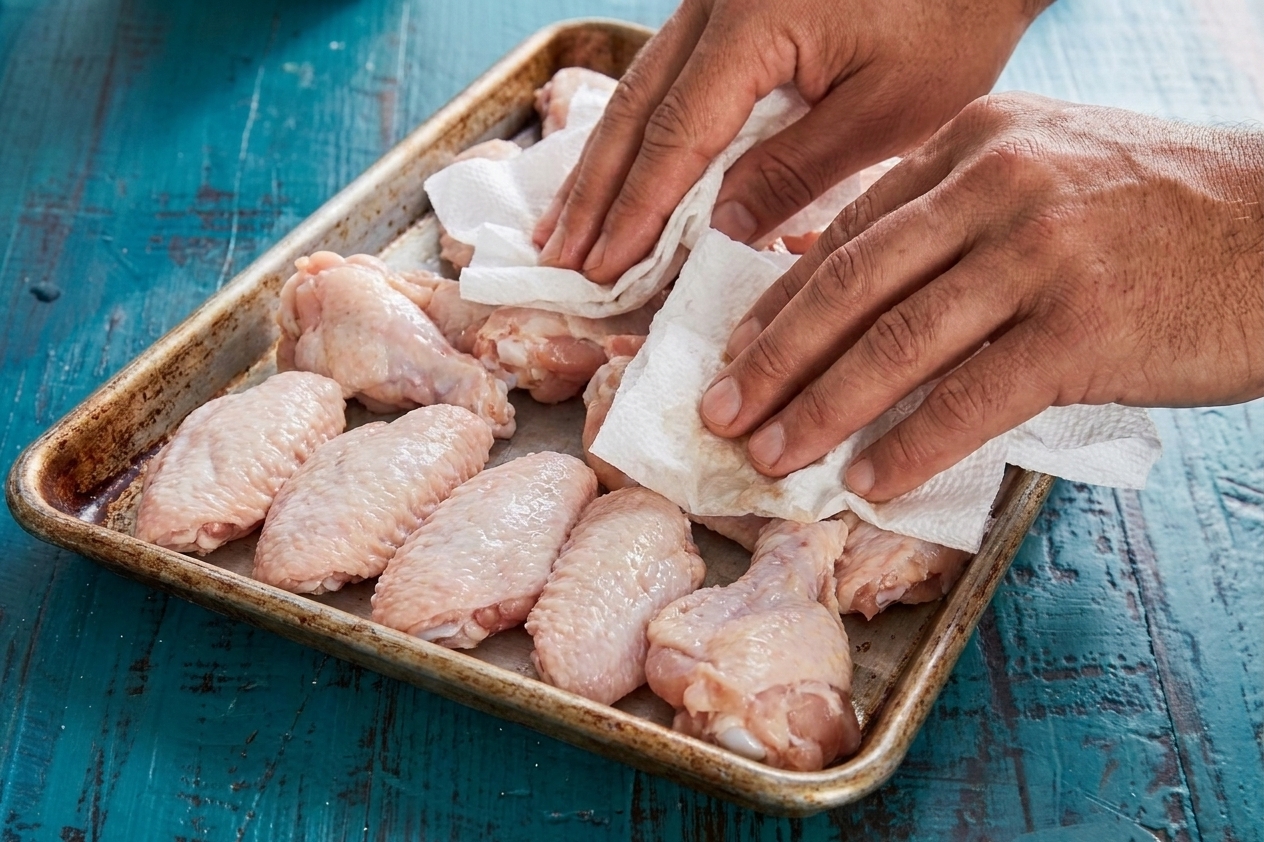
Raw chicken wings patted dry and arranged on a rimmed sheet pan lined with parchment on a kitchen counter with small bowls of spices nearby

Why It Works

  • Dry surface equals better skin: Salt helps draw out moisture, and baking powder helps the skin brown and crisp by changing the surface chemistry.
  • Low and steady smoke keeps wings juicy: Smoking at 250 to 275 F renders fat gently and builds flavor without drying them out.
  • High-heat finish fixes the common wing problem: A short blast at 425 to 450 F (oven or grill) tightens the skin and gives you those crisp edges people fight over.
  • Flexible flavors: Keep them dry, toss in buffalo, or glaze with BBQ. The base rub plays nice with all of it.

Pairs Well With

Storage Tips

Refrigerate: Cool wings quickly, then refrigerate within 2 hours (within 1 hour if it is very hot out). For faster cooling, spread wings out on a sheet pan until they stop steaming, then transfer to an airtight container. Store up to 4 days.

Freeze: Freeze on a sheet pan until solid, then transfer to a freezer bag and keep up to 3 months. This prevents one giant wing brick.

Reheat for crisp skin: Bake on a wire rack set over a sheet pan at 425 F for 12 to 18 minutes (from fridge), flipping once. For frozen wings, bake 25 to 35 minutes, flipping halfway. Aim for 165 F internal in the thickest wing.

Microwave note: It will warm them, but the skin will go soft. If you must microwave, do it briefly, then crisp in a hot oven or air fryer.

Common Questions

What wood is best for smoked chicken wings?

Apple and cherry give a mellow, slightly sweet smoke that works with any sauce. Hickory brings classic BBQ punch, just do not overdo it. If you want a safe, versatile middle ground: pecan.

How long does it take to smoke wings?

Plan on 60 to 90 minutes at 250 to 275 F, depending on wing size, how full your smoker is, and even the weather. Then add 8 to 12 minutes of high heat to crisp the skin. Time is a guideline. Internal temp is the truth.

What internal temp should wings be?

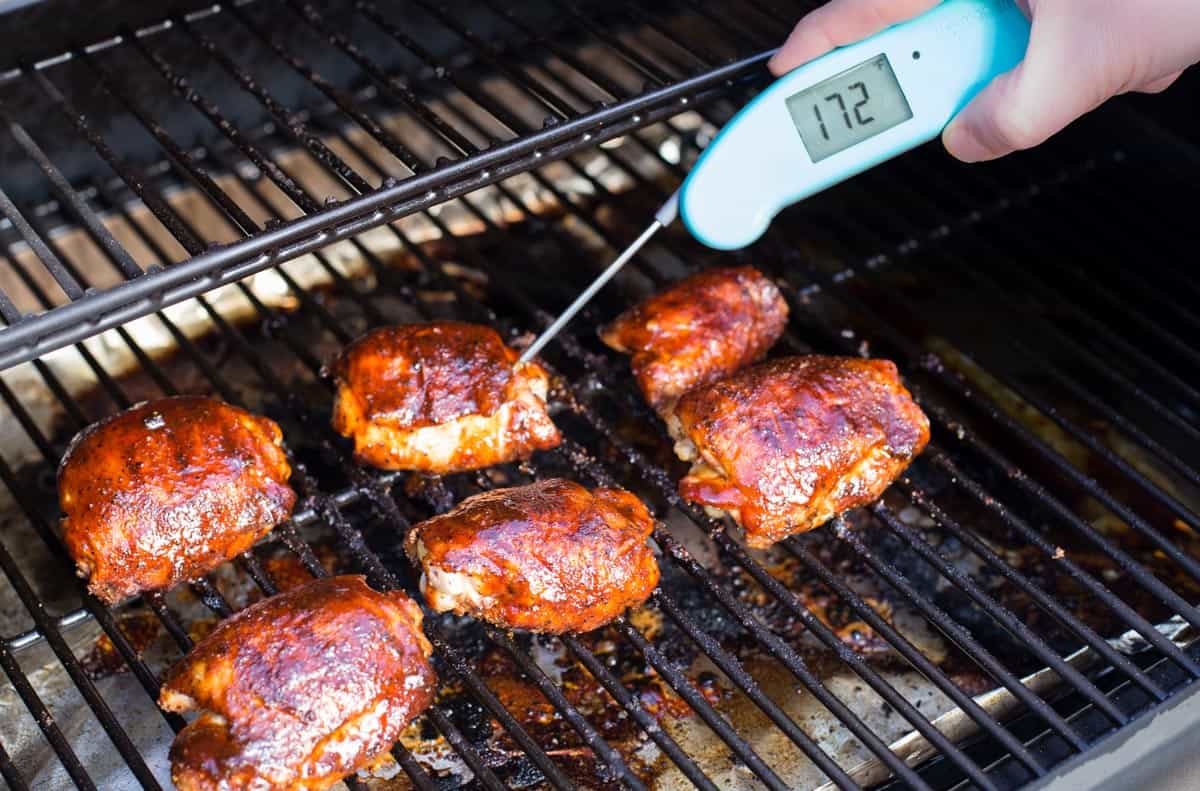
165 F is the USDA safe minimum. That said, wings usually eat better a little higher. I like pulling them from the smoker around 175 to 185 F in the thickest part, then finishing hot for skin texture.

Why are my smoked wings rubbery?

Usually one of three things: the smoker temp ran too low, the wings were too wet going in, or you skipped the high-heat finish. Pat them dry, use the baking powder in the rub, and do the short crisping step at the end. That last blast of heat is what turns “smoked” into “smoked and actually crispy.”

Can I sauce wings before smoking?

You can, but most sauces burn or get sticky before the wings are done. Better plan: smoke first, then toss in sauce, and optionally put them back on high heat for 2 to 4 minutes to set the glaze.

Can I make these on a pellet grill?

Yes. Pellet grills are great for this. Smoke at 250 F for flavor, then bump to 425 to 450 F at the end for crisp skin.

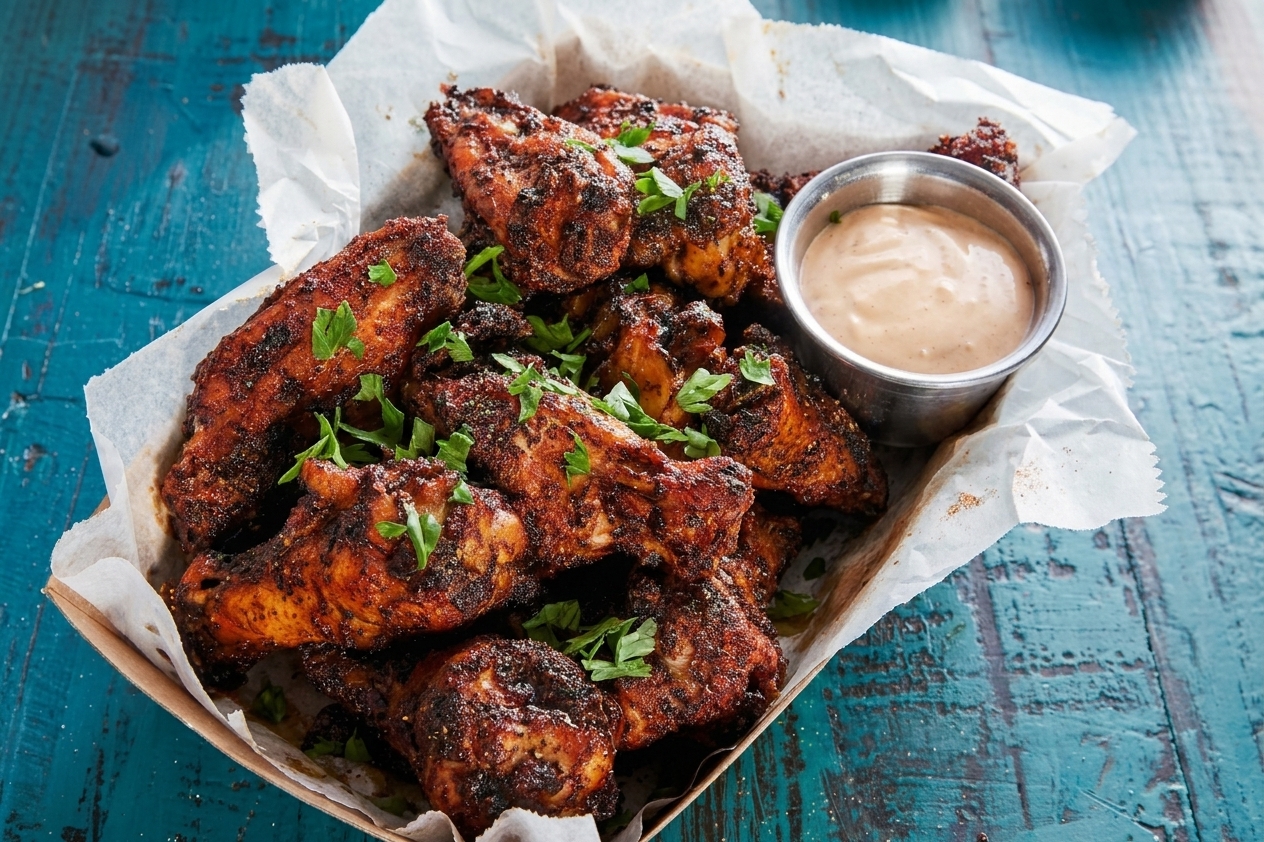
The first time I tried smoking wings, I thought smoke alone would do the heavy lifting. Flavor? Incredible. Skin? Chewy. Not the vibe.

Now I treat wings like they deserve a little structure. Dry them, season them like you mean it, let the smoker build that deep savory layer, then hit them with a quick blast of heat so the skin snaps a bit when you bite. It is the difference between “pretty good” and “who made these and are there more.”