Mom's Best Recipes
Recipe

Smoked Pork Butt

Low and slow, barky on the outside, ridiculously juicy inside. This is my go-to pulled pork method with clear temps, flexible timing, and big payoff.

Author By Matt Campbell
4.8
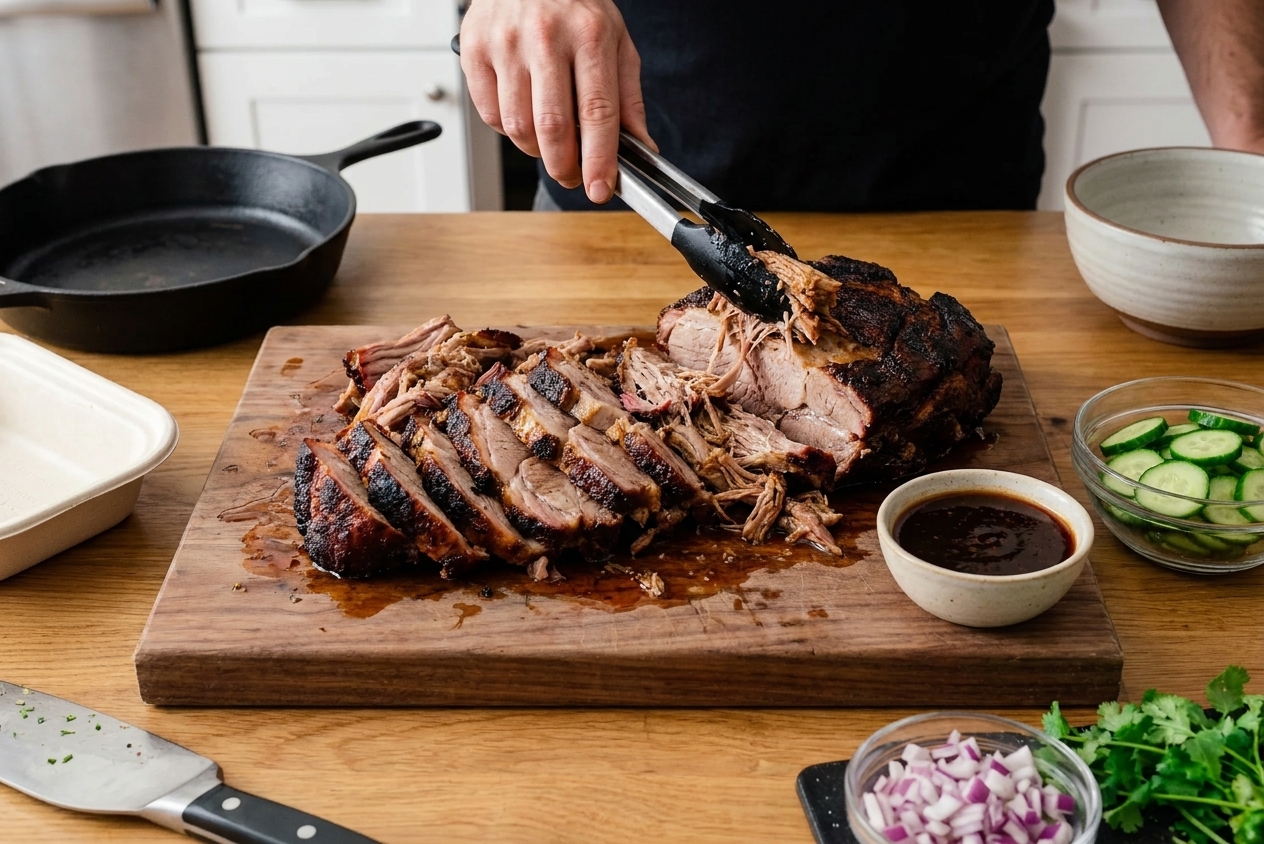
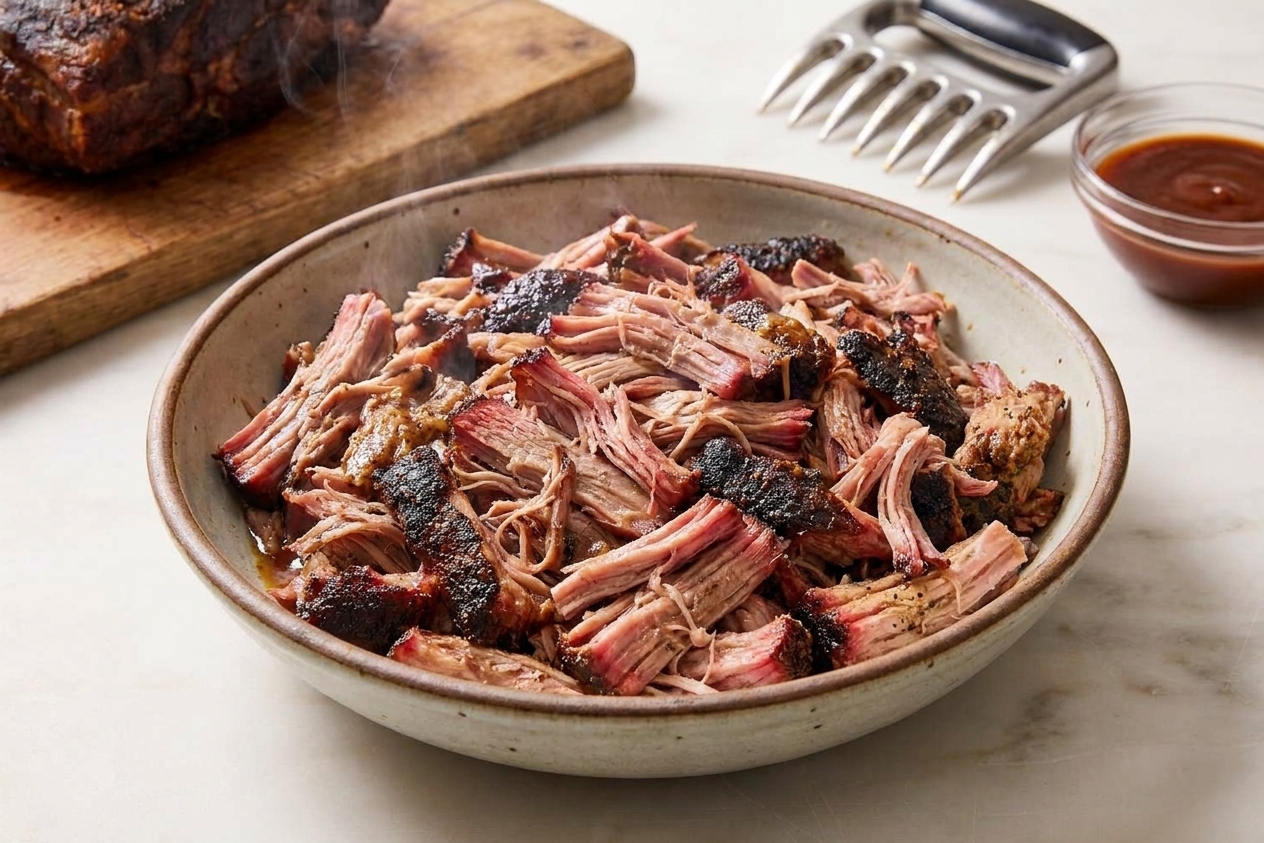
A platter of smoked pulled pork with dark bark and juicy strands, served family style on a wooden table with a simple kitchen background

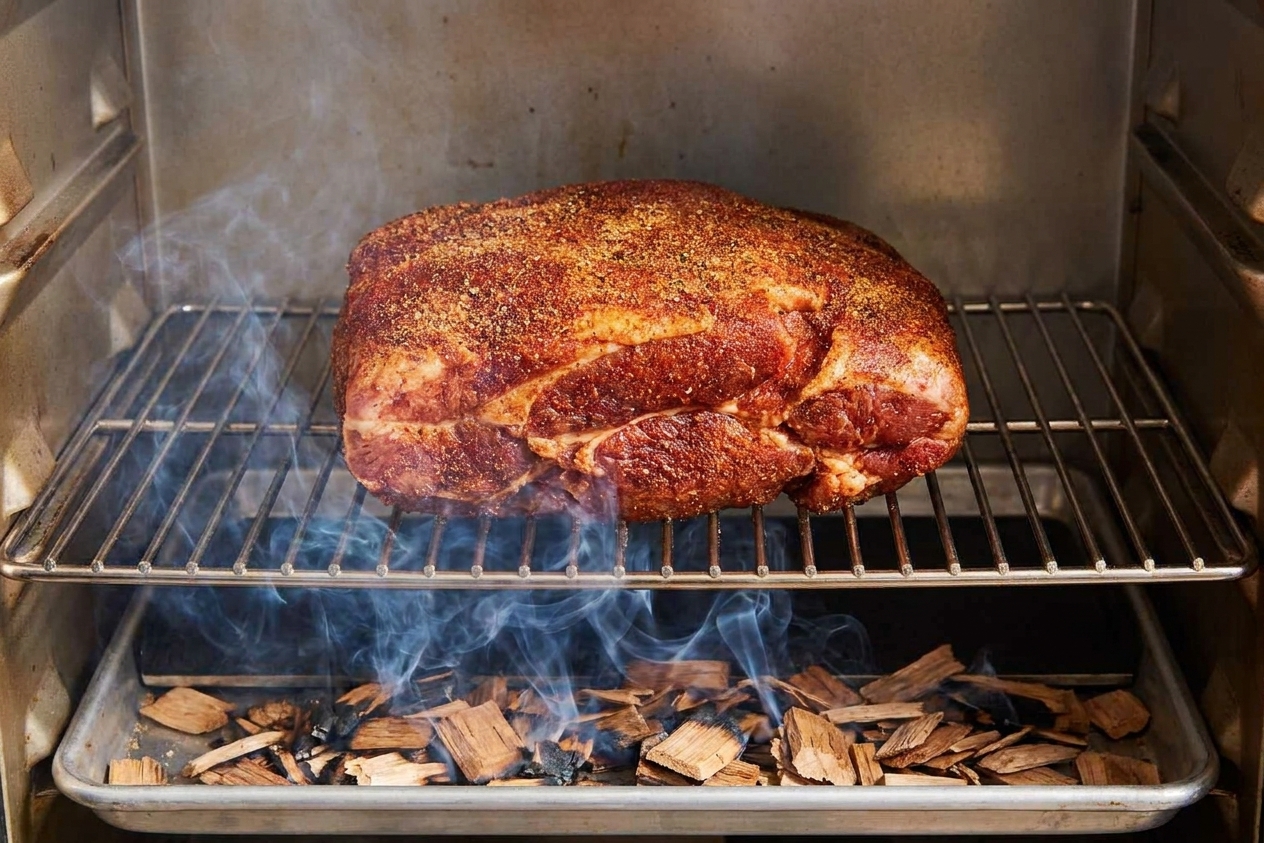
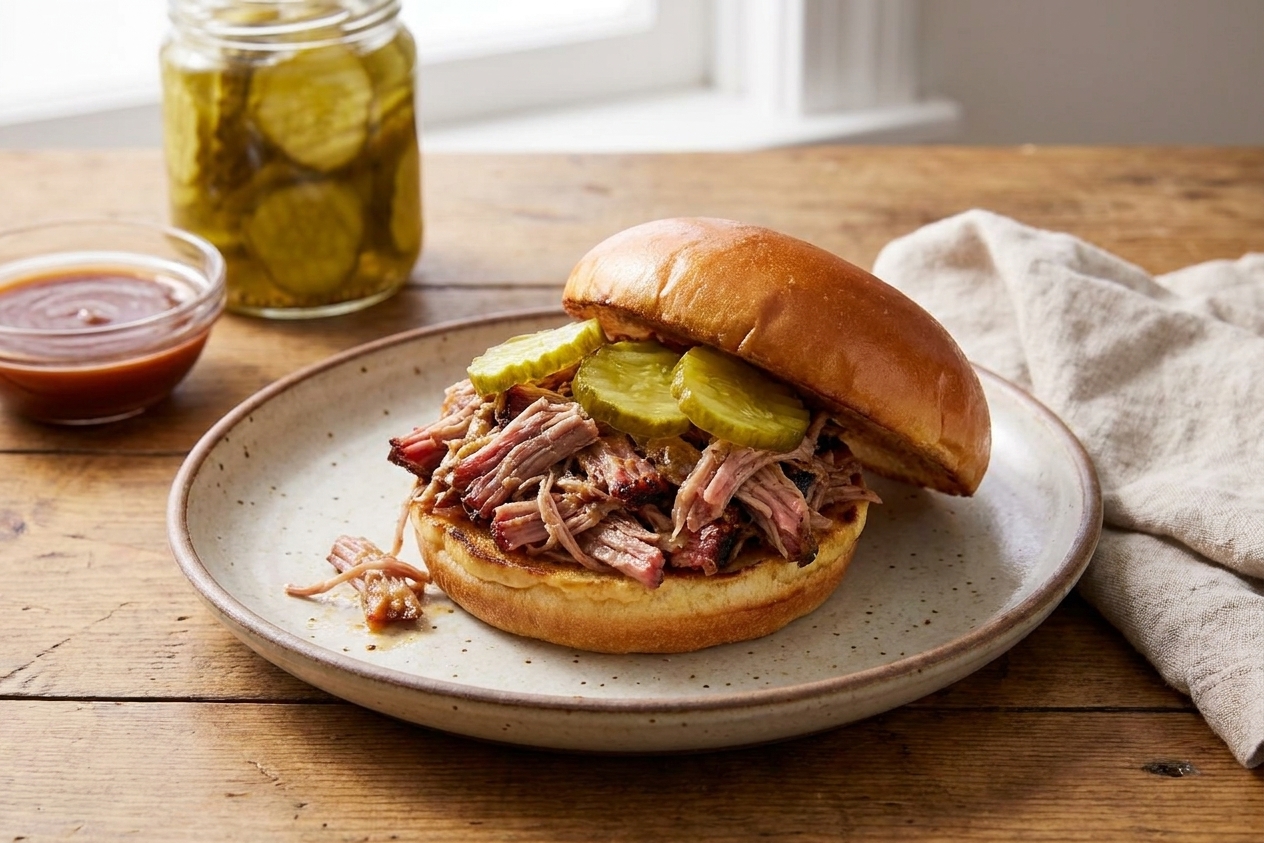
Smoked pork butt is one of those rare cooking projects that feels like you are getting away with something. You season a big hunk of pork, park it in the smoker, and after a long, slow smoke (think most of the day, plus a real rest) you have a mountain of smoky, pull-apart meat that makes sandwiches, tacos, rice bowls, and midnight fridge raids feel completely reasonable.

This recipe is written for real life. The rub is pantry-friendly, the steps are clear, and the timing has wiggle room because every pork butt has its own personality. We are chasing three things: deep bark, juicy strands, and flavor that holds up to sauce without needing it.

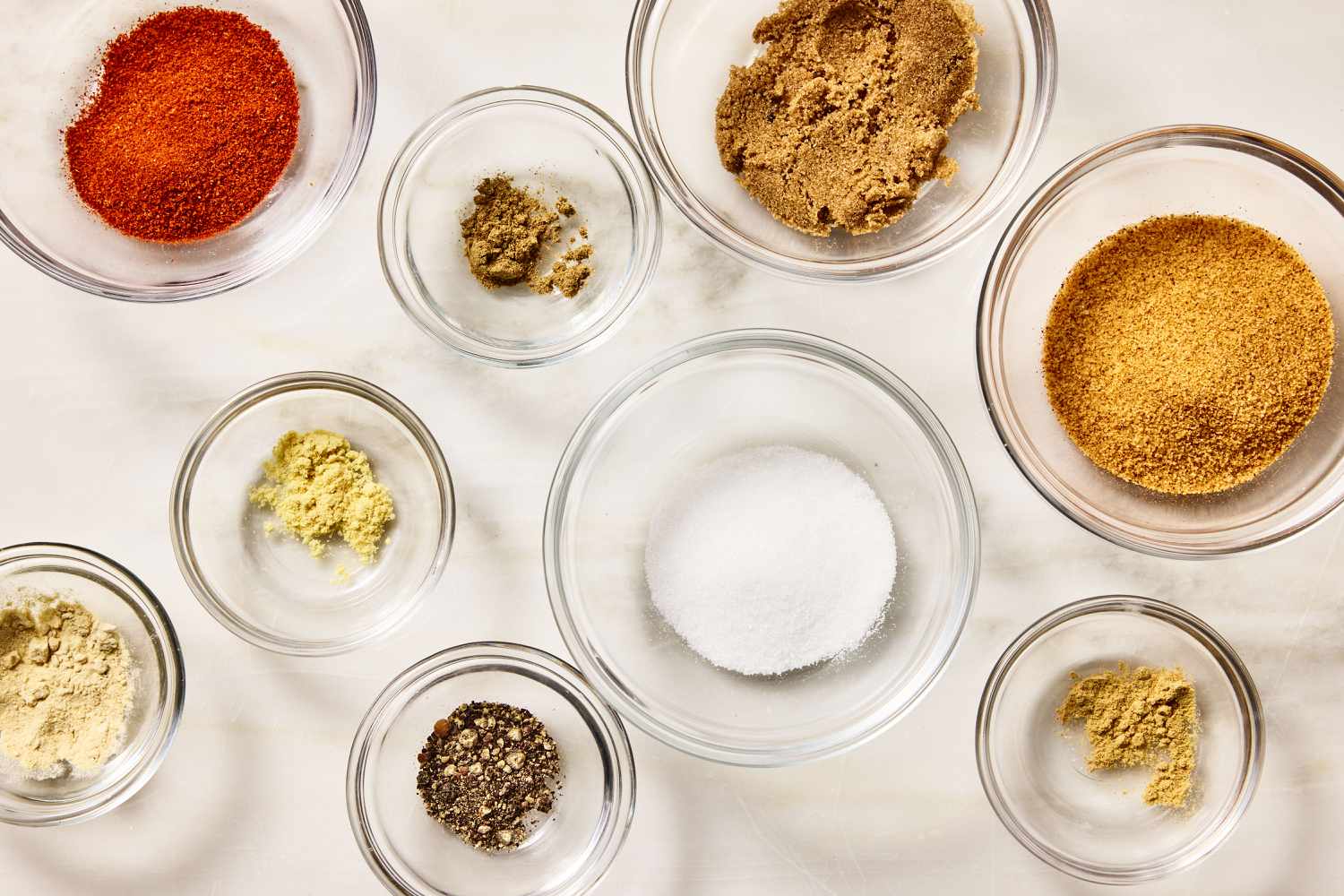
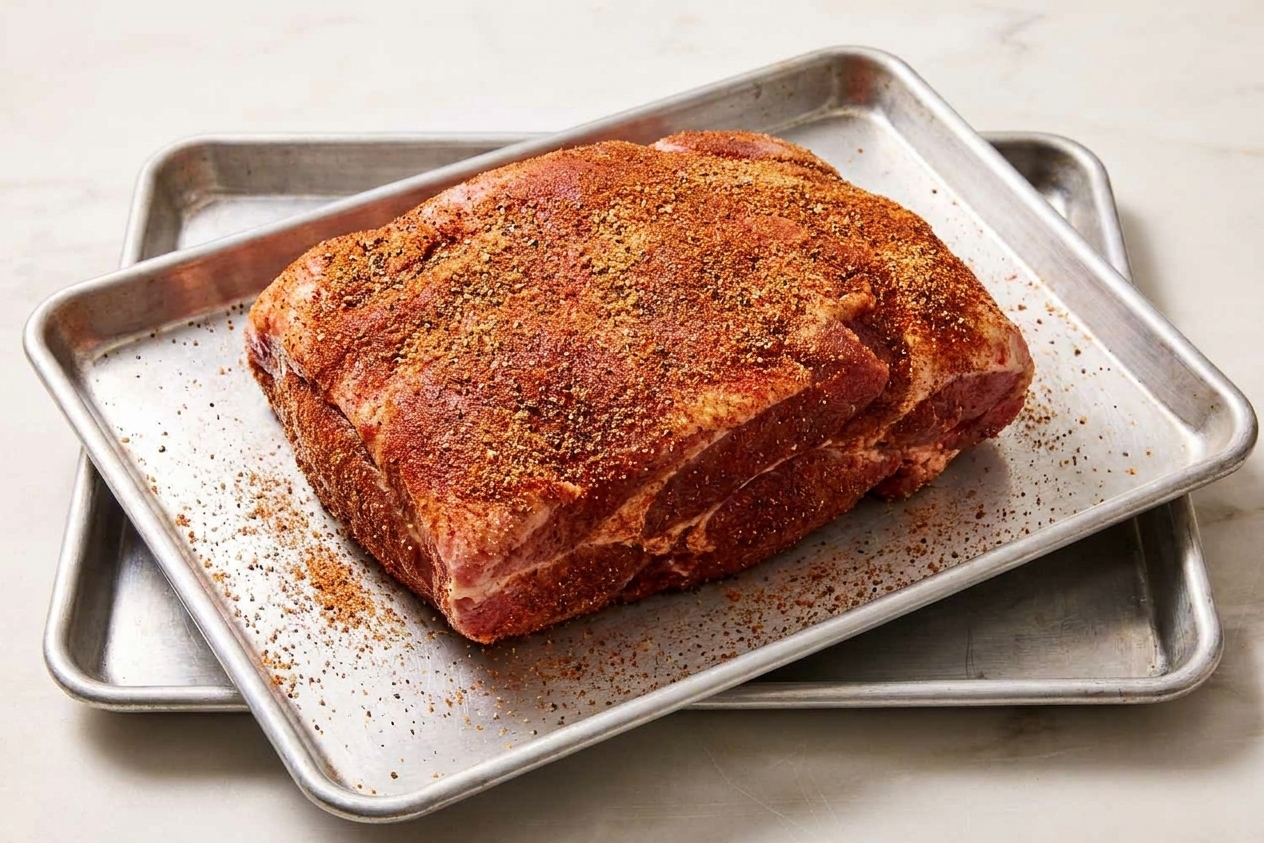
Bowls of brown sugar, paprika, salt, black pepper, garlic powder, and chili powder arranged on a kitchen counter beside a raw pork butt

Why It Works

  • Big, bold bark: A balanced rub plus steady low heat builds that crisp, dark exterior without turning bitter.
  • Juicy pulled texture: Cooking to tenderness, not just a number, gets you pork that shreds easily and stays moist.
  • Flexible finish: Wrap or do not wrap. Sauce or no sauce. Serve now or stash for later. This method plays nice either way.
  • Clear temperature checkpoints: You will know exactly what to look for at each stage, including the stall and the rest.

Pairs Well With

Storage Tips

Refrigerator: Cool pulled pork quickly, then store in an airtight container for up to 4 days. Pour a little of the collected juices over the meat before sealing. That is your built-in “make it taste fresh again” button.

Freezer: Freeze in portioned bags or containers for up to 3 months. Press bags flat so they stack and thaw faster. Add a spoonful of juices or a splash of apple juice before freezing to protect moisture.

Reheat (best way): Warm gently in a covered skillet with a splash of water, broth, or reserved juices over medium-low heat, stirring occasionally. You want steamy, not sizzling.

Reheat (hands-off): Put pork in a covered baking dish with a splash of liquid and heat at 300°F until hot, about 20 to 30 minutes depending on amount.

Common Questions

Is pork butt the same as pork shoulder?

Pretty much for our purposes. Pork butt is from the upper shoulder and usually has great marbling, which is why it is the MVP for pulled pork.

What temperature should I smoke a pork butt?

225°F to 250°F is the sweet spot. I like 250°F for a slightly faster cook and great bark, especially on weeknights that accidentally become weekend projects.

How long does it take?

Use this as a planning estimate, not a promise: at 250°F it is often 1 to 1.5 hours per pound, but it can run 1.5 to 2 hours per pound (or more) depending on the stall, wrapping, your smoker, and the particular attitude of your pork butt. Cook to tenderness, and build in extra time.

What is the stall?

The stall is the part of the cook where the internal temp seems to stop moving, usually somewhere around 150°F to 170°F. It happens as moisture evaporates from the surface and cools the meat, kind of like sweating. It is normal. You can wait it out for thicker bark, or wrap to speed things up.

Do I have to wrap it?

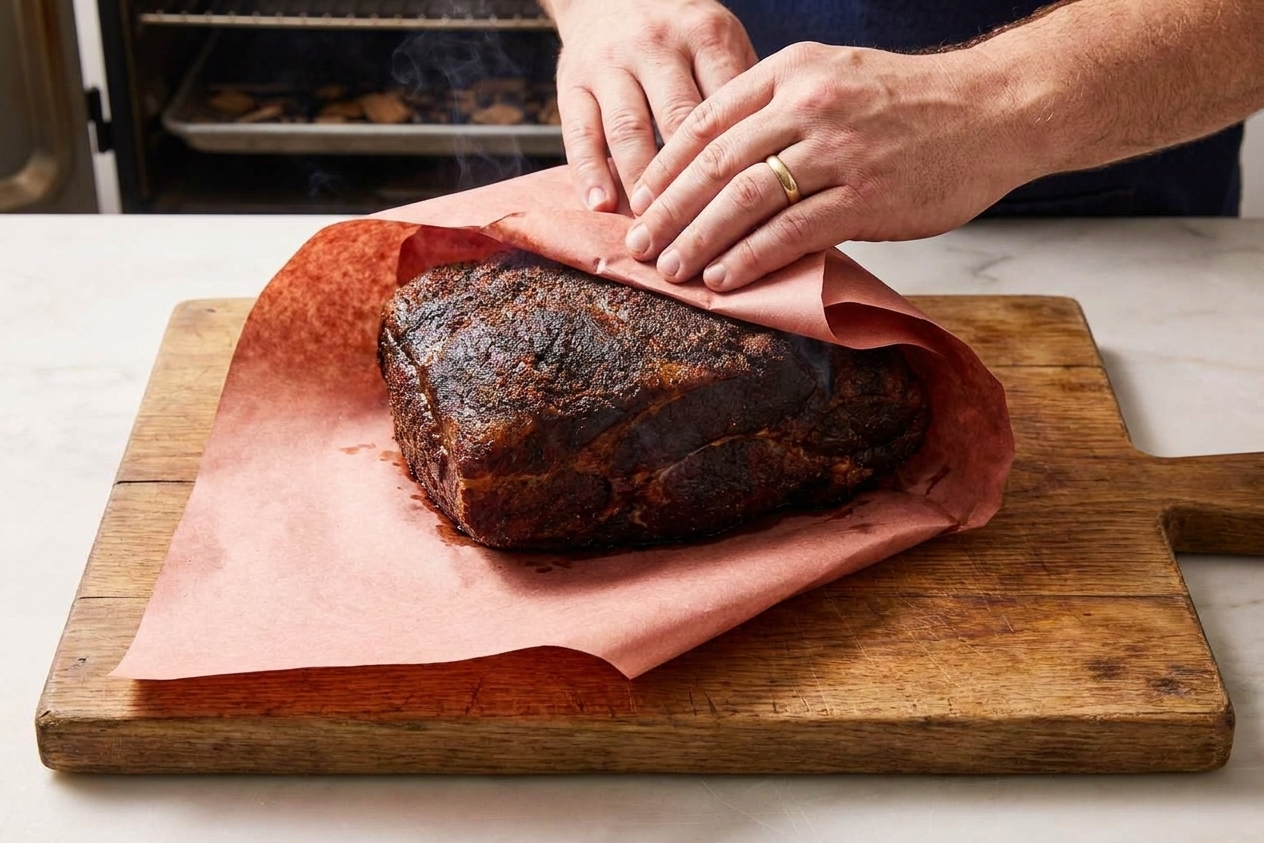
No. Wrapping in foil or butcher paper helps push through the stall and can keep the meat extra juicy. Not wrapping can give you a thicker bark. Choose your adventure.

When is it done?

Start checking for tenderness around 195°F. It is usually perfect between 200°F and 205°F, when a probe slides in with almost no resistance, like warm butter.

What wood is best for smoked pork butt?

Hickory and oak are classic. Apple and cherry add a sweeter smoke. A simple combo I love is oak plus a little cherry.

Why is my pork butt dry?

It is usually one of three things: pulled too early (collagen has not fully melted yet, so it shreds but feels dry), cooked past tender (it can get mealy and lose moisture), or not rested and held well (juices run out, or it gets reheated too aggressively). Cook to that probe-tender feel, rest it well, save the juices, and reheat gently.

How much pulled pork will I get from an 8 to 10 pound butt?

Plan on roughly 50 to 60 percent cooked yield from the raw weight once fat and bone are accounted for. An 8 to 10 pound bone-in butt typically gives about 4 to 6 pounds of pulled pork.

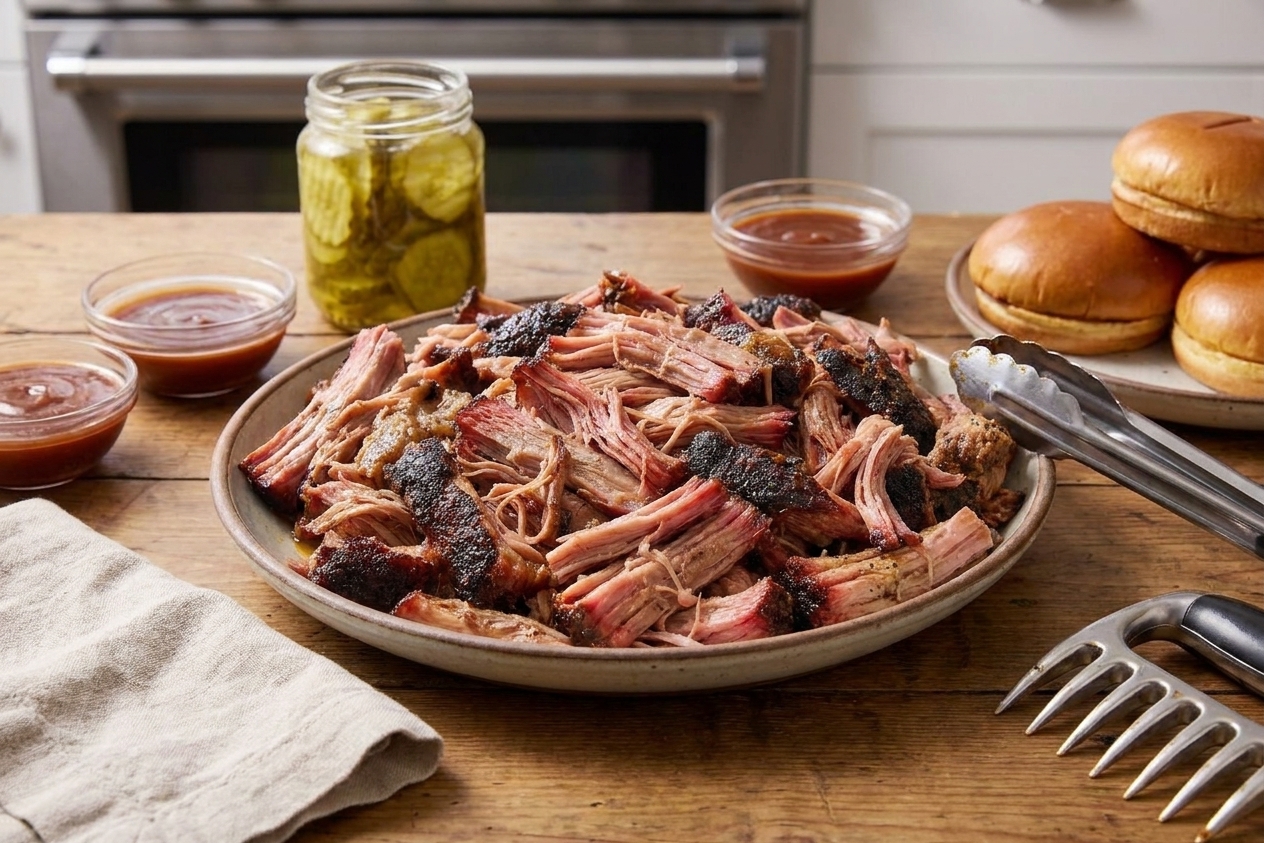
The first time I smoked a pork butt, I treated it like a test I could fail. I hovered, I stressed, I opened the lid too much, and I still ended up with pulled pork that made everyone act like I had secretly trained in a barbecue monastery. That is when it clicked: pork butt is forgiving, but it rewards patience. Now I cook it like I cook with friends, relaxed, tasting as I go, and trusting the slow magic. The only rule I take seriously is this: save the juices. Future you will feel very loved.