Bone-in or boneless?
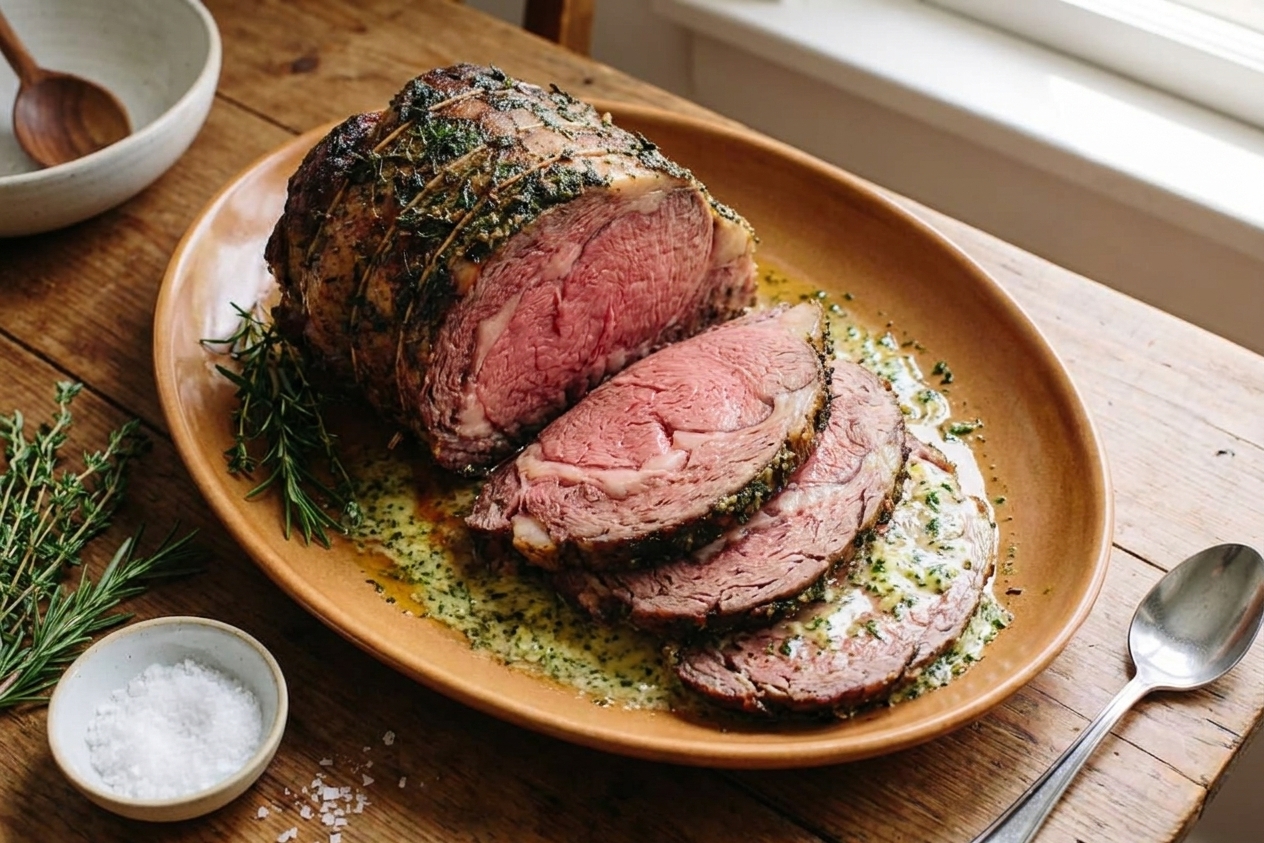
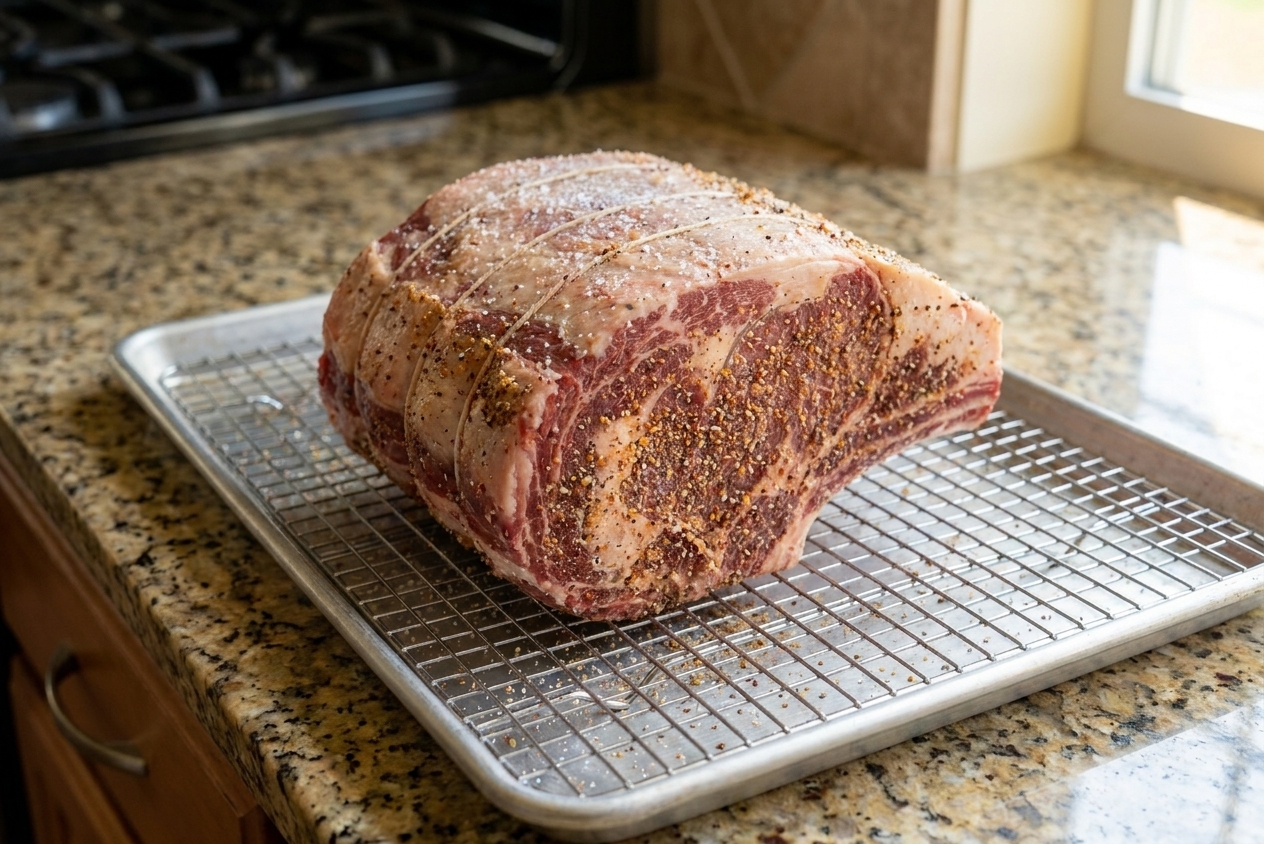
Bone-in is classic and forgiving. The bones act like a little heat shield and add great presentation. Boneless works too, just tie it with butcher’s twine every 1.5 inches so it cooks evenly.
What internal temperature should I pull it at?
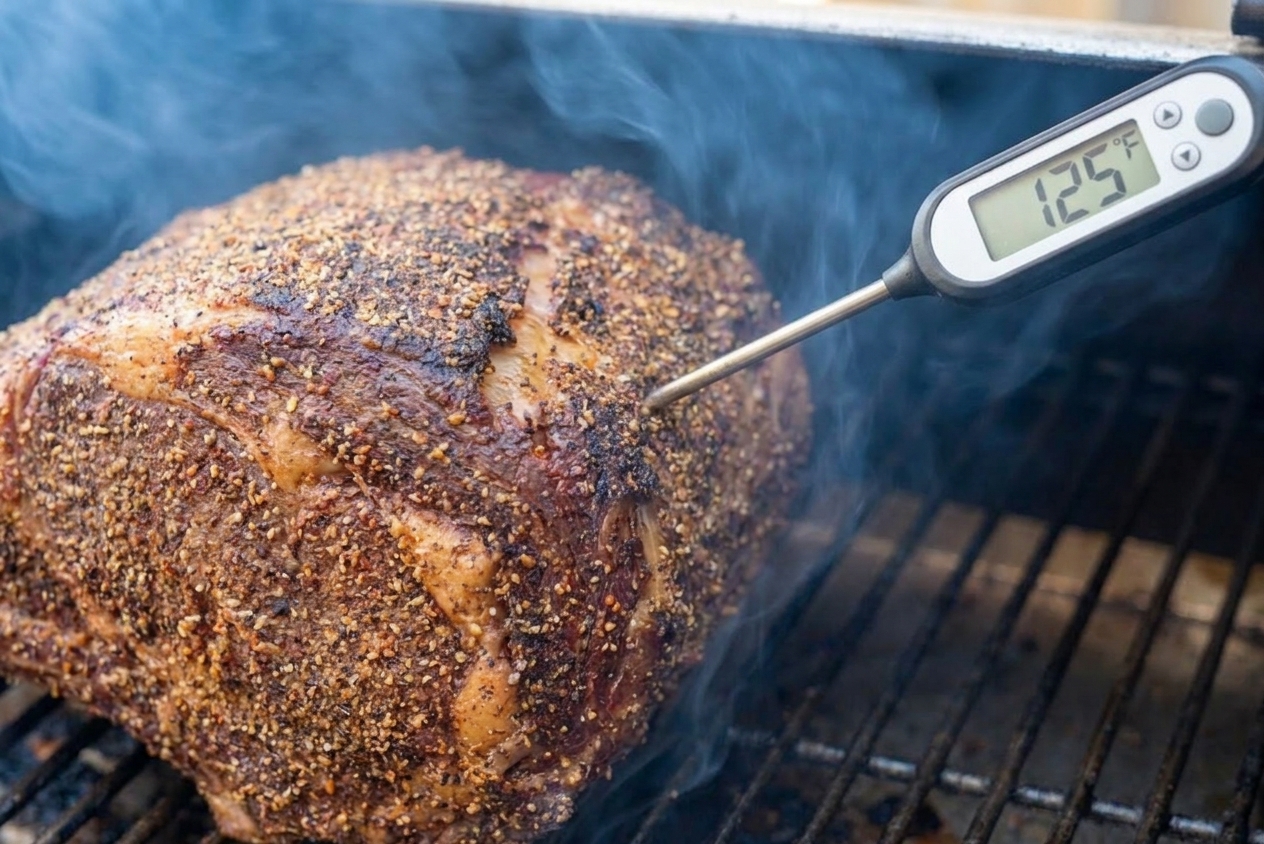
Pull temps matter because the roast keeps cooking while it rests. Carryover varies by roast size, smoker temp, and whether you finish with a high-heat sear, so use these as targets, not laws.
- Rare: pull at 115°F to 120°F, rest to about 125°F
- Medium-rare: pull at 120°F to 125°F, rest to about 130°F to 135°F
- Medium: pull at 130°F to 135°F, rest to about 140°F to 145°F
- Medium-well: pull at 140°F to 145°F, rest to about 150°F to 155°F (I will not judge you, but the beef might)
- Well-done: pull at 150°F to 155°F, rest to about 160°F+
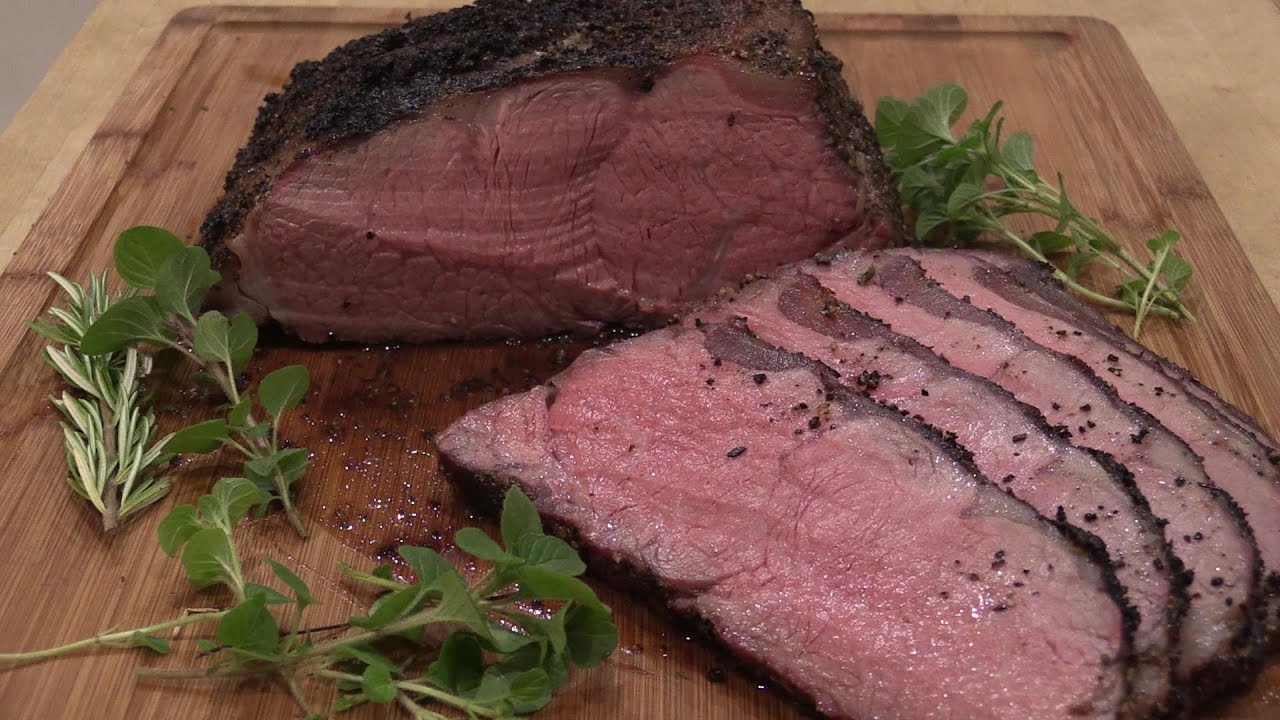
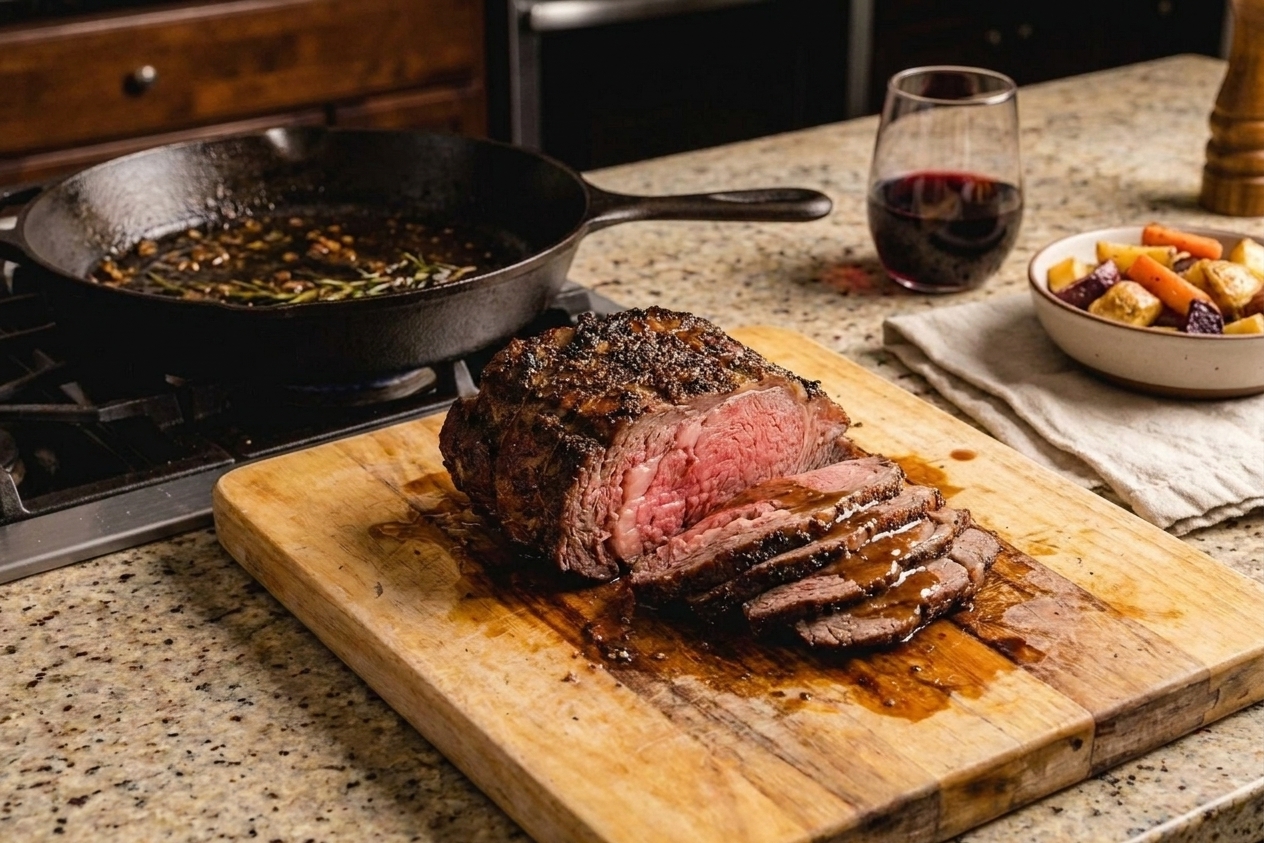
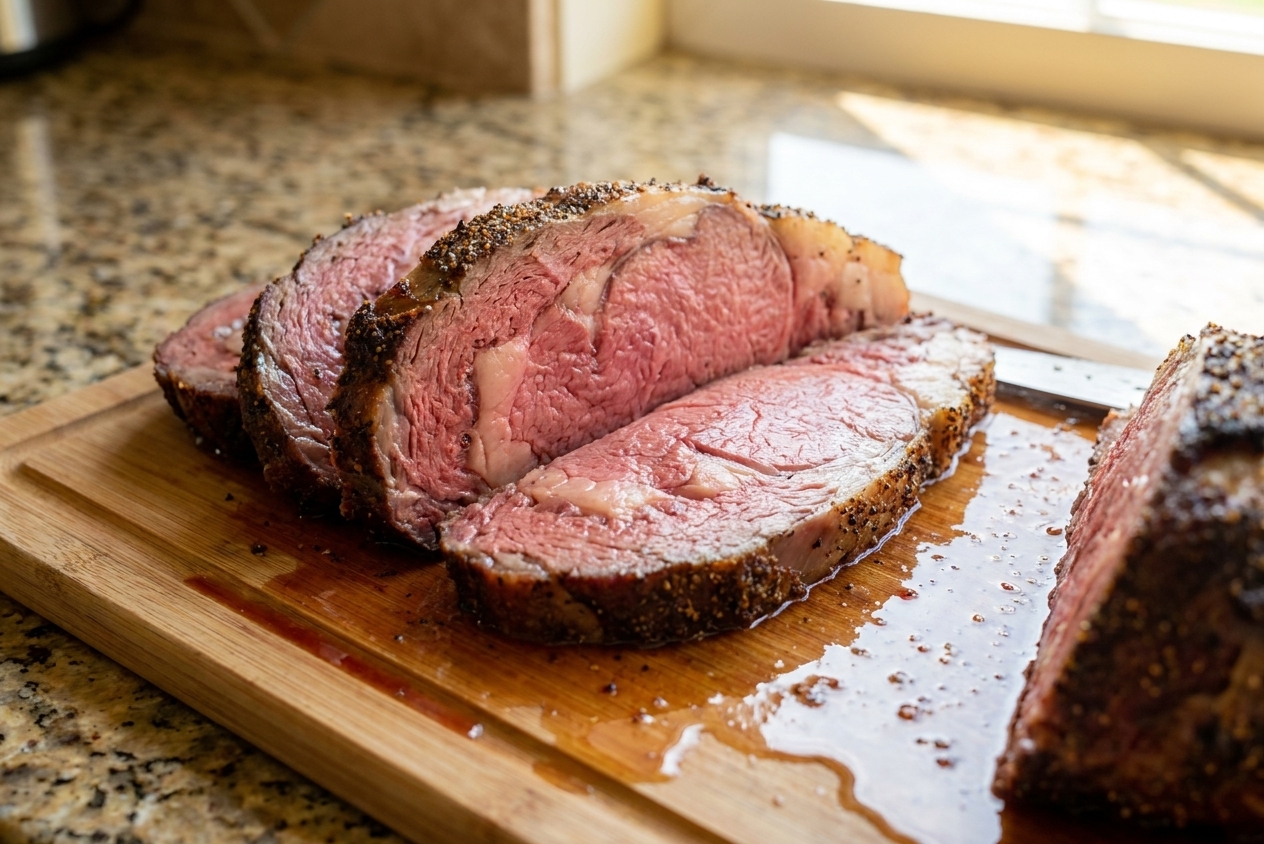
For this recipe, I am aiming for medium-rare.
Reverse sear note: if you do the hot finish, keep an eye on your internal temp. That blast of heat can push you up a few extra degrees.
How long does it take to smoke prime rib?
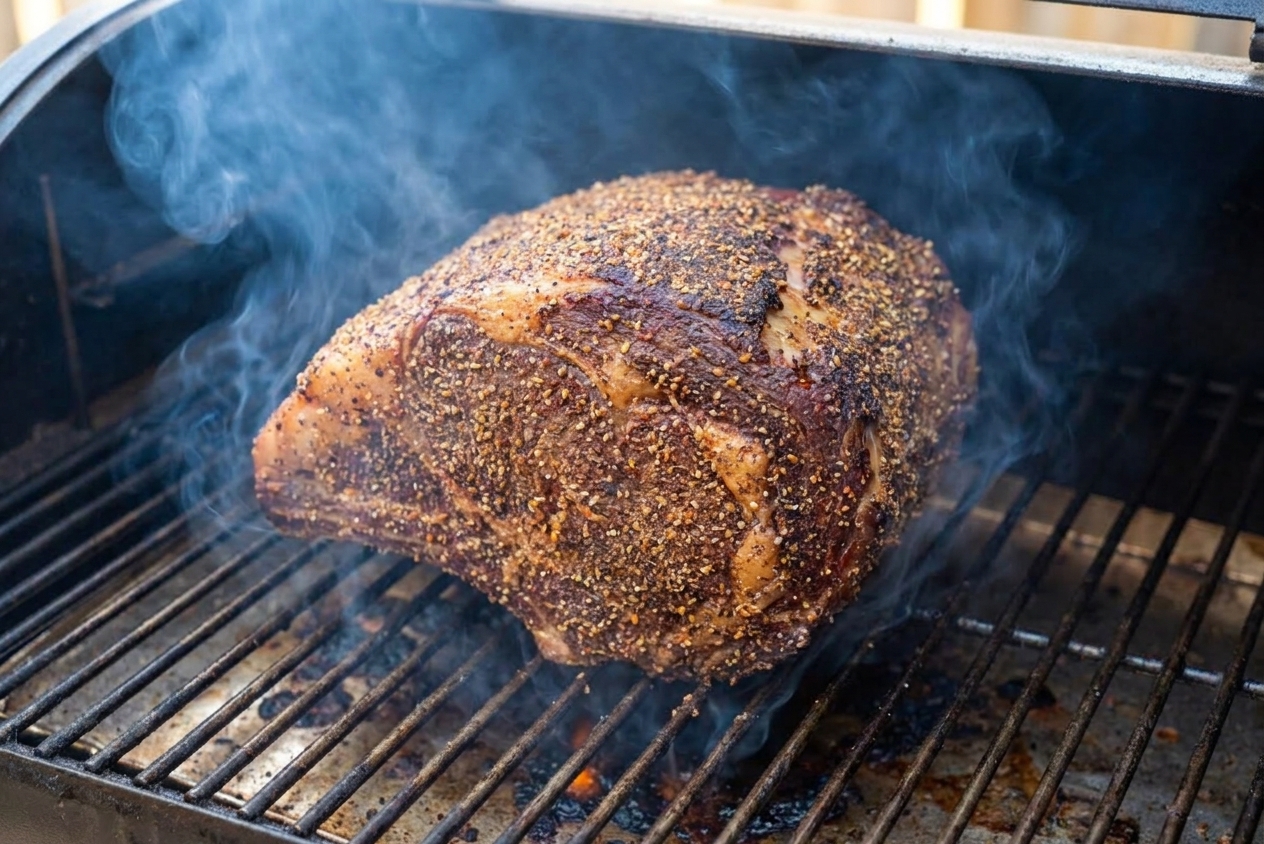
Plan roughly 25 to 45 minutes per pound at 225°F to 250°F, but treat that as a calendar invite, not a guarantee. Shape, bone-in vs boneless, starting temperature, airflow, and your smoker’s personality all matter. Cook to temperature, not time.
What wood is best for smoked prime rib?
Go with oak for classic steakhouse smoke, hickory for a bolder hit, or pecan for something a little sweeter. I usually avoid heavy mesquite for prime rib because it can bulldoze the beef.
Do I need to sear it?
No, but it is a great move if you want crisp edges. The reverse sear is quick and satisfying: smoke first, then blast it at the end in a hot oven or grill.
Can I season it the night before?
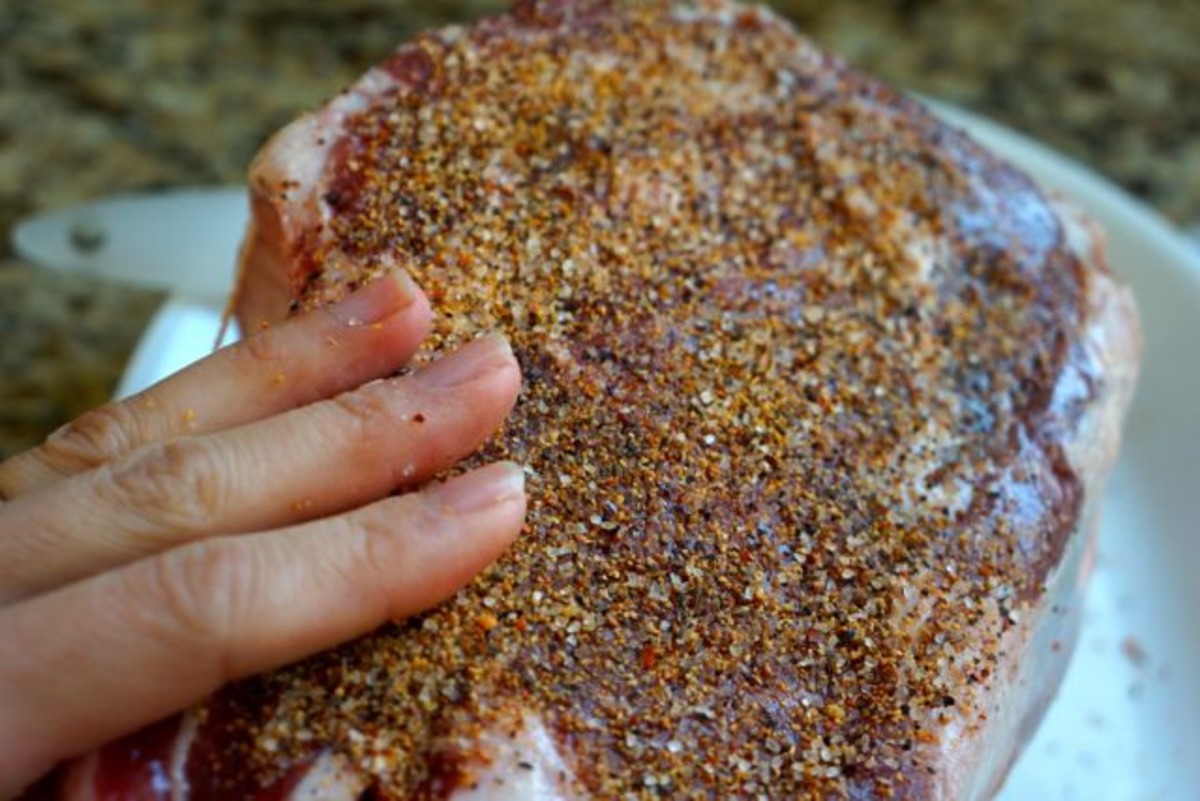
Yes, and it helps. Salt the roast and leave it uncovered on a rack in the fridge overnight for a mini dry brine. It deepens flavor and improves browning.