Mom's Best Recipes
Recipe

Soft Cinnamon Buns With Cream Cheese Icing

Fluffy, bakery-style cinnamon buns with a buttery cinnamon swirl and a tangy cream cheese icing that melts into every spiral.

Author By Matt Campbell
4.8
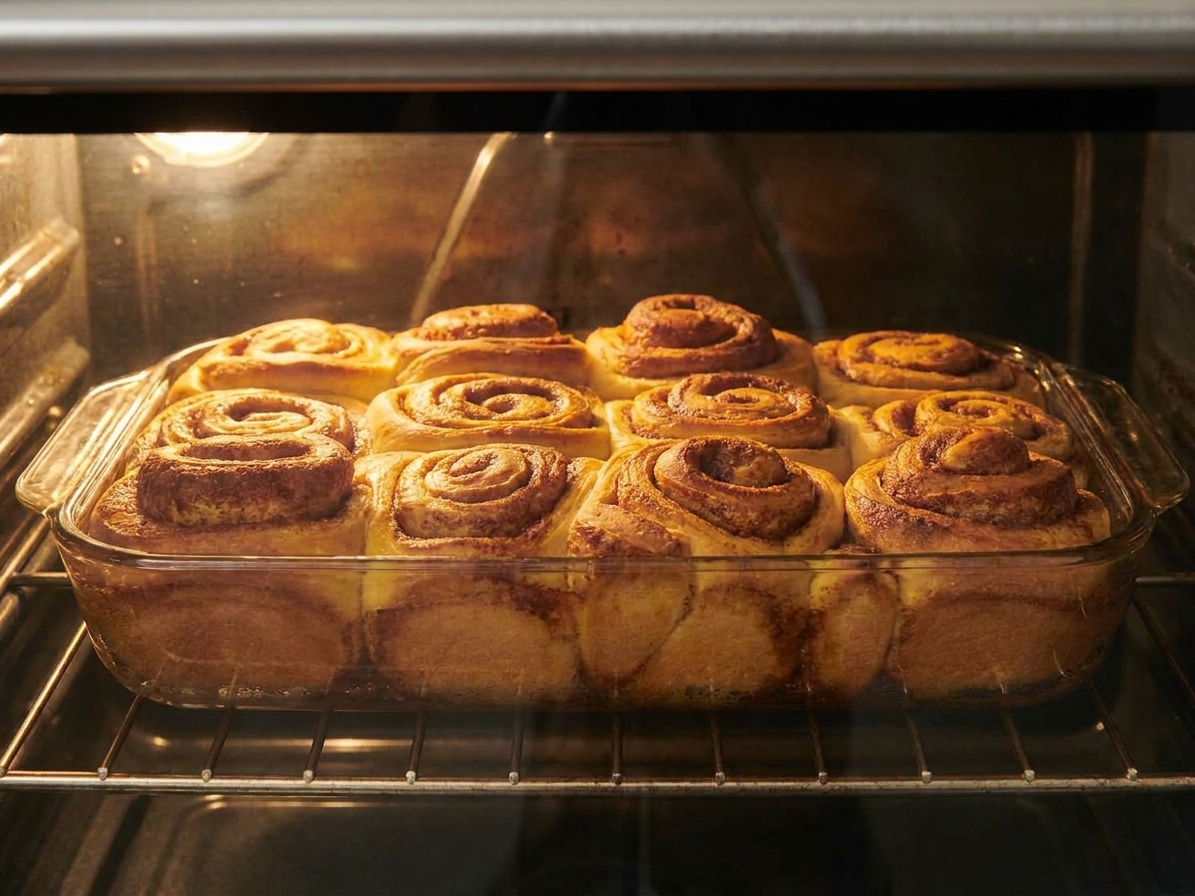
A golden pan of freshly baked cinnamon buns in a glass baking dish on a light kitchen counter, icing starting to melt into the warm spirals

Cinnamon buns are one of those kitchen projects that look fancy, smell like you have your life together, and still forgive you if your roll is a little lopsided. That is my kind of baking.

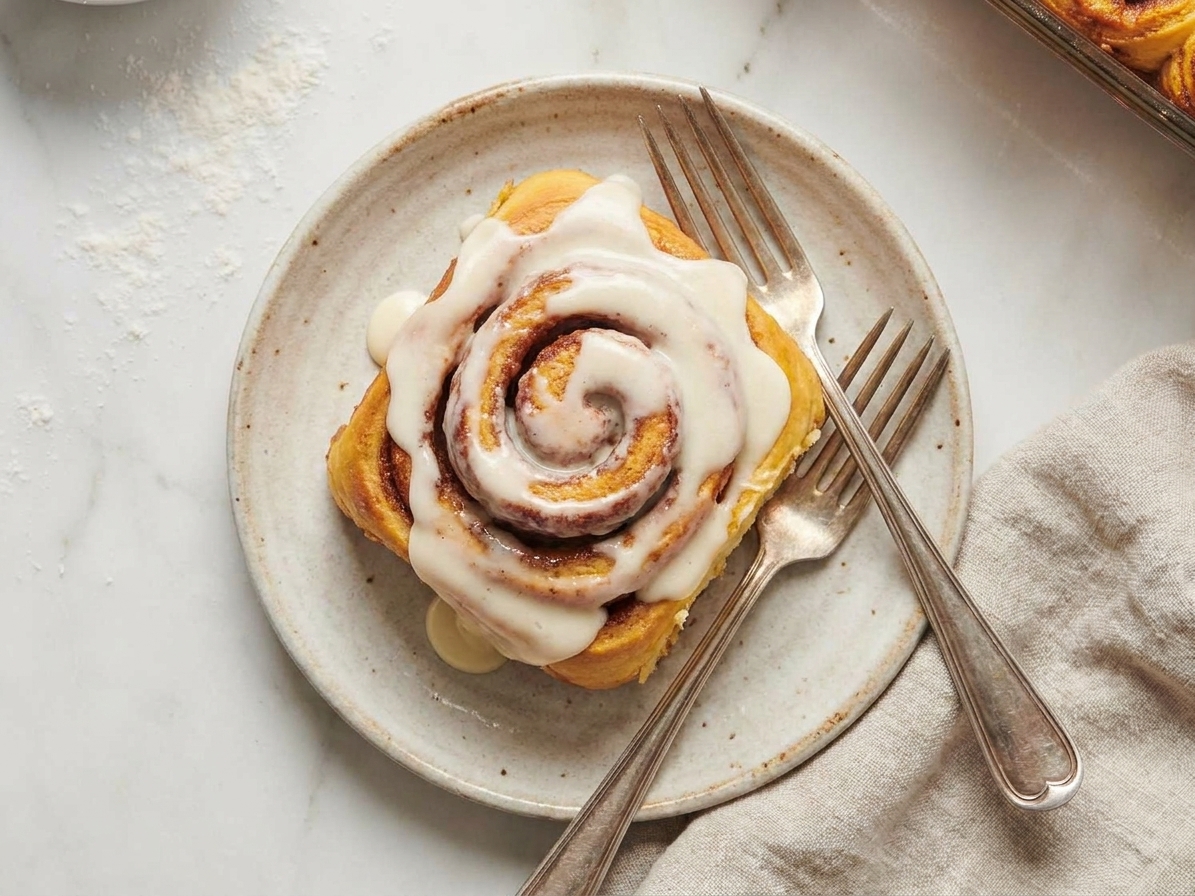
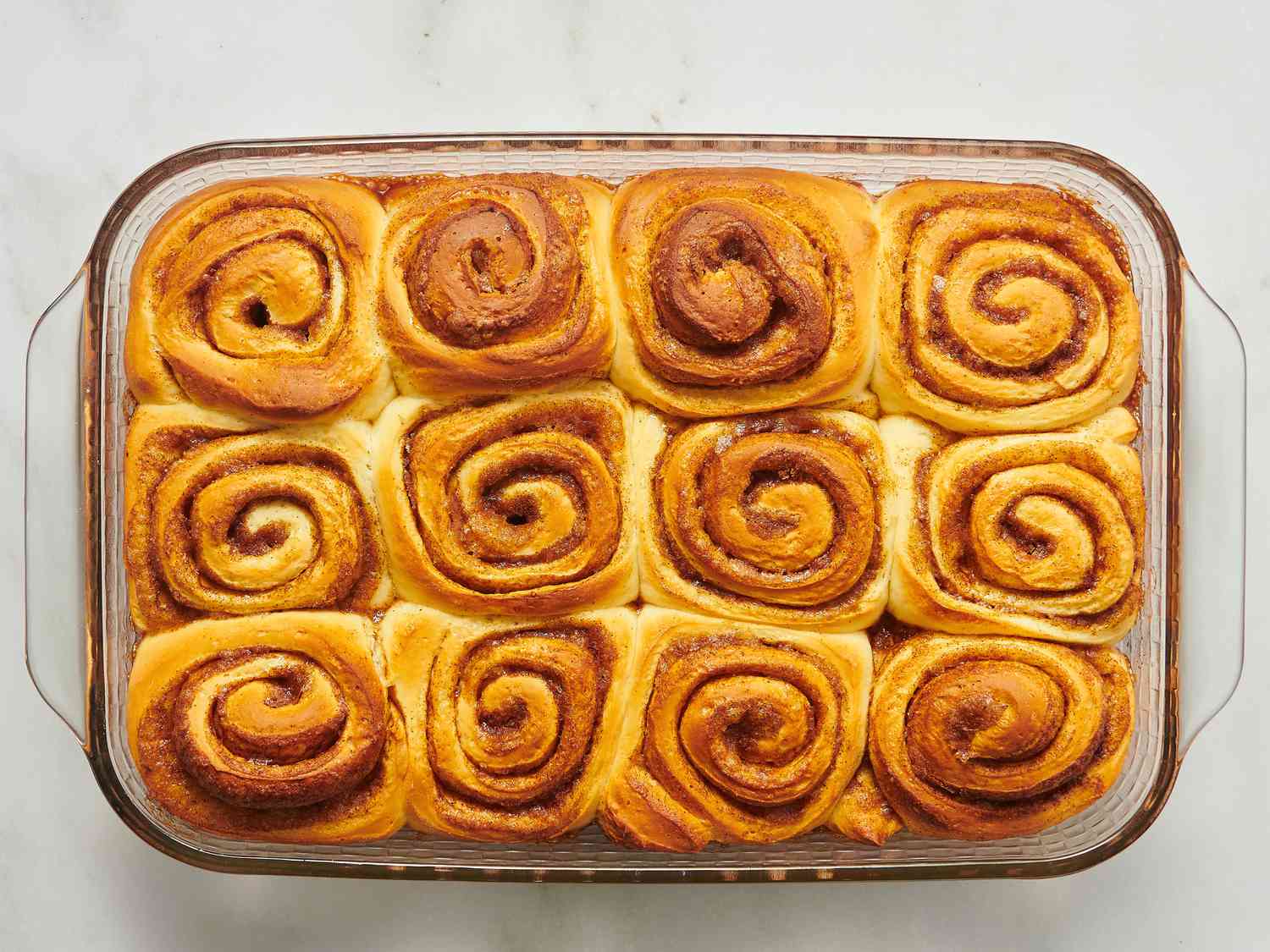
This version is soft and tall with a buttery cinnamon sugar center that goes glossy and gooey in the oven. Then we hit them with cream cheese icing while they are still warm, so it melts into the cracks like it was always meant to be there.
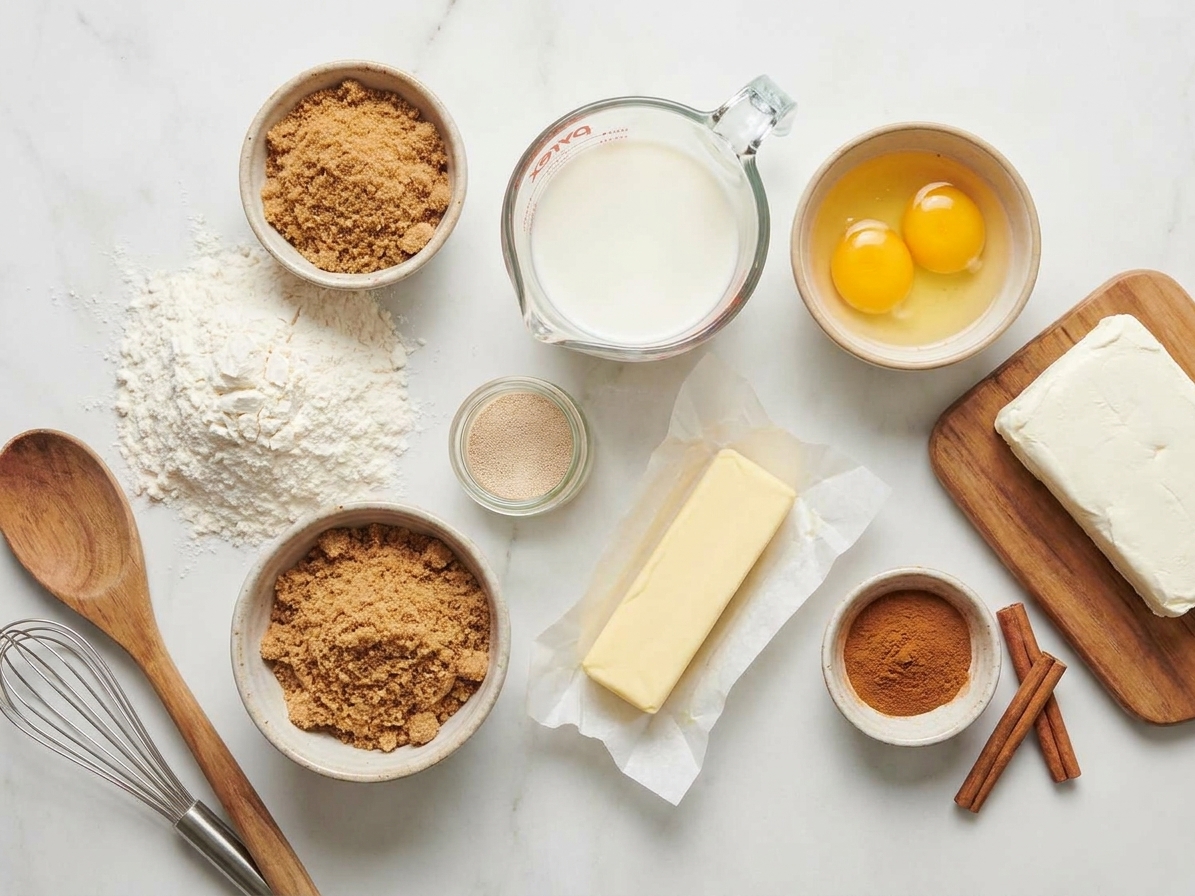
Flour, yeast, milk, butter, eggs, brown sugar, cinnamon, and cream cheese arranged on a bright kitchen counter ready for baking

If you want cinnamon buns (yes, cinnamon rolls) that feel like a weekend treat but are totally doable at home, you are in the right place. Taste as you go, keep it relaxed, and trust the dough.
Why It Works

  • Soft, fluffy dough: Enriched with milk, butter, and egg for that pull-apart texture.
  • Bold cinnamon swirl: Brown sugar plus cinnamon makes a filling that stays gooey, not dusty.
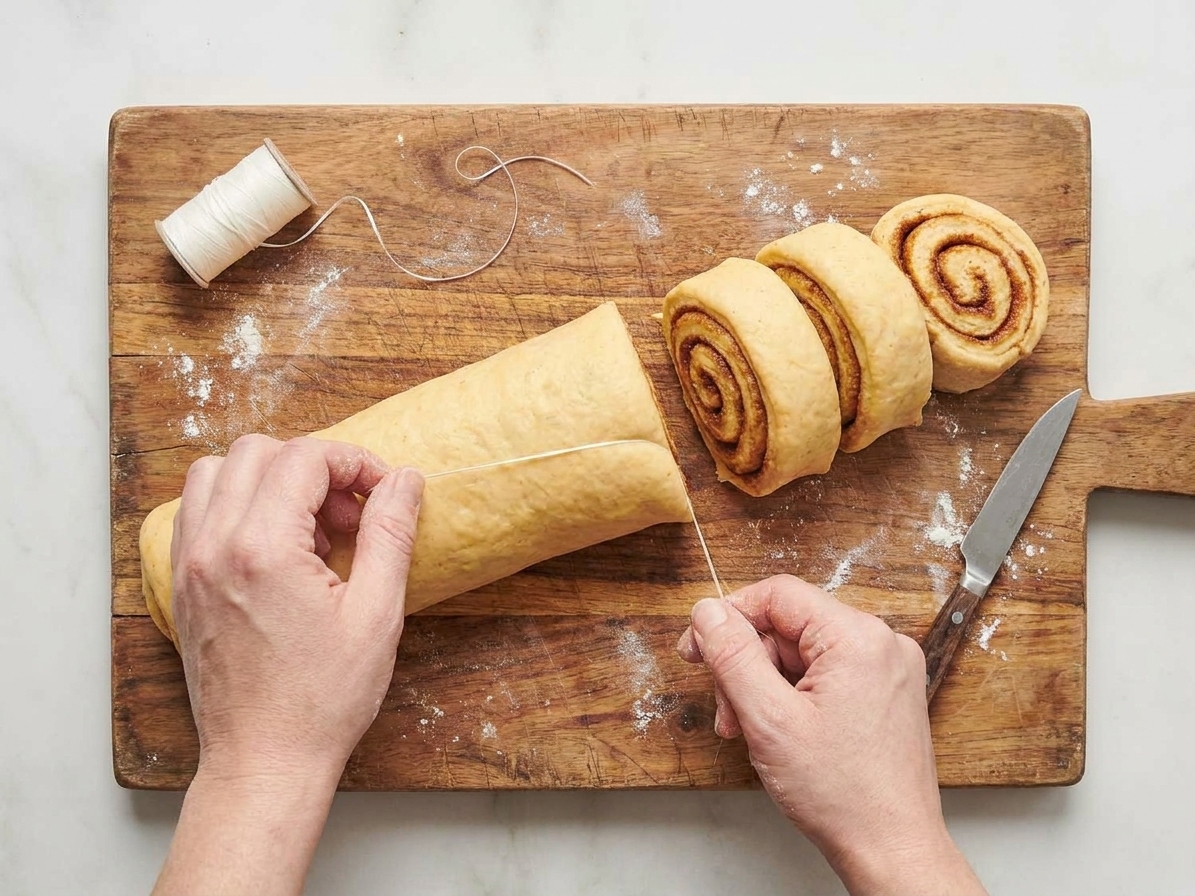
  • No-stress shaping: A simple roll-and-slice method with an easy trick for clean cuts.
  • Dreamy icing: Cream cheese for tang, powdered sugar for sweetness, and a splash of vanilla. It melts right into the warm buns.
  • Make-ahead friendly: Overnight option included, plus freezer tips.

Pairs Well With

Storage Tips

Room temperature: Store buns in an airtight container for up to 2 days. For best quality, enjoy within 24 hours. If your home is warm or humid, refrigerate sooner.

Refrigerator: Up to 5 days. Warm individual buns in the microwave for 15 to 30 seconds depending on your microwave to bring back the soft texture.

Freezer: Freeze baked, un-iced buns wrapped tightly for up to 2 months. Thaw overnight in the fridge, or thaw at room temperature for 1 to 2 hours, then warm and ice.

Best reheat move: Add a tiny splash of milk over a bun before reheating. It sounds weird. It works.

Common Questions

Can I make these cinnamon buns overnight?

Yes. After you slice and arrange the buns in the pan, cover tightly and refrigerate 8 to 16 hours. The next morning, let them sit at room temperature until slightly puffy, usually 45 to 75 minutes, then bake.

Why did my buns turn out dense?

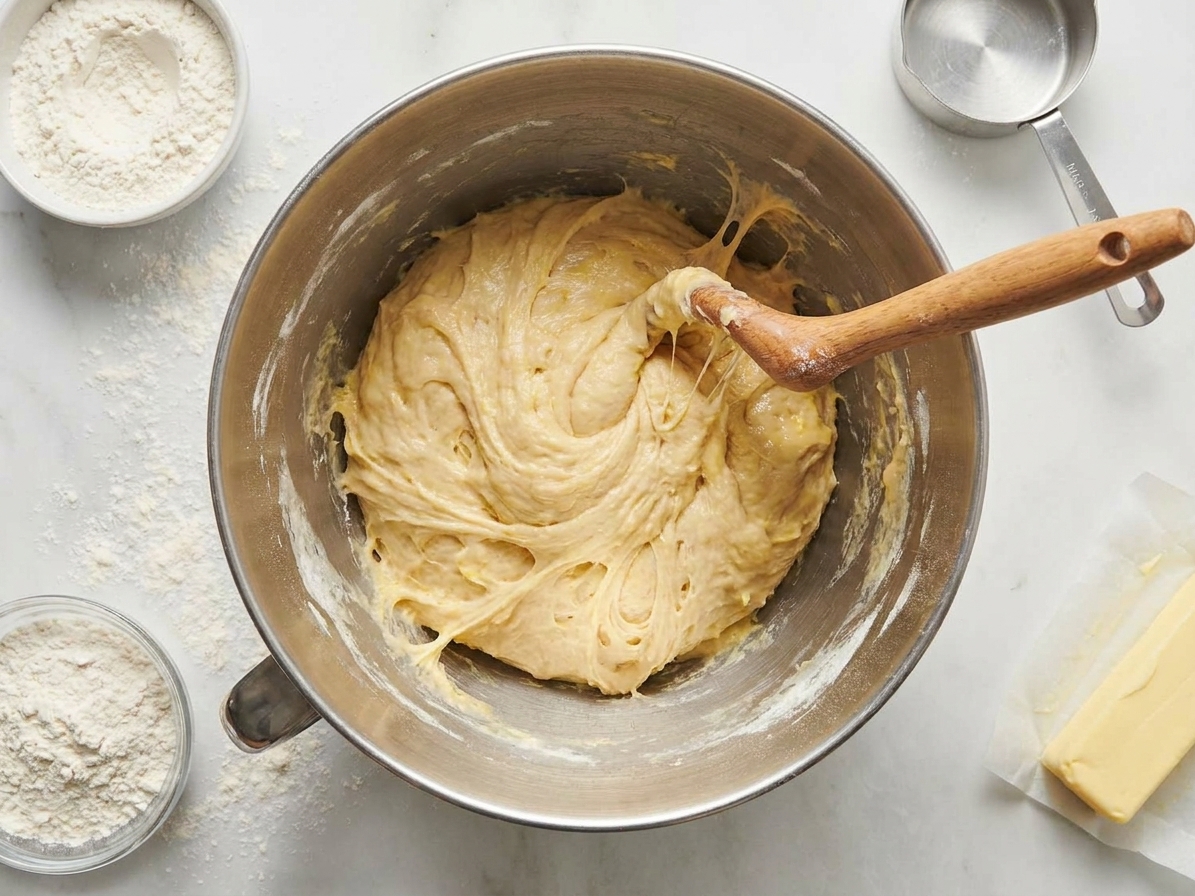
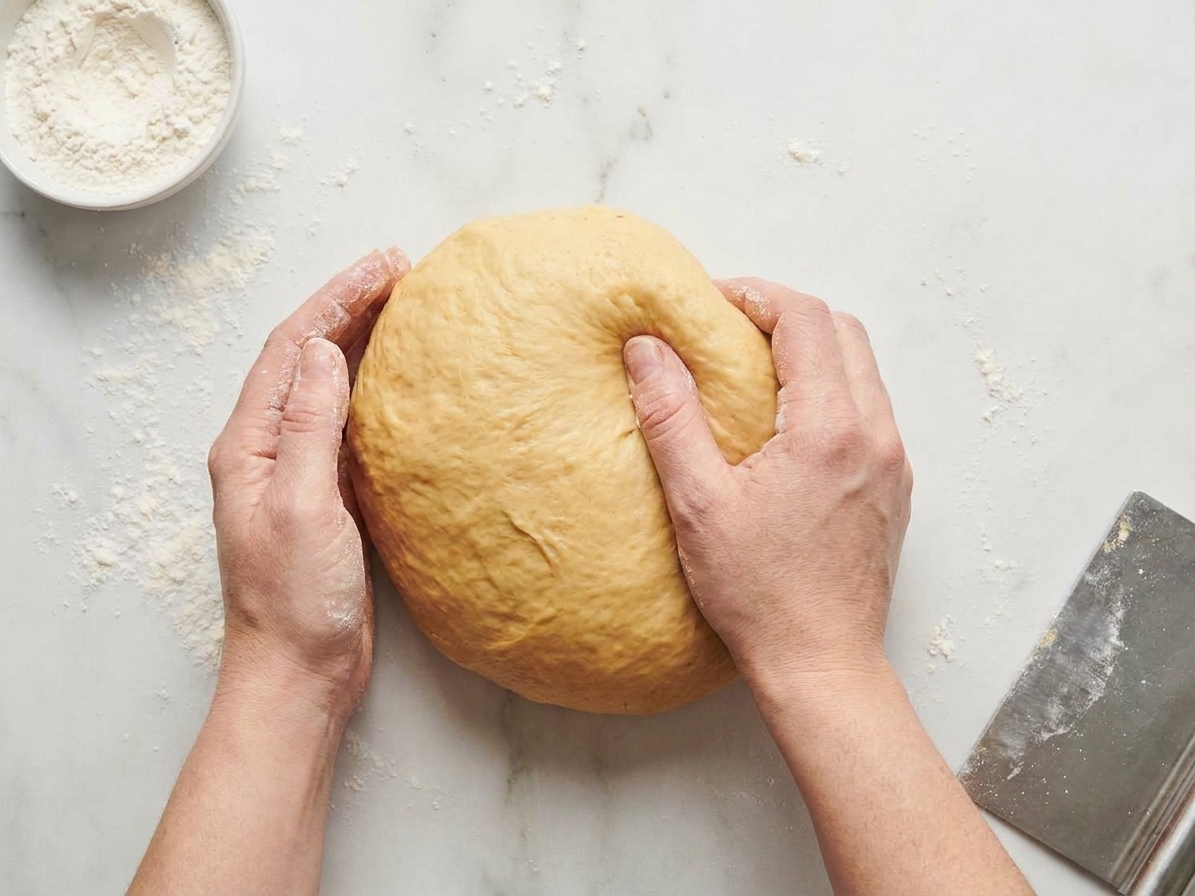
Most commonly: the milk was too hot and weakened or killed the yeast, the dough needed more kneading, or the rise was cut short. You want the dough to look smoother and feel elastic, and you want it to roughly double in size during the first rise.

How do I keep the filling from leaking out?

A little leakage is normal and honestly delicious. To limit it, leave a 1/2-inch border at the top edge when adding filling, and roll the dough snug but not overly tight.

Do I have to use cream cheese icing?

Nope. Swap in a simple vanilla glaze: whisk 1 cup powdered sugar with 2 to 3 tablespoons milk and 1/2 teaspoon vanilla, then drizzle over warm buns.

Can I use instant yeast instead of active dry?

Yes. Use the same amount. You can mix it right into the dry ingredients, but warming the milk a bit still helps everything move faster.

Are these cinnamon buns the same as cinnamon rolls?

Basically, yes. Different kitchens call them different things, but you are in the right place either way: soft dough, cinnamon swirl, and icing on top.

The first time I tried to make cinnamon buns, I treated the dough like it was a timed exam. I rushed the rise, over-floured the counter, and ended up with buns that had the personality of a dinner roll that forgot why it was invited.

Now I do the opposite. I slow down, I let the dough get genuinely puffy, and I lean into the messy parts. If a little filling bubbles out and caramelizes at the edges, that is not a mistake. That is the cook getting a snack.