Mom's Best Recipes
Recipe

Soft Dinner Rolls

Pillowy, golden rolls with a buttery top and a soft pull-apart crumb.

Author By Matt Campbell
4.8
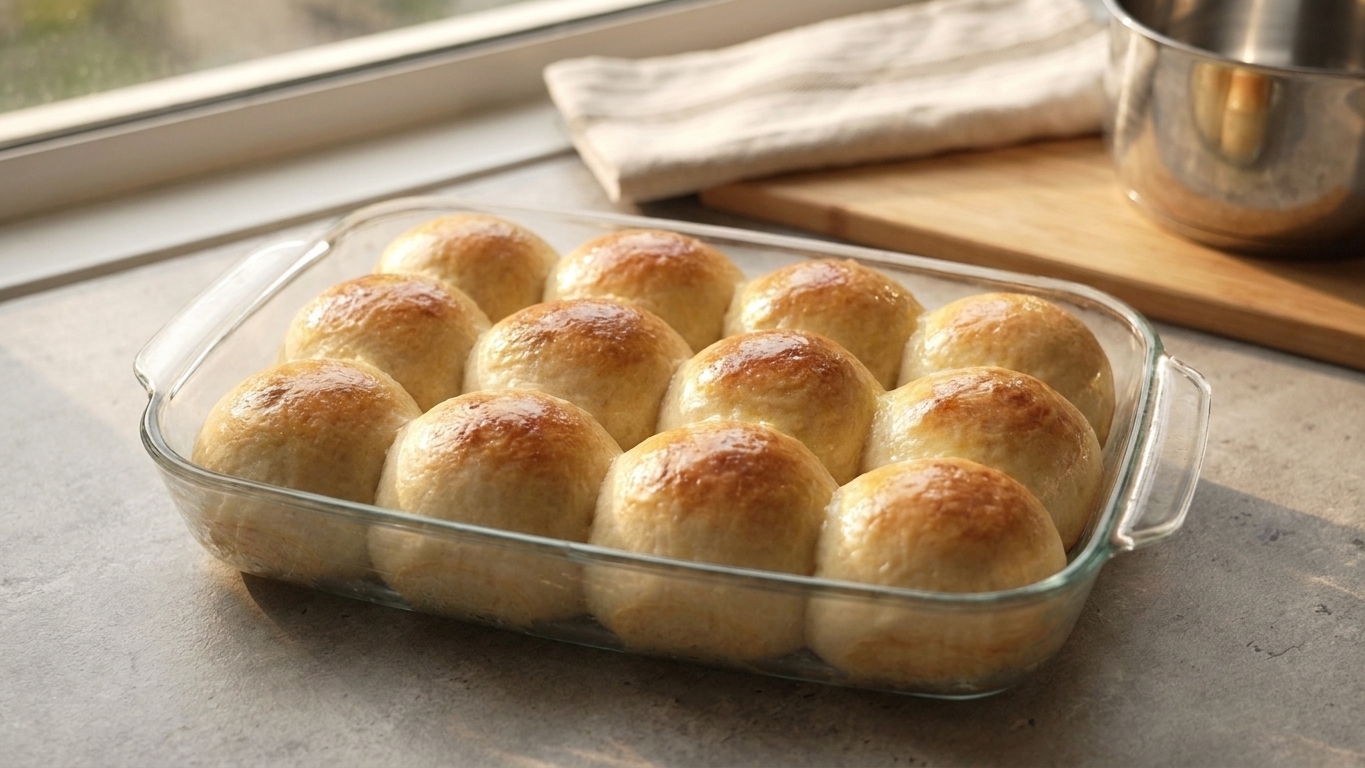
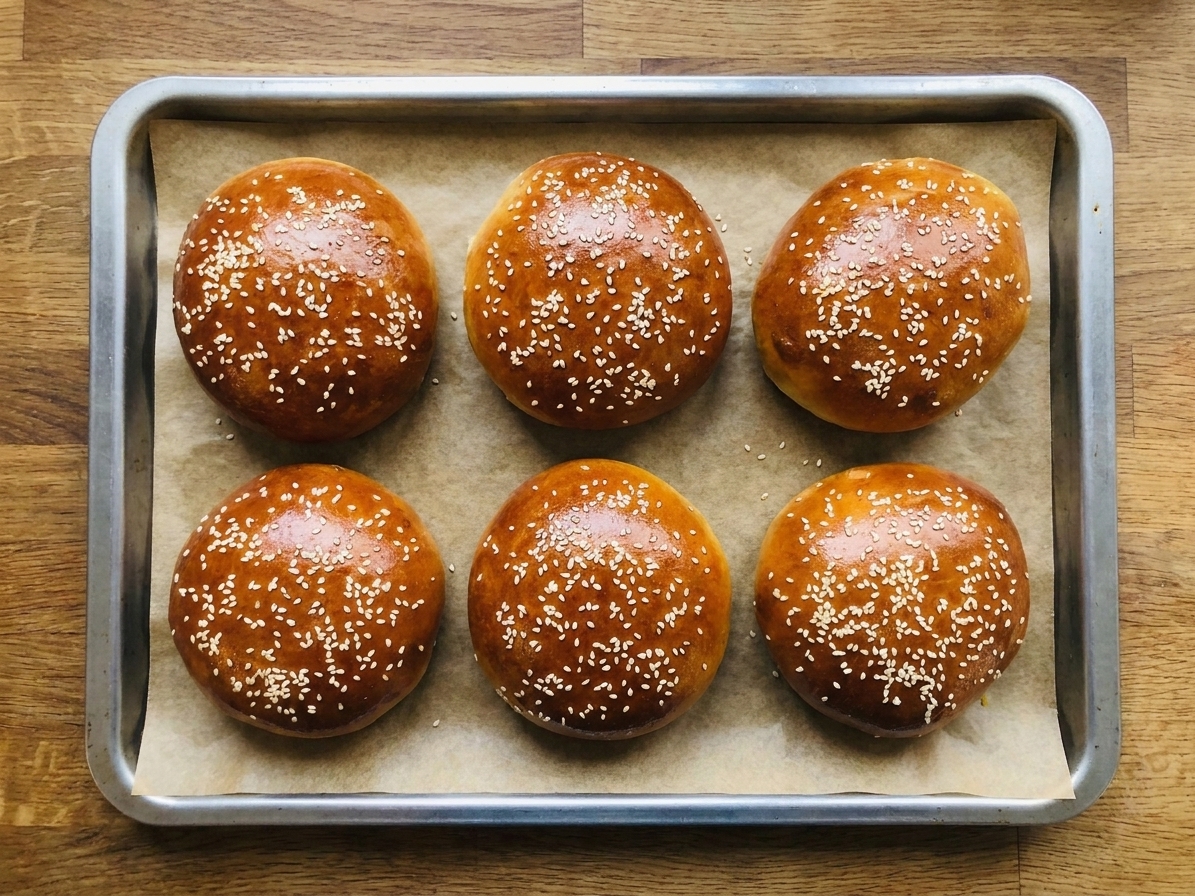
A pan of freshly baked pull-apart dinner rolls with glossy golden tops on a light kitchen counter, warm natural window light

There are two kinds of bread rolls: the ones that sit politely on the table, and the ones that get eaten straight off the cooling rack because someone "just needs to check" if they are done. These are the second kind.

These soft dinner rolls are light, fluffy, and buttery in a way that feels both weeknight-friendly and holiday-approved. No fancy flour, no sourdough starter, no stress. Just a simple dough, a little patience, and the best kitchen smell you can buy with time.
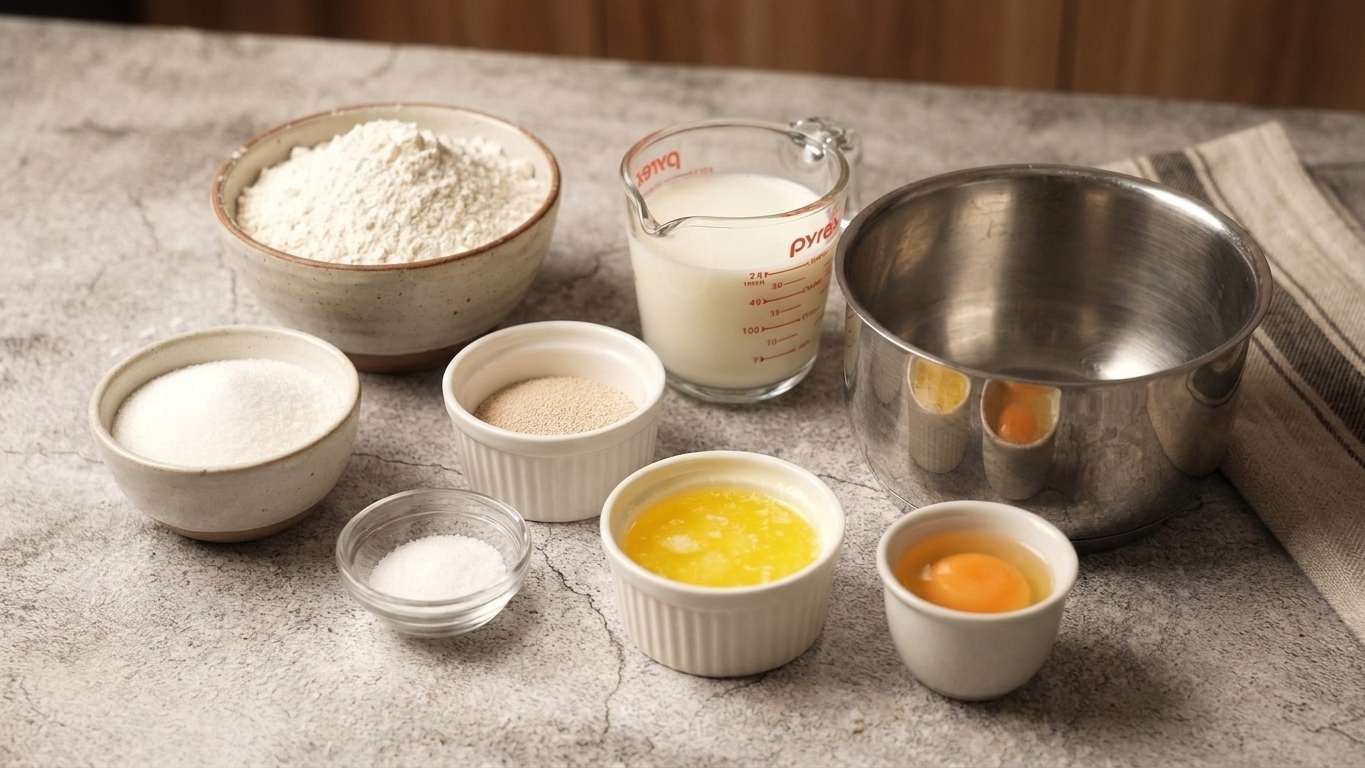
Measured flour, yeast, sugar, salt, warm milk, melted butter, and an egg arranged on a clean kitchen counter with a mixing bowl

Why It Works

  • Soft, tender crumb: Milk, egg, and butter keep the interior plush instead of bready and dry.
  • Reliable rise: Two rises give you that pull-apart, cloudlike texture without complicated shaping.
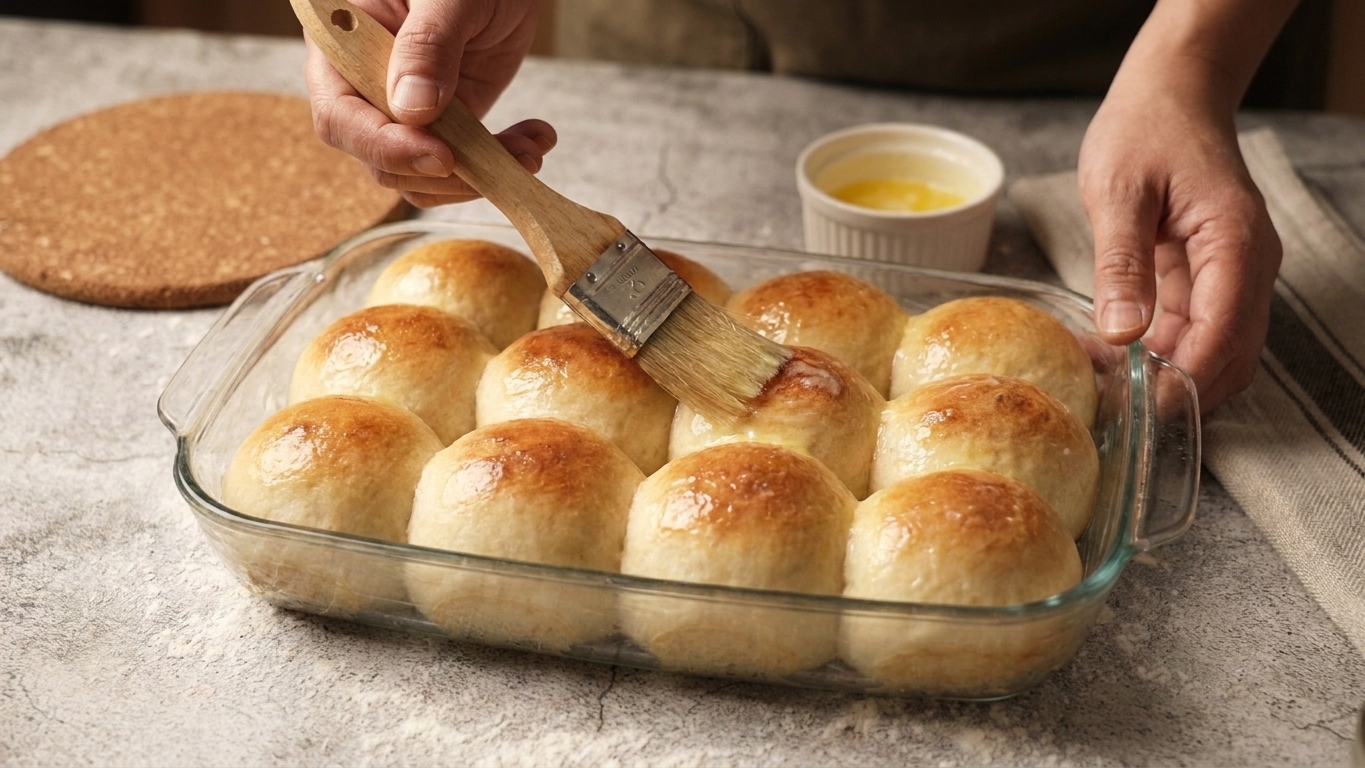
  • Golden tops with flavor: Brushing with butter after baking keeps the crust thin and soft, plus it tastes like you tried extra hard.
  • Make-ahead friendly: You can refrigerate the shaped rolls overnight or freeze baked rolls for later.

Pairs Well With

Storage Tips

Room temperature: Store cooled rolls in an airtight container or zip-top bag for up to 2 days. If you notice condensation in the bag, slip in a paper towel for a few hours to absorb excess moisture (then remove it so the rolls do not dry out).

Refrigerator: I usually skip this because the fridge stales bread faster, but you can store them 3 to 4 days if needed. Rewarm before serving.

Freezer: Freeze fully cooled rolls in a freezer bag for up to 2 months. Thaw at room temp, then warm at 300 F for 8 to 12 minutes, or until soft and steamy.

Best reheat: Wrap rolls in foil and warm at 300 F for 8 to 12 minutes. For one roll, 10 to 15 seconds in the microwave works, then split and toast if you want crisp edges.

Common Questions

Can I use instant yeast instead of active dry yeast?

Yes, in most home recipes you can swap instant yeast 1:1 (2 1/4 teaspoons). Instant yeast often works a little faster, so watch the dough cues (puffy, doubled, slowly springy when pressed) instead of the clock.

How warm should the milk be?

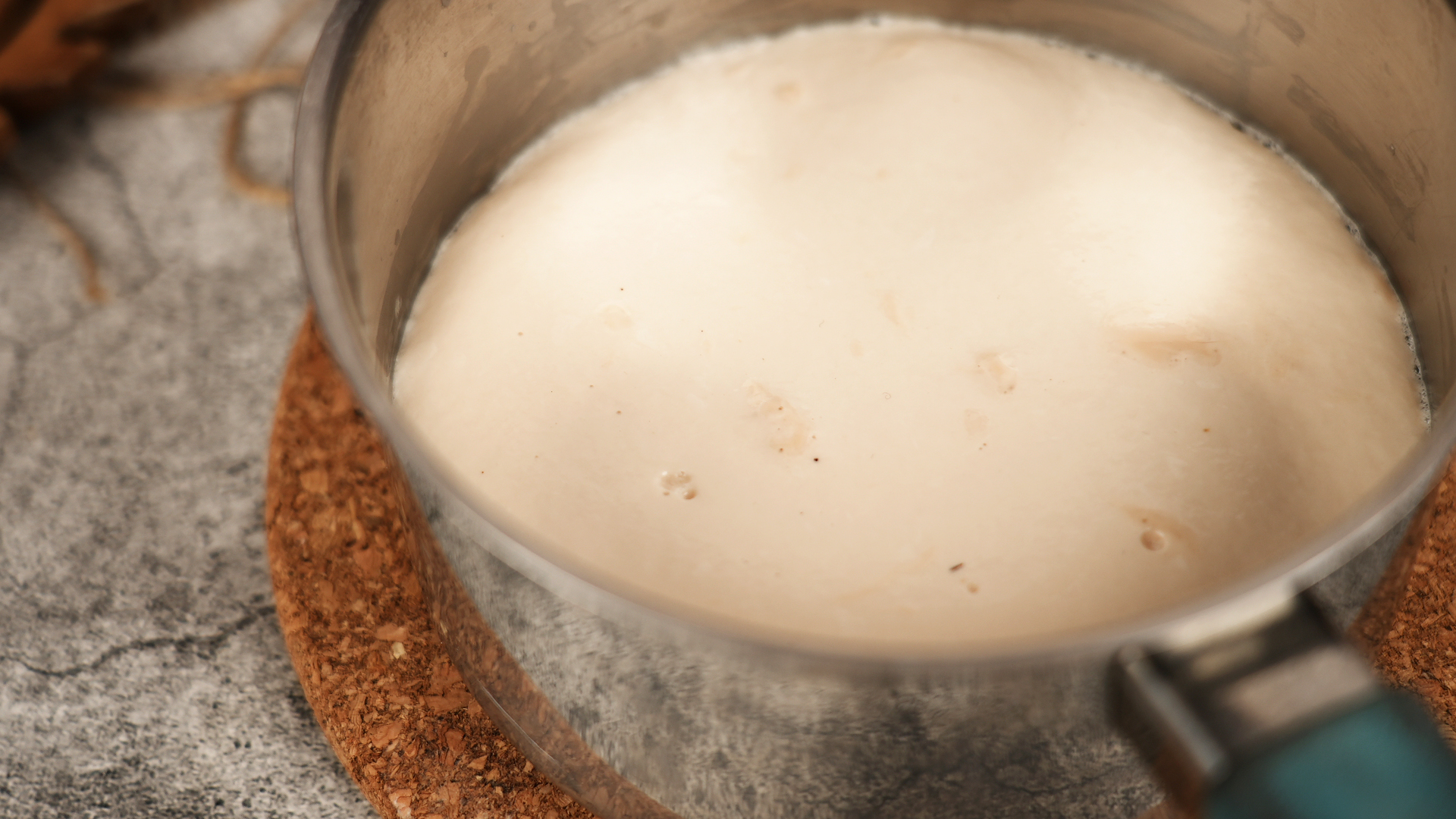
Aim for warm, not hot: about 105 to 115 F. If it feels like a comfy bath, you are in the zone. If the milk is too hot, it can kill the yeast and you may get little to no rise.

My dough feels sticky. Should I add more flour?

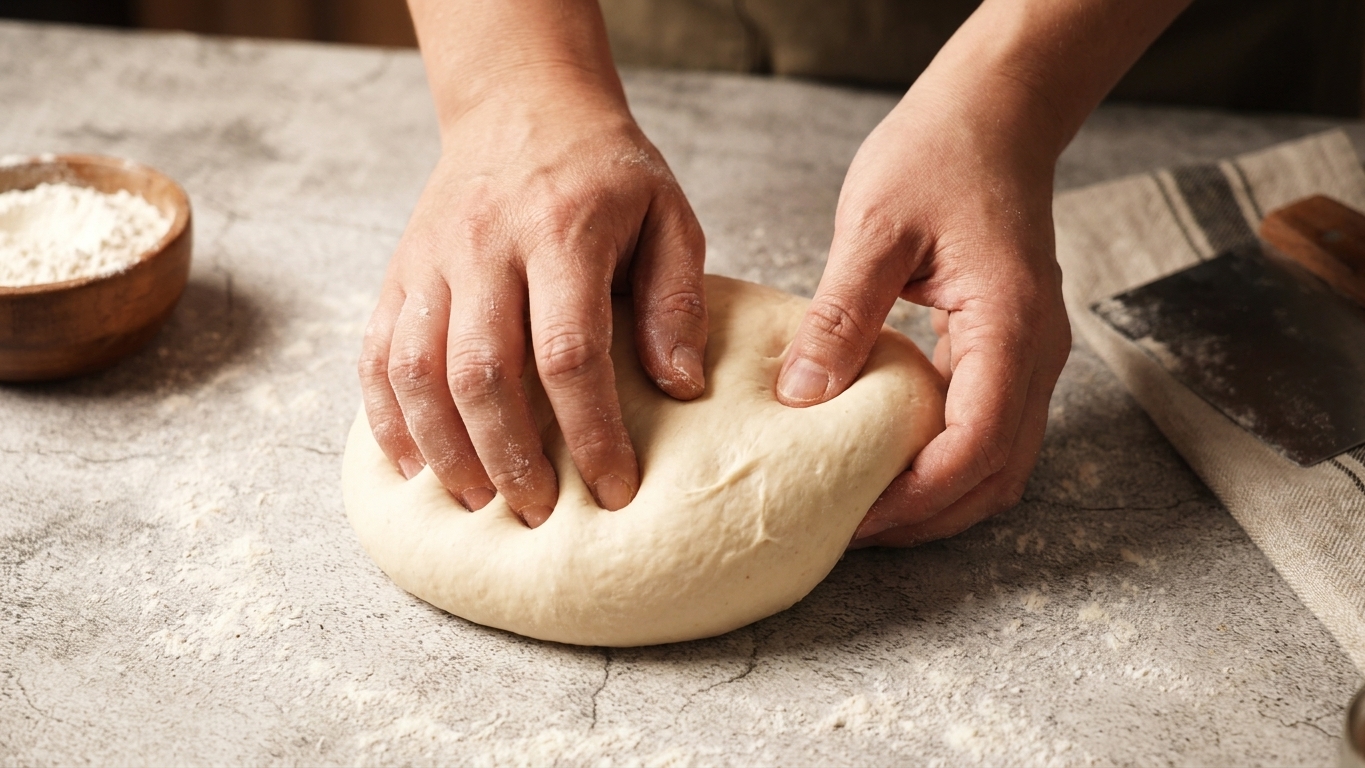
Maybe, but go slow. This dough should be slightly tacky. Add flour 1 tablespoon at a time only if it is truly unworkable. Too much flour is the fastest way to dry rolls.

Can I make these ahead for a holiday?

Yes. Shape the rolls, place them in the baking dish, cover tightly, and refrigerate overnight. The next day, let them sit at room temp until noticeably puffy and they slowly spring back when gently pressed, usually 45 to 90 minutes, but longer if your kitchen is cool.

What pan should I use?

A 9 x 13-inch baking dish gives classic pull-apart rolls. A sheet pan works too if you want more crusty edges. Same dough, different personality.

I used to think bread rolls were a "special occasion only" situation. Then I started chasing that restaurant bread-basket vibe at home, and realized the real trick is not talent. It is just timing and butter. The first time I nailed these, I tore one open, watched the steam rush out, and genuinely forgot the rest of dinner existed for a minute. That is the energy we are bringing to the table.