Mom's Best Recipes
Recipe

Soy-Marinated Quail Eggs

Jammy, salty-sweet quail eggs that level up ramen, rice bowls, and snack plates with minimal effort.

Author By Matt Campbell
4.8
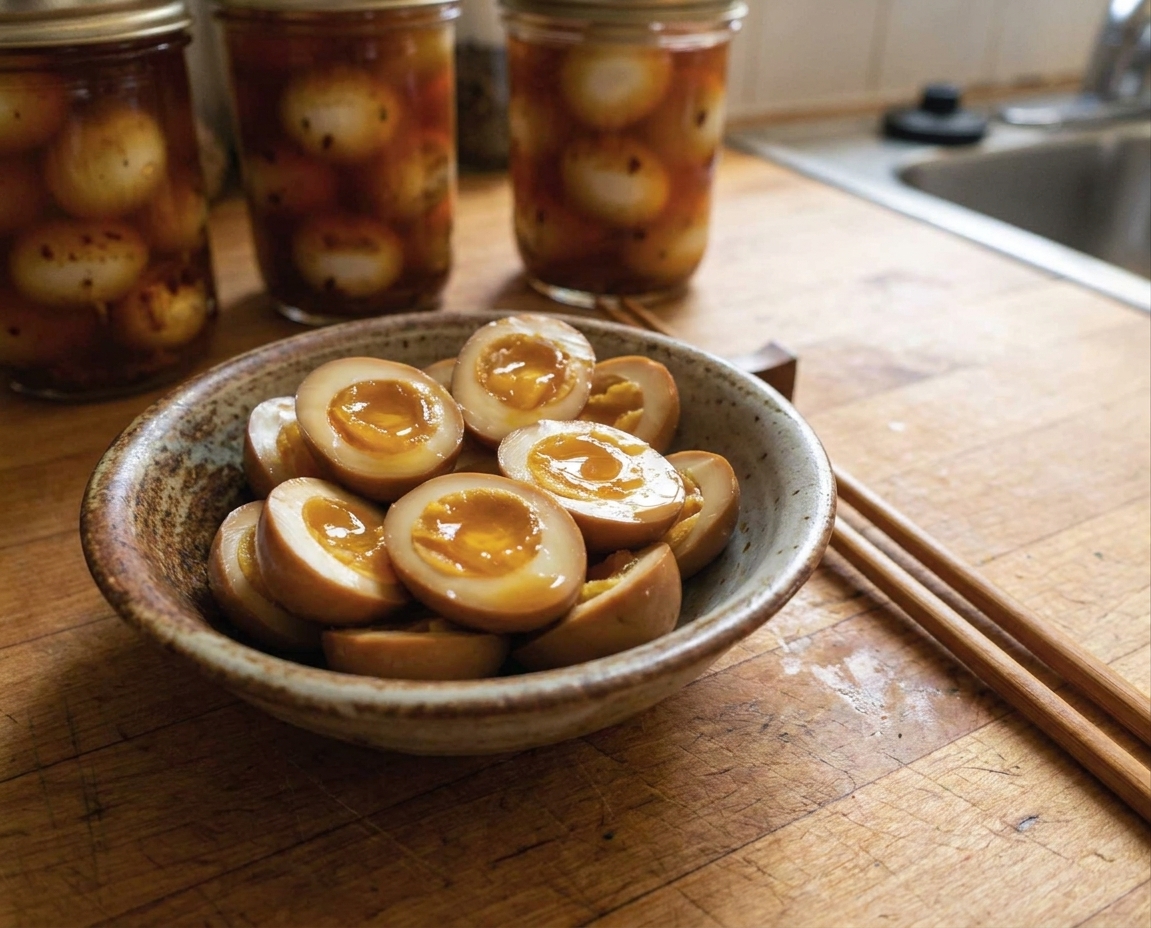
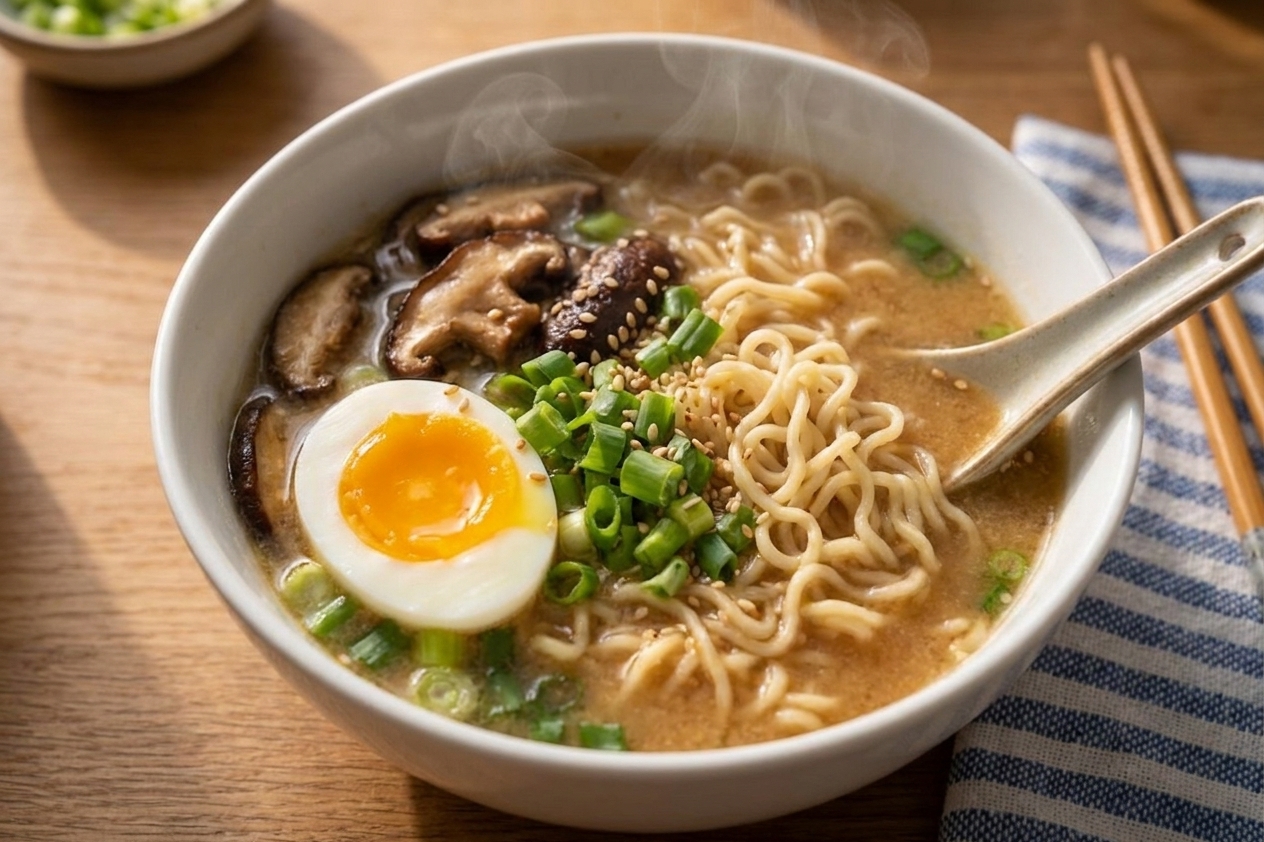
A small ceramic bowl filled with glossy soy-marinated quail eggs, sliced to show jammy yolks, on a wooden kitchen counter with chopsticks nearby

Quail eggs are basically the fun-size version of a good idea. They cook fast, peel a little fussy (we will deal with that), and once they take a quick dip in a soy-forward marinade, they become the kind of snack you keep “checking on” every time you open the fridge.

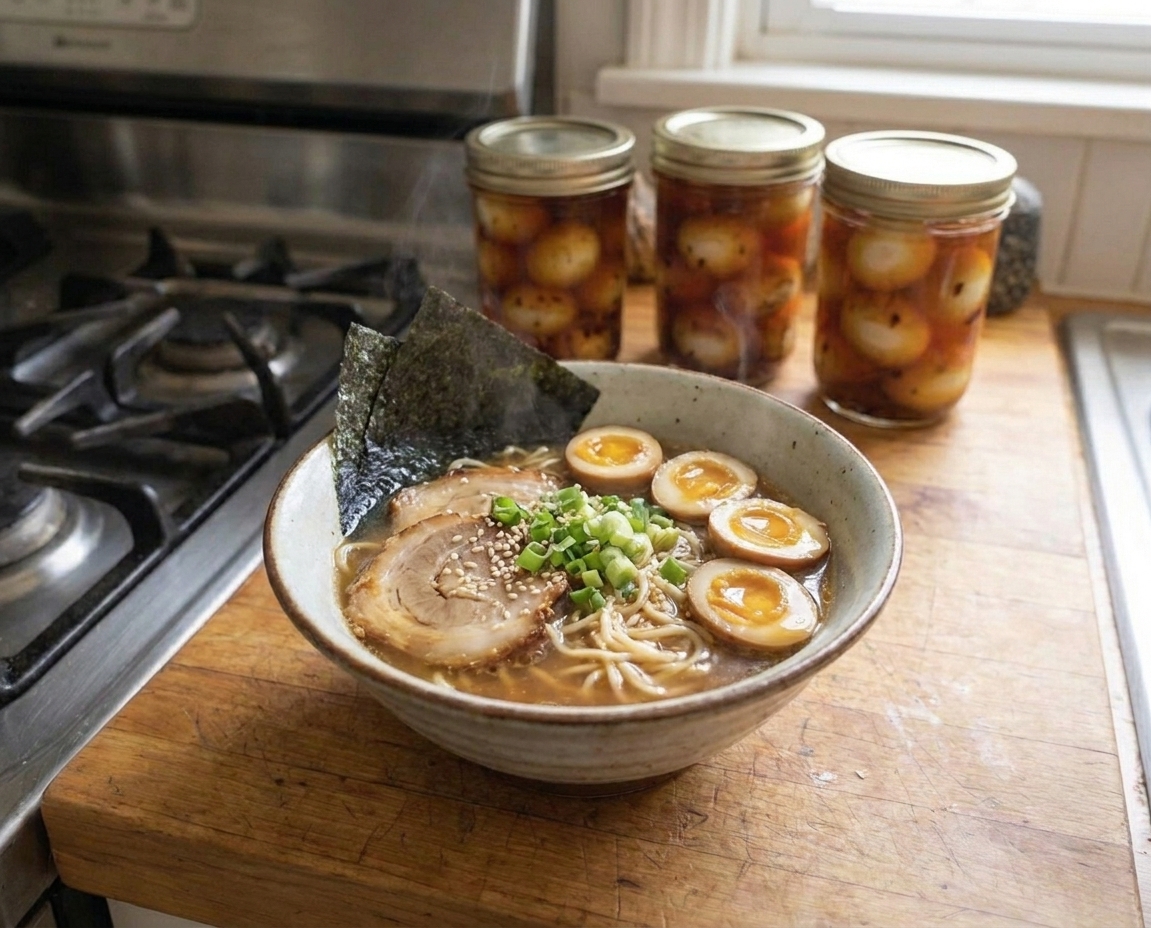
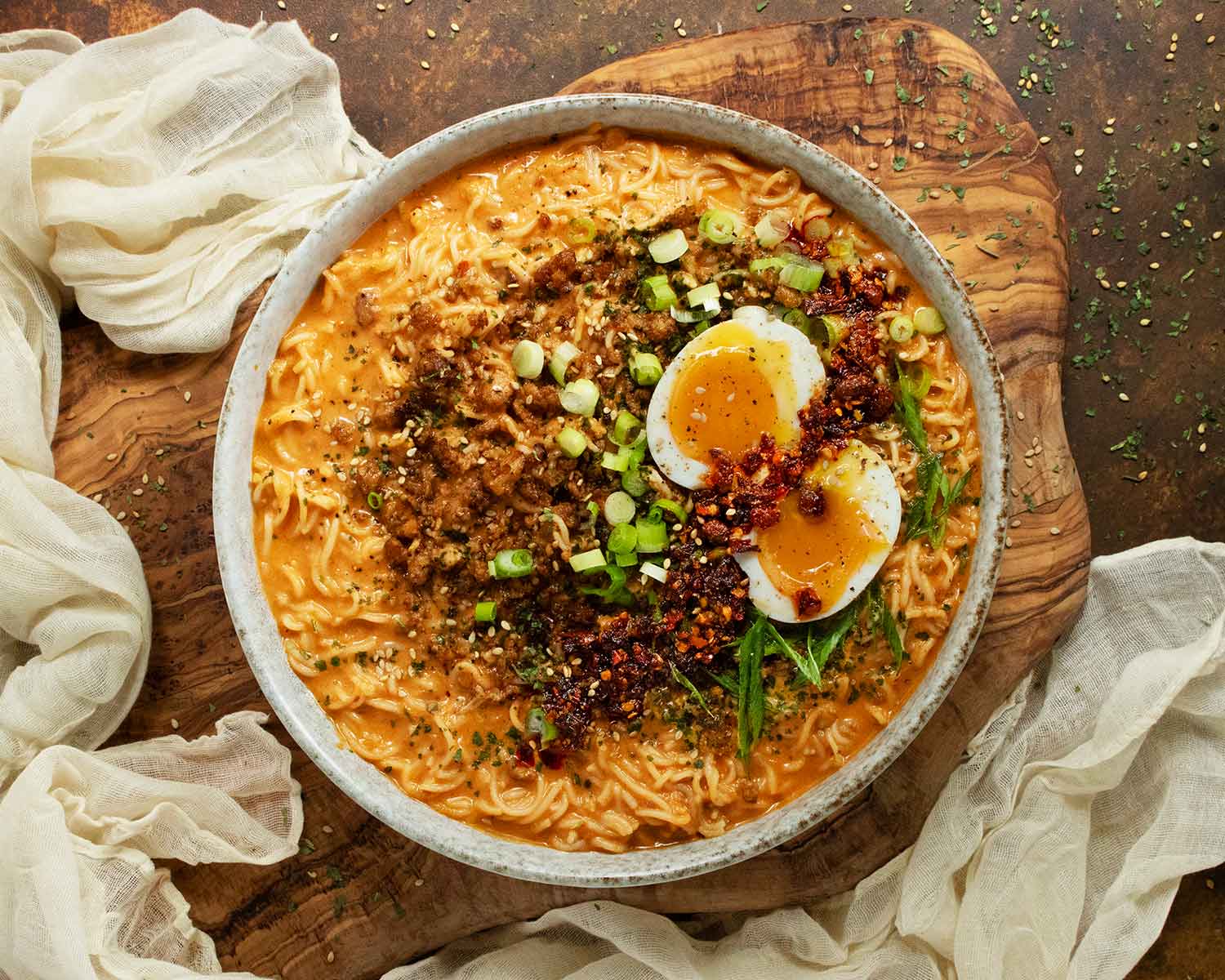
These soy-marinated quail eggs hit that sweet spot: salty, a little sweet, garlicky, and deeply snackable. I love them on ramen, but they are just as happy perched on rice, tucked into a bento, or straight-up eaten standing at the counter while you pretend you are plating.
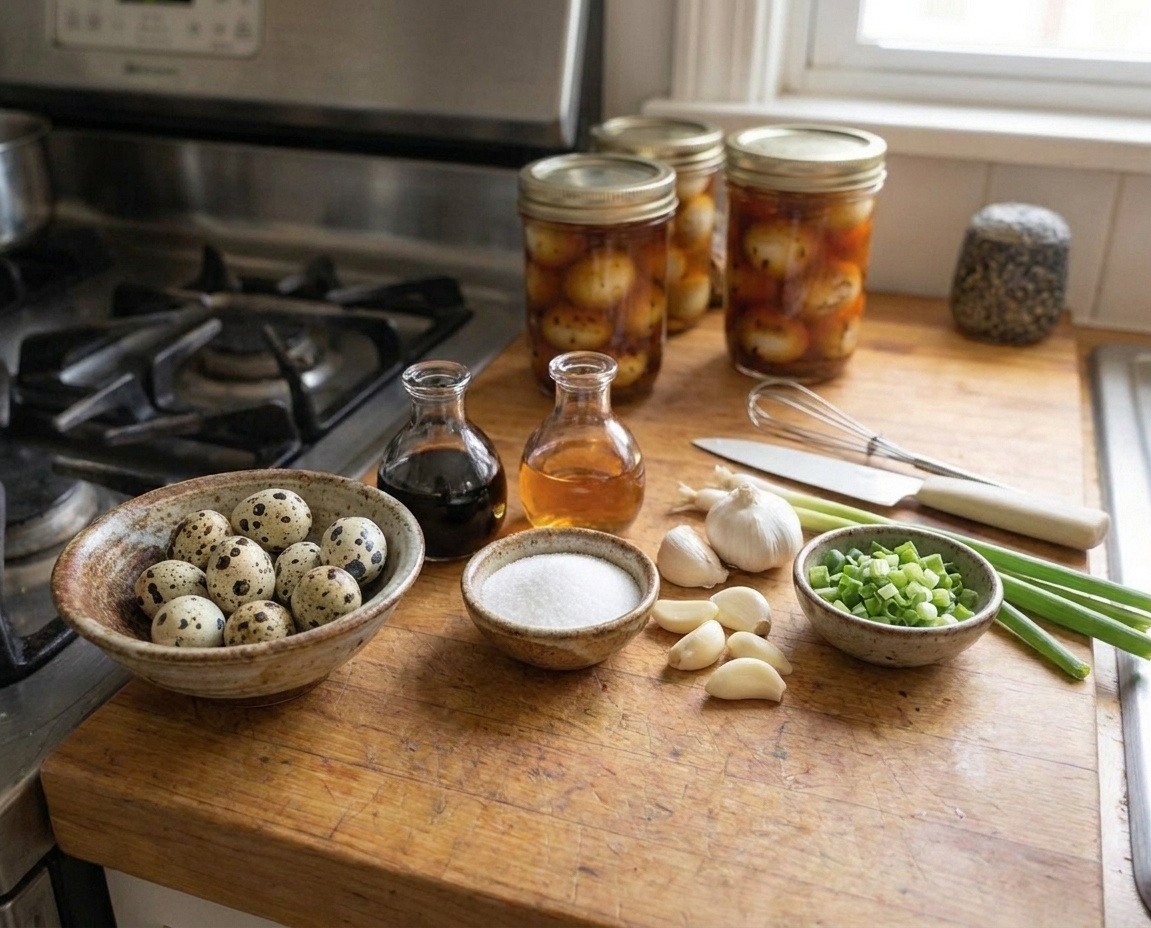
A neat lineup of quail eggs, soy sauce, mirin, sugar, garlic, and green onions on a light-colored kitchen counter with small prep bowls

Why It Works

  • Fast cook time: Quail eggs go from raw to jammy in minutes, so this feels like a kitchen cheat code.
  • Big flavor with pantry staples: Soy sauce, mirin, garlic, and a little sugar do the heavy lifting.
  • Make-ahead friendly: The flavor gets better after a few hours, which is my favorite kind of “planning.”
  • Perfect add-on: One batch makes multiple meals feel upgraded without extra cooking.

Pairs Well With

Storage Tips

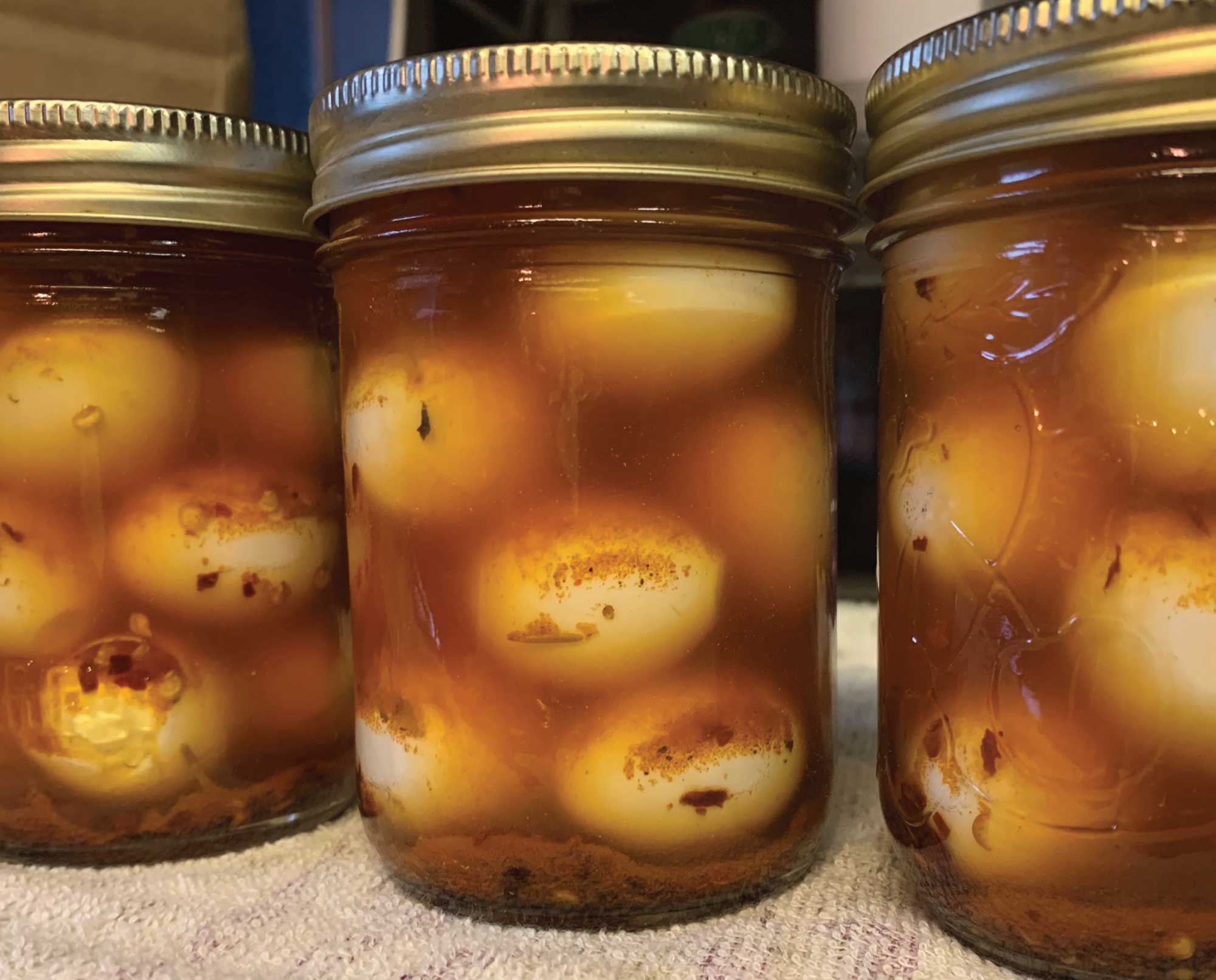
Refrigerate: Store the eggs fully submerged in the marinade in an airtight container. They are best within 3 days for the nicest texture and balance. They can often keep a bit longer if handled cleanly and kept cold, but the salt level keeps climbing and the whites can turn rubbery.

Marinade timing tip: For the best balance, marinate 6 to 24 hours. Past 24 hours, they get noticeably saltier. If you are salt-sensitive, aim closer to 6 to 12 hours.

Do not freeze: Egg whites get weirdly spongy after thawing. Save your freezer space for dumplings.

A glass jar in a refrigerator holding peeled quail eggs submerged in a dark soy marinade with sliced green onions

Common Questions

Are quail eggs safe to eat soft boiled?

Soft-boiled eggs can carry a small risk of foodborne illness (like Salmonella), especially if they are not pasteurized or are handled improperly. For most healthy adults, using very fresh eggs, keeping everything clean, and refrigerating promptly lowers the risk. If you are serving kids, pregnant people, older adults, or anyone immunocompromised, it is smartest to cook the eggs longer (fully set yolks) and enjoy them that way.

How long do you boil quail eggs?

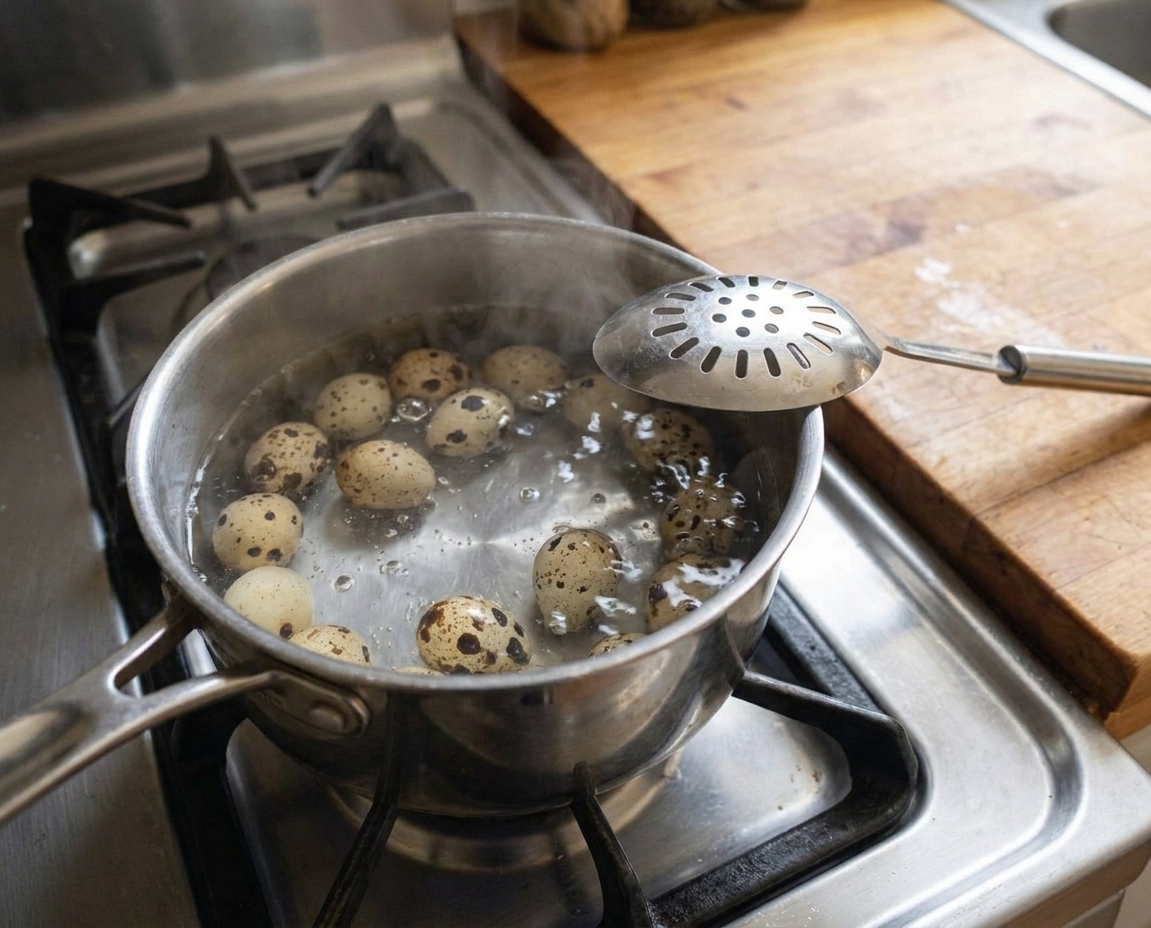
For this recipe: 2 minutes 30 seconds for jammy, 3 minutes 30 seconds for mostly set, and 4 minutes for fully hard boiled. Start timing as soon as the eggs hit gently simmering water. Quail egg sizes vary, and so does starting temperature, so treat these as a strong starting point and add 15 to 30 seconds if you want a firmer center.

What is the easiest way to peel quail eggs?

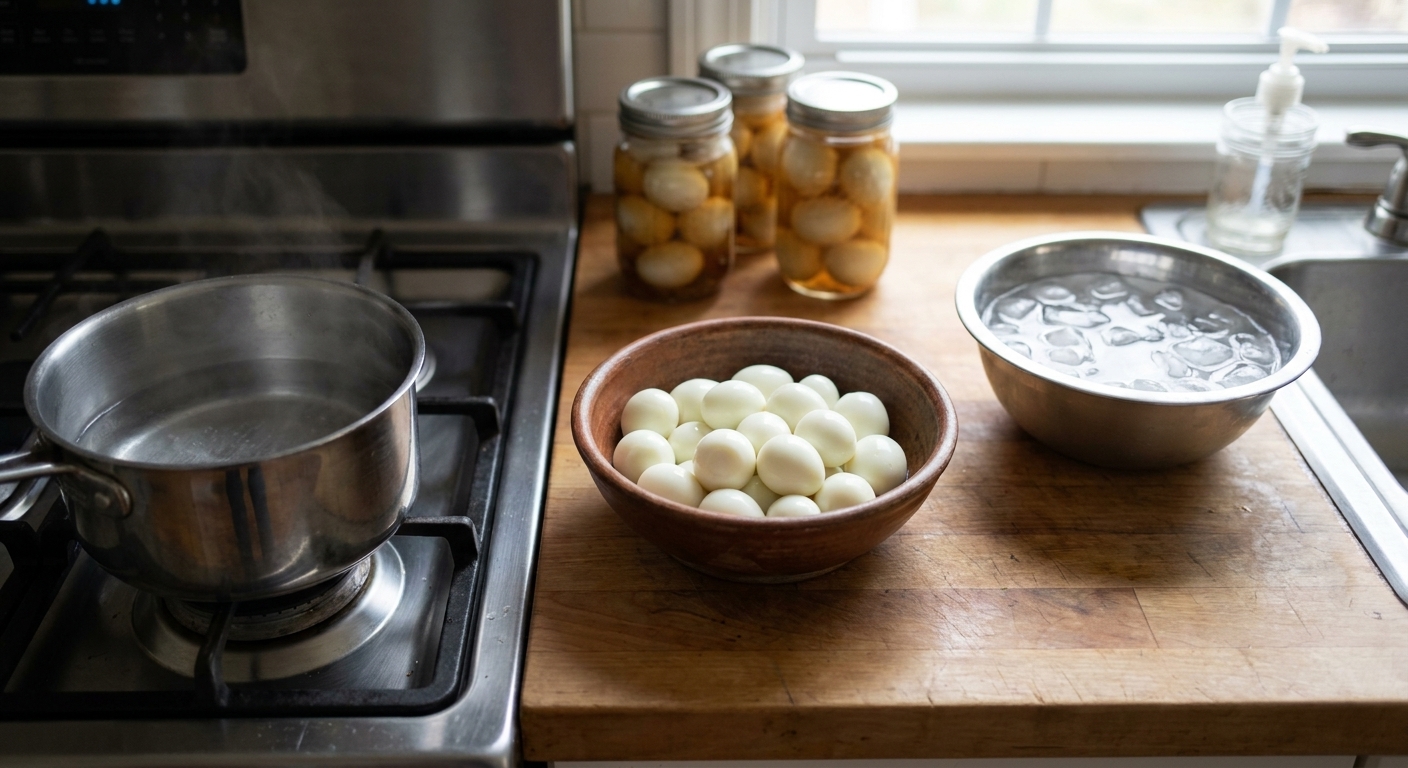
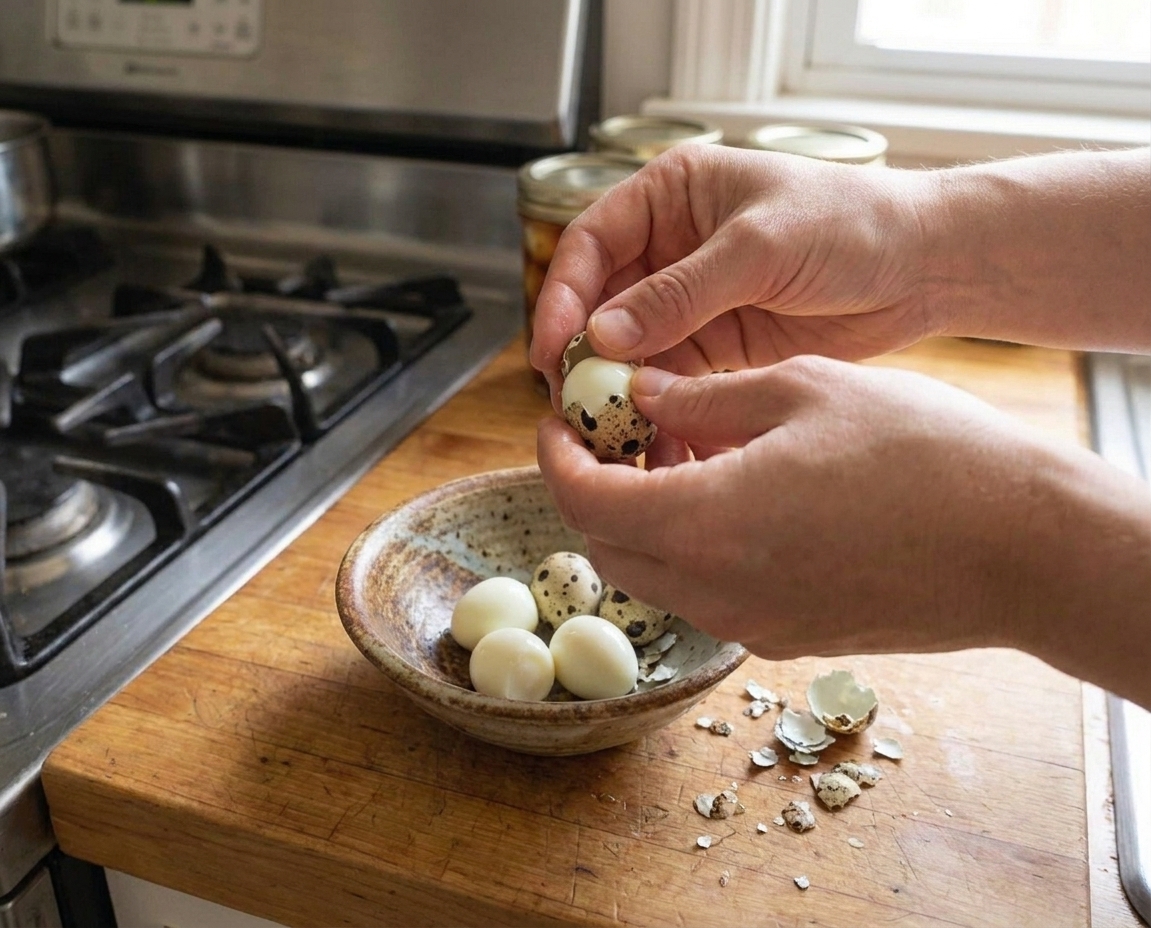
Shock them in ice water, then gently crack all over. Peel under a thin stream of cool water if you can. Also, slightly older eggs tend to peel easier than ultra-fresh.

Can I use rice vinegar instead of mirin?

Yes. Swap in 2 tablespoons rice vinegar plus 1 extra teaspoon sugar. You will get a brighter, tangier marinade.

Where do I find quail eggs?

Many international markets carry them, and some larger grocery stores stock them near specialty eggs or in the refrigerated deli area.

The first time I made marinated quail eggs, I was aiming for “cute ramen topping” and accidentally landed on “why are we eating these like chips.” They are tiny, so you feel like you can have just one more. Then you blink and half the batch is gone, and your ramen is suddenly looking a little under-dressed. Now I make them specifically for the fridge snack problem, which is a very real problem in my kitchen.