Mom's Best Recipes
Recipe

Cheesy Spaghetti Casserole

A cozy baked spaghetti casserole with quick meat sauce, creamy ricotta, and melty mozzarella for crisp edges and easy leftovers.

Author By Matt Campbell
4.8
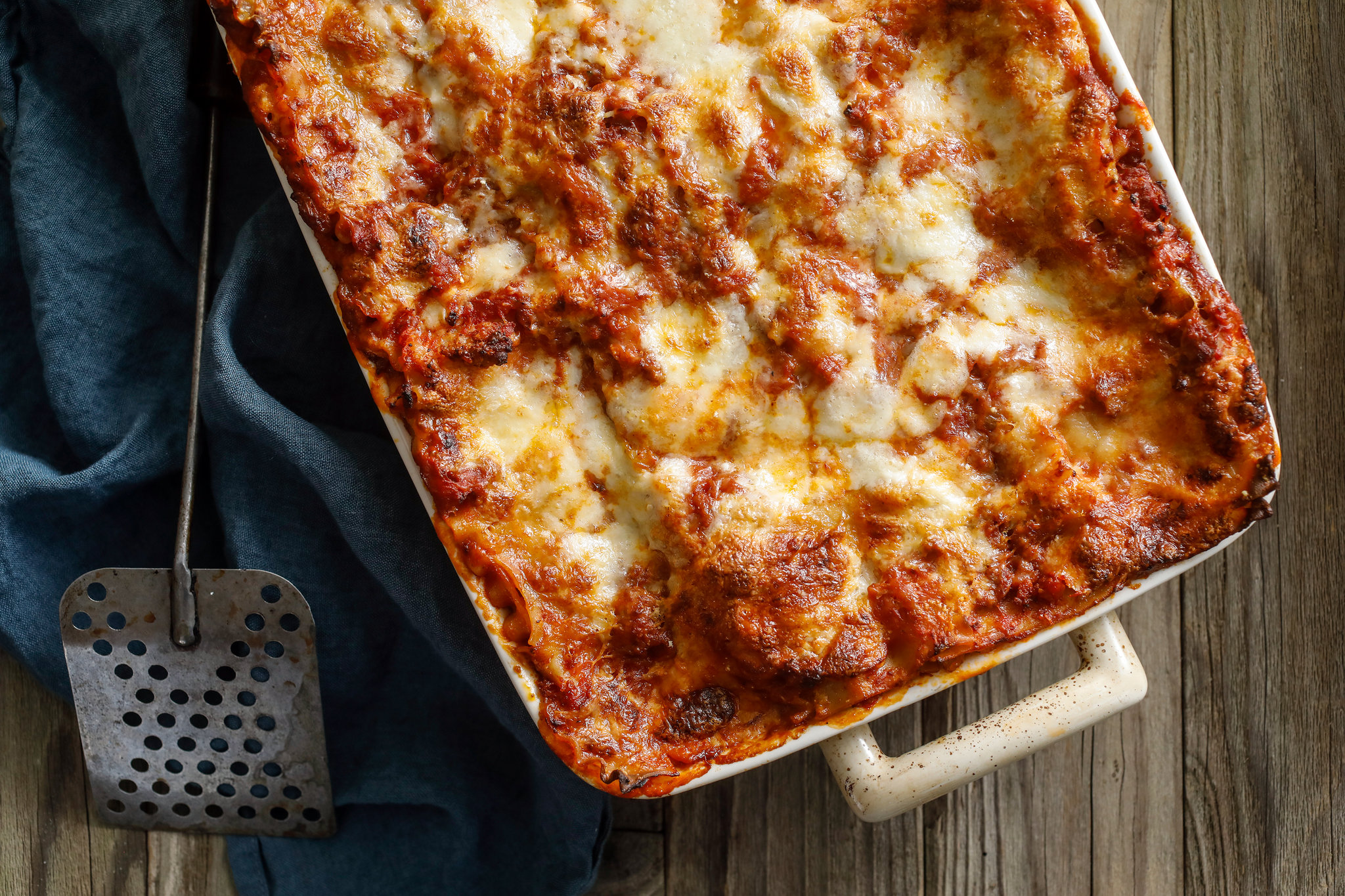
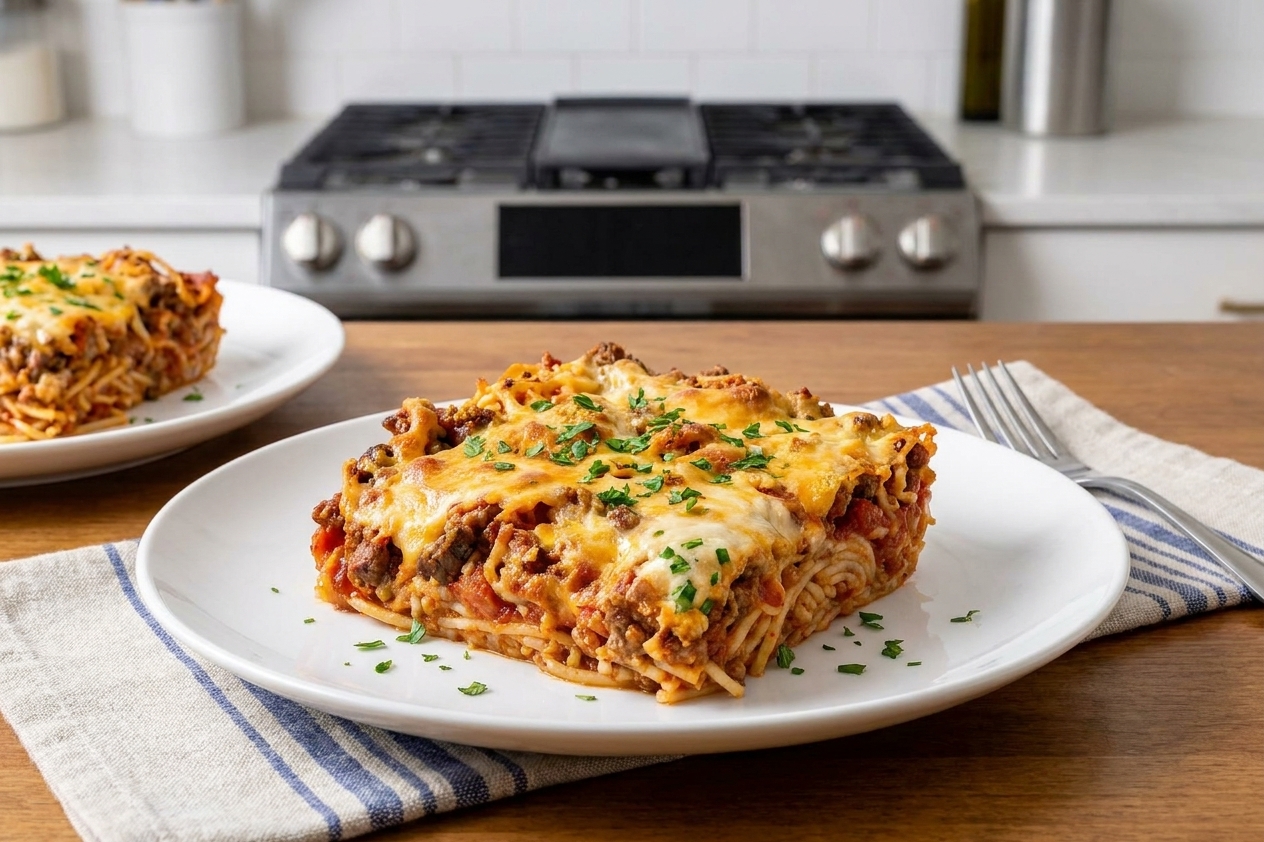
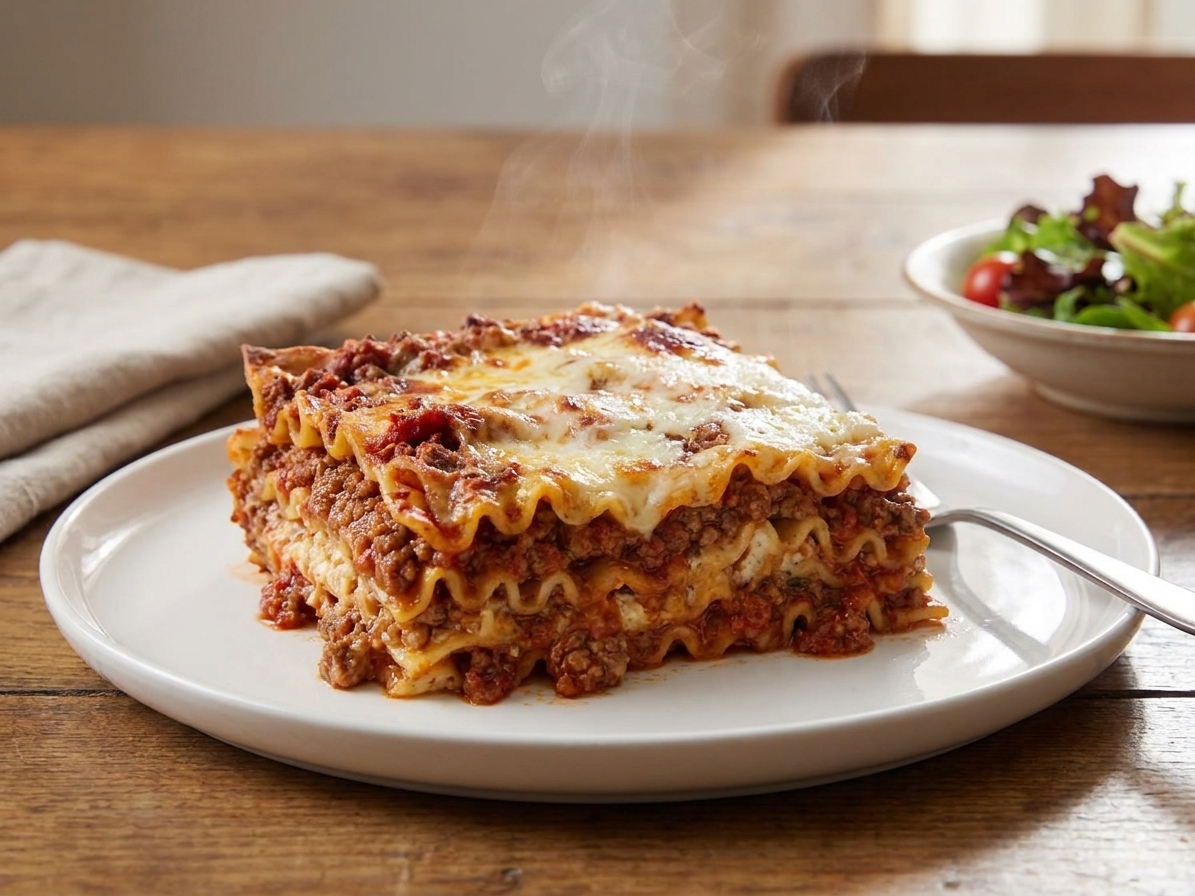
A bubbling spaghetti casserole in a white ceramic baking dish with melted mozzarella and browned cheesy edges on a wooden table

If spaghetti night and baked ziti had a low-drama weeknight baby, it would be this spaghetti casserole. It is saucy, cheesy, and unapologetically cozy, with two things I will always chase: crisp edges and bright, punchy sauce. You get the familiar comfort of spaghetti, but baked so it slices like a lasagna-ish situation without the whole project.

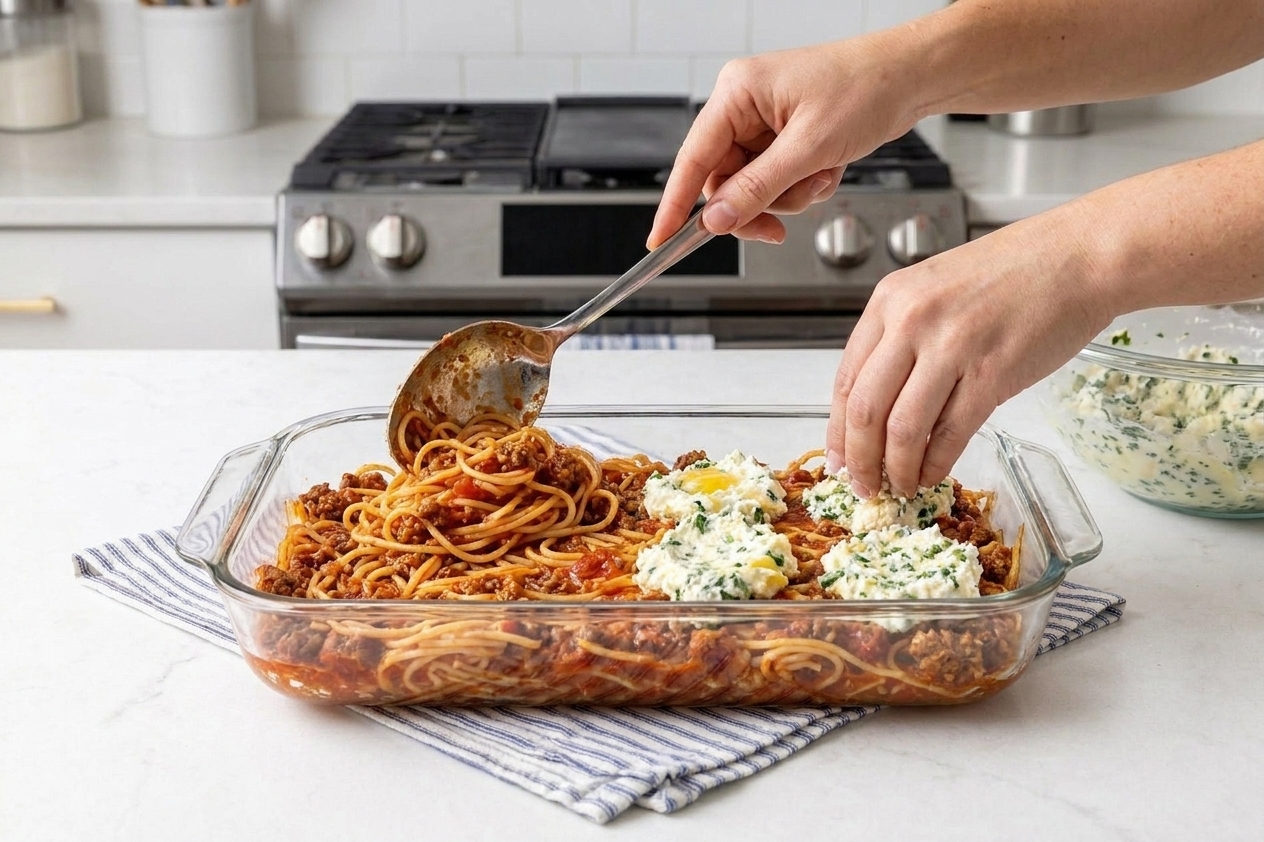
This version keeps ingredients accessible and steps simple. We build a fast meat sauce, loosen it with a splash of pasta water, and use ricotta for creamy pockets that keep everything from turning dry. Then we bake until the top is golden and the corners are basically a reward.
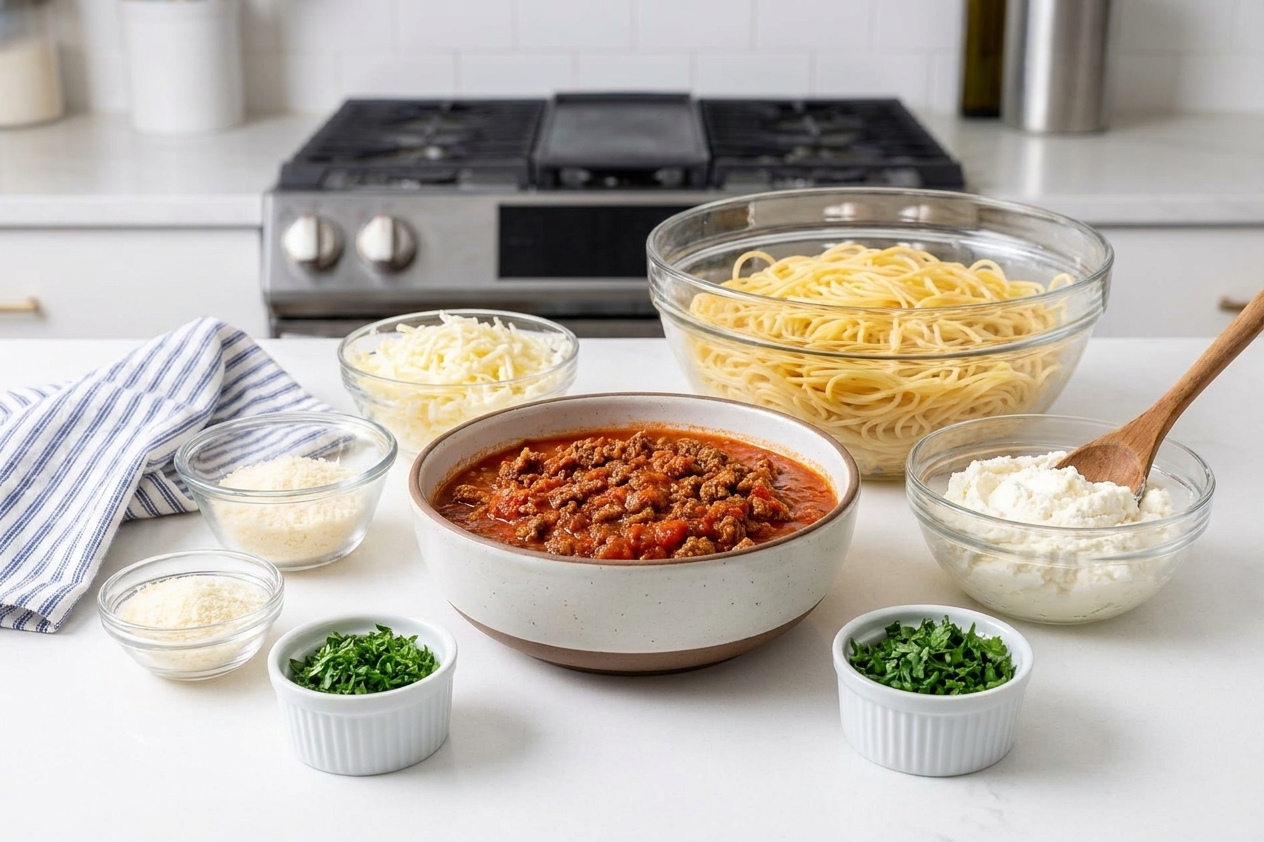
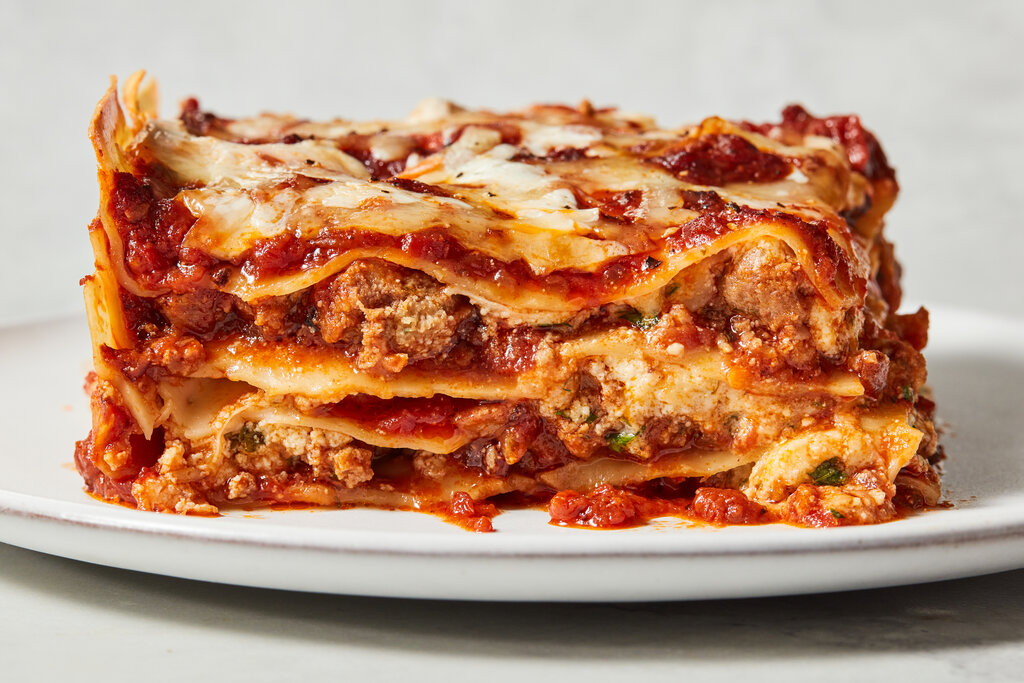
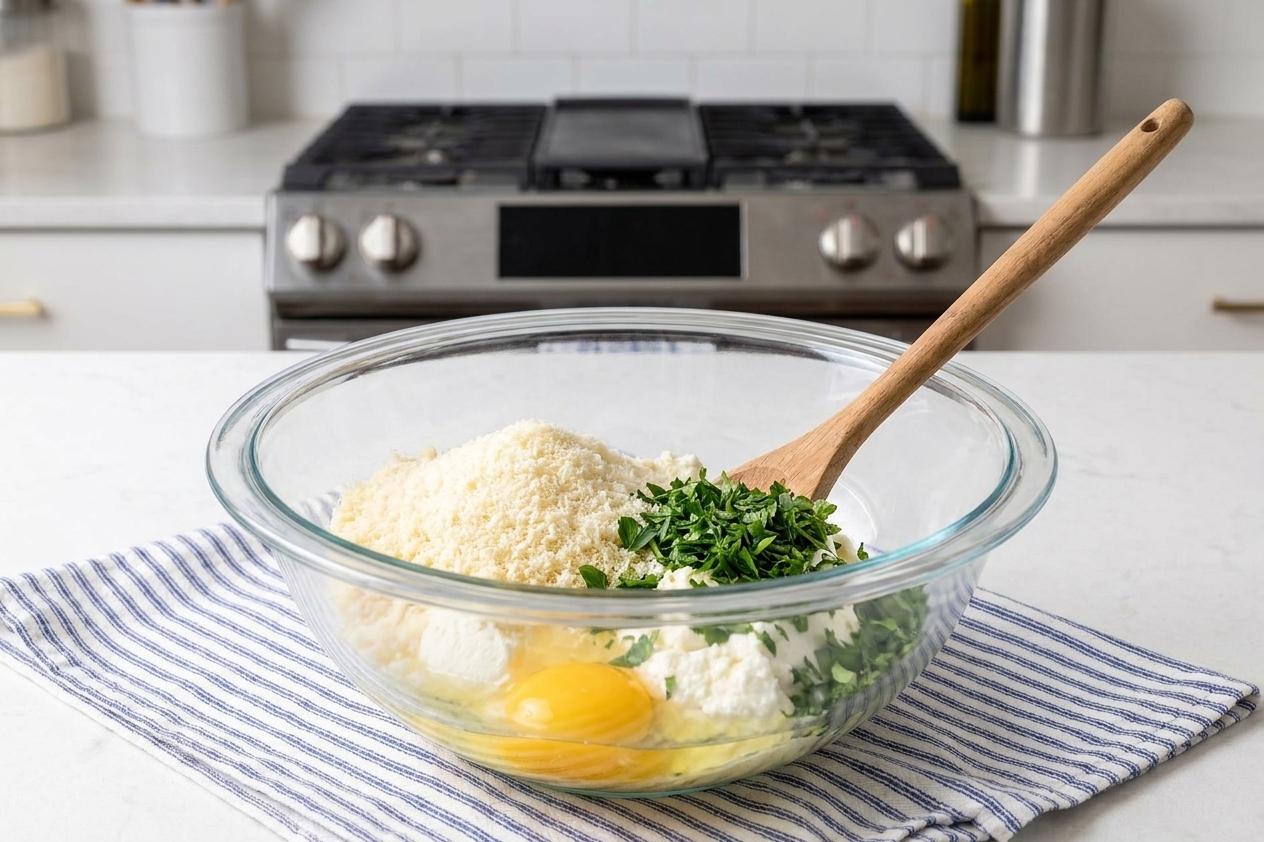
Bowls of cooked spaghetti, marinara sauce, ground beef, ricotta, shredded mozzarella, grated parmesan, and chopped parsley arranged on a bright kitchen counter

Why It Works

  • Cheesy, sliceable texture: Eggs and ricotta gently bind the pasta so you can scoop clean portions, not chase noodles around the plate.
  • Flavor that does not taste jarred: A quick sauté with garlic, Italian seasoning, and a little tomato paste makes the sauce taste like you tried harder than you did.
  • No dry casserole vibes: Pasta water plus sauce in two layers keeps everything glossy and saucy after baking.
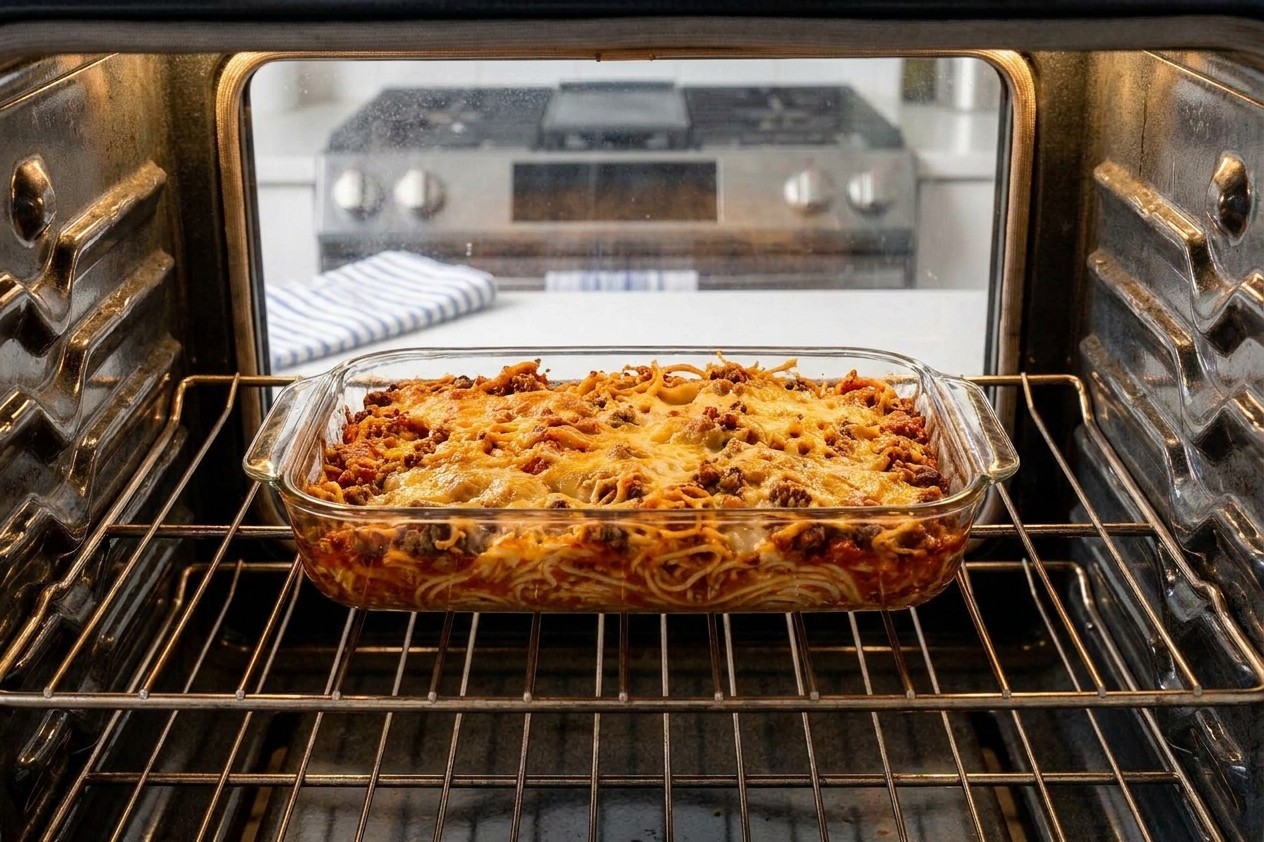
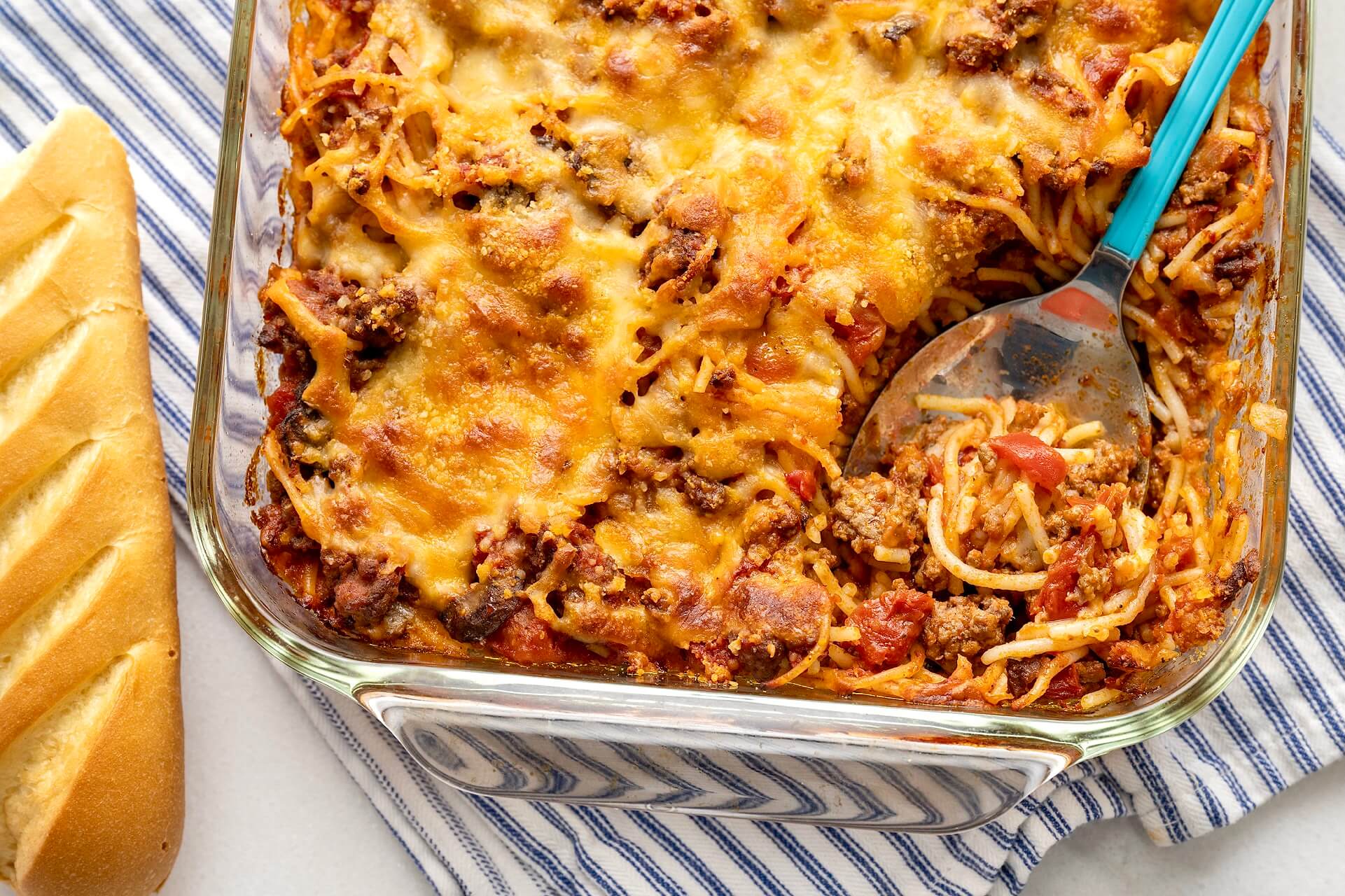
  • Crisp edges, melty center: Mozzarella on top plus a little Parmesan gives you that browned, bubbly finish.

Pairs Well With

Storage Tips

Refrigerate: Cool completely, then cover the baking dish or transfer to airtight containers. Store for up to 4 days.

Freeze: Wrap tightly (plastic wrap plus foil) and freeze for up to 3 months. For best texture, freeze in individual portions so it reheats evenly.

Reheat: For the best crispy edges, reheat in a 350°F oven until hot (about 15 to 25 minutes depending on portion size). Microwave works too, just add a spoonful of water or extra sauce so it stays saucy.

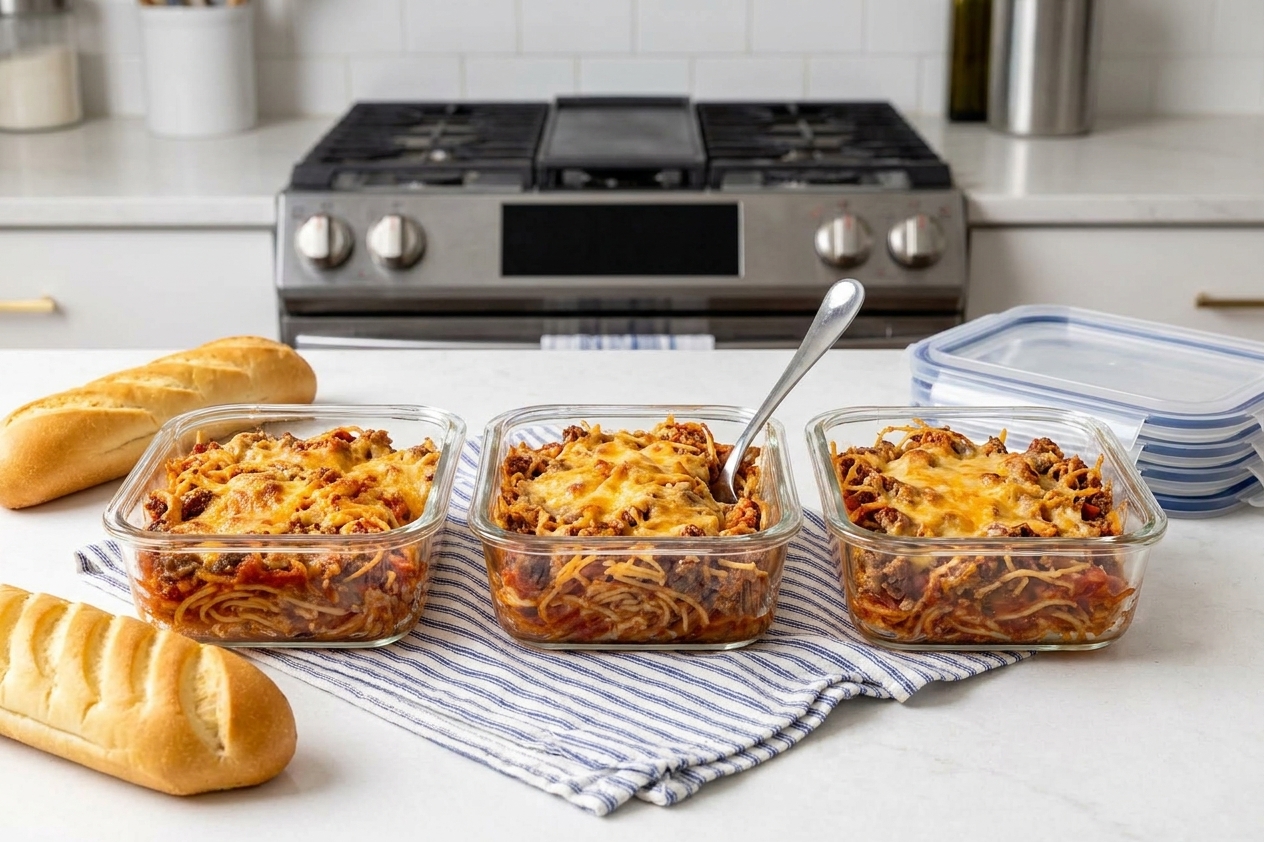
Individual portions of spaghetti casserole stored in clear glass meal prep containers with melted cheese on top, sitting on a kitchen counter

Common Questions

Do I have to use meat?

Nope. Skip the beef and use sautéed mushrooms, chopped spinach, or a plant-based crumble. If you go meatless, add a little extra olive oil and a pinch more salt to keep the sauce full-bodied.

Can I make this ahead?

Yes. Assemble the casserole up to 24 hours ahead, cover, and refrigerate. Bake covered for 25 minutes, then uncover and bake 15 to 25 minutes more (so 40 to 50 minutes total) until the center is hot and bubbling and the top is browned. Let it rest 10 minutes before slicing.

Why add pasta water?

Because it is basically free sauce insurance. The starch helps the sauce cling to the noodles and keeps the casserole from baking up dry.

Can I use different pasta?

Absolutely. If spaghetti is not happening, use linguine, fettuccine, or even penne. The bake time stays similar, but short pastas are a little easier to serve.

How do I keep the cheese from getting rubbery?

Do not overbake. Once it is bubbling at the edges and the center is hot, pull it. Let it rest 10 minutes so it sets without drying out.

Can I freeze it?

Yes. Freeze baked, cooled portions for easy lunches, or freeze the whole (unbaked) assembled casserole. Thaw overnight in the fridge when you can, then bake as directed. If baking from frozen, keep it covered and plan on 60 to 75 minutes at 375°F, then uncover to brown. Either way, bake until the center is hot and bubbling.

I started making spaghetti casserole when I realized I wanted spaghetti night leftovers that actually felt like a plan, not just a sad container of noodles. Baking it turns the whole thing into something you can slice, reheat, and eat standing at the counter like you totally meant to do that. Also, it gives you those crunchy, cheesy corners. And if you are cooking for a family, that is basically currency.