What noodles work best?
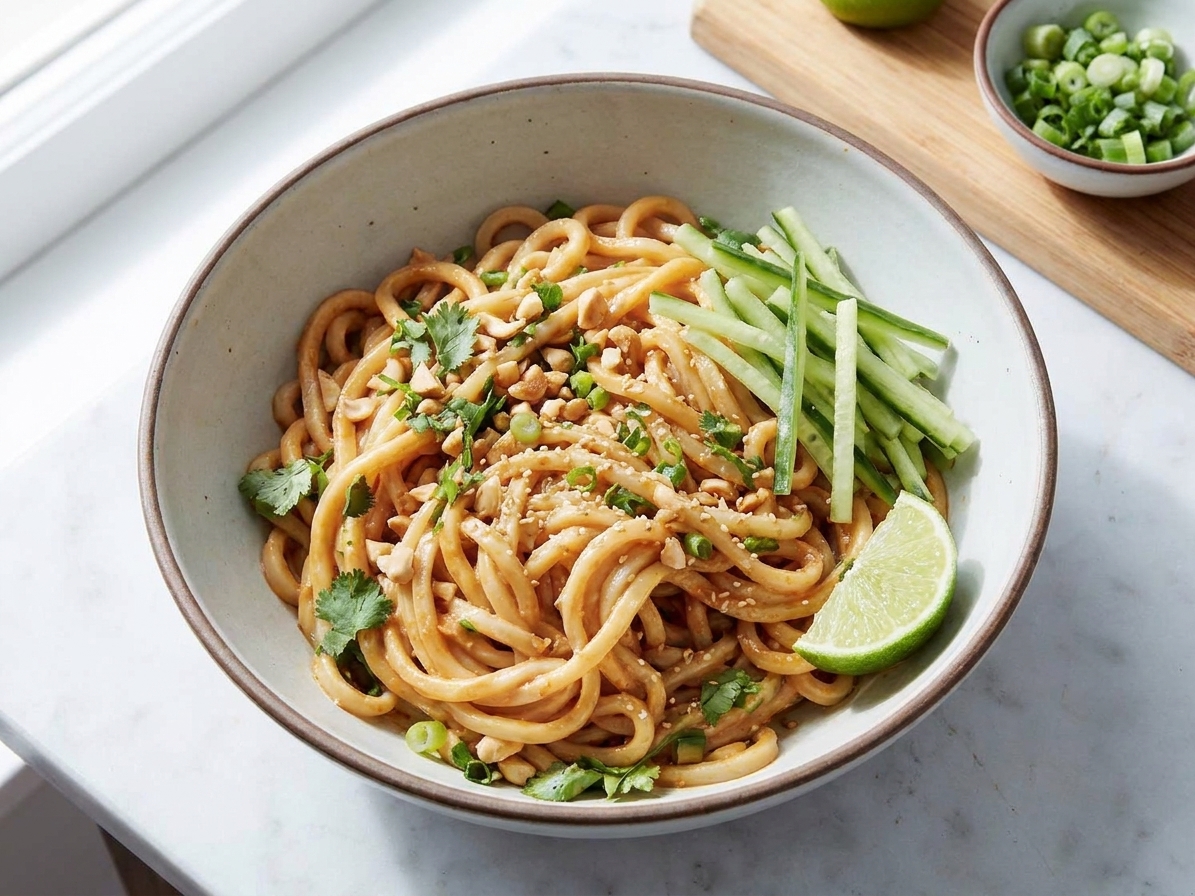
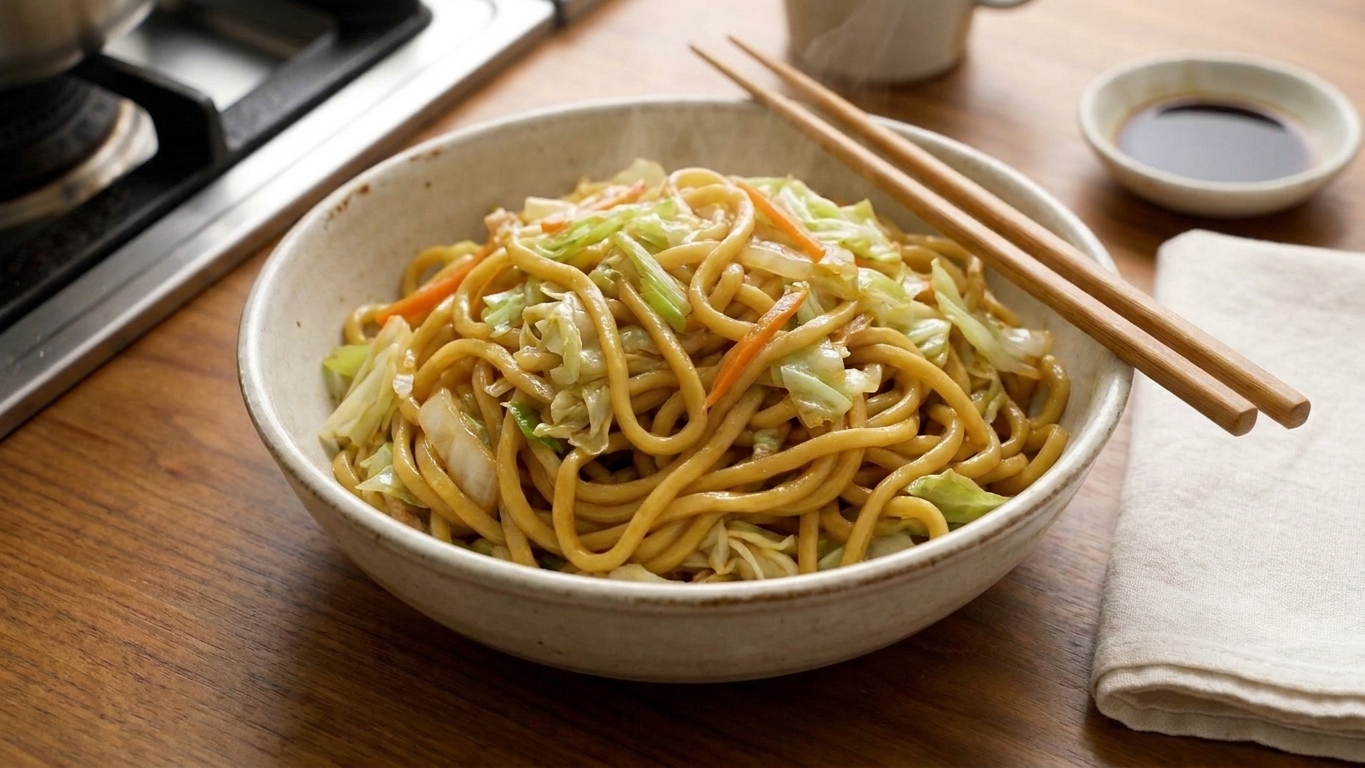
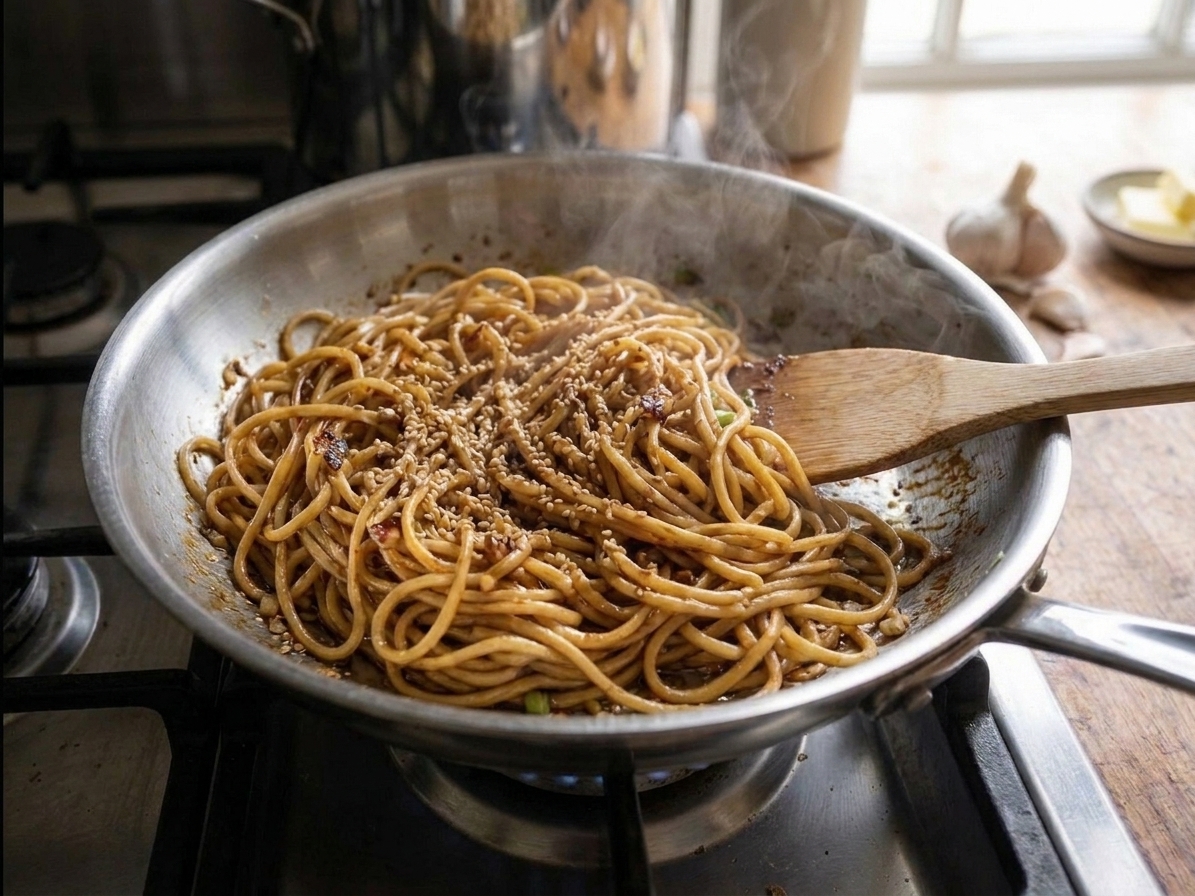
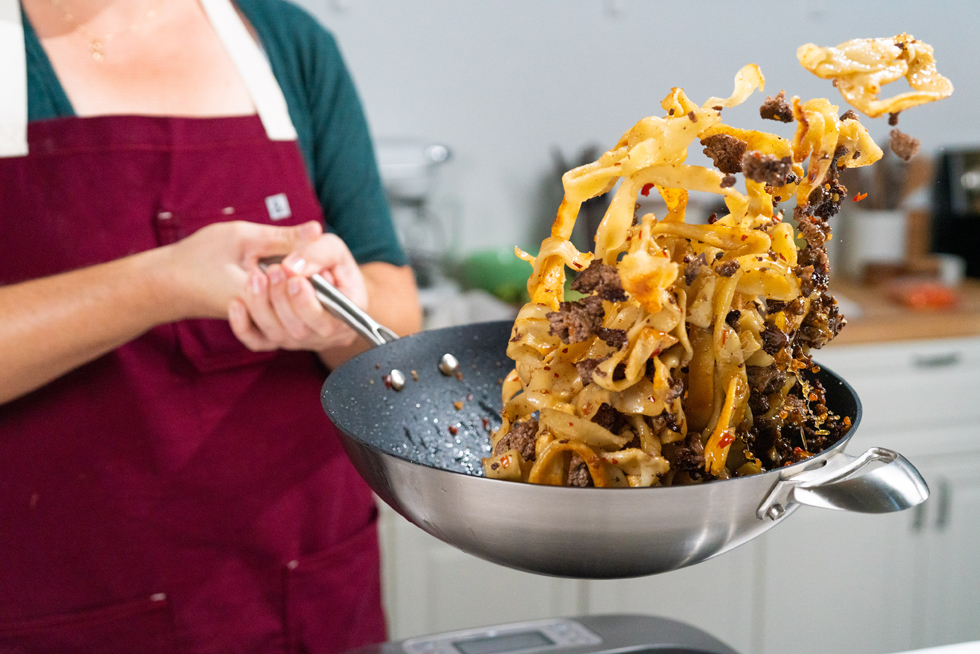
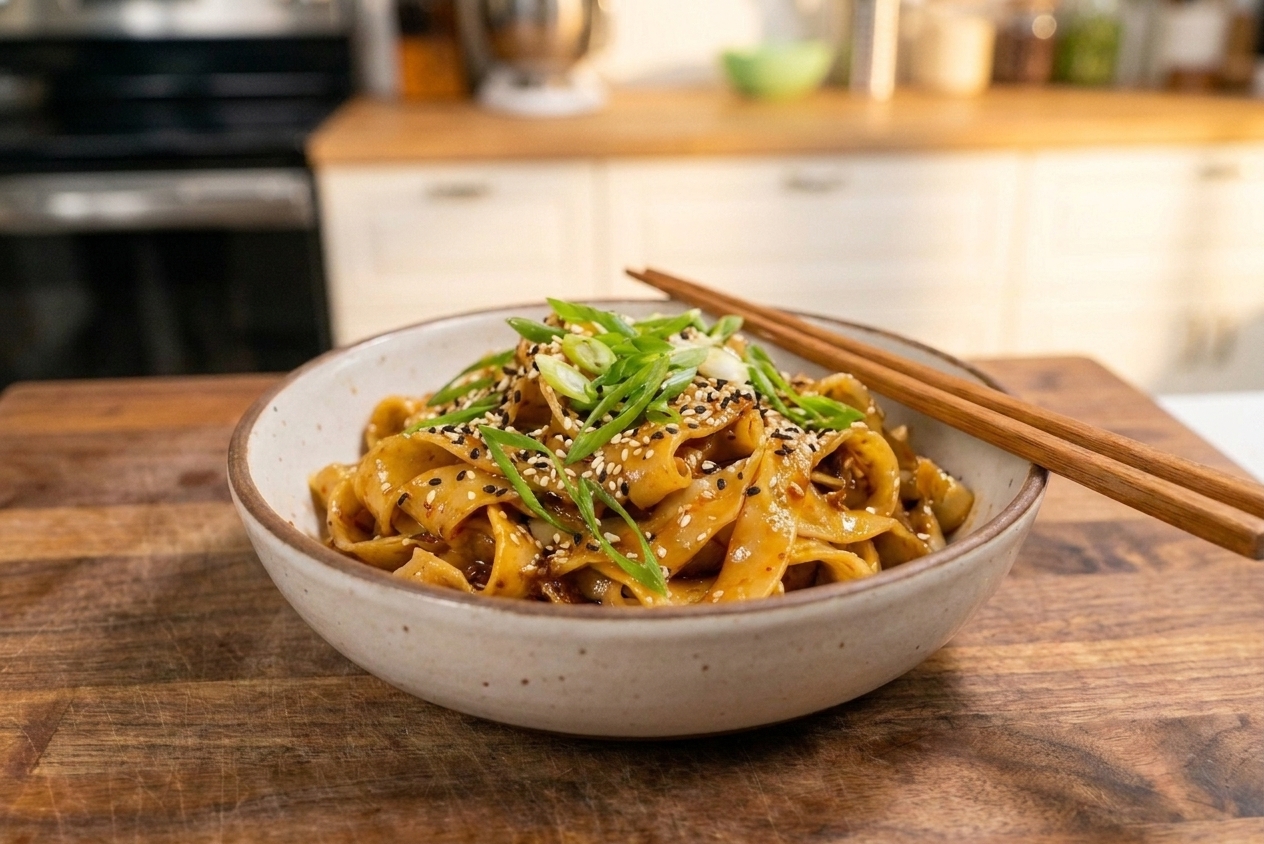
My favorites are ramen noodles (quick and springy) or udon (thick and chewy). But this sauce is not picky. Spaghetti works in a pinch, and rice noodles are a great gluten-free option if you use tamari and check labels (cross-contamination can happen, and some chili crisp or sambal brands include wheat).
How do I keep noodles from clumping?
Drain well, then toss right away with the sauce or a tiny drizzle of neutral oil if they are sitting. Only rinse if you are using very starchy noodles and they are not going straight into the pan. If you do rinse, keep it quick and use cold water, then drain really well so the sauce still clings.
Can I make it less spicy?
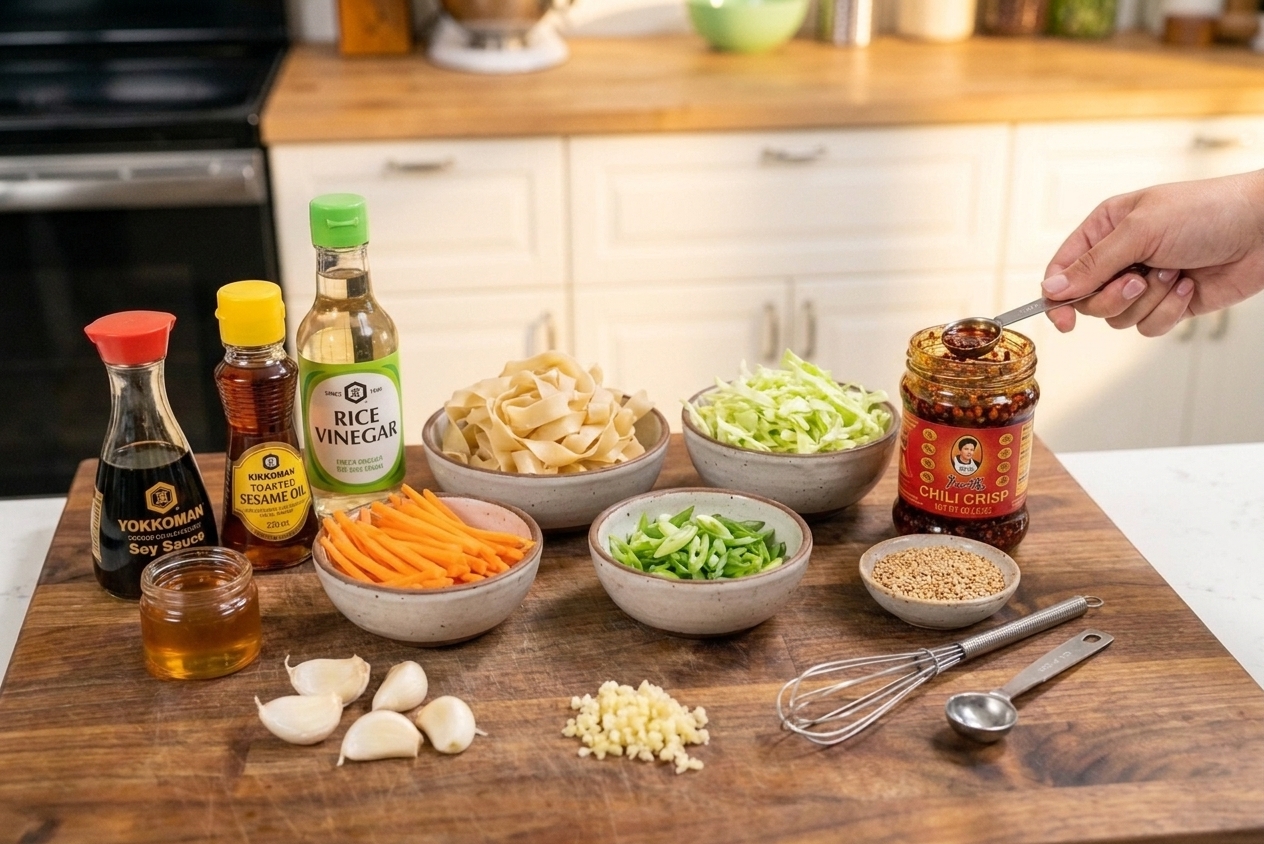
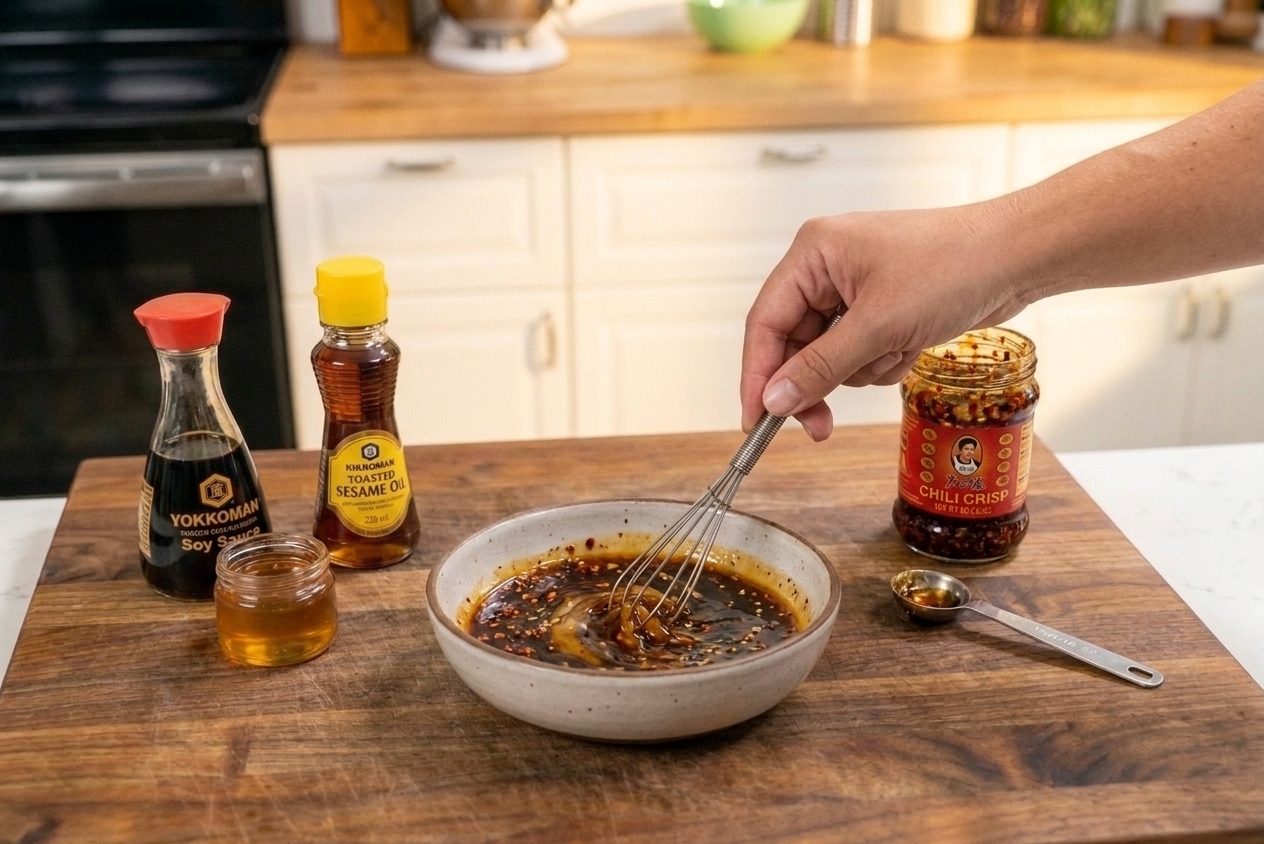
Yes. Use 1 teaspoon chili crisp or sriracha, or skip it entirely and add black pepper instead. You still get plenty of flavor from garlic, sesame, and soy.
How can I add protein?
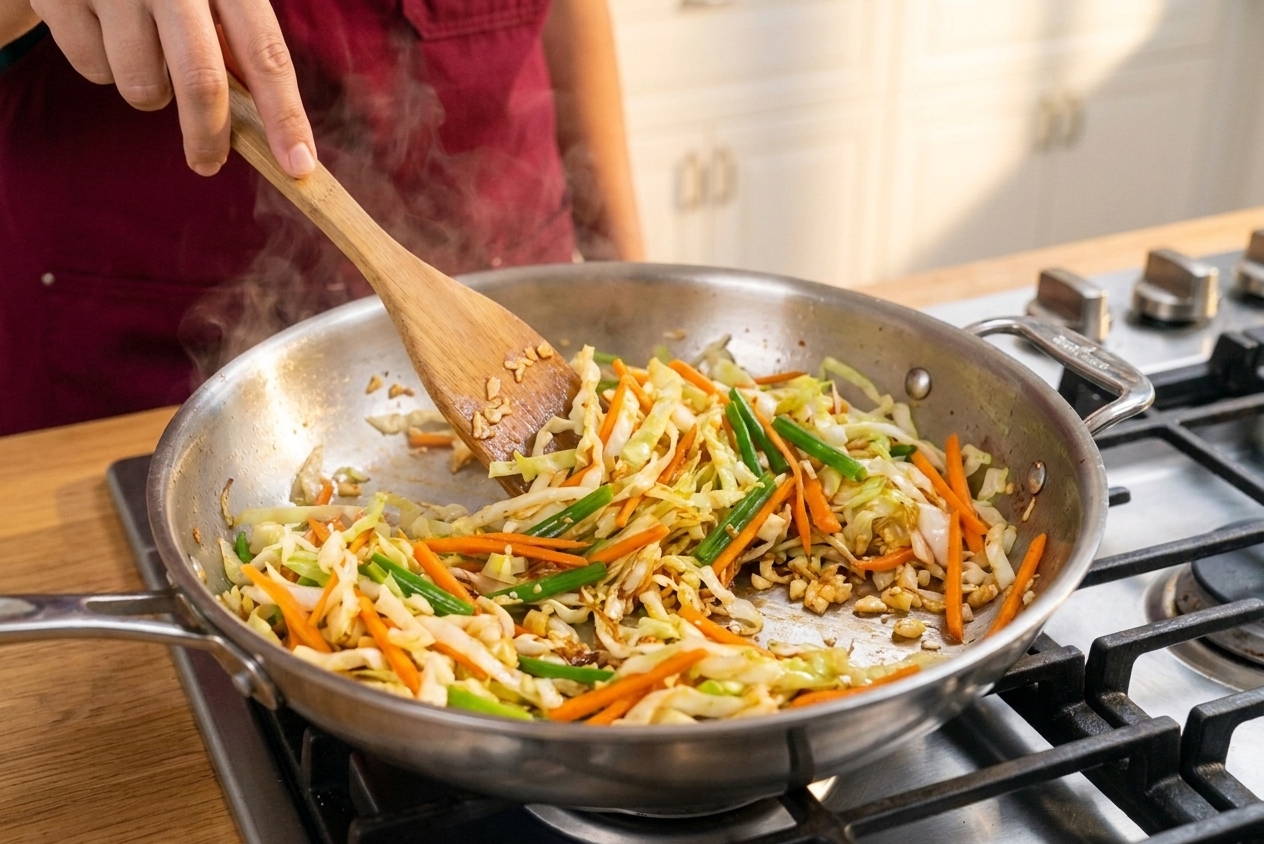
Easy wins: 2 eggs scrambled in the pan, rotisserie chicken stirred in at the end, shrimp sautéed until just pink and opaque (often 1 to 2 minutes per side, depending on size), or tofu browned until crisp.
My sauce tastes too salty. How do I fix it?
Add a splash of water and a squeeze of lime, then a little more honey or brown sugar. Salty sauces need balance, not panic. Next time, start with low-sodium soy sauce and add more to taste.
Any allergy-friendly swaps?
For peanut-free, skip the peanut butter or use sunflower seed butter. Tahini also works, but it will lean sesame-forward. If you have a sesame allergy, this recipe is a tough fit since sesame oil is the backbone. You can try a neutral oil plus a little extra vinegar and chili for punch, but the flavor will be different.