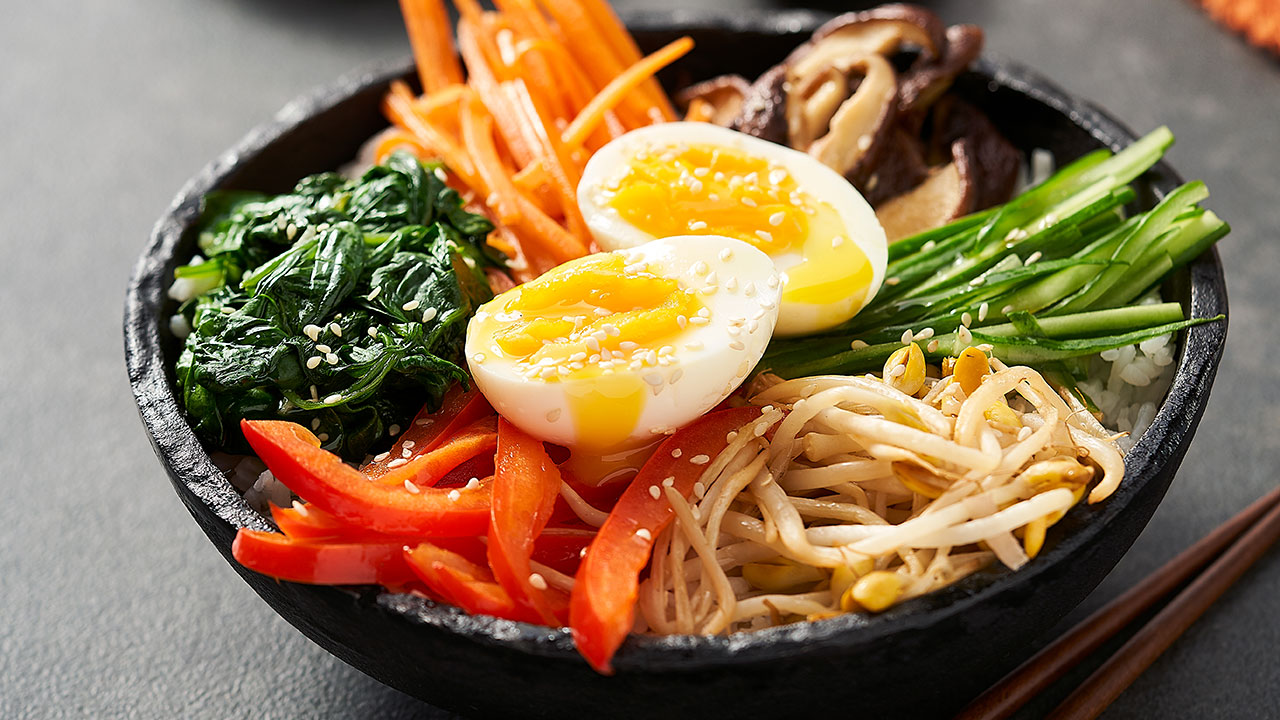
A cozy, customizable bibimbap with quick sautéed veggies, savory beef, a jammy egg, and a bold gochujang sauce. Clear steps, accessible ingredients, big fla...
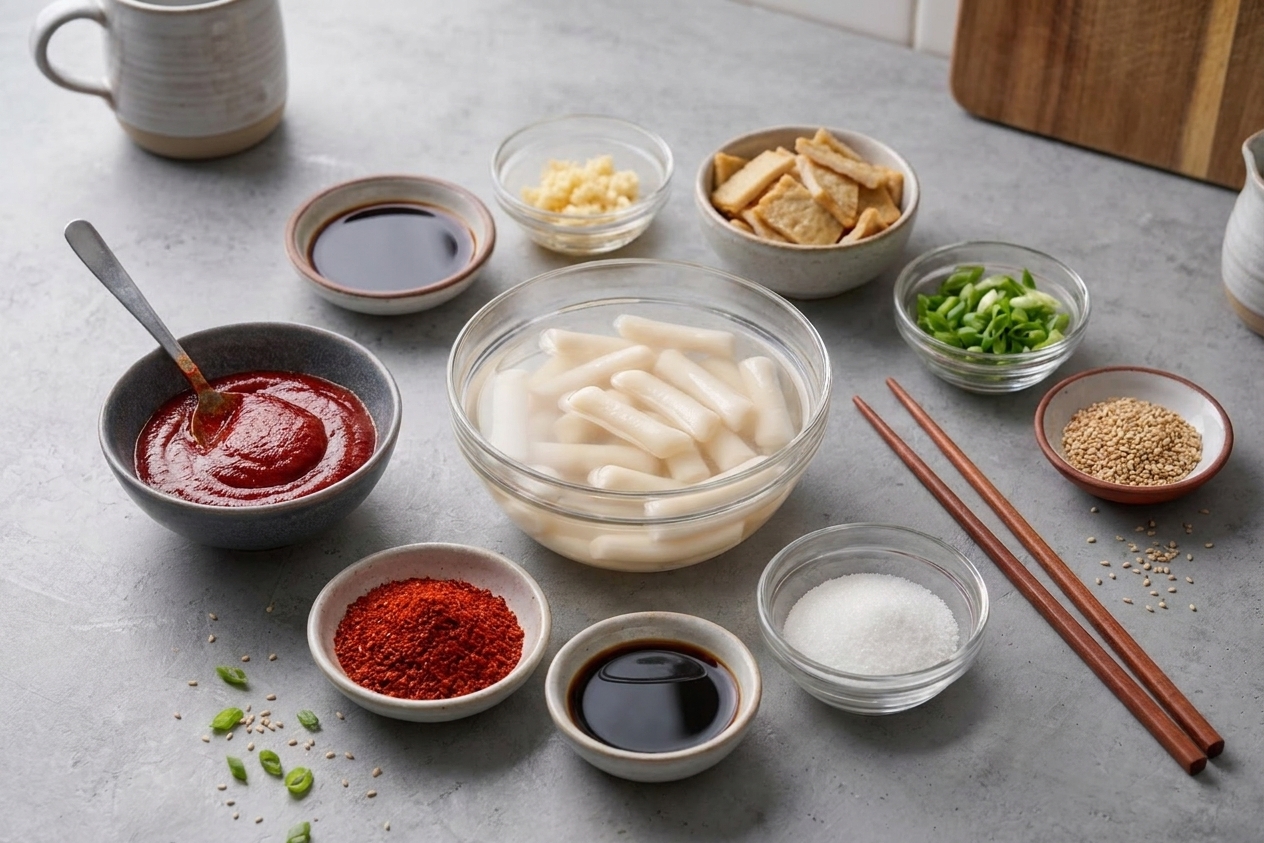
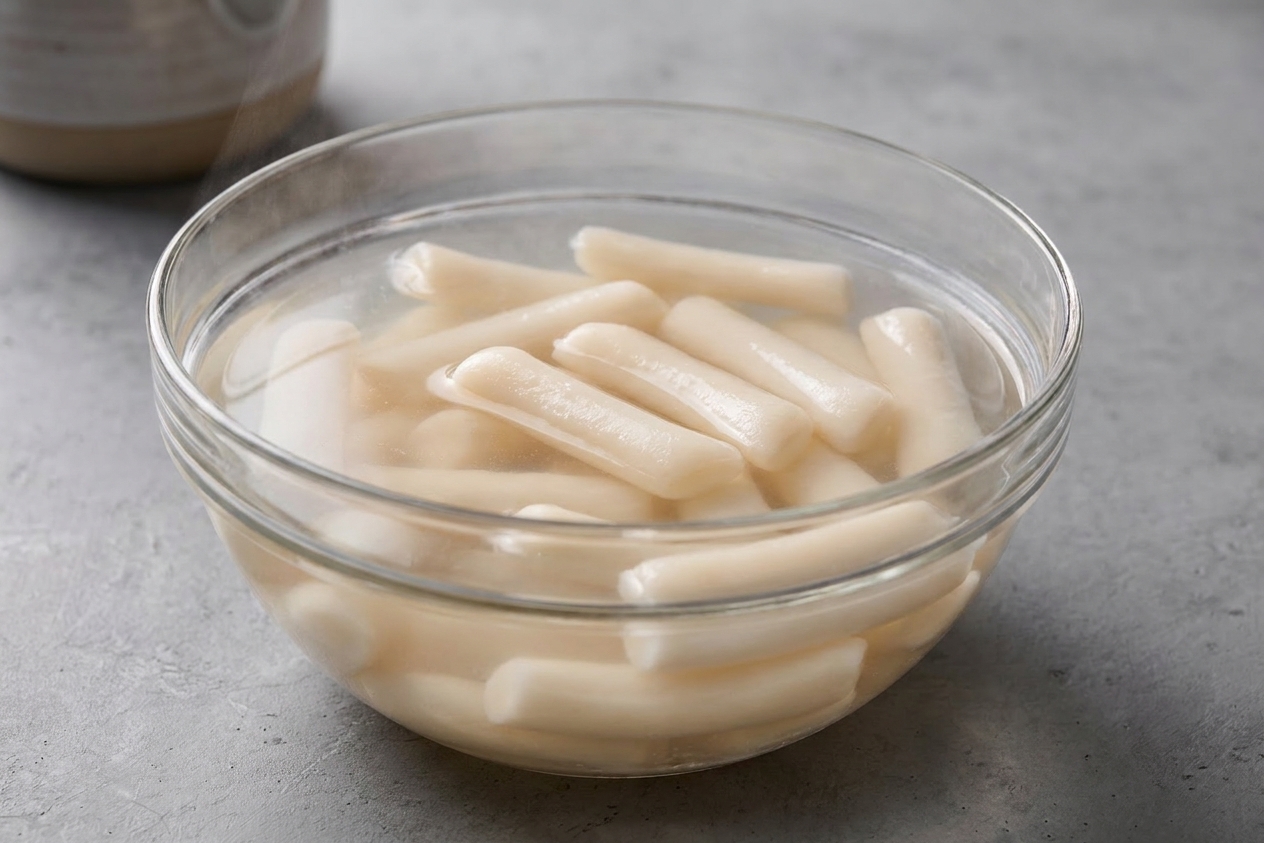
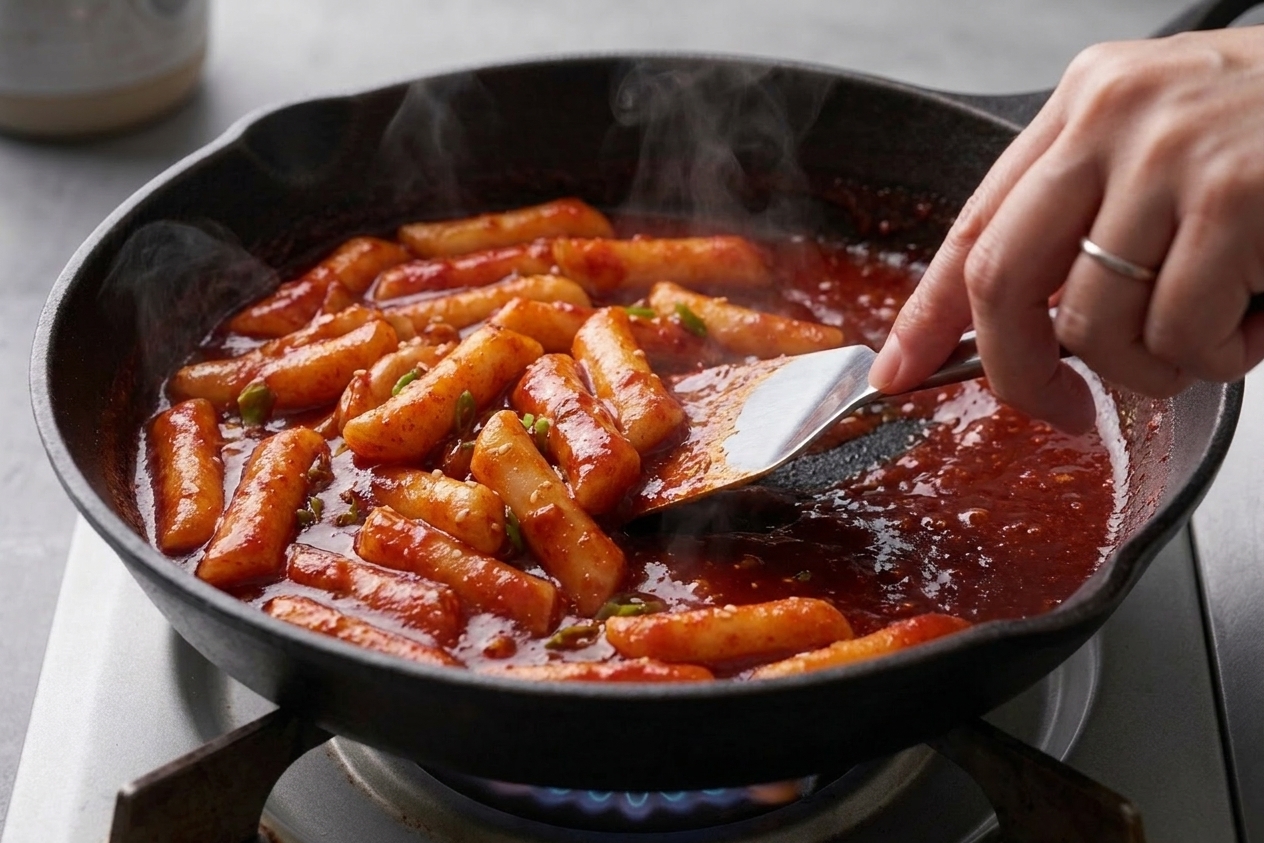
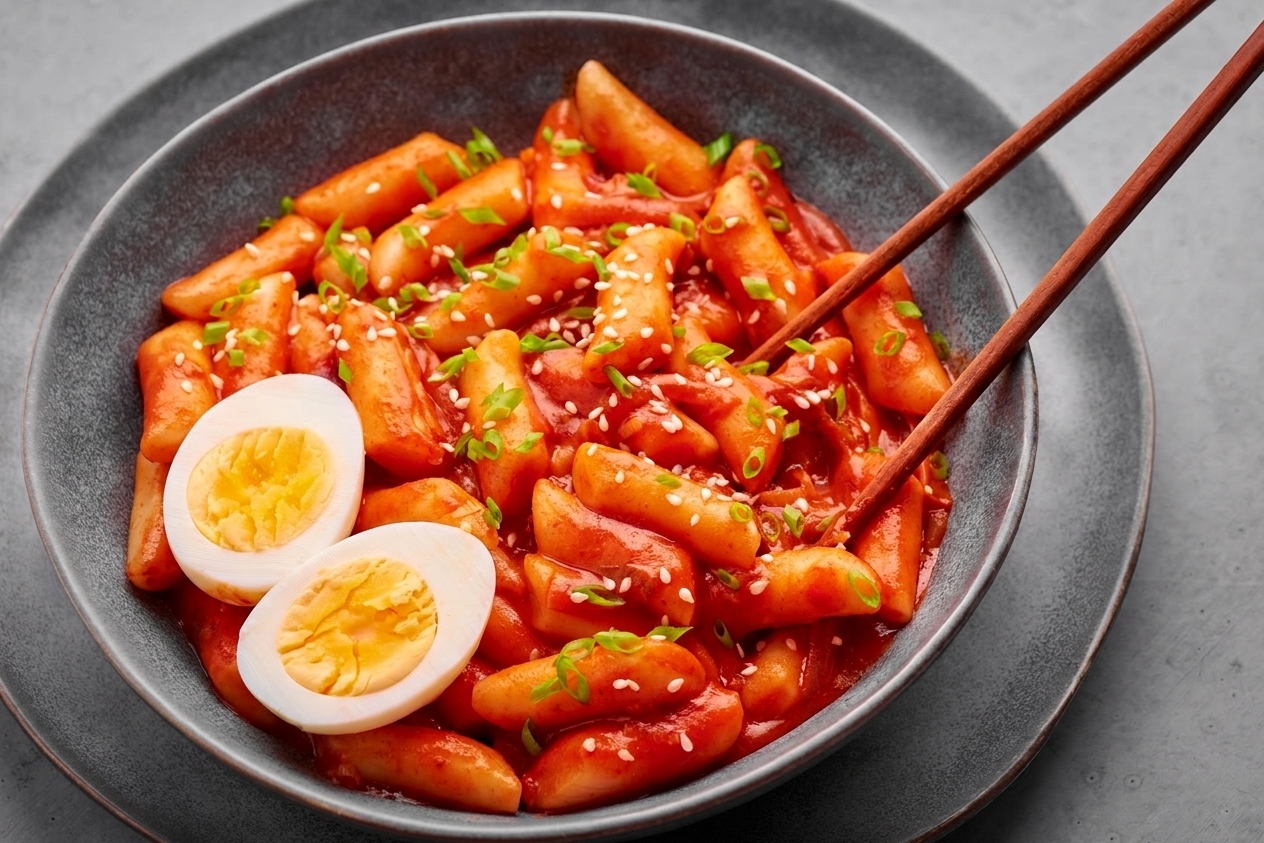
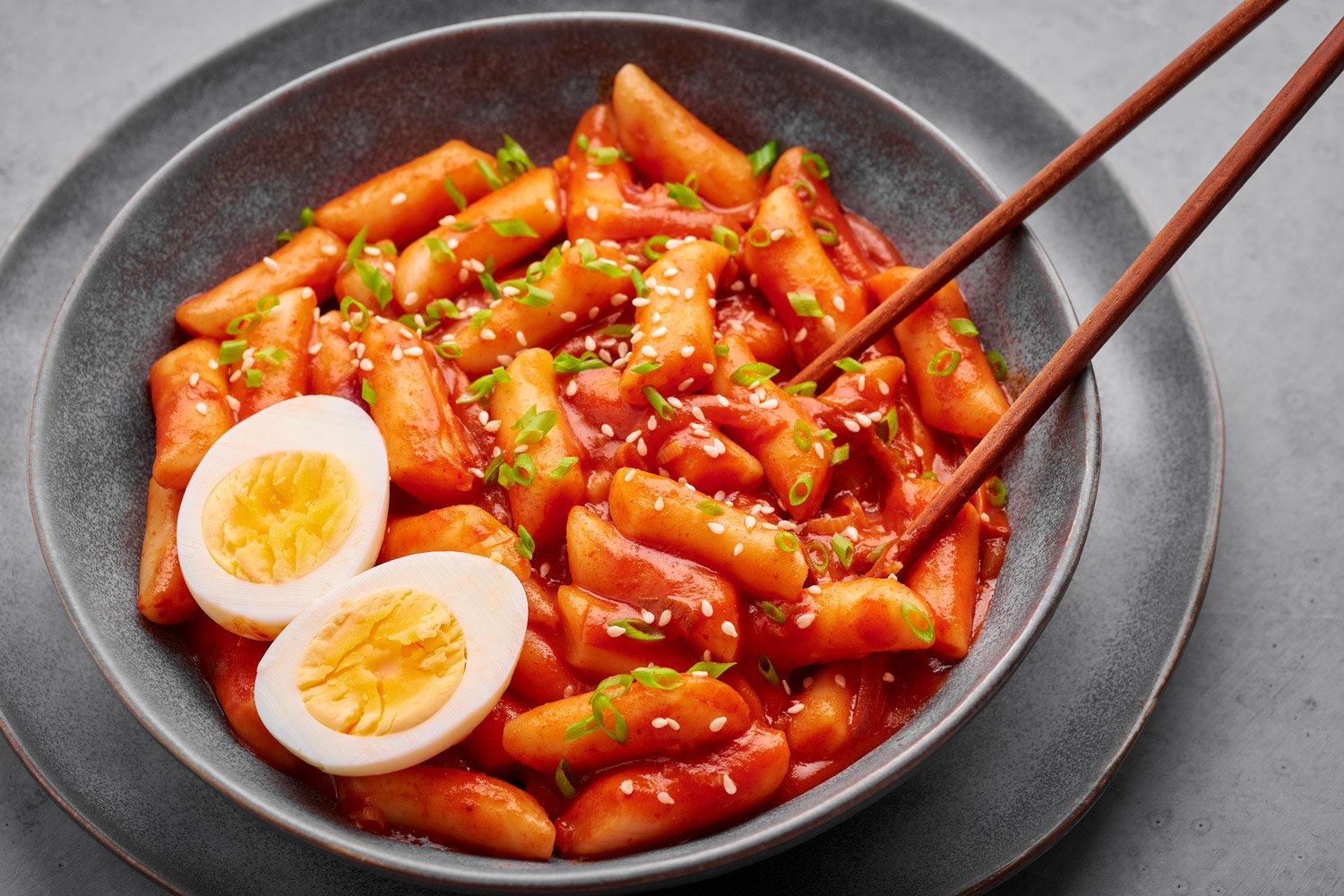
Tteokbokki is the kind of food that makes you pause mid-bite like, wait, why is this so satisfying? It is chewy rice cakes (tteok) simmered until bouncy and tender in a spicy-sweet, glossy sauce that clings to everything. Add a little fish cake, a handful of scallions, and suddenly your kitchen smells like you know what you are doing.
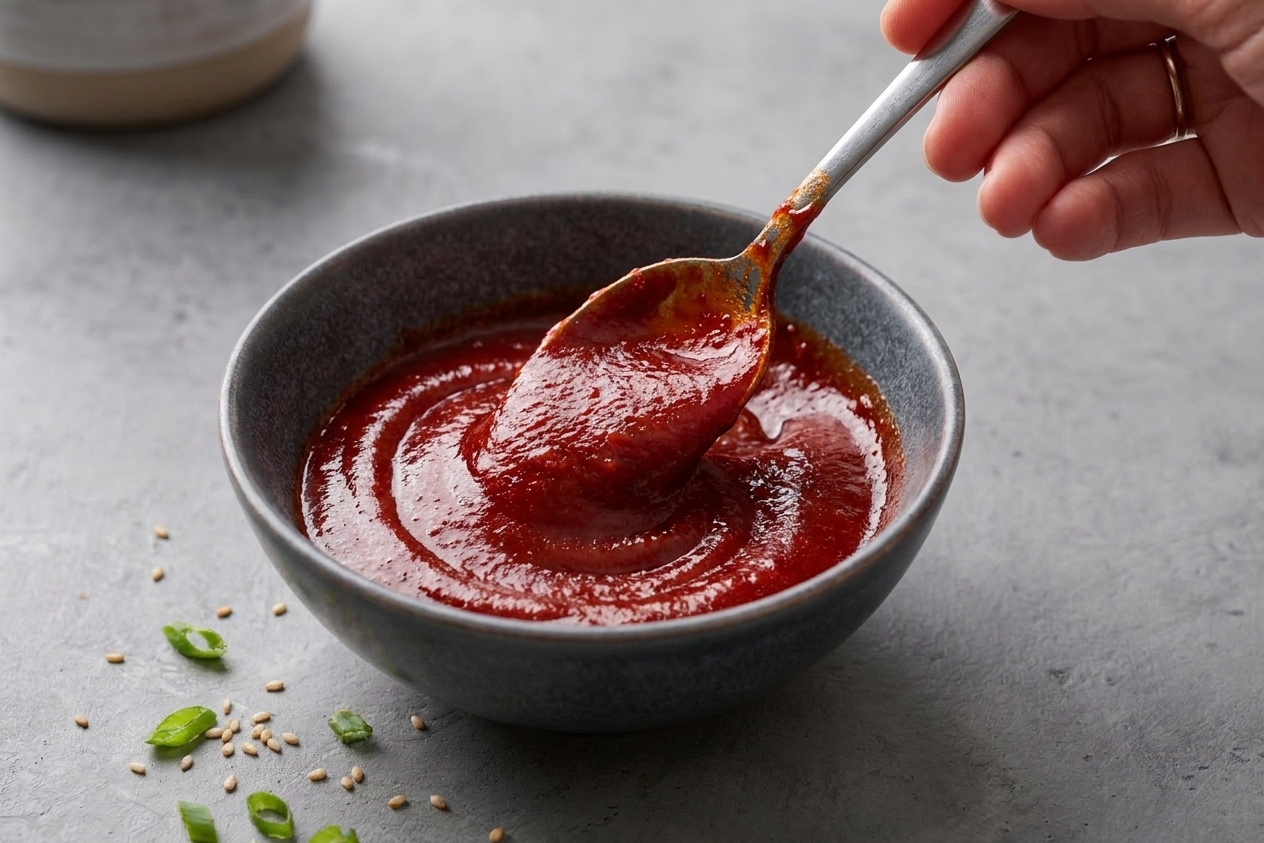
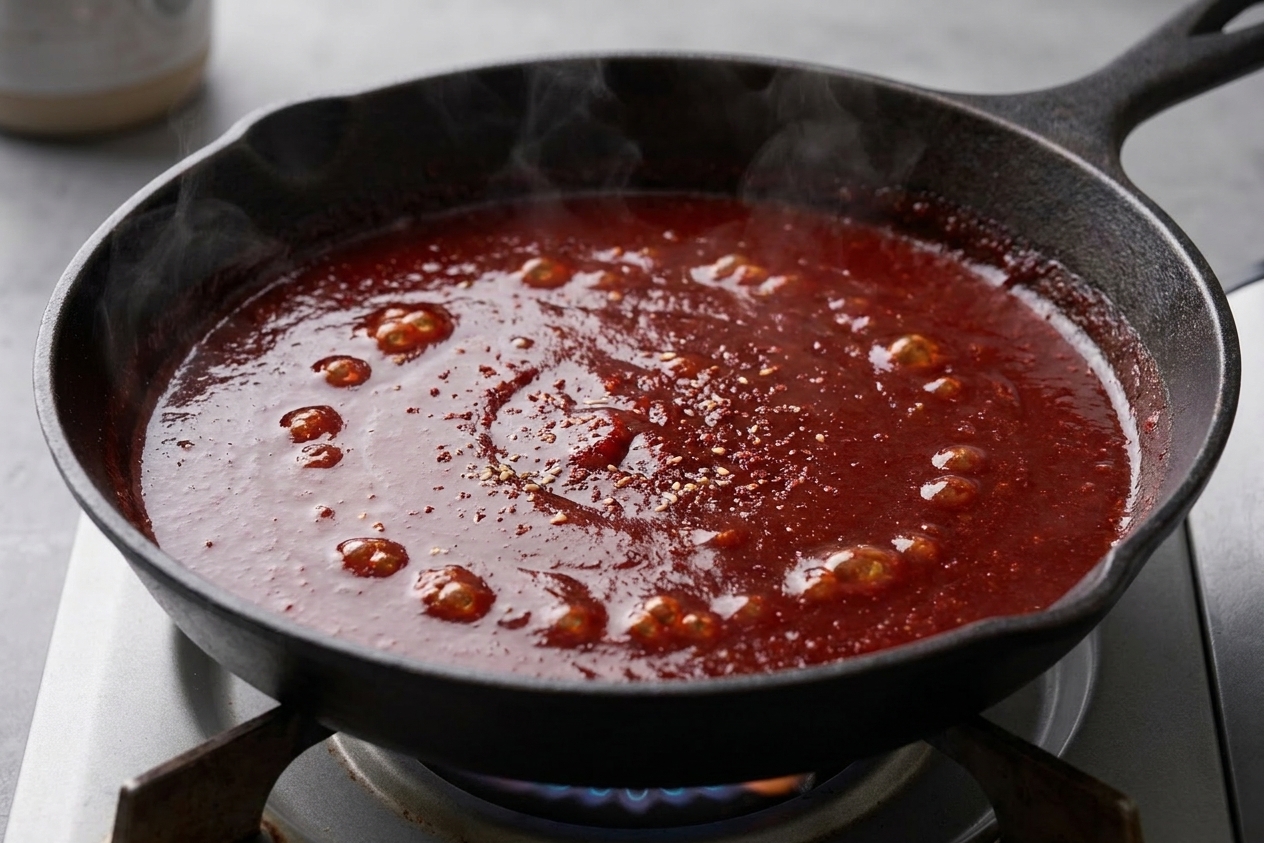
This version is built for real life. If you can find rice cakes and gochujang, you are most of the way there. Fish cake is classic but not mandatory, and gochugaru is optional, so you can make it work with what your store actually carries. The sauce comes together in one pan, the rice cakes cook right in it, and you can dial the heat up or down depending on who is eating.