Mom's Best Recipes
Recipe

Spicy Peanut Rice Noodles

Chewy rice noodles tossed in a creamy-spicy peanut sauce with crisp veggies and a squeeze of lime. Ready in about 25 minutes and easy to customize.

Author By Matt Campbell
4.8
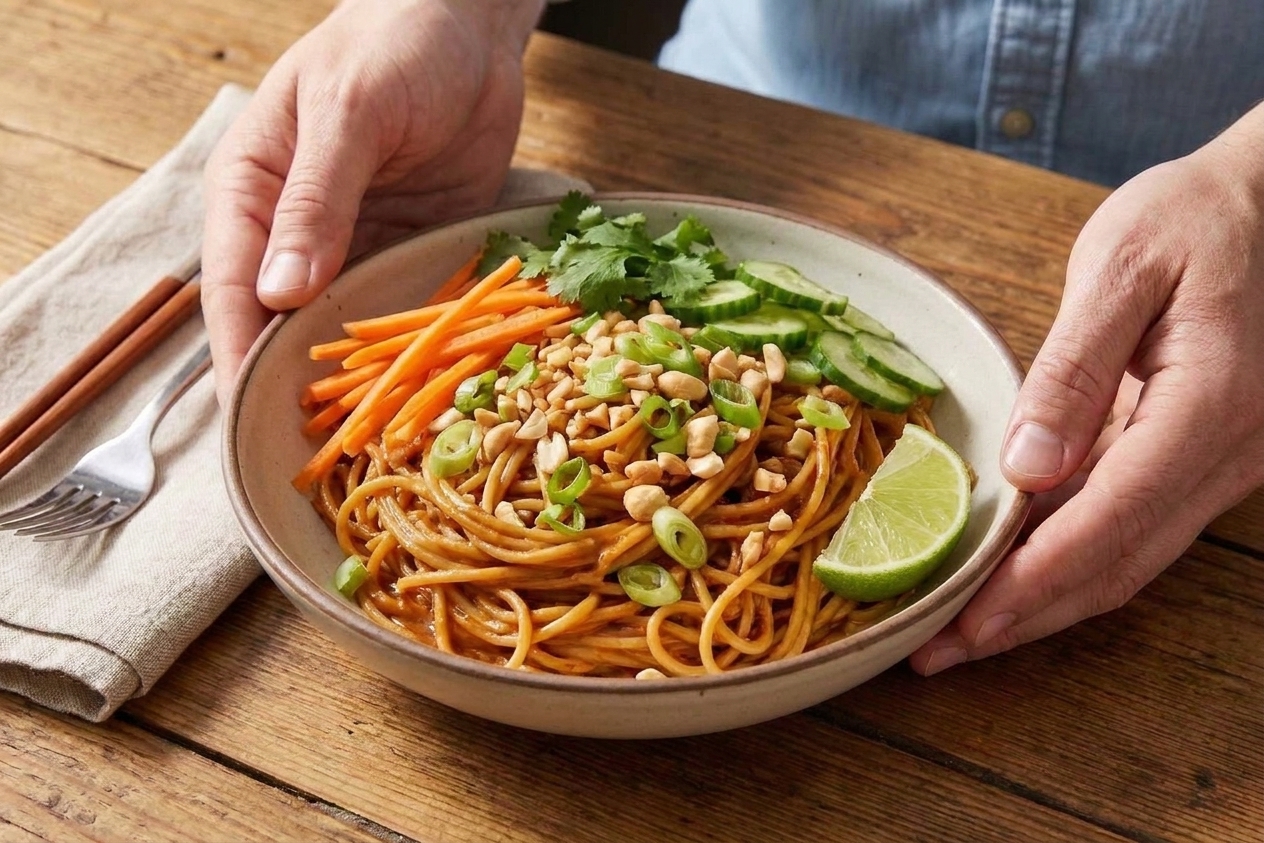
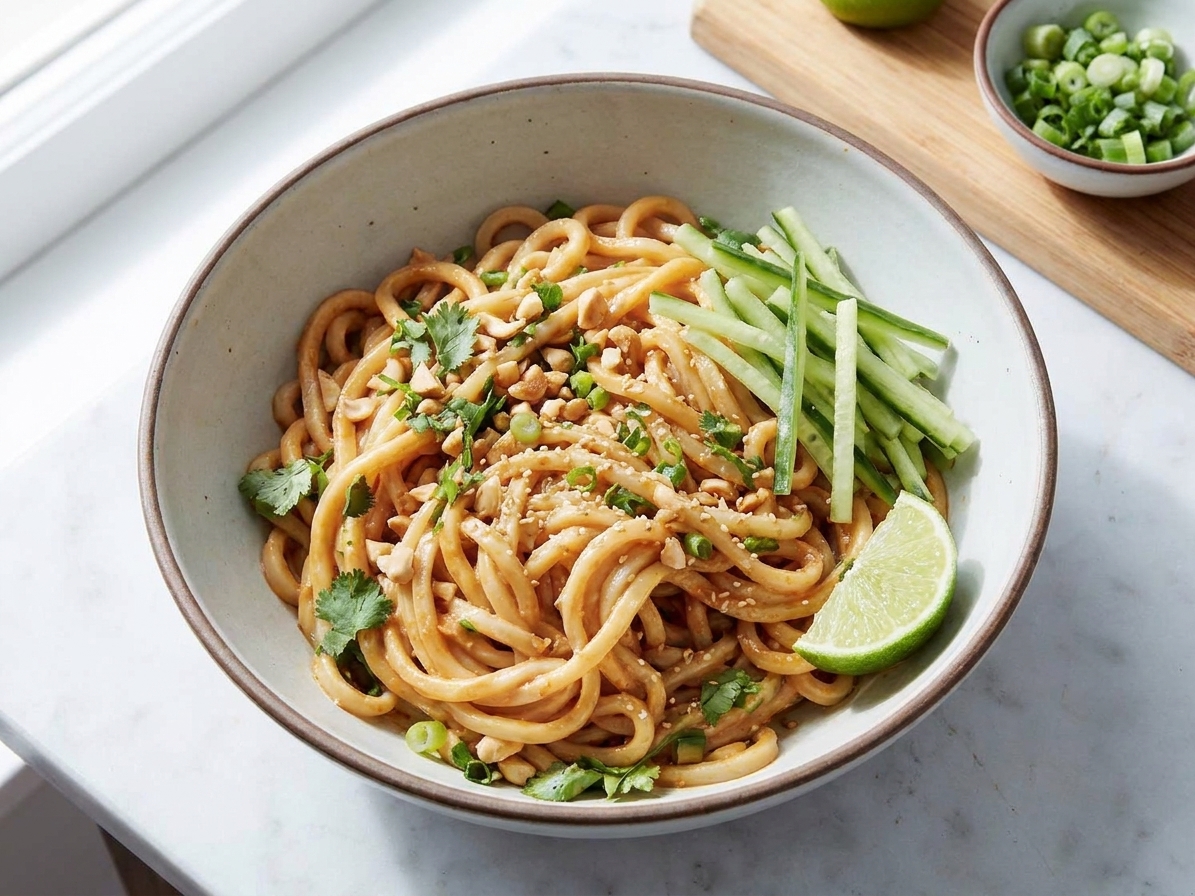
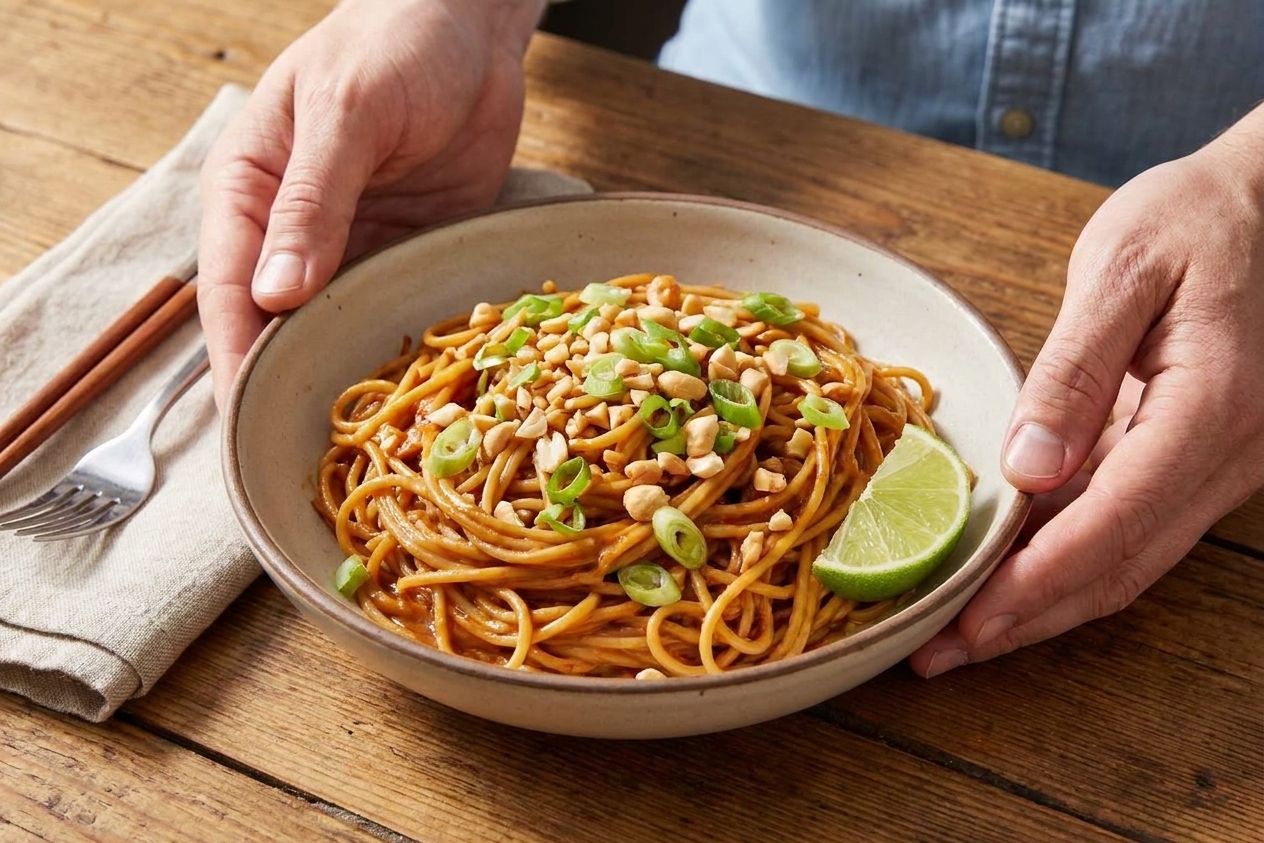
A large bowl of spicy peanut rice noodles topped with shredded carrots, sliced cucumbers, scallions, cilantro, crushed peanuts, and a lime wedge on a warm kitchen table

Rice noodles are my weeknight cheat code. They cook fast, they soak up sauce like they pay rent, and they go from “my fridge is empty” to “wait, this is actually amazing” with one skillet plus a pot.

This is my go-to spicy peanut rice noodle situation: creamy, tangy, a little sweet, and just hot enough to make you sit up straighter. We keep the ingredients accessible, the steps clear, and the vibes relaxed. If your noodles clump a little the first time, congratulations, you are cooking like a real person. We fix it and move on.

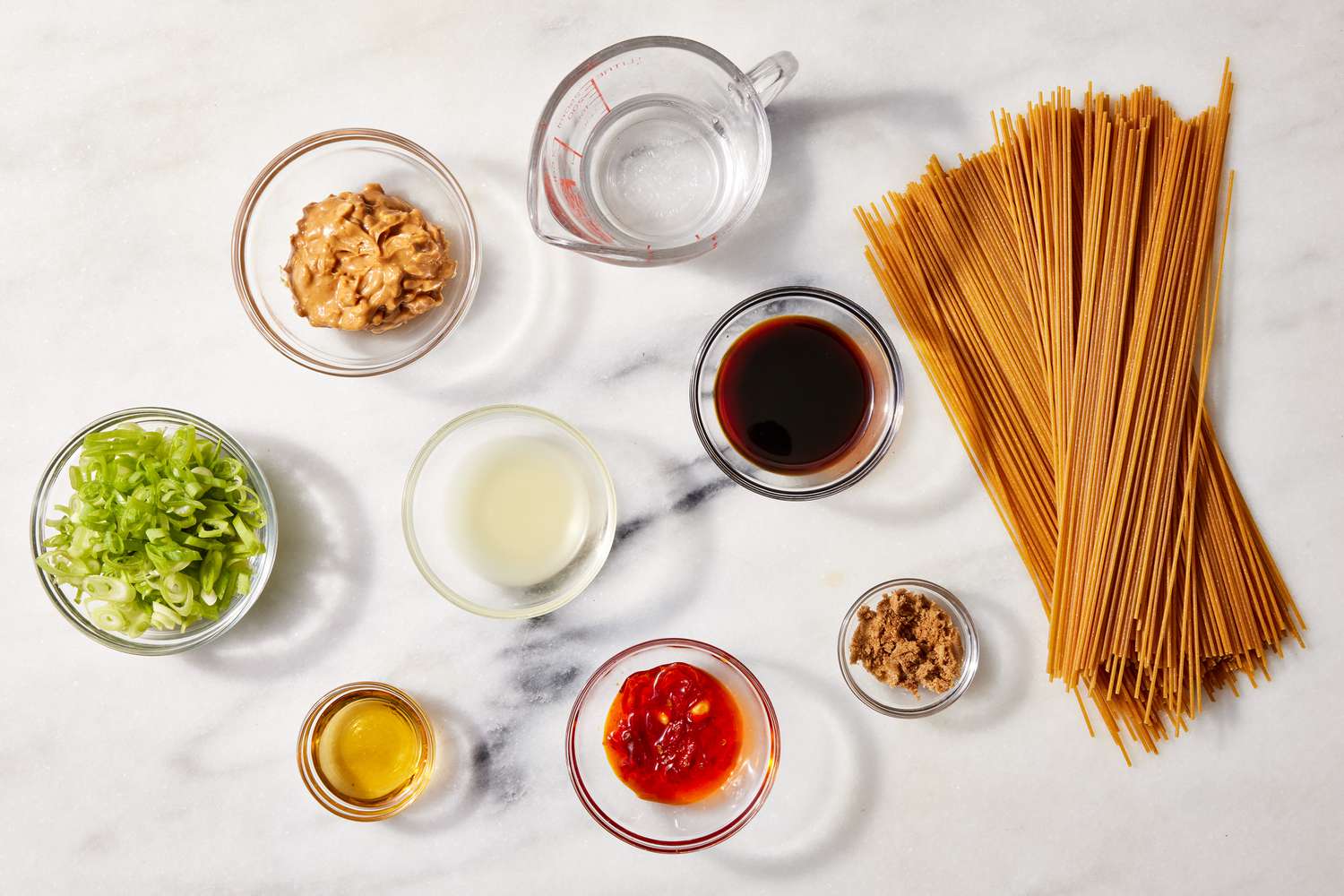
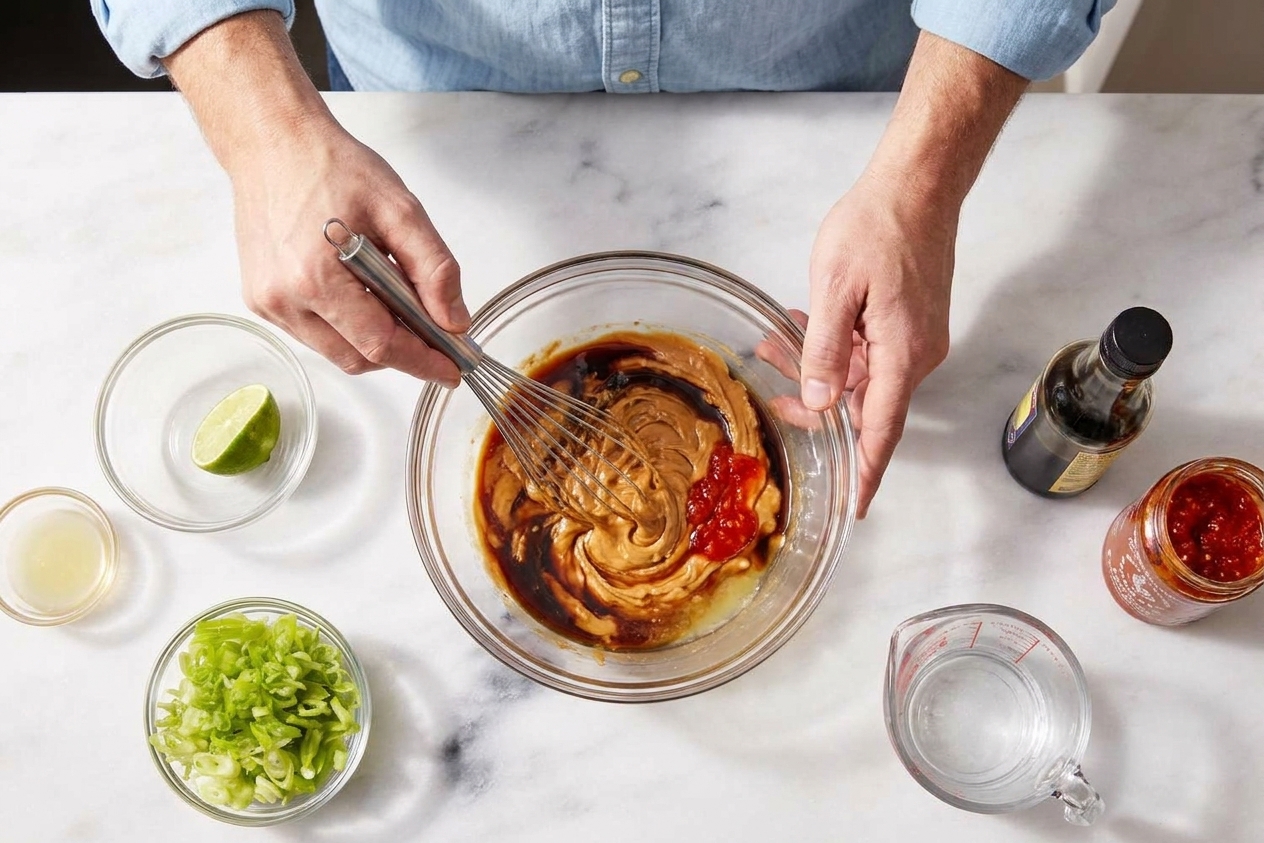
A kitchen counter with dry rice noodles, peanut butter, soy sauce, lime, garlic, ginger, honey, chili paste, and fresh vegetables laid out for cooking

Why It Works

  • Fast-cooking noodles mean dinner happens in under 30 minutes, even if you move at “after work” speed.
  • The sauce is built for balance: peanut butter for body, lime for brightness, soy for savoriness, and chili for the little kick that keeps it interesting.
  • Flexible add-ins let you use what you have: chicken, shrimp, tofu, edamame, leftover roast pork, or just more veggies.
  • Clump-proofing tricks like rinsing and a splash of reserved noodle water keep everything glossy instead of sticky.

Pairs Well With

Storage Tips

Refrigerate: Store leftovers in an airtight container for 3 to 4 days.

Keep it saucy: Rice noodles drink sauce as they sit. If you can, store a spoonful of extra sauce separately, or plan to revive leftovers with 1 to 3 tablespoons warm water and a squeeze of lime.

Reheat: Warm gently in a skillet over medium-low with a splash of water, tossing until loose and glossy. Microwave works too, but cover it and stir halfway through.

Eat it cold: These noodles are weirdly great straight from the fridge like a peanut noodle salad. Add crunchy cucumbers on top to wake it up.

Common Questions

Do I need to rinse rice noodles?

Usually, yes. After cooking, a quick rinse under cool water washes off excess surface starch and helps prevent clumping. If you are serving immediately and you like them extra warm, you can skip the rinse and instead toss right away with sauce plus a splash of reserved noodle water.

Why are my rice noodles gummy or falling apart?

They were likely overcooked. Rice noodles go from perfect to mush fast. Pull them when they are just tender, then finish them in the sauce for a minute.

What rice noodles should I buy?

Look for flat rice noodles (often labeled pad thai noodles) around 1/8-inch wide. Vermicelli works too, but it tangles more and cooks even faster.

Can I make this gluten-free?

Yes, use tamari or a certified gluten-free soy sauce. Most rice noodles are naturally gluten-free, but always check the label.

How do I make it less spicy for kids?

Use only 1 teaspoon chili sauce (or skip it entirely) and add a little extra honey. Keep extra chili on the table for the heat-seekers.

Can I add protein?

Absolutely. Add shredded rotisserie chicken, quick sautéed shrimp, or crispy tofu. This recipe includes an optional protein step that is easy to skip.

Any peanut-free options?

If you need a nut-free version, swap the peanut butter for sunflower seed butter. Tahini also works for a slightly more earthy, less sweet vibe. Taste and add a touch more honey and lime if needed.

Can I make anything ahead?

Yes. The sauce can be made up to 3 to 5 days ahead and kept in the fridge. Rice noodles are best the day you cook them, but leftovers are still very snackable.
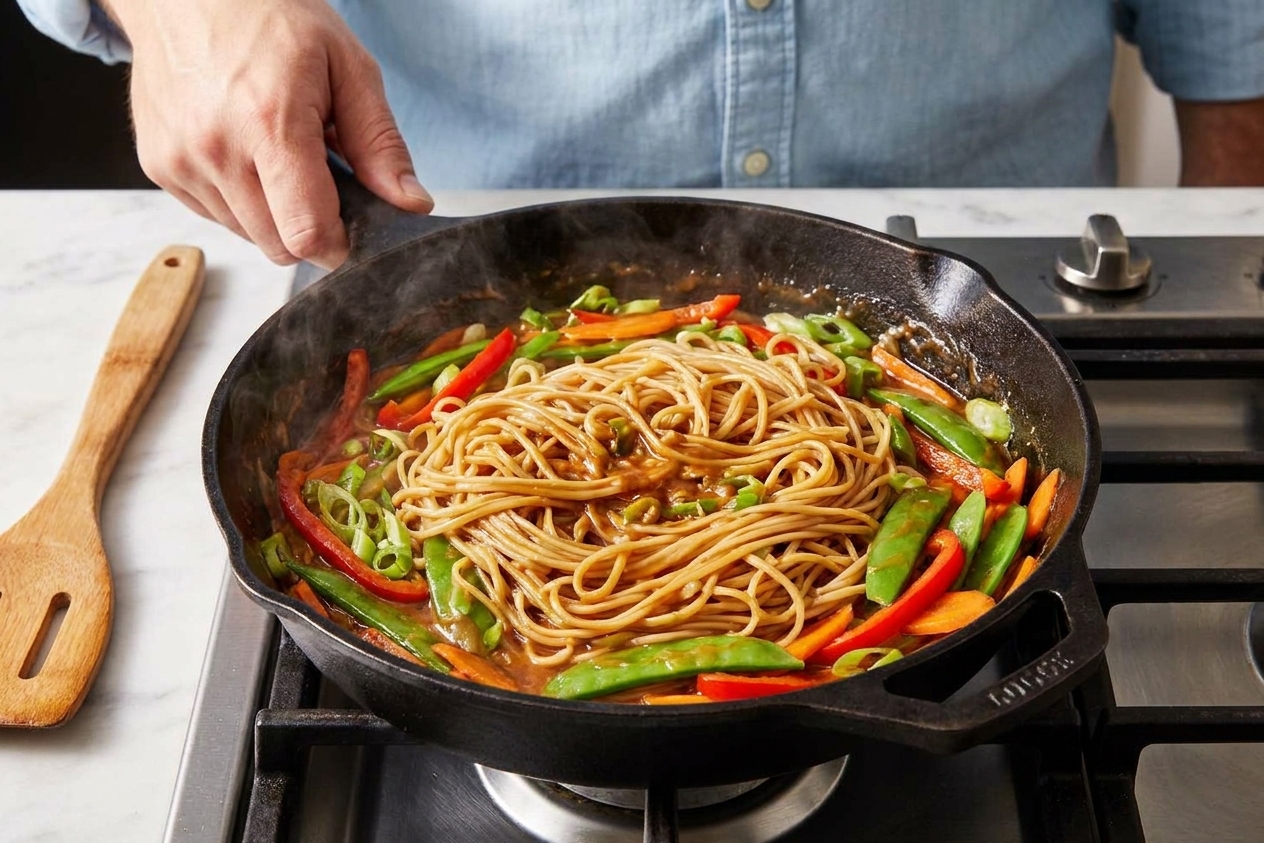

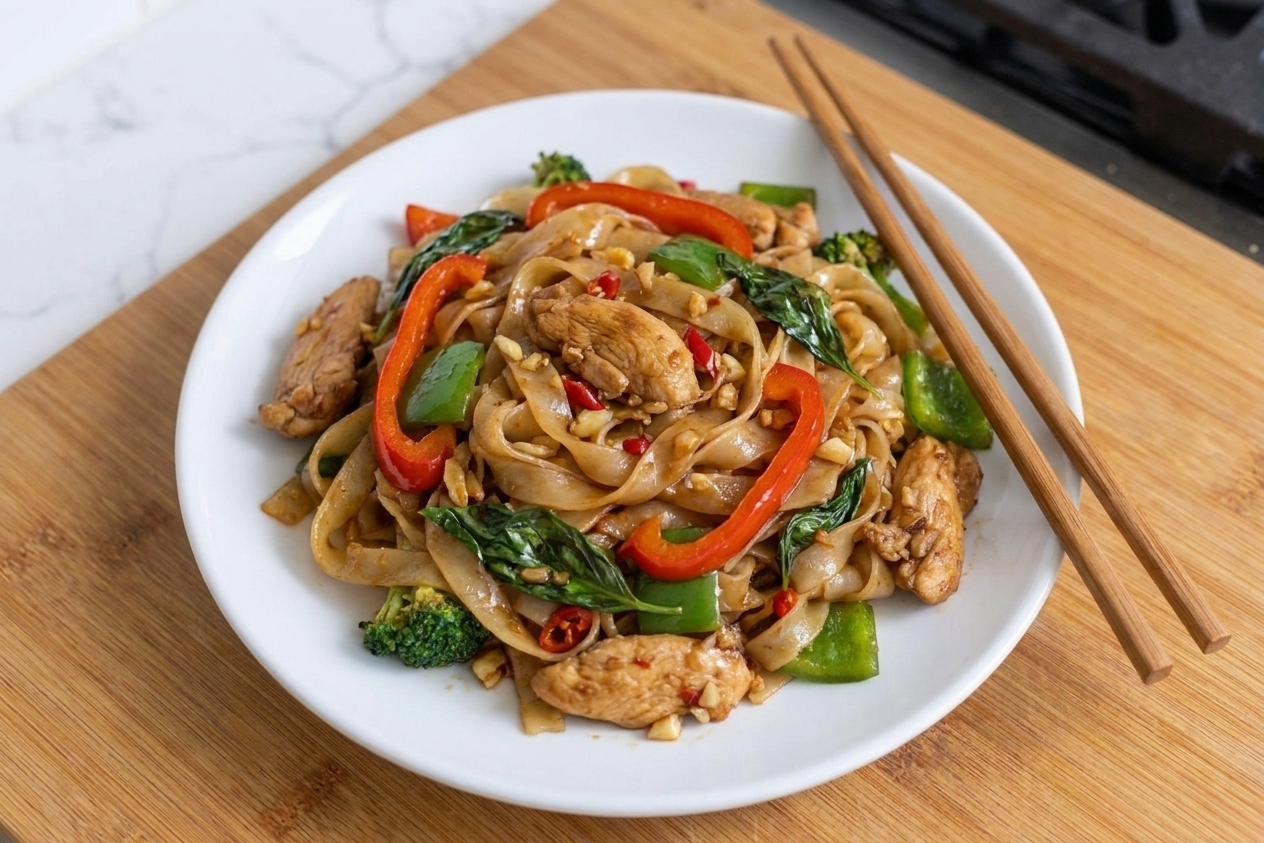
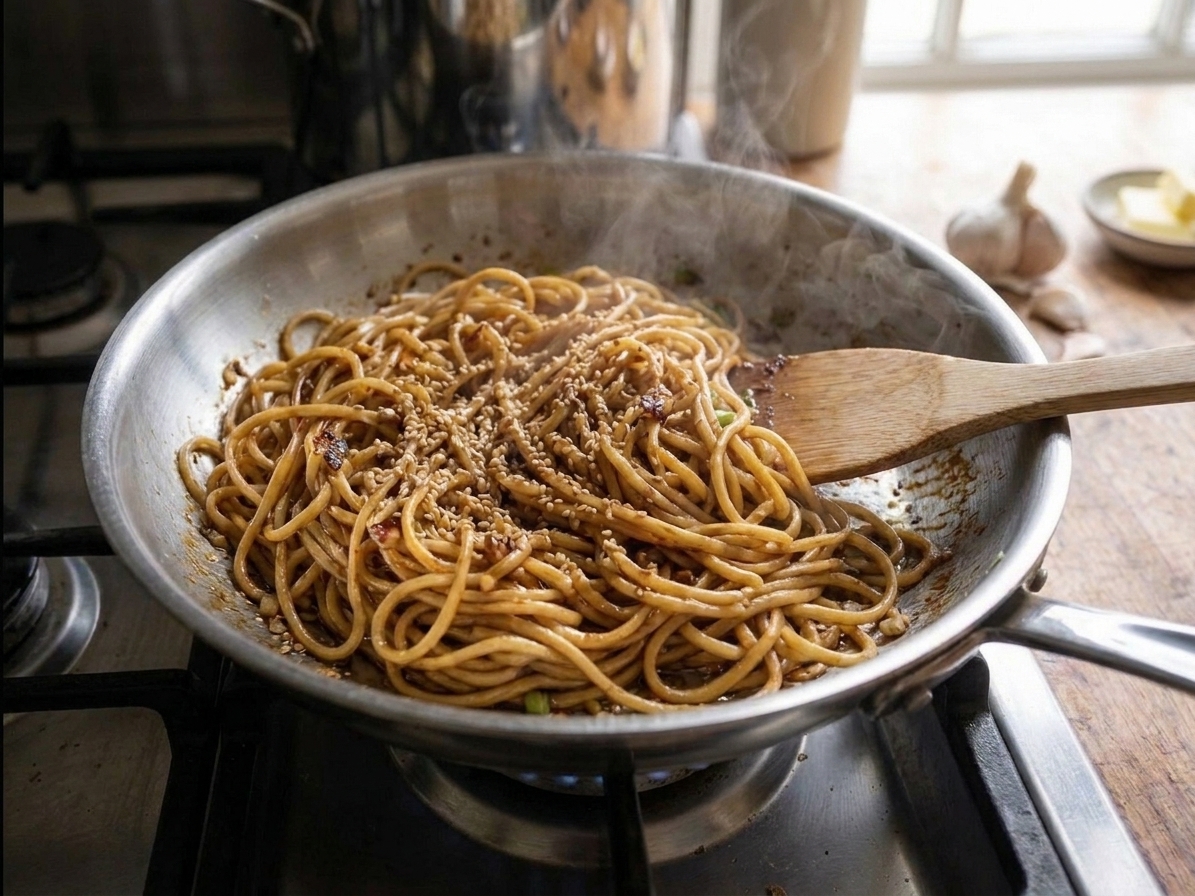
Rice noodles being tossed in a skillet with glossy peanut sauce and mixed vegetables on a home stove

I got into rice noodles because they feel like the culinary equivalent of a good friend who shows up on time. No drama, no endless simmering, just quick comfort and a blank canvas for bold sauce. The first time I tried a peanut version at home, I went too thick, too salty, and somehow still ate it standing at the counter like it was the best thing ever. Now I keep it balanced with lime, a little sweetness, and enough heat to make the peanut flavor pop. It is the kind of dinner that forgives you for not having a plan.