Do I have to use sushi rice?
Nope. Short-grain rice is the closest match, but jasmine rice works great and is more common in a lot of kitchens. The key is the vinegar seasoning plus letting the rice cool a few minutes so it is warm, not piping hot.
Can I make this with raw salmon?
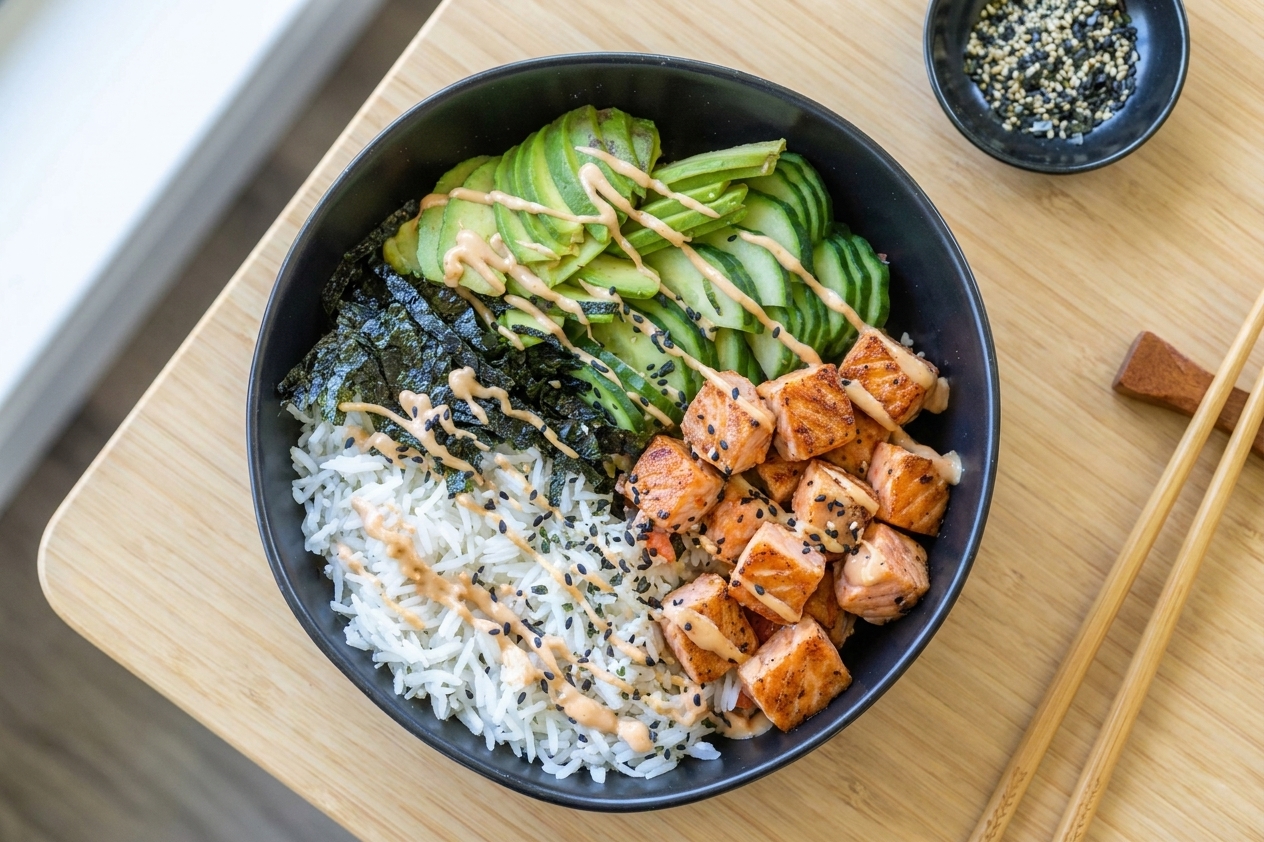
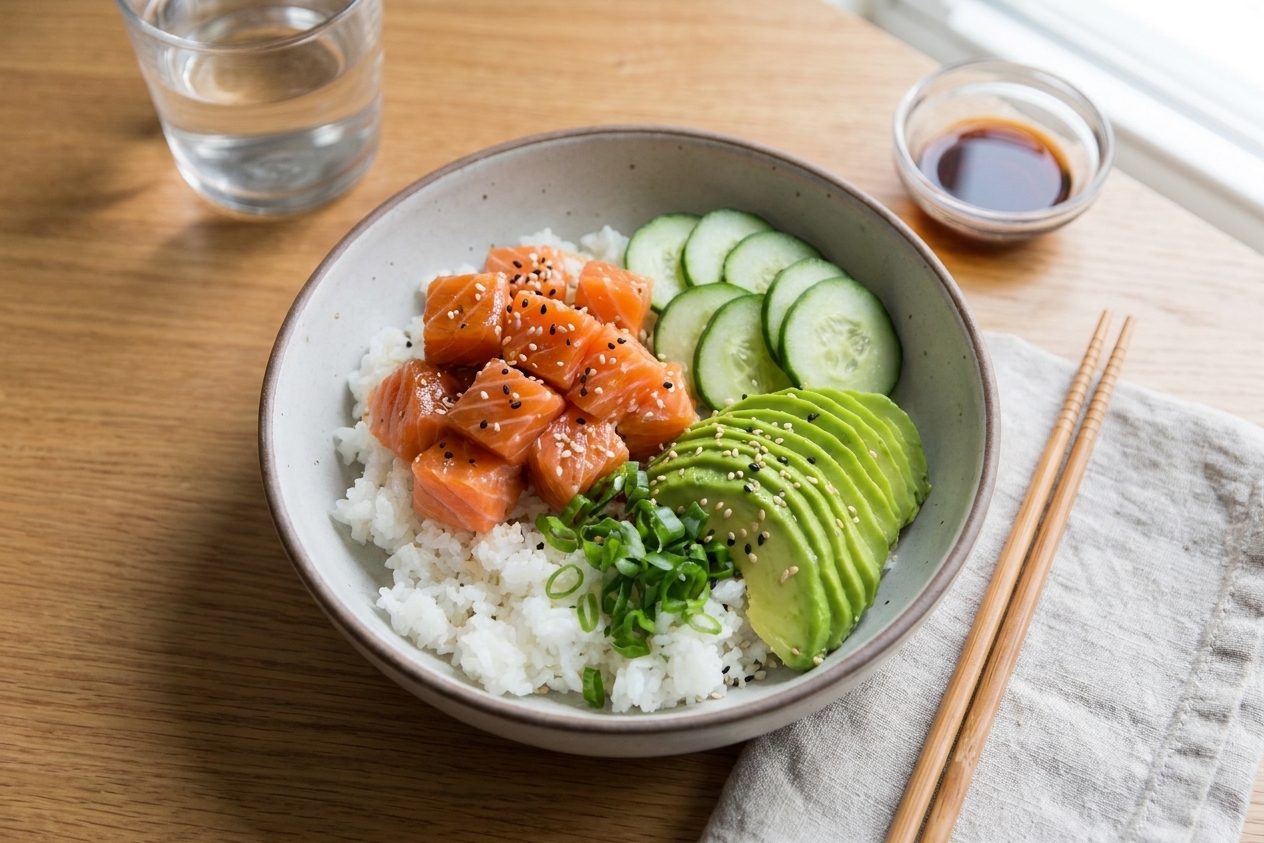
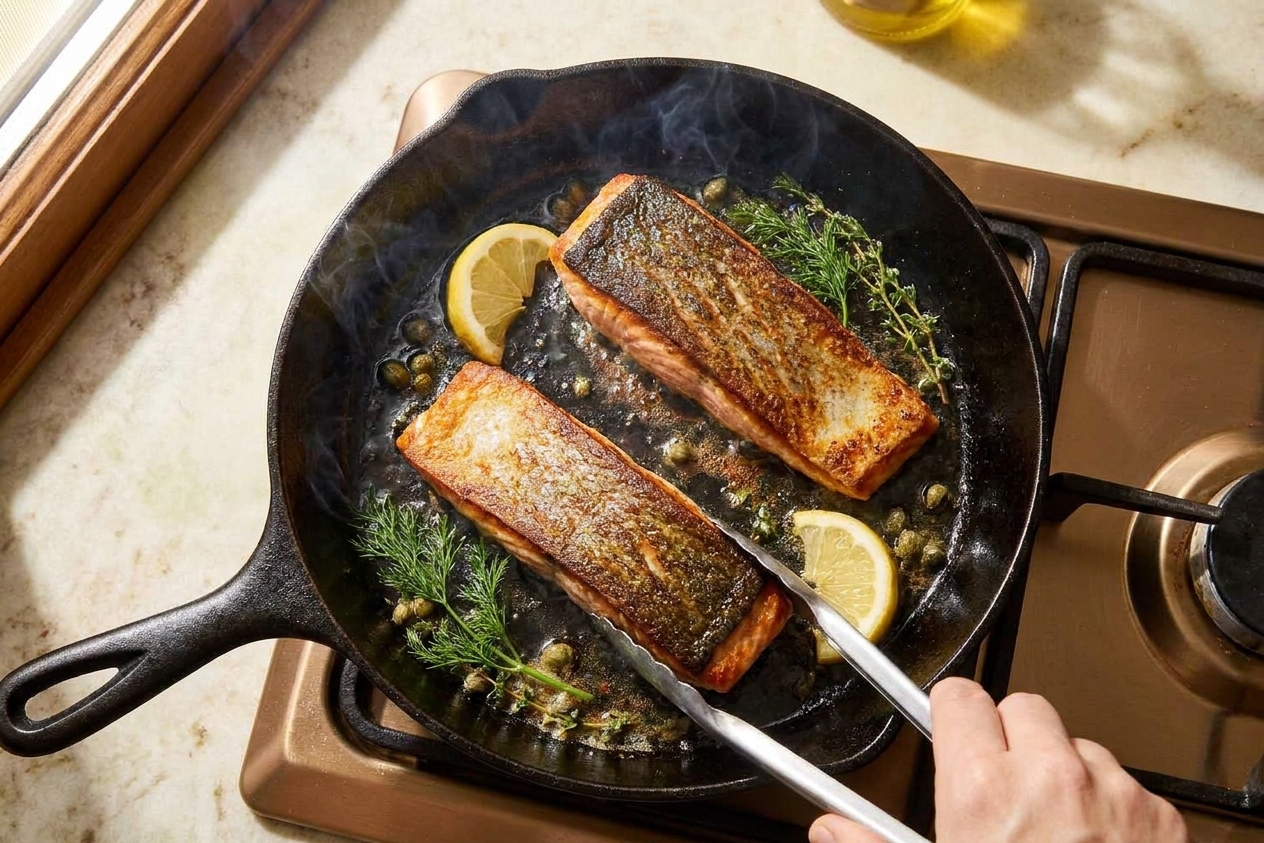
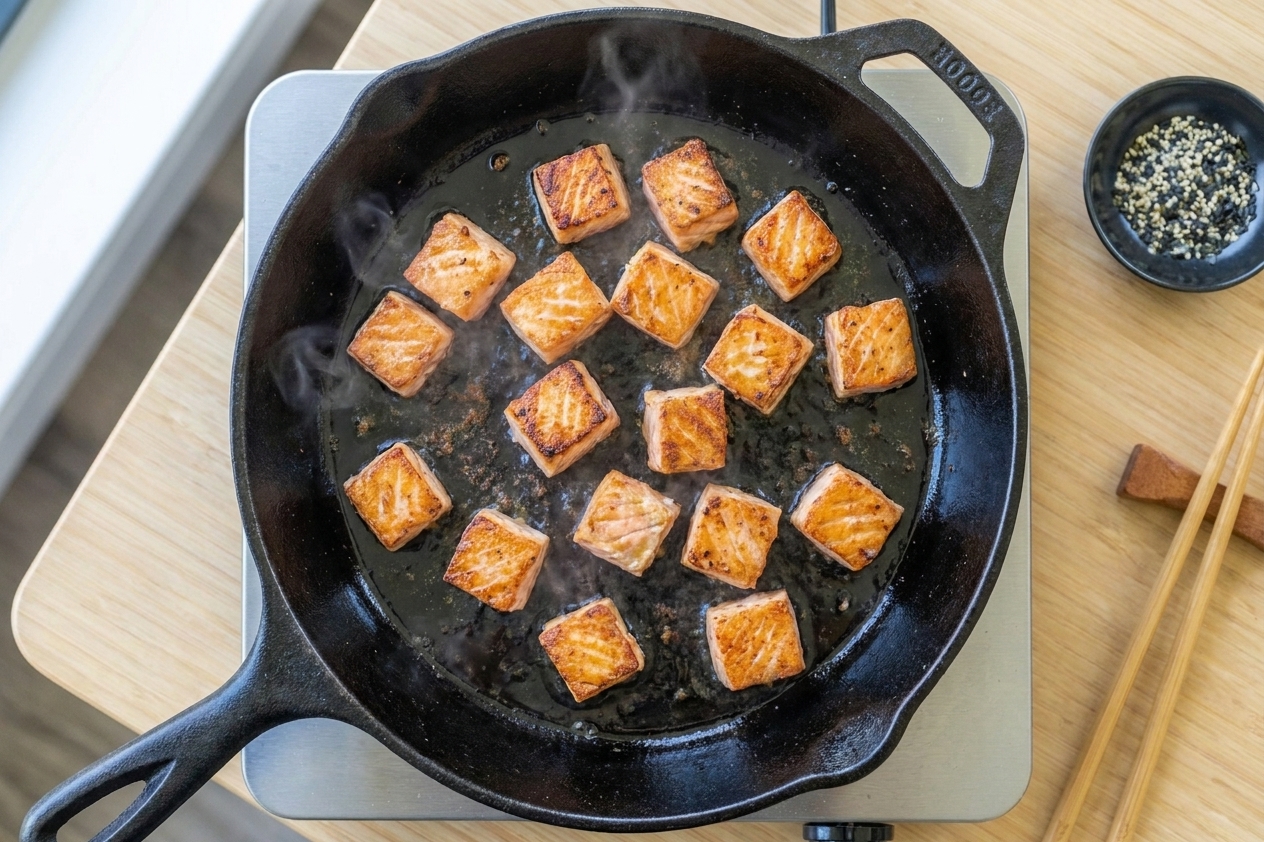
You can, but read this part twice. “Sushi-grade” is not a tightly regulated label in many places, so treat it like a marketing term, not a safety guarantee. If you want to eat salmon raw, buy fish that is explicitly intended for raw consumption from a reputable source and follow your local food-safety guidance. Many reputable sellers use previously frozen fish (frozen to parasite-destruction standards) for raw preparations, but policies vary. Keep it very cold, use a clean board and knife, and eat immediately. When in doubt, sear it like this recipe does and call it a win.
What can I use instead of sriracha?
Chili garlic sauce, gochujang, a pinch of cayenne, or even a few dashes of hot sauce. Start small, stir, taste, then decide how brave you feel.
How do I make it gluten-free?
Use tamari or certified gluten-free soy sauce. Most mayo is gluten-free, but check the label. Nori and rice vinegar are usually gluten-free, but it depends on the brand. Also note that seasoned rice vinegar can include added ingredients, so label-check if you are sensitive.
Is there a kid-friendly version?
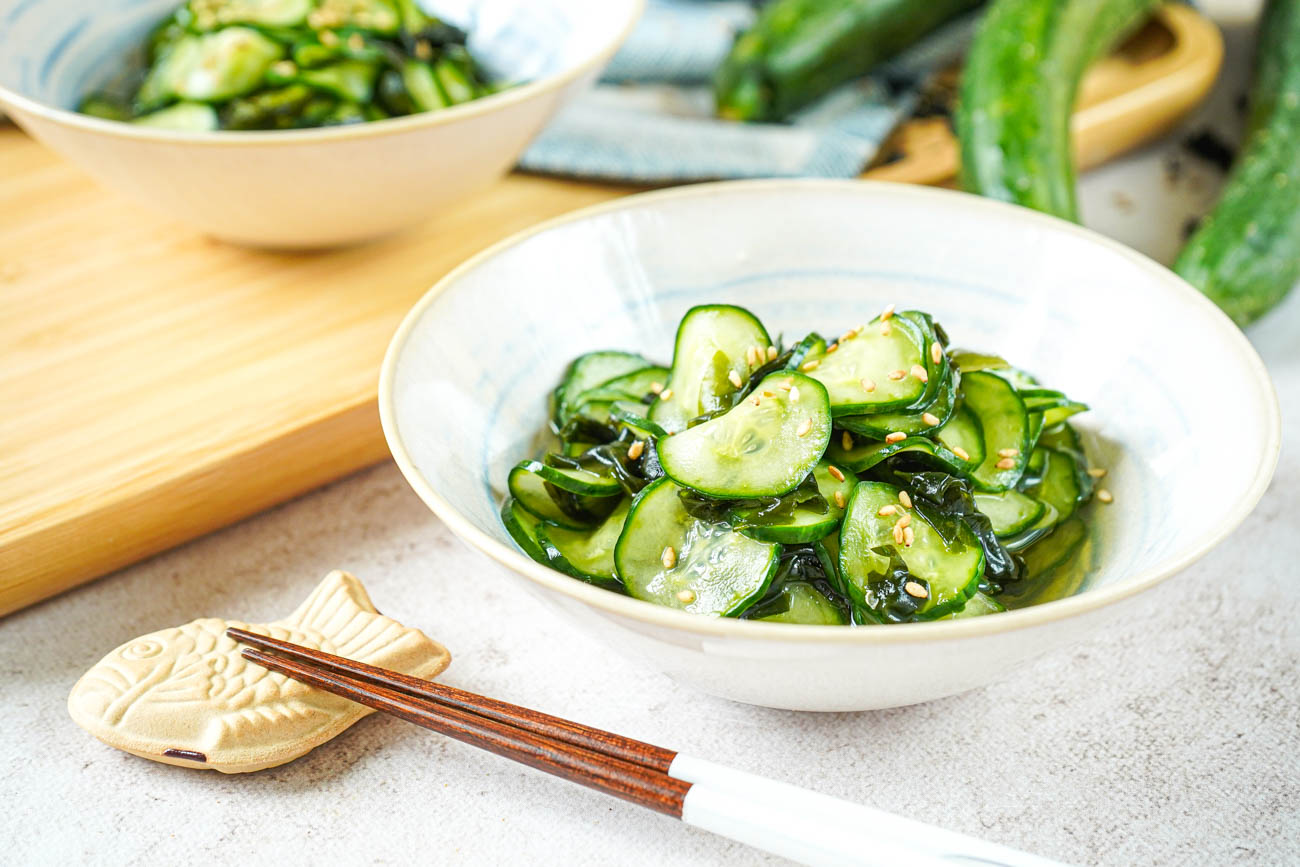
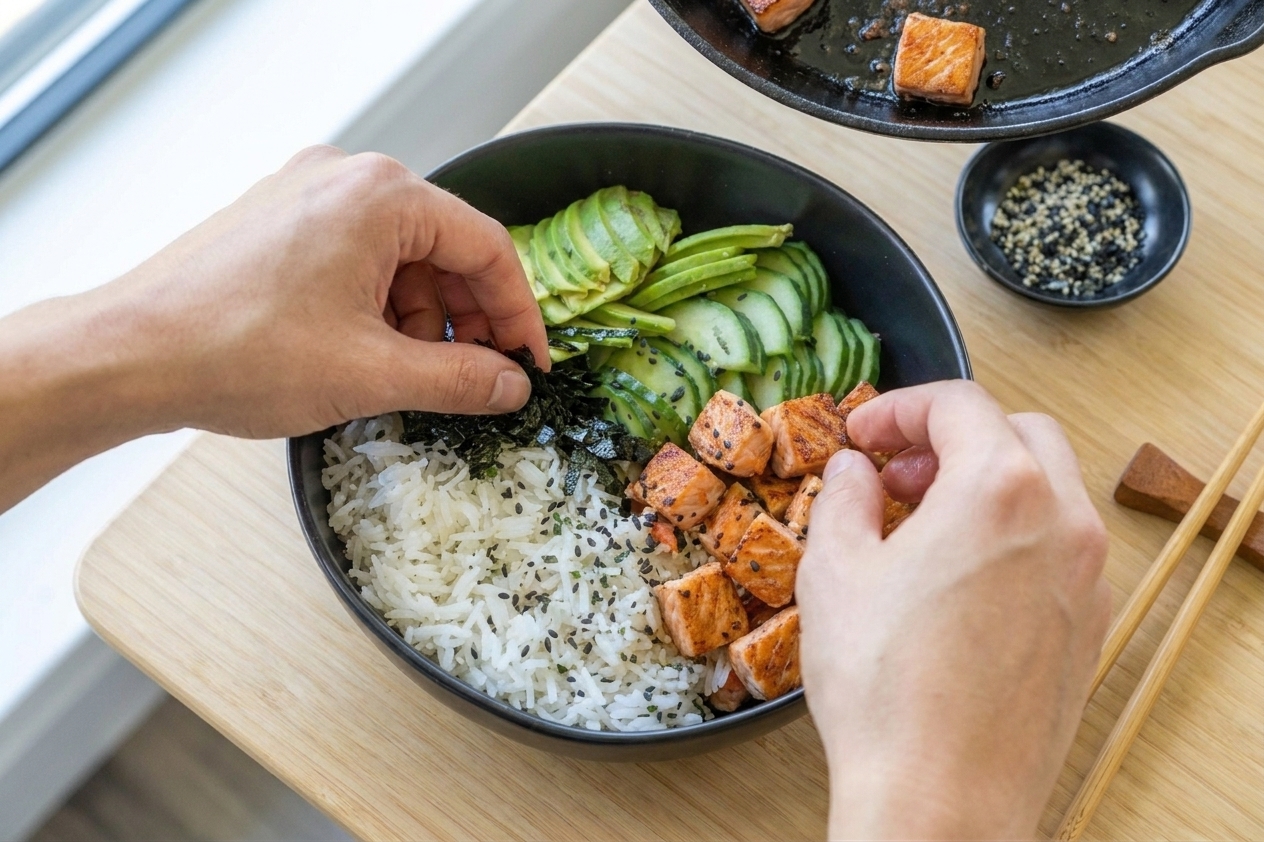
Yes. Skip the sriracha and make a simple mayo drizzle with a tiny bit of honey and soy sauce. Keep toppings familiar like cucumber, avocado, and a little sesame.
What else can I add?
Edamame, shredded carrots, pickled ginger, scallions, toasted sesame, radishes, mango, or a jammy soft-boiled egg. Sushi bowl law says you can do whatever you want.