Do I need to remove the membrane?
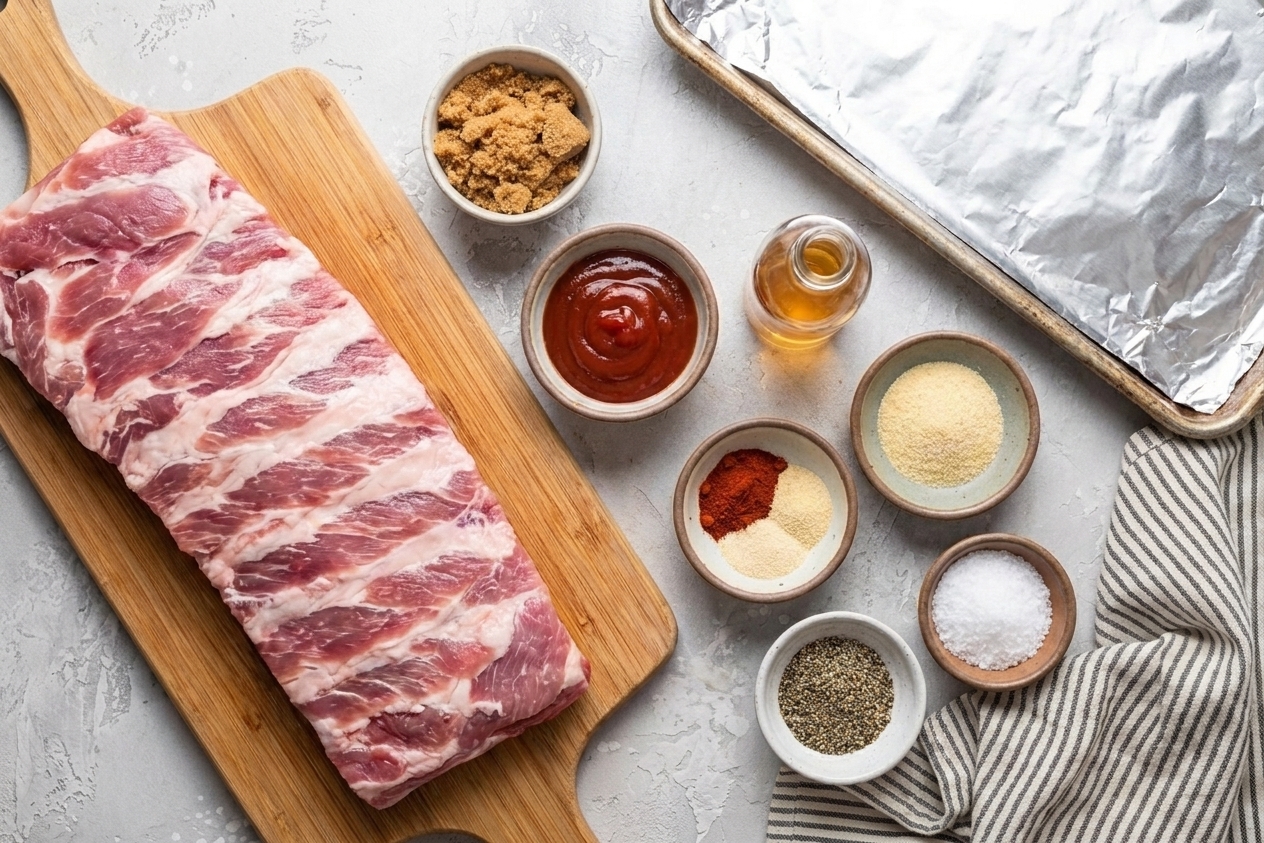
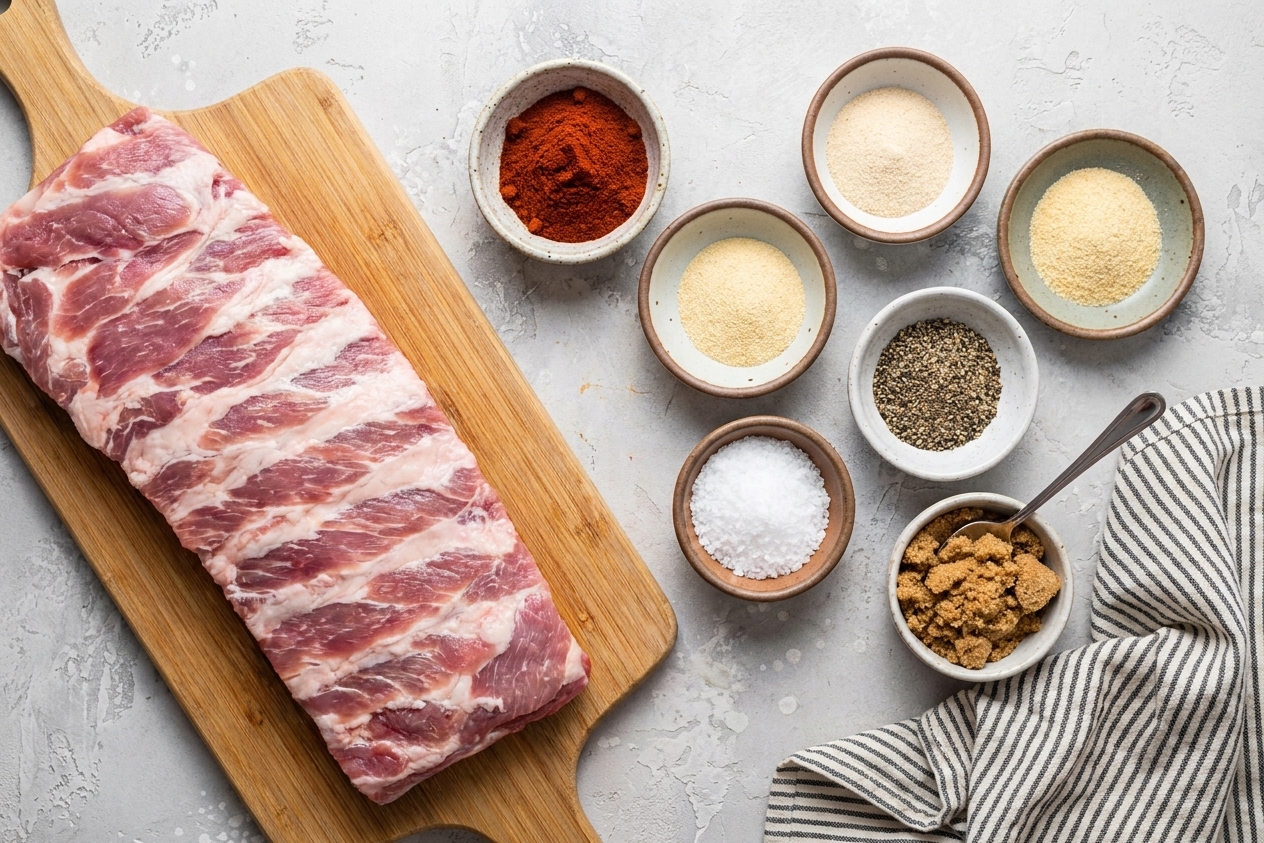
I recommend it. That papery membrane on the bone side can turn chewy and blocks seasoning. Slide a butter knife under it, grab with a paper towel, and pull. If it is already removed, celebrate and move on.
Baby back ribs or spare ribs?
Baby backs cook a bit faster and are leaner. Spare ribs are meatier with more fat, which means more forgiveness and richness. This recipe works for both, just watch tenderness, not the clock.
How do I know when the ribs are done in the oven?
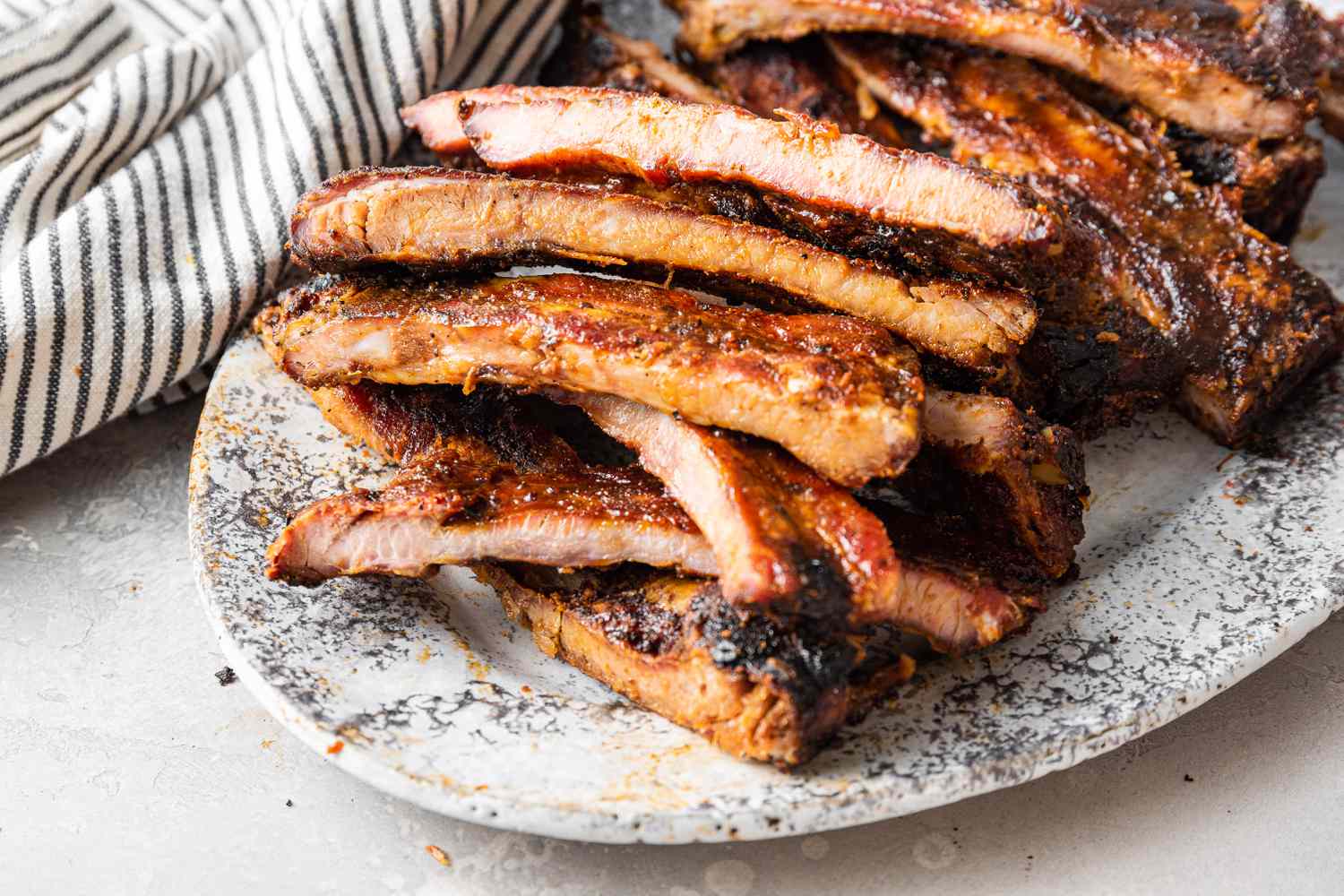
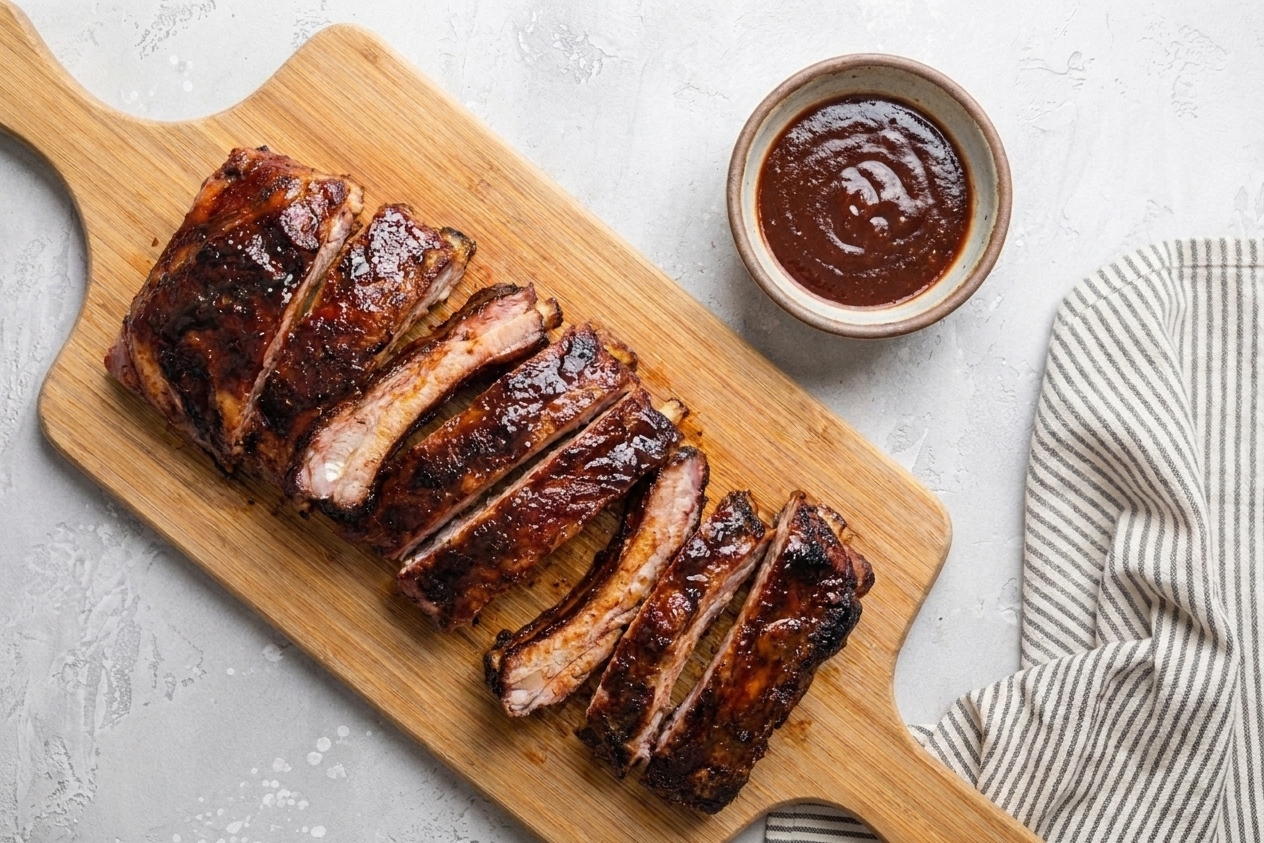
You want tender. A toothpick should slide into the meat with little resistance, and when you lift the rack with tongs, the surface should crack slightly. If they still feel tight and springy, they need more time.
If you like a temperature reference: pork is safe at 145°F, but ribs usually turn "done-tender" closer to 190 to 205°F as the collagen breaks down. Use the numbers as a guide, but let tenderness be the boss.
Can I make these without liquid smoke?
Absolutely. Smoked paprika plus a hot finish gets you most of the way there. If you have a grill, the optional grill finish adds real smoky vibes without committing to a smoker.
My sauce burned under the broiler. What happened?
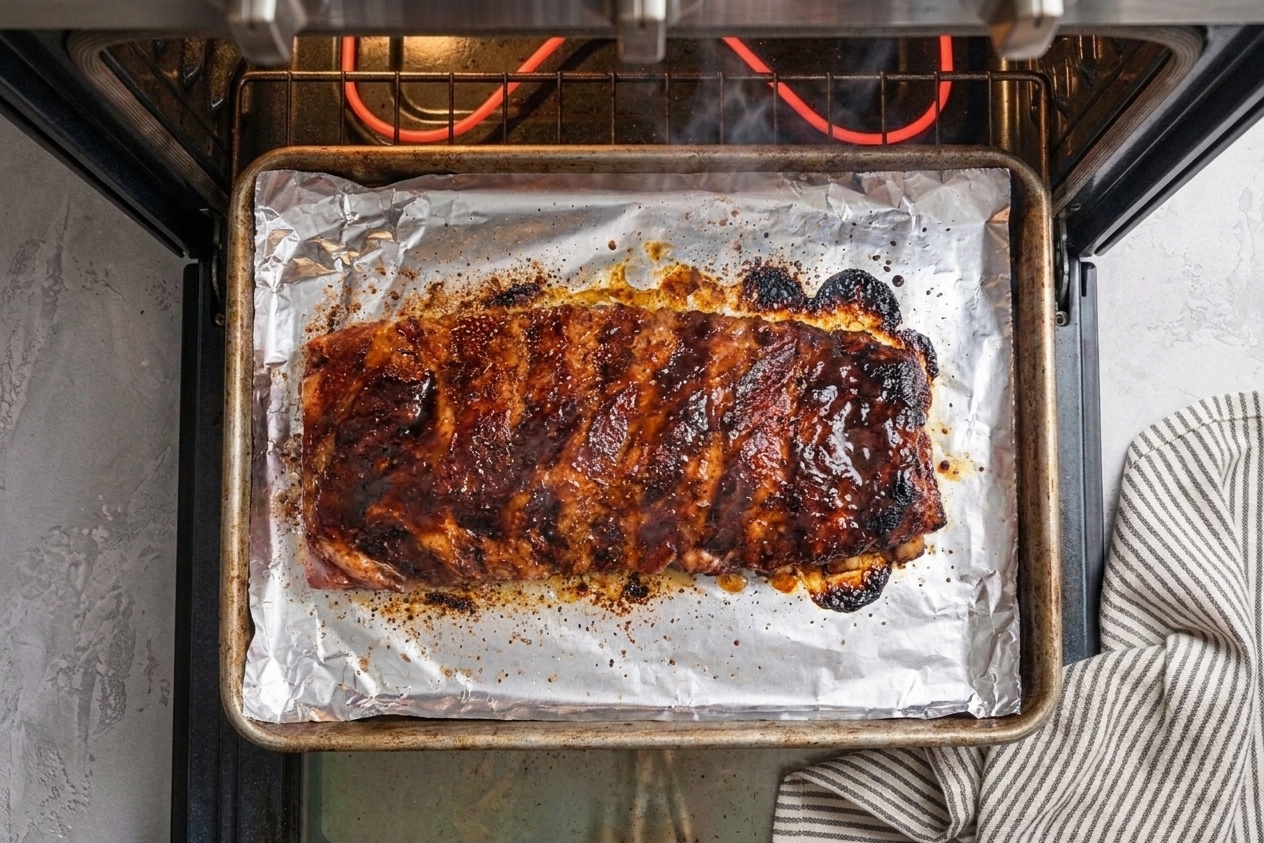
Broilers are chaotic. Use the middle rack, watch closely, and do not walk away. If your sauce is very sugary, broil in short bursts and rotate the pan. If your oven manual allows broiling with the door slightly open, you can do that, but many ovens prefer the door closed, so check first.
Can I make these in advance for a party?
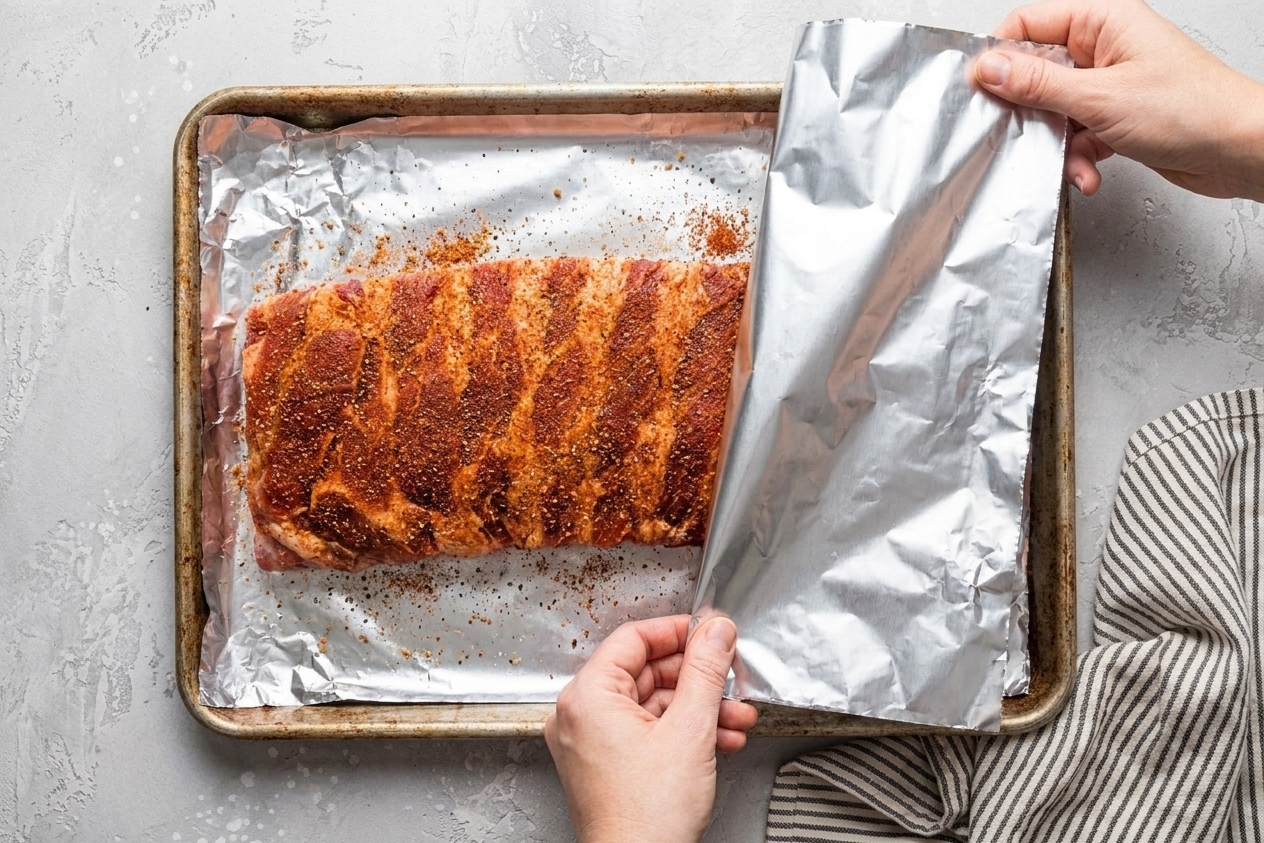
Yes. Bake the ribs until tender, cool, then refrigerate. Before serving, reheat covered at 300°F until hot, then sauce and broil or grill to finish.
Should I trim anything or cut the racks to fit?
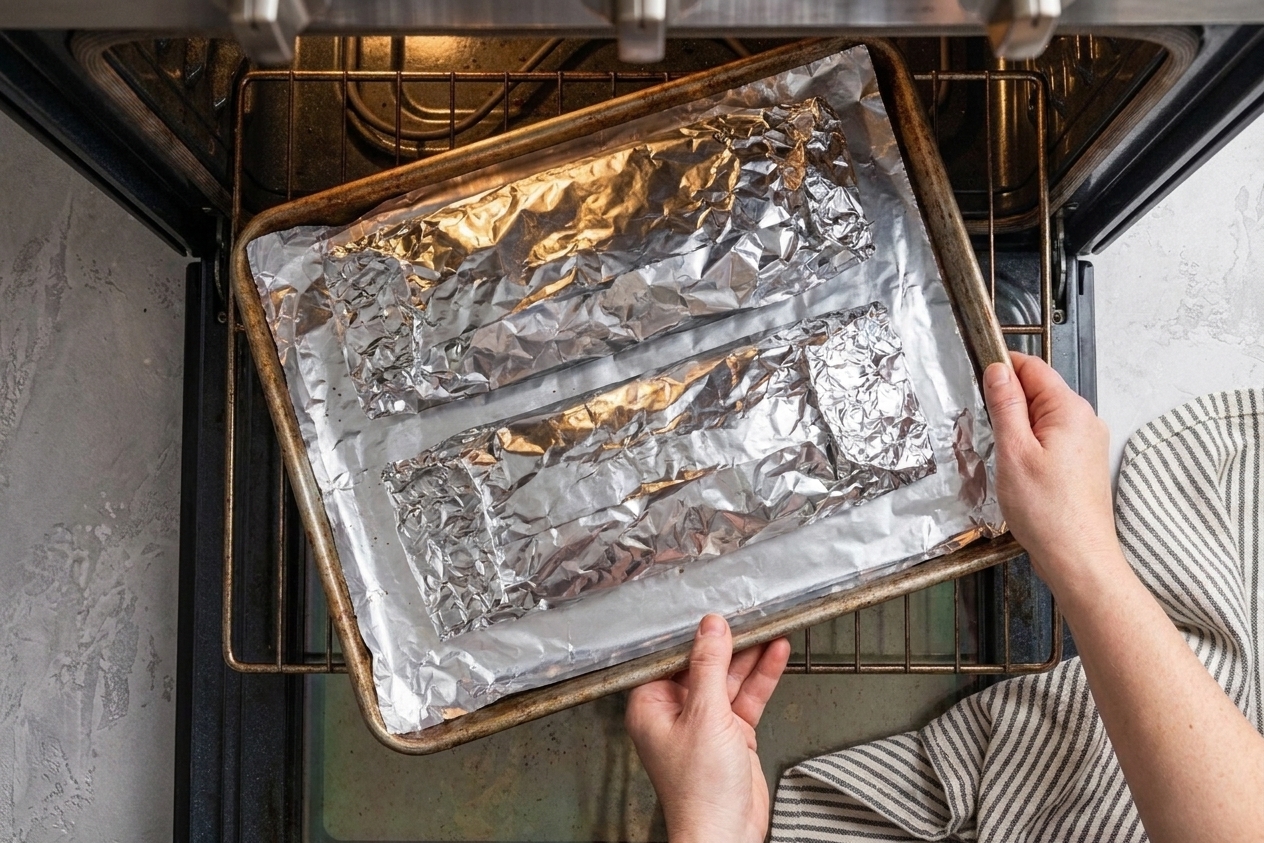
If there are big, thick flaps of surface fat, trim them down so the rub can actually do its job. And yes, you can cut each rack in half to fit your sheet pan and foil more easily. It makes wrapping less of a wrestling match.