Do I prepare the Stove Top stuffing before mixing it in?
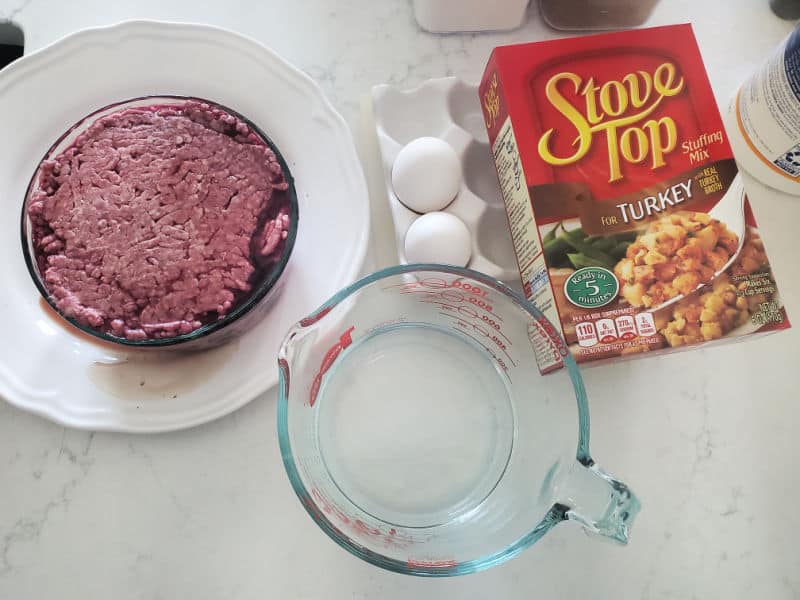
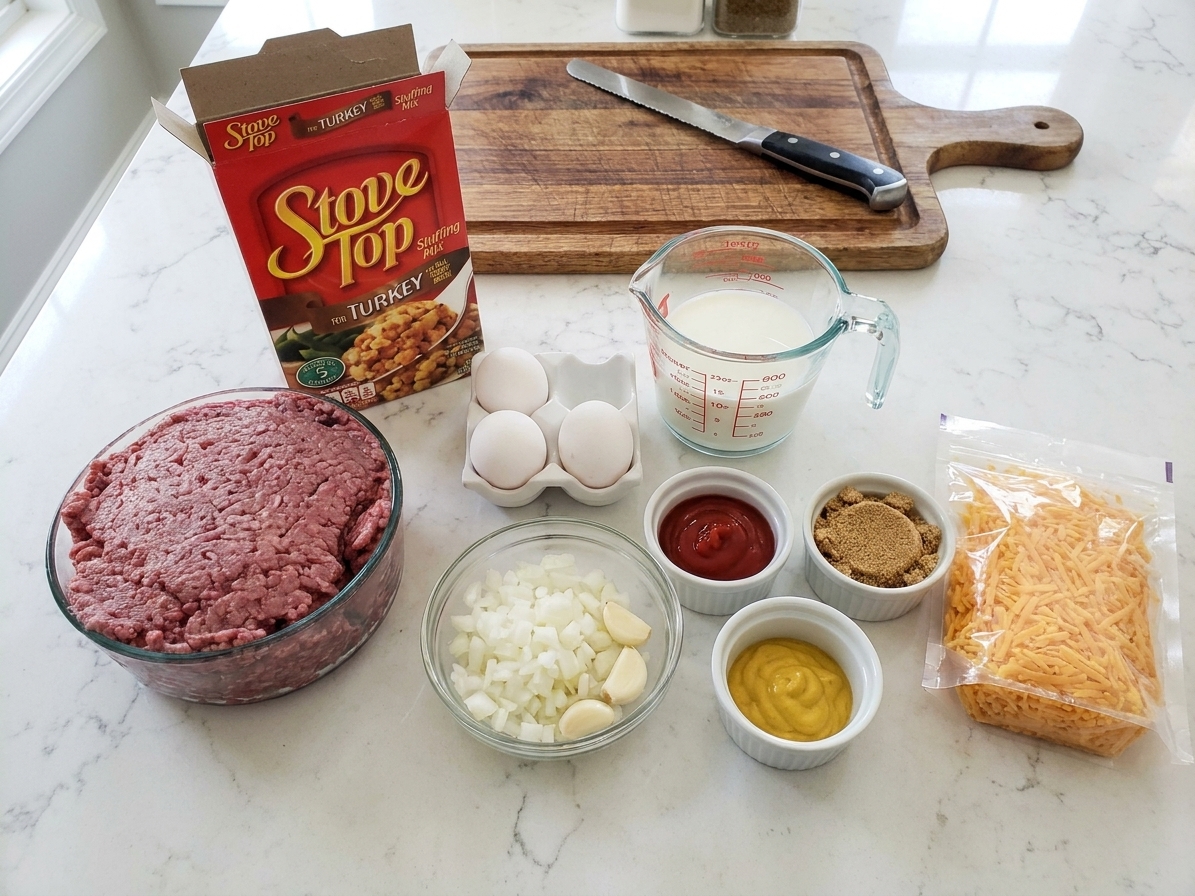
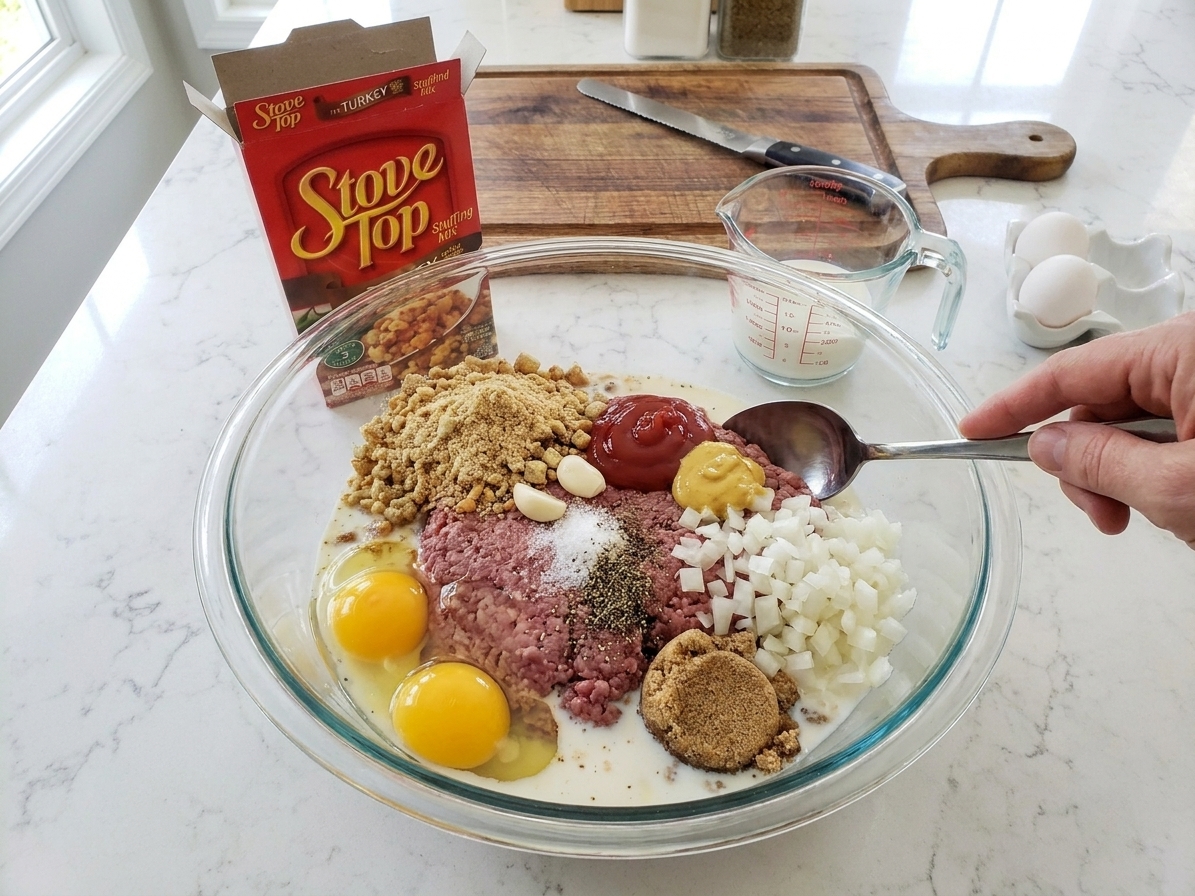
No. Use the stuffing mix dry, then let the milk hydrate it as the loaf bakes. That shortcut is the whole point.
What if my meat mixture feels too dry or too wet?
Different stuffing flavors and crumb sizes can absorb liquid a little differently. The mixture should feel very moist but not soupy. If it feels dry, add 2 to 4 tablespoons more milk. If it feels loose or puddly, let it sit 5 minutes so the stuffing can drink it in before shaping.
What kind of cheese works best for the stuffing?
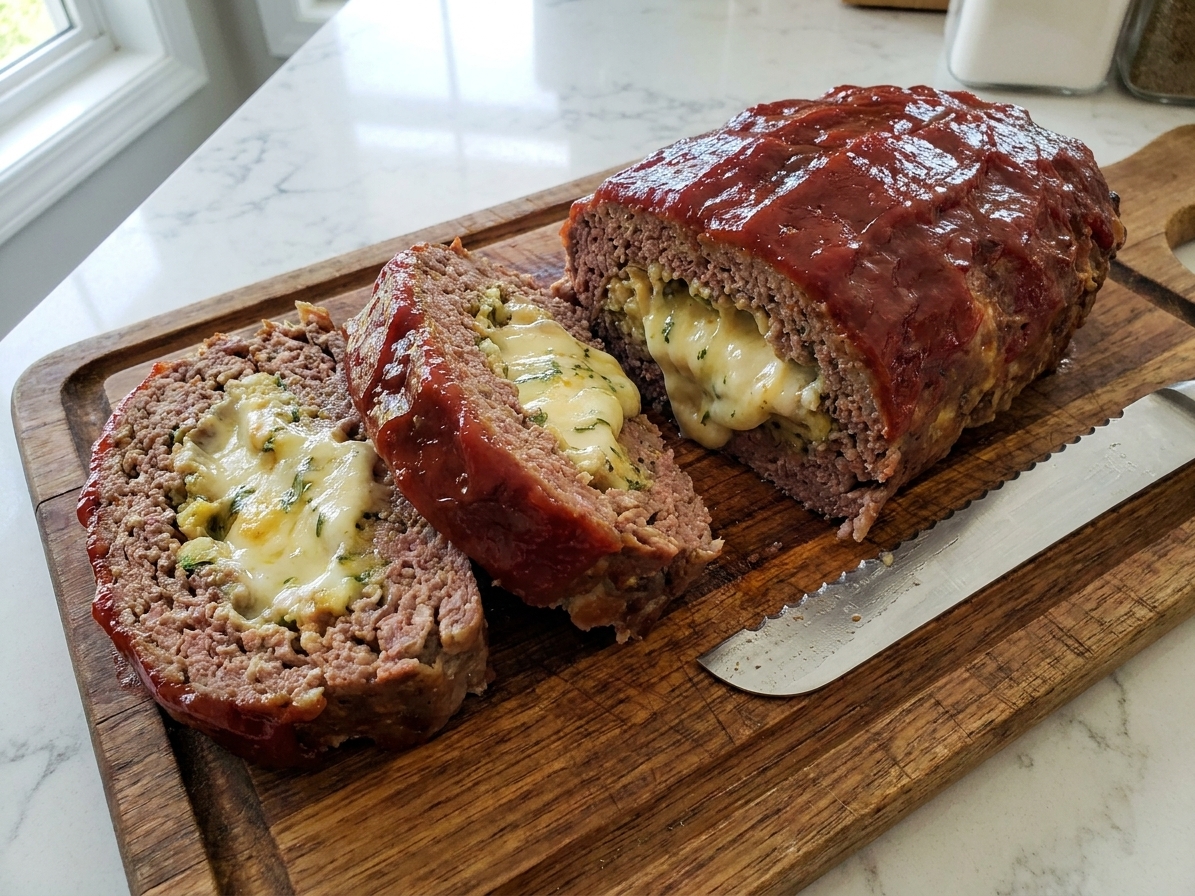
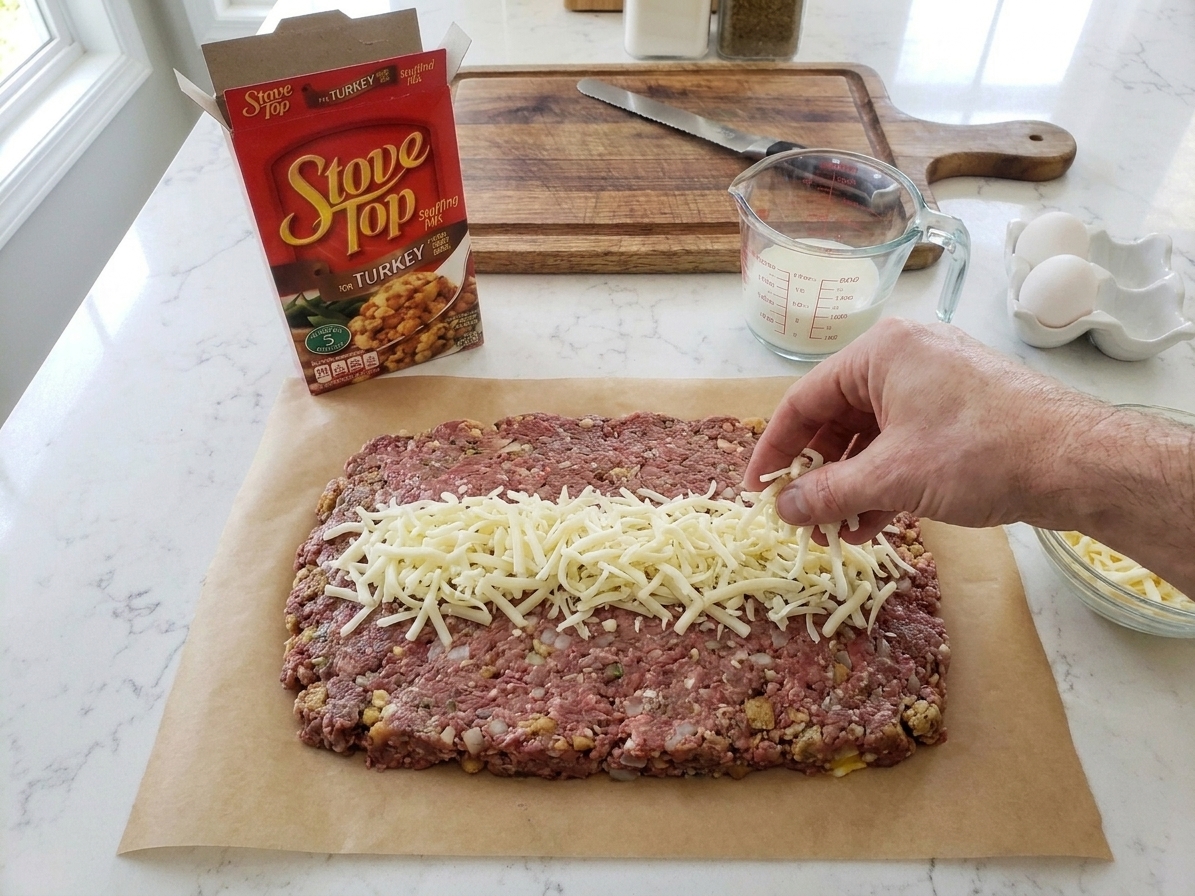
Low-moisture mozzarella gives you the classic melty pull. Cheddar works too, just know it can ooze more. Pepper Jack is great if you want a little kick.
Can I use ground turkey instead of beef?
Yes. Use 93% lean if you can, and add 1 tablespoon olive oil to the meat mixture for a little extra moisture. Turkey dries out faster than beef.
How do I keep stuffed meatloaf from falling apart?
Three things: do not overmix, pack it firmly, and let it rest 10 to 15 minutes before slicing. Also, keep the cheese layer away from the edges so it stays sealed. If you have time, chilling the assembled loaf 15 to 20 minutes before baking helps prevent cheese blowouts.
What internal temperature should meatloaf reach?
Cook until the center hits 160°F (beef). If you use poultry, aim for 165°F.
Can I make it ahead?
Yes. Assemble the loaf, cover, and refrigerate up to 24 hours. Bake until it reaches 160°F in the center. Since it starts cold, it usually needs an extra 10 to 20 minutes, but the thermometer decides.
How do I handle excess grease?
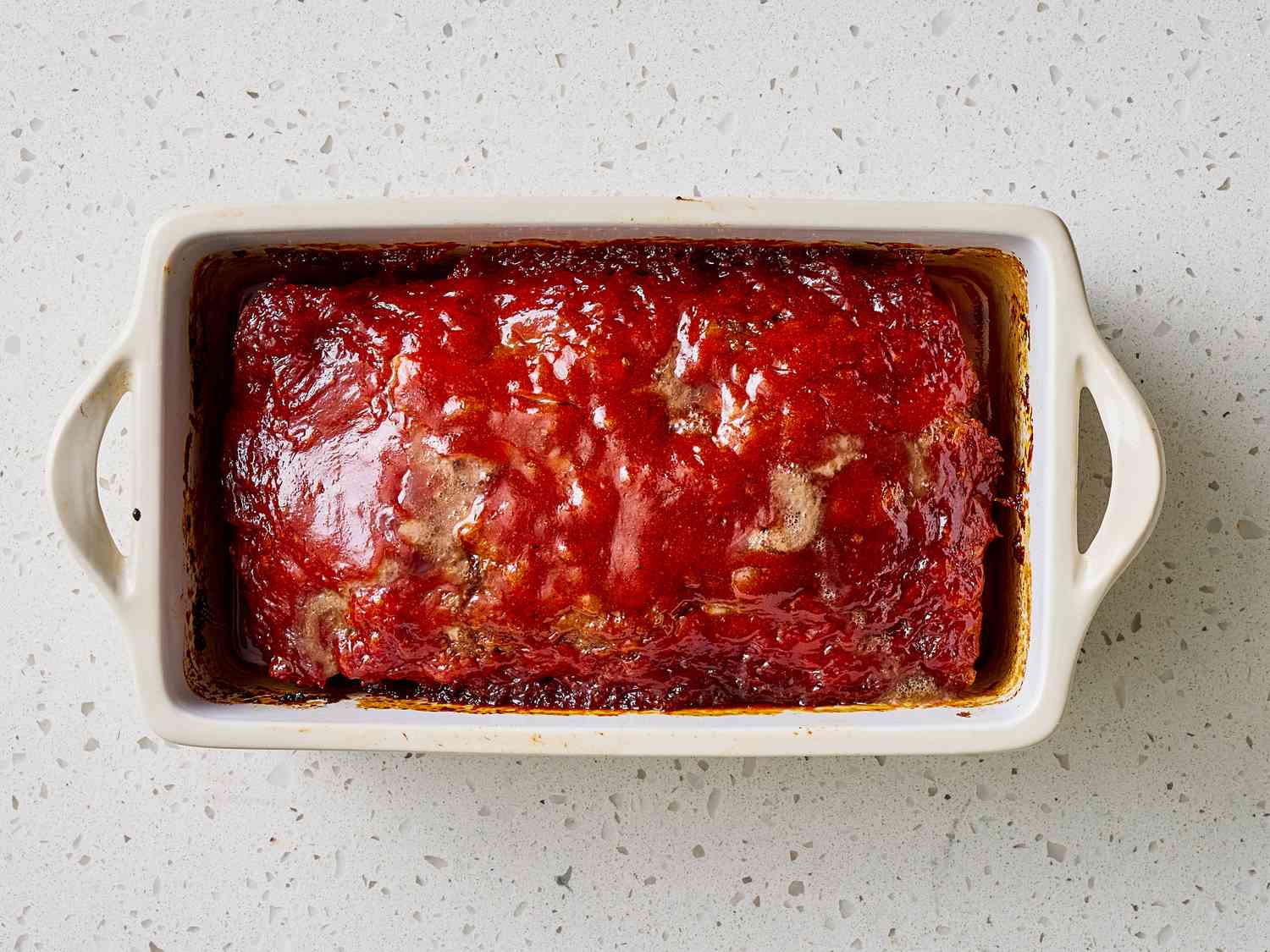
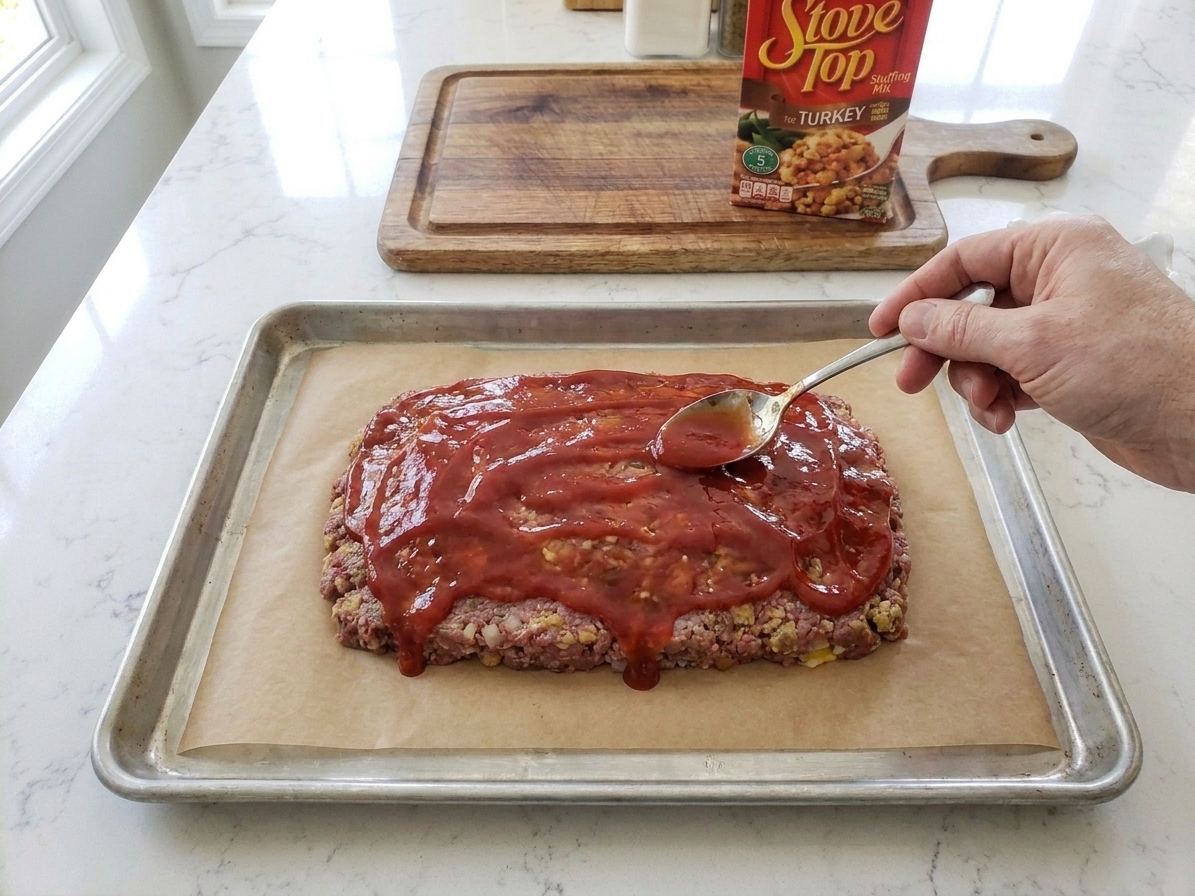
If you use 80% lean beef, you may see a good amount of rendered fat. Baking on a sheet pan lets more of it run off. If it pools, carefully spoon or drain it off around the 45-minute mark, then glaze and finish baking.
Any tips for cleaner slices with the cheesy center?
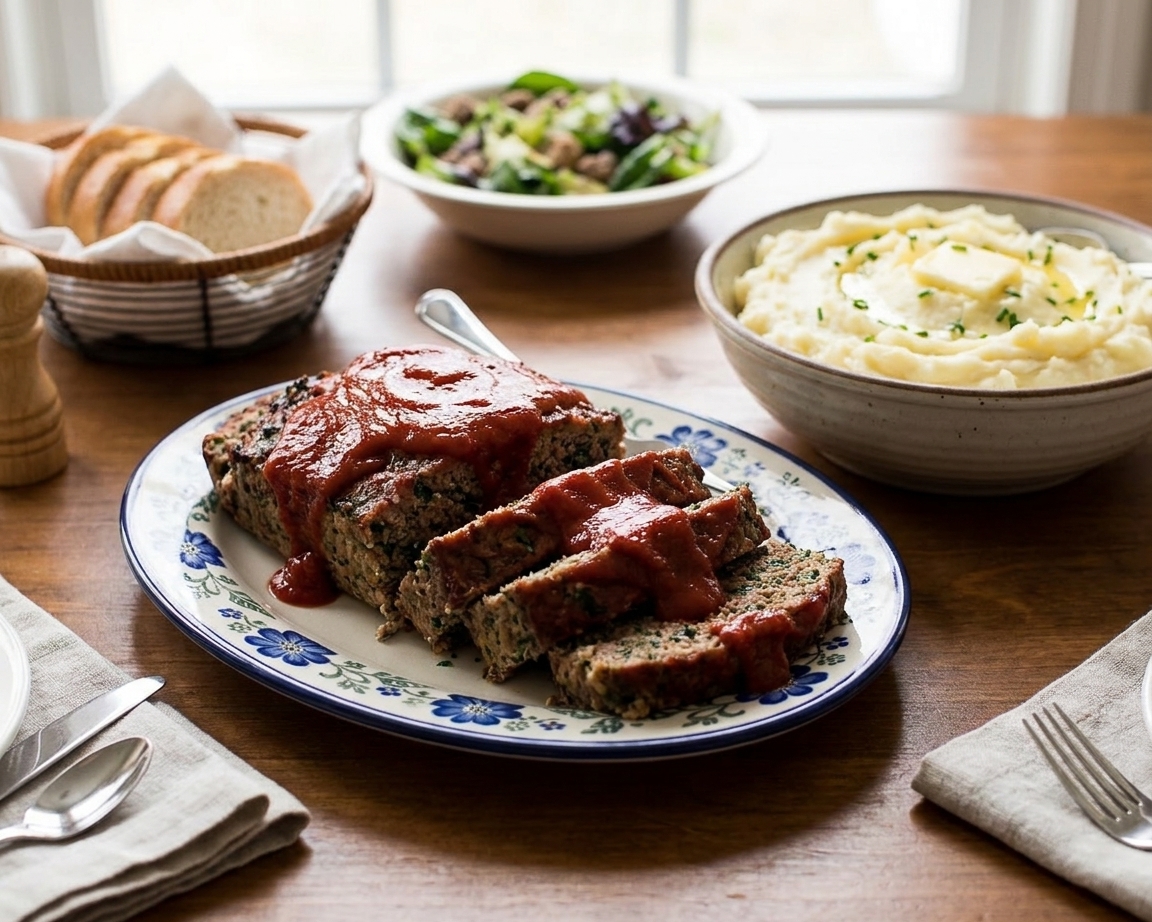
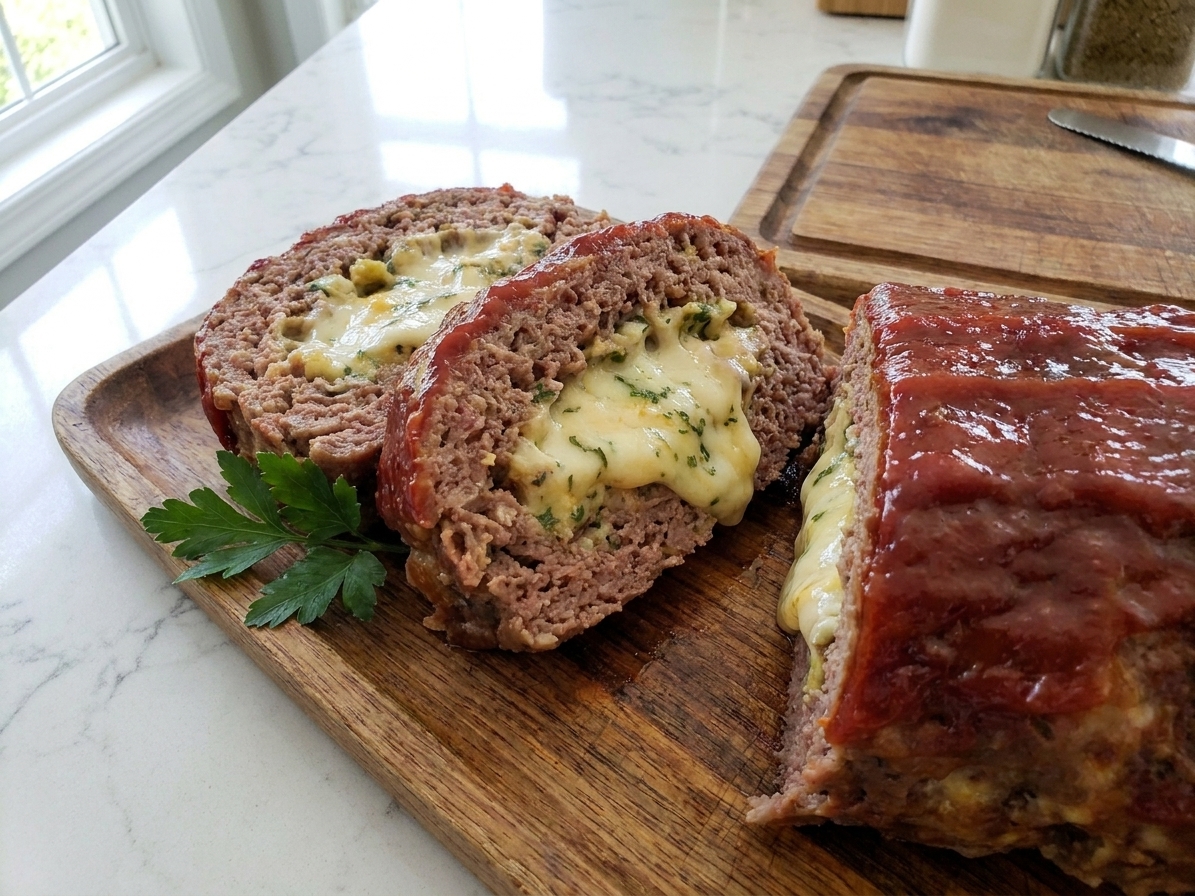
Let it rest, then slice with a sharp knife and wipe the blade between cuts. It keeps the cheese layer neat and the slices prettier.