Mom's Best Recipes
Recipe

Tamago (Japanese Sweet Omelet)

Soft, lightly sweet Japanese rolled omelet with tidy layers and a glossy finish, perfect for breakfast, bento, or sushi nights at home.

Author By Matt Campbell
4.8
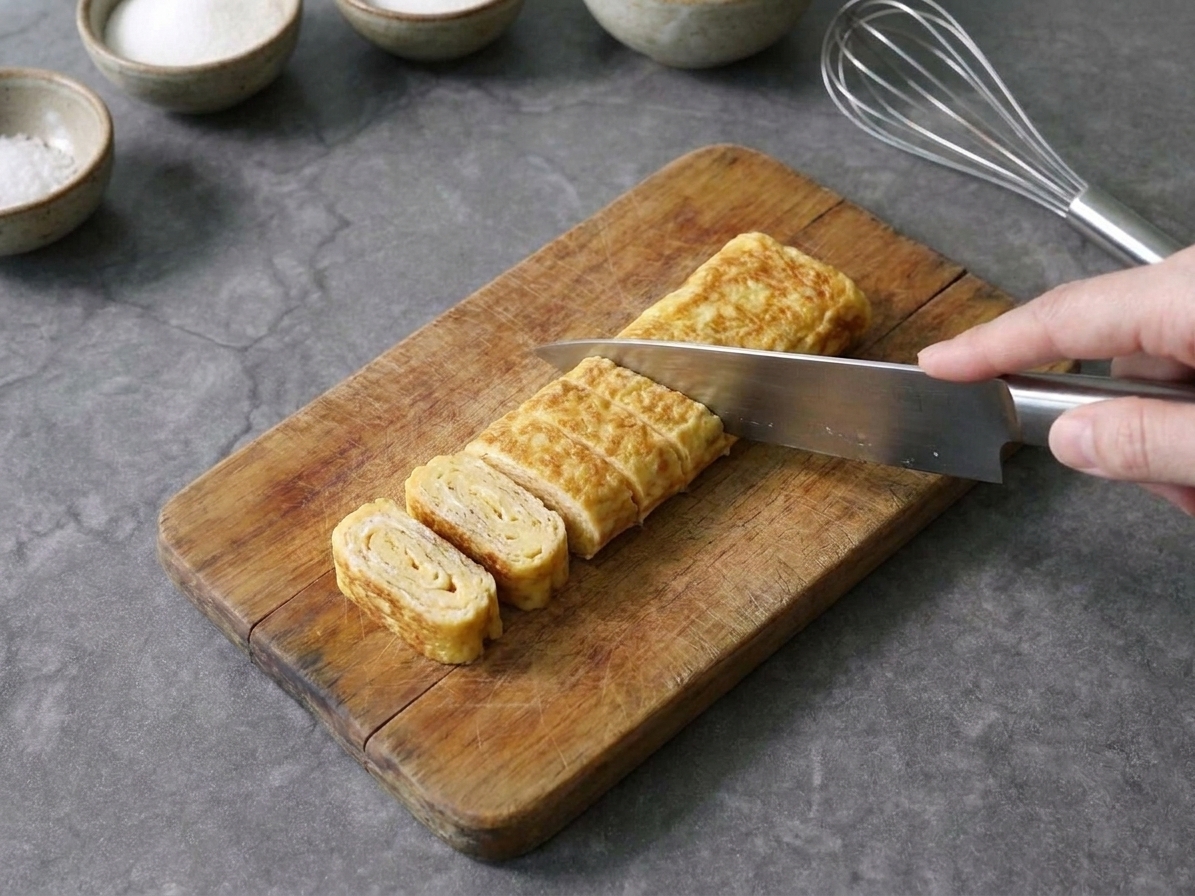
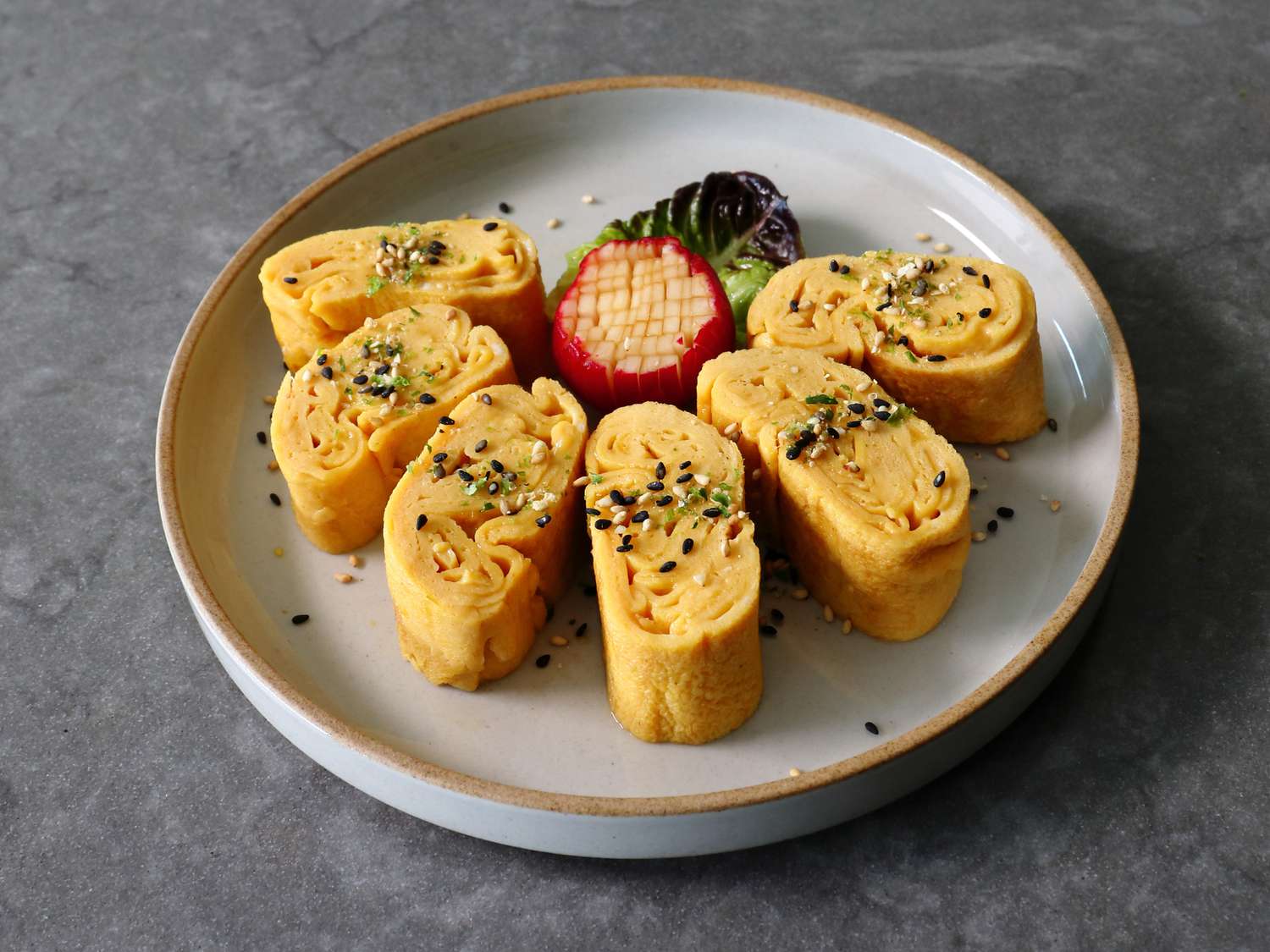
Neatly sliced pieces of tamago (Japanese rolled omelet) arranged on a small ceramic plate on a light kitchen table with chopsticks nearby

Tamago is one of those deceptively simple kitchen flexes. It’s just eggs, a little seasoning, and a pan. But when you slice into that golden roll and see all those tidy layers, it feels like you did something serious before your coffee even kicked in.

This version is the home-cook friendly sweet-savory style you’ll see in Japanese breakfasts, bento boxes, and sushi nights. No specialty ingredients required, no panic flipping, and yes, it’s totally fine if your first roll looks a little lopsided. That’s called character. It still tastes like a warm, cozy bite of umami.

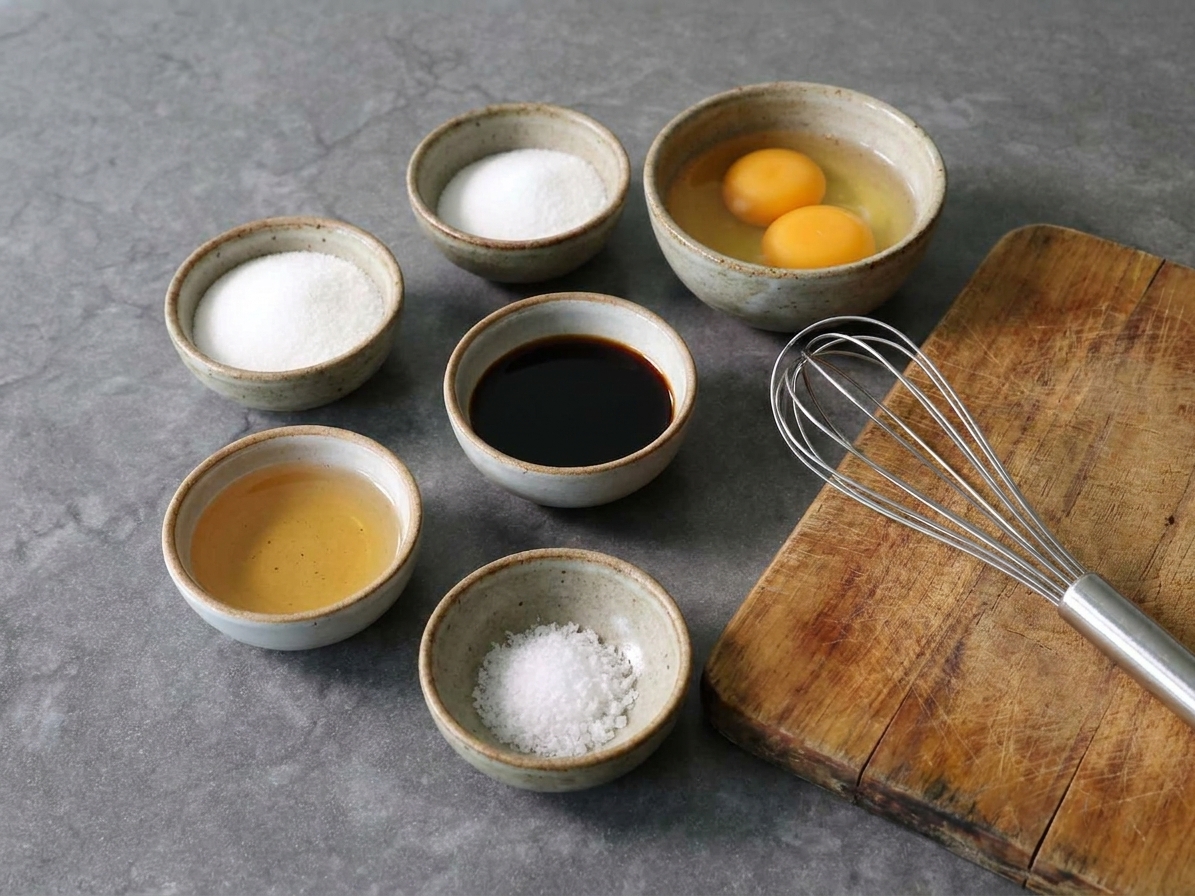
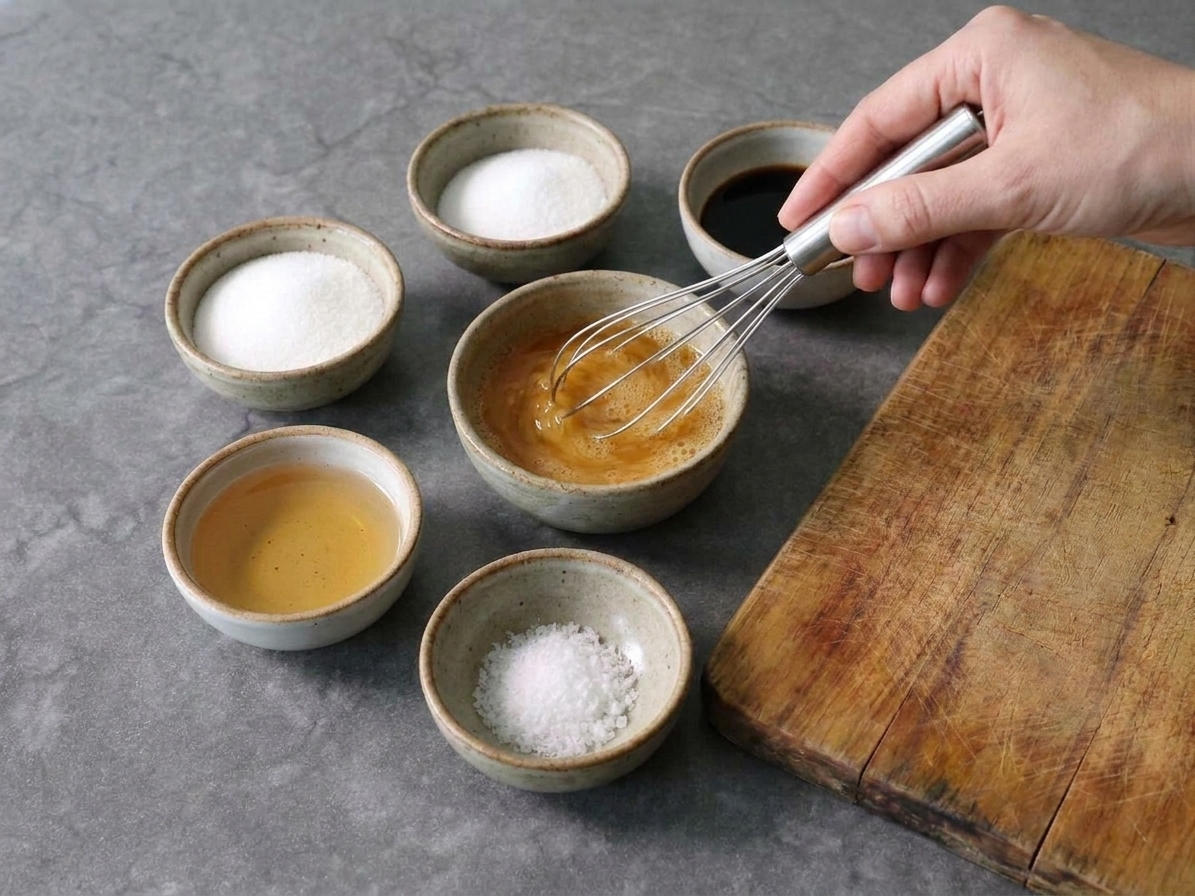
Eggs, sugar, soy sauce, mirin, and salt measured in small bowls on a clean kitchen counter with a whisk and cutting board

Why It Works

  • Gentle sweetness with depth: Sugar plus soy sauce (and mirin, if you’ve got it) gives tamago that classic sweet-savory balance.
  • Tender layers, not rubber: Low heat and thin pours keep the omelet soft and custardy instead of bouncy.
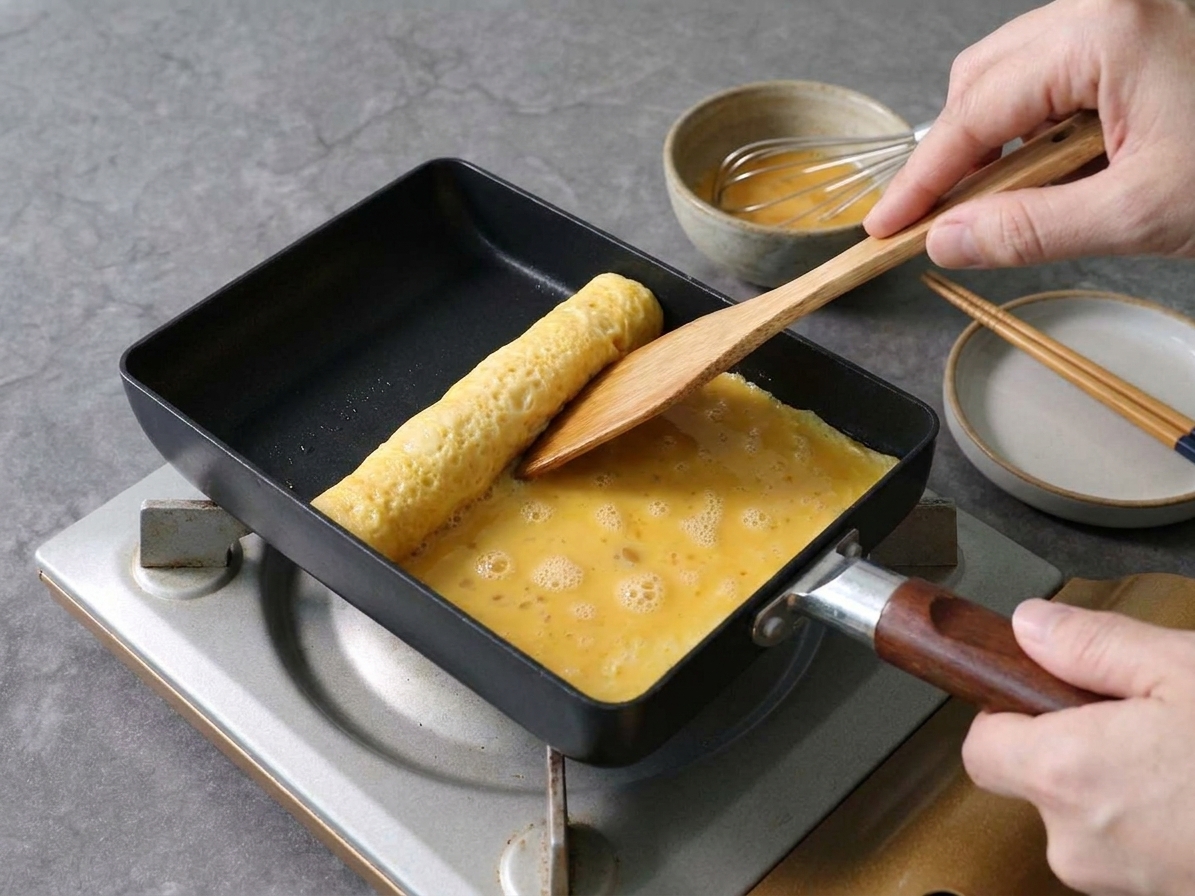
  • Clean roll without stress: Lightly oiling between layers and using a spatula to guide the fold makes the whole process way more forgiving.
  • Versatile serving: Great warm, great at room temp, and honestly great straight from the fridge when you’re raiding leftovers.

Pairs Well With

Storage Tips

Refrigerate: Cool tamago completely, then wrap it tightly in plastic wrap or place it in an airtight container. Refrigerate within 2 hours and store for up to 3 days.

For best texture: Tamago firms up when cold. If you want it tender again, warm slices gently for 10 to 20 seconds in the microwave, or reheat in a covered skillet on low.

Meal prep tip: If you’re making bento, tamago is happiest when it’s cooked the night before, chilled, and sliced in the morning. Cleaner slices, less fuss.

Freezing: Not my favorite. The texture can turn spongy after thawing. If you must, freeze tightly wrapped for up to 1 month and thaw overnight in the fridge.

Common Questions

Is tamago the same thing as tamagoyaki?

Not exactly. In Japanese, tamago (卵) mostly just means “egg.” Tamagoyaki is the specific rolled omelet cooked in layers. On sushi menus, “tamago” is often shorthand for a slice of tamagoyaki (and in some places you’ll also see dashimaki, a dashi-forward style). This recipe is for that classic rolled omelet you can slice for breakfast, bento, or sushi-style servings.

Do I need a tamagoyaki pan?

Nope. A small nonstick skillet works great. A rectangular pan helps you get squarer edges and a more uniform roll, but you can absolutely nail the flavor and texture in a round pan.

Why is my tamago browning?

Heat is the culprit. Keep it on low to medium-low. If your pan is too hot, the egg sets too fast, browns, and cracks when you roll. If you hear strong sizzling, turn it down.

Why does my omelet tear when I roll it?

Usually one of three things: the layer is too thin and overcooked, you’re rolling too late (it dries out), or the pan needs a touch more oil. Roll while the top is still slightly glossy, like it’s just set.

Can I make it less sweet?

Totally. For a classic sweet-salty sushi-style tamago, stick with 2 tablespoons sugar. For a middle ground, use 1 tablespoon. For very lightly sweet breakfast-egg vibes, use 1 to 2 teaspoons. Same technique, different mood.

What can I serve with tamago?

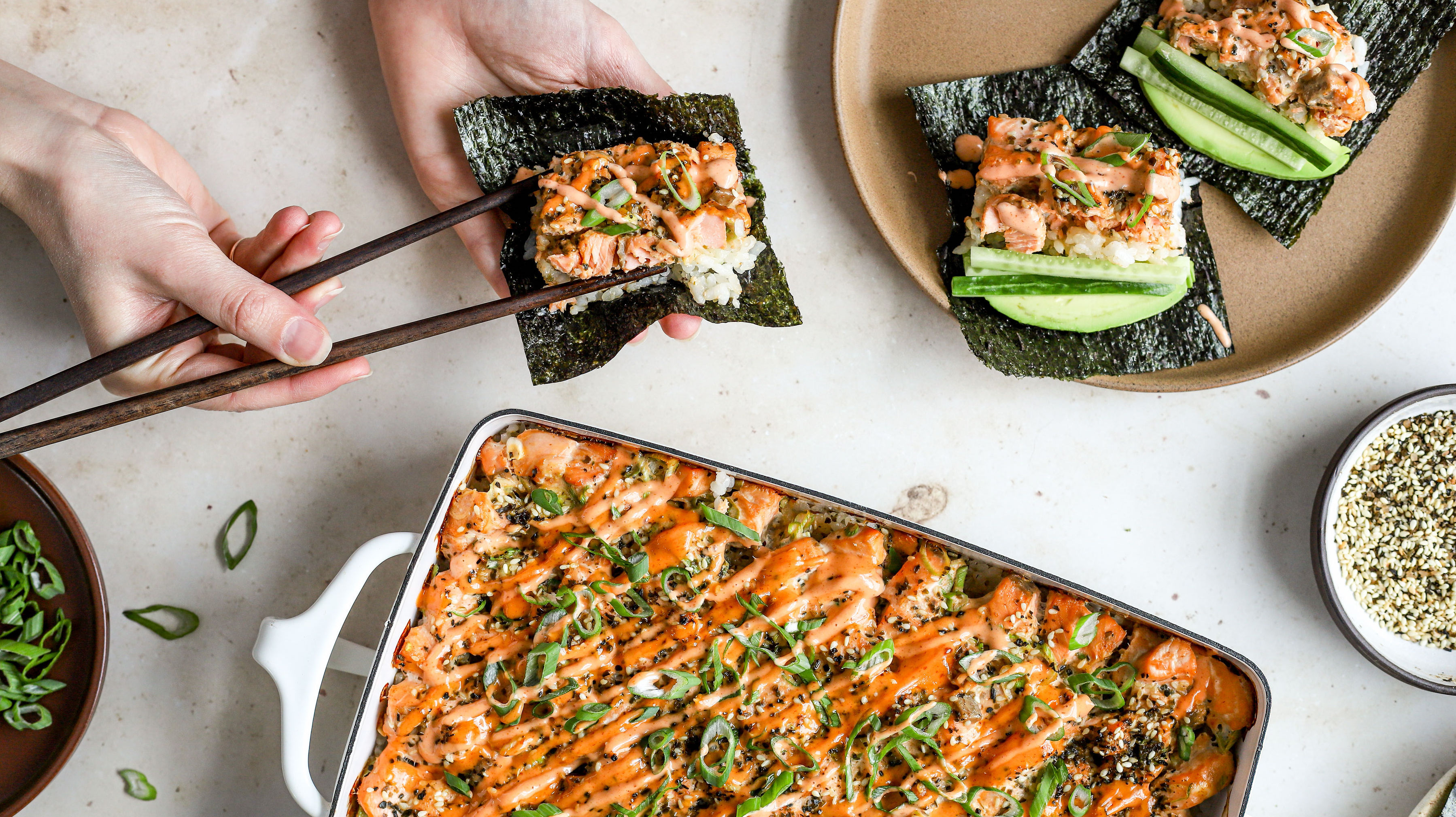
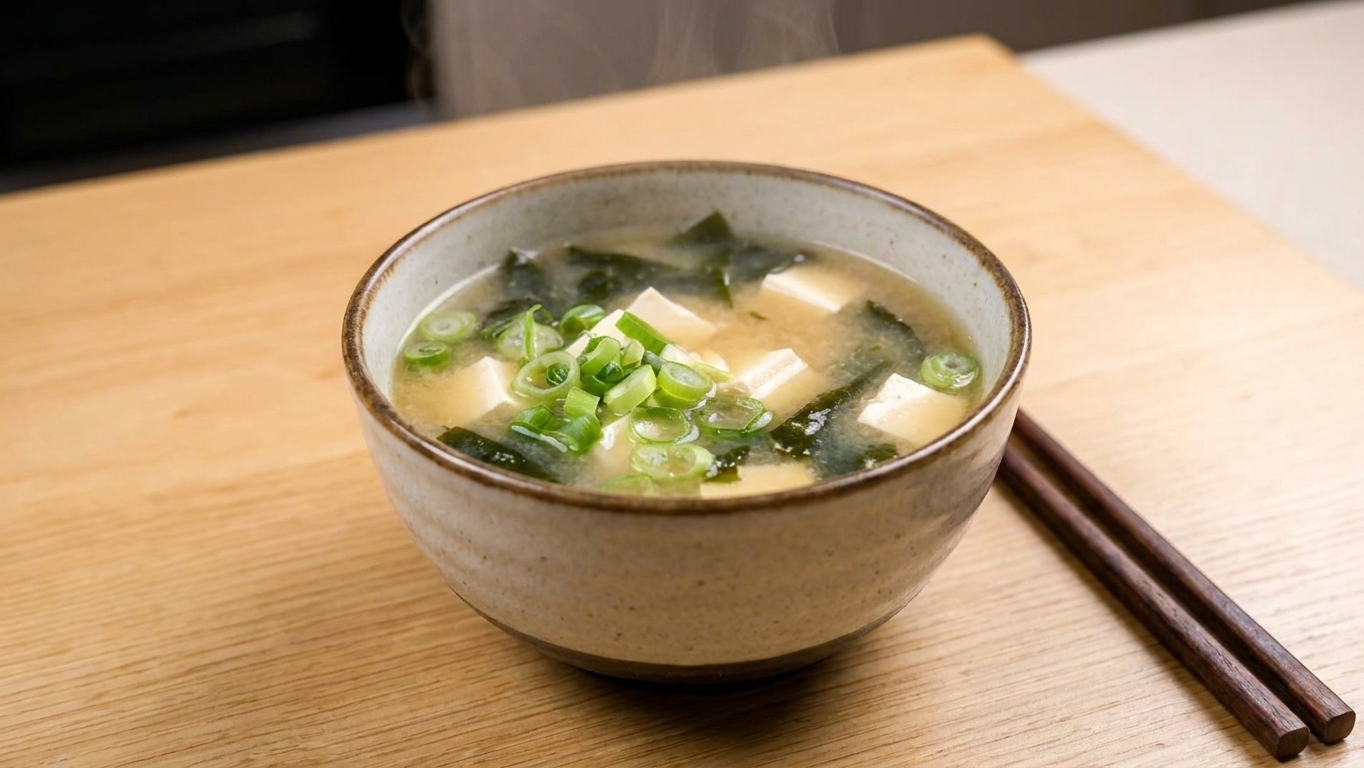
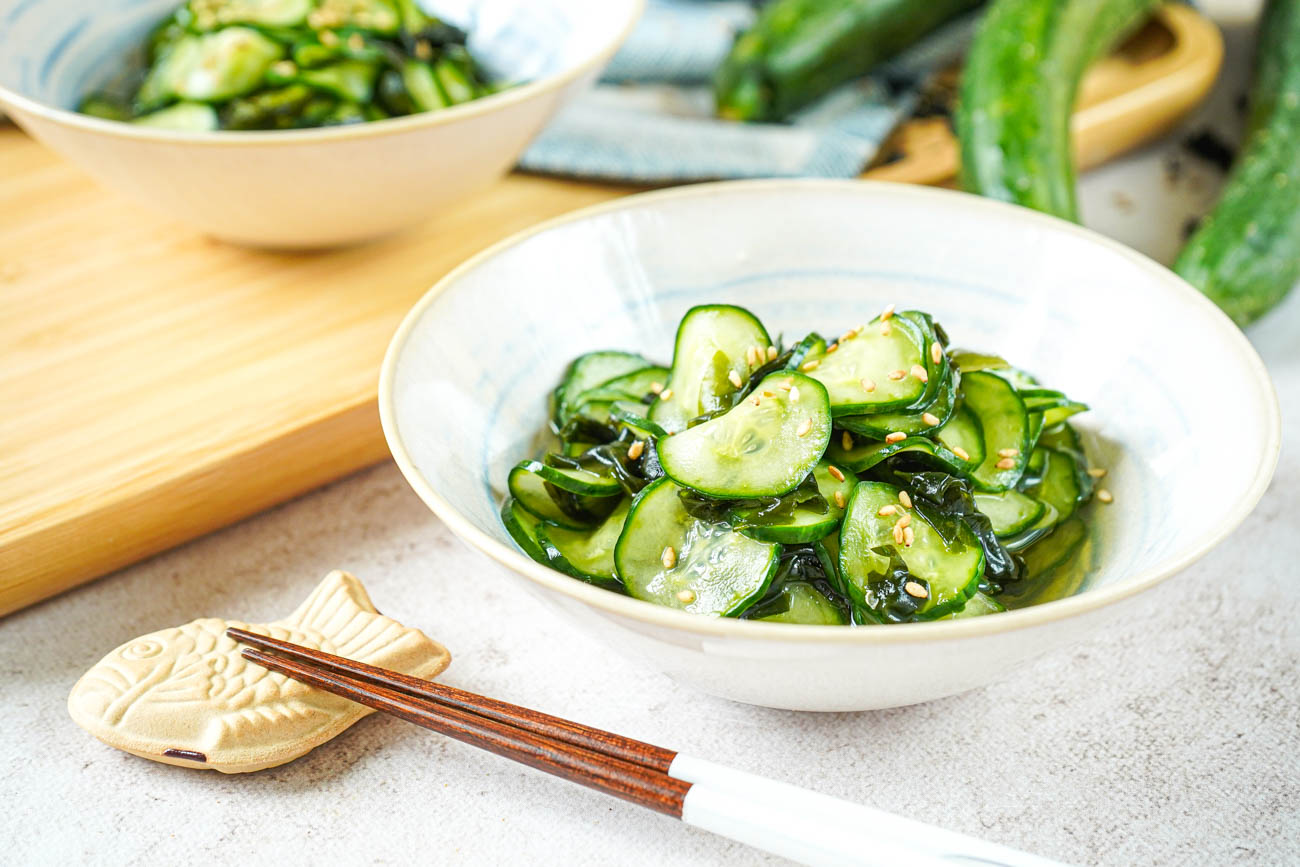
Rice and nori, miso soup, cucumber salad, roasted salmon, or a simple bowl of noodles. Also: on buttered toast with a little mayo is quietly elite.

I love recipes that feel a little magical but don’t ask you to become a different person to pull them off. Tamago is that for me. The first time I tried making it, my roll looked like it lost a small fight. Still tasted amazing. After a few tries, I realized the secret isn’t perfect technique. It’s patience with the heat and permission to redo a fold without spiraling. Now I make it when I want something cozy but not heavy, and when I need a reminder that “messy” and “delicious” are best friends.