Mom's Best Recipes
Recipe

Thai Yellow Curry

Creamy coconut curry with tender chicken, potatoes, and a bright lime finish. Gentle heat, big flavor, and very forgiving.

Author By Matt Campbell
4.8
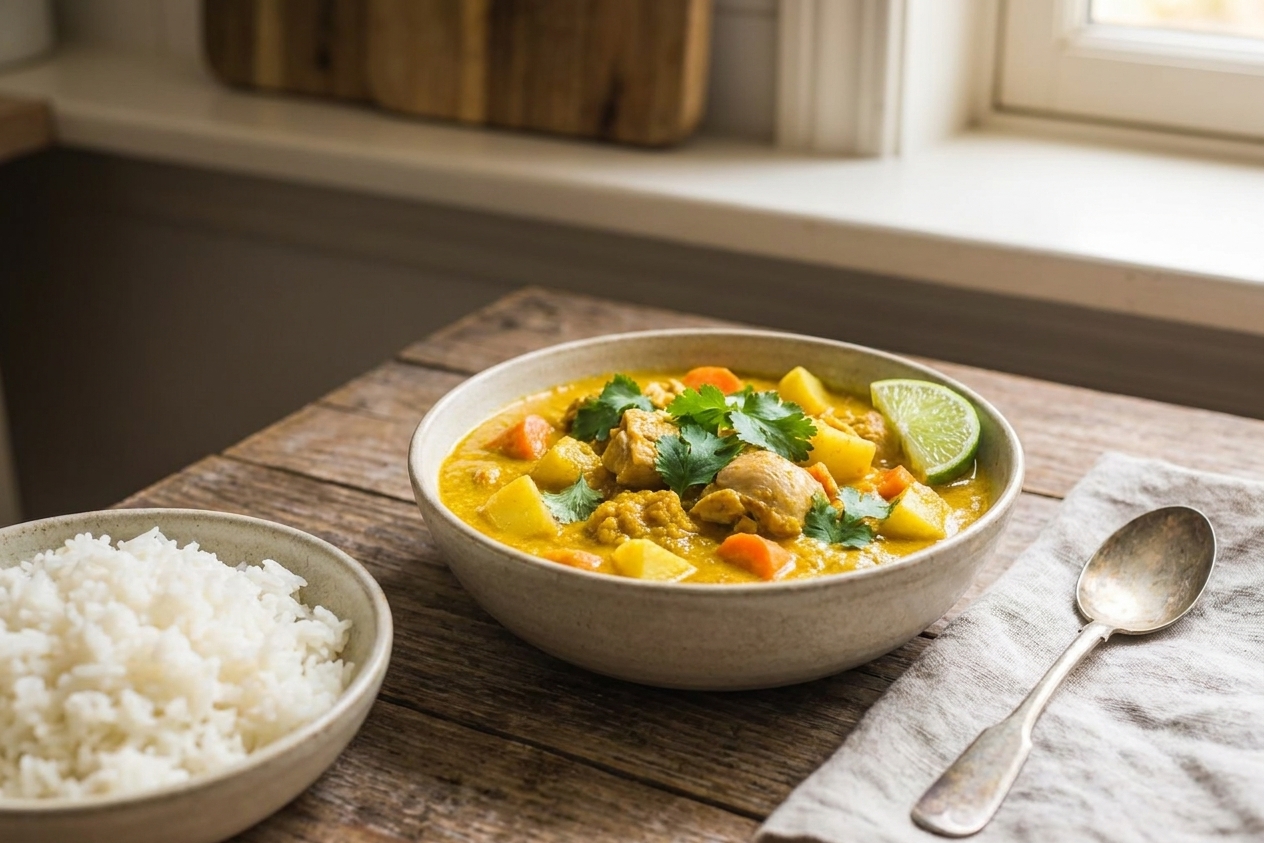
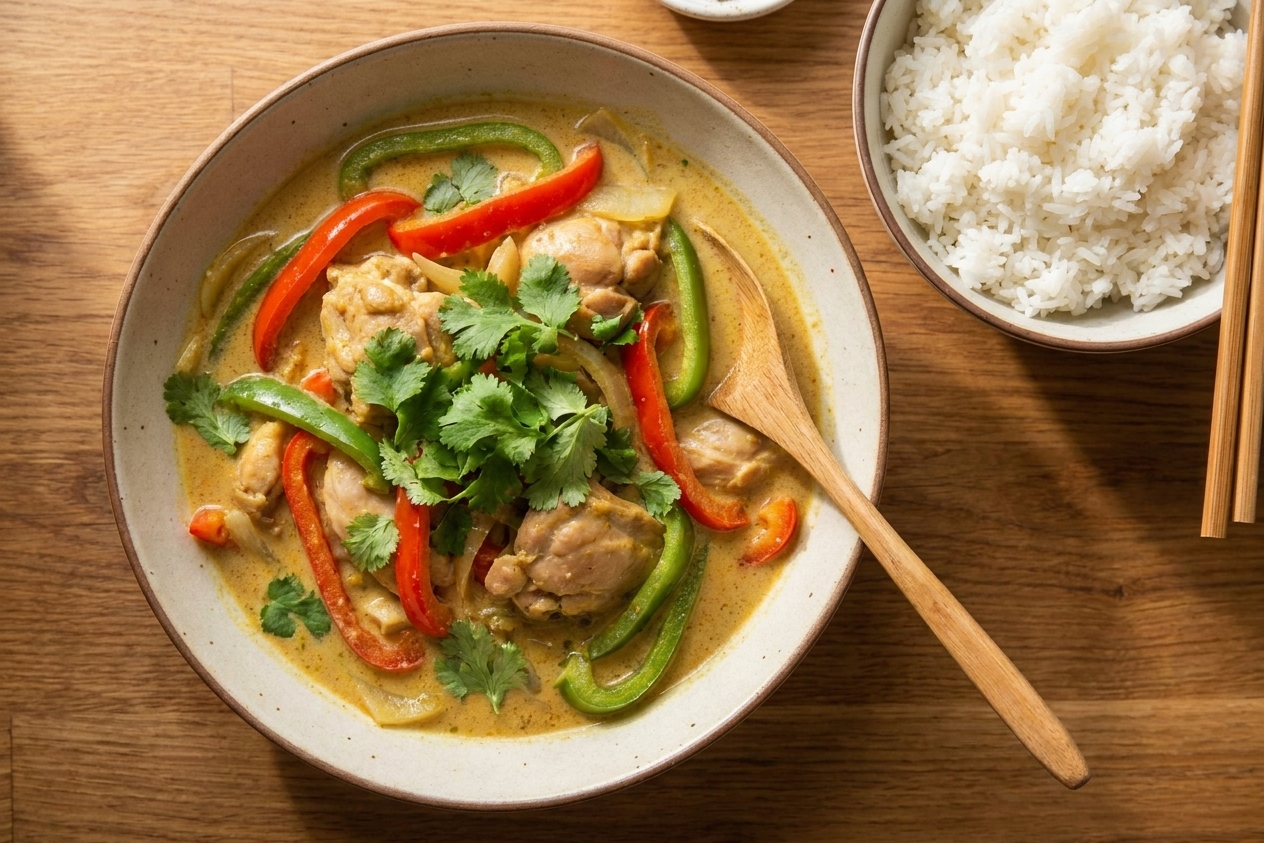
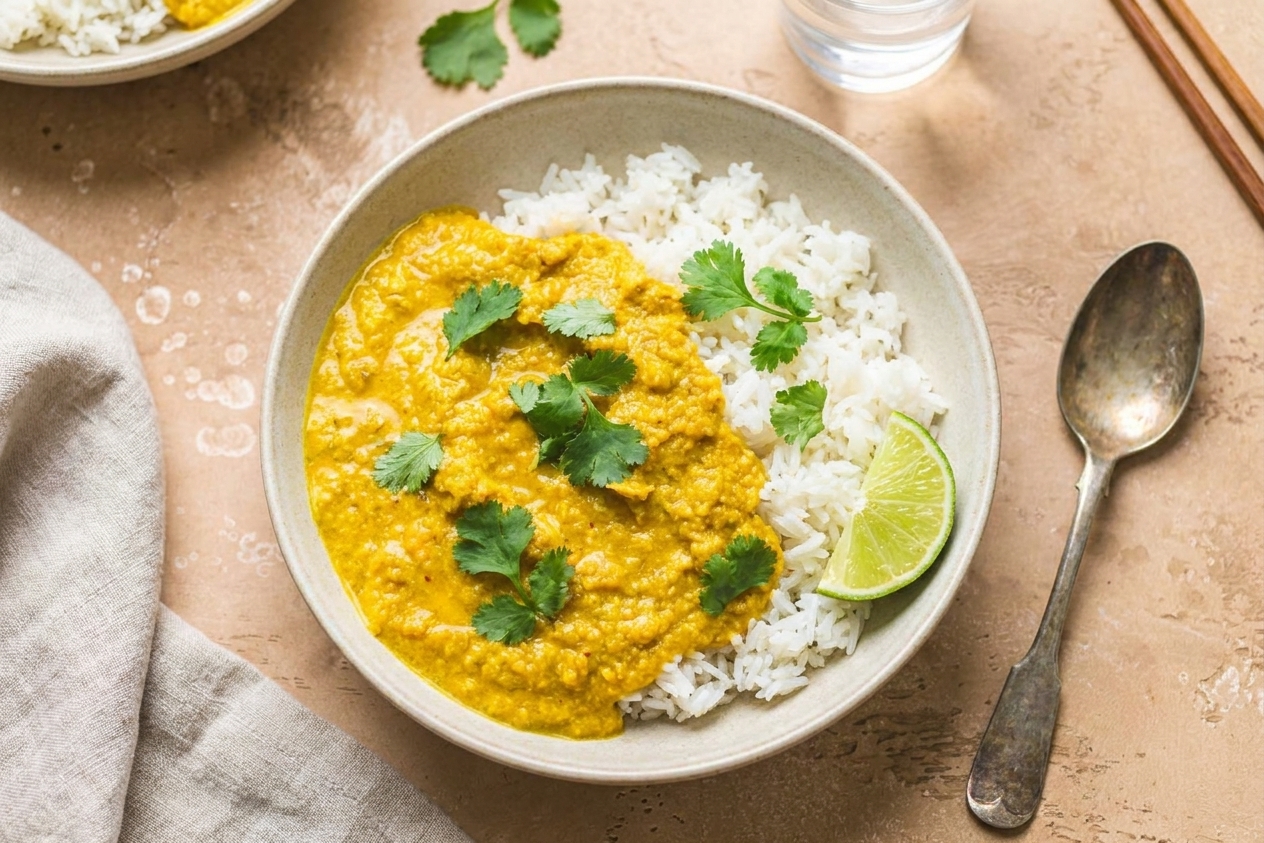
A bowl of Thai yellow curry with chicken, potatoes, and carrots in a creamy golden coconut sauce, garnished with cilantro and served beside jasmine rice on a warm-toned wooden table

Thai yellow curry is my go-to when I want something that feels like a hug but still tastes bright. It is creamy from coconut milk, gently spiced from yellow curry paste, and perfectly built for cozy carbs. Give me a spoon, a bowl of rice, and a quiet five minutes and I am good.

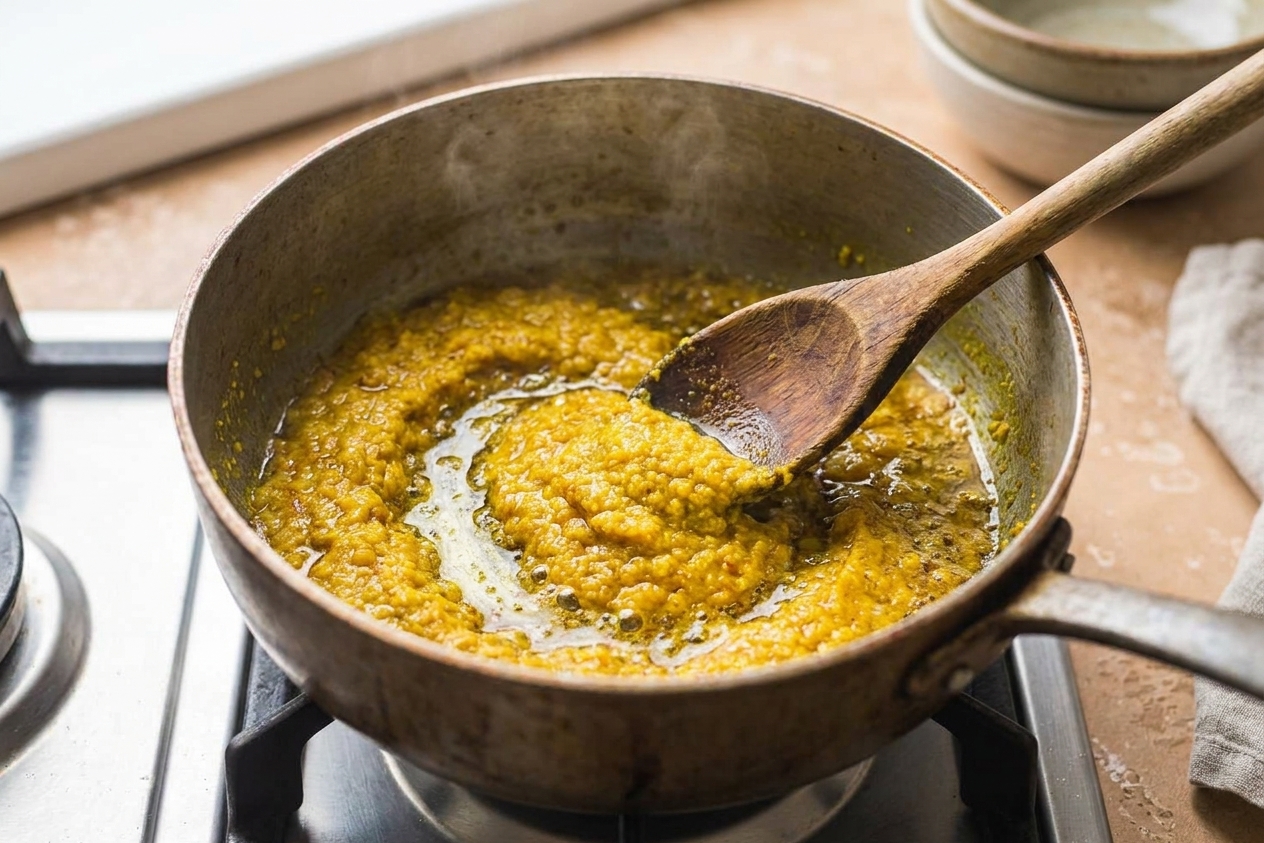
This version keeps ingredients accessible and the steps clear. We bloom the curry paste in oil, whisk in coconut milk until silky, then let potatoes simmer until tender. The end move is non-negotiable: a squeeze of lime to wake everything up.

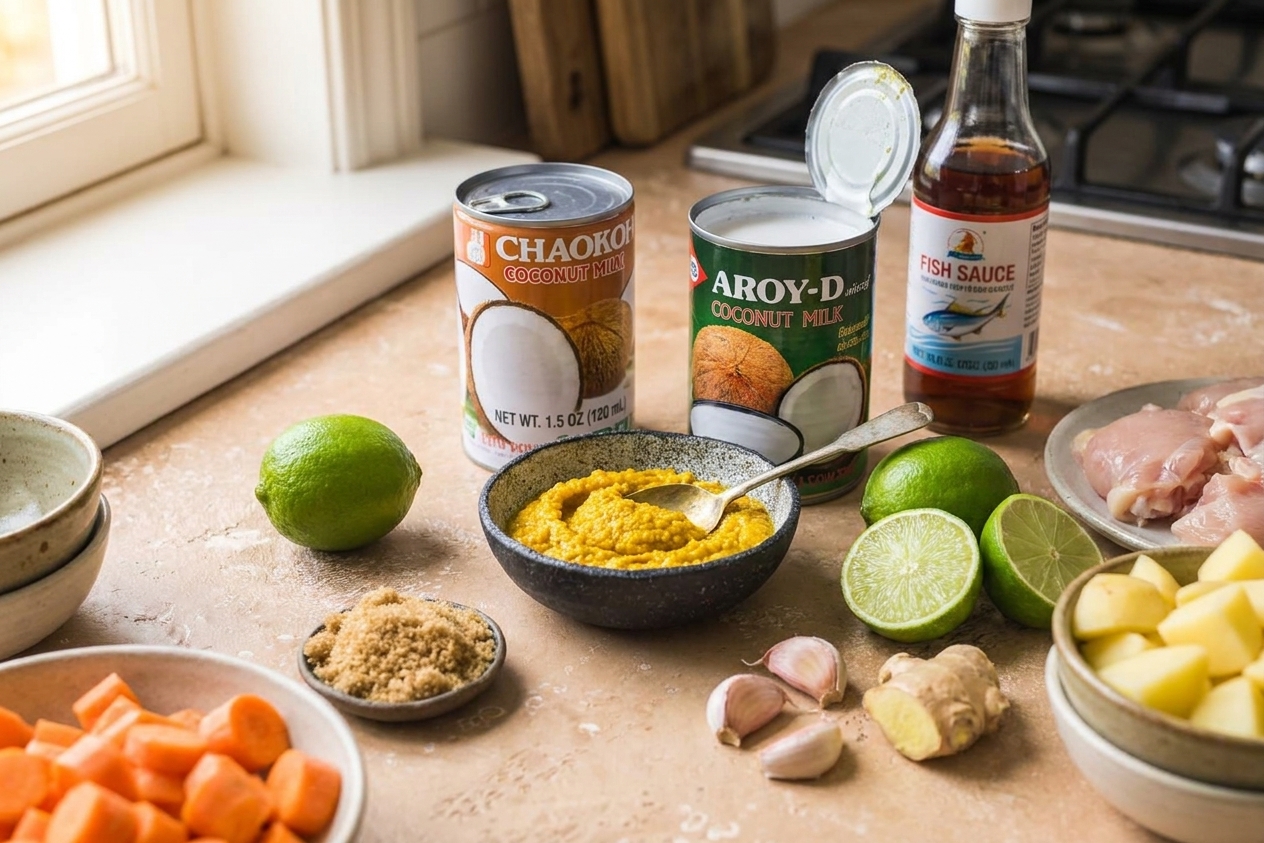
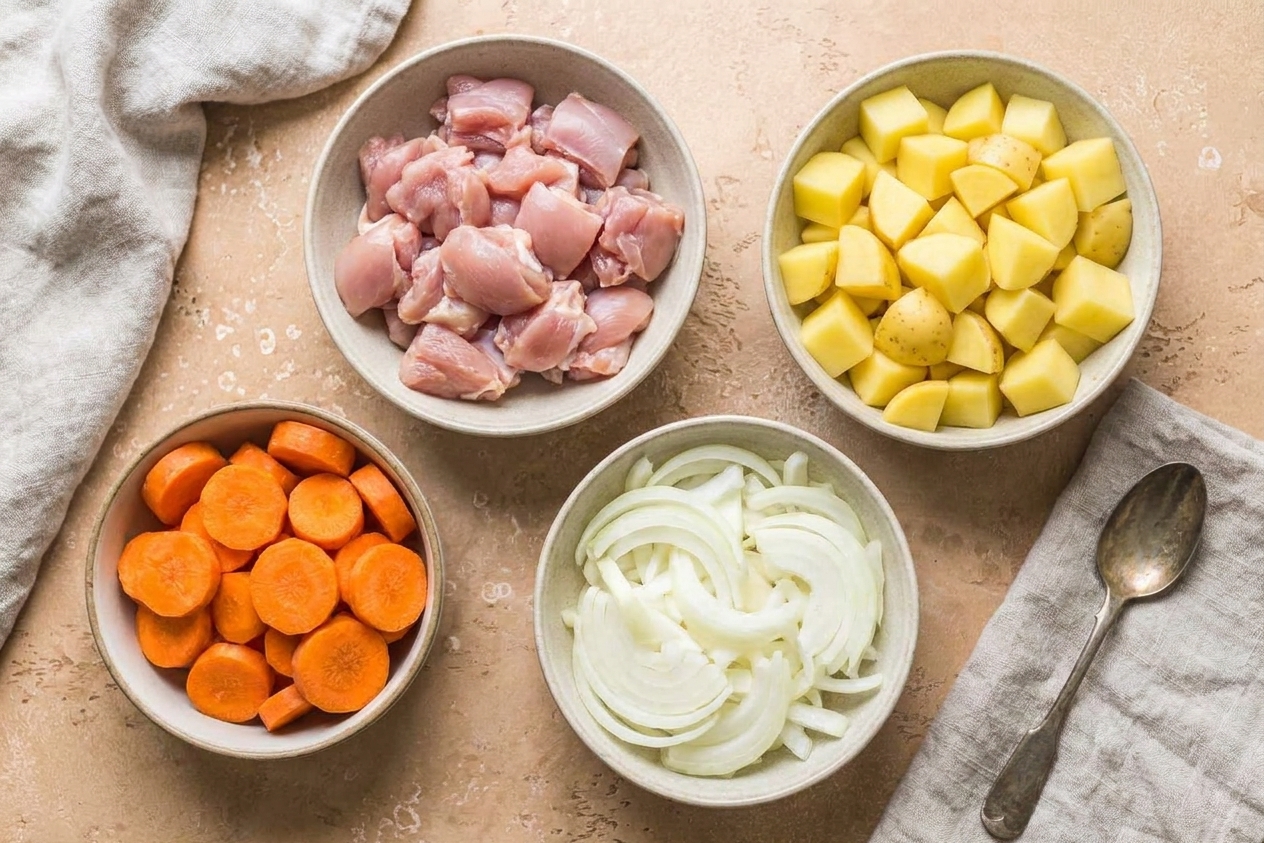
Cans of coconut milk, Thai yellow curry paste, fish sauce, brown sugar, lime, garlic, ginger, chicken, potatoes, and carrots arranged on a kitchen counter with warm natural light

Why It Works

  • Deep flavor fast: frying the curry paste in oil wakes up the spices and makes the sauce taste restaurant-level without extra work.
  • Cozy, spoonable texture: potatoes can help thicken the curry as they simmer, so the sauce clings to rice instead of sliding off.
  • Balanced, not flat: coconut milk brings richness, fish sauce brings savory depth, and lime brings that clean pop that keeps you coming back.
  • Flexible protein: chicken, shrimp, or tofu all work. The timing changes, not the method.
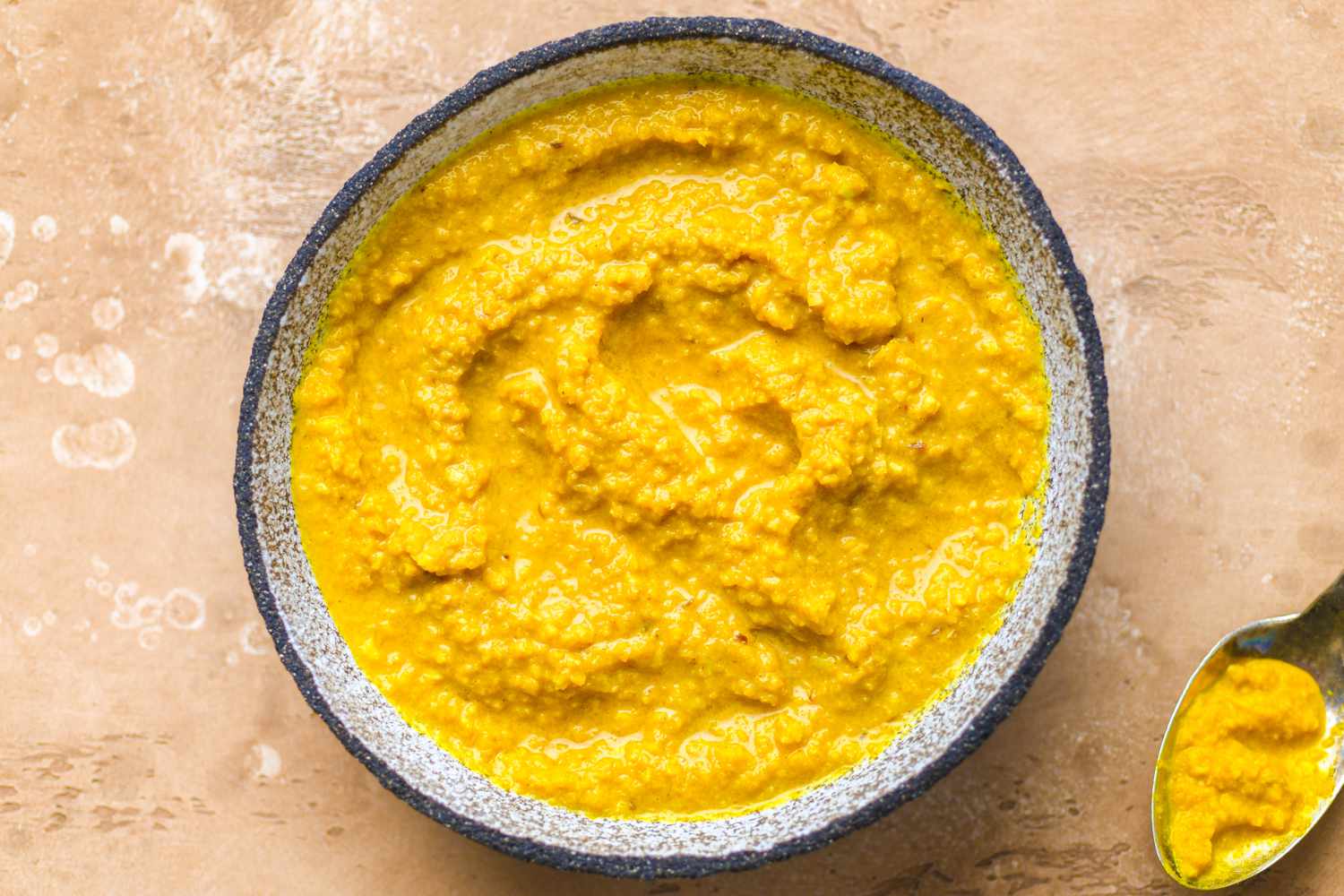
Yellow curry paste sizzling in a pot with a wooden spoon, the paste darkening slightly as it blooms in oil on a stovetop

Pairs Well With

Storage Tips

Fridge: Cool the curry, then store airtight for 3 to 4 days. The sauce thickens as it sits. Add a splash of water or broth when reheating.

Freezer: Freeze the curry (without rice, if possible) for up to 2 months in a freezer-safe container. Potatoes can soften a bit after freezing, but the flavor holds up great. Thaw overnight in the fridge.

Rice note: For best texture and easier reheating, store rice separately from the curry.

Reheat: Warm gently on the stovetop over medium-low, stirring often. If it looks separated, keep stirring and add a tablespoon or two of water. It comes back together.

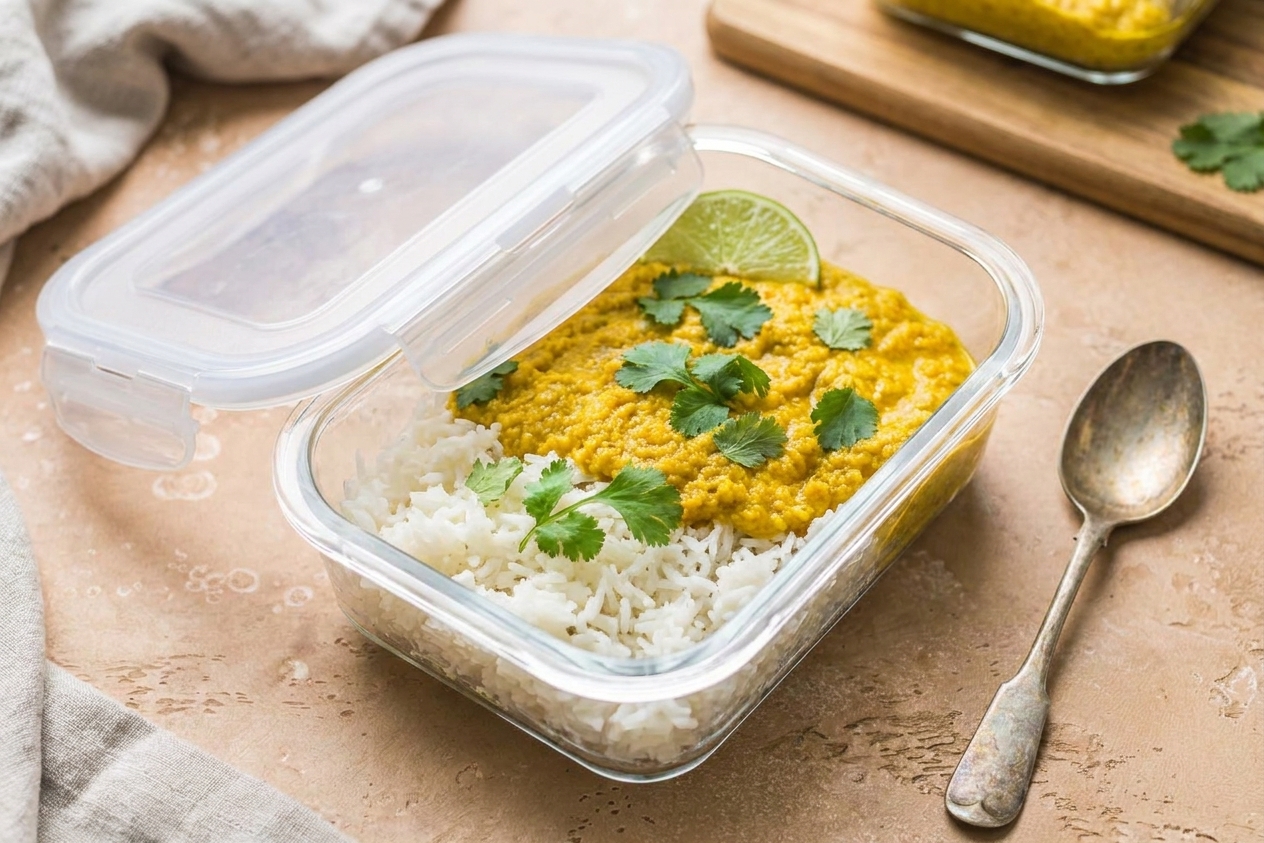
A glass meal prep container filled with leftover Thai yellow curry and rice, covered with a lid on a kitchen counter

Common Questions

Is Thai yellow curry spicy?

It is often the mildest of the common Thai curries, but heat really depends on the brand and how much paste you use. Start with less paste if you are sensitive, then add more near the end until it tastes right to you.

What is yellow curry paste made of?

Brands vary, but it typically includes dried chiles, lemongrass, garlic, shallot, galangal or ginger, turmeric, coriander, cumin, and shrimp paste. That turmeric is what gives the curry its sunny color. If you need it vegetarian, check the label since many pastes contain shrimp paste.

Can I make it without fish sauce?

Yes. Swap in soy sauce or tamari to taste, and consider a small squeeze of lime at the end to keep the seasoning lively. If you have it, a tiny bit of miso can add extra savoriness.

Why did my coconut curry sauce split?

High heat can cause separation, especially with some coconut milk brands. Keep the curry at a gentle simmer, not a rolling boil. If it splits, turn the heat down and whisk in a splash of water or broth until it smooths out.

Can I use tofu instead of chicken?

Absolutely. Use extra-firm tofu. Pat it dry, cube it, and either pan-sear it first for crisp edges or simmer it gently in the sauce for a softer texture.

Can I use shrimp?

Yes. Add peeled shrimp in the last 3 to 5 minutes of cooking, just until pink and opaque. Overcooked shrimp gets rubbery fast, so keep an eye on it.

What if my curry is too thin or too thick?

If it is too thin, simmer uncovered a few extra minutes so it reduces. If it is too thick, loosen it with a splash of broth or water until it is saucy again.
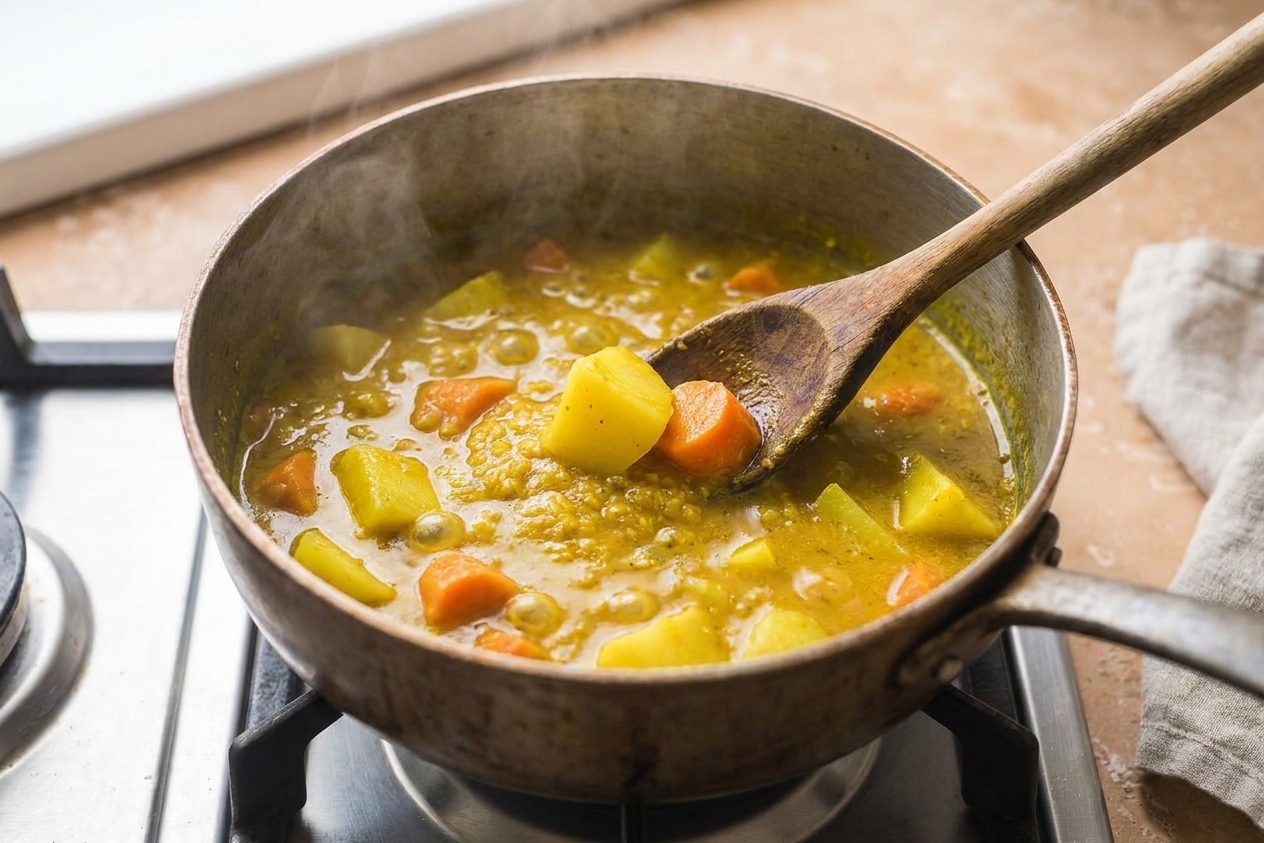

A pot of Thai yellow curry gently simmering with potatoes and carrots visible in the golden coconut broth on a stovetop

I did not grow up eating Thai curry, but once I learned how forgiving it is, it became a weeknight staple. Yellow curry is the one I make when I want comfort and clarity at the same time. Potatoes simmering in coconut milk feels like cozy chaos in the best way, and then that lime at the end makes it taste like you actually planned the whole thing.