Mom's Best Recipes
Recipe

The Baking Soda Trick for Fluffier Pancakes

A tiny pinch of chemistry that turns basic batter into tall, tender pancakes with golden edges, using ingredients you can find anywhere.

Author By Matt Campbell
4.8
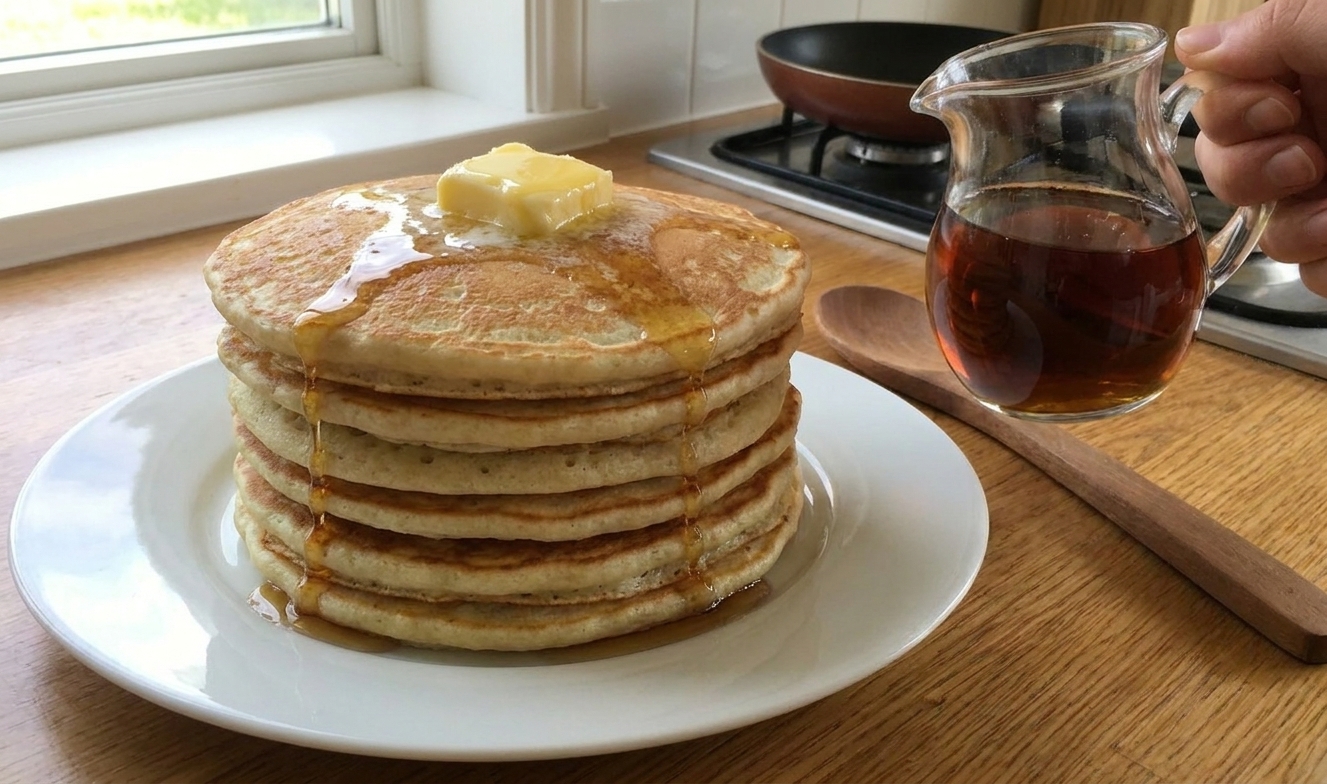
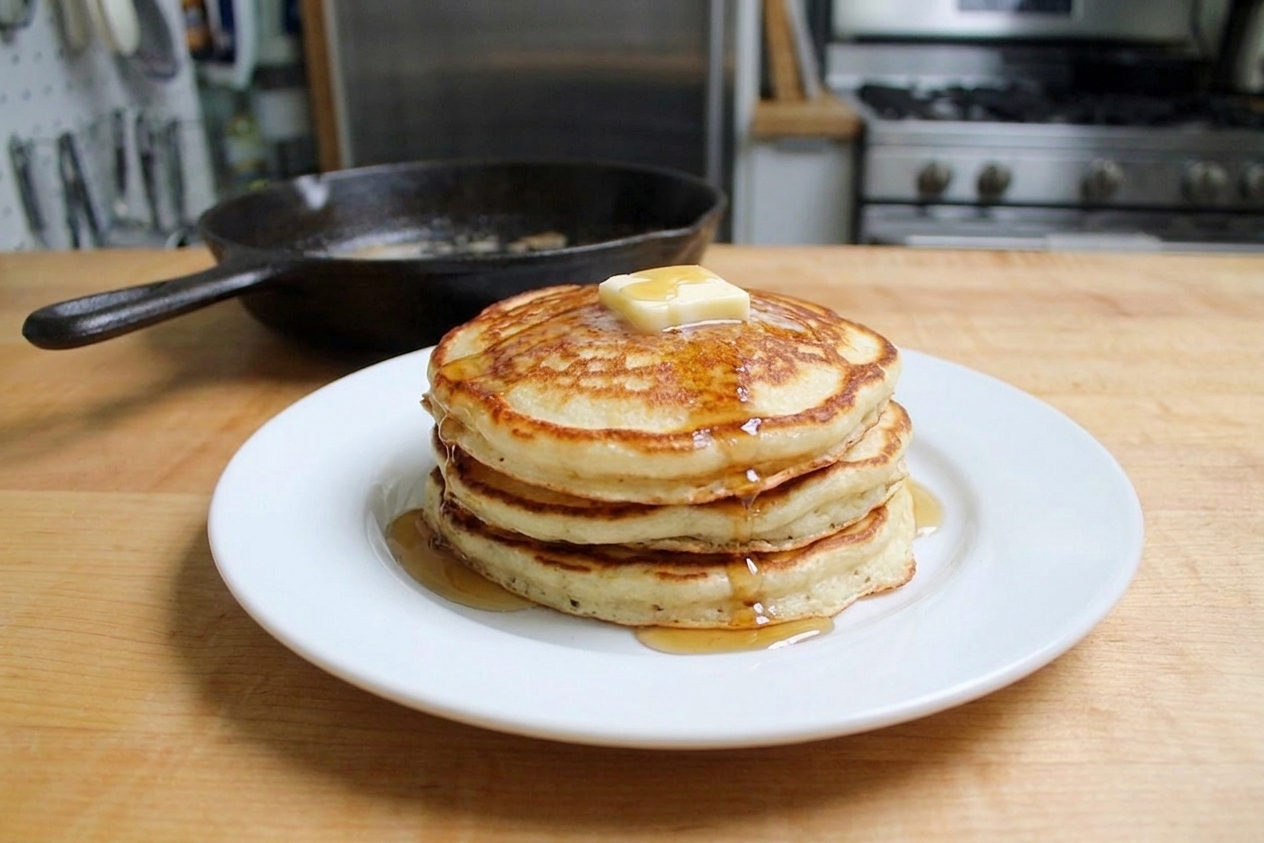
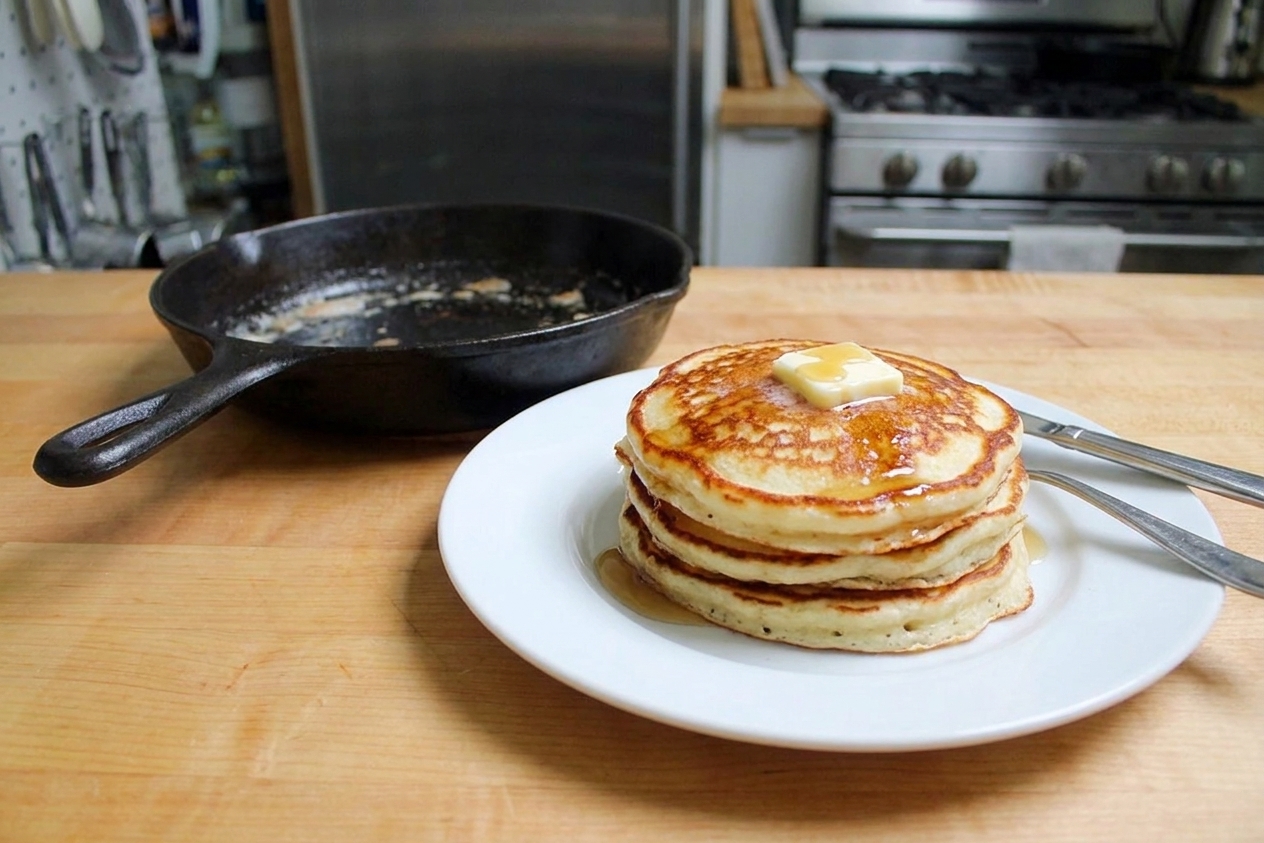
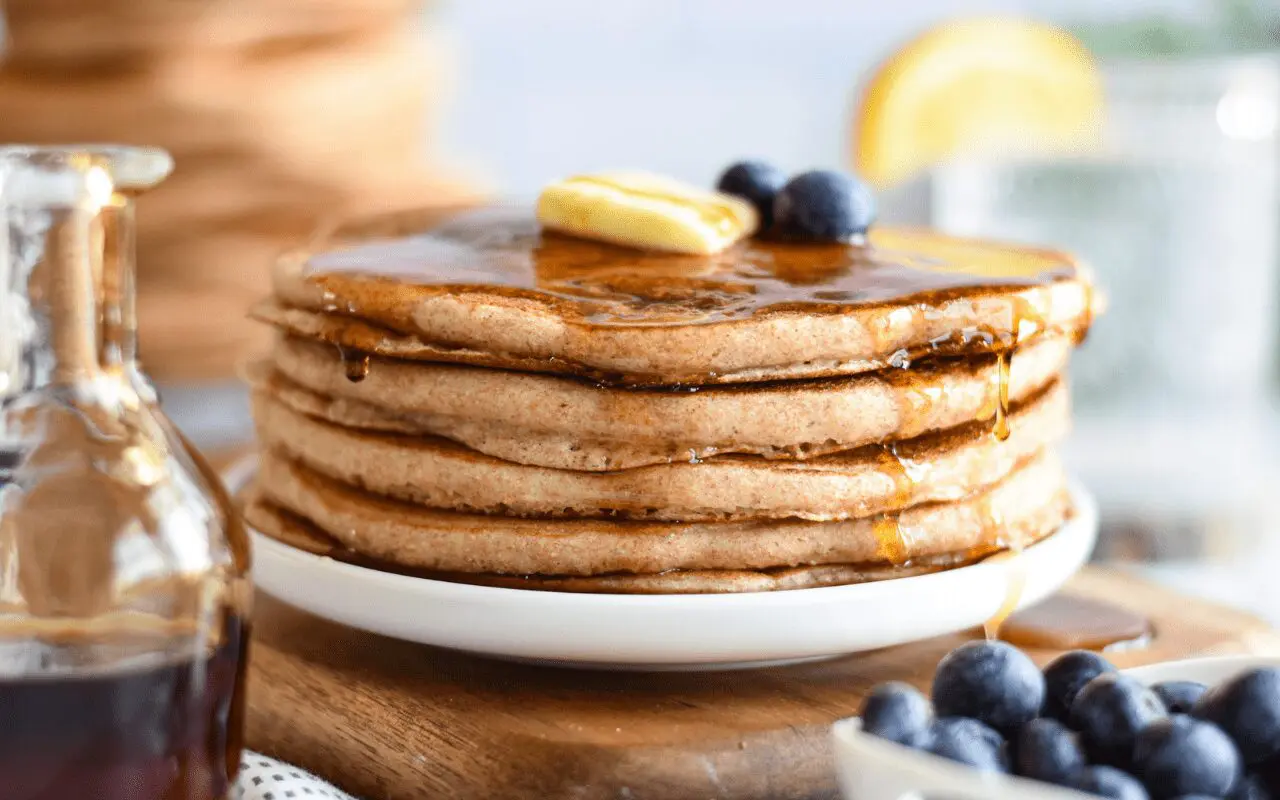
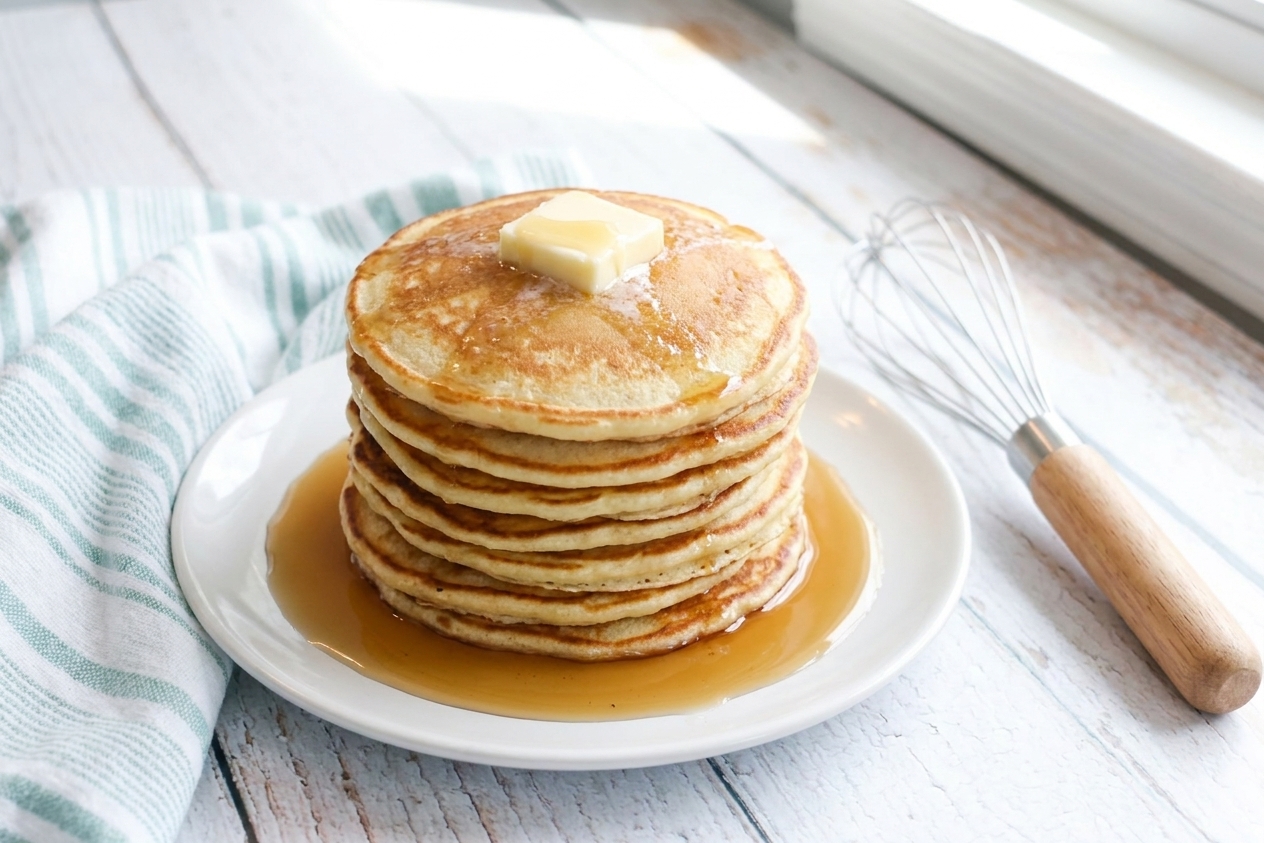
A stack of fluffy buttermilk pancakes with golden crisp edges on a plate beside a cast iron skillet on a warm kitchen counter

There are kitchen “tricks” that feel like magic and then there are the ones that are just… the right ingredient at the right moment. The baking soda trick for pancakes is the second kind, and it is wildly reliable when you understand one thing: baking soda works best with an acid.

When baking soda hits something acidic like buttermilk, yogurt, sour cream, or even lemony milk, it makes carbon dioxide bubbles. Those bubbles are what give you pancakes that stand a little taller, feel a little lighter, and still get those crispy edges we all fight for at the skillet.

Below is my go-to fluffy buttermilk pancake recipe plus the quick “why it works,” the exact amounts, and how to avoid the two classic baking soda problems: flat pancakes and that weird soapy bitterness.
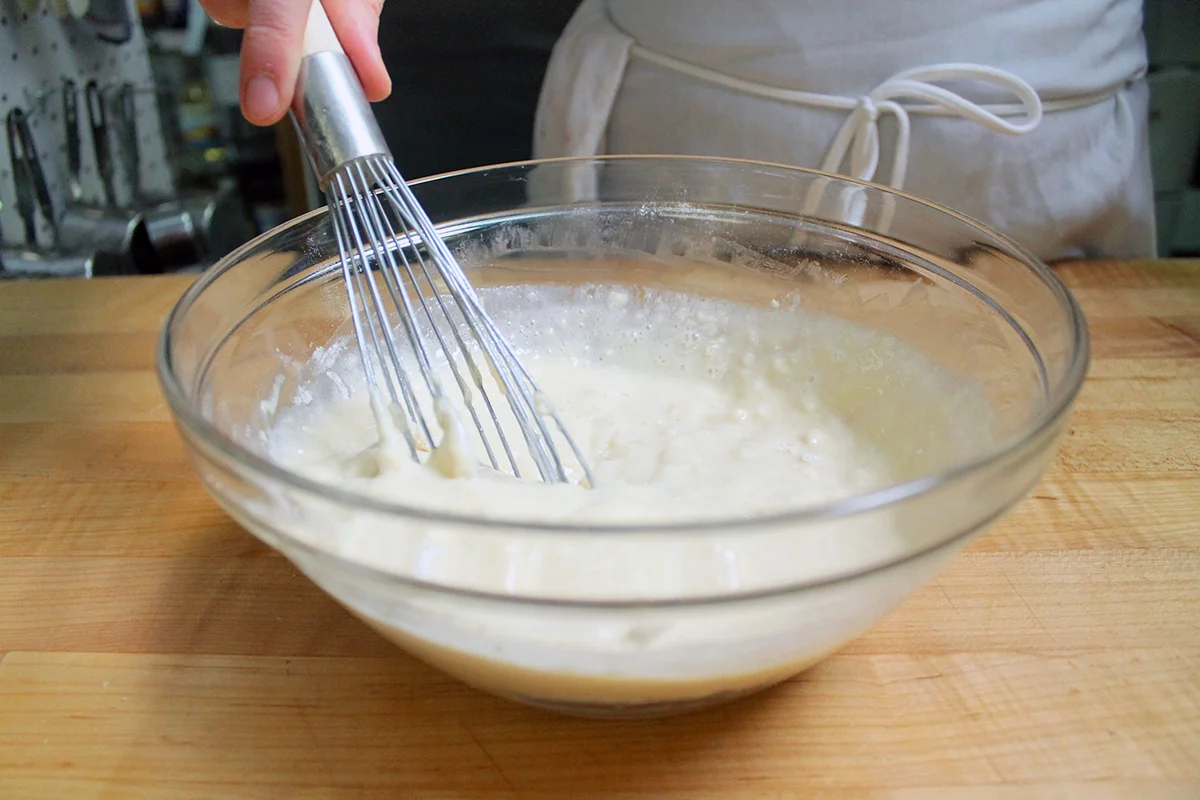
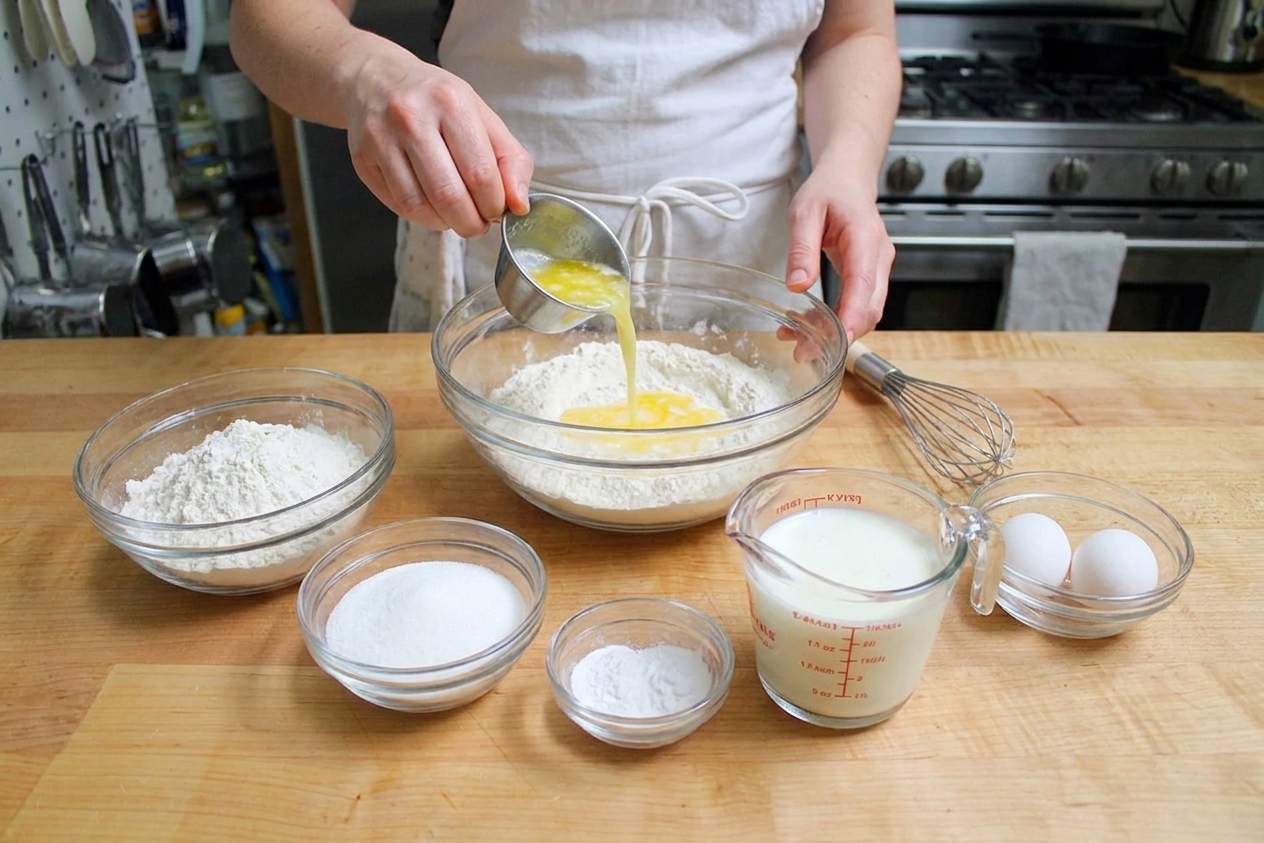
A glass mixing bowl of pancake batter being stirred on a clean kitchen counter with flour, sugar, and baking soda nearby

Why It Works

The trick: Pair baking soda with a true acidic ingredient, and cook soon after mixing.

  • Fast lift: Baking soda reacts quickly with acid, creating bubbles that puff the pancakes up.
  • Better browning: A touch of baking soda can reduce excess acidity in tangy batters, which helps pancakes brown more deeply and taste toastier.
  • Tender texture: The right amount softens the crumb so pancakes stay fluffy, not bready.

Rule of thumb: For pancakes, about 1/4 to 1/2 teaspoon baking soda per 1 cup of acidic dairy is a solid starting range. Where you land depends on how tangy you want the pancakes and whether you are also using baking powder.

Why this recipe uses less soda than the upper end: We use 2 cups buttermilk but only 1/2 teaspoon baking soda because (1) we want to keep that signature buttermilk tang, and (2) the baking powder handles extra lift. It is a controlled bubble situation, not a full acid neutralization project.

Pairs Well With

Storage Tips

Fridge: Cool pancakes completely, then store in an airtight container for up to 4 days.

Freezer: Freeze in a single layer on a sheet pan until firm, then transfer to a freezer bag with parchment between layers. Best within 2 months.

Reheat:

  • Toaster: My favorite for crisp edges. Toast on a low to medium setting.
  • Oven: 350°F for 6 to 10 minutes on a sheet pan.
  • Microwave: 15 to 30 seconds for soft pancakes, not crispy ones.

Common Questions

Do I need baking soda if I already use baking powder?

Not always. Baking powder already contains acid plus baking soda, so it can lift batter on its own. But if your recipe includes buttermilk or yogurt, a little baking soda helps tame some of that acidity and often gives you a fluffier rise and better browning.

Why do my pancakes taste bitter or “soapy”?

That is almost always too much baking soda or not enough acid to balance it. Measure carefully and make sure you have a real acidic ingredient (buttermilk, yogurt, sour cream). Regular milk alone will not reliably react enough.

Can I make my own buttermilk with milk and vinegar?

Yes. Stir 1 tablespoon white vinegar or lemon juice into 1 cup milk and let it sit for 5 minutes. It will not be identical to buttermilk, and it can make batter a little thinner, so if your batter looks runny, whisk in 1 to 2 tablespoons flour before cooking.

Should pancake batter rest?

A short rest is great for hydration. With baking soda in the mix, keep it short: 5 to 10 minutes. Then cook soon after mixing so you do not lose all those bubbles.

Can I use baking soda for waffles too?

Absolutely. Waffles love baking soda because it can help with browning and crispness, especially when you are working with tangy batters. Same rule: make sure there is an acid present.

Can I make these dairy-free?

Yes. Use an unsweetened plant milk plus lemon juice (DIY “buttermilk”), or a dairy-free yogurt thinned with a splash of plant milk. You still want an acid in the mix so the baking soda has something to react with.

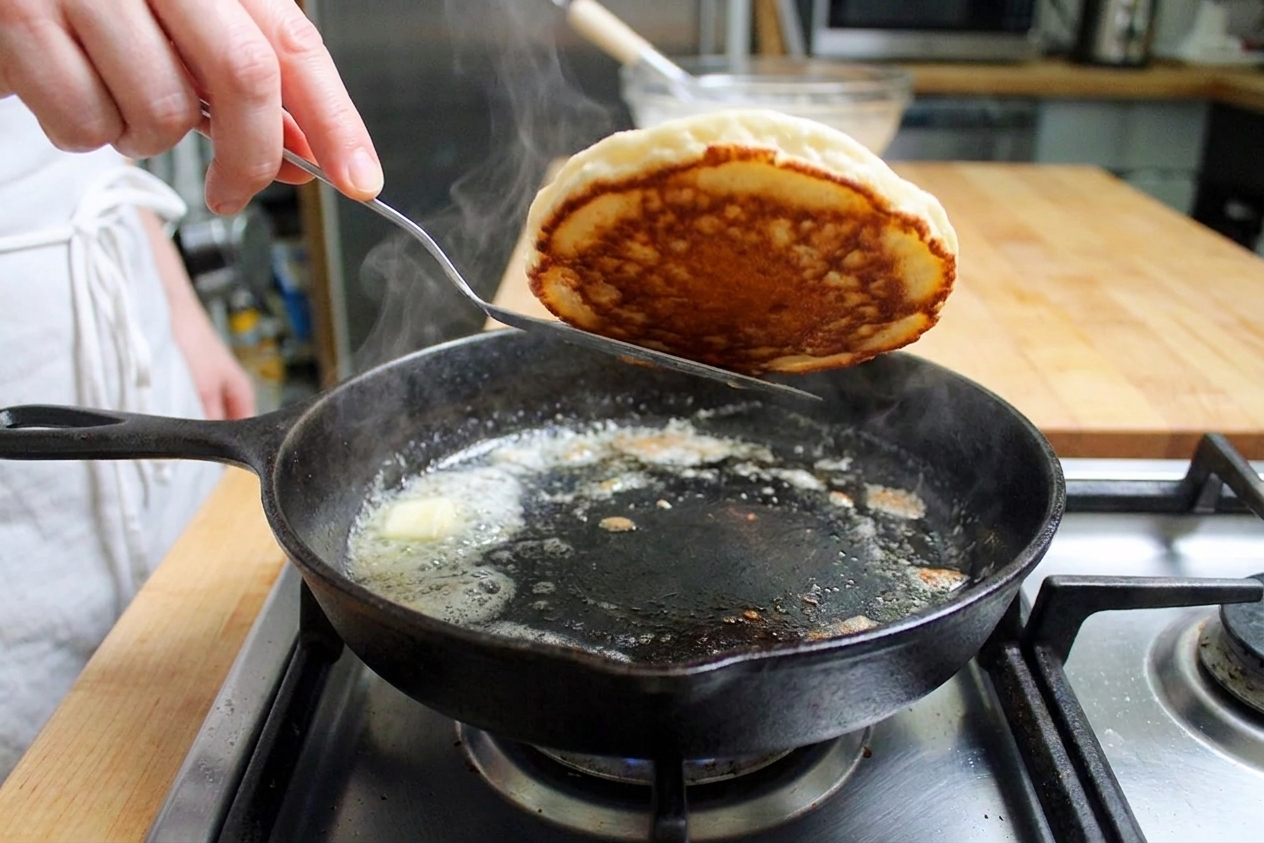
A pancake mid-flip in a buttered skillet with a thin spatula, showing a deeply golden underside

I used to treat baking soda like a background character. It lived in the back of the pantry until I needed to deodorize the fridge or panic-clean a cutting board. Then I started chasing that diner-style pancake lift at home and realized the best pancakes are basically a controlled bubble situation. Once I got consistent with the baking soda to acid balance, the whole game changed. Fluffier centers, crisp edges, and no sad, pale discs. Also, yes, I still taste the batter. For science.