Mom's Best Recipes
Recipe

Thin Crust Pizza Dough

A simple, reliable dough for a crisp, cracker-leaning thin crust with chewy edges and real pizza shop vibes.

Author By Matt Campbell
4.8
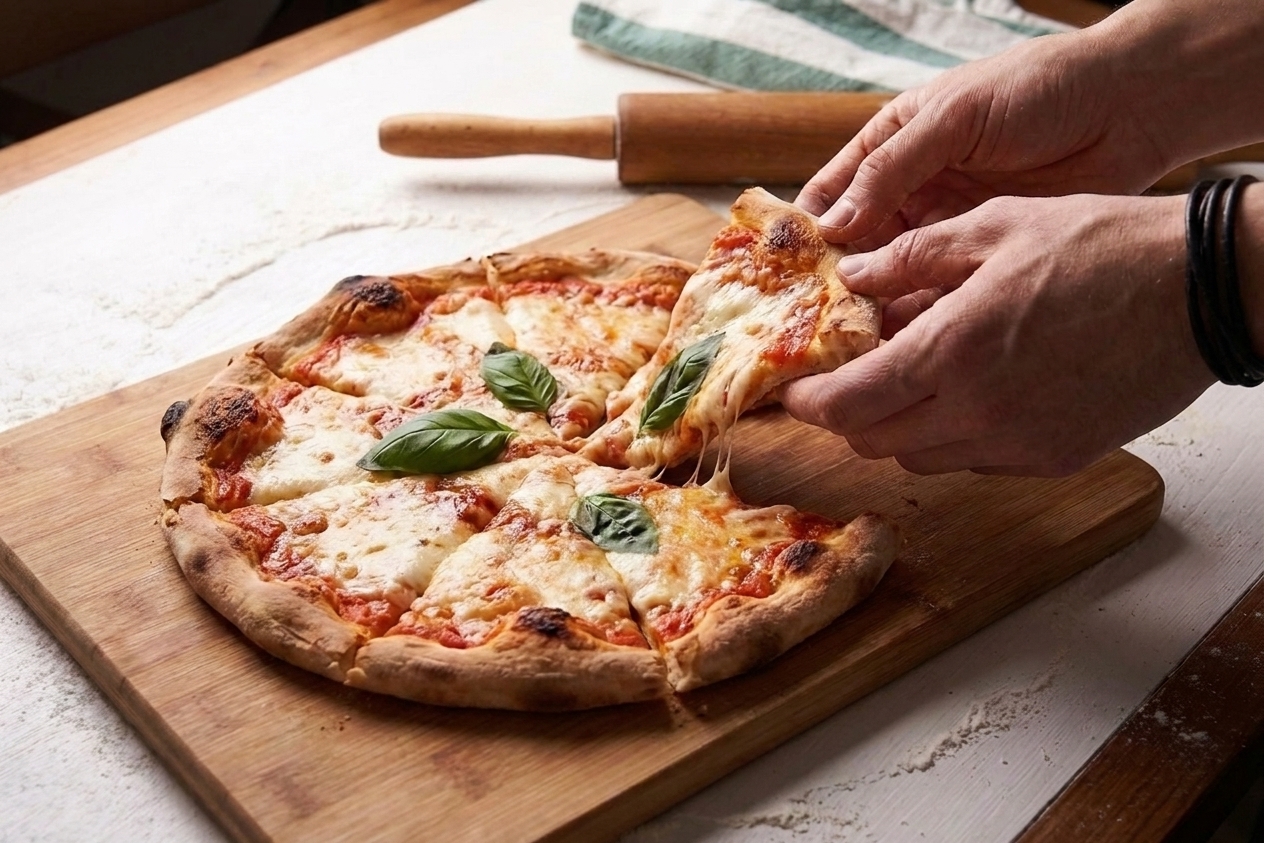
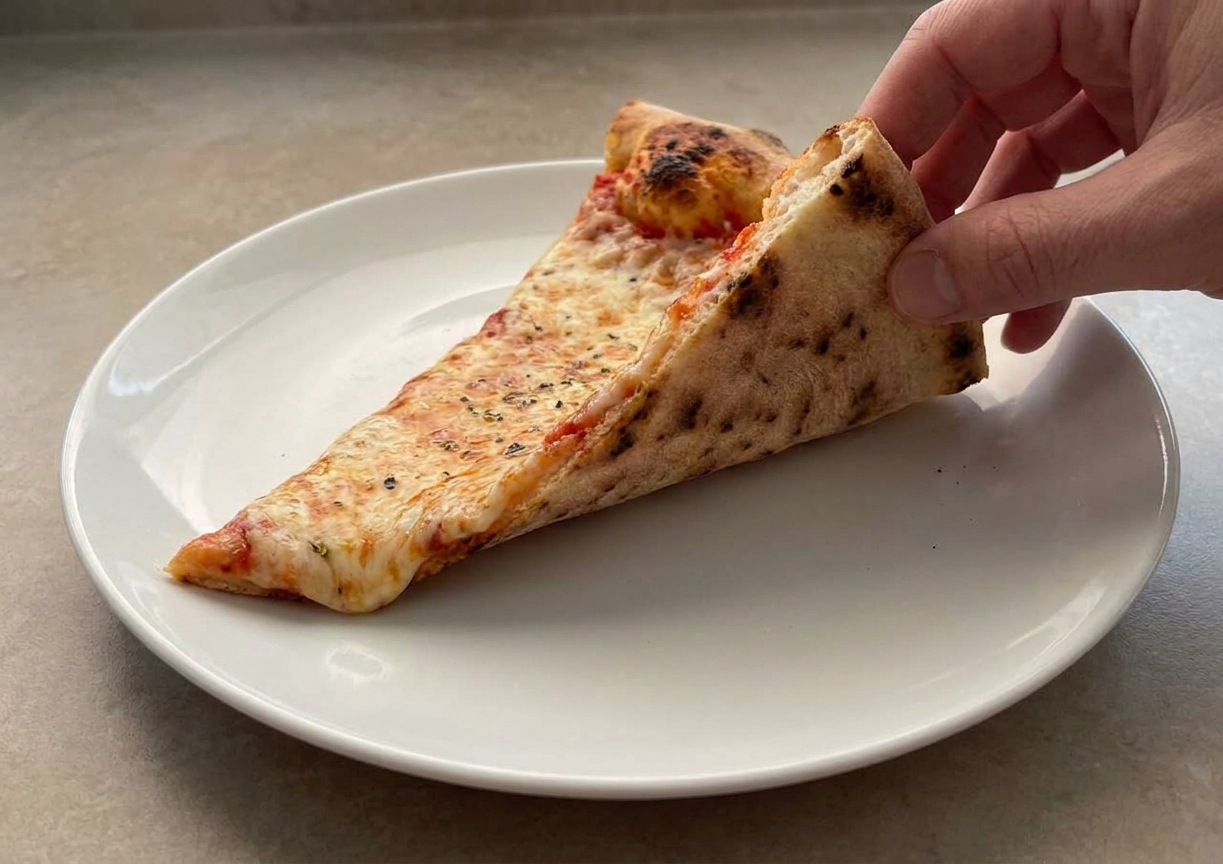
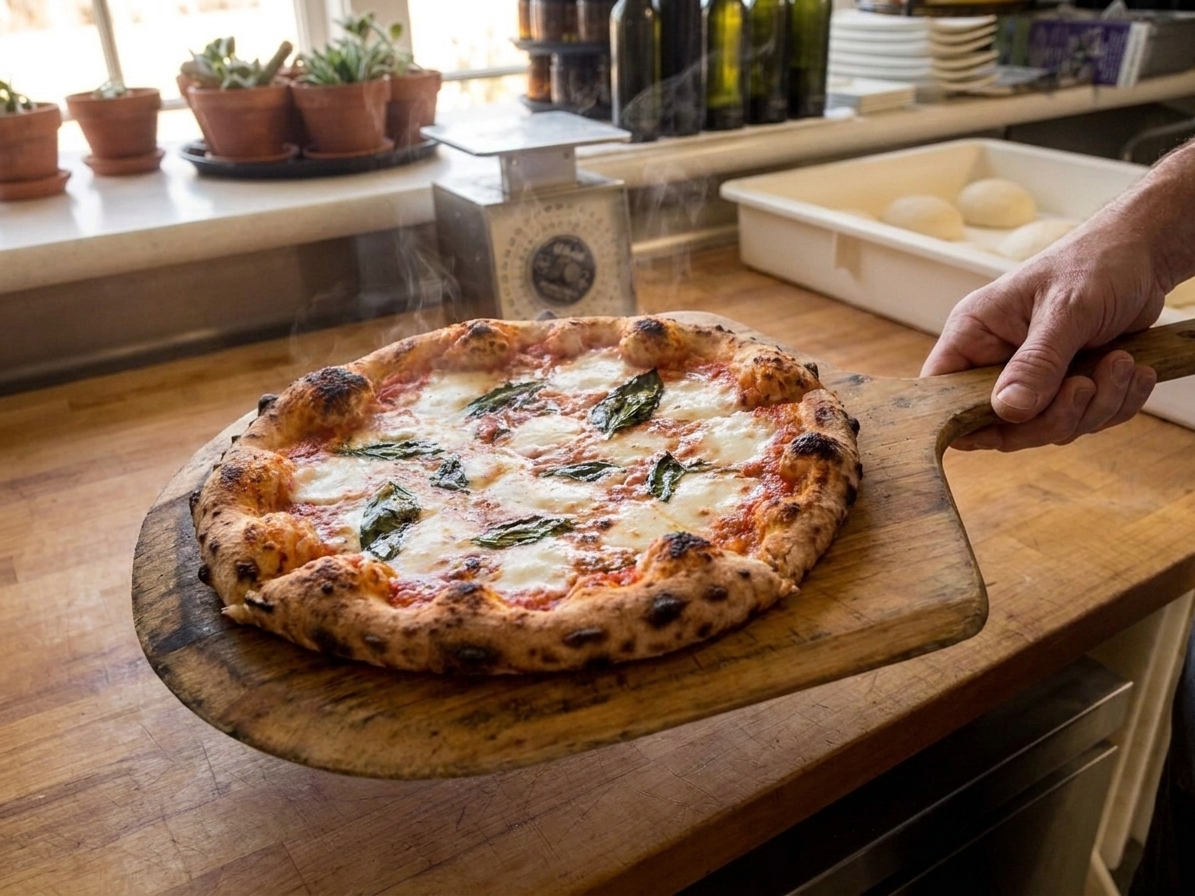
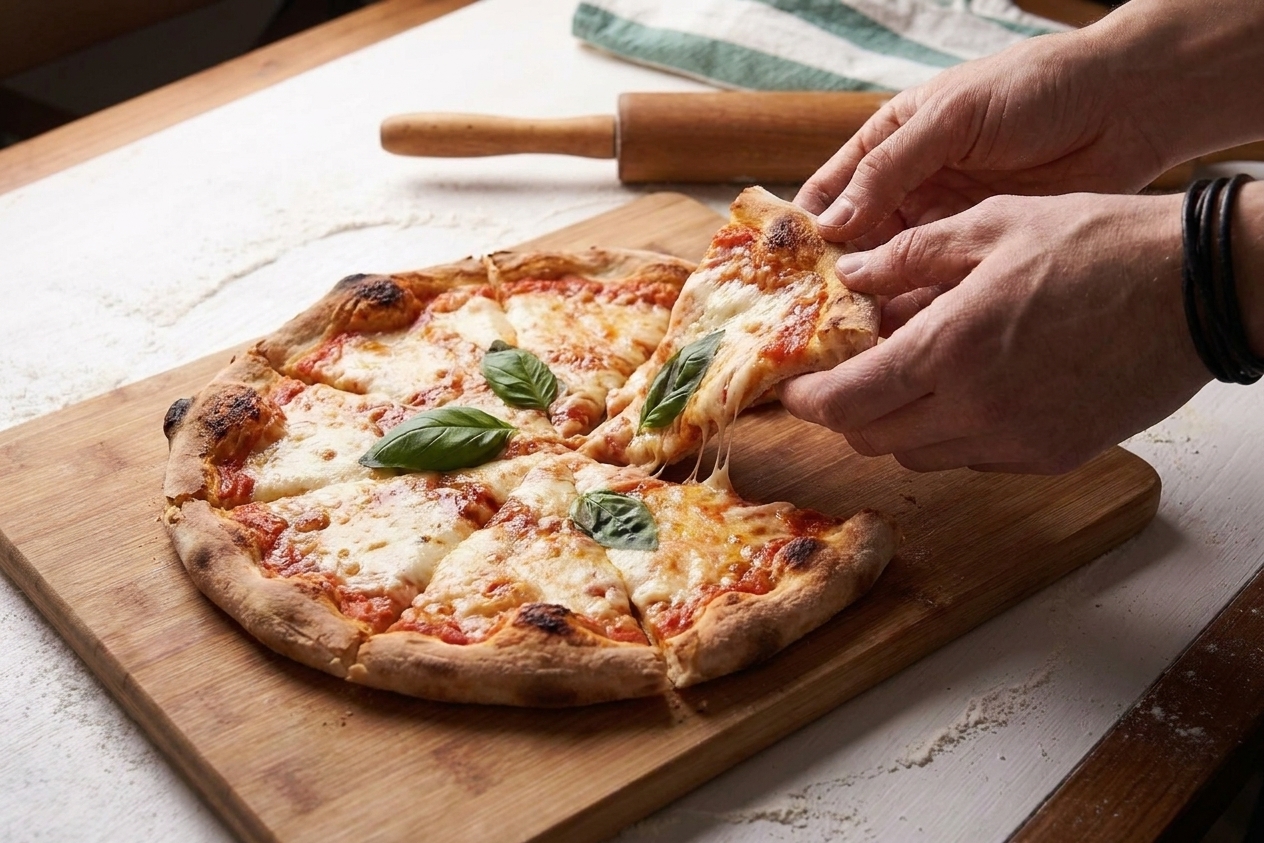
A fresh thin crust pizza on a wooden board with a crisp browned edge and lightly blistered crust on a kitchen table

Thin crust pizza is my favorite kind of kitchen flex because it is low drama but high reward. You are not wrestling a puffy dough ball, you are not waiting all day for a towering rise, and you still get that moment when the first slice lifts up with a crackly bottom and a legit chew.

This dough is built for home ovens. It uses pantry ingredients, rolls out easily, and bakes up crisp with just enough tenderness to keep it from eating like a saltine. You can do it same day, or you can give it an overnight rest for more flavor, better browning, and that “why is this so good” bite.

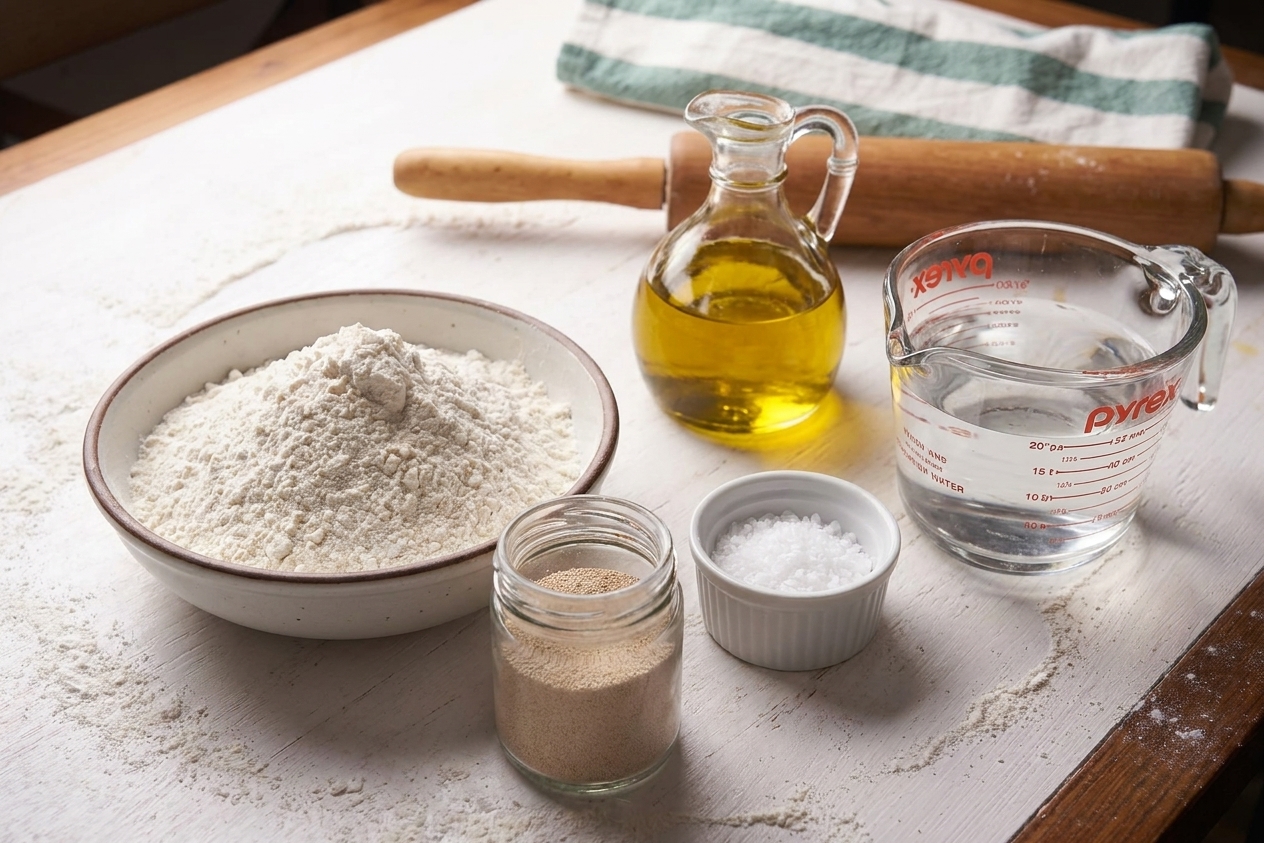
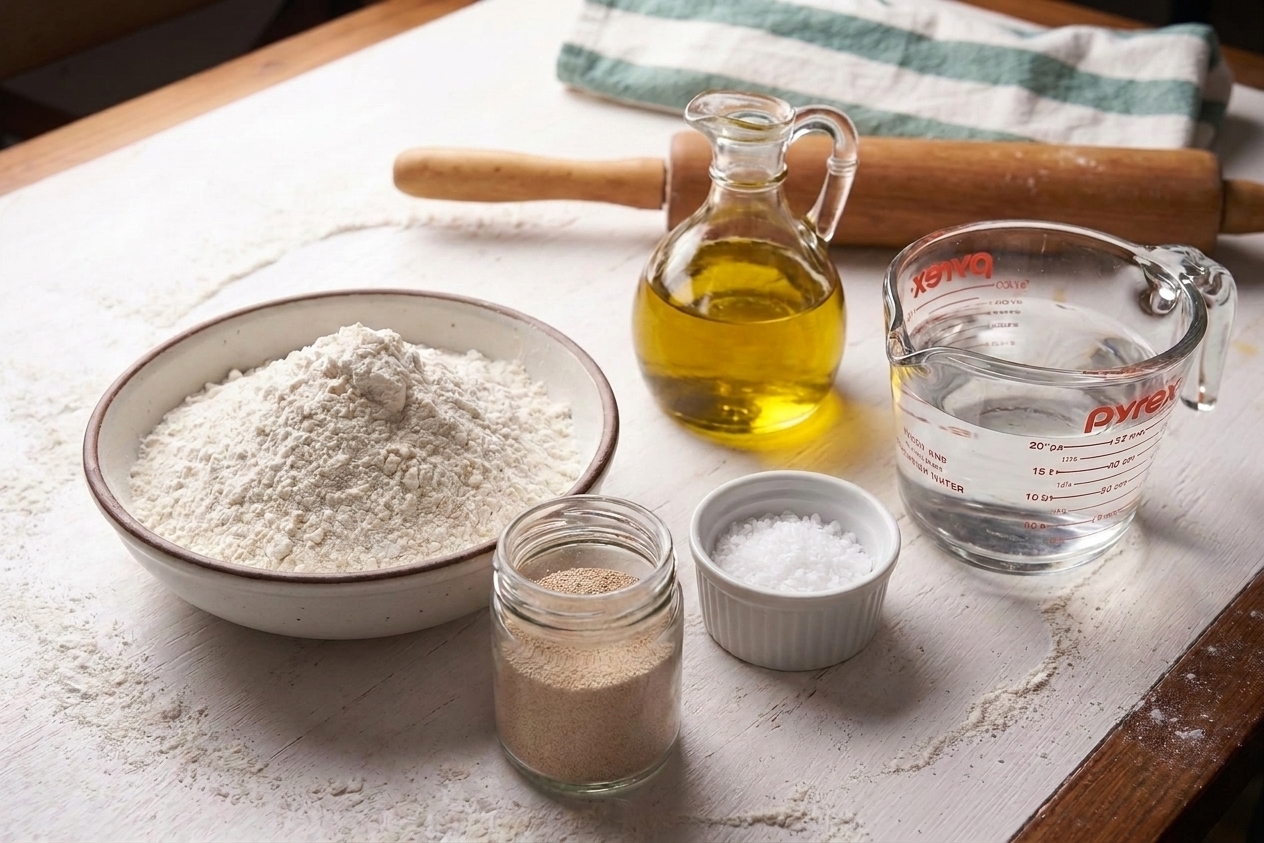
Measured flour, yeast, salt, olive oil, and warm water set out on a kitchen counter for pizza dough

Why It Works

What you get: a thin crust that bakes up crisp on the bottom, lightly blistered at the edges, and sturdy enough to hold toppings without flopping.

  • Easy to handle: a short rest relaxes the gluten so the dough rolls out without springing back.
  • Flavor without fuss: a small amount of yeast plus an optional cold ferment builds that classic pizza taste.
  • Designed for home ovens: instructions work with a pizza stone, steel, or an upside-down sheet pan.
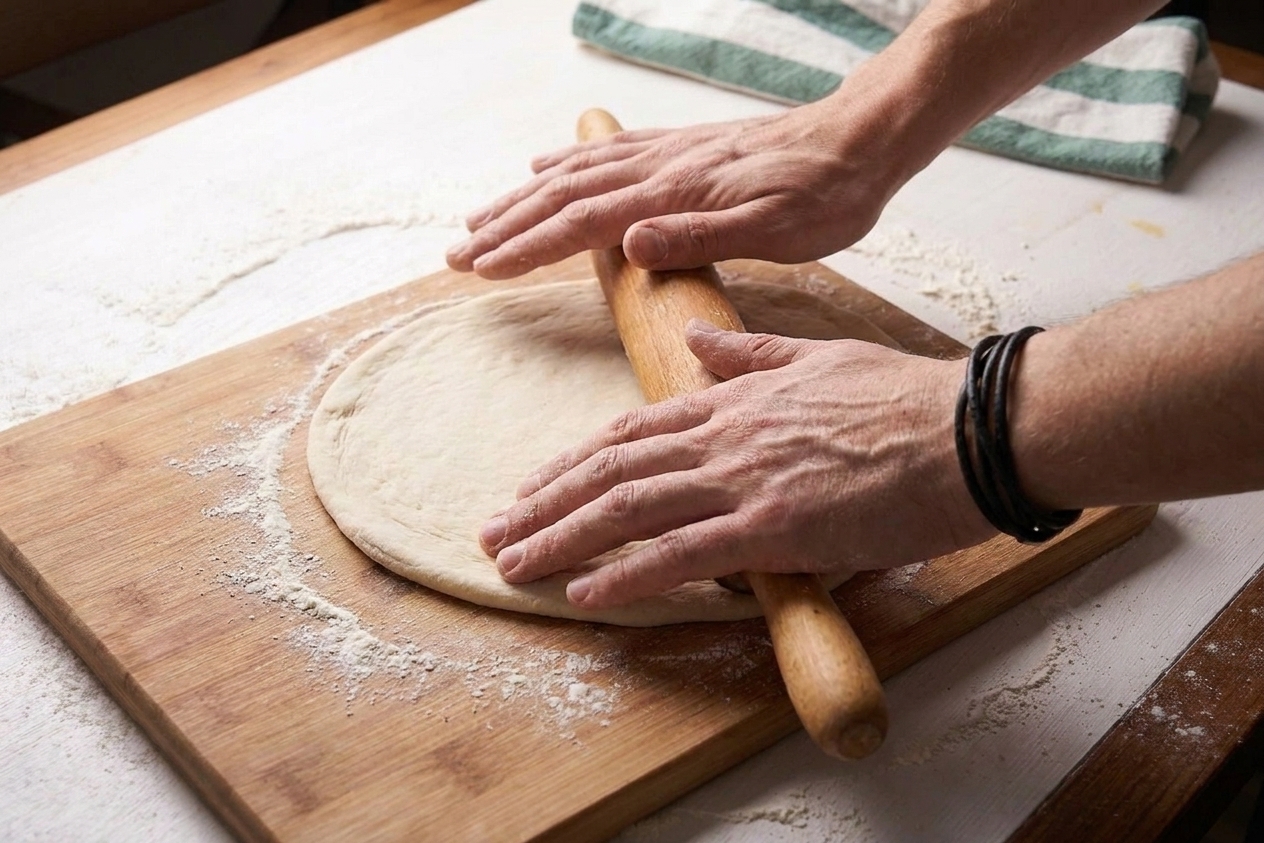
A rolling pin flattening pizza dough into a thin round on a floured wooden board

Pairs Well With

Storage Tips

Storage Tips

Refrigerate (best for flavor)

After the dough balls have rested for 20 to 30 minutes, lightly oil each one and place in a covered container. Refrigerate for up to 3 days. For the easiest rolling, let the dough sit at room temp for 45 to 60 minutes before shaping.

Freeze

Lightly oil the dough ball, seal in a freezer bag, and freeze for up to 3 months. Thaw overnight in the fridge, then bring to room temp before shaping.

Par-baked crust option

If you want fast weeknight pizza, roll the dough, dock it with a fork, and bake at 475°F for 3 to 6 minutes until the surface looks dry and set, with little to no browning. Cool completely, wrap well, and refrigerate for 2 days or freeze for 1 month. Top and bake hot until finished.

If it bakes up tough

Thin crust can go from crisp to tough if it gets overbaked or overfloured. Use the lightest dusting of flour you can while rolling, keep toppings light, and pull the pizza as soon as the bottom is crisp and the edge is browned.

Common Questions

Common Questions

Do I need bread flour?

No. All-purpose flour works great and keeps the crust crisp. Bread flour adds a little more chew. If you have it, use it. If you do not, do not lose sleep.

Instant yeast vs active dry yeast

This recipe is written for instant yeast. If using active dry, use the same amount, but dissolve it in the warm water and wait 5 minutes until it looks foamy before mixing.

Why is my dough snapping back when I roll it?

That is gluten being stubborn. Cover the dough and let it rest 10 more minutes, then roll again. Rest is the secret weapon for thin crust.

My dough is cracking when I roll it. What now?

Low-hydration dough can do that if it is a little too dry or you are rolling too aggressively. Cover it and let it rest 10 minutes, then keep rolling from the center out. If it still cracks, knead in 1 teaspoon to 1 tablespoon water, rest 5 minutes, and try again.

How do I get the bottom crisp in a regular oven?

Preheat your stone or steel for at least 30 minutes at the hottest safe temp your oven allows, ideally 500 to 550°F. Keep toppings light and do not overload sauce. Also, build the pizza on a floured peel or parchment so you can launch it fast.

Can I make this without a pizza stone or steel?

Yes. Flip a sturdy sheet pan upside down and preheat it. Bake the pizza directly on that hot surface. It is not identical to a steel, but it gets you very close.

How thin should I roll it?

For a true thin crust, aim for about 1/8 inch. You should be able to see a little light through the dough when you hold an edge up, but it should not tear.

Why is this dough not super wet like some pizza doughs?

Because we are chasing thin and crisp, not airy and puffy. A lower-hydration dough is easier to roll, easier to handle, and bakes up snappy instead of bready.

Does this get salty?

This uses fine sea salt. Saltiness depends on the type and your preference. If you are sensitive to salt, start with 1 1/2 teaspoons (8 to 9 g) fine sea salt. If you are using kosher salt, use weight when you can, because volume varies a lot.

Will the cold ferment overproof?

Usually not, but fridges are moody. If your fridge runs warm or you are going the full 48 hours, reduce the yeast to 1/2 teaspoon so it stays calm.
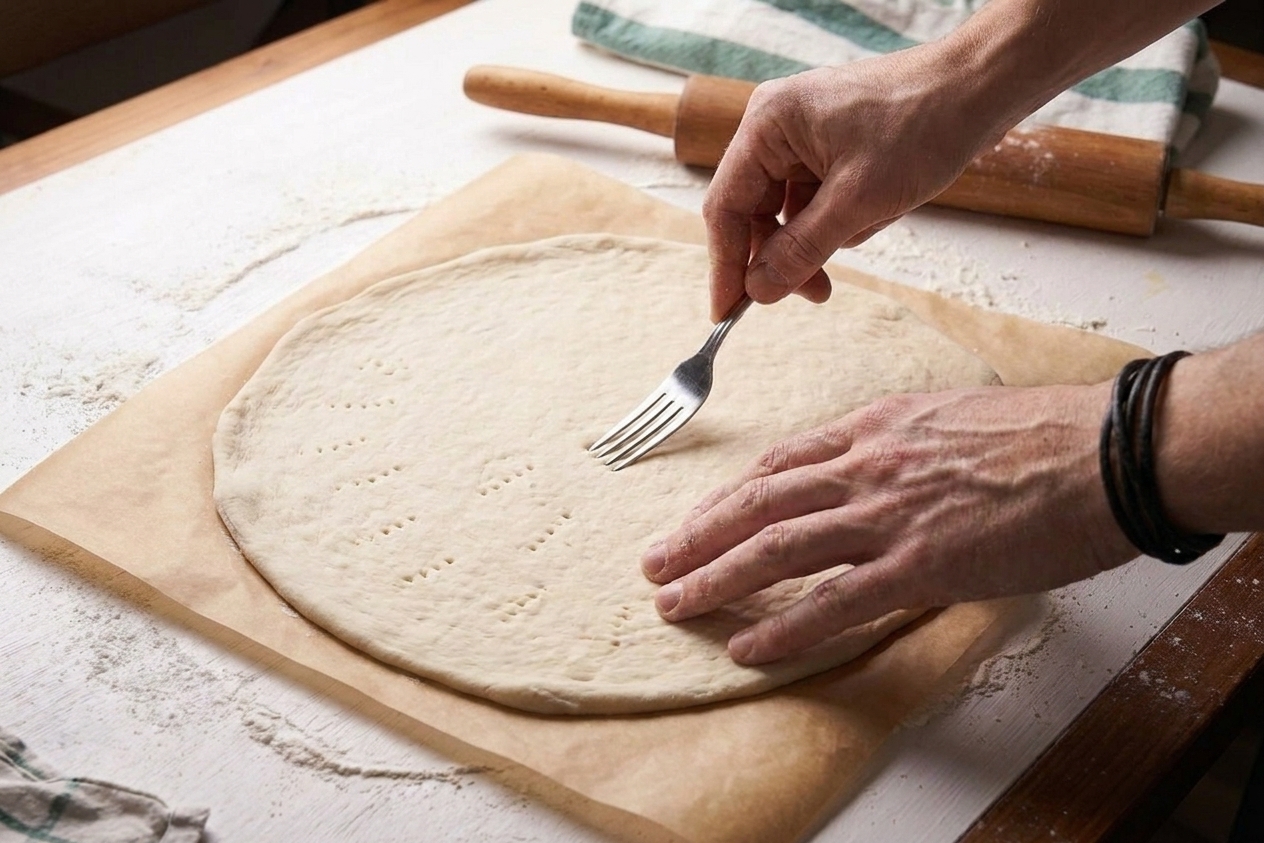

A thin rolled pizza dough round being docked with a fork on parchment to prevent large bubbles

I used to think thin crust meant sacrificing that satisfying pizza chew, like I had to pick crisp or cozy. Then I started treating thin crust like its own thing, not “regular pizza but flatter.” Less yeast, a little olive oil, a hotter bake, and a real rest so the dough stops fighting back. Now it is the dough I make when I want pizza on a Tuesday and I also want it to feel like I tried, even if I am wearing sweatpants and eating the first slice over the sink.