Common Questions
What kind of tomatoes are best for tomato soup?
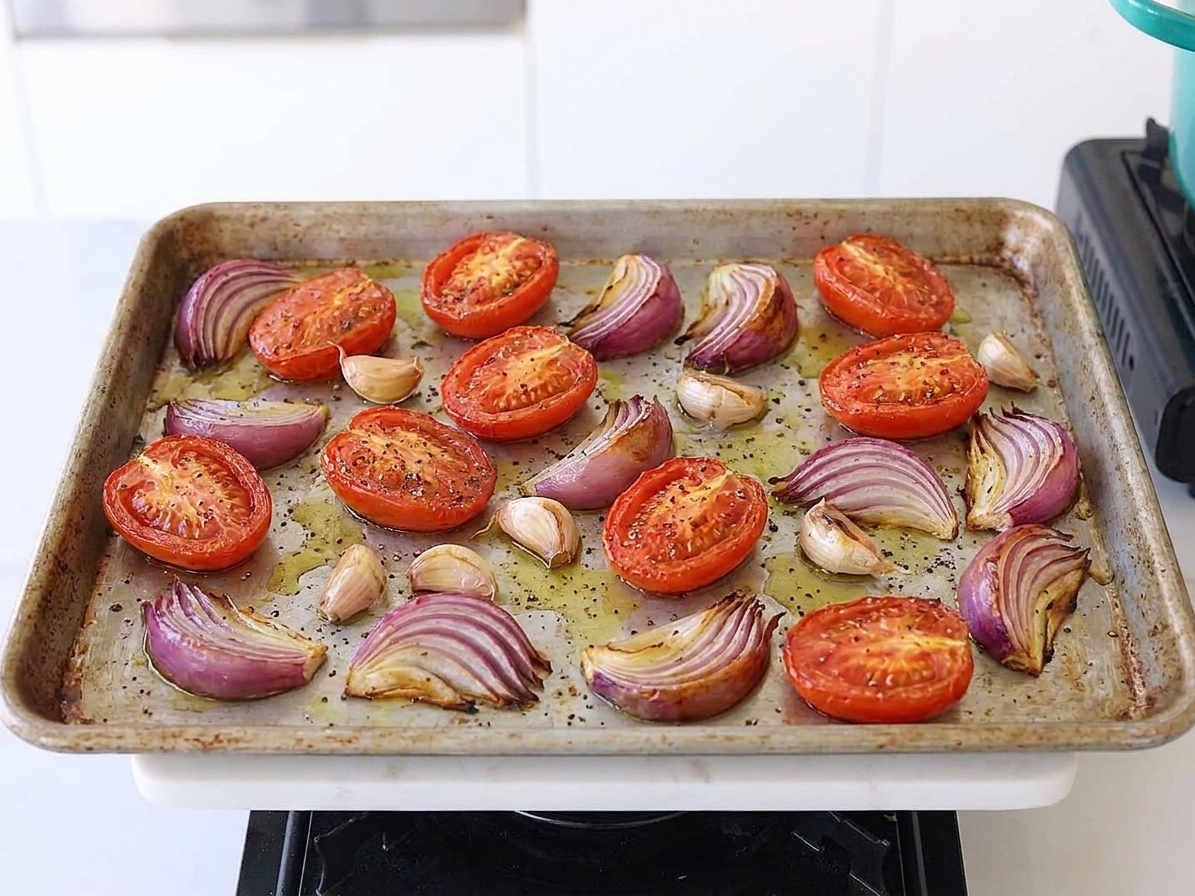
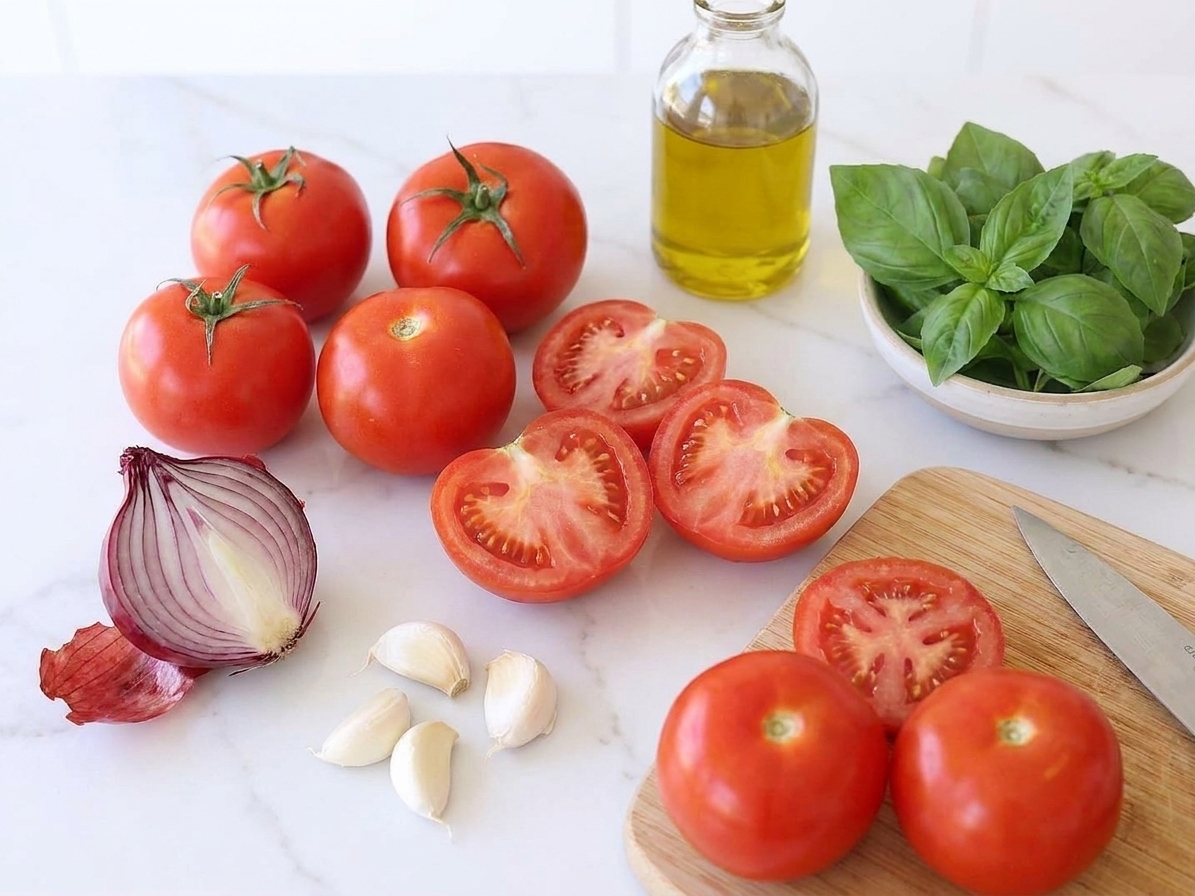
Roma or plum tomatoes are my go-to because they are meatier and less watery. In peak season, Campari or other vine-ripened tomatoes are amazing too. If your tomatoes are very juicy, roast a few extra minutes to concentrate them.
Do I need to peel the tomatoes?
Usually, no. Roasting softens the skins, and blending takes care of most of the texture. That said, some tomato varieties (and some blenders) can leave a few little skin flecks. If you want it ultra-silky, run the blended soup through a fine-mesh strainer. No shame in wanting a velvet situation.
How do I make it creamy without heavy cream?
Two easy options: use half-and-half, or blend in a small handful of raw cashews (soaked in hot water for 10 minutes for high-powered blenders, or 20 to 30 minutes if your blender is more “trying its best”). You can also finish with a tablespoon or two of butter for cozy richness.
My soup tastes too acidic. How do I fix it?
Add richness first: a splash of cream, a knob of butter, or a drizzle of olive oil. If it still needs help, add 1/4 teaspoon sugar or honey at a time for the whole pot, tasting as you go, until it rounds out.
Can I use canned tomatoes instead of fresh?
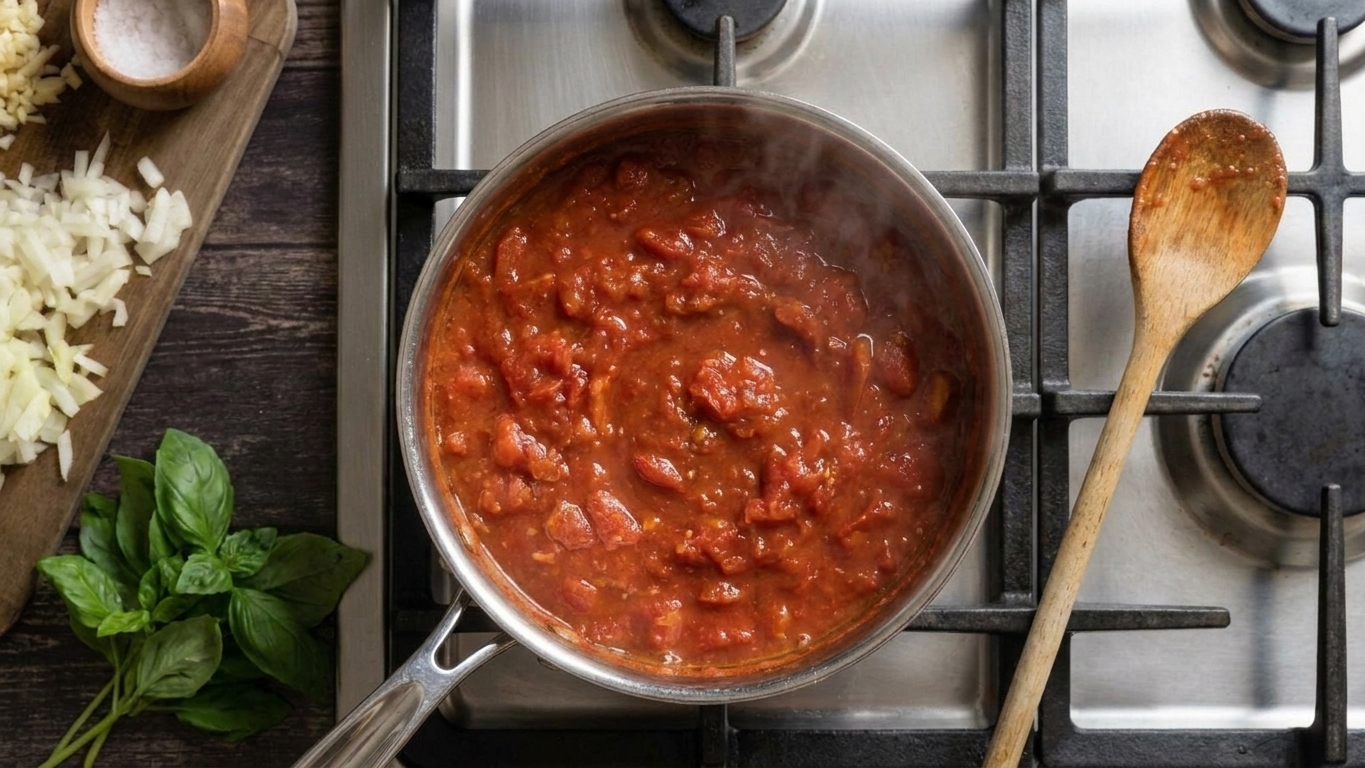
Yes. You will still get a great soup. Use one 28-ounce can of whole peeled tomatoes (with juices) to replace the fresh tomatoes and skip the roasting step. Simmer with the onion and garlic in the pot instead, then blend. Want it deeper? Roast the drained tomatoes, onion, and garlic on a sheet pan to get some caramelization. If you use two cans, reduce the broth (start with 1 1/2 to 2 cups) and adjust to taste. Fresh is the vibe here, but I am not here to fight your pantry.