Mom's Best Recipes
Recipe

Tonkotsu Ramen

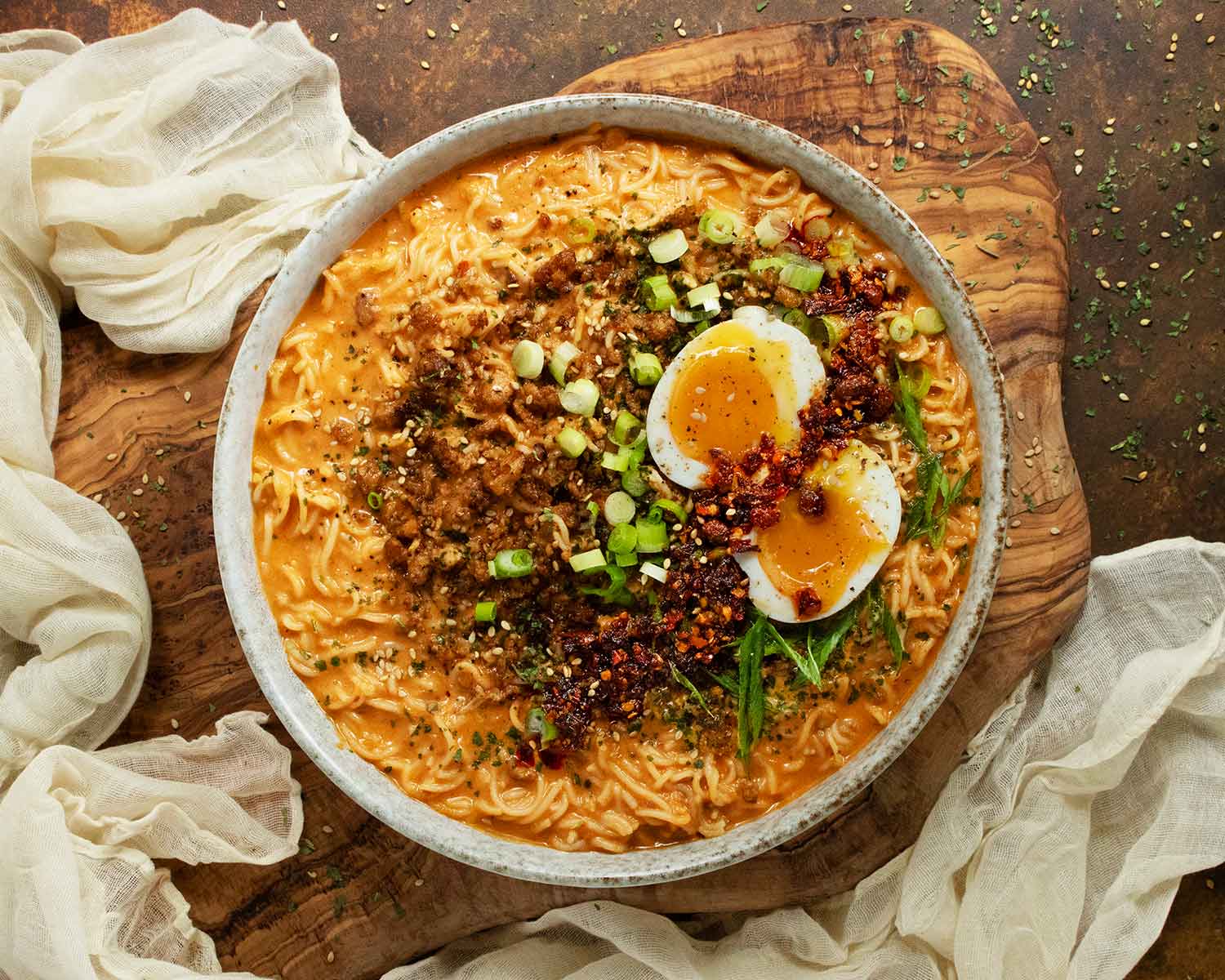
Creamy pork bone broth, savory tare, and springy noodles with chashu-style pork and jammy eggs.

Author By Matt Campbell
4.8
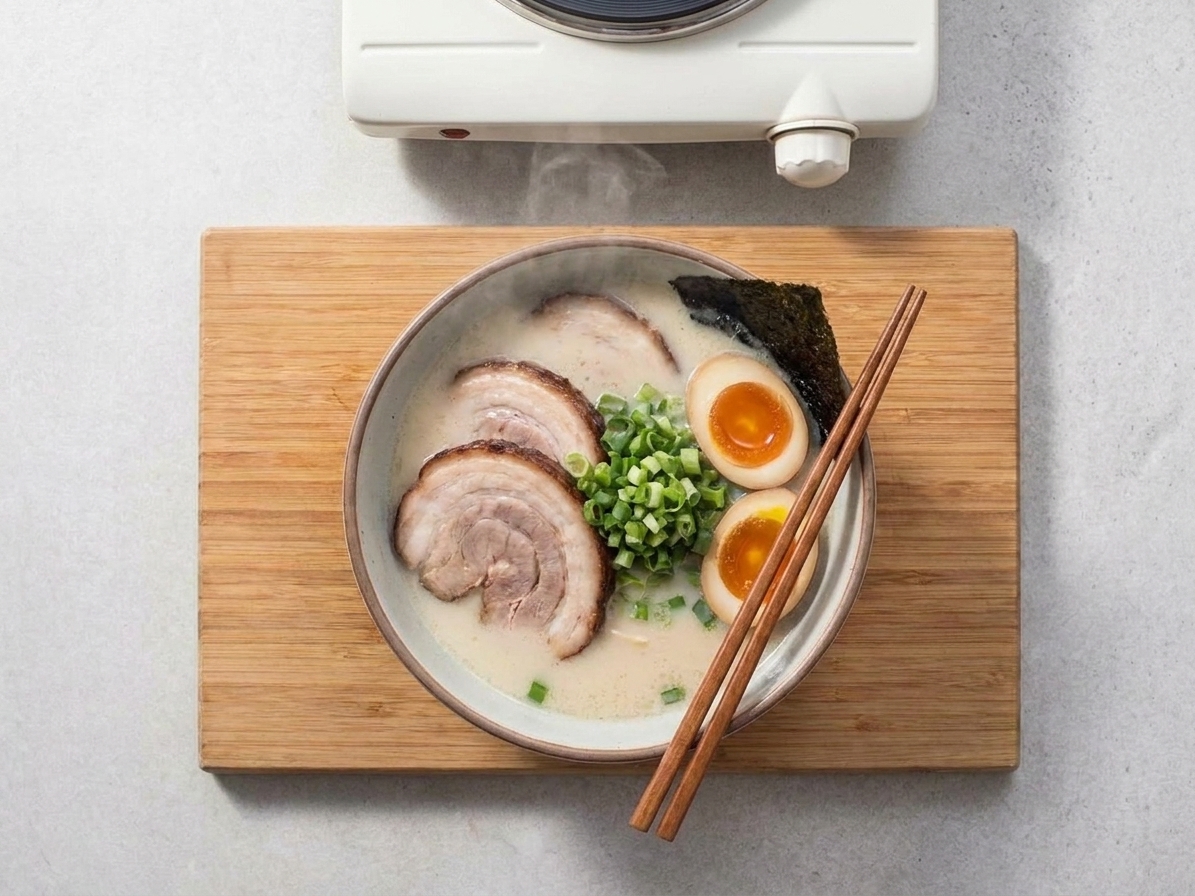
A steaming bowl of tonkotsu ramen with milky pork broth, sliced chashu-style pork, jammy ramen egg halves, scallions, and nori on a wooden table with chopsticks

Tonkotsu ramen is the bowl I make when I want maximum comfort and a little kitchen chaos that actually pays off. The goal is that signature milky, collagen-rich pork broth that clings to noodles, plus a salty-sweet tare (seasoning base) and a quick aroma oil that makes the whole thing smell like you accidentally opened a ramen shop.

Heads up, this is not a five-minute situation. Tonkotsu is a weekend project that rewards you all week. The good news: the steps are simple, the ingredients are doable, and you can absolutely cut corners where it matters least. I will tell you where those corners are.
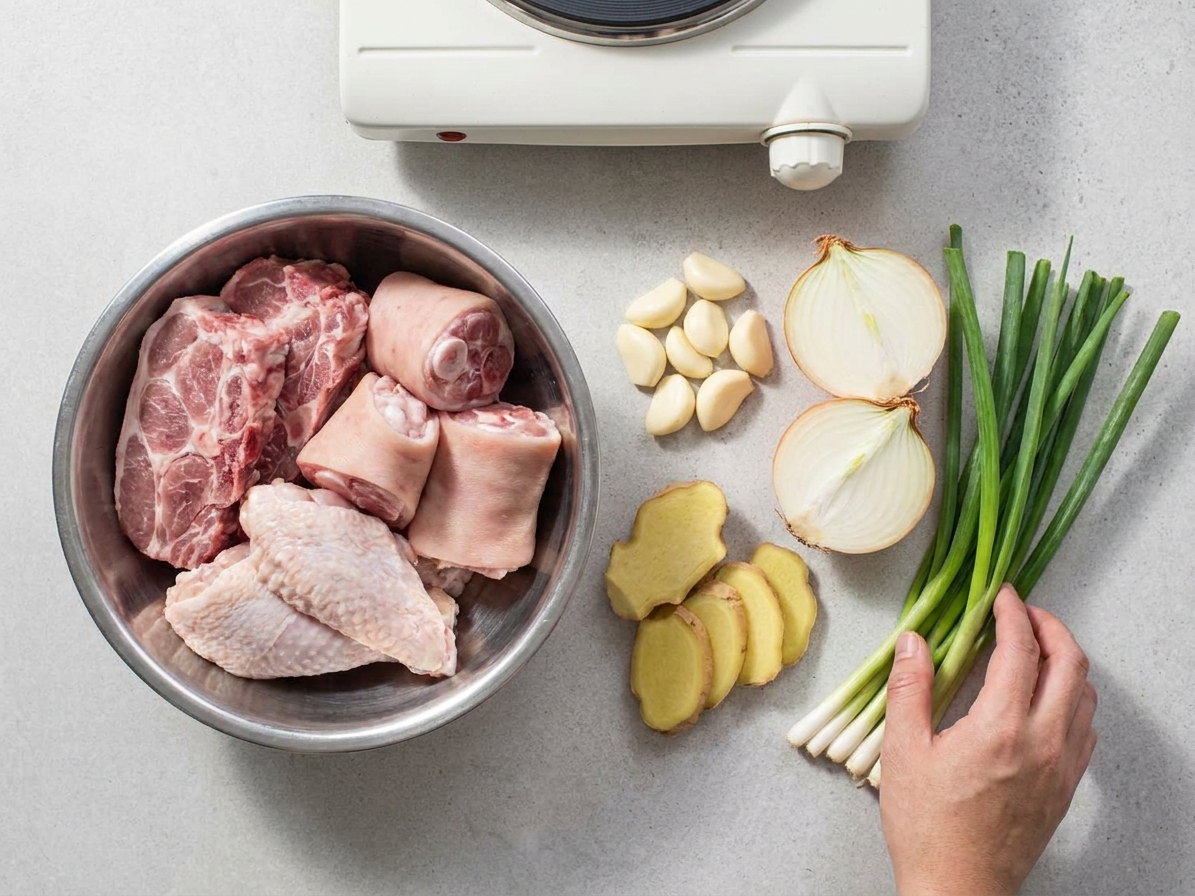
Pork neck bones and chicken backs arranged on a kitchen counter with garlic, ginger, scallions, and measuring cups ready for broth prep

Why It Works

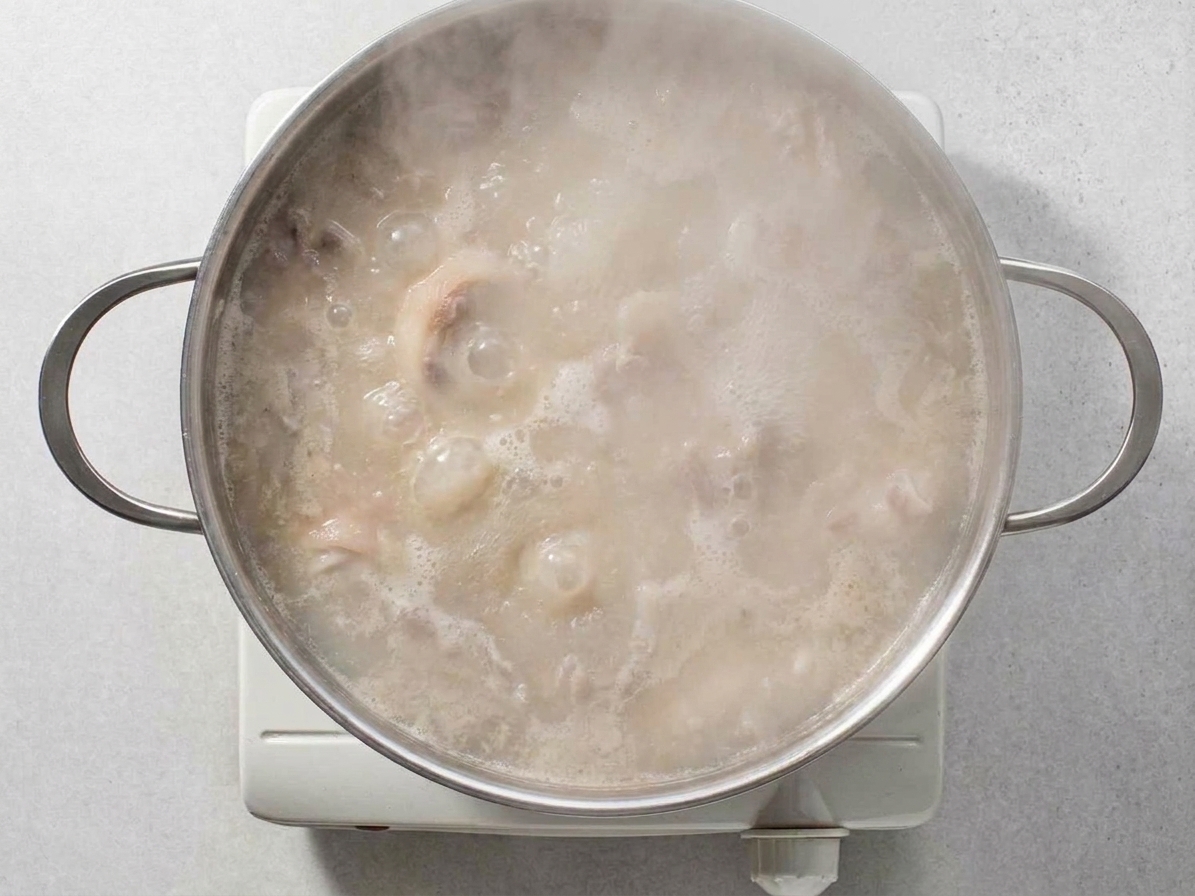
  • True tonkotsu texture: A rolling boil emulsifies fat and collagen into that cloudy, creamy broth.
  • Big flavor without mystery: You season with tare at the end so the broth stays flexible for leftovers.
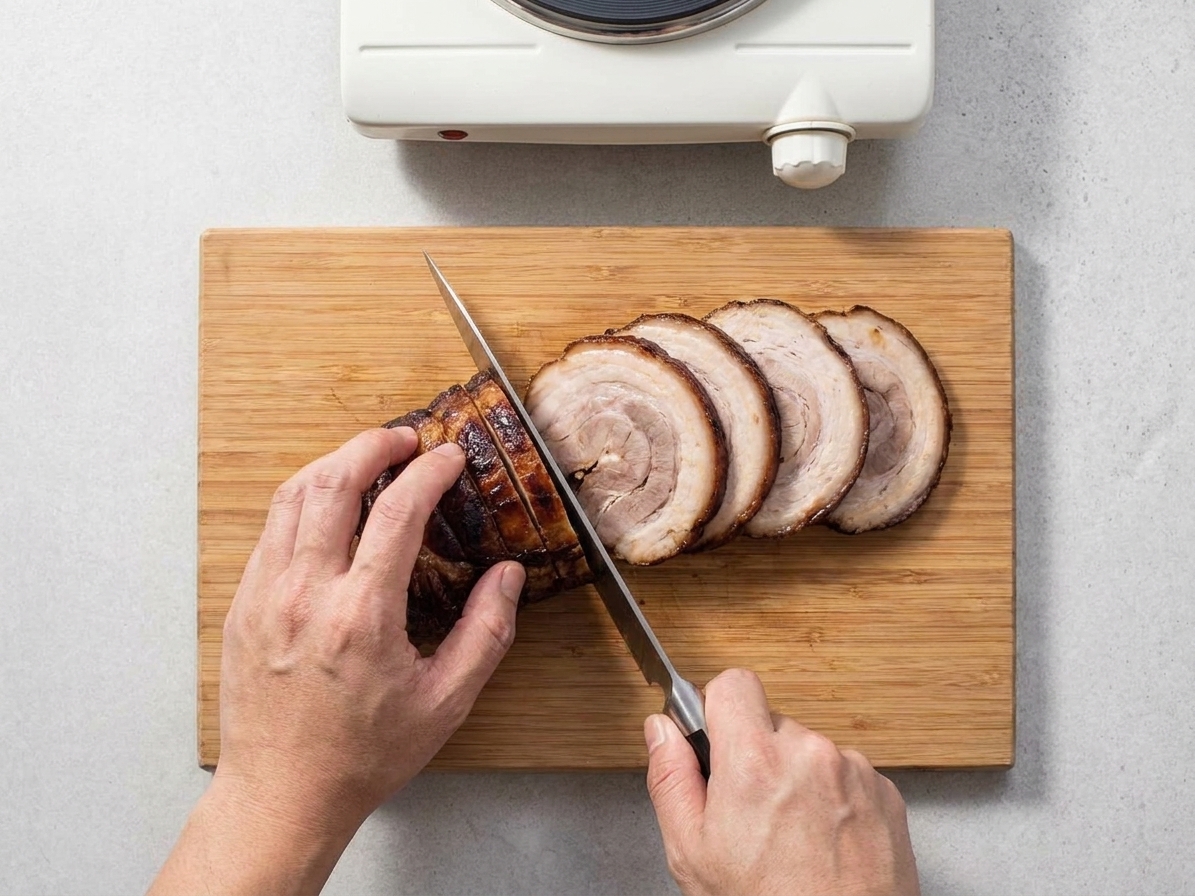
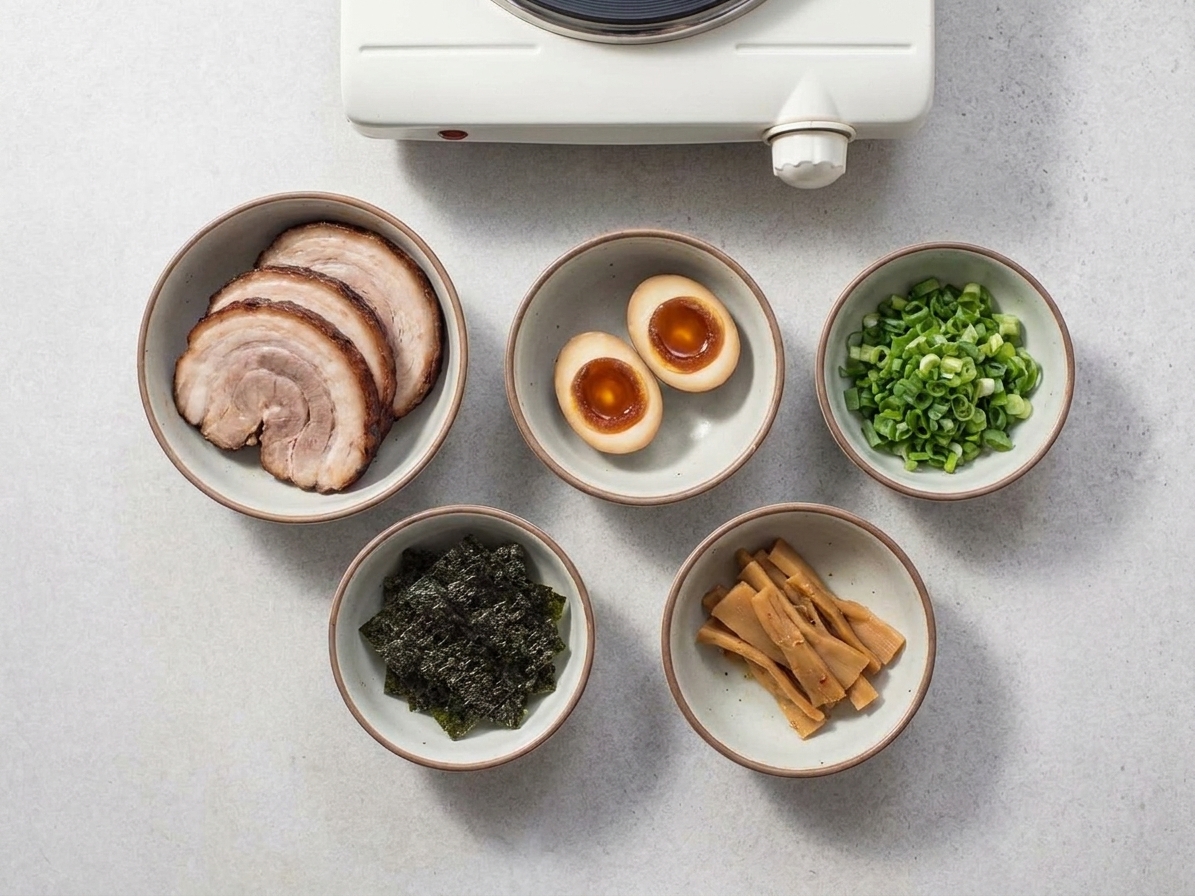
  • Restaurant vibes at home: Chashu-style pork, jammy eggs, and a simple aroma oil do most of the heavy lifting.
  • Make-ahead friendly: Broth and pork both improve after a night in the fridge.

Pairs Well With

Storage Tips

Store components separately if you can. Ramen is happiest when the noodles meet the broth at the last possible second.

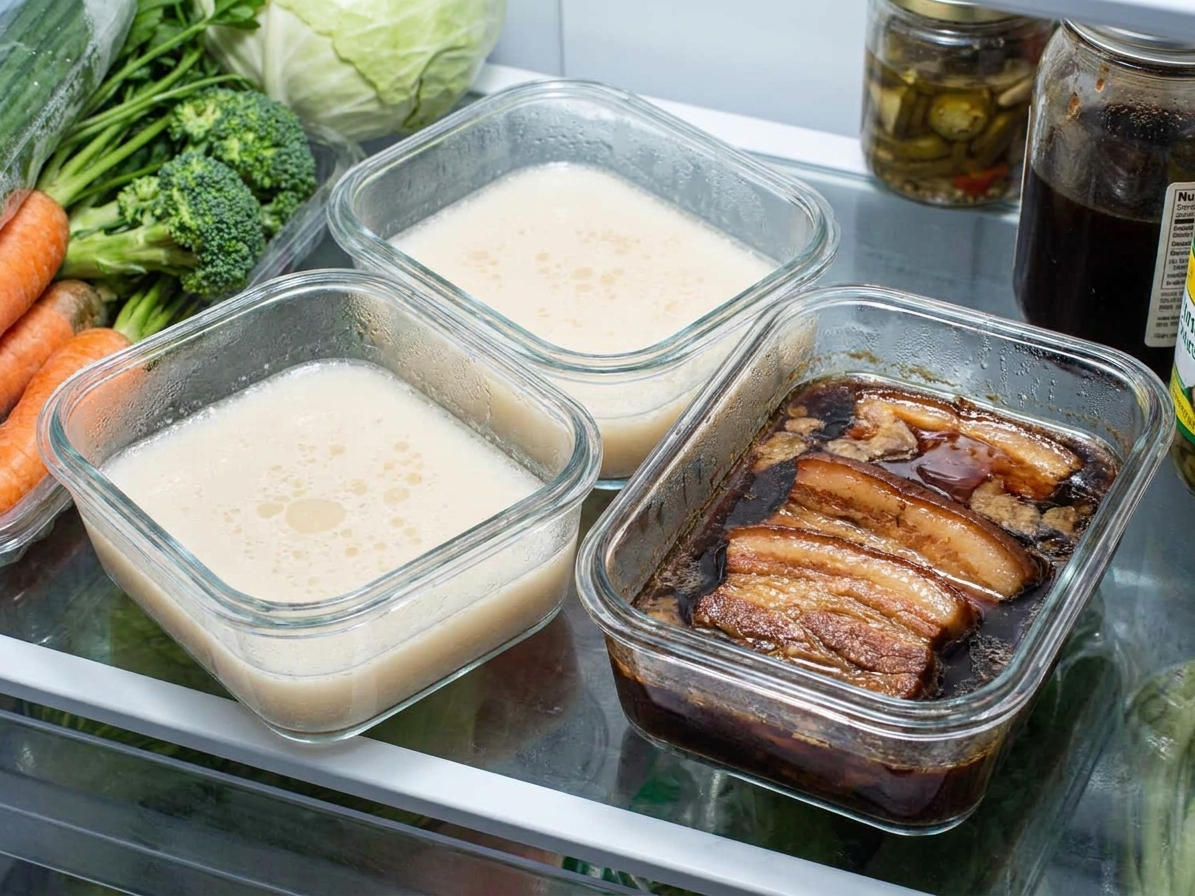
  • Broth: Cool quickly, then refrigerate in airtight containers for up to 4 days. Freeze up to 2 months. The fat will solidify on top, which is a good thing. It protects the broth. Skim some off if you want it lighter, or stir it back in for full-send richness.
  • Tare (seasoning base): Refrigerate up to 2 weeks in a jar.
  • Chashu-style pork: Refrigerate in a little of its braising liquid up to 4 days, or freeze up to 2 months. Rewarm gently in the liquid so it stays tender.
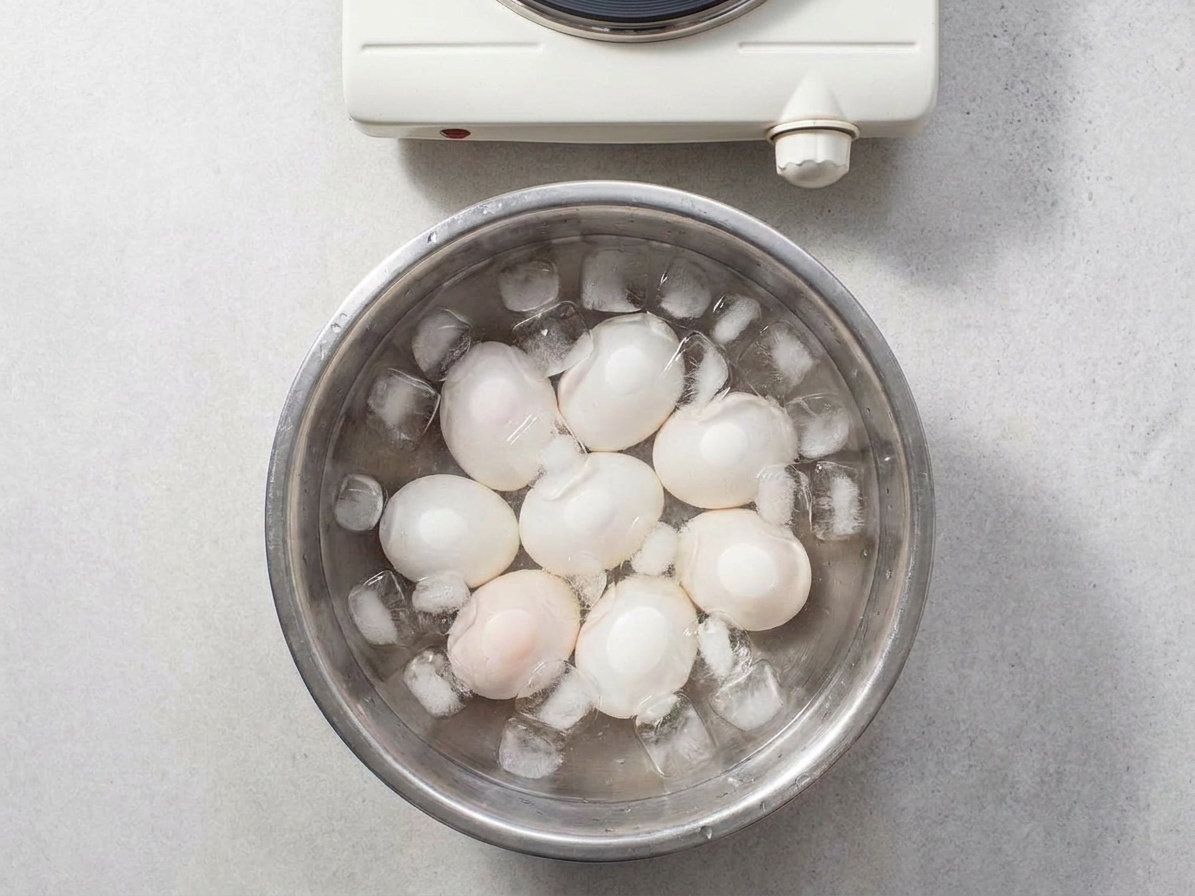
  • Ramen eggs: Marinate for 4 to 24 hours, then remove eggs from the marinade and store in a covered container in the fridge for up to 3 days. If you keep them soaking the whole time, the whites can turn too salty and a little rubbery.
  • Noodles: Cook fresh when possible. If you must store cooked noodles, rinse, toss with a tiny bit of oil, and refrigerate up to 1 day. Reheat briefly in boiling water.
Glass meal prep containers filled with chilled tonkotsu broth and sliced pork in braising liquid on a refrigerator shelf

Common Questions

Why is my broth not white and creamy?

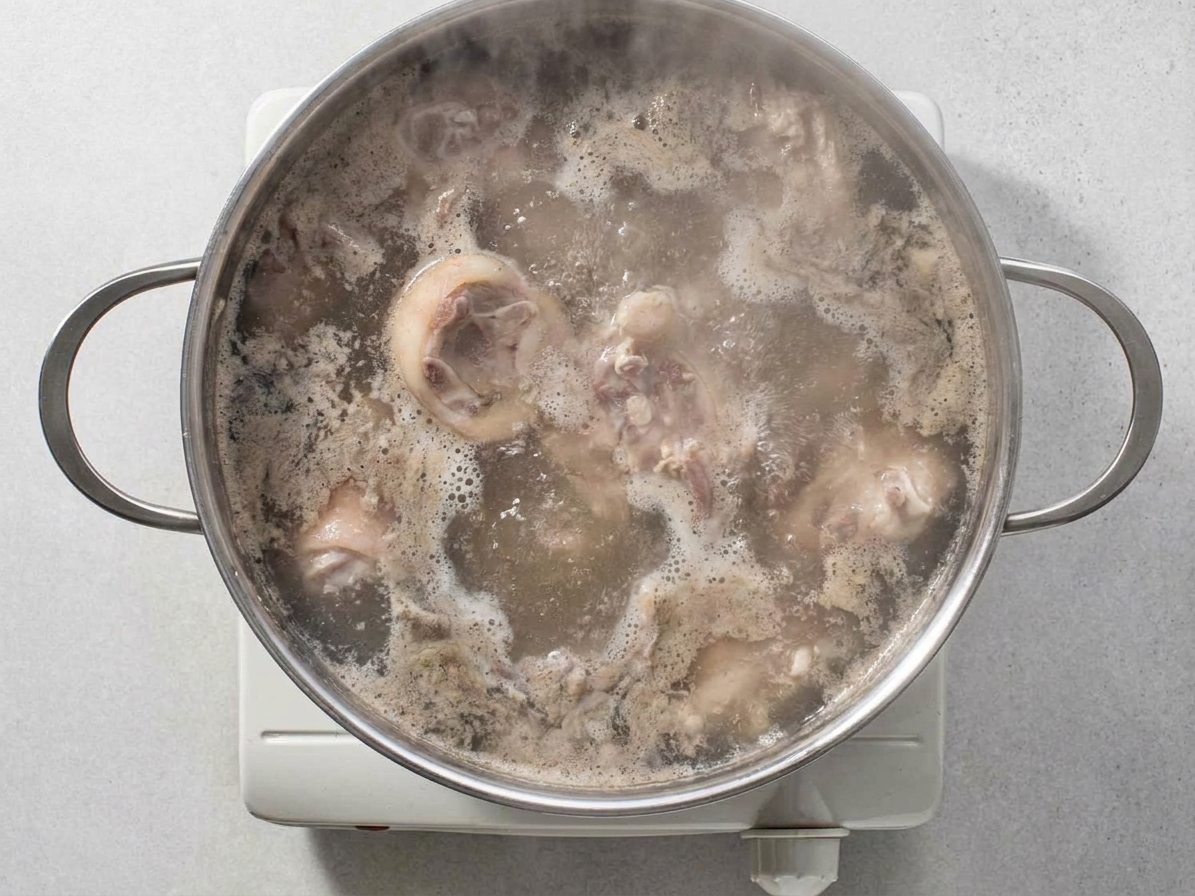
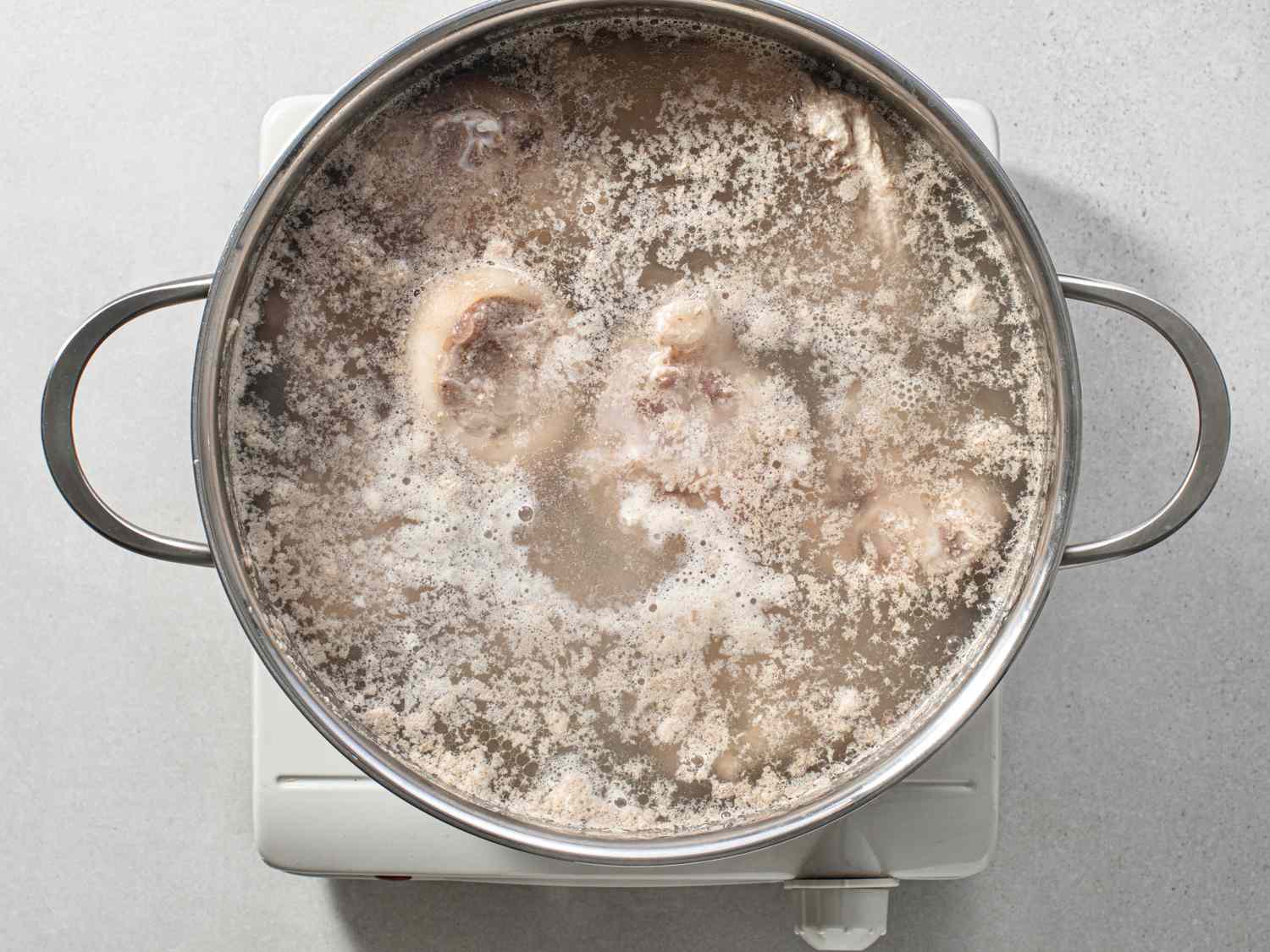
Tonkotsu gets creamy from an aggressive boil. A gentle simmer stays clearer. Keep it at a steady rolling boil and top up with hot water as it reduces. Also, make sure you blanch and scrub the bones first so the broth can go cloudy without tasting funky.

Can I make this in an Instant Pot?

You can, and it will taste great, but the texture is usually less emulsified. If you pressure cook the broth, finish by boiling it hard uncovered for 30 to 60 minutes to help it turn creamy.

Do I have to use pork bones only?

No. Many home cooks get a richer body with a mix of pork bones plus a little chicken (like chicken backs or wings). This recipe uses both for reliable results.

What noodles should I buy?

Look for fresh ramen noodles in the refrigerated section of an Asian market, or good dried ramen noodles. Tonkotsu is best with thinner, springy noodles, but use what you can get.

What is tare and do I really need it?

Tare is the concentrated seasoning that turns broth into ramen. Could you just salt the broth? Sure. But tare gives you that ramen shop depth and keeps your leftover broth versatile.

Is tonkotsu ramen spicy?

Not inherently. If you want heat, add chili oil, rayu, or a spoon of spicy miso. I love a little kick because it cuts the richness.

The first time I tried to make tonkotsu, I treated it like regular soup. Gentle simmer, nice and polite. The result was tasty, but it was not that bowl. Then I learned tonkotsu is basically the opposite of polite. You boil it like it owes you money. Ever since, I schedule it like a small event: a pot on the stove, something good playing in the background, and lots of tasting. It is a little messy, very cozy, and the payoff feels unreal when you finally slide noodles into that creamy broth.