Mom's Best Recipes
Recipe

Traditional Bolognese Ragù

A slow-simmered, deeply savory meat sauce with soffritto, wine (optional but highly recommended), a modest touch of tomato, and milk simmered in early for a rich, silky finish.

Author By Matt Campbell
4.8
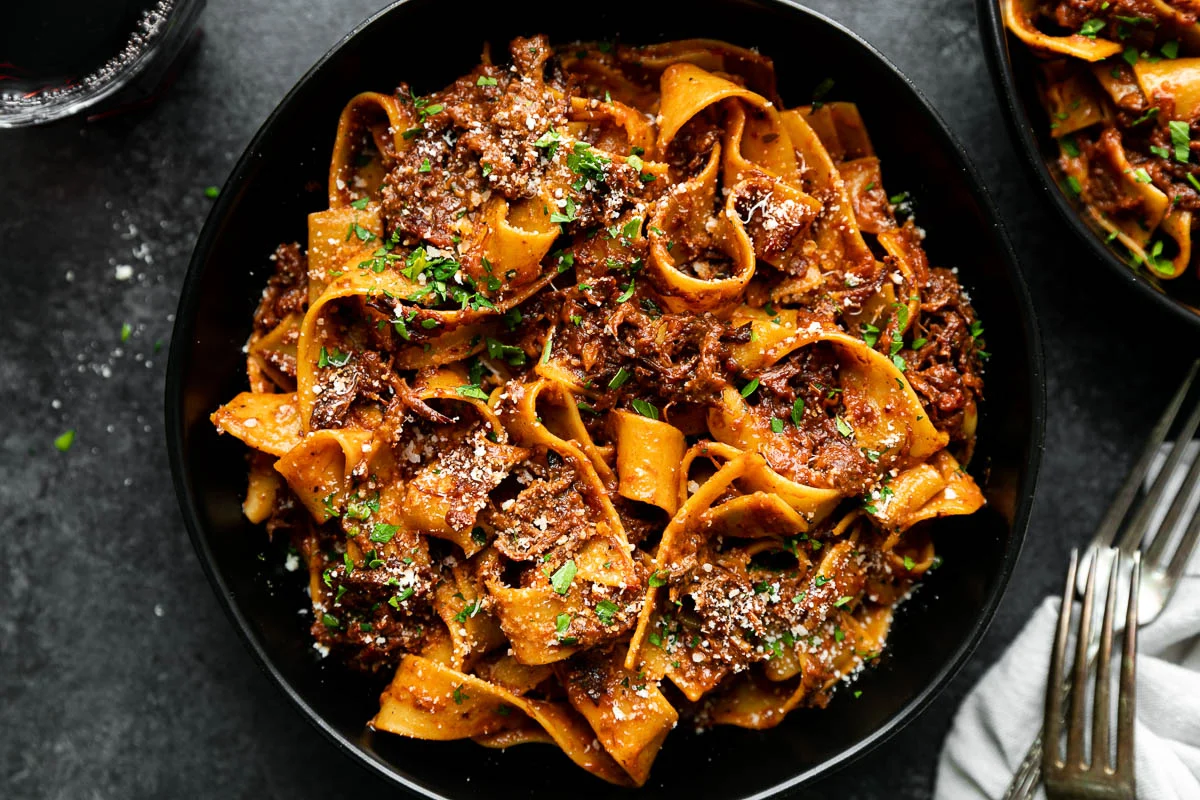
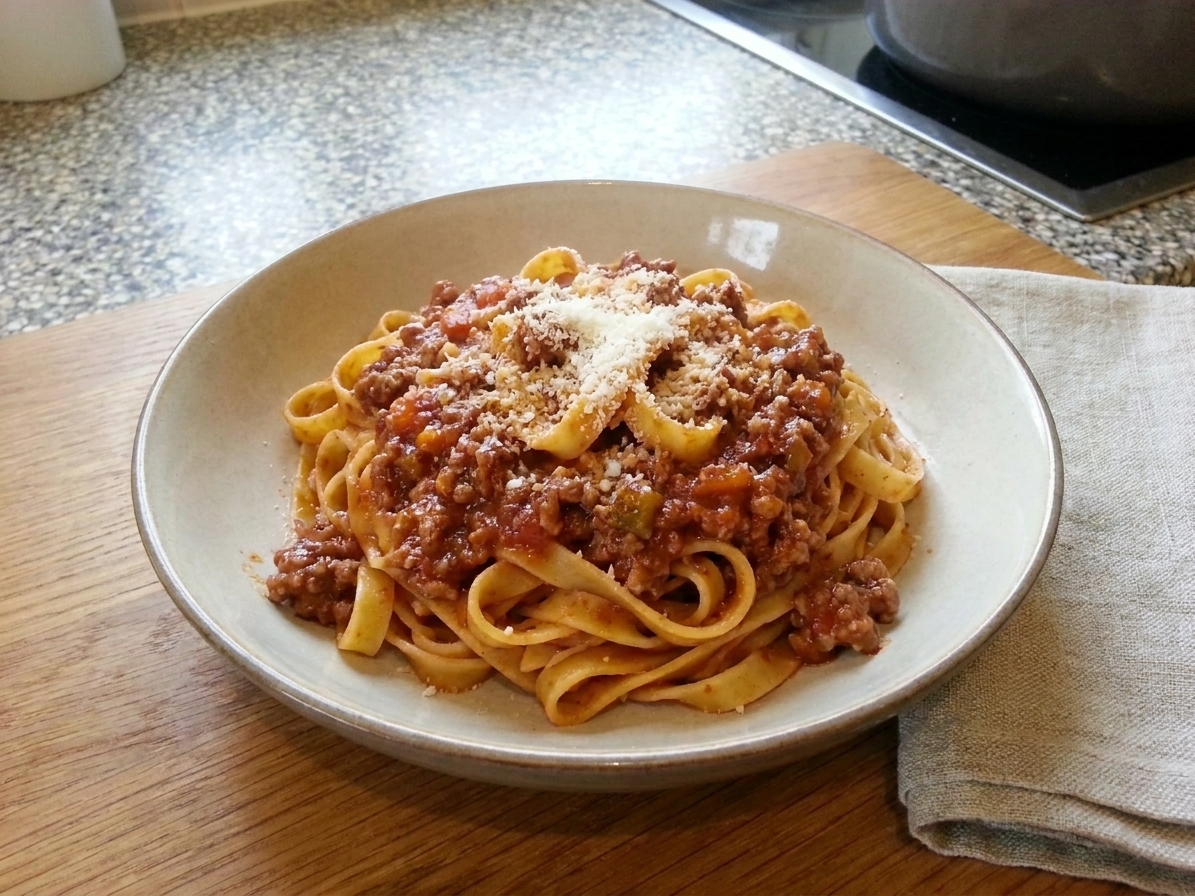
A bowl of tagliatelle coated in traditional bolognese ragù with a dusting of Parmigiano-Reggiano on a wooden table with a linen napkin

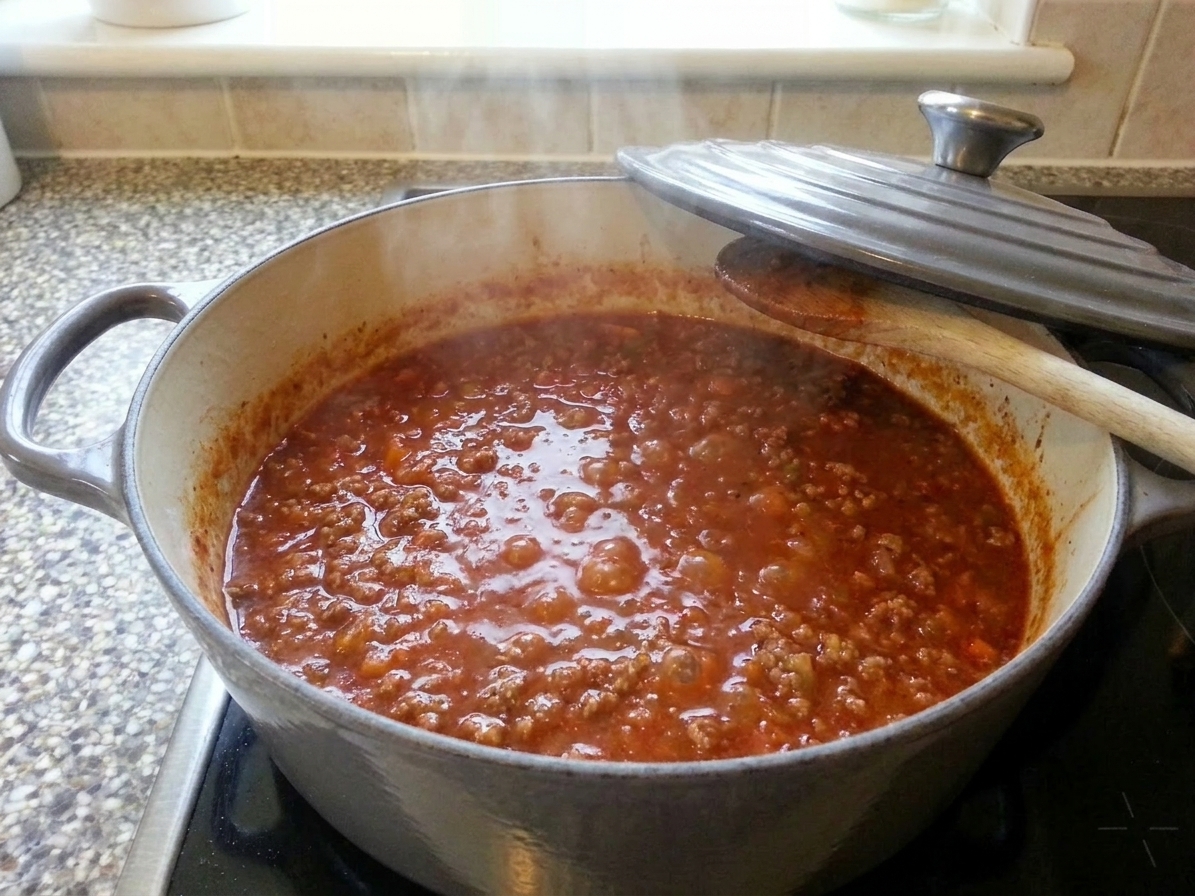
Traditional Bolognese ragù is not a quick pasta sauce and that is the point. It is a slow-building, low-drama kind of magic: tiny dice of vegetables melting into the base, meat gently simmering until it turns spoon-tender, and just enough tomato to round everything out without taking over. The payoff is that plush, savory sauce that clings to noodles like it means it.

I make this when I want the kitchen to smell like someone has their life together. It is cozy, yes, but it is also bright in the right places, with wine giving lift and milk smoothing the edges. Put on something comforting, keep the heat low, and taste as you go. Ragù rewards the cook who shows up occasionally with a spoon.
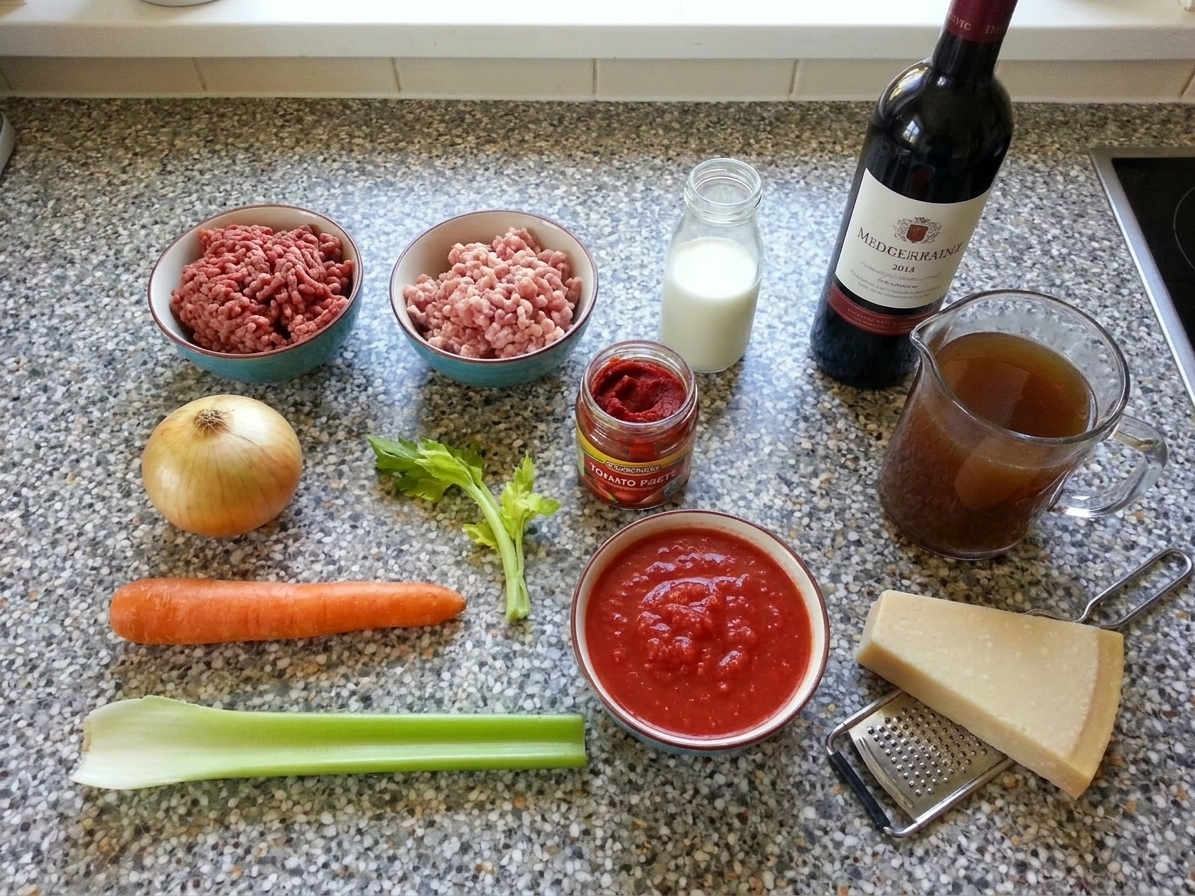
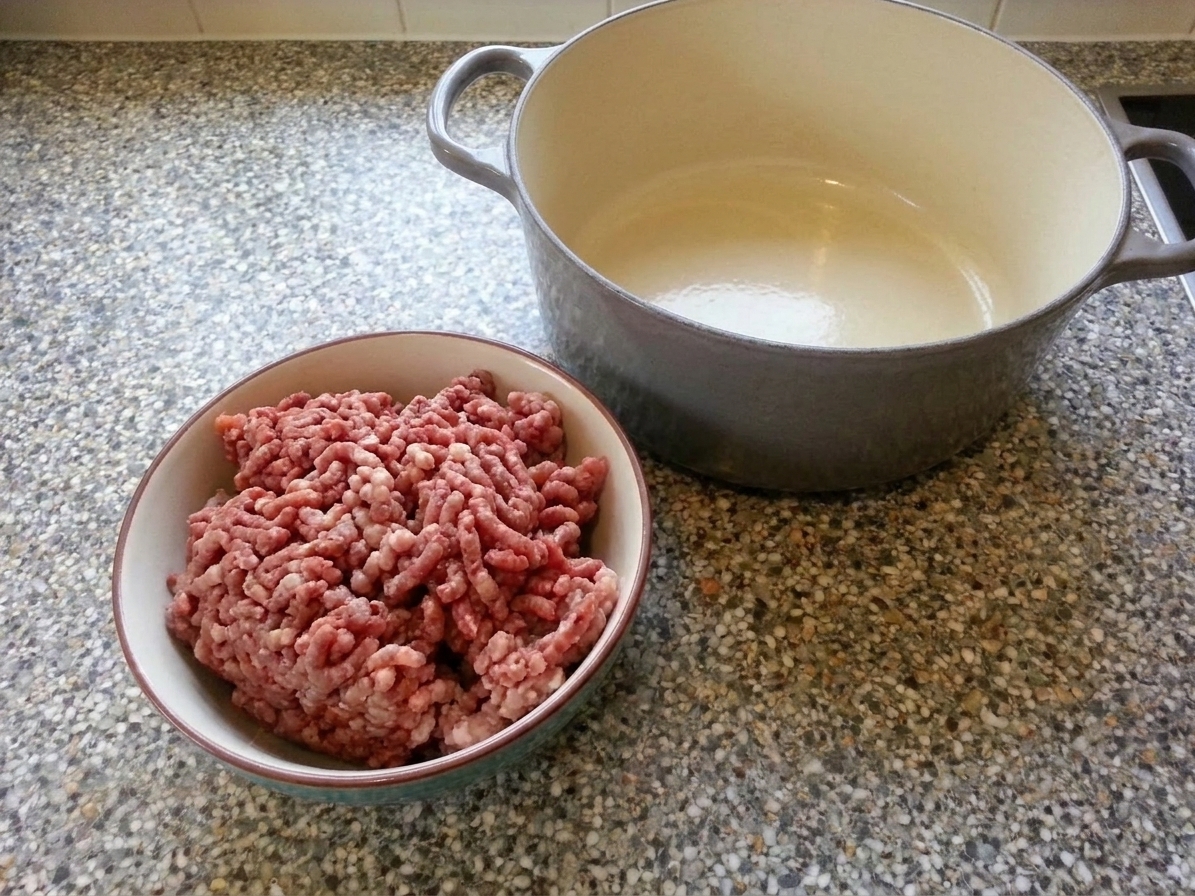
All the ingredients for traditional bolognese ragù arranged on a clean kitchen counter: ground beef and pork, onion, carrot, celery, tomato paste, crushed tomatoes, milk, wine, stock, and Parmigiano-Reggiano

Why It Works

  • Soffritto does the heavy lifting: Onion, carrot, and celery cooked slowly builds sweetness and depth without needing a long ingredient list.
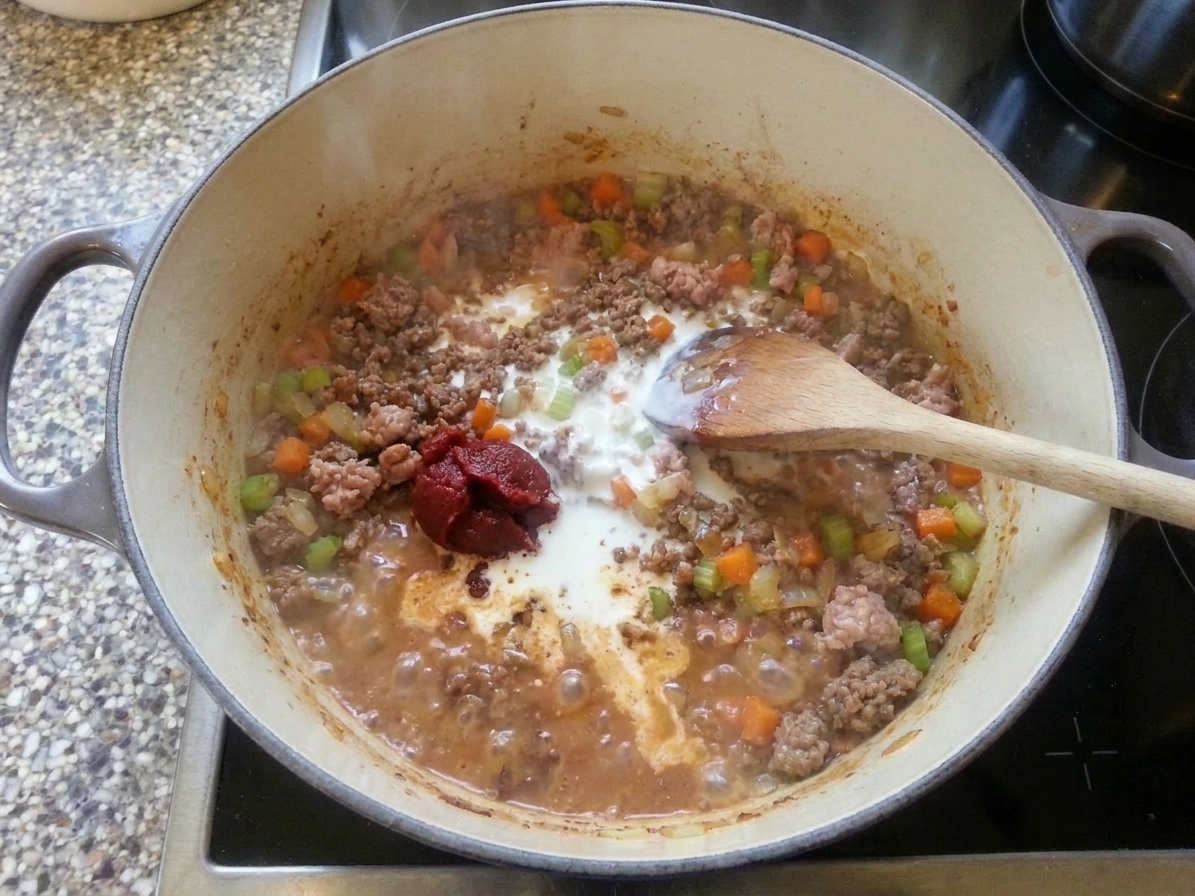
  • Milk makes it silky: Simmered into the meat (and finished with a final splash), it softens acidity and gives the sauce that signature, mellow richness.
  • Low and slow texture: Gentle simmering breaks down the meat into a cohesive ragù that coats pasta instead of sliding off.
  • Balanced tomato: Tomato paste plus a modest amount of tomatoes keeps it meaty and savory, not marinara-ish.

Pairs Well With

Storage Tips

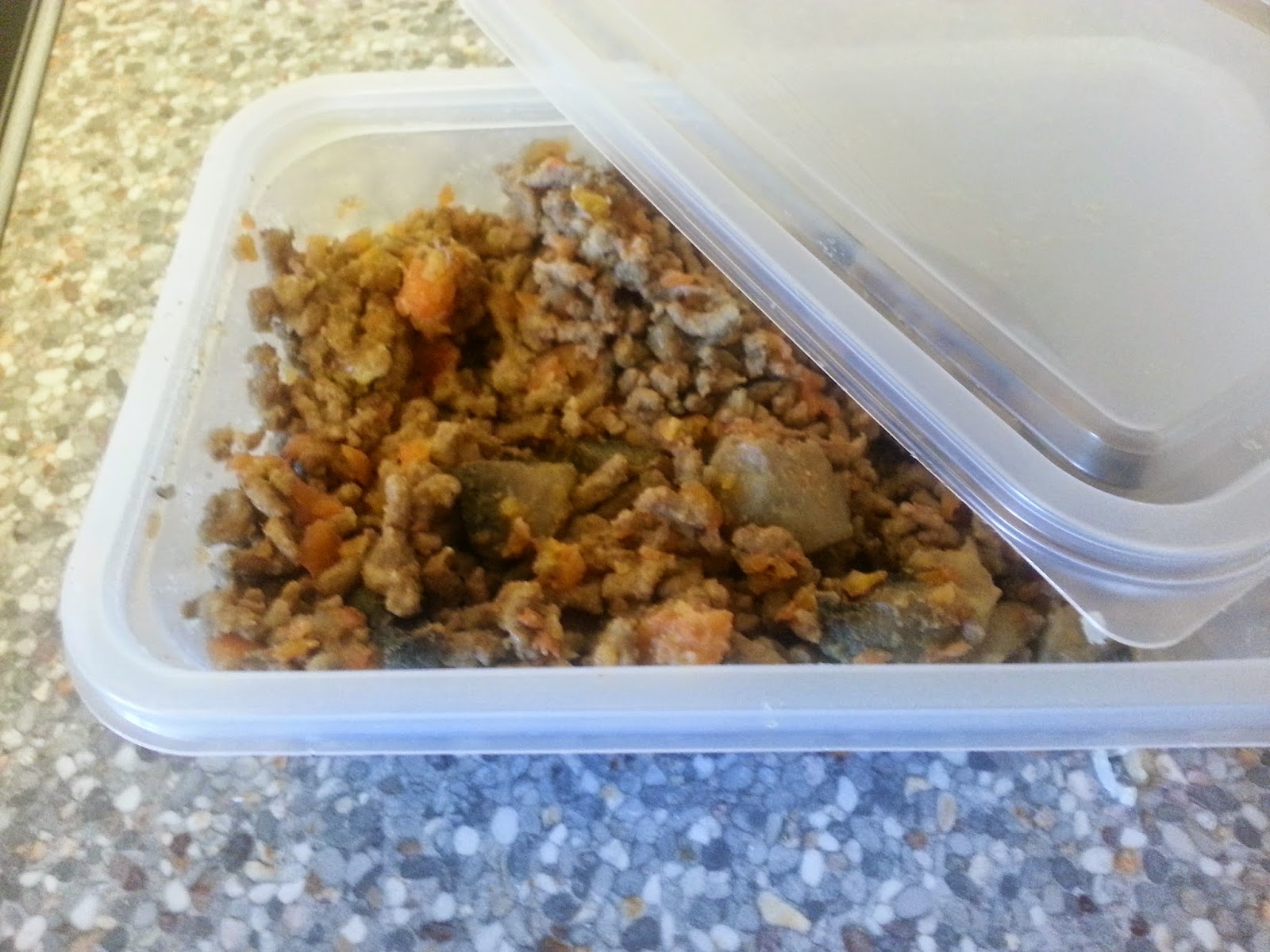
Refrigerate: Cool the ragù fast, then store in an airtight container for up to 4 days. The flavor gets even better on day two.

Freeze: Freeze in portioned containers or freezer bags laid flat for up to 3 months. Thaw overnight in the fridge for best texture.

Reheat: Warm gently in a saucepan over medium-low, adding a splash of water, stock, or milk if it has thickened. Stir often so nothing sticks on the bottom.

A glass meal prep container filled with leftover bolognese ragù with a lid beside it on a refrigerator shelf

Common Questions

Common Questions

What makes a ragù "Bolognese" instead of regular meat sauce?

Traditional-style ragù alla bolognese starts with soffritto, often uses a mix of meats, frequently includes a splash of wine, and simmers low and slow. It is also light on tomato and heavy on patient cooking, which gives it that mellow, meaty depth.

Do I have to use both beef and pork?

No, but the blend is worth it. Beef brings structure and savoriness, pork brings sweetness and richness. If you only have beef, it will still be good. If you only have pork, it will be very rich. If you want an easy middle ground, use all beef and add a tablespoon of butter at the end.

Why add milk to the sauce?

Milk is a classic technique in many Bologna-style ragù recipes. Simmered into the meat early, it rounds out acidity, keeps the meat tender, and gives the finished ragù a softer, silkier texture. It should not taste like dairy. It should taste like everything got nicer.

Can I make this in a slow cooker?

Yes, but do the browning, wine, and the first milk simmer on the stove first. Then transfer to a slow cooker with the tomatoes and stock and cook on low 6 to 8 hours. If you want the full silky finish, stir in a small splash of milk during the last 30 minutes.

What pasta is most traditional with Bolognese ragù?

Tagliatelle is the classic match. Wide, eggy noodles grab the sauce. Pappardelle is also great. Spaghetti works if that is what you have, but the sauce really shines on a broader noodle.

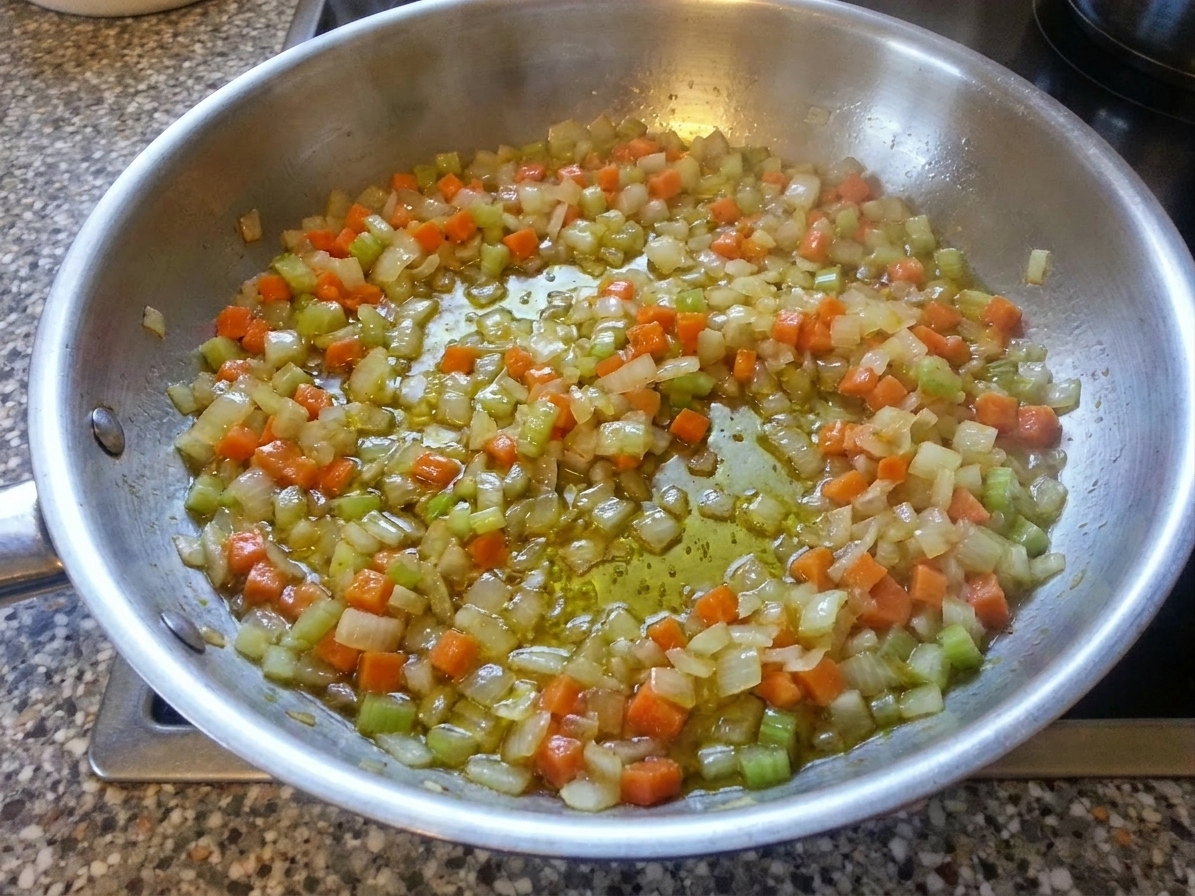
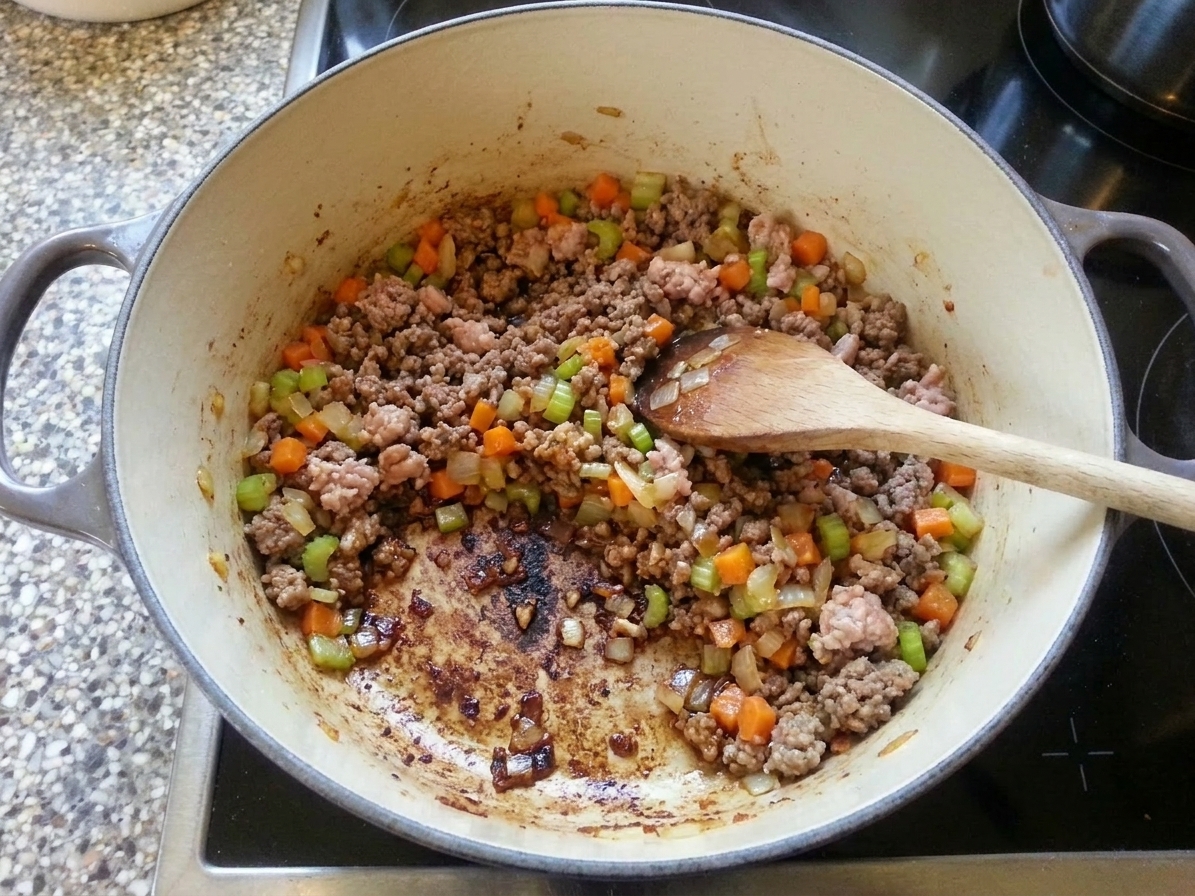
Finely diced onion, carrot, and celery cooking in olive oil in a wide skillet until softened and glossy

The first time I made a proper Bolognese, I was impatient and treated it like a weeknight meat sauce. I cranked the heat, dumped in tomato, and wondered why it tasted fine but not special. Later, after enough cookbook deep-dives and test batches to humble me, I learned the quiet flex of ragù: cook the vegetables slower than you think, brown the meat without rushing it, then let time do the work. Now it’s my go-to when I want a sauce that tastes like you tried hard, even if the actual effort is mostly just showing up to stir and taste.