Mom's Best Recipes
Recipe

Traeger Brisket

A simple salt and pepper brisket that comes out tender and smoky with a dark bark, a juicy flat, and a point that practically melts.

Author By Matt Campbell
4.8
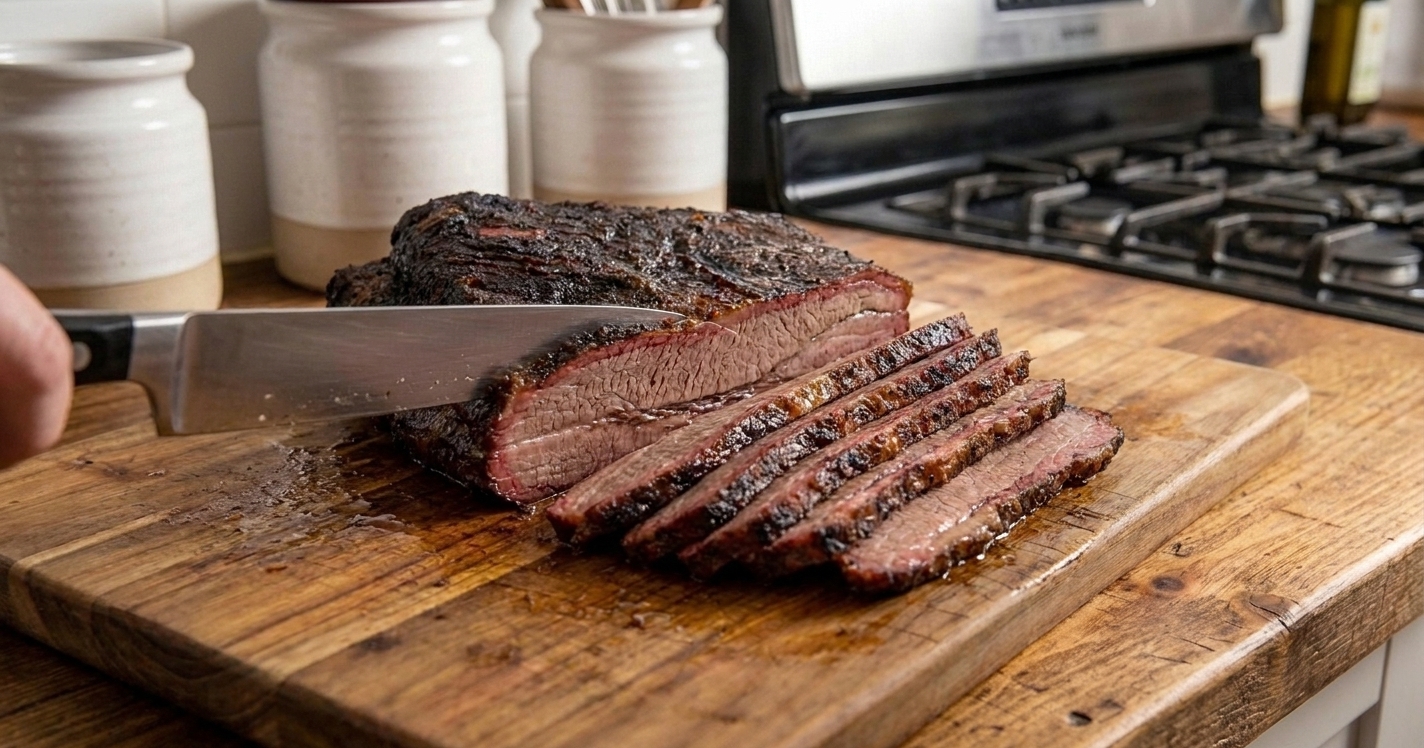
A sliced smoked beef brisket on a wooden cutting board with a dark peppery bark and visible smoke ring, juices glistening under warm kitchen lighting

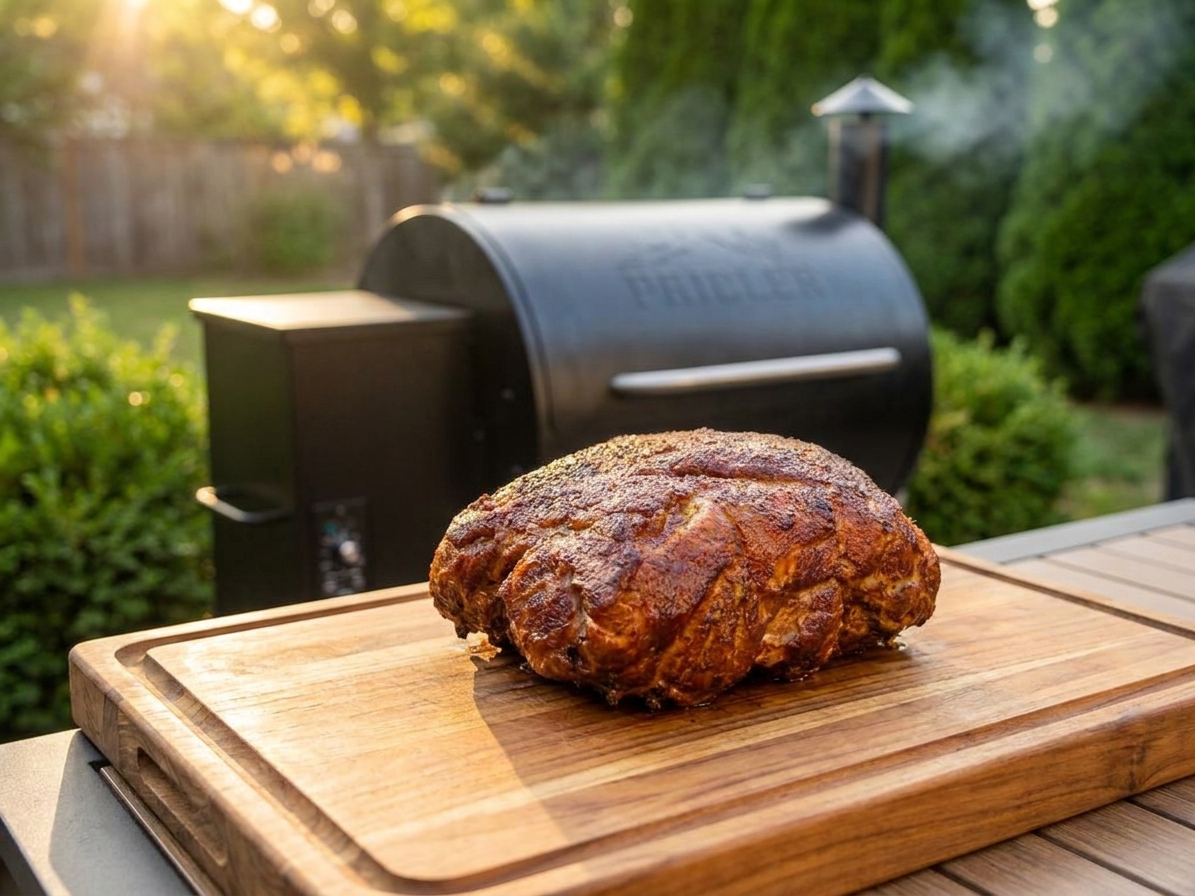
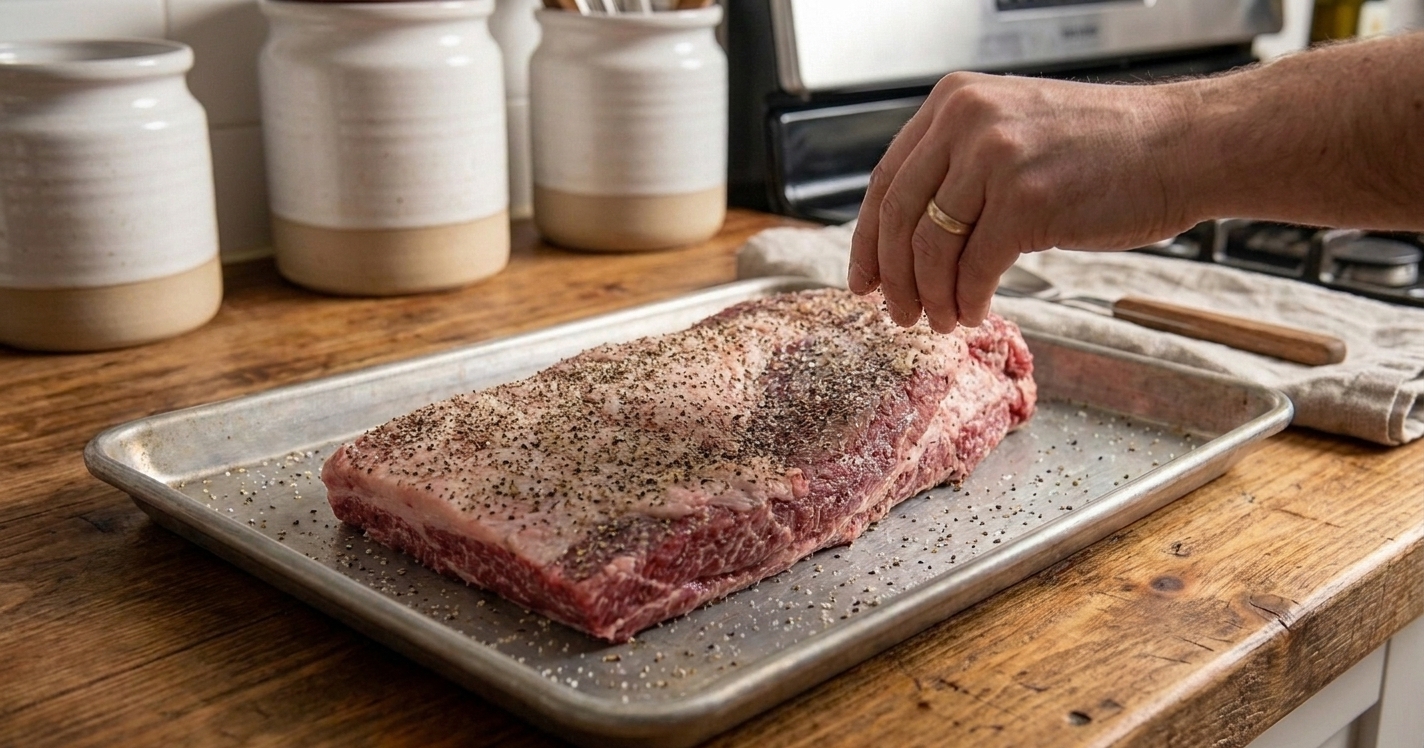
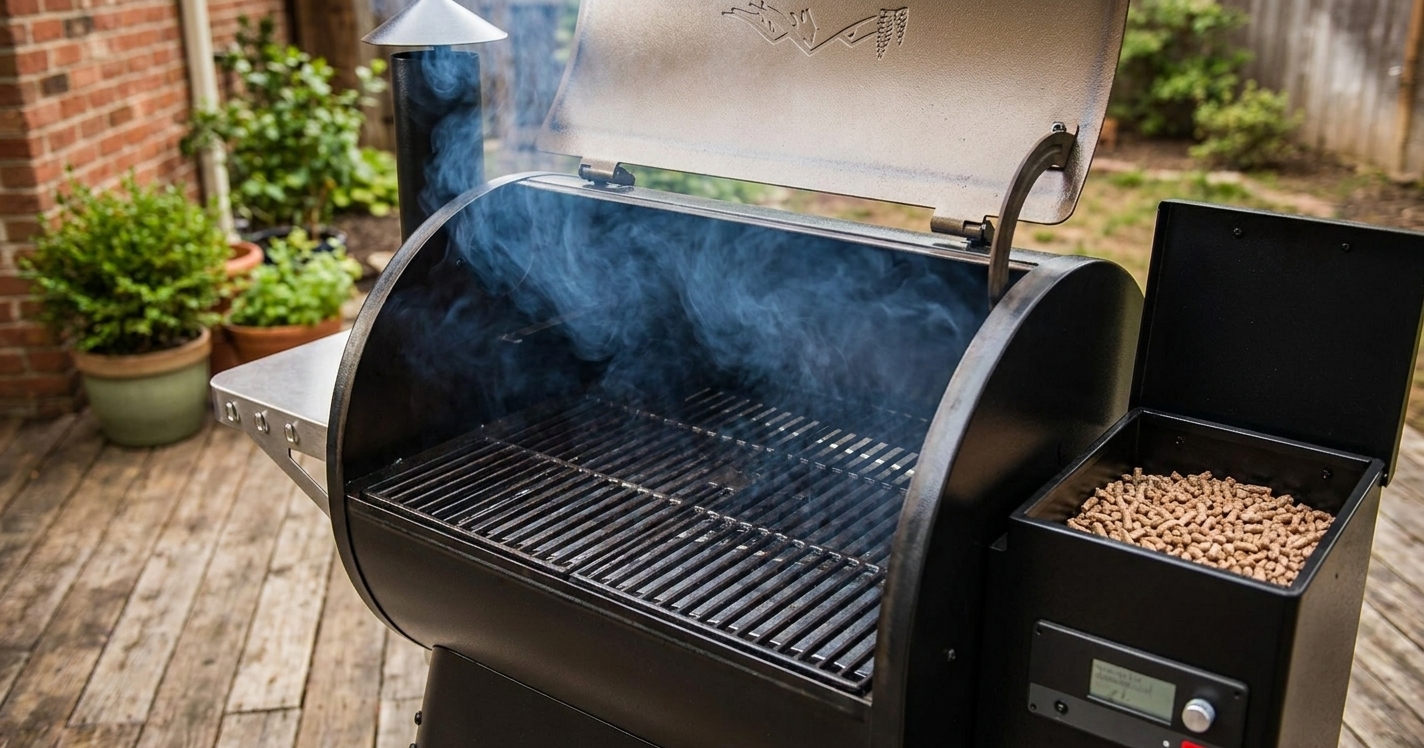
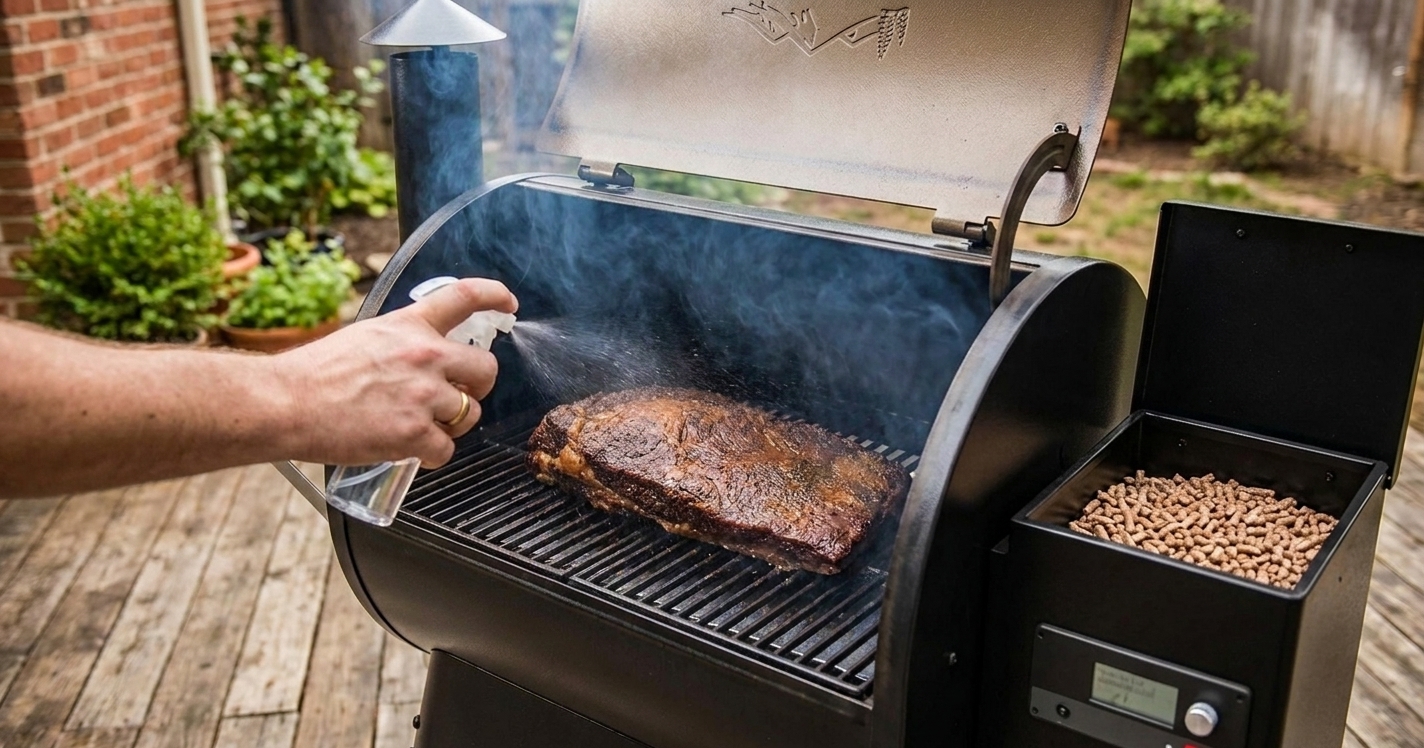
Brisket on a Traeger is one of those projects that feels intimidating right up until you do it once and realize the grill is basically doing the babysitting. Your job is just season, manage the heat, and know when to wrap. Then you let time do the flexing.

This is my go-to Traeger brisket for when I want that Texas-style vibe: bold pepper, a mahogany bark, and slices that bend without breaking. No fussy injections required, no sugar bomb rub, and no need to panic at the stall. We are cooking like a friend is in the kitchen with you, which means we are going to taste, adjust, and keep it fun.

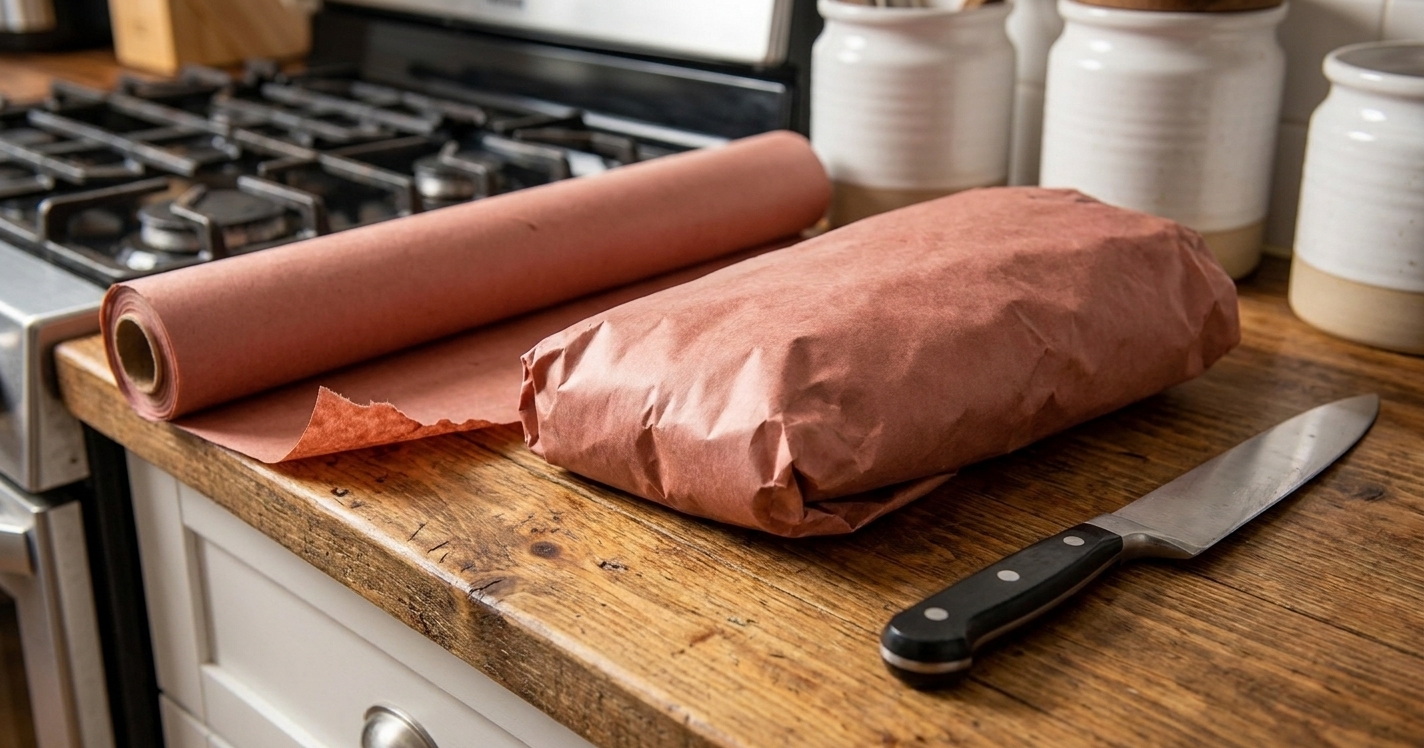
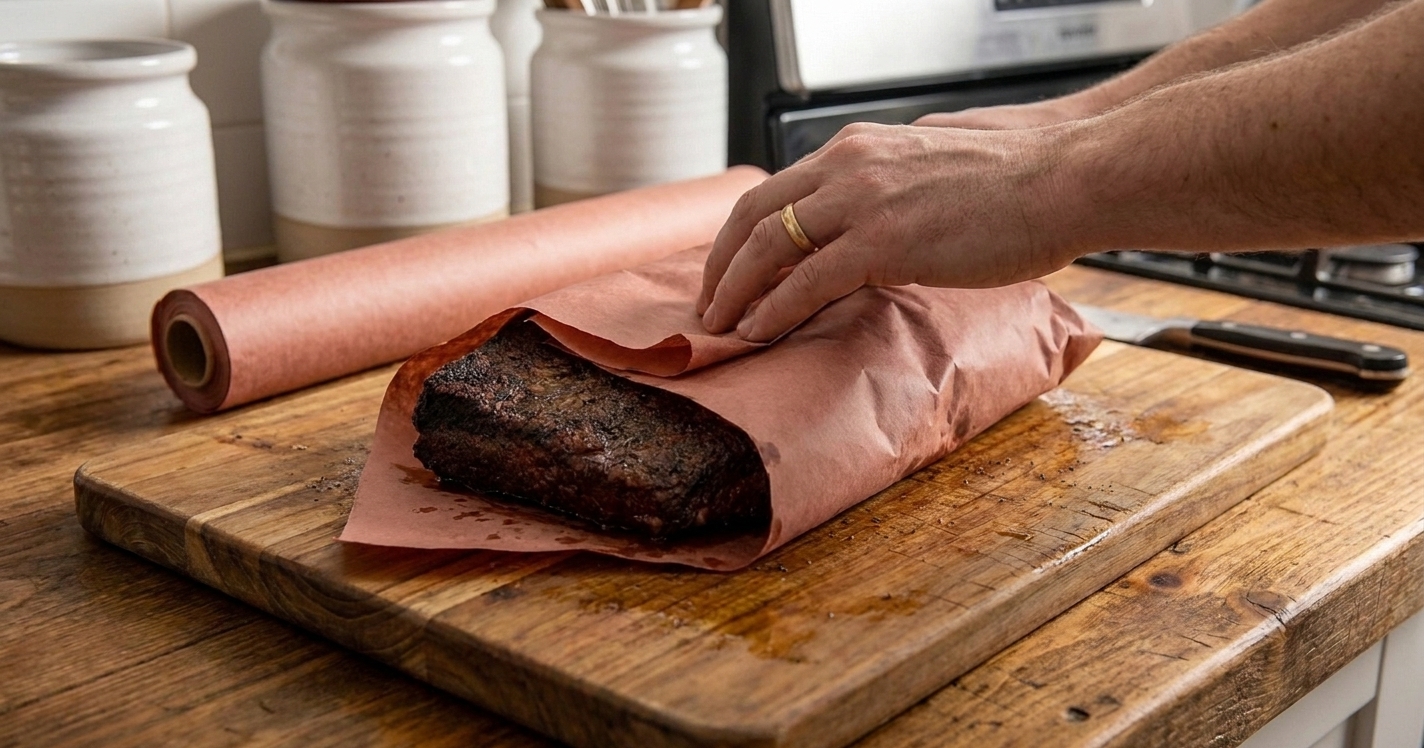
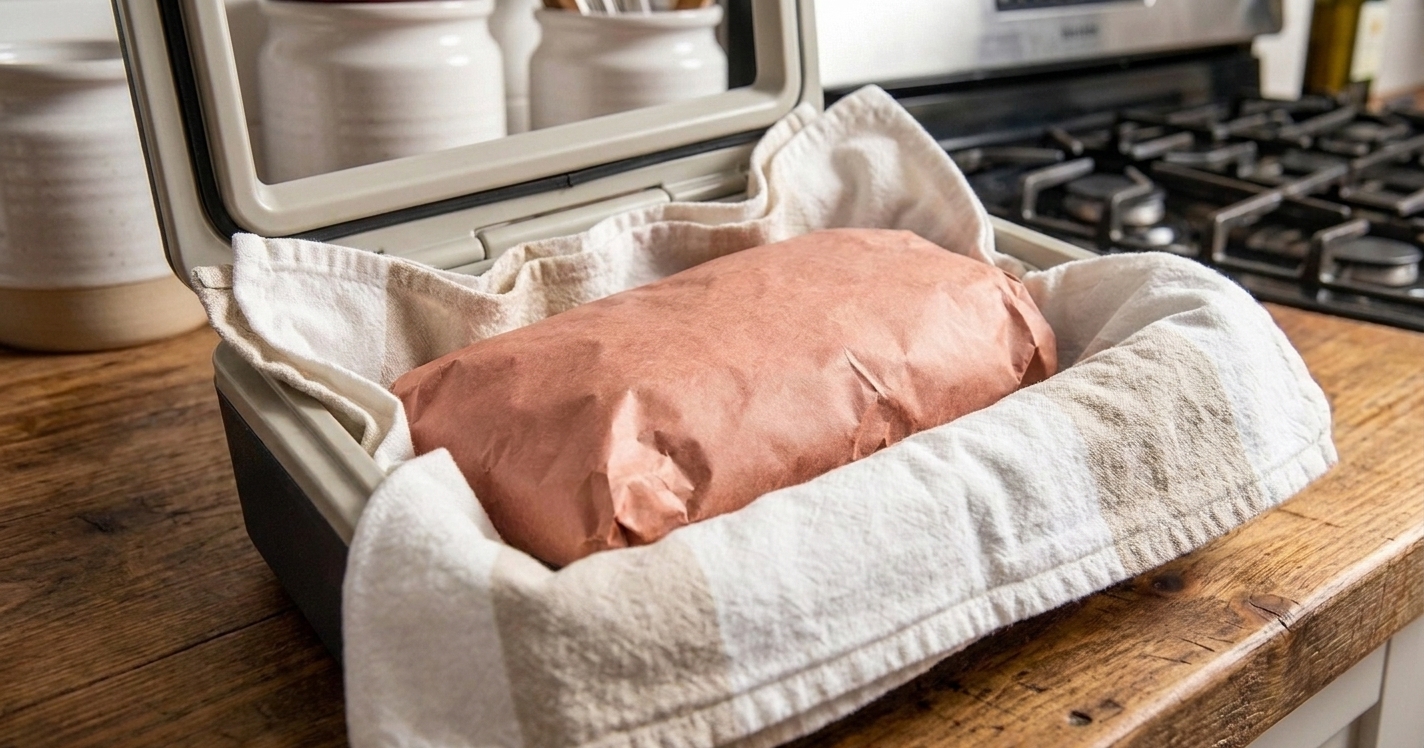
A whole beef brisket wrapped in pink butcher paper on a clean kitchen counter next to a roll of butcher paper and a chef's knife

Why It Works

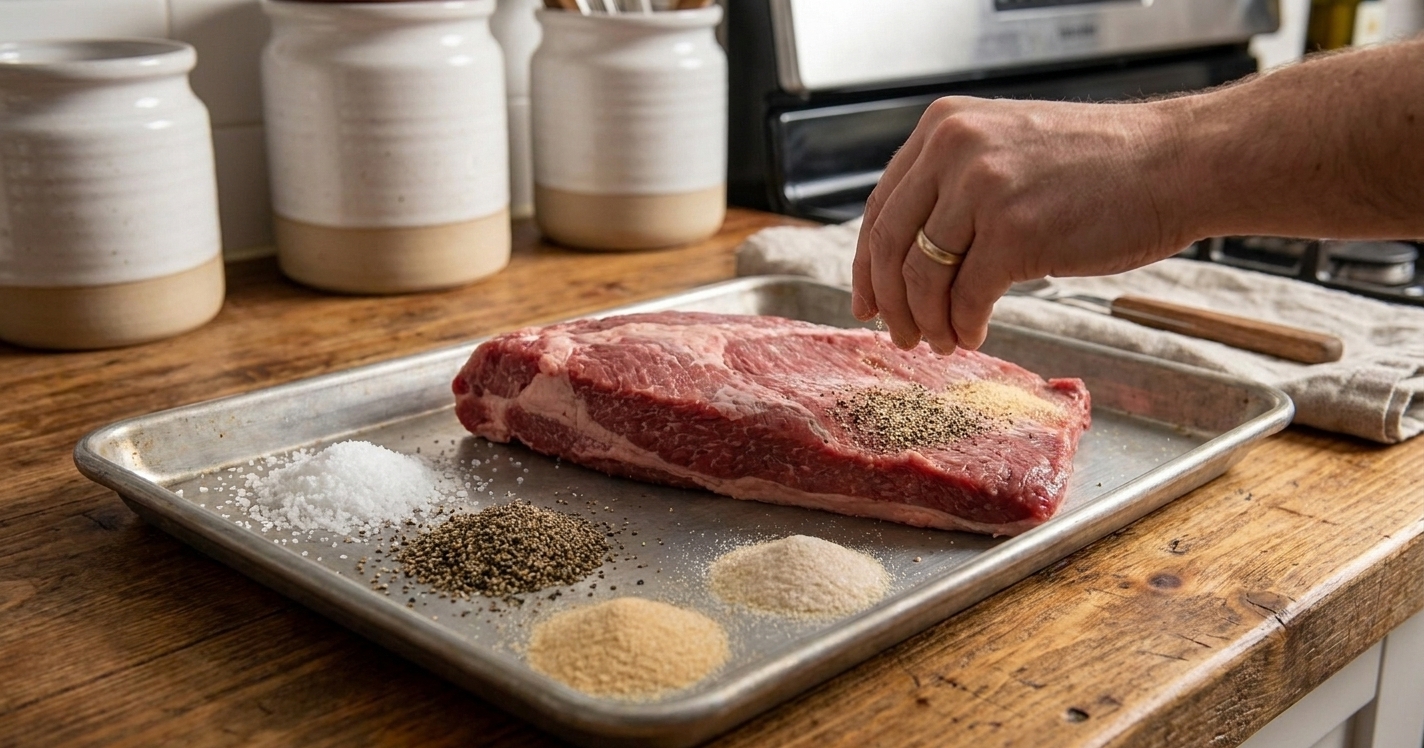
  • Simple seasoning, big payoff: A properly bold salt and pepper rub plus a little garlic gives you a bark that tastes like brisket, not pot roast.
  • Traeger-friendly timeline: Low and steady smoke early, then wrap to power through the stall and protect tenderness.
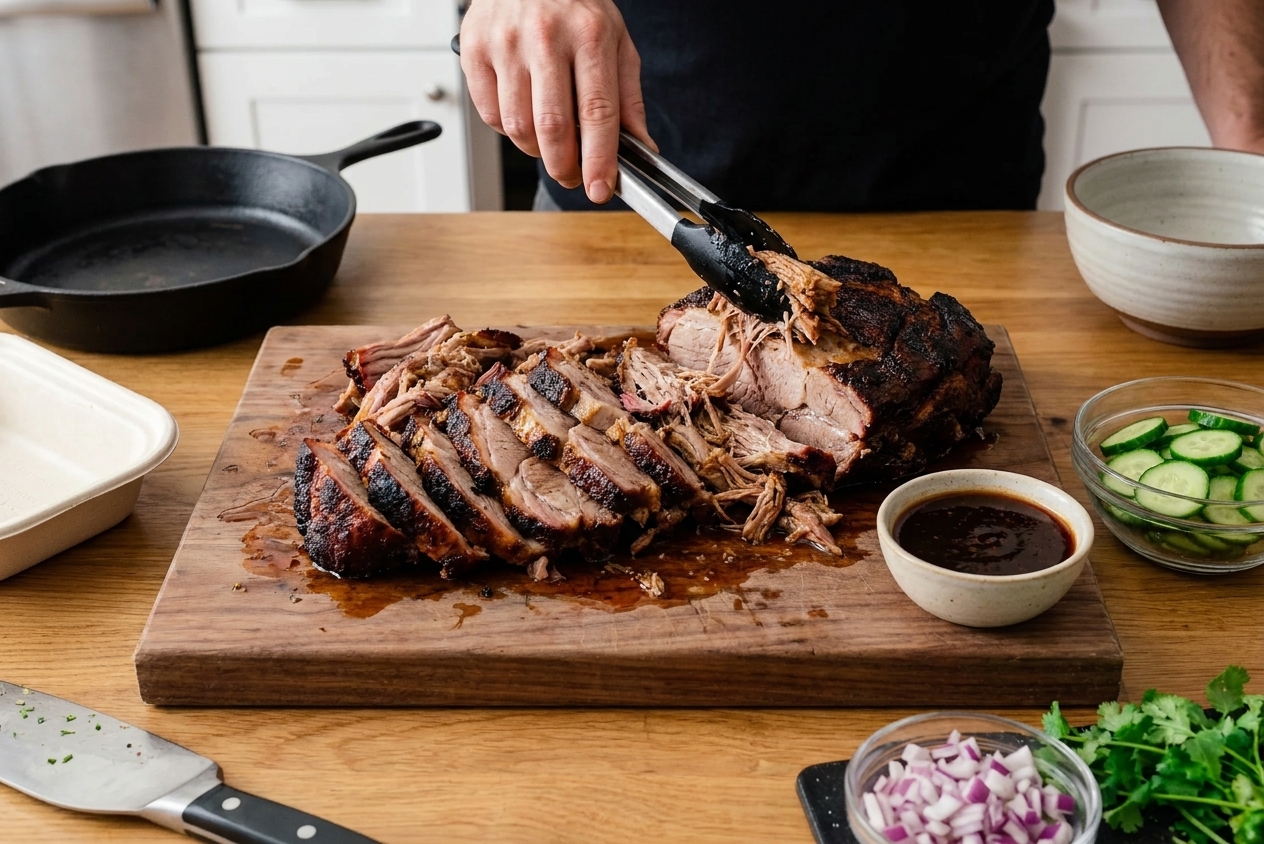
  • Sliceable and juicy: A long rest lets the juices settle so you get clean slices instead of brisket crumble.
  • Leftovers that stay good: A gentle reheat method keeps tomorrow’s brisket from turning dry and sad.

Pairs Well With

Storage Tips

Fridge: Cool brisket, then store in an airtight container with any juices. Best within 4 days.

Freezer: Freeze sliced or chunked brisket with a splash of reserved juices or broth in a freezer bag. Press out air. Best within 2 to 3 months.

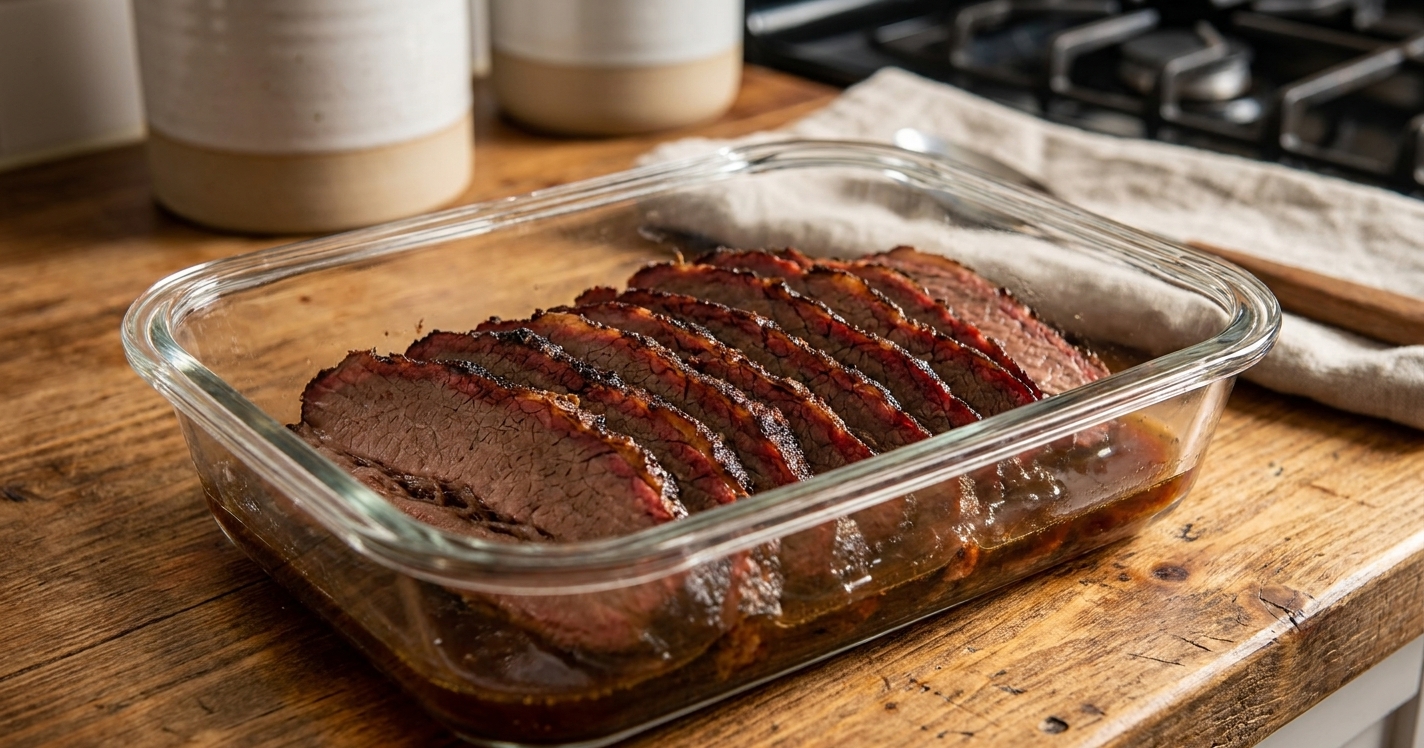
Reheat without drying out: Put slices in a baking dish, add a few spoonfuls of juices (or low-sodium beef broth), cover tightly with foil, and warm at 275°F until the thickest slice hits about 145 to 165°F (usually 20 to 35 minutes, depending on thickness). If you have a sous vide setup, brisket in a sealed bag at 150°F until warmed through is pure magic. For slices, plan about 45 to 90 minutes. For thicker chunks, go longer.

Sliced brisket stored in a glass meal prep container with a little cooking juice at the bottom on a kitchen counter

Common Questions

What size brisket should I buy?

For most families, a 12 to 15 pound whole packer brisket is the sweet spot. You will lose weight to trimming and rendering, so plan on about 1/2 pound cooked brisket per person (more if you want generous leftovers).

Do I cook brisket fat side up or down on a Traeger?

I go fat side down on most pellet grills because the heat often comes from below. The fat can act like a little heat shield for the flat. If your particular setup runs hotter from above, flip that logic. The real rule is: protect the flat.

What internal temperature is brisket done?

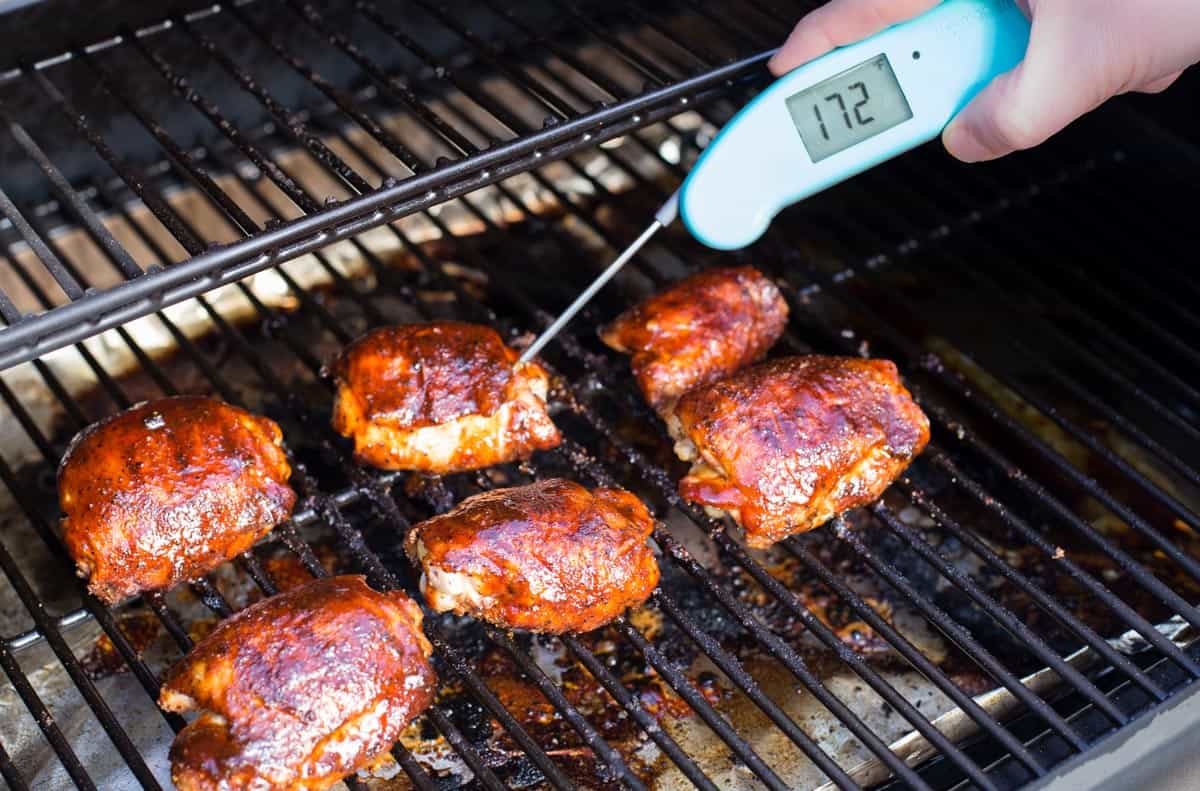
Use temperature as a guide, not a finish line. Brisket is usually ready to come off around 200 to 205°F, but the true test is feel. A probe should slide into the flat with almost no resistance, like room-temperature butter.

What is the stall and do I have to wrap?

The stall is when evaporation cools the meat and the temperature seems stuck, often around 150 to 170°F. You do not have to wrap, but wrapping in butcher paper or foil helps you push through it, keeps the flat from drying out, and gets dinner on the table before everyone starts snacking on chips like it is their job.

Butcher paper or foil?

Butcher paper: best bark and a more traditional texture.
Foil: fastest and juiciest, but bark can soften more.
I prefer paper for brisket on a Traeger unless I am racing the clock.

How long should brisket rest?

At least 1 hour, and 2 to 4 hours is even better if you can hold it warm (in a cooler or a low oven). For food safety, keep the brisket above 140°F internal during a long hold. If your oven does not hold low temps reliably, use a cooler method and check with a thermometer.

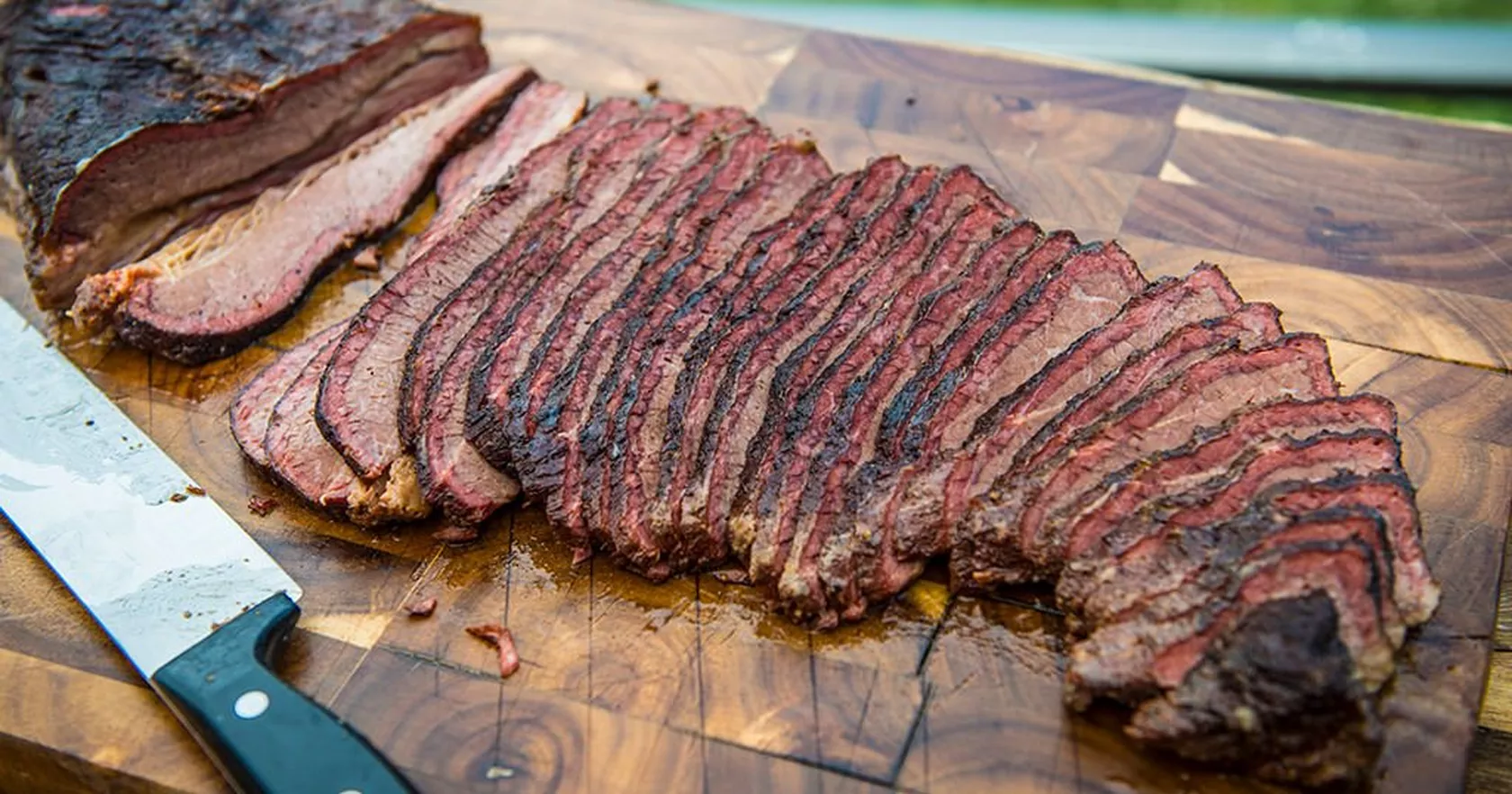
The first brisket I ever made was a full confidence situation on the outside and a quiet panic on the inside. I kept opening the lid like I was checking on a sleeping baby, which is the fastest way to turn “steady heat” into “why is my cook taking forever.” Now I treat brisket like a long playlist: set the vibe, stop messing with it, and let the smoke do its thing. The win for me is always the same moment, when you slice the flat and it holds together, then drapes over your finger without snapping. That is the brisket handshake.