Mom's Best Recipes
Recipe

Turkey Brine for Smoking

An easy, balanced brine that seasons the turkey well and helps it stay juicy on the smoker.

Author By Matt Campbell
4.8
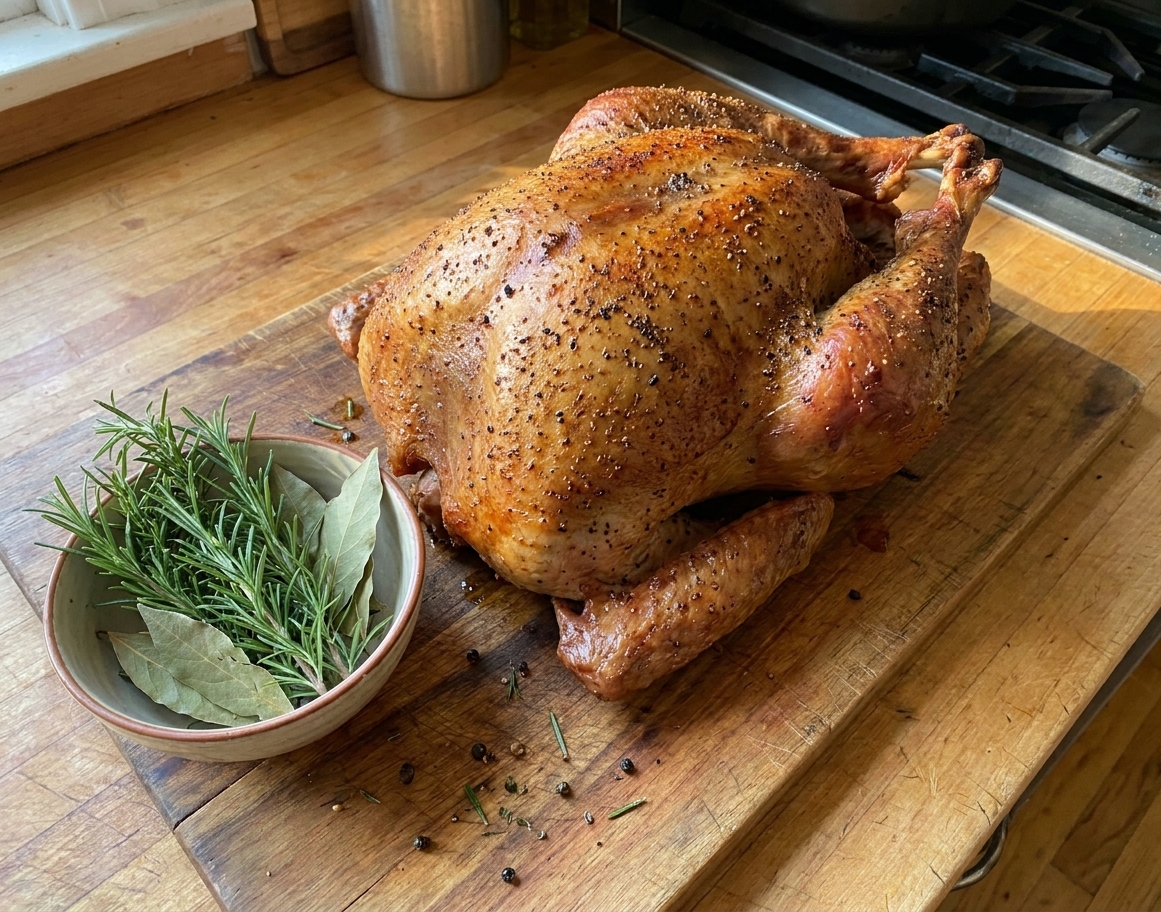
A golden brown smoked turkey resting on a wooden cutting board with visible peppery skin and a small bowl of herbs nearby in a warm home kitchen

If smoked turkey is your goal, brining is your cheat code. Not for making it salty, but for making it forgiving. The smoker is steady, but it is also a long hangout in moving heat that can sneak moisture out of lean meat. A good brine helps the turkey hold onto juiciness and seasons it nicely so the first slice does not taste like you forgot the inside.

Below is my go-to wet brine built for smoking, plus a dry brine option if you want crisper skin with less mess. Either way, you end up with a turkey that tastes like you actually meant to do that.

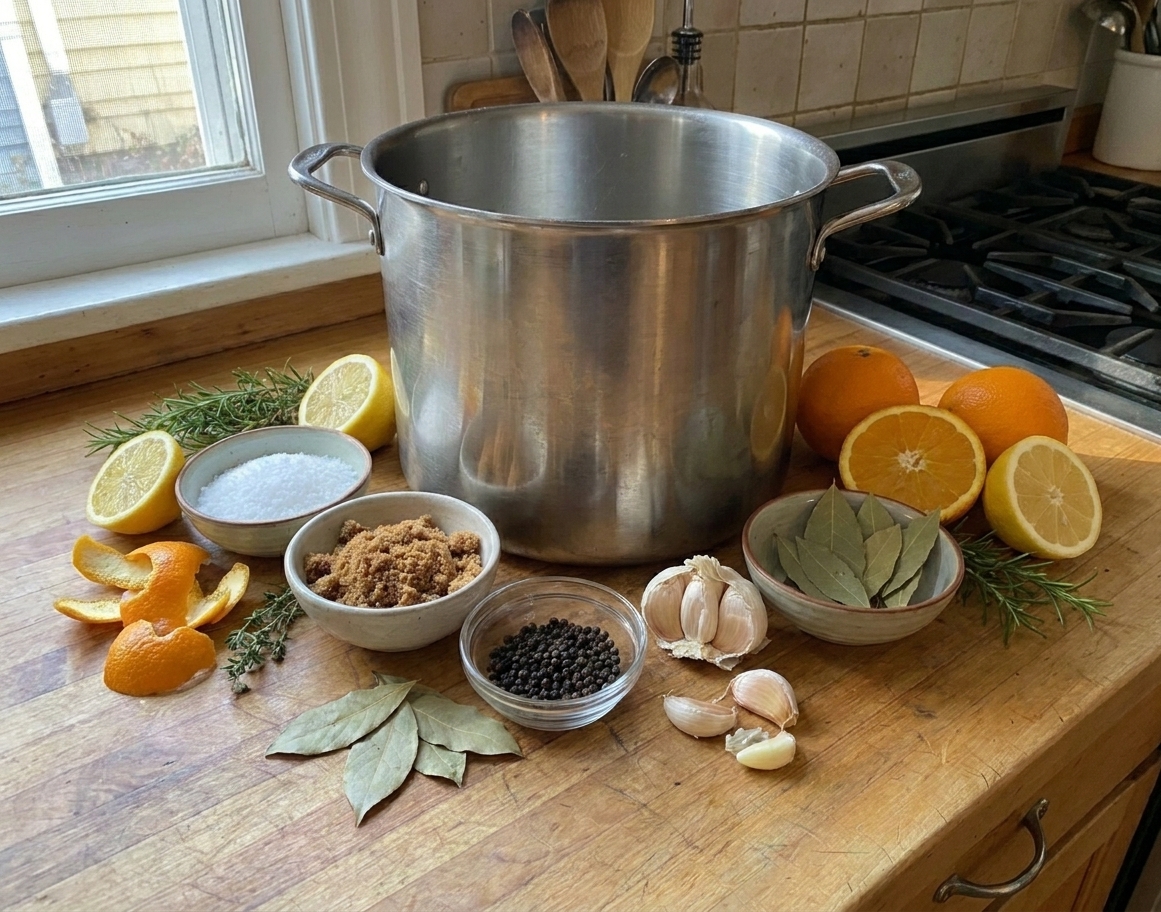
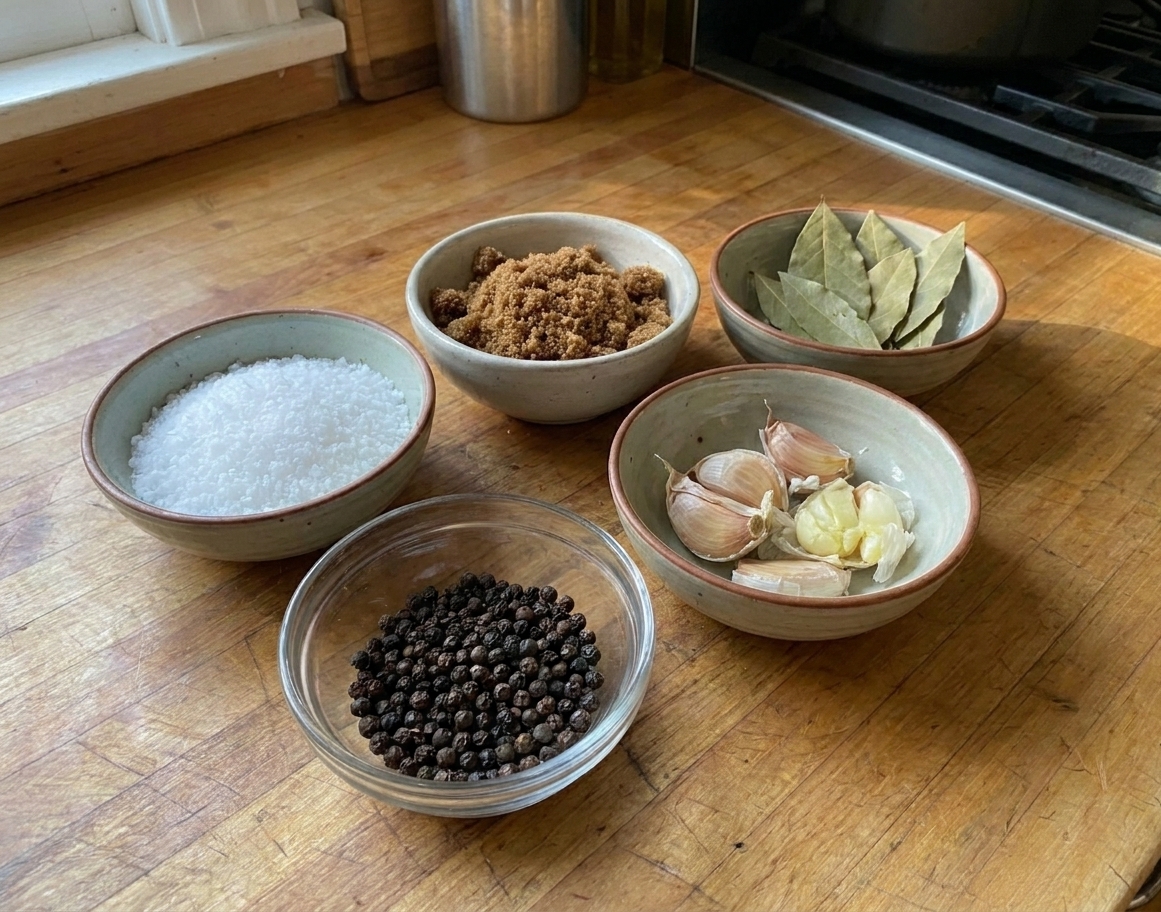
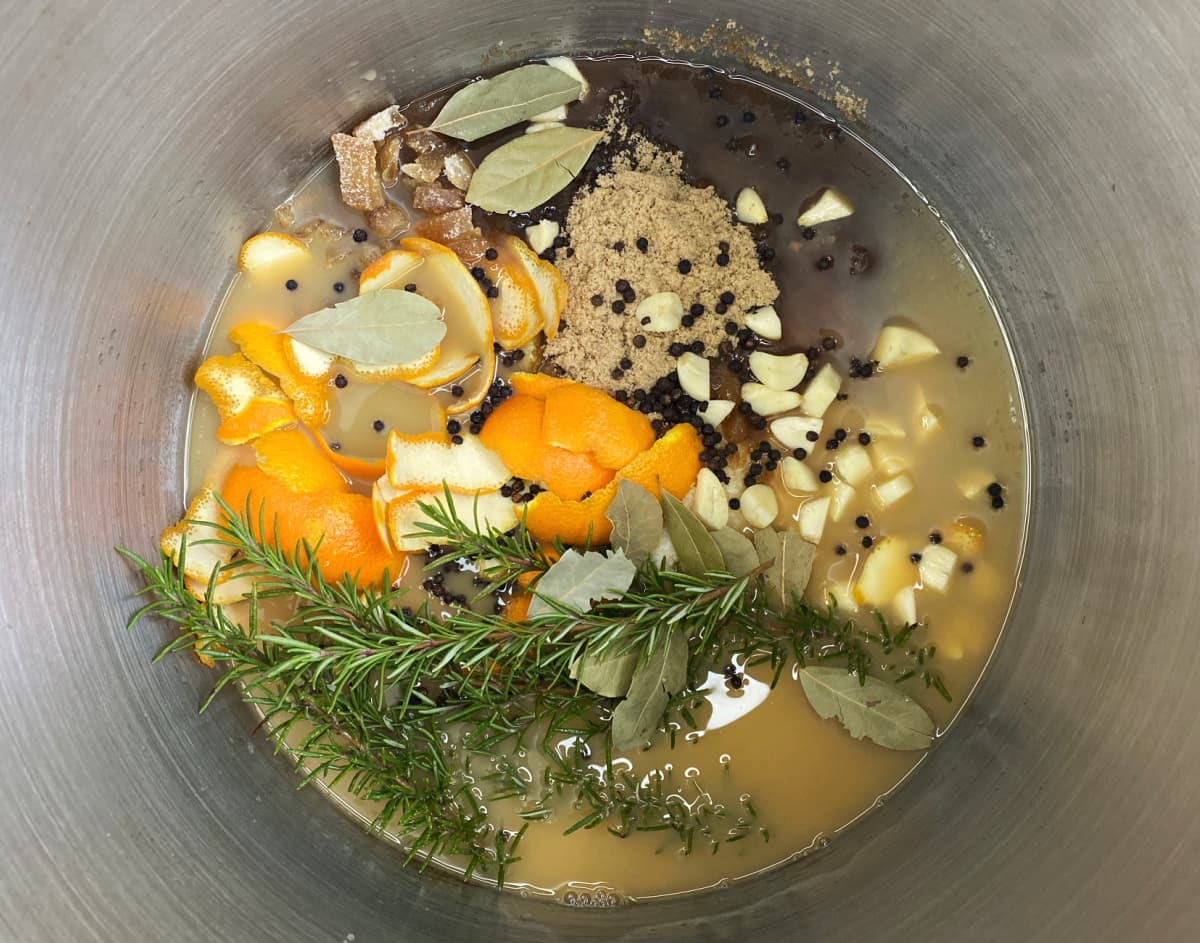
A home kitchen counter with kosher salt, brown sugar, peppercorns, bay leaves, garlic, citrus, and a large stockpot arranged for making turkey brine

Why It Works

  • Juicier breast meat: Brining helps the lean parts stay moist through the long smoke.
  • More even seasoning: Salt does the real work here, helping flavor the meat beyond just the surface.
  • Better browning: A touch of sugar supports color, and the instructions include a dry-out step for better skin.
  • Built-in flexibility: Works for whole turkey or just breasts, includes wet and dry options, and scales up when your container needs more liquid.

Important note on “pre-brined” turkeys: If your turkey label says “enhanced,” “contains a solution,” or lists salt in the ingredients, skip a full wet brine. You can do a light dry brine (shorter time) or just season before smoking.

Pairs Well With

Storage Tips

Smoked turkey leftovers keep well, which is great because you will want midnight sandwiches.

  • Refrigerate: Cool turkey within 2 hours. Store sliced meat in an airtight container for up to 4 days. Add a splash of broth or pan drippings to keep slices juicy.
  • Freeze: Freeze carved turkey (especially breast slices) with a little broth in freezer bags for up to 3 months. Press out excess air for best texture.
  • Reheat without drying out: Warm turkey in a covered dish at 300°F with a few tablespoons of broth until just hot. Or reheat slices gently in a skillet with gravy.

Common Questions

How long should I brine a turkey for smoking?

For a whole turkey, brine 12 to 18 hours. For just a breast, 6 to 12 hours. Smaller birds lean salty faster, so stay closer to the low end. Try not to push past 24 hours with a wet brine or the texture can get a little hammy.

How much brine do I need to cover the turkey?

It depends on your setup. A tight brining bag with the air pressed out can often manage with the base recipe. A rigid container (bucket, stockpot, cooler) usually needs more liquid to cover a 12 to 16 pound bird. If the turkey is not fully submerged, scale the entire recipe up (water, salt, sugar, everything) by 1.5x or 2x, or make a second batch. Do not just add plain water or you will weaken the salt concentration.

Do I rinse the turkey after brining?

Usually you can skip rinsing. If you see lots of clinging spices or a heavy salty coating, do a quick rinse, then pat very dry. Either way, sanitize the sink and surrounding area after handling raw poultry. The more important step is drying the skin uncovered in the fridge for 8 to 24 hours for better bite-through skin.

Will brining make my turkey too salty?

Not with the ratios below and the recommended time. Most “too salty” situations come from using a turkey that was already injected with salt, brining a smaller bird too long, or leaving it in for way too many hours.

Can I add apple cider, beer, or juice to the brine?

As a general guideline, you can replace up to about 25 percent of the water with apple cider or unsweetened juice. Keep the same salt amount. Go easy on sugary liquids since sugar can brown fast on the smoker.

Wet brine or dry brine for smoking?

Wet brine is juiciness insurance and is great for first-timers. Dry brine is less messy and usually gives crisper skin. If you are chasing the best skin, dry brine wins.

Is it safe to brine at room temperature?

No. Always brine at 40°F or below. Use a fridge, a cooler packed with ice, or a brining bag in a bin with ice packs.

Can I brine a frozen turkey?

No. The turkey needs to be fully thawed so the brine can do its job safely and evenly.

Can I reuse brine?

No. Discard it after use. It has been in contact with raw poultry.
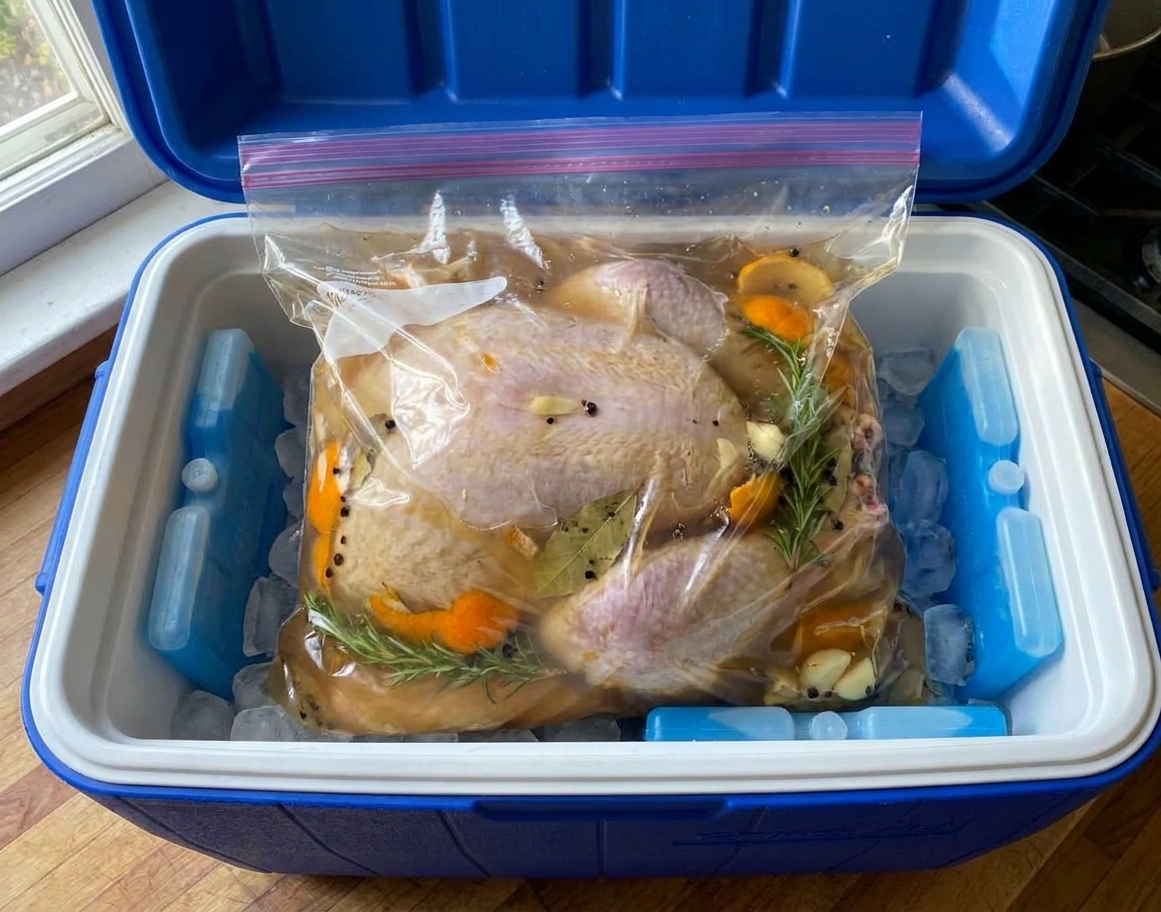
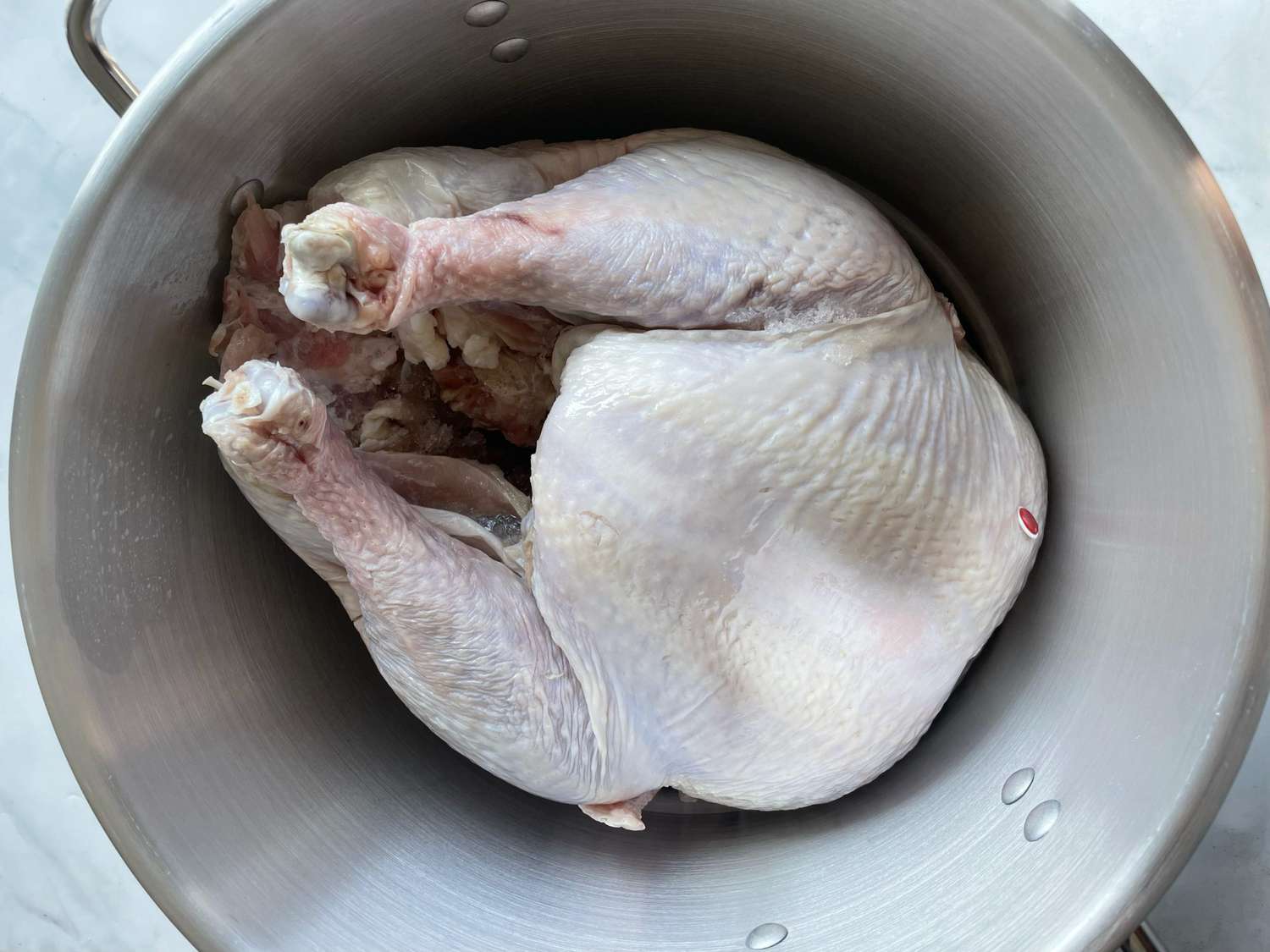
A whole turkey submerged in brine inside a large zip brining bag set in a cooler filled with ice packs for safe chilling

I used to think brining was one of those “extra” steps people did for the vibes. Then I smoked a turkey that looked like a magazine cover and tasted like regret. Dry breast, great smoke, no mercy.

Now I brine like it is part of the job. It is not fussy, it is not fancy, and it makes the smoker feel like a safety net instead of a high-wire act. Also, I like any cooking move that lets you be a little chaotic and still land the plane.