Mom's Best Recipes
Recipe

Ube Halaya (Filipino Ube Jam)

A creamy Filipino purple yam jam with coconut milk and condensed milk, cooked low and slow until thick, glossy, and ridiculously spoonable.

Author By Matt Campbell
4.8
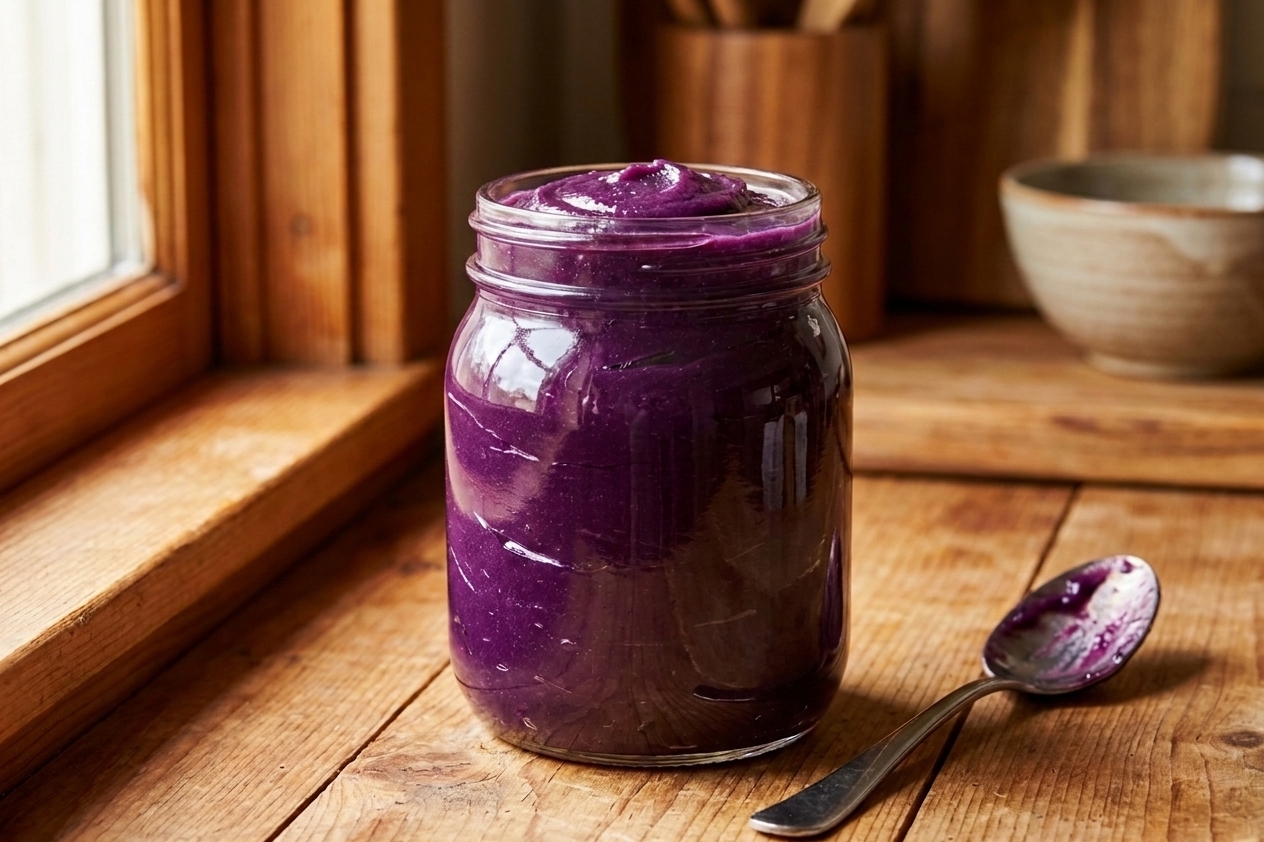
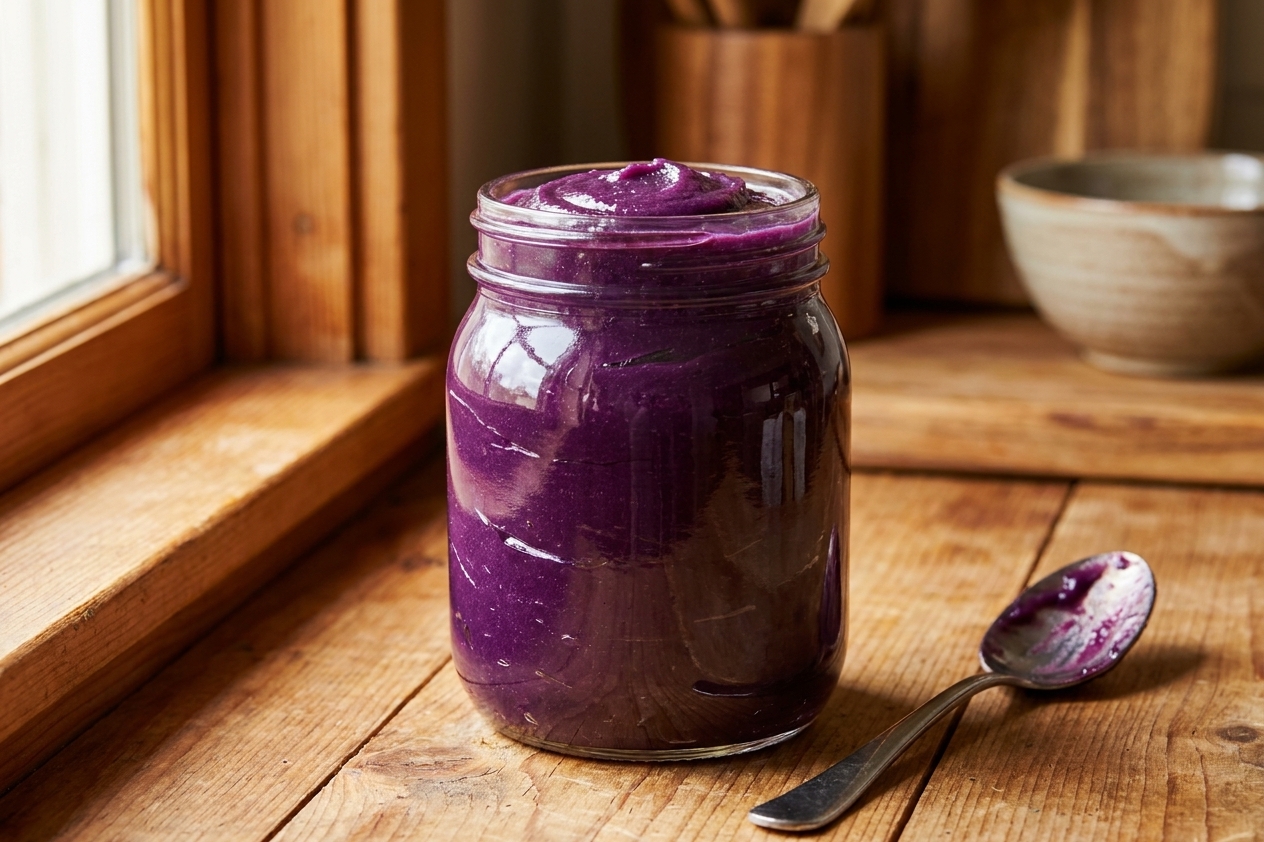
A glass jar filled with glossy deep purple ube halaya on a wooden kitchen counter with a spoon resting beside it, warm natural light

Ube is one of those flavors that feels like it should be complicated because it tastes so special. Nutty, vanilla-ish, softly earthy, and wrapped in that unreal purple color. The good news is the most classic way to use it at home, ube halaya, is basically a slow, cozy stir session that rewards you with a thick, glossy jam you can put on anything.

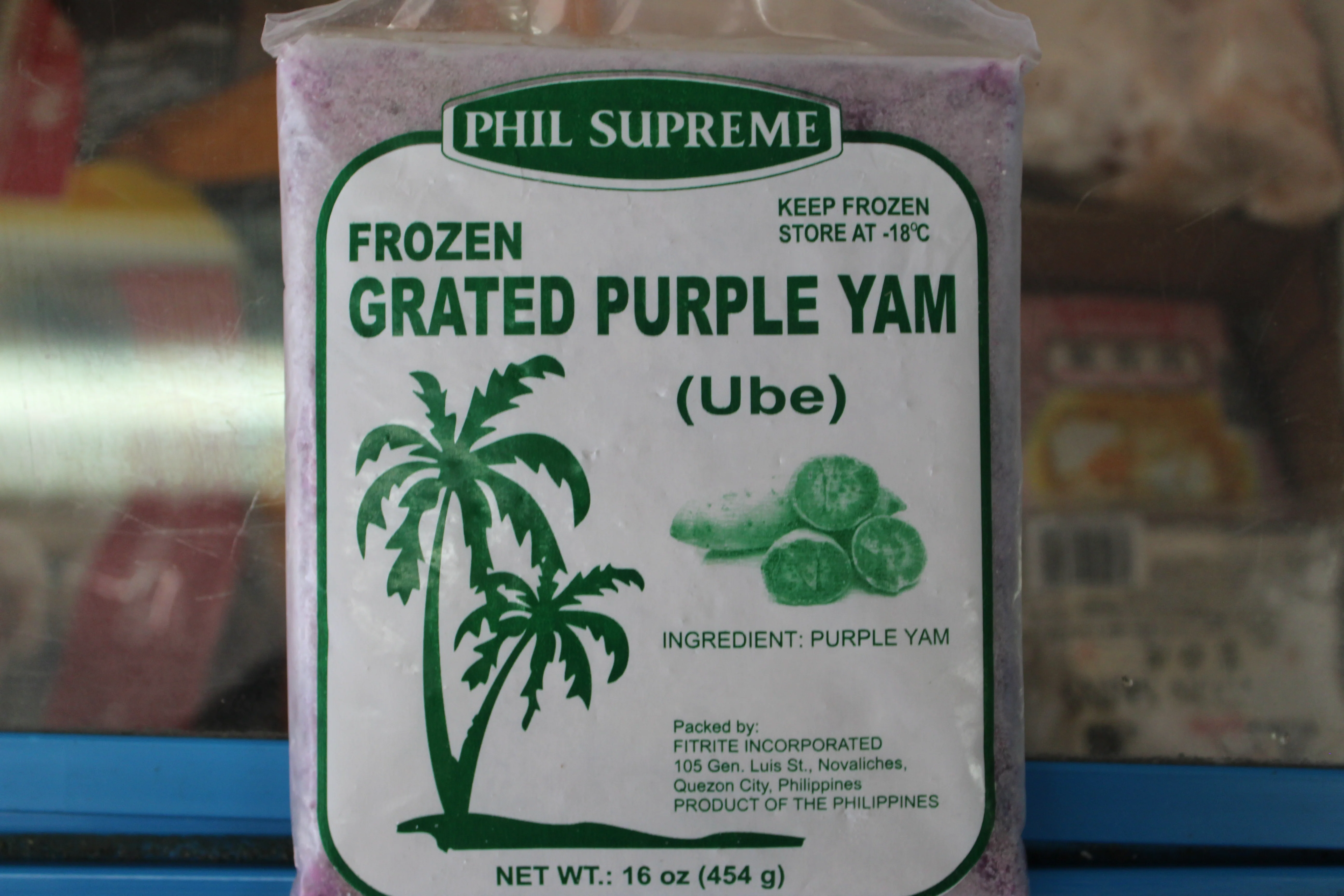
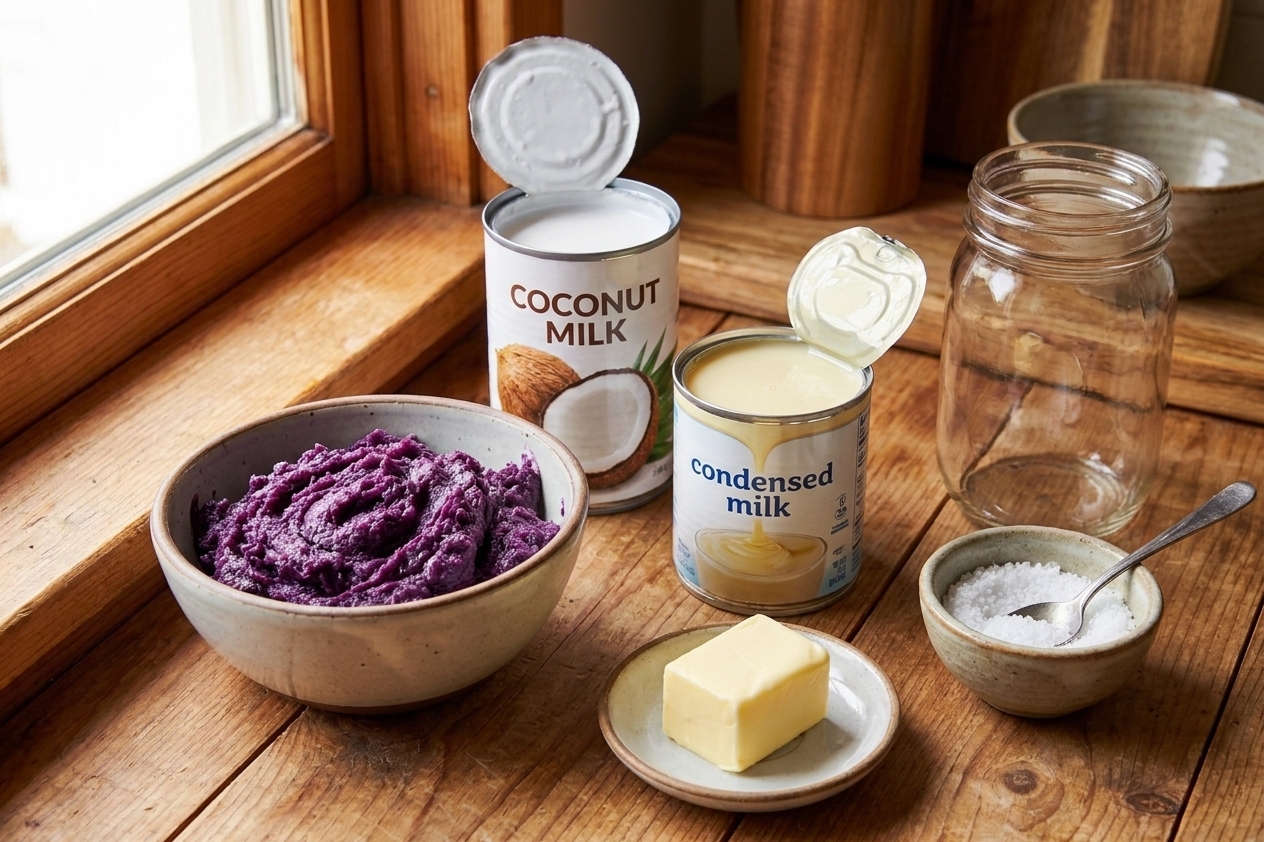
This recipe keeps it accessible. If you can find frozen grated ube, you are in business. If you can find fresh ube, I love you for it, and yes, you can absolutely use it here too. Either way, we are aiming for a halaya that is creamy, not cloying, with enough coconut richness to make you pause mid-bite like, okay wow.

A package of frozen grated ube (purple yam) on a kitchen counter next to a bowl and measuring cups, ready for cooking

Why It Works

  • Deep ube flavor without mystery ingredients: Coconut milk and a little butter bring the aroma forward and round out the sweetness.
  • Thick, sliceable texture: Cooking it until it pulls away from the pan gives you that classic halaya you can spread, pipe, or roll into desserts.
  • More reliable cook time: A better ube-to-liquid ratio means you get thick halaya without standing at the stove forever.
  • Freezer friendly: Make a batch, portion it, and future-you gets ube desserts on demand.

Pairs Well With

Storage Tips

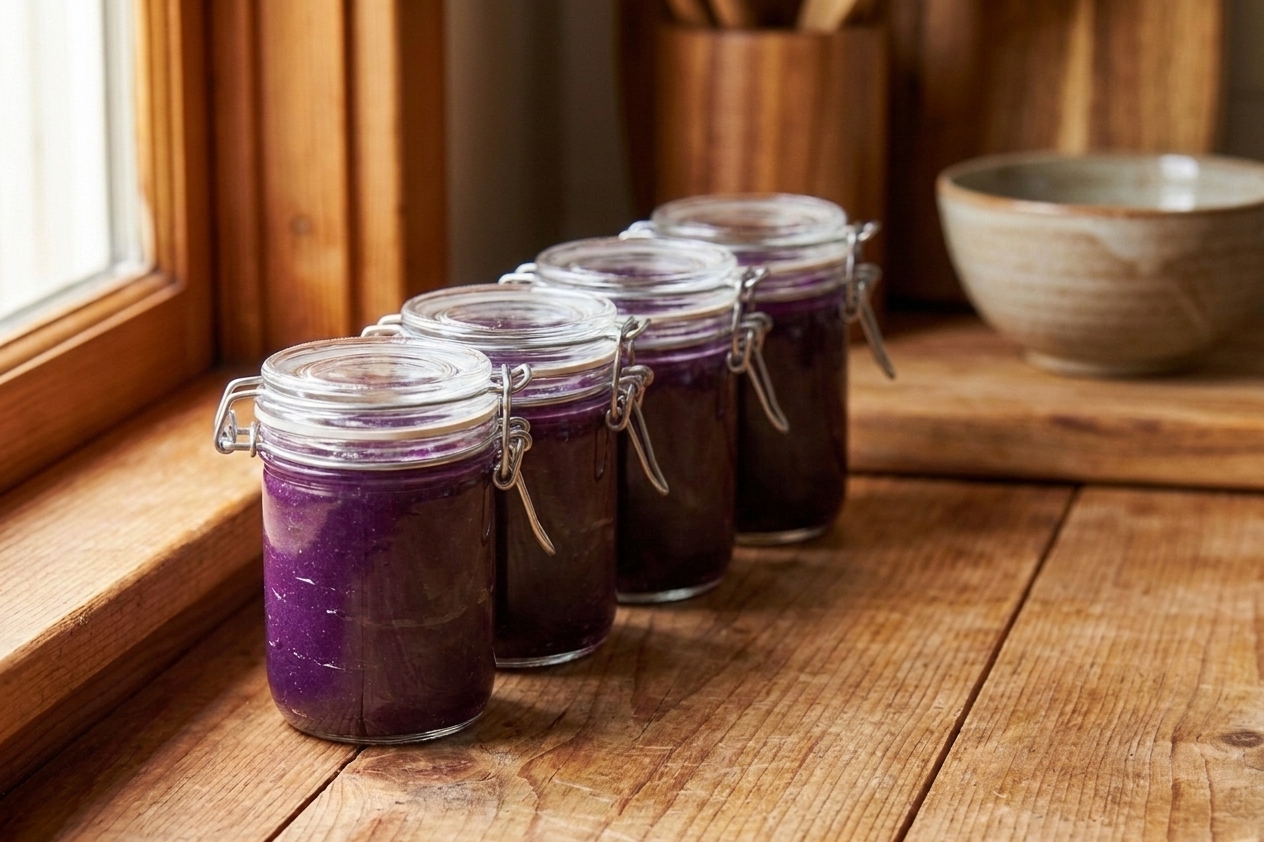
Refrigerator: Cool completely, then store in a clean jar or airtight container for up to 7 days. Press plastic wrap directly on the surface if you want to prevent a skin. Use clean utensils and discard if you notice mold, off smell, or any visible changes.

Freezer: Portion into small containers and freeze up to 3 months. Thaw overnight in the fridge. If it looks a little stiff after thawing, stir in 1 to 2 teaspoons coconut milk and warm gently.

Reheat: Warm in a small saucepan on low with a splash of coconut milk, stirring until smooth and glossy again.

Small airtight containers filled with ube halaya lined up on a kitchen counter, ready for the refrigerator or freezer

Common Questions

What is ube, exactly?

Ube is a purple yam popular in Filipino desserts. It is different from purple sweet potato. Ube has a more distinct aroma and a nutty, vanilla-like flavor that holds up beautifully in milk-based desserts.

Can I use purple sweet potato instead?

You can, but the flavor will be different and usually milder. The color may also skew more reddish-purple. If you go this route, taste and adjust sweetness, and consider adding a tiny splash of ube extract if you have it.

Do I need ube extract?

No. If your ube is good quality, you can skip it. Ube extract is helpful when your ube is pale, or you want a louder aroma and a more vibrant purple.

How do I use fresh ube instead of frozen grated?

Yes, and it is so good. Here is the simple path:

  • Peel: Use a sturdy peeler or knife. Ube can stain, so gloves help.
  • Cook until very tender: Steam (best for less waterlogged ube) or boil until a fork slides in easily, usually 25 to 40 minutes depending on size.
  • Grate or mash: Grate while warm, or mash thoroughly. For the smoothest halaya, blend with a splash of coconut milk until silky.
  • Measure: Use about 1 pound cooked, grated or mashed ube for this recipe.

Why is my halaya gritty?

The usual culprits are fibrous ube, not cooking it long enough, or not breaking it down enough. Fix it by cooking until very tender, then blend briefly (immersion blender works great). For ultra smooth halaya, press it through a fine mesh strainer before you start the long thickening stage.

How do I know it is done?

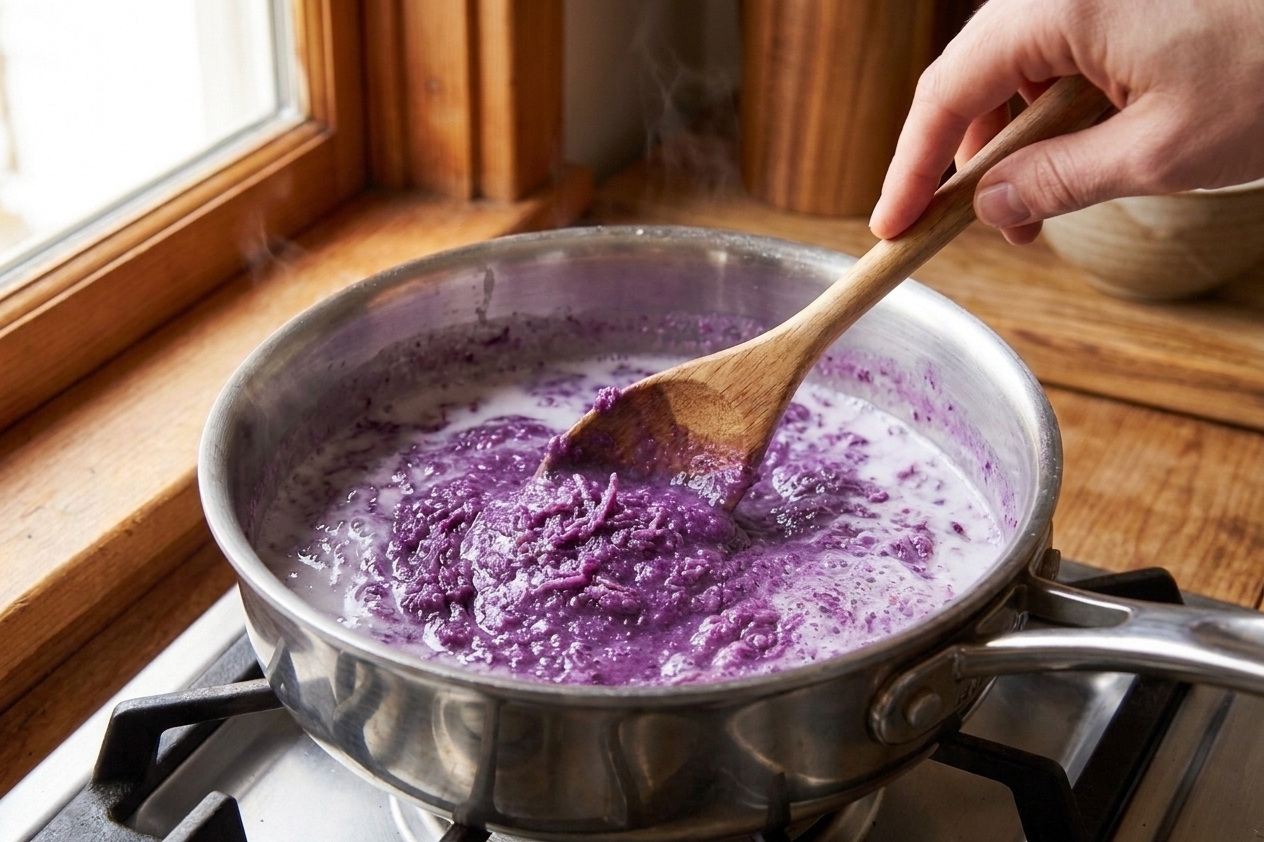
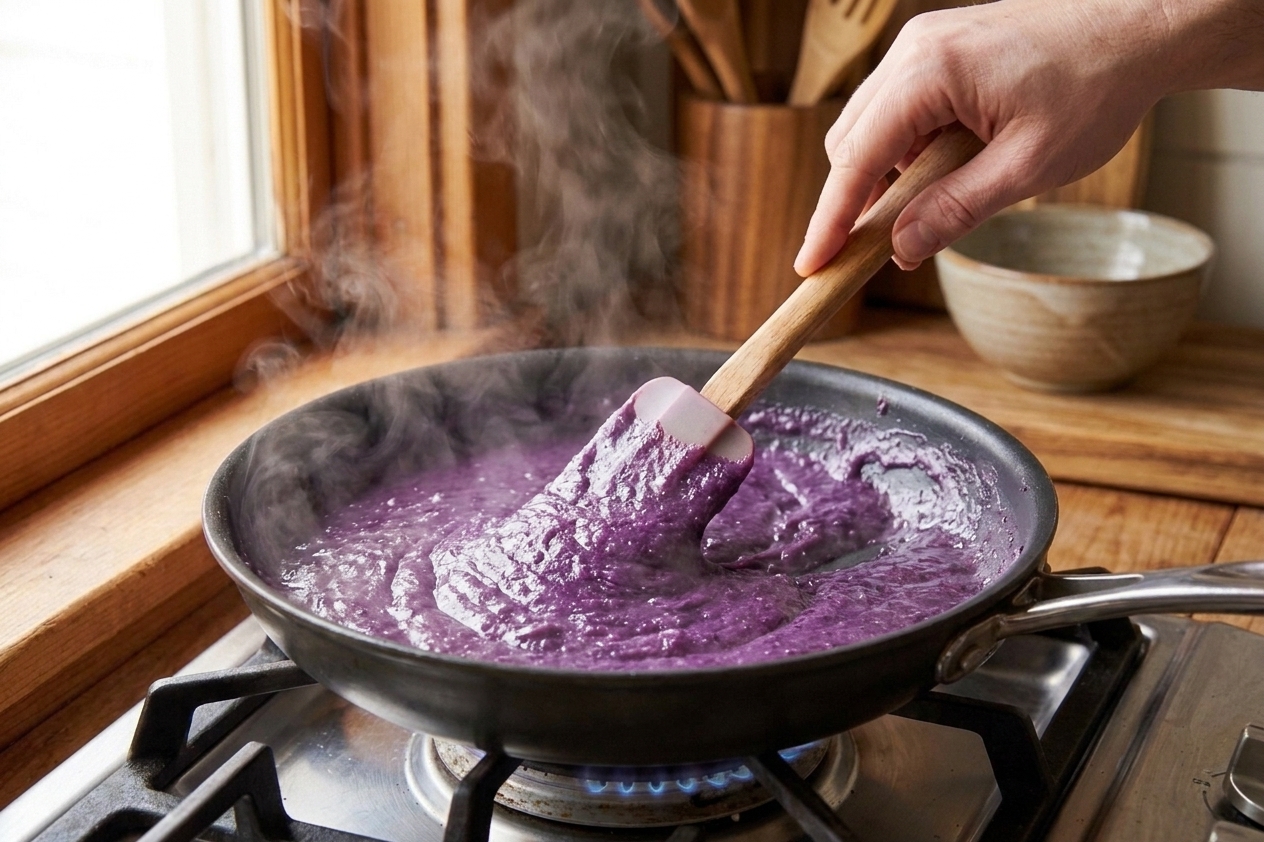
When you drag a spatula through the pan, the halaya should pull away from the sides and leave a path that stays for a second or two. It will also look glossy and feel heavy as you stir.

Texture tip: Stop a little earlier for a more spreadable, spoonable jam. Keep going a bit longer for a thicker, more sliceable halaya that you can pipe or use as a firm filling.

What can I do with ube halaya?

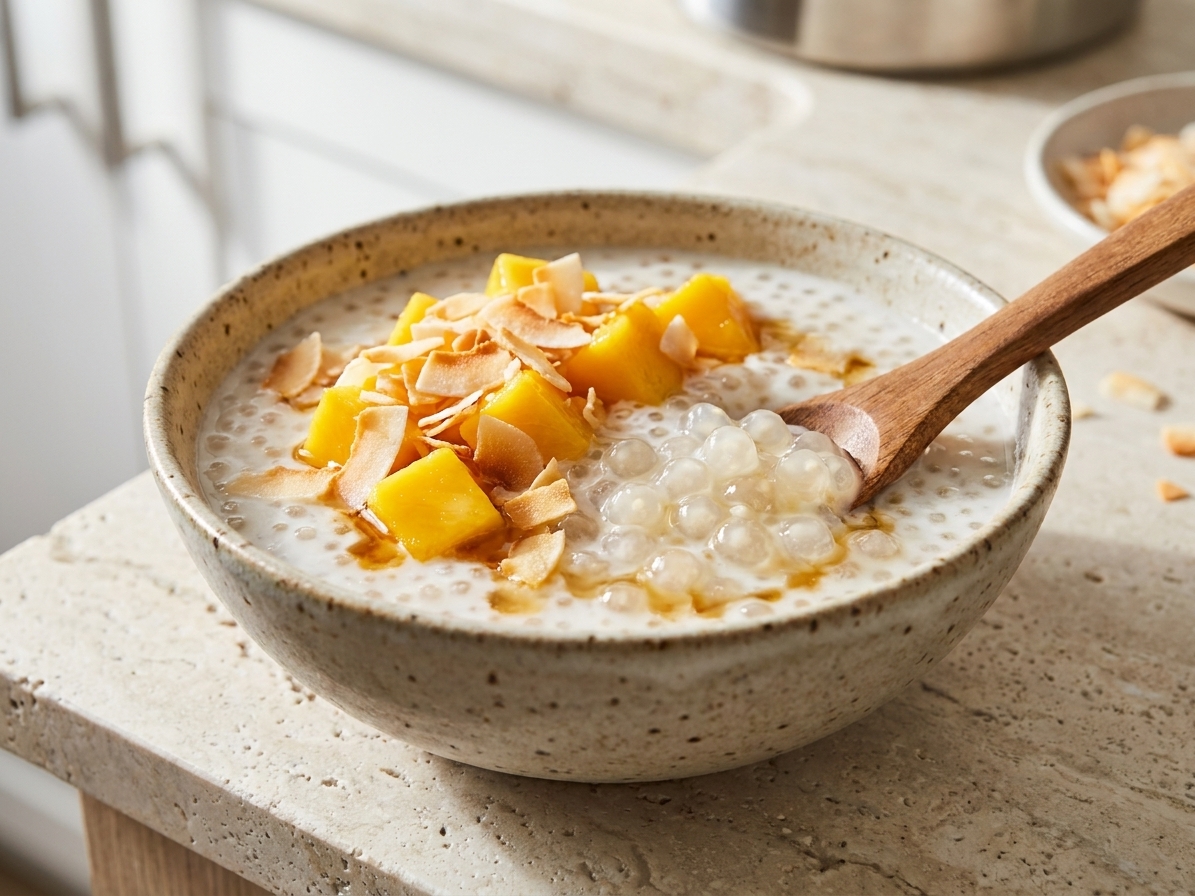
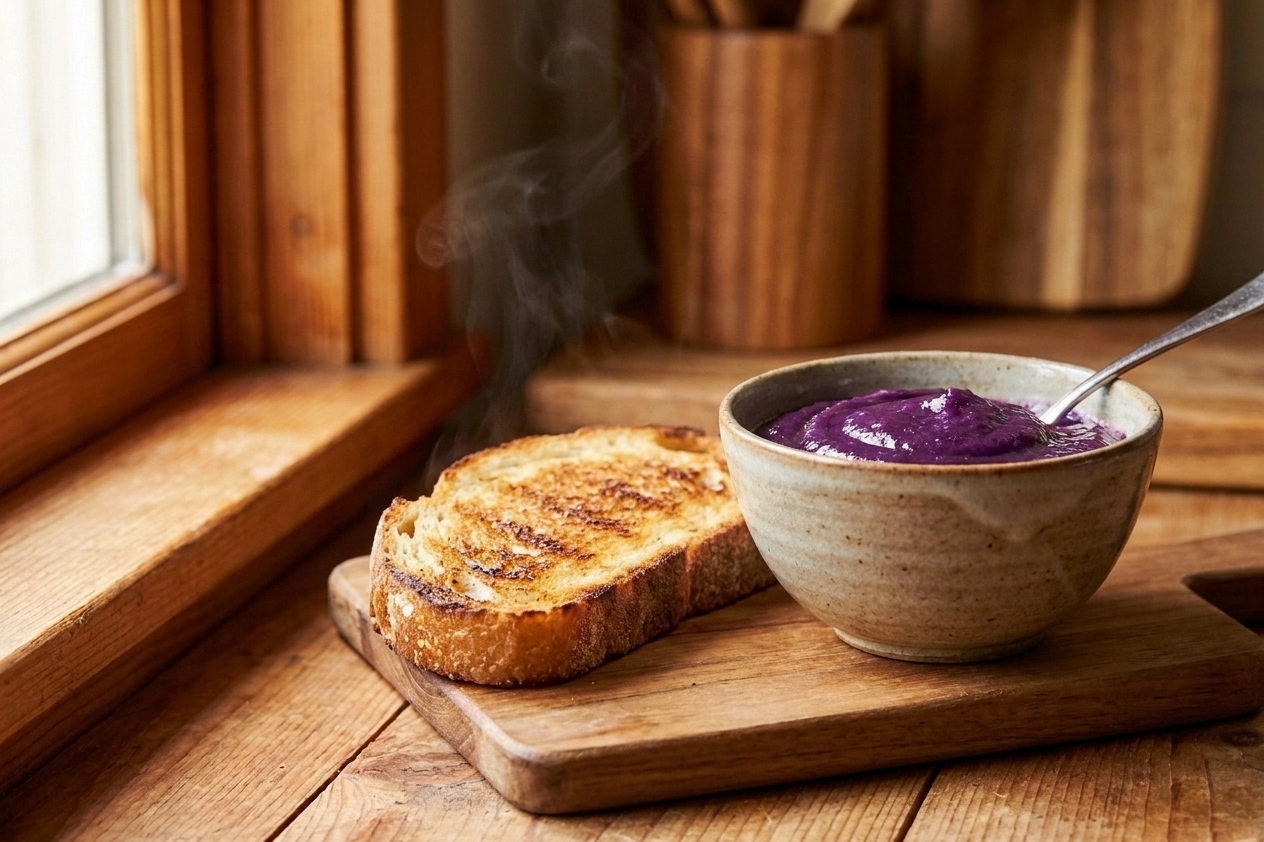
Spread it on pandesal or toast, swirl it into yogurt or oatmeal, layer it into trifles, use it as a cake filling, or mix it into ice cream bases and whipped cream.

Can I use ube puree or ube jam instead of grated ube?

Ube puree (unsweetened) can work, but it varies a lot in thickness. Start with the same weight and reduce the coconut milk slightly if your puree is loose, then cook to the trail test.

Prepared ube jam (sweetened) is already cooked and sweetened, so this recipe is not a direct swap. If you want to loosen store-bought jam, warm it with a splash of coconut milk and a little butter, then cool.

The first time I made ube halaya, I thought it would be a quick stir-and-done situation. It is not. It is a slow dance with your spatula. But halfway through, the kitchen starts smelling like toasted coconut and warm vanilla, and suddenly you are invested. Now it is one of my favorite make once, enjoy all week recipes because a spoonful of halaya can upgrade a plain bowl of yogurt or turn toast into dessert without any extra drama. Also, that purple never stops being fun.