Mom's Best Recipes
Recipe

Red Bean Paste (Anko)

A smooth, sweet azuki bean paste you can use in buns, mochi, pancakes, and pastries, plus a few low-drama tricks to keep it silky.

Author By Matt Campbell
4.8
A ceramic bowl filled with glossy, smooth red bean paste on a wooden kitchen counter with a small spoon beside it

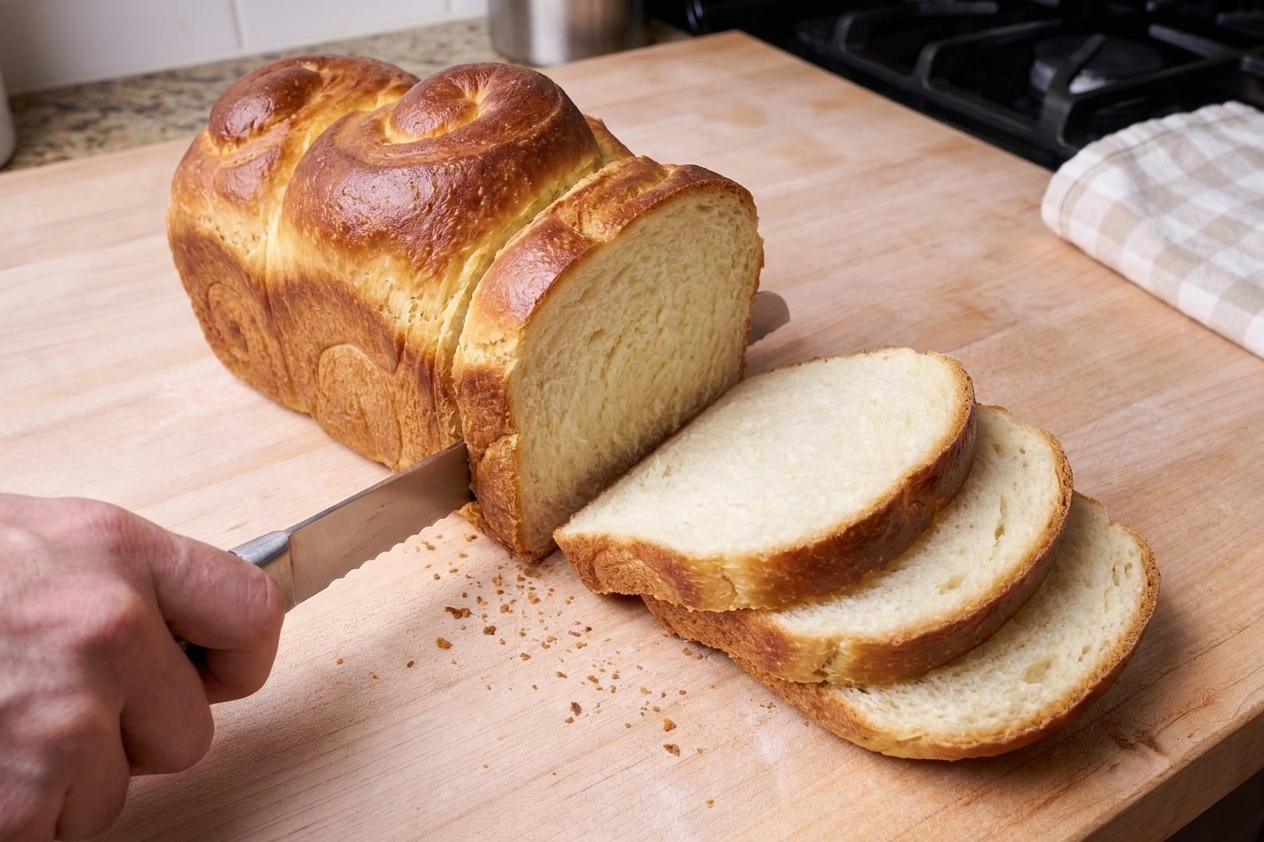
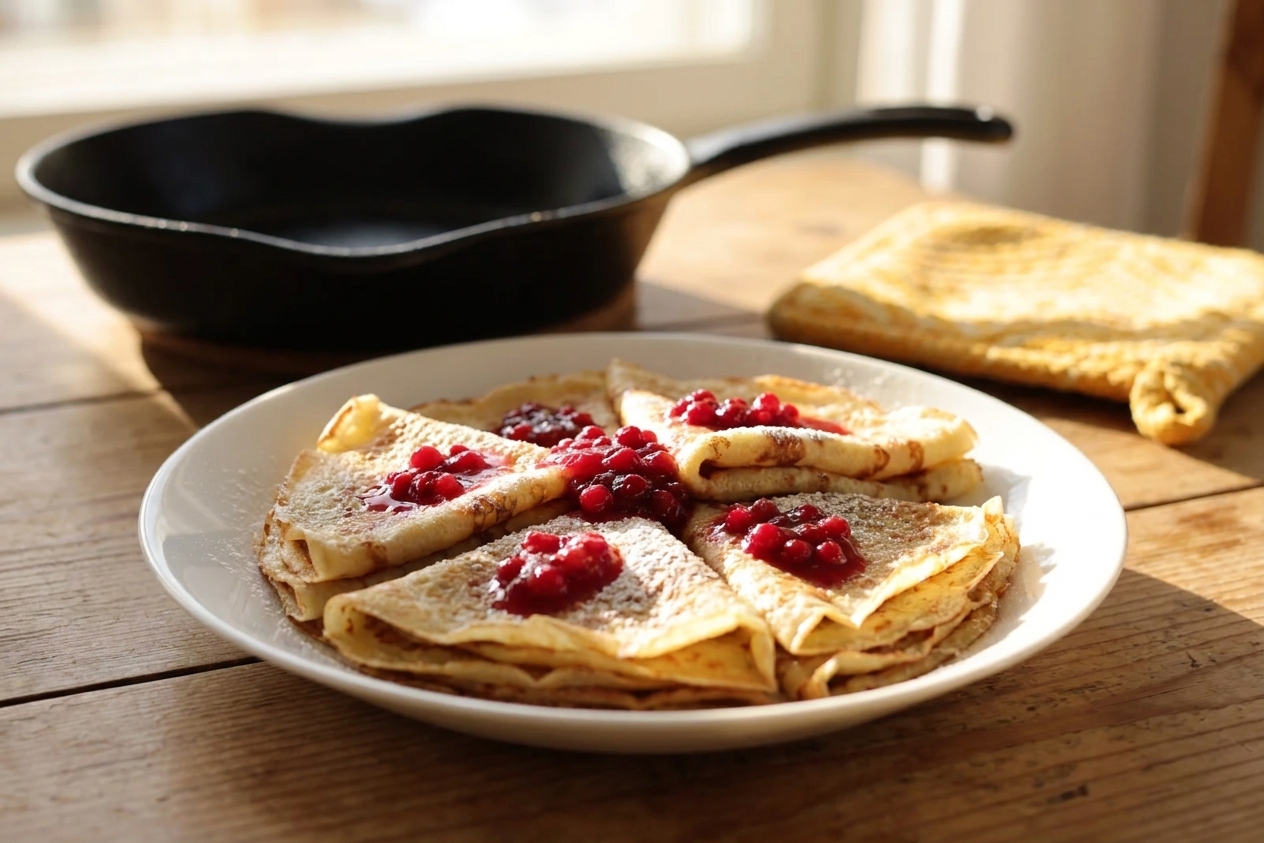
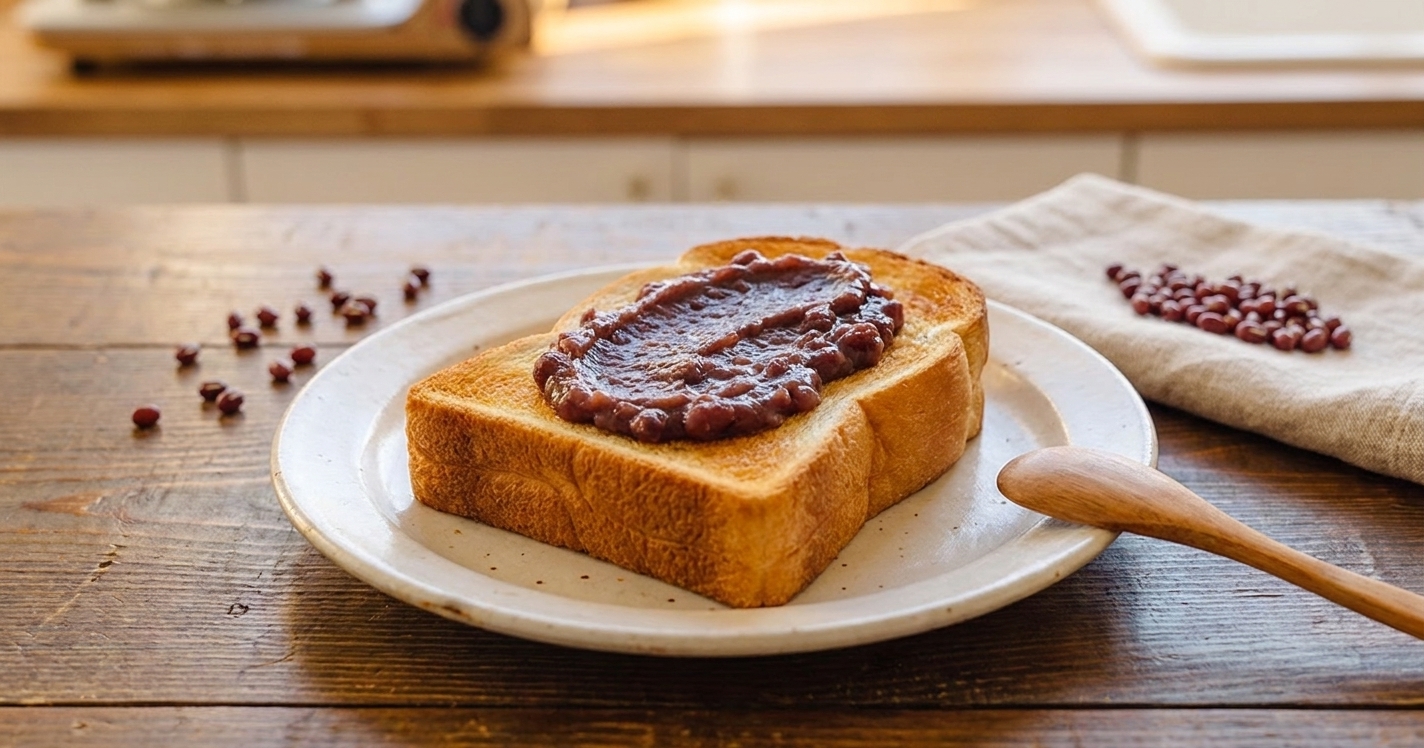
Red bean paste has a way of making homemade desserts feel instantly special. It is sweet but not candy-sweet, earthy in a cozy way, and it plays ridiculously well with anything chewy, buttery, or bready. Think mochi, steamed buns, dorayaki pancakes, milk bread rolls, thumbprint cookies, even toast with a little salted butter. Yes, toast.

This recipe is my go-to for smooth red bean paste, the kind that spreads like a thick jam and does not feel sandy. We are keeping the ingredient list simple, but we are not skipping the small steps that make it taste like you knew what you were doing on purpose.

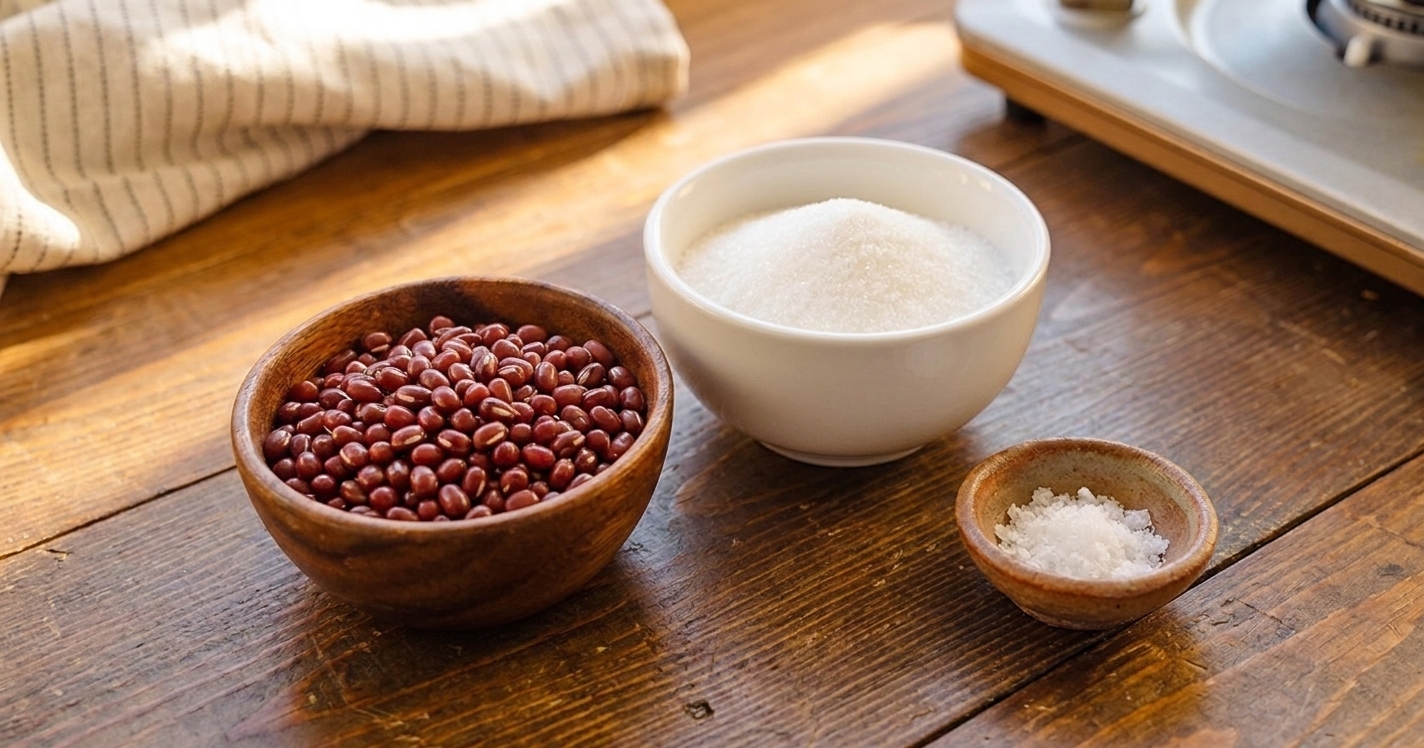
Dry azuki beans in a small bowl next to a bowl of sugar and a pinch bowl of salt on a bright kitchen counter

Why It Works

  • Silky texture without fancy tools: A quick blend and a final cook-down give you that smooth, bakery-style paste.
  • Big flavor from simple ingredients: Azuki beans bring a nutty, almost cocoa-like depth that loves a pinch of salt.
  • Control the sweetness: You decide if you want it lightly sweet for breakfast or dessert-level sweet for pastries.
  • Thickens as it cools: We stop cooking when it looks a little looser than you want, because it sets up in the fridge.

Pairs Well With

Storage Tips

Refrigerator: Store in an airtight container for up to 5 to 7 days. This is typical guidance and depends on sweetness level and clean storage. Press a piece of plastic wrap directly on the surface to prevent drying.

Freezer: Freeze for up to 3 months. I like portioning into 2 to 4 tablespoon scoops on a parchment-lined tray, freezing until firm, then transferring to a freezer bag.

To thaw: Move to the fridge overnight. If it looks a little stiff, stir in 1 to 2 teaspoons warm water and mix until smooth.

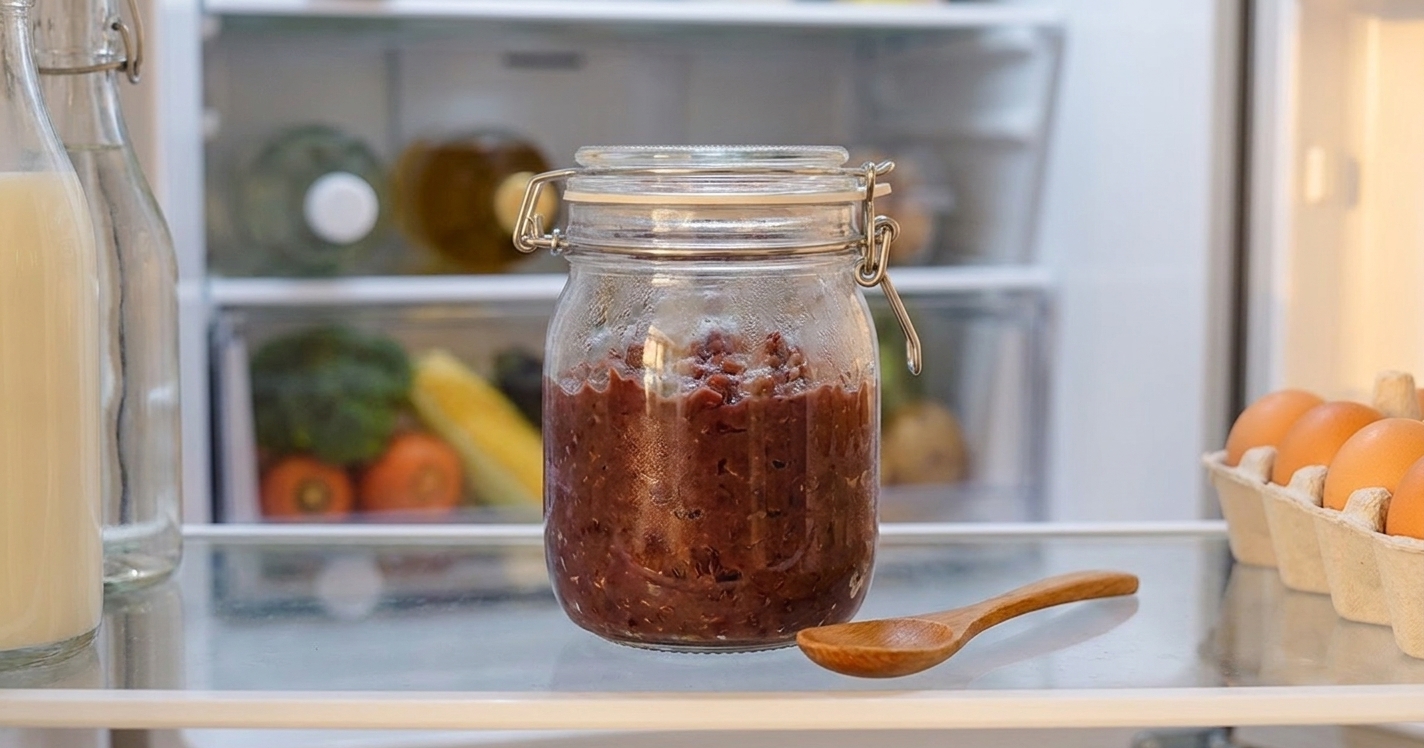
An airtight glass container filled with red bean paste sitting on a refrigerator shelf with a spoon nearby

Common Questions

Is red bean paste the same as anko?

Often, yes. In everyday recipes, anko usually means sweetened azuki red bean paste. Technically, “anko” can also refer to other sweet bean pastes, but azuki is the classic. You will also see different textures, like chunky (tsubuan) and smooth (koshian). This recipe is for smooth.

What is the difference between azuki beans and kidney beans?

Azuki beans are smaller and naturally a bit sweeter with a gentle, nutty flavor. Kidney beans are bigger and have a different texture and taste. For classic red bean paste, use azuki beans.

Do I have to soak azuki beans?

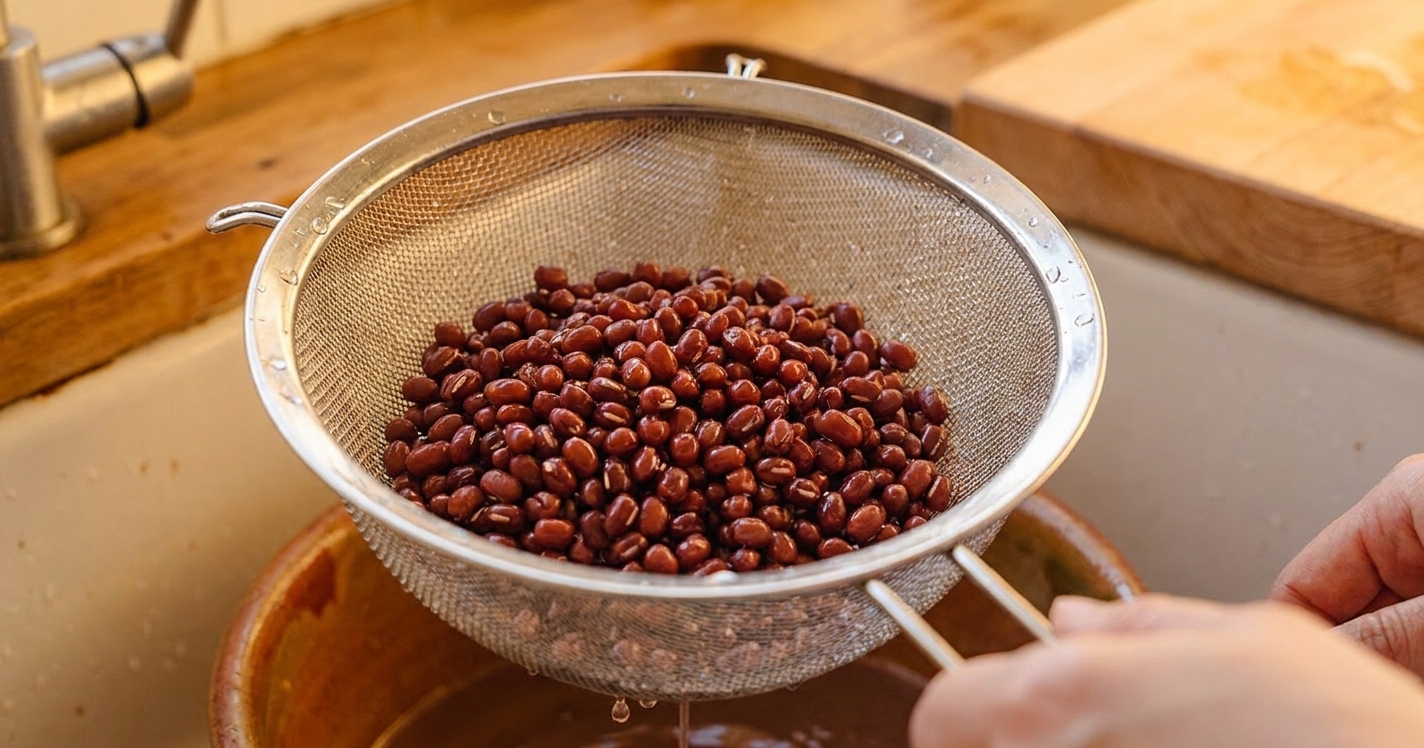
Not required, but soaking can reduce cook time slightly. The more important move is the quick boil-and-drain step at the start, which helps reduce astringency and keeps the flavor cleaner.

Why is my paste gritty?

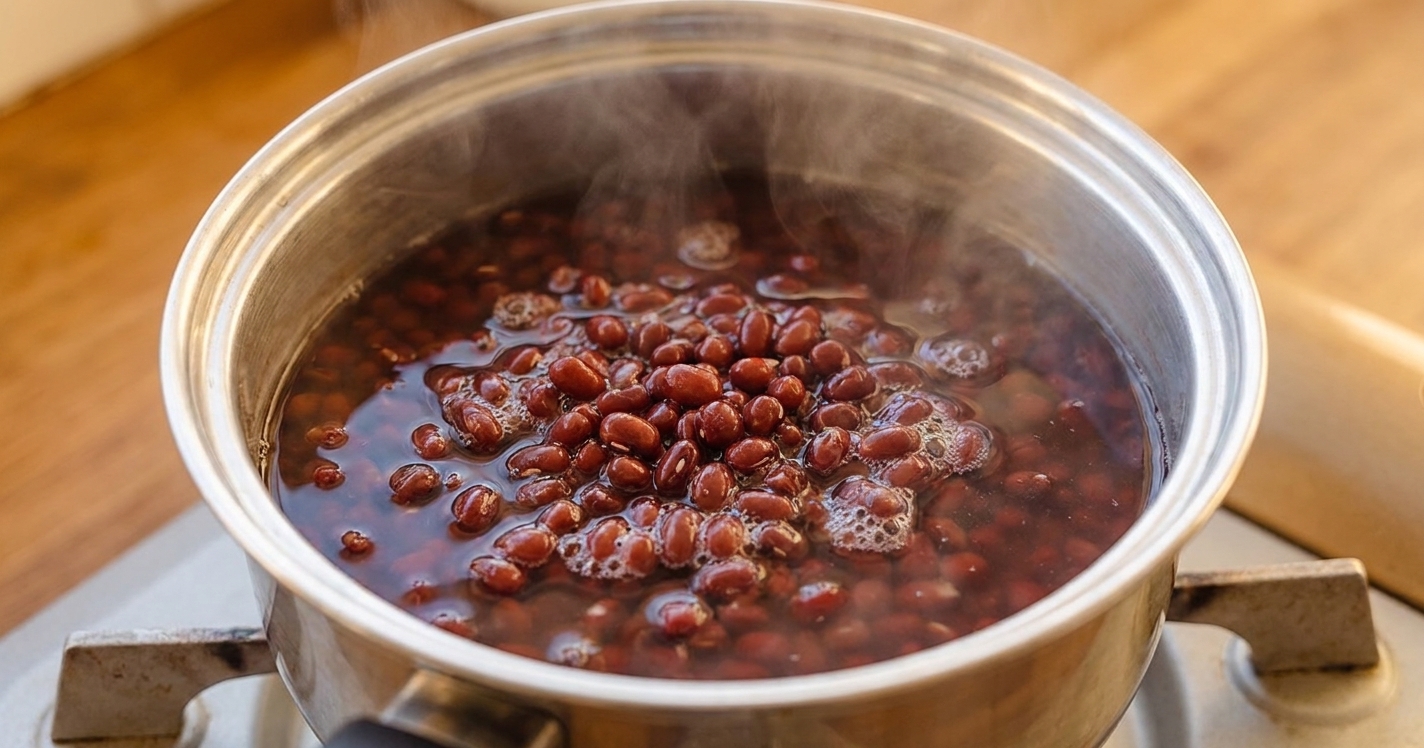
Usually one of three things: the beans were not cooked soft enough, the skins were not blended thoroughly, or it needed a little more cook time after blending. Keep simmering until the beans mash easily between your fingers, then blend while warm, and cook down again.

My paste is too thin. How do I fix it?

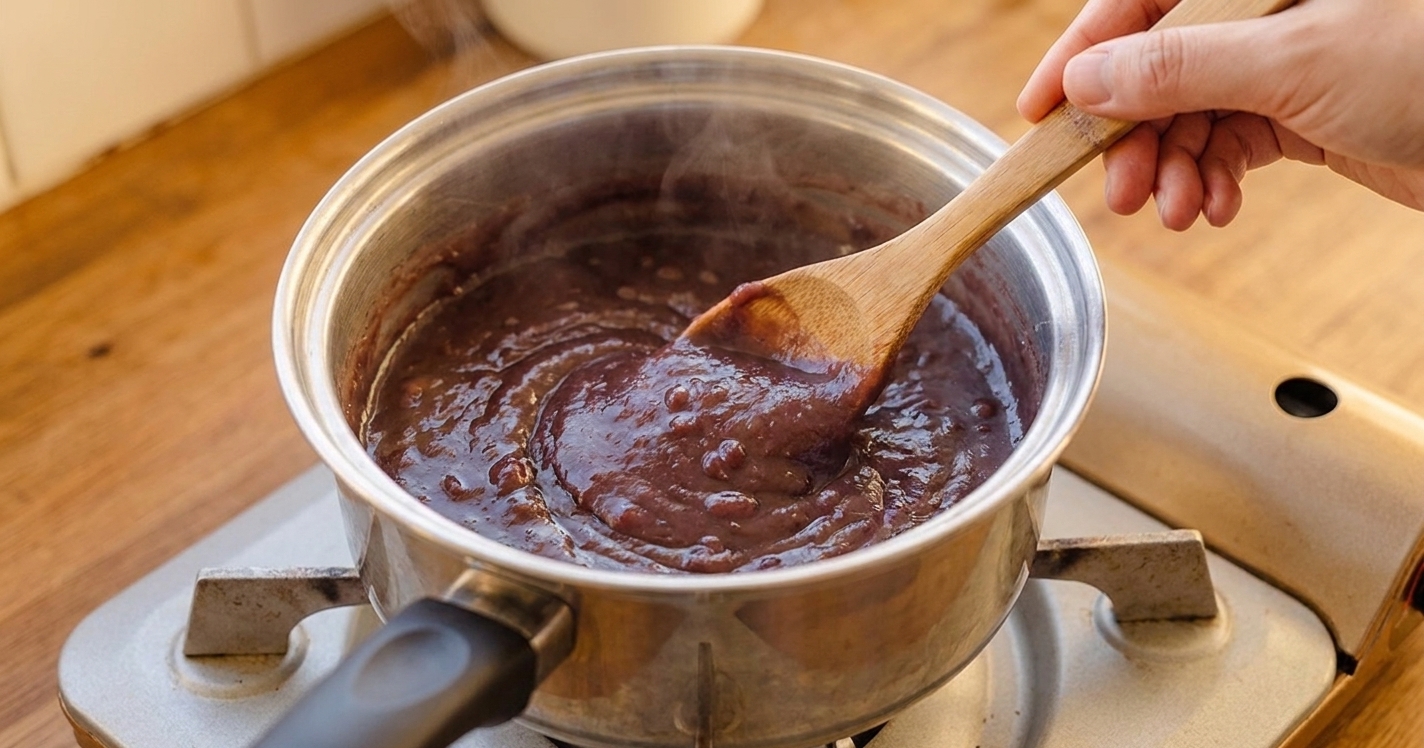
Put it back over medium-low heat and cook it down a little longer, stirring often, until it holds a spatula trail. Cook-down time can vary depending on how much water your beans held onto.

My paste is too thick. Did I ruin it?

Nope. Anko can go from “perfect” to “spackle” fast if it cooks down too long. Warm it gently and stir in a teaspoon or two of warm water (or reserved bean liquid) until it is smooth again.

How do I make it less sweet?

Start with the lower sugar amount in the recipe and taste after it is blended and warmed. You can always add more, but you cannot take it out once it is in there.

Can I use this for red bean buns or mochi?

Absolutely. For buns and mochi filling, cook it a bit thicker so it holds its shape. If it is too soft, it can leak while steaming or baking.

Is this vegan?

Yes, as written. If you add the optional honey or butter, it will no longer be vegan. Skip both for a fully plant-based paste.

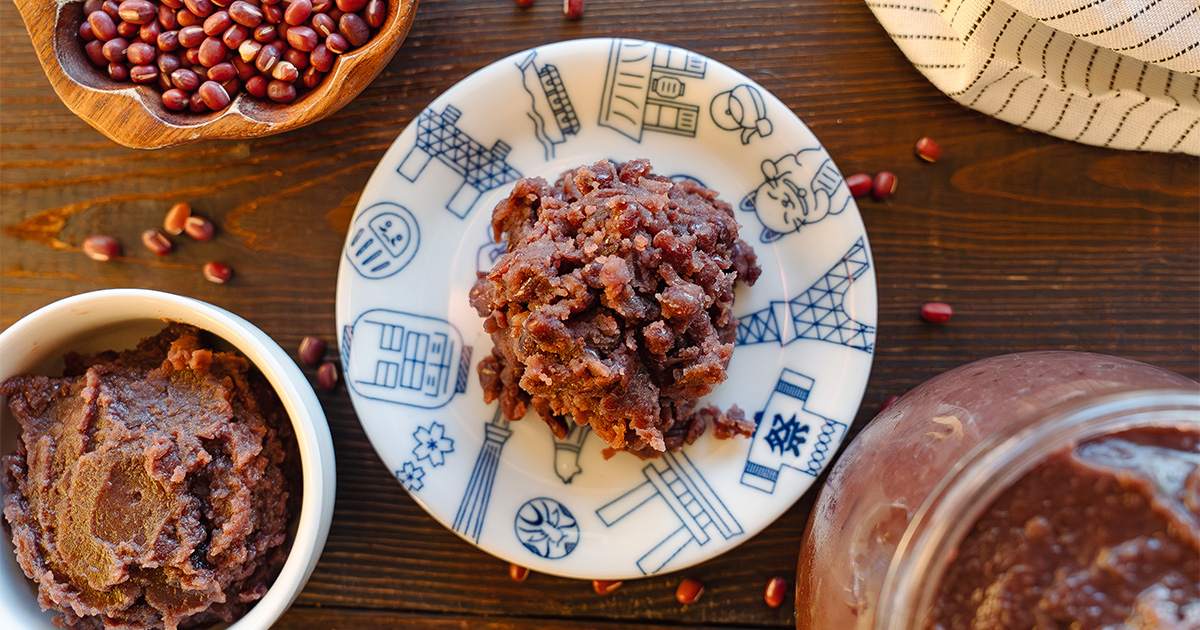
The first time I made red bean paste, I was convinced I had ruined it because it looked like bean soup for an embarrassingly long time. Then it clicked: you do not force anko into submission, you just let it simmer and become what it is supposed to be. Now it is one of my favorite “quiet flex” fridge staples. When you have a container of this in the back, dessert becomes less of a plan and more of a happy accident.