Mom's Best Recipes
Recipe

Udon Noodle

Chewy udon noodles in a quick soy-ginger broth with mushrooms, greens, and a choose-your-own protein. Cozy, practical, and weeknight fast.

Author By Matt Campbell
4.8
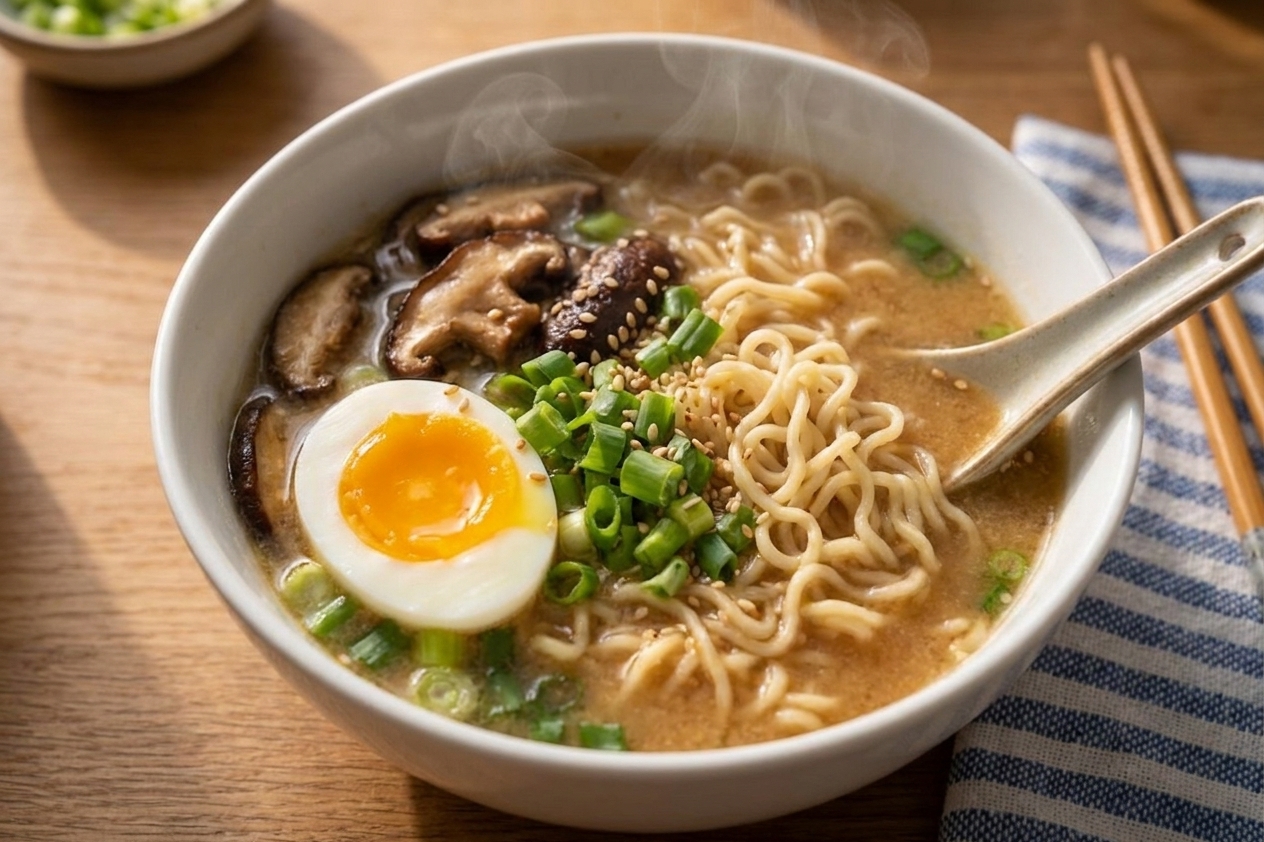
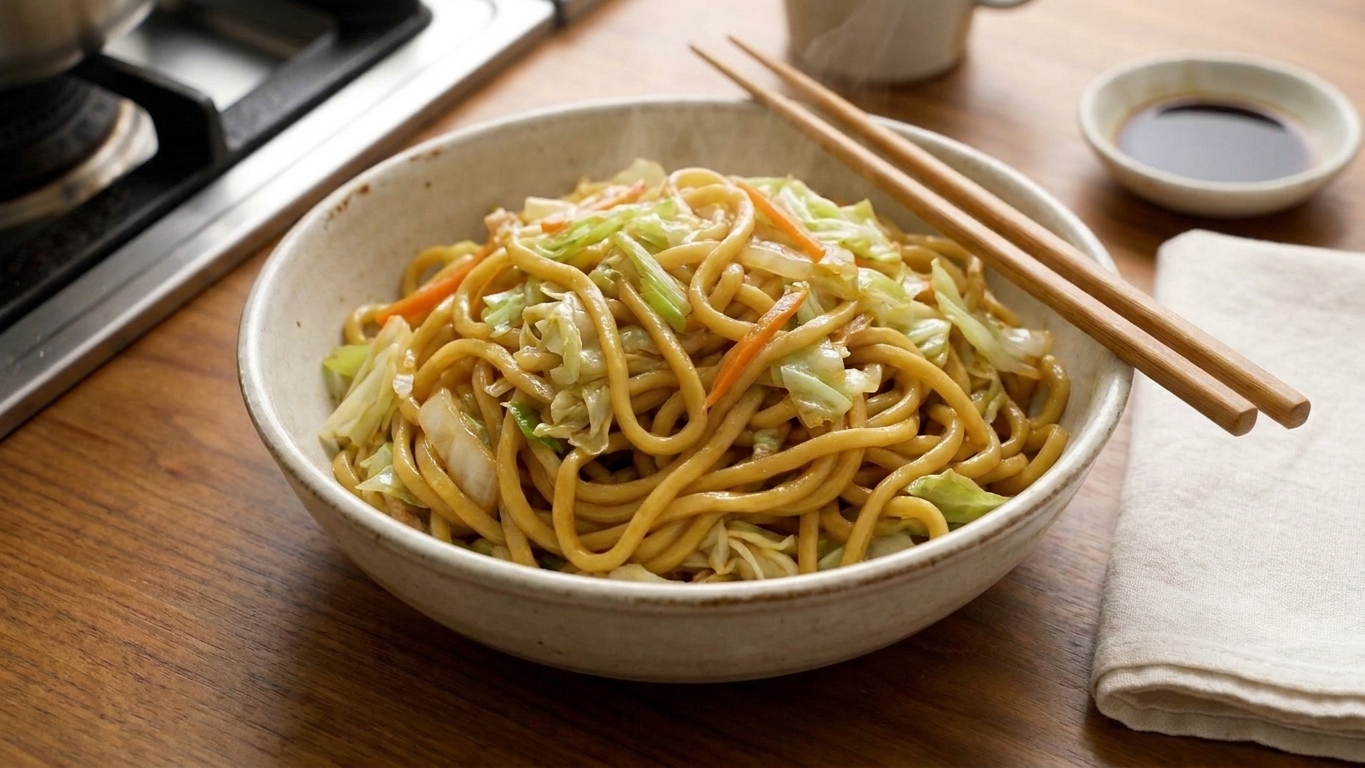
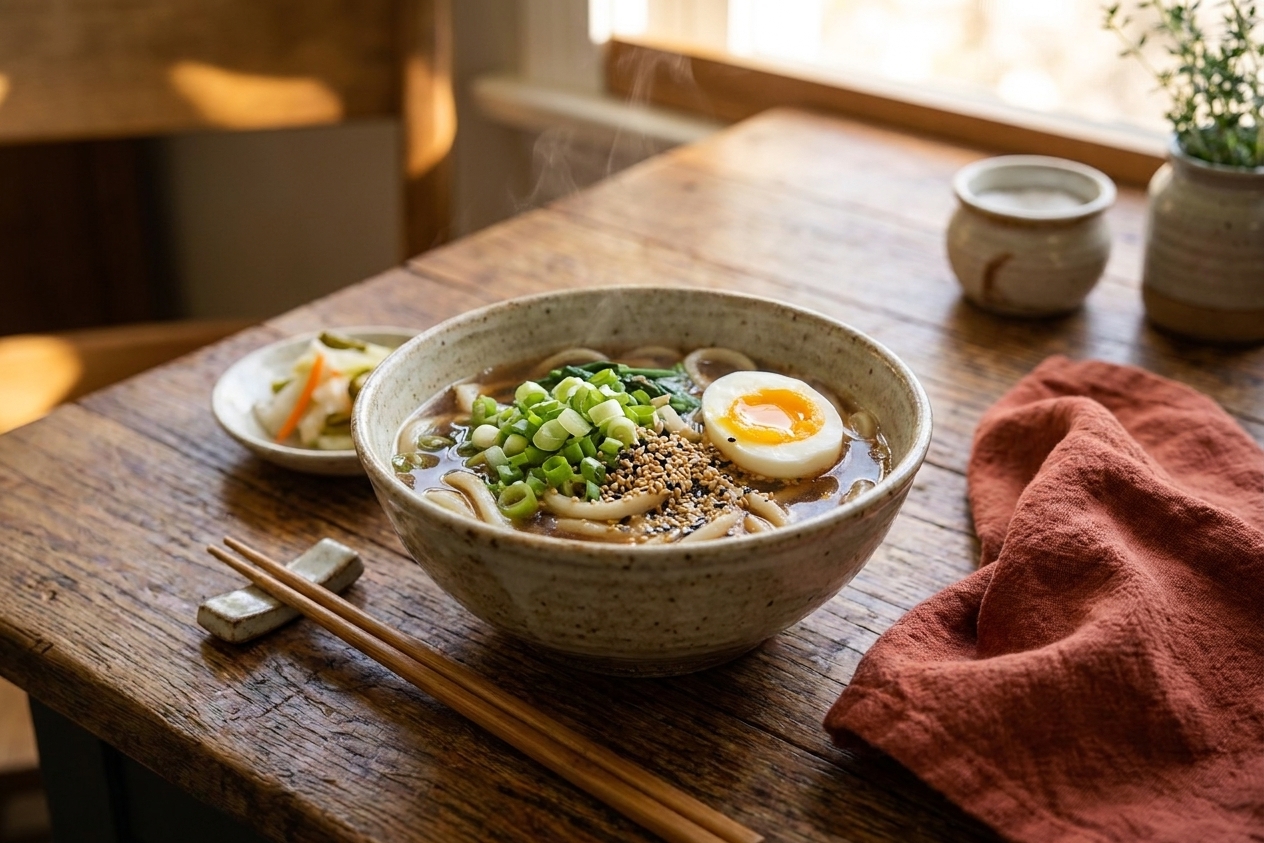
A steaming bowl of udon noodle soup with mushrooms, bok choy, sliced scallions, and a soft-boiled egg in a neutral stoneware bowl on a warm kitchen table

Udon is my favorite kind of comfort food because it feels fancy and soothing, but it cooks like a weeknight meal that has your back. Thick, chewy noodles plus a savory broth is basically a guaranteed good mood. This version keeps ingredients accessible, uses a quick soy and ginger broth, and gives you options for protein depending on what is already in your fridge.

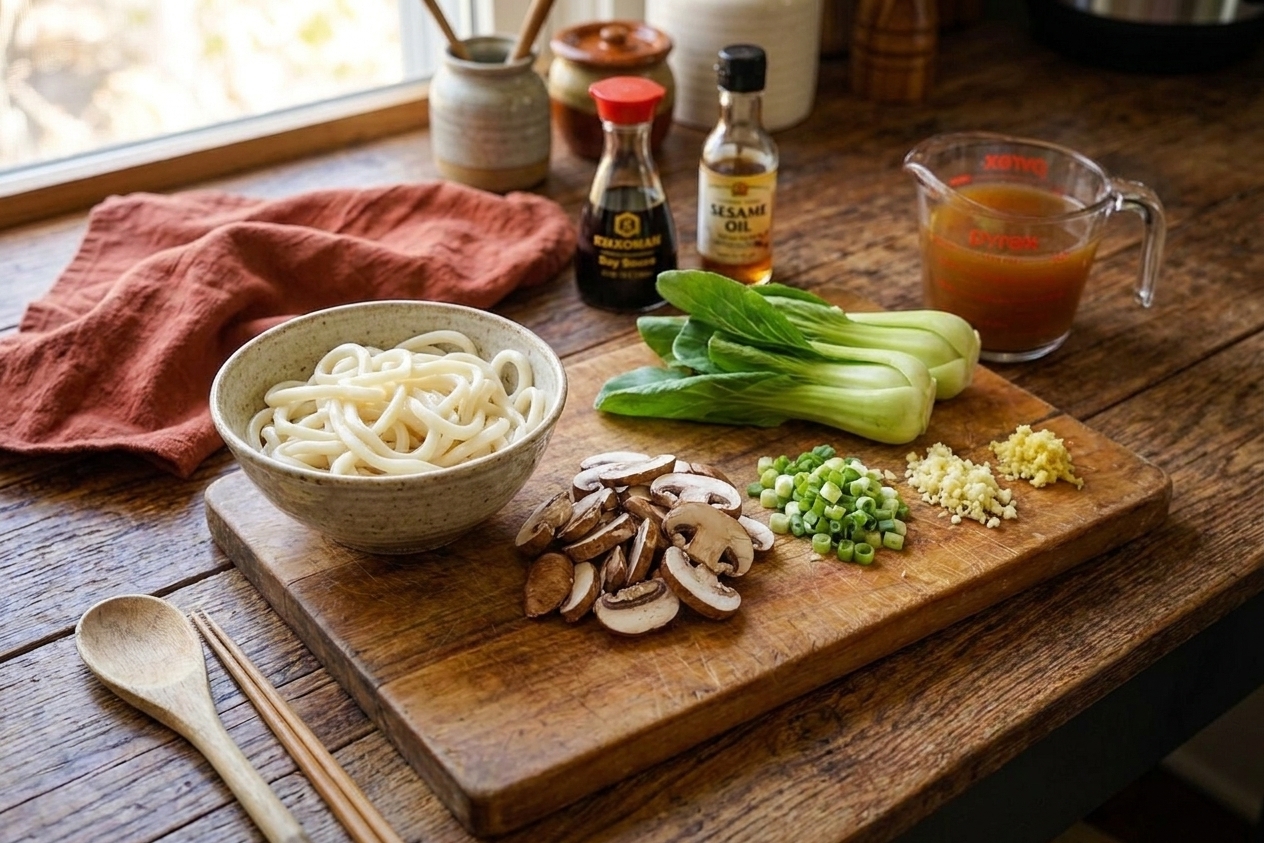
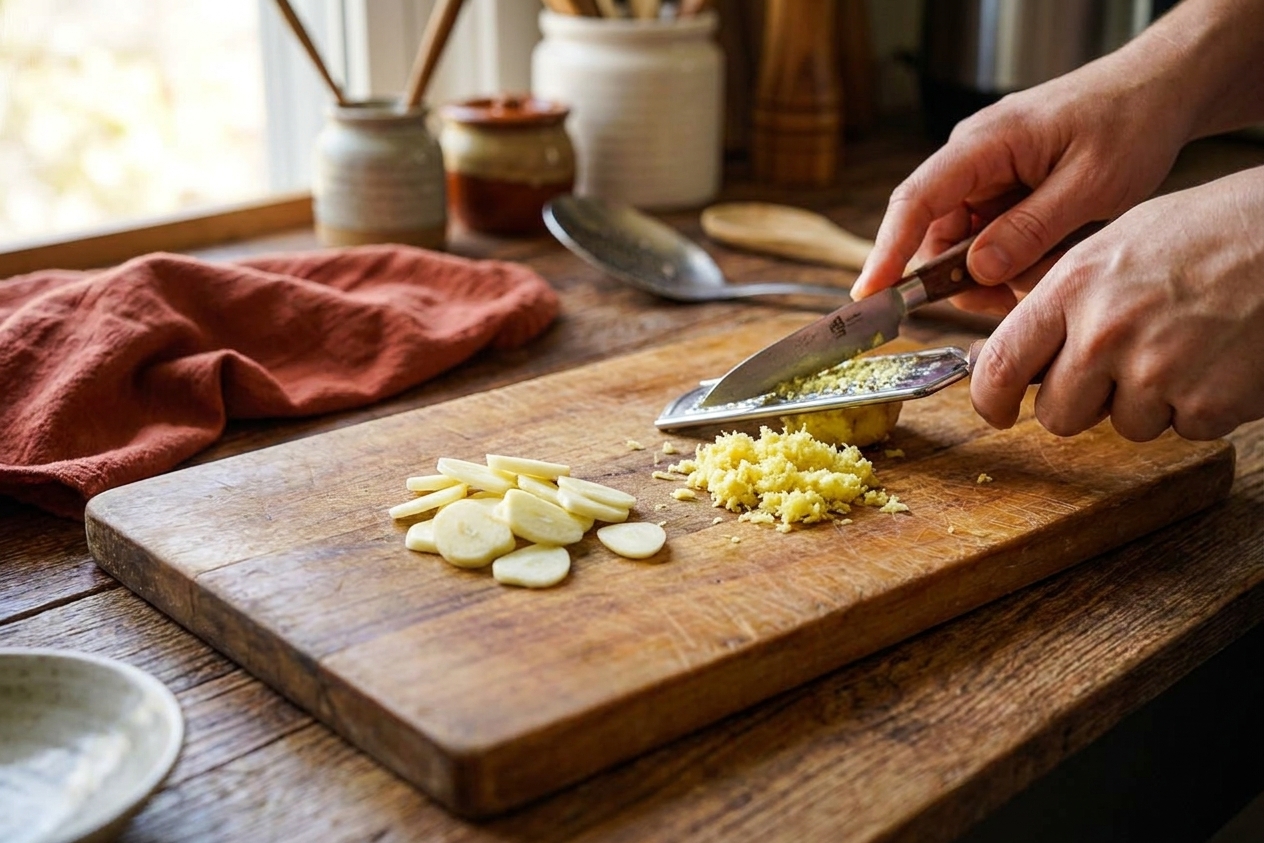
Udon noodles, mushrooms, bok choy, scallions, garlic, ginger, soy sauce, sesame oil, and broth arranged on a clean kitchen counter in consistent warm lighting

Why It Works

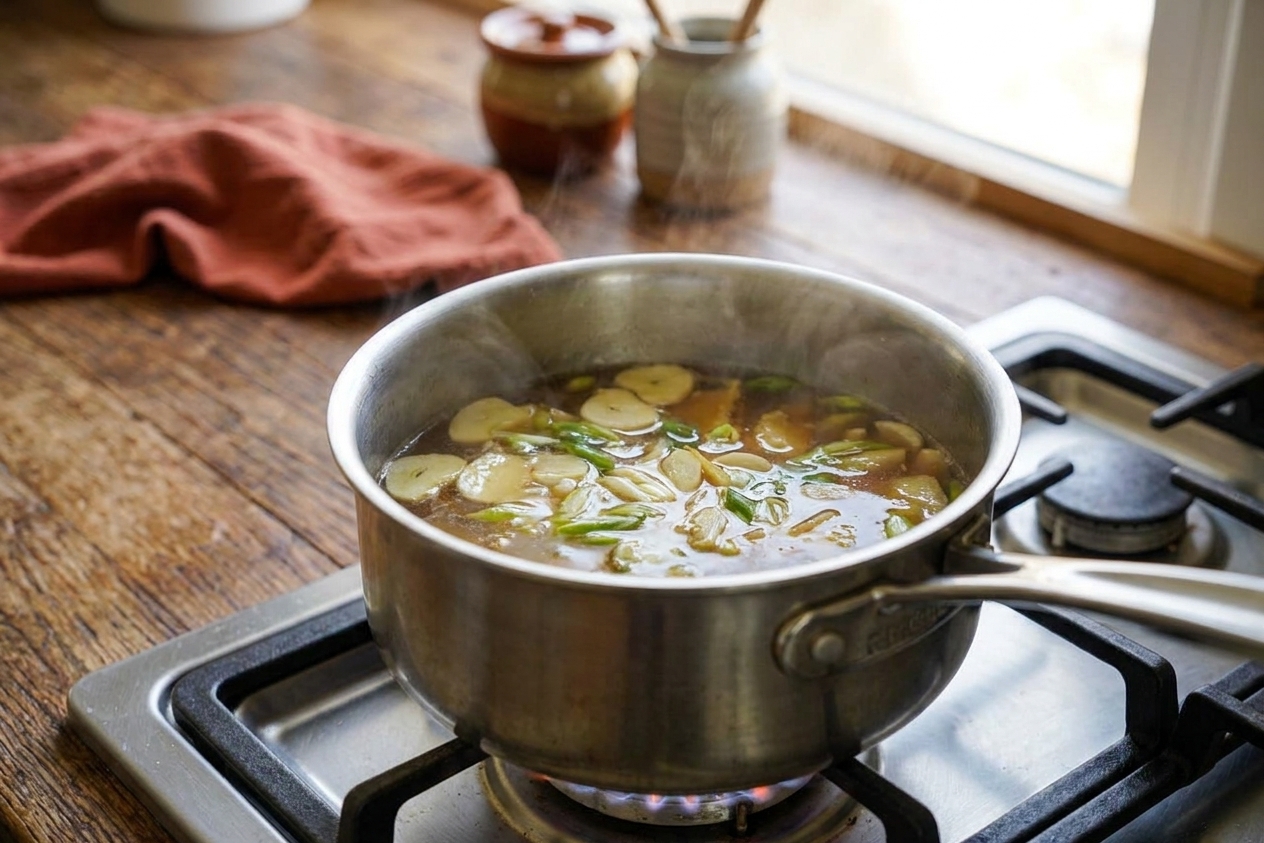
  • Fast flavor: A short simmer with ginger, garlic, and soy makes the broth taste like you tried harder than you did.
  • Great texture: Udon stays satisfyingly bouncy and the veggies keep a little bite.
  • Flexible: Go vegetarian with tofu, add leftover chicken, or make it feel special with shrimp.
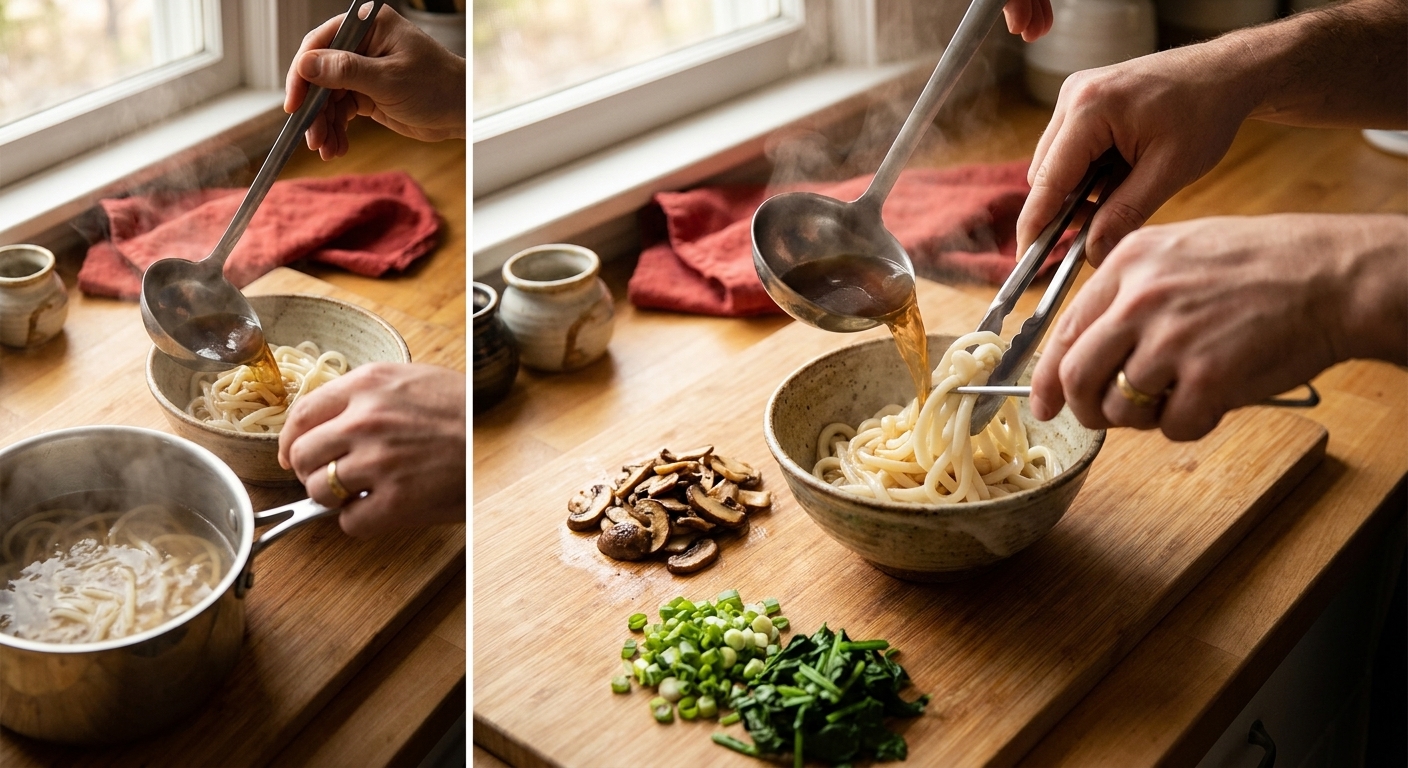
  • Low drama: One pot if you cook frozen or vacuum-packed udon right in the broth, and still easy if you boil noodles separately.

Pairs Well With

Storage Tips

Best practice: Store noodles and broth separately if you can. Udon will keep drinking broth in the fridge and get extra soft (still tasty, just less bouncy).

  • Fridge: Broth and toppings keep 3 to 4 days. Cooked udon keeps 2 to 3 days.
  • Reheat: Warm broth gently on the stove until steaming. Add noodles at the end just to heat through.
  • Freezer: Freeze broth (without noodles) up to 2 months. Thaw overnight in the fridge.

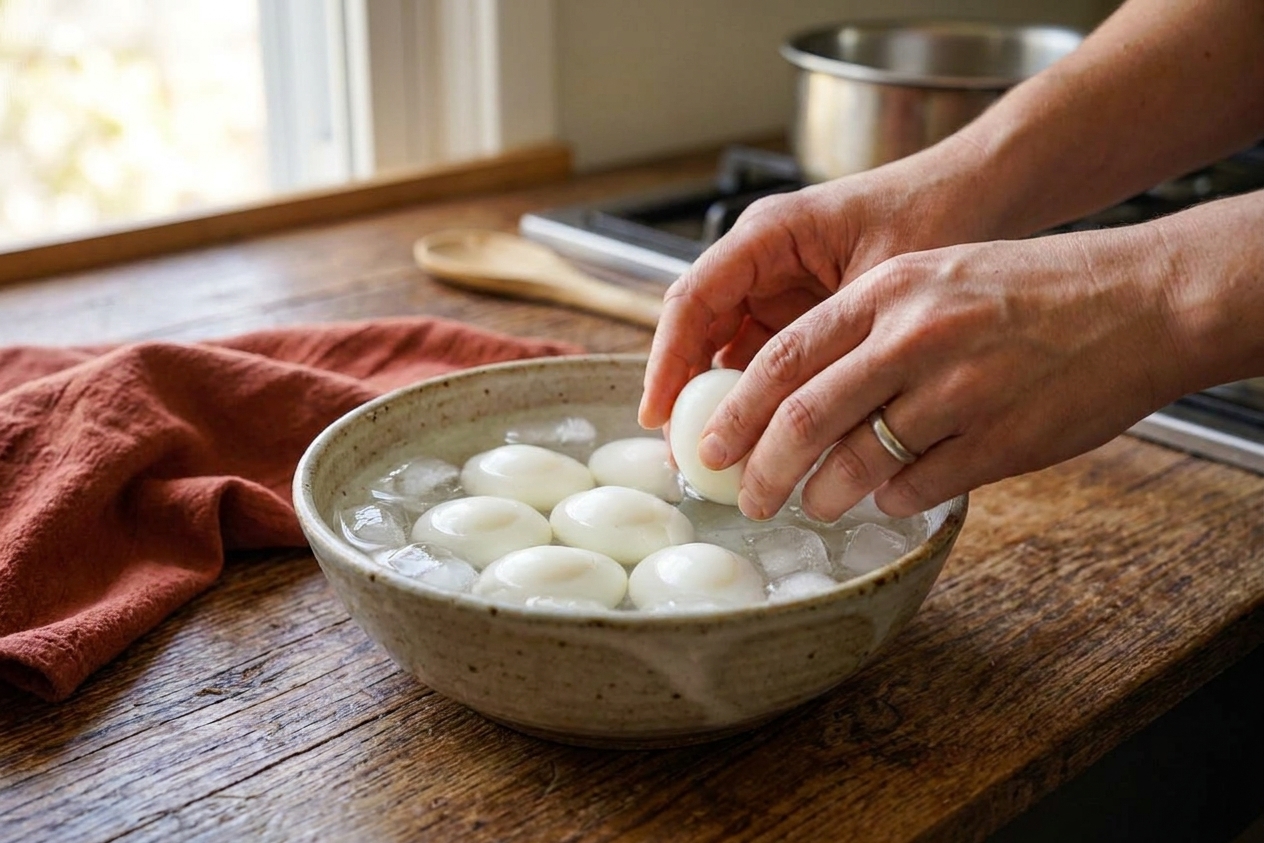
Egg note: Peeled soft-boiled eggs keep best 2 to 3 days in the fridge.

Little save: If your noodles soaked up too much broth, add a splash of water or broth while reheating and taste for soy at the end.

Common Questions

What kind of udon should I buy?

Any udon works here. Frozen udon usually has the best chewy texture and cooks in a couple minutes. Vacuum-packed (shelf-stable) udon is also great and easy to find. Dried udon works too, it just needs a longer boil and sometimes a quick rinse.

Do I need dashi?

No. Traditional udon broth often uses dashi, but this recipe uses chicken or veggie broth plus soy and aromatics to get you a deeply savory bowl with pantry ingredients.

How do I keep udon from getting gummy?

Do not overcook it. If you are meal prepping, store noodles separate from broth.

Can I cook the udon in the broth?

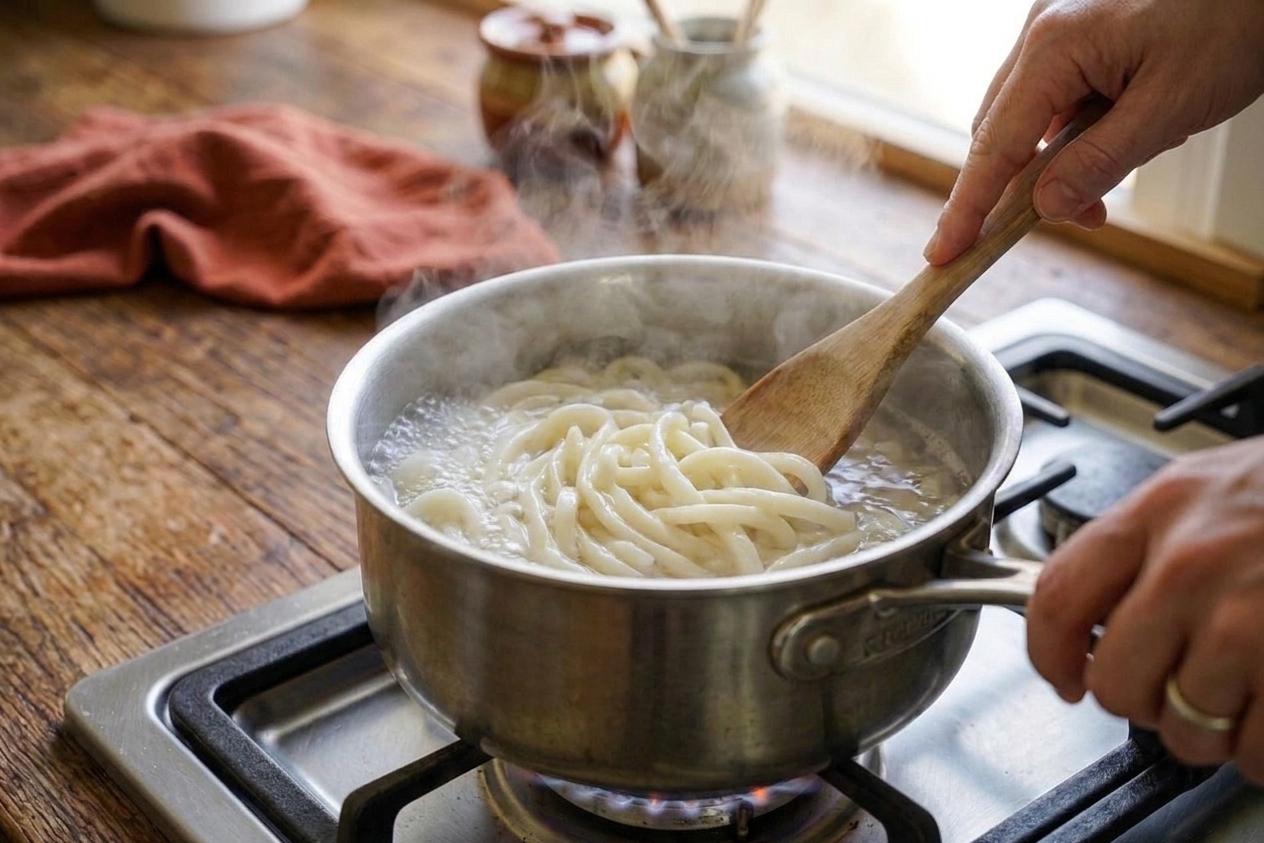
Yes, and it is my favorite way for frozen or vacuum-packed udon. Add the noodles straight into the simmering broth for 1 to 3 minutes until loosened and hot. It keeps things truly one pot. If the broth gets a little cloudy from starch, it will still taste great.

Can I make it vegetarian?

Yes. Use vegetable broth and swap the protein for tofu or mushrooms. For extra depth, add a teaspoon of miso at the end (off heat) or a small pinch of MSG if you cook with it.

Is this spicy?

Not as written. Add chili crisp, sriracha, or a pinch of red pepper flakes if you want heat.

My broth tastes a little mild. What should I do?

Totally normal if you are using low-sodium broth and low-sodium soy sauce. Taste and adjust with an extra splash of soy sauce (regular soy is fine), or add a small pinch of salt. A squeeze of lime or a tiny drizzle of sesame oil can also wake things up.

How long do soft-boiled eggs keep?

For best texture, eat them the day you make them. If you peel them, store in the fridge and use within 2 to 3 days.

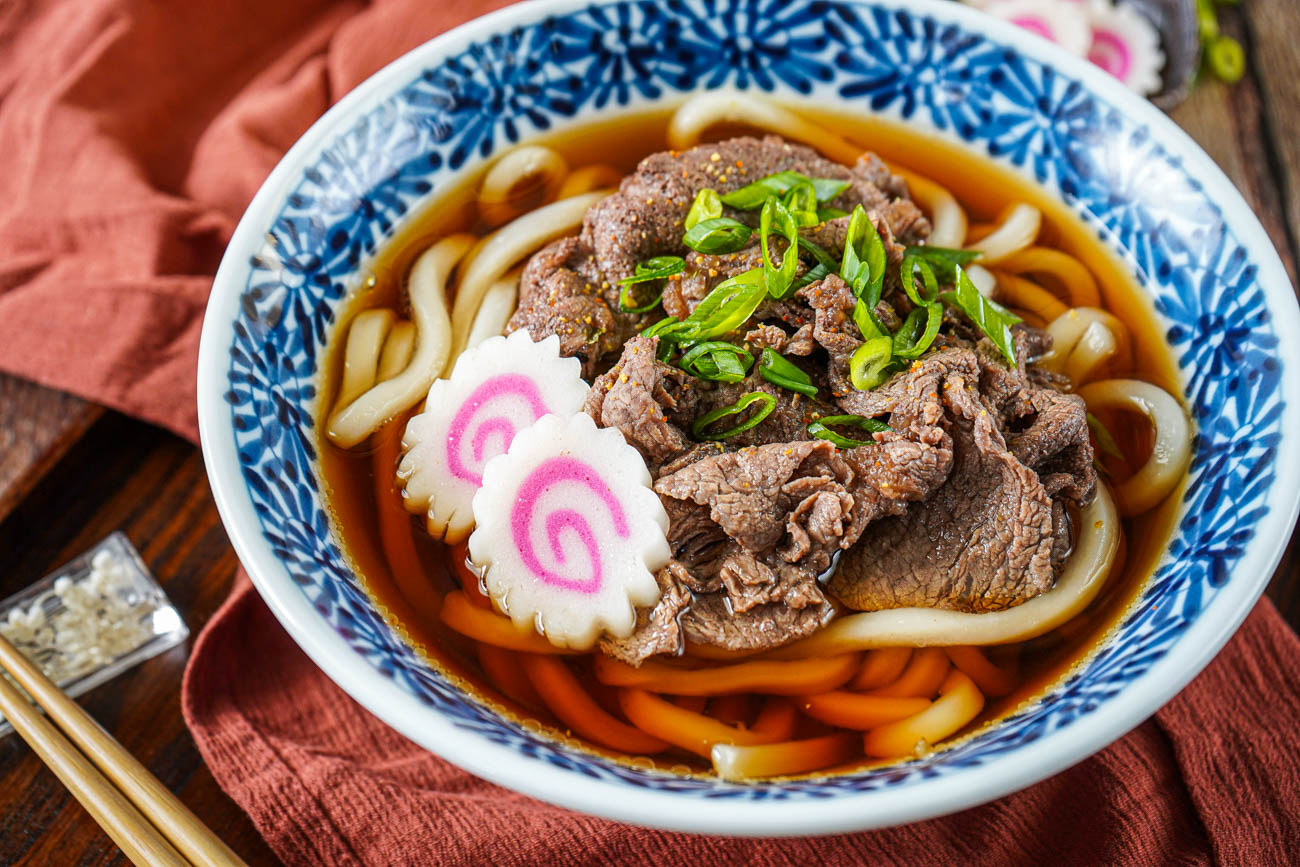
I started making udon on nights when I wanted something cozy but did not have the patience for a full ramen situation. The first time I tossed chewy noodles into a quick soy-ginger broth, I did that accidental happy dance at the stove. Now it is my go-to “I need comfort and I need it soon” bowl, and I love how it welcomes whatever is hanging out in the crisper drawer.

Serving note: This recipe makes 4 smaller bowls or 3 larger, more generous bowls, depending on how hungry your table is.