Mom's Best Recipes
Recipe

Vanilla Buttercream Frosting

Fluffy, smooth, classic vanilla buttercream you can spread or pipe on cakes and cupcakes.

Author By Matt Campbell
4.8
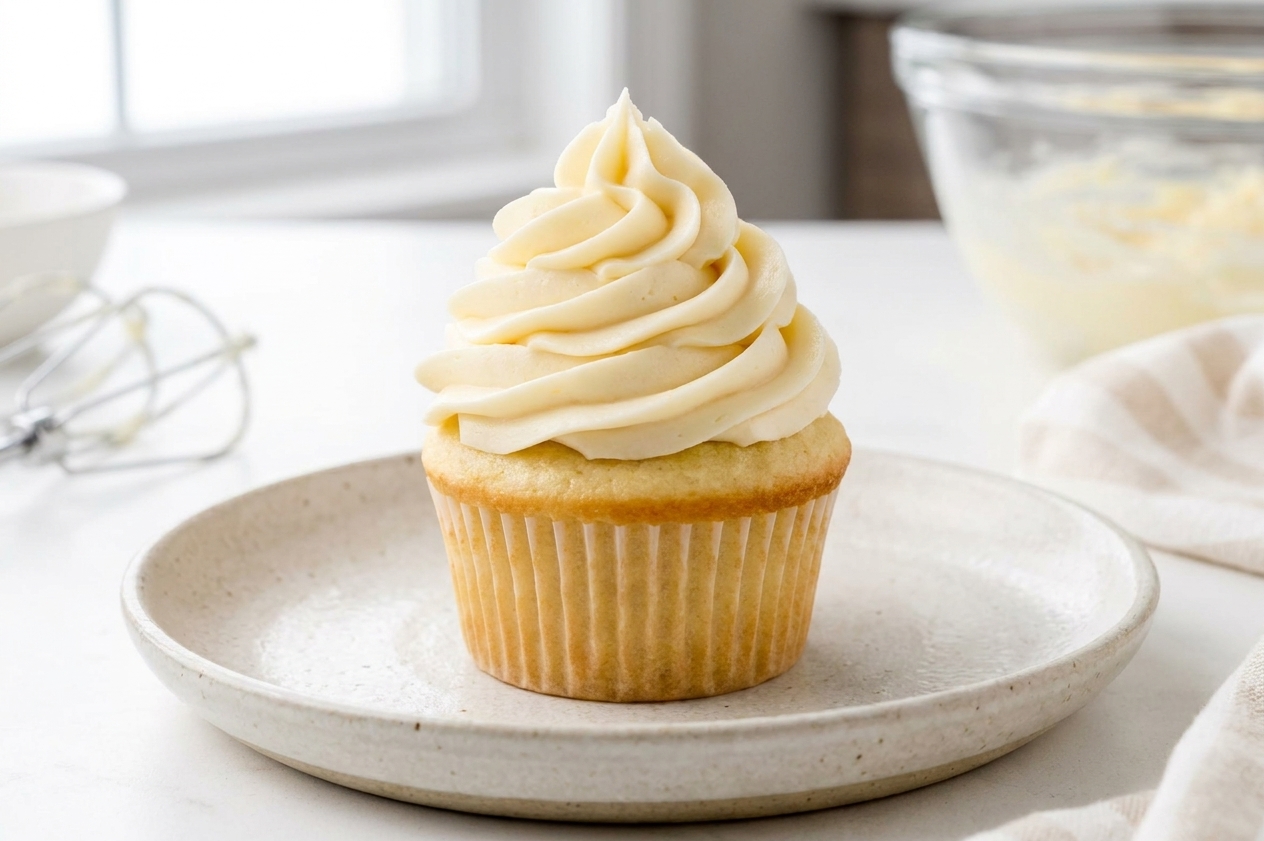
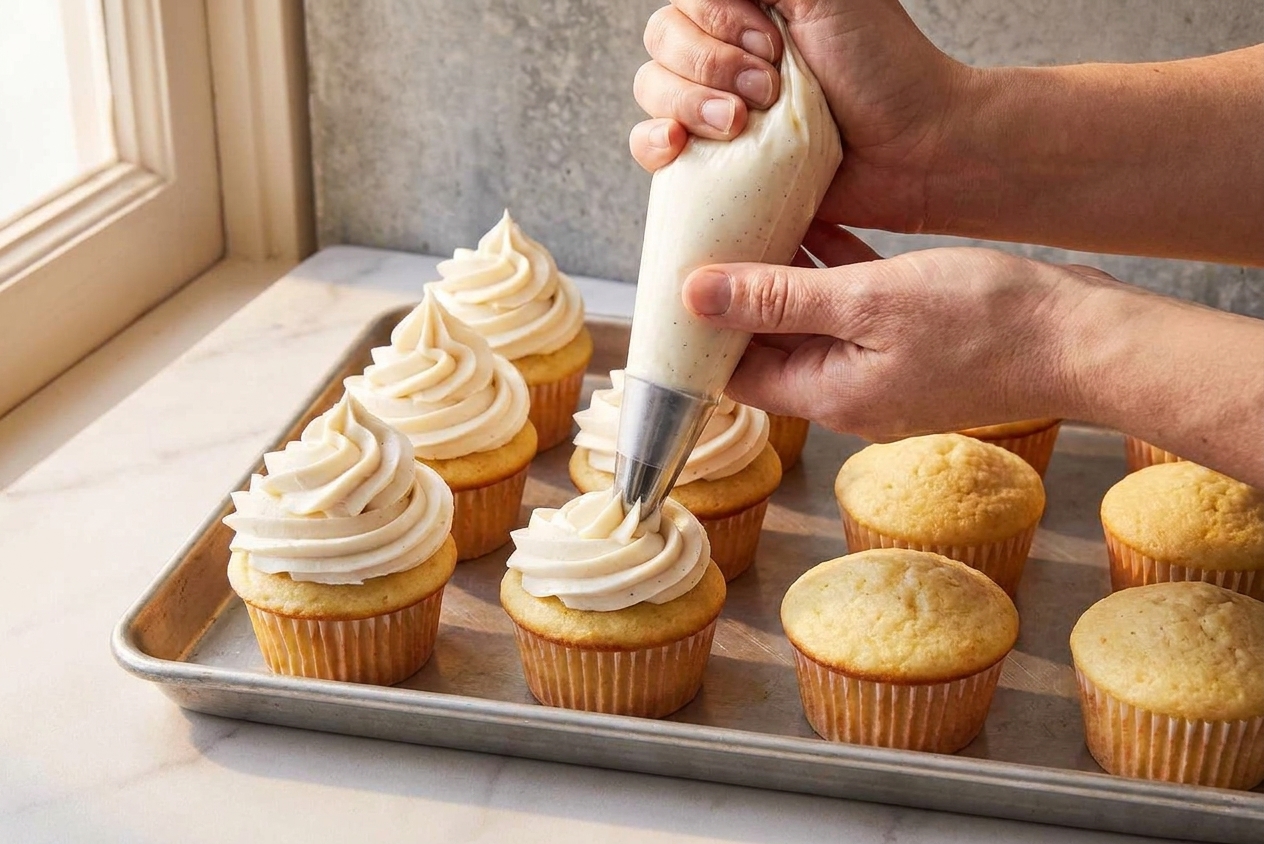
A swirl of pale vanilla buttercream piped high on a vanilla cupcake on a light kitchen counter with soft natural light

Vanilla buttercream is the little black dress of frosting. It goes with everything, it makes you look like you have your life together, and it forgives a whole lot of chaos in the kitchen.

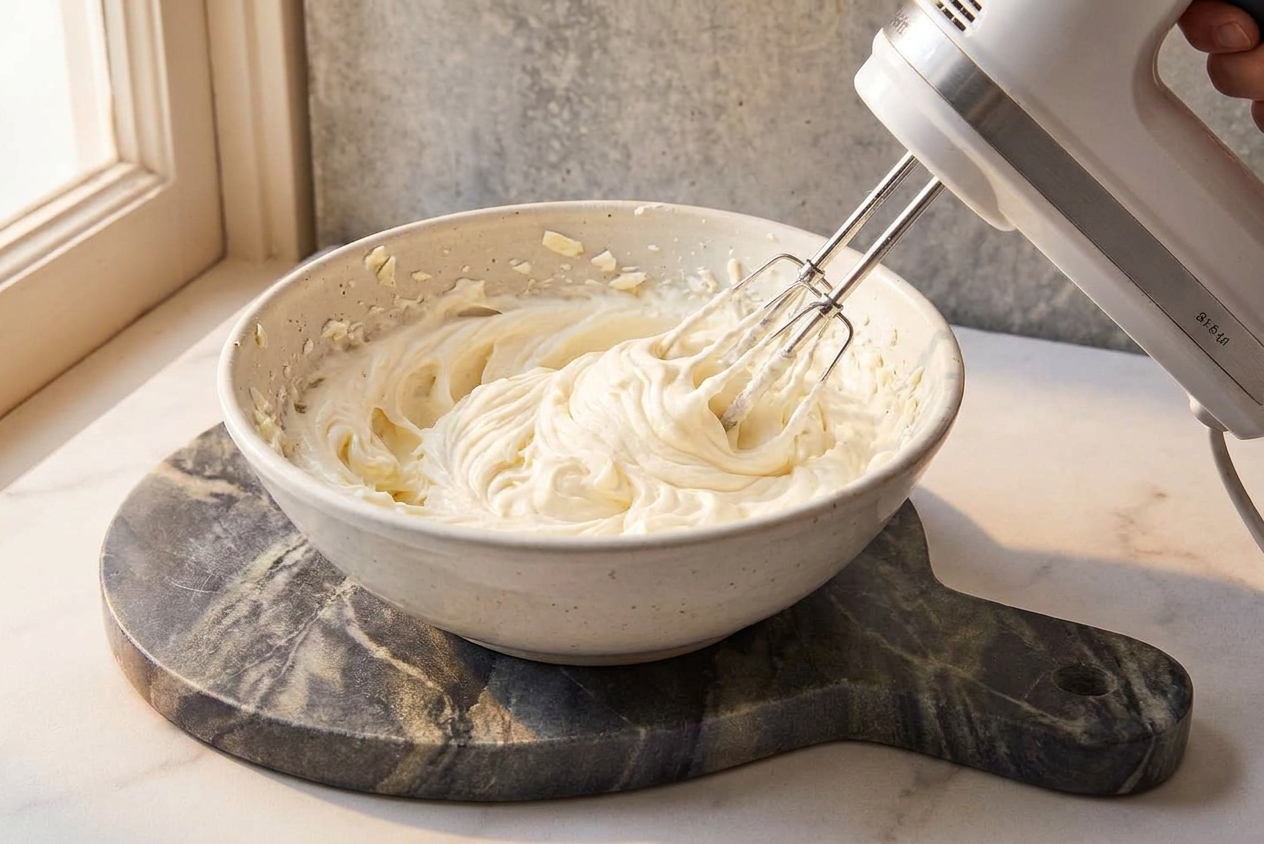
This is my go-to American-style vanilla buttercream: whipped butter, powdered sugar, vanilla, and just enough cream to make it silky. It is sweet, yes, but it is also fluffy, smooth, and easy to fix if you overshoot the sugar or undershoot the liquid. Whether you are frosting a birthday cake, piping cupcake swirls, or just “taste testing” with a spoon, this one delivers.

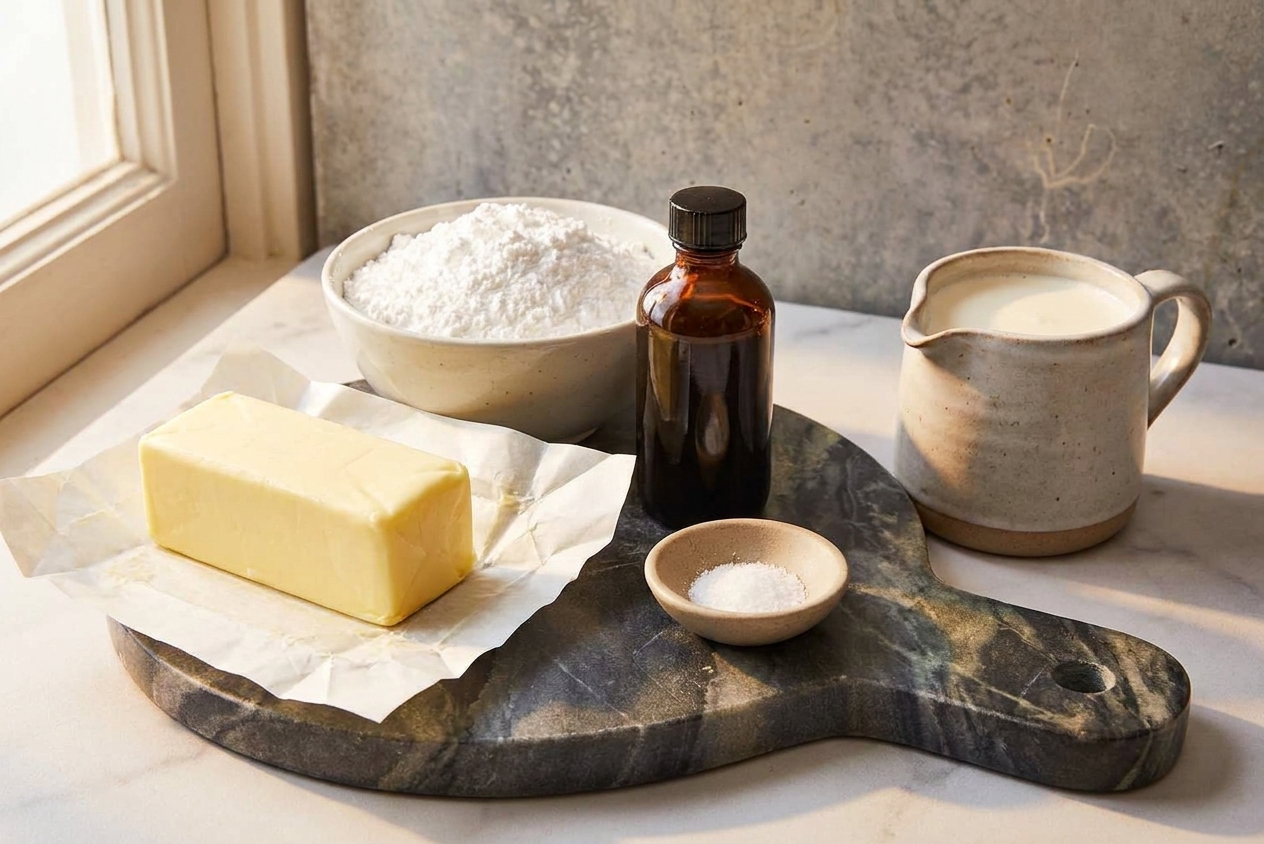
Butter, powdered sugar, vanilla, salt, and a small pitcher of cream arranged on a clean kitchen counter in warm natural light

Why It Works

  • Fluffy texture without grit: Beating the butter first, then adding powdered sugar gradually (and sifting if lumpy), helps the frosting whip up light and smooth.
  • Easy to spread and pipe: The cream is added in small splashes so you can land exactly where you need to be for your cake or piping bag.
  • Strong vanilla flavor: Using a full tablespoon of vanilla gives you that bakery-style vanilla pop.
  • Built-in rescue plan: Too thick, too thin, too sweet, or a little curdled? You will know how to bring it back.

Pairs Well With

Storage Tips

How to Store Vanilla Buttercream

  • Room temperature: If your kitchen is cool (around 70°F or below), keep frosting in an airtight container for up to 1 day. If your kitchen is warm or you used milk or cream and prefer to play it extra safe, refrigerate. Rewhip briefly before using.
  • Refrigerator: Store airtight for up to 1 week. Let it sit at room temp until soft, then beat for 1 to 2 minutes to make it fluffy again.
  • Freezer: Freeze in an airtight container for up to 3 months. Thaw overnight in the fridge, then bring to room temp and rewhip.
  • Already-frosted cake or cupcakes: Cover and refrigerate if your home is warm. Let sit at room temp 30 to 60 minutes before serving for the best texture.

Tip: If the frosting looks a little curdled after chilling, keep beating. Cold butter just needs time to smooth out.

Common Questions

Common Questions

How do I make buttercream less sweet?

American buttercream is naturally sweet. You cannot remove sweetness without removing sugar, but you can make it taste less cloying. Add 1/4 to 1/2 teaspoon fine salt (if you did not already), use heavy cream for a richer mouthfeel, and add a touch more vanilla. You can also beat it longer with a tablespoon or two of cream to make it feel lighter. Just do not overdo the liquid or the frosting can get too soft.

Why is my buttercream grainy?

The most common culprit is lumpy powdered sugar, so sifting (or at least breaking up lumps) helps a lot. Graininess can also happen when the butter is too cool or the frosting simply needs more beating. Let the bowl sit for 10 minutes to warm slightly, then beat on medium-high for 2 to 3 minutes. If it still feels gritty, add 1 tablespoon cream and beat again. Also make sure you are using powdered sugar, not granulated.

My buttercream looks split or curdled. Can I fix it?

Yes. It is usually a temperature issue. If it looks curdled because it is too cold, let it sit 10 to 15 minutes and keep beating. If it looks loose and separated because it is too warm, chill for 10 minutes, then rewhip. Either way, give it a solid minute or two of mixing before you panic.

My buttercream is too thick. How do I fix it?

Add cream or milk 1 teaspoon at a time while beating on low, then finish on medium-high. It loosens quickly, so go slow.

My buttercream is too thin. Now what?

Chill it for 10 to 15 minutes, then rewhip. If it is still loose, add more powdered sugar 2 tablespoons at a time. Thin frosting often means the butter was very warm or you added too much liquid.

Can I use salted butter?

Yes. Just reduce the added salt to a pinch, then taste and adjust at the end.

Can I color this frosting?

Absolutely. Gel food coloring works best. Add a little at a time after the frosting is finished, then beat until evenly colored.

How much frosting does this recipe make?

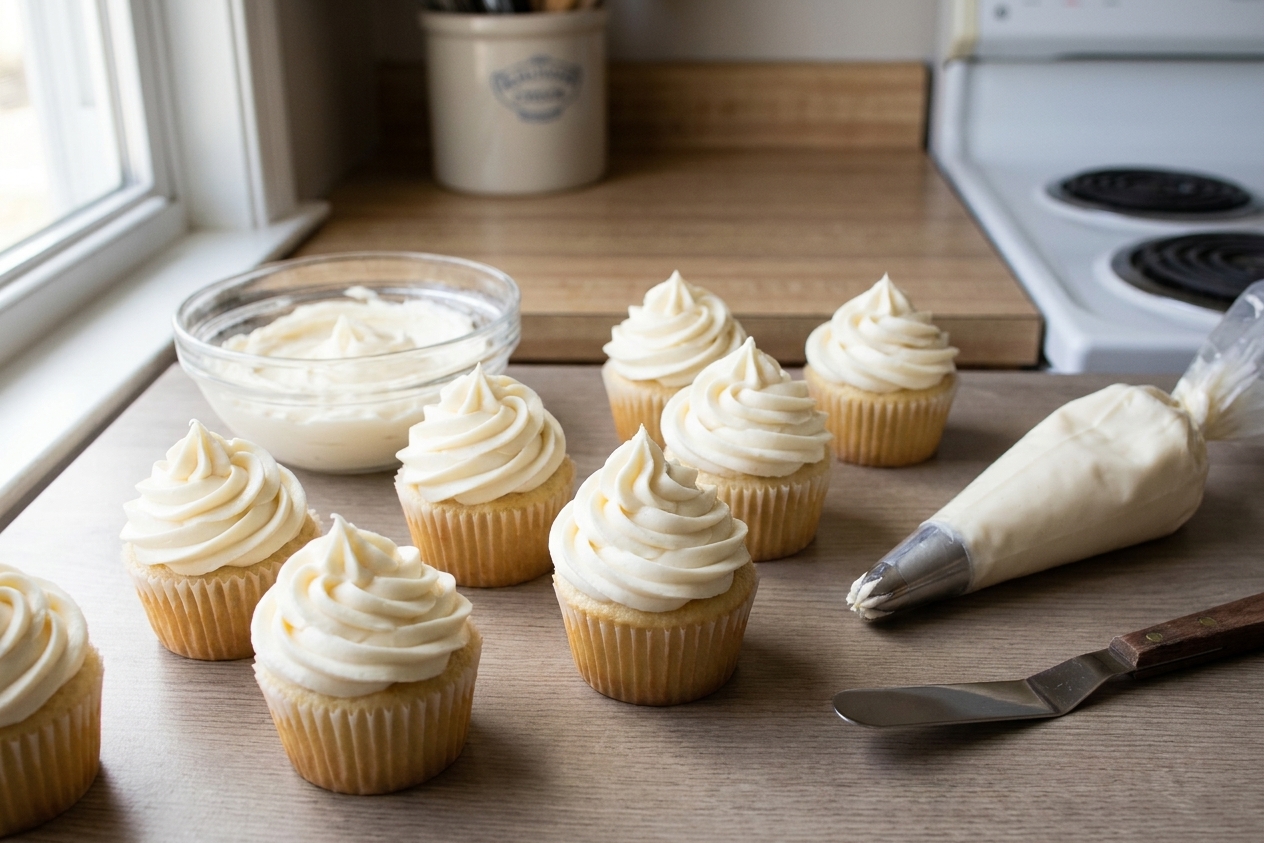
Typically about 3 to 3 1/2 cups, depending on how much powdered sugar you use and how long you whip it. That is usually enough for 12 to 18 cupcakes (depending on how dramatic you pipe) or to frost a two-layer 8-inch cake with a light to modest coat. If you want thick swirls, a generous fill, and a fully frosted exterior, consider scaling up.

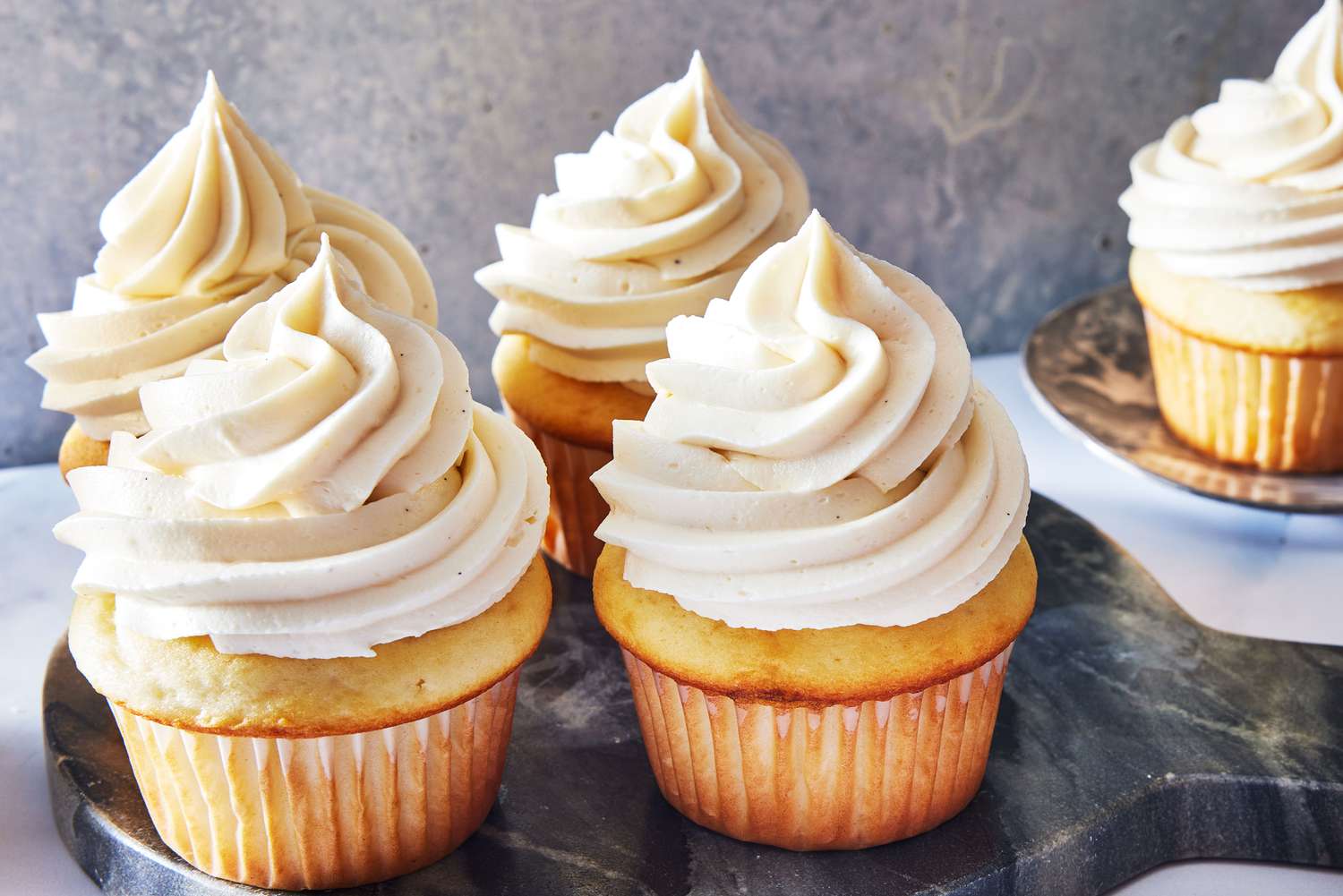
I used to think frosting was the “extra” part, like a decorative hat on a perfectly good cake. Then I made buttercream the right way: butter whipped until it looks like it belongs in a cloud, vanilla that actually tastes like vanilla, and a pinch of salt that makes everything snap into focus. Now I treat buttercream like a sauce. Taste it. Adjust it. And if it gets weird halfway through, you do not panic. You fix it and keep going.