How much frosting does this make?
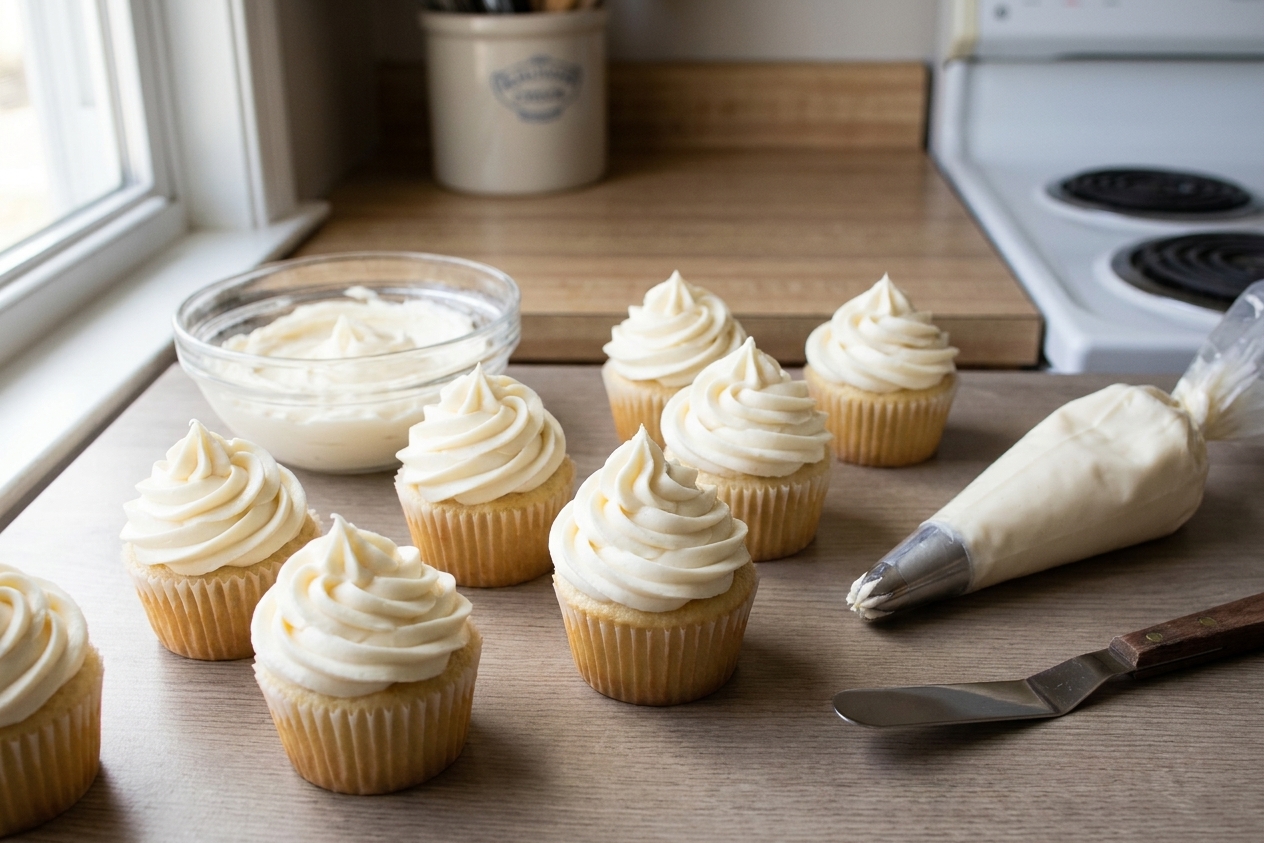
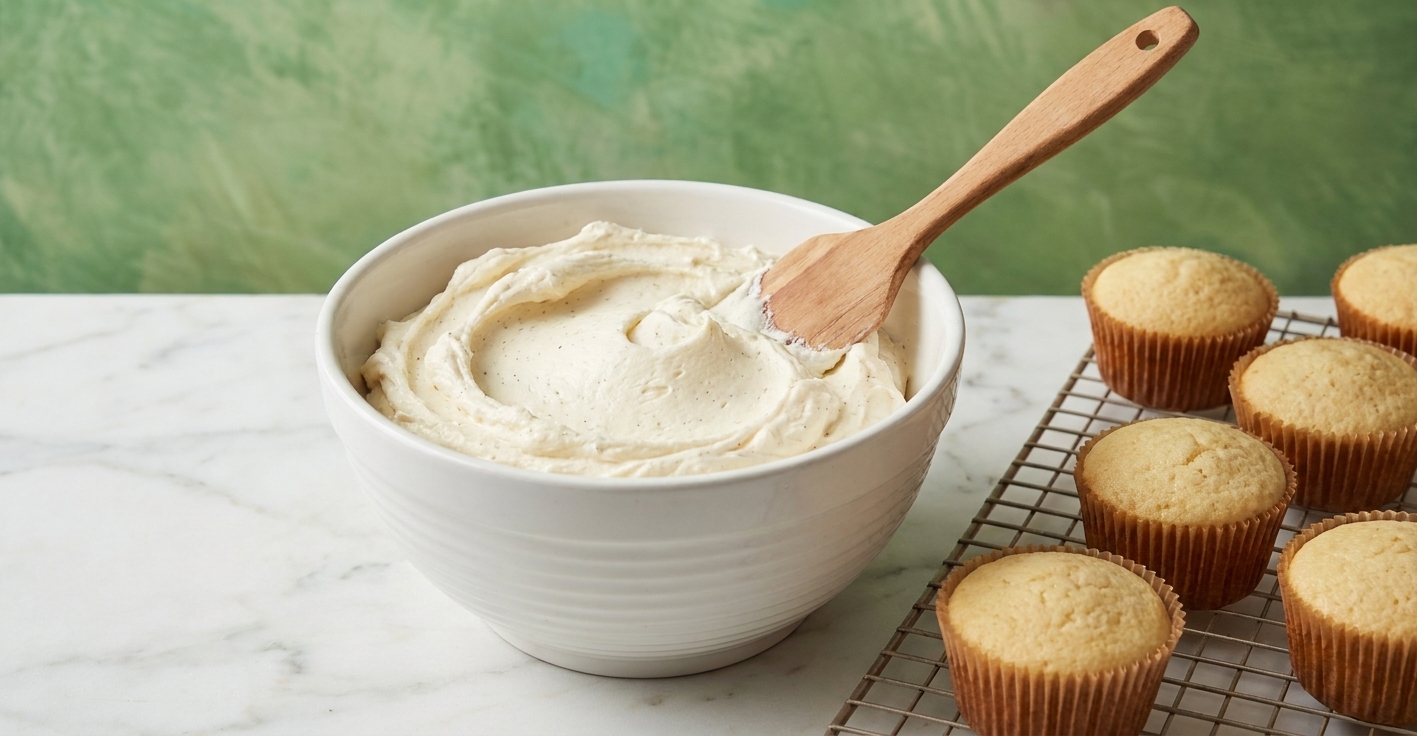
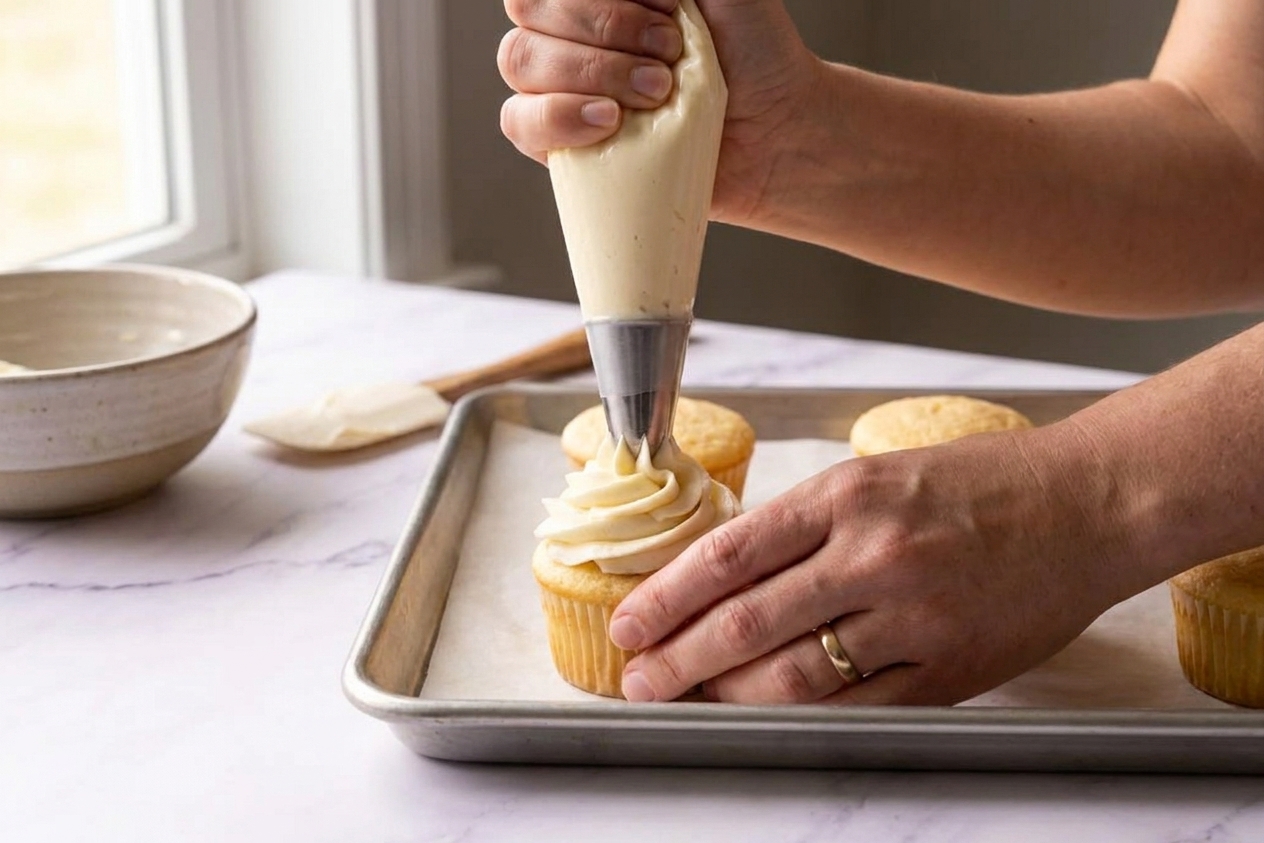
Typically about 3 to 3 1/2 cups, depending on how long you whip it and how you measure your powdered sugar. As a rough guide, that is enough for 12 cupcakes with medium-to-generous swirls, a 9x13-inch cake, or a two-layer 8-inch cake with a thin-to-moderate layer of frosting.
How do I make it less sweet?
Buttercream is always going to be sweet, but you can tame it: use 1/2 teaspoon fine salt, add 1 to 2 tablespoons heavy cream for richness, and do not skip a good vanilla. You can also reduce powdered sugar slightly, but go slow or it will get too soft to hold shape.
Why is my buttercream grainy?
Usually it is powdered sugar lumps. Sift it, or whisk it thoroughly before adding. Also make sure the butter is truly softened so it can absorb sugar smoothly. If it still feels gritty, keep mixing for 1 to 2 minutes after the last sugar addition. It often smooths out with a little extra time.
Why did my buttercream split or look curdled?
Temperature is the usual culprit. If the butter was too cold, keep beating until it smooths out. If it got too warm and greasy, chill the bowl for 10 minutes, then beat again.
Can I color this frosting?
Yes. Gel food coloring works best because it adds strong color without thinning the frosting. Add a little, beat, then adjust.
Can I make it chocolate?
Absolutely. Beat in 1/2 cup unsweetened cocoa powder (sifted) after the powdered sugar. Add an extra splash of milk or cream if needed.
Can I make a half or double batch?
Yes. Half batches work great with a hand mixer. For a double batch, use a mixer bowl that is large enough so the frosting can actually whip up instead of climbing the sides. You may need an extra minute of mixing to get the same fluffy volume.
Milk vs. heavy cream, which is better?
Both work. Heavy cream makes a slightly richer, a bit more stable buttercream, which is helpful for piping, especially in warmer kitchens. Milk keeps it lighter and is totally fine for everyday frosting.