Mom's Best Recipes
Recipe

Vanilla Buttercream Frosting

Smooth, fluffy, not-too-sweet classic buttercream that spreads cleanly and pipes beautifully for cakes and cupcakes.

Author By Matt Campbell
4.9
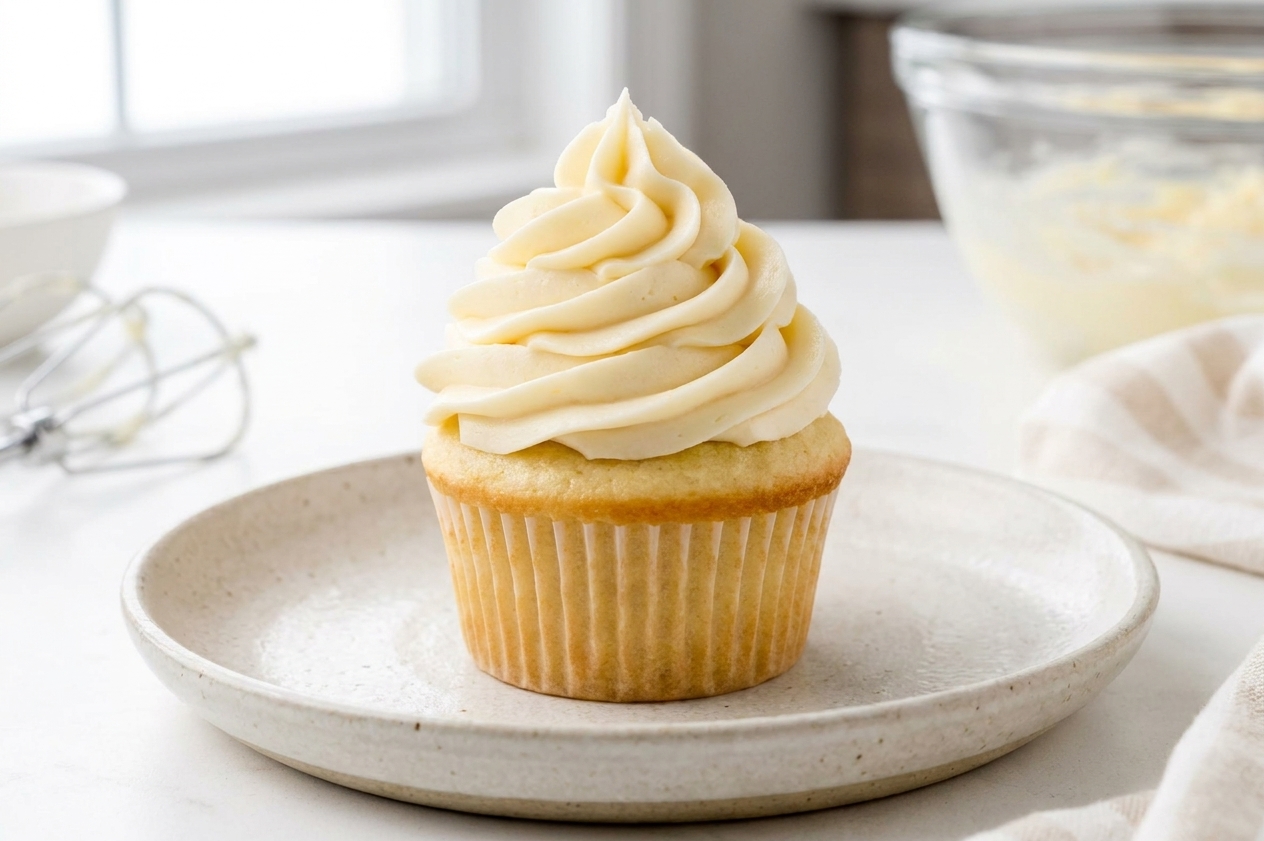
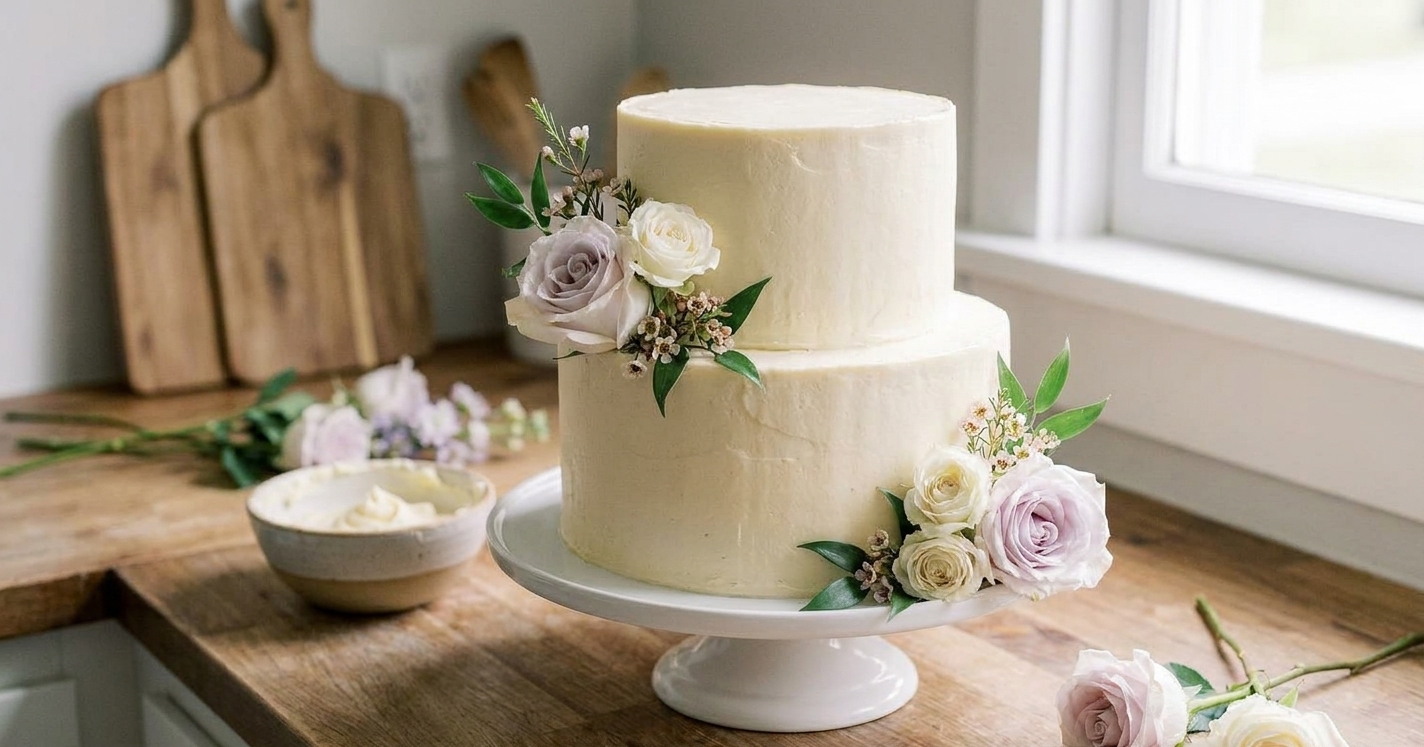
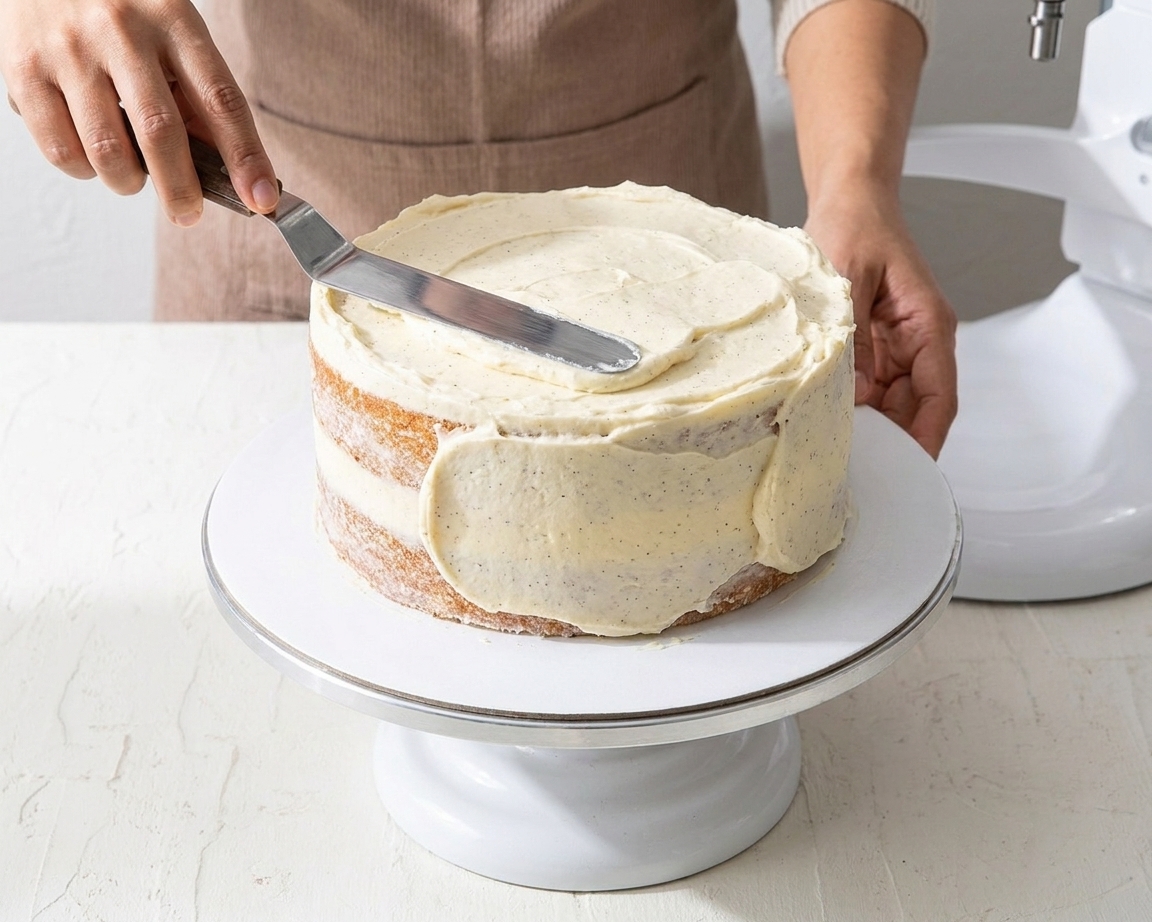
A frosted vanilla layer cake with swirls of creamy buttercream on top, sitting on a simple cake stand on a bright kitchen counter

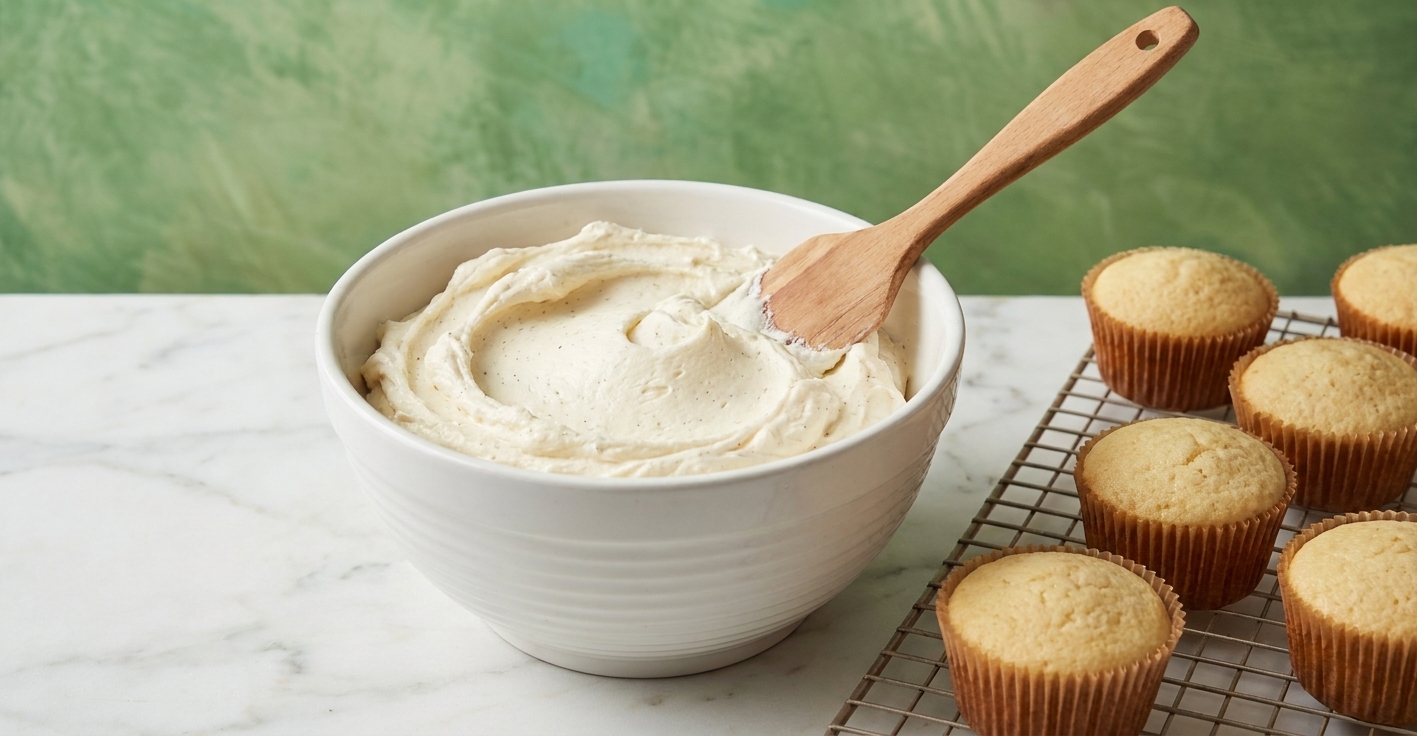
Buttercream frosting is one of those kitchen basics that feels fancy, but it is really just a little timing, a little patience, and a lot of tasting as you go. This is my go-to classic vanilla buttercream for cakes when I want something that is fluffy, reliable, and friendly to both a spatula and a piping bag.

At its core, it is butter plus powdered sugar, vanilla, salt, and a splash of cream or milk to get the texture right. It is sweet, because buttercream is supposed to be sweet, but the trick is keeping it balanced. A pinch of salt, enough vanilla to actually taste it, and a texture that spreads without tearing your cake to pieces. We are going for swoops, swirls, and crisp edges, not frosting drama.

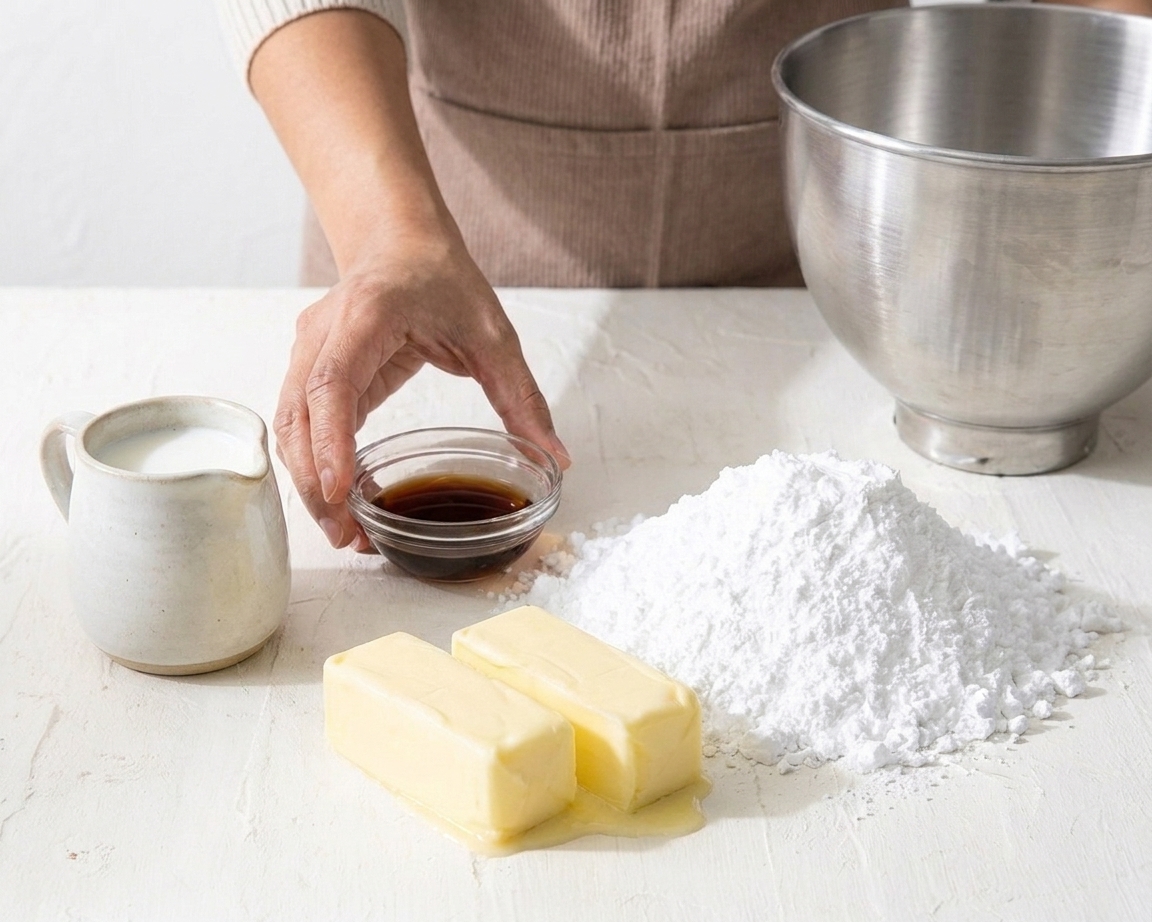
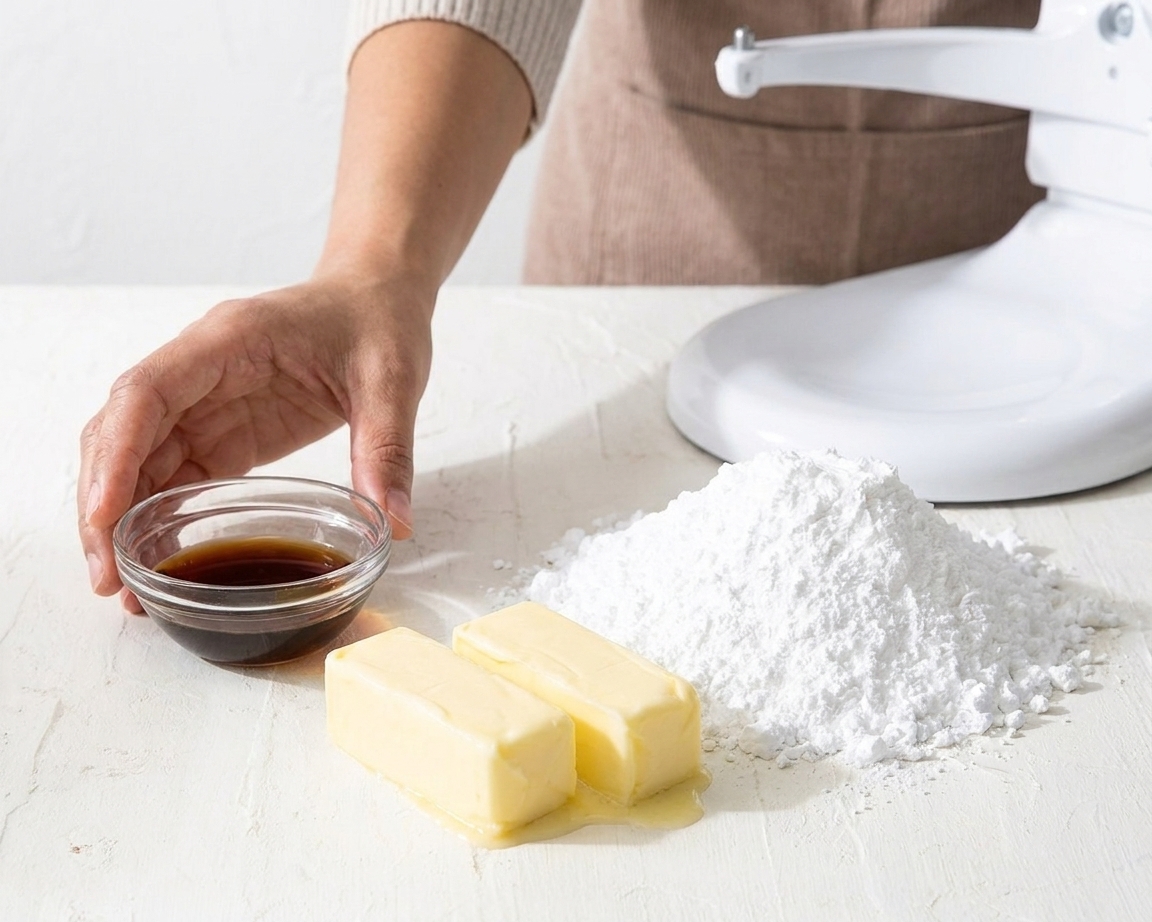
Butter, powdered sugar, vanilla, and milk measured on a clean kitchen counter with a stand mixer bowl nearby

Why It Works

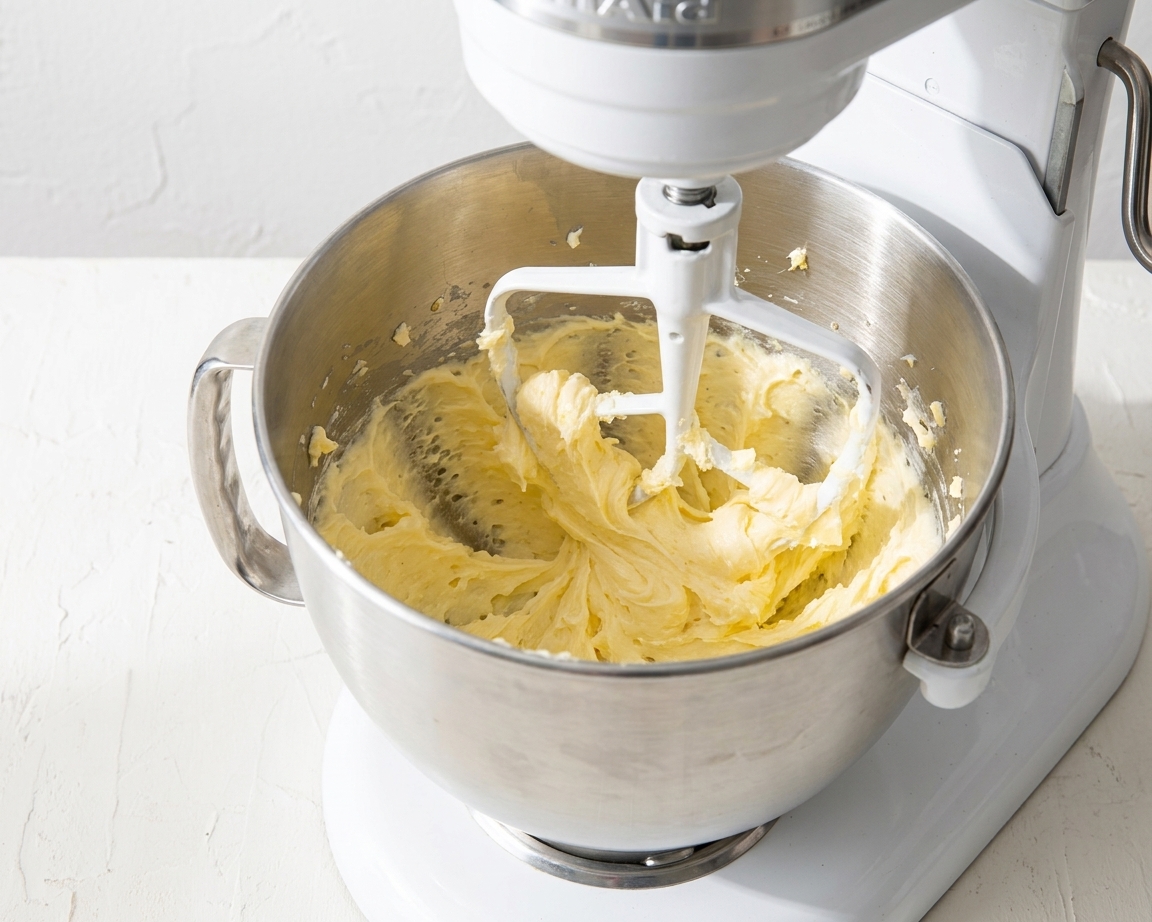
  • Fluffy and smooth: Creaming the butter first and adding powdered sugar gradually keeps it light, not gritty.
  • Easy to adjust: A tablespoon of cream or milk loosens it, a little extra powdered sugar tightens it, and you stay in control.
  • Great for cakes: It spreads cleanly for a simple finish and holds shape for piping borders and rosettes.
  • Flavor that pops: Vanilla plus a pinch of salt makes it taste like a bakery, not just sugar.

Pairs Well With

Storage Tips

Storage Tips

Room temperature: If your kitchen is cool, buttercream can sit at room temperature for up to 1 day in an airtight container. If you used milk or cream and your kitchen runs warm, refrigerate it, and do not leave it out longer than needed for serving.

Refrigerator: Store in an airtight container for up to 1 week. Press plastic wrap directly onto the surface to prevent crusting, then seal.

Freezer: Freeze up to 3 months. Thaw overnight in the fridge, then bring to room temperature.

How to re-whip: Let chilled frosting sit until soft, then beat for 1 to 2 minutes. If it seems separated at first, keep mixing. If it is too stiff, add 1 to 2 teaspoons milk or cream at a time until smooth.

Common Questions

Common Questions

How much frosting does this make?

This recipe makes about 3 to 3 1/2 cups of buttercream, depending on how much you whip it and how much liquid you add.

How much does it cover?

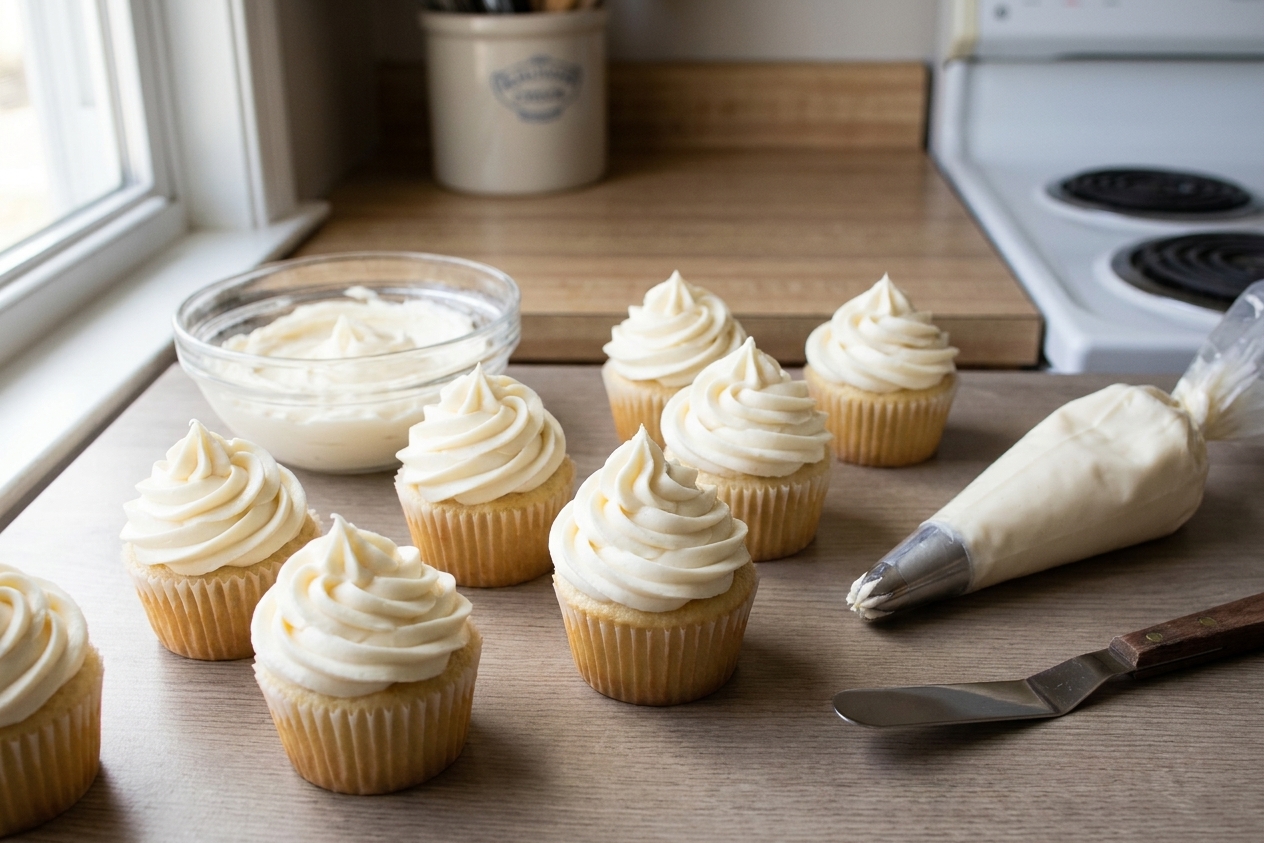
It is usually enough for 12 cupcakes with a generous swirl, or a two-layer 8-inch cake with a thin-to-medium filling and coat. If you like thick layers of frosting, sharp edges, or tall swirls, scale up by 1.5 times.

How do I get the right consistency for spreading versus piping?

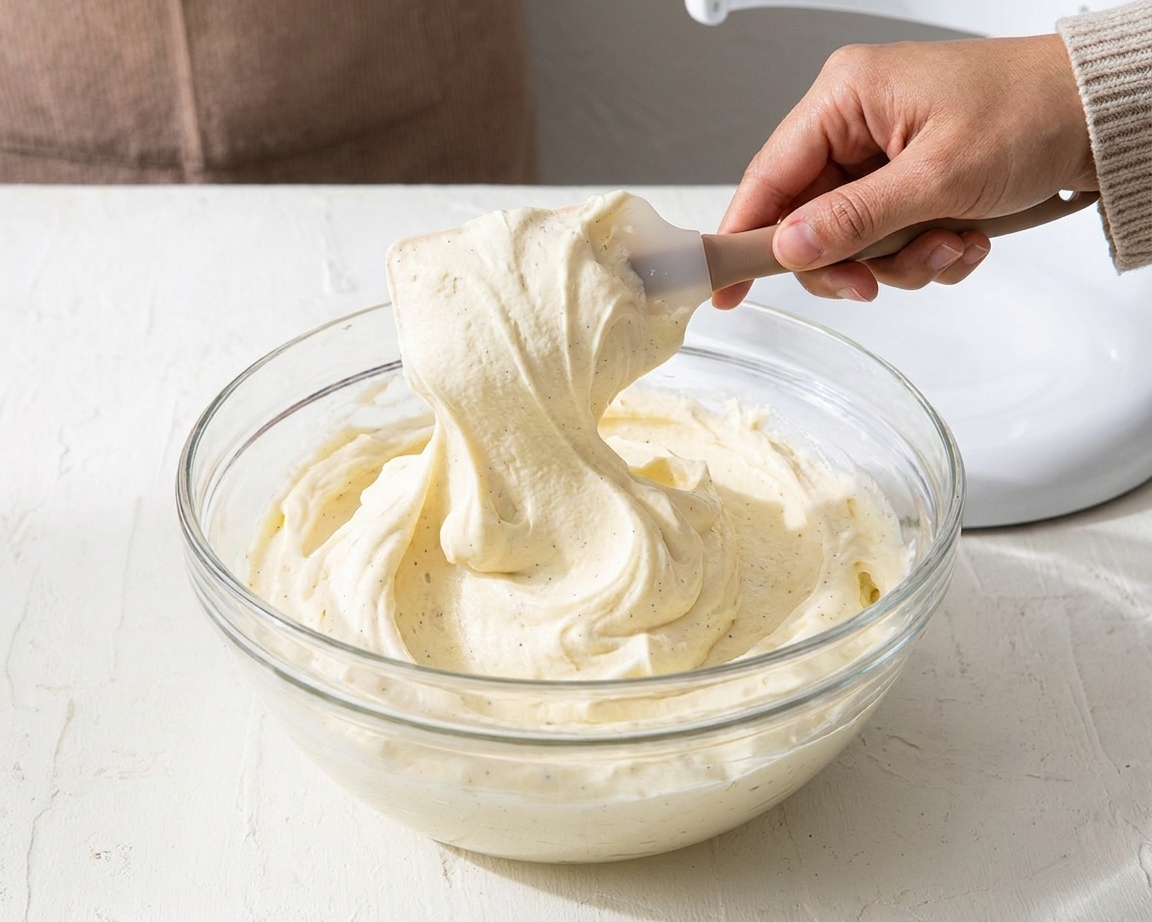
Spreading: Slightly softer. Add cream or milk until the frosting forms smooth peaks that gently droop at the tip.

Piping: Slightly firmer. Use less liquid so it holds sharp ridges. You should be able to pull up the beater and get a peak that stands tall.

Why is my buttercream grainy?

Usually it is powdered sugar that was added too fast or not beaten long enough. Beat for another 2 to 3 minutes. Also, sift your powdered sugar if it is lumpy.

Why does my buttercream look separated?

Most often the butter is too cold, or the frosting got chilled and stiff. Let it warm slightly and keep mixing. If it is soupy, chill the bowl for 10 minutes, then beat again.

Can I make it less sweet?

You can reduce the powdered sugar a bit, but it will get softer and less stable. My favorite fix is more salt (a tiny bit at a time) plus a touch more vanilla. If you want another easy balance boost, add 1 teaspoon lemon juice and mix well.

You can also replace 1 to 2 tablespoons of powdered sugar with 1 to 2 tablespoons of full-fat cream cheese for a subtle tang, but it will soften the frosting, reduce crusting, and it will no longer be classic American buttercream.

Can I color this frosting?

Yes. Gel food coloring works best because it adds strong color without thinning the frosting. Add a little at a time and mix fully before adding more.

Will this crust over?

Yes, slightly. That is normal for classic buttercream and can actually be helpful for smoothing. Keep it covered when not using it to prevent a thicker crust.

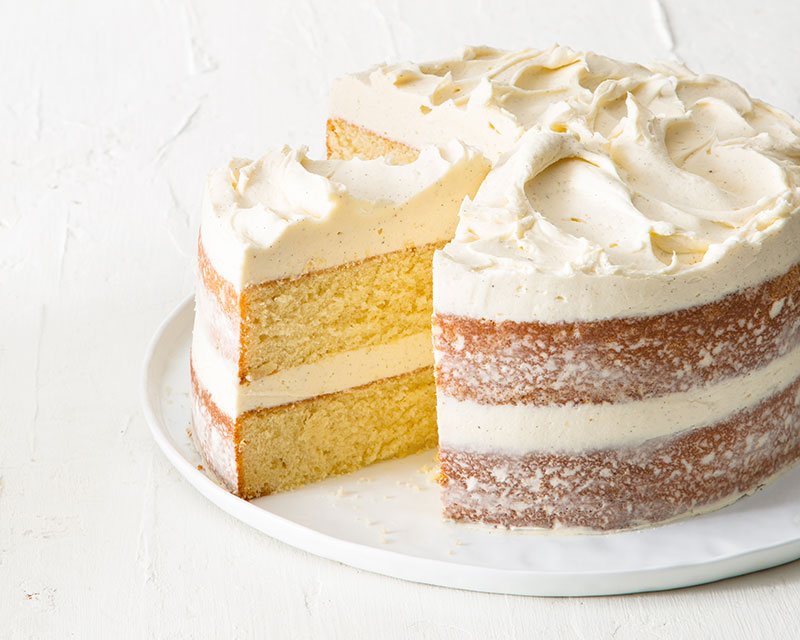
I used to think buttercream was all about perfect vibes and perfectly smooth cakes. Then I started actually making cakes for real people, in real kitchens, with real distractions, and I learned the truth: buttercream is mostly about feel. You listen to the mixer, you watch the texture, you taste, you adjust.

Now this is the batch I make when I want the frosting to behave. It is the one that lets you be a little chaotic in the kitchen and still end up with a cake that looks like you had a plan.