Mom's Best Recipes
Recipe

Vanilla Custard

Creamy, spoonable vanilla custard with real vanilla flavor, made on the stovetop in about 20 minutes.

Author By Matt Campbell
4.8
Silky vanilla custard in two small glass bowls on a warm kitchen table, topped with a few fresh berries, soft natural window light

Vanilla custard is one of those quiet flex desserts. It is simple, not fussy, and it somehow makes a regular day feel more put-together. The texture is the whole point: thick enough to coat a spoon, smooth enough to feel like a tiny luxury, and vanilla-forward in a way that tastes like comfort.

This version is classic stovetop custard, thickened with egg yolks and a little cornstarch for extra insurance. Translation: you get that rich, old-school custard vibe without hovering over the stove convinced you are about to end up with sweet scrambled eggs.

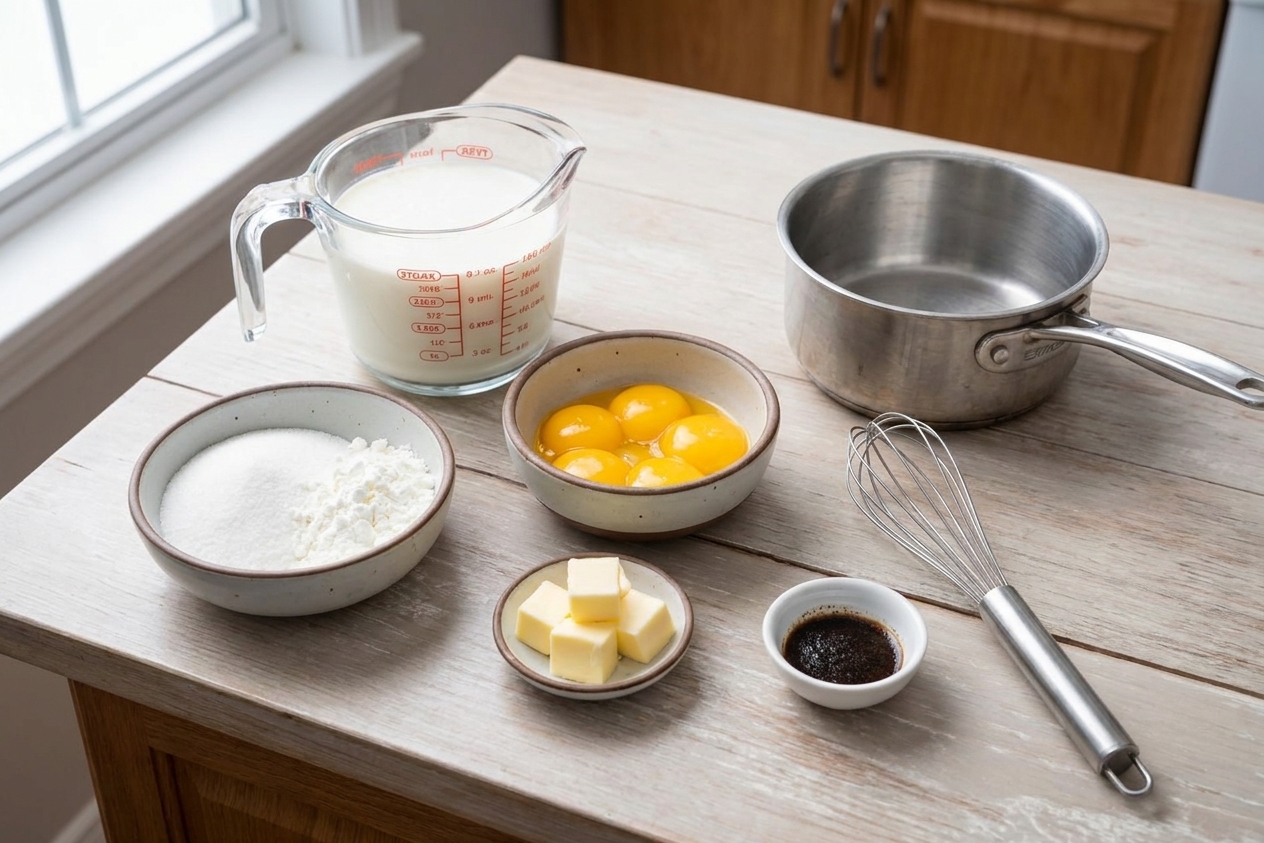
Measured milk, cream, egg yolks, sugar, cornstarch, butter, and vanilla on a clean kitchen counter with a whisk and saucepan nearby

Why It Works

  • Silky texture without drama: Cornstarch gives the custard structure and helps reduce curdling risk, while yolks deliver the rich, classic mouthfeel.
  • Real vanilla flavor: Vanilla goes in off the heat so it stays bold and aromatic instead of getting cooked flat.
  • Fast thickening you can control: You cook just until it bubbles and thickens, then stop. Custard keeps thickening as it cools.
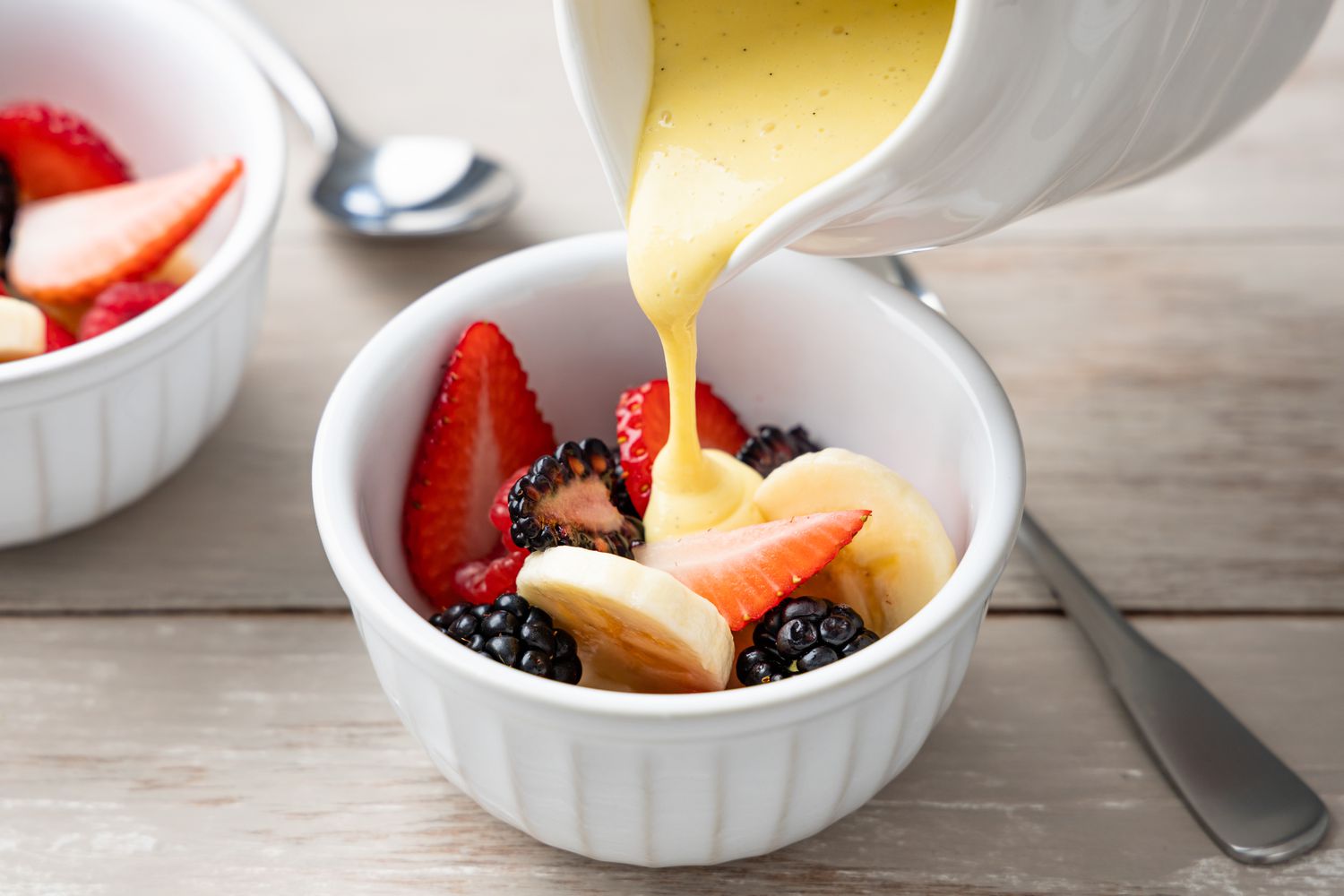
  • Flexible serving: Spoon it into bowls, layer it in parfaits, fill tarts, or pour it warm over cake.

Pairs Well With

Storage Tips

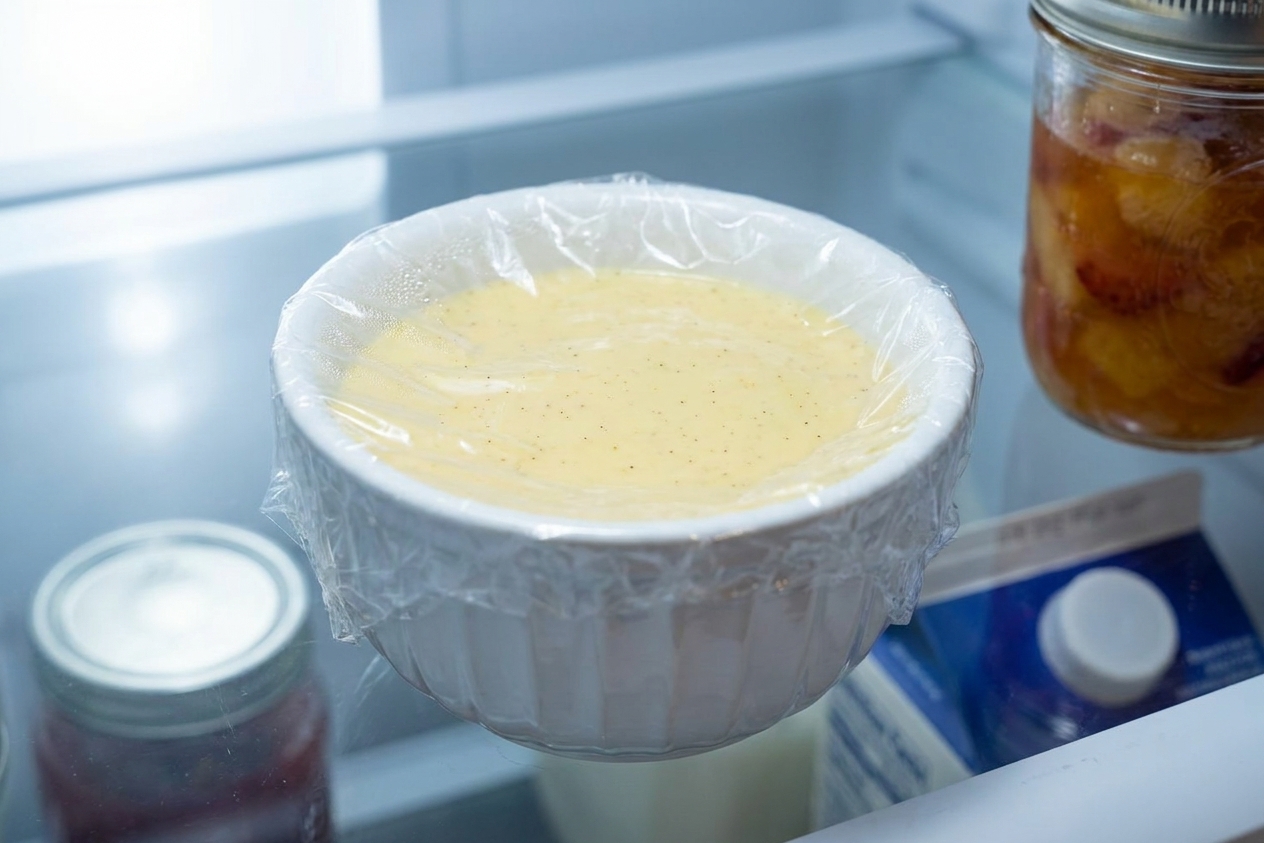
Refrigerate: Transfer custard to a shallow container and press plastic wrap directly onto the surface to prevent a skin. Refrigerate up to 4 days.

Make-ahead note: Custard can be made 1 to 2 days ahead. It will thicken a bit more as it sits, which is normal.

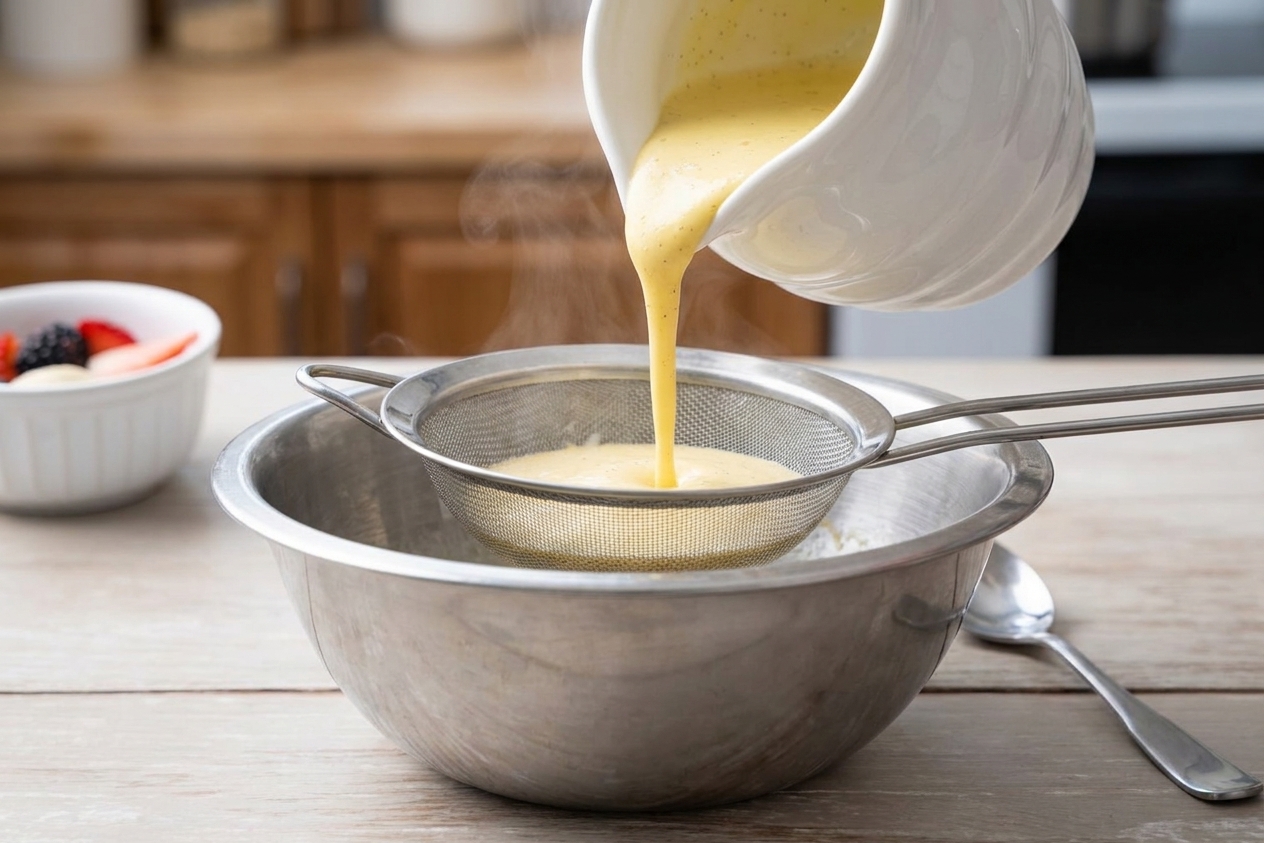
To re-smooth: Custard firms up when cold. Whisk it hard for 30 seconds. For extra-smooth results, pass it through a fine-mesh sieve or briefly blend with an immersion blender.

Freeze: I do not recommend freezing. The yolks can weep and the texture can turn grainy once thawed.

Common Questions

What is the difference between vanilla custard and vanilla pudding?

Custard is thickened primarily with egg yolks (often with dairy), which gives it a richer texture and deeper flavor. Many “puddings” are thickened mostly with starch. This recipe uses yolks plus a little cornstarch, so it lands firmly in custard territory with extra stability.

How do I keep custard from curdling?

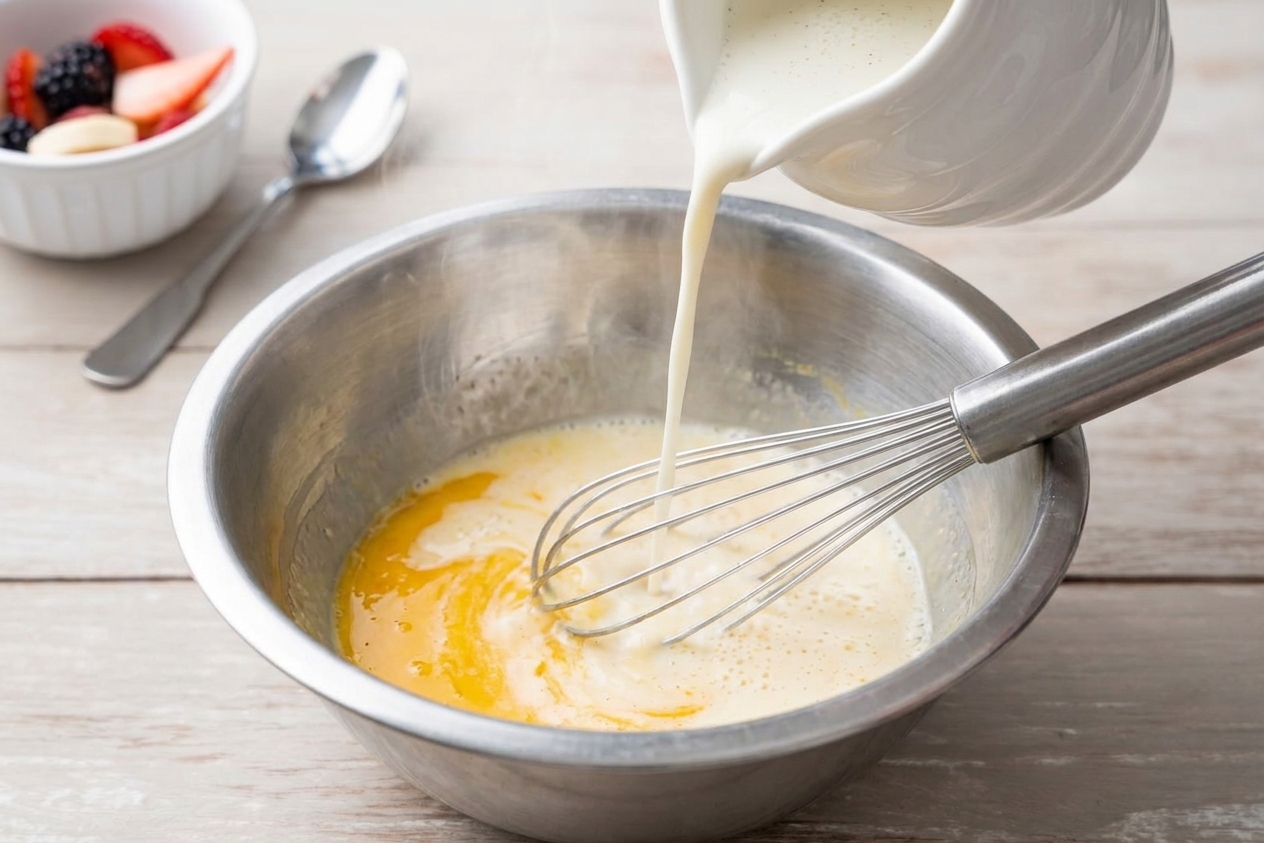
Use medium heat, and once the mixture is steaming hot, whisk constantly. Temper the yolks (slowly whisk hot milk into yolks) and stop cooking once you see thick, slow bubbles. If you have an instant-read thermometer, aim for about 170°F to 180°F, knowing that curdling risk climbs as you approach the low-to-mid 180s depending on your ingredients and heat.

Does cornstarch guarantee it will not curdle?

It helps, a lot. Starch stabilizes the eggs and makes the custard more forgiving, but it is not magic. Medium heat, constant whisking, and pulling it off the stove as soon as it thickens are still the real safety net.

My custard has lumps. Is it ruined?

Not even close. Strain it through a fine-mesh sieve while it is warm. If it is still slightly lumpy, blend briefly and chill. It will be silky.

Why did my custard turn thin after cooling?

Usually it was not cooked long enough to fully activate the starch and set the yolks. Bring it to a gentle bubble and cook for 60 to 90 seconds while whisking, then pull it off the heat.

Can I make this ahead?

Yes. Custard is a great make-ahead dessert. Make it up to 2 days ahead and keep it chilled with the surface covered. It will thicken a little more as it sits.

How do I prevent a skin without plastic wrap?

Press buttered parchment directly onto the surface, or dust the top with a very thin layer of sugar before chilling. (Plastic wrap pressed to the surface is still the simplest option.)

Can I make this dairy-free?

You can, but it will taste different and can be a bit less plush. Use full-fat canned coconut milk (or a rich oat milk) and keep the cornstarch. Coconut milk brands vary a lot in fat, so expect the set to range from softly spoonable to a bit looser.

I started making custard when I realized most “quick desserts” in my life were basically just cookies I ate standing up. Custard felt like an upgrade that still respected my schedule. The first time I nailed it, I ate it warm out of the pot with a spoon like a goblin who just discovered vanilla. Now it is my go-to move for making a random weeknight feel like we planned dessert on purpose.