Mom's Best Recipes
Recipe

Vet-Friendly Homemade Dog Treats

Crunchy little pumpkin oat treats made with simple, dog-safe ingredients and zero weird additives.

Author By Matt Campbell
4.8
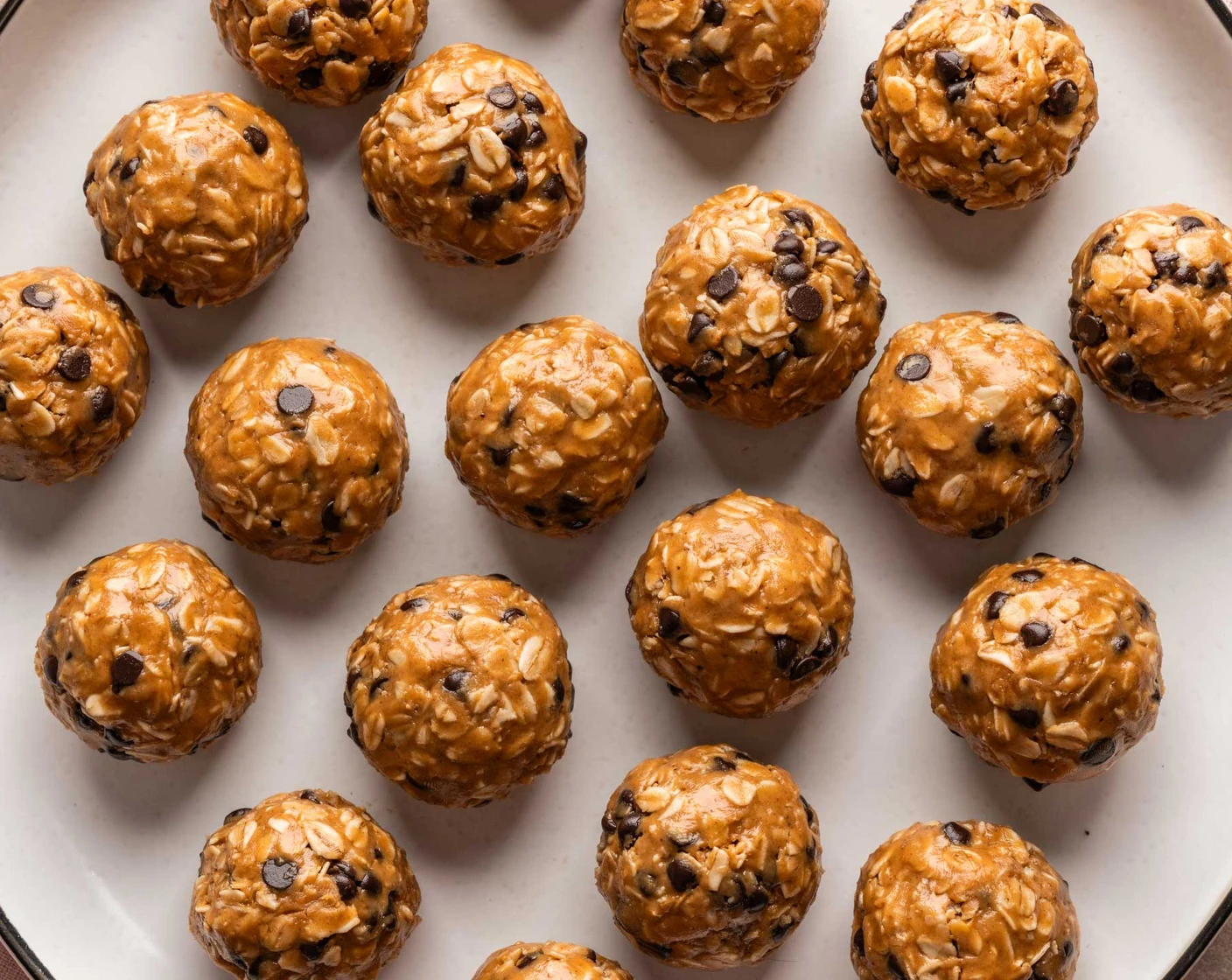
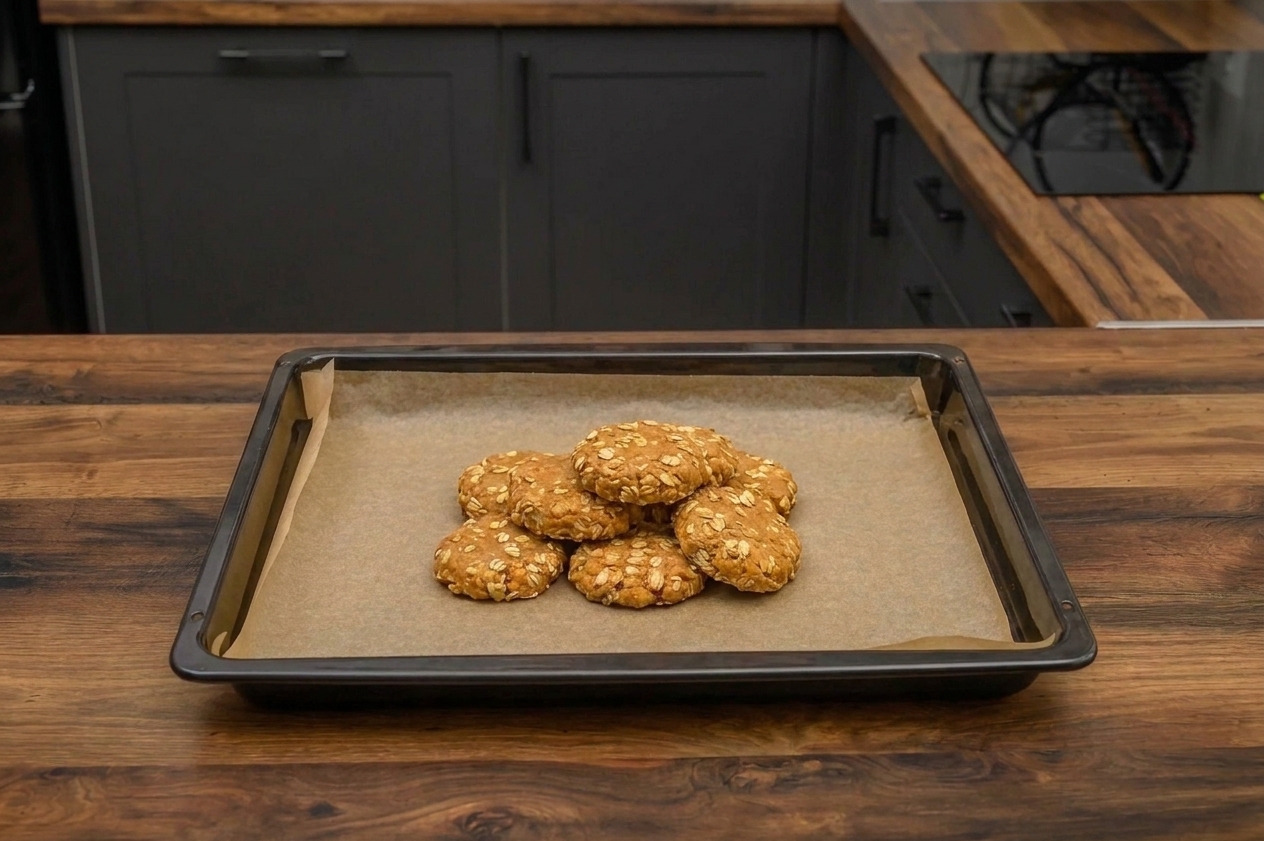
A small pile of golden brown pumpkin oat dog treats on a parchment-lined baking sheet on a bright kitchen counter

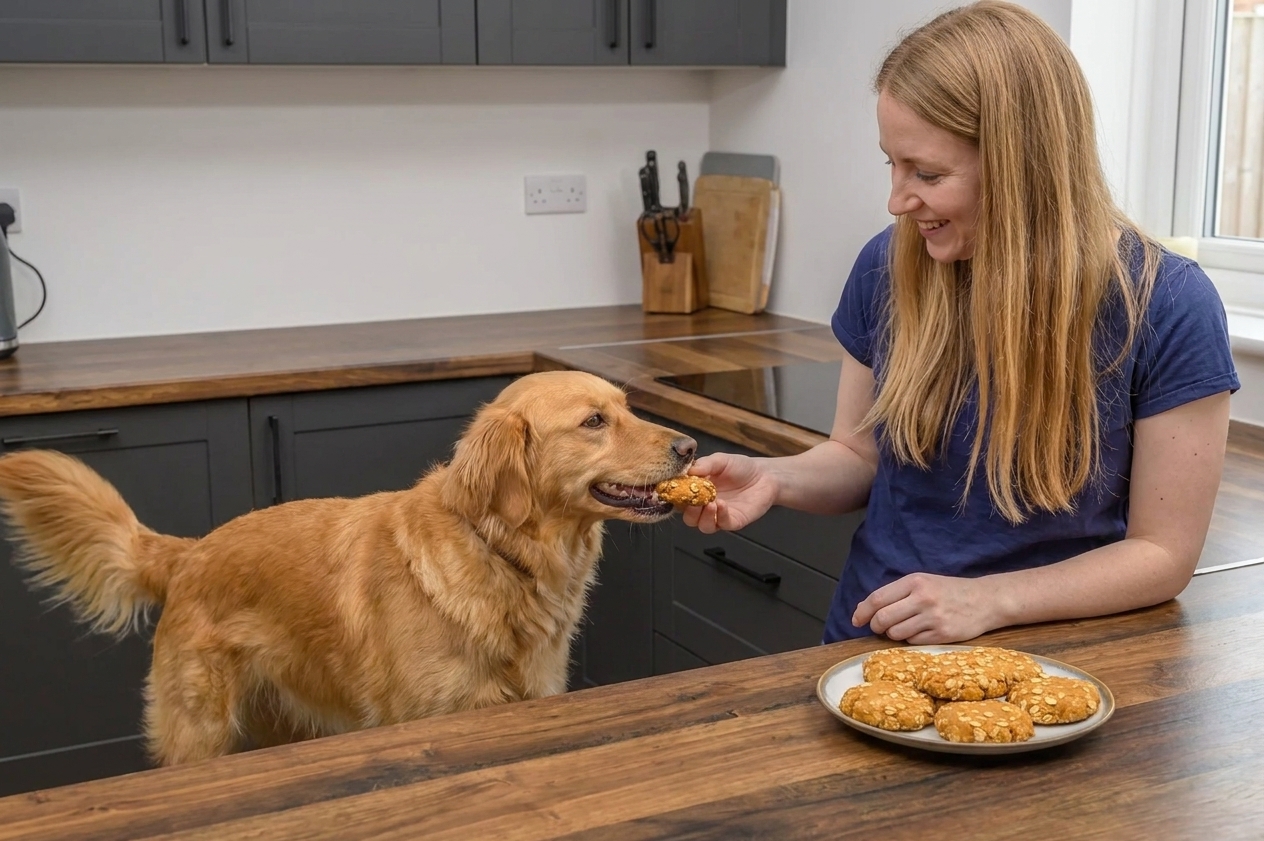
I love cooking for people, but cooking for dogs is its own kind of joy. The applause is louder, the critic is cuter, and yes, ingredient safety still matters.

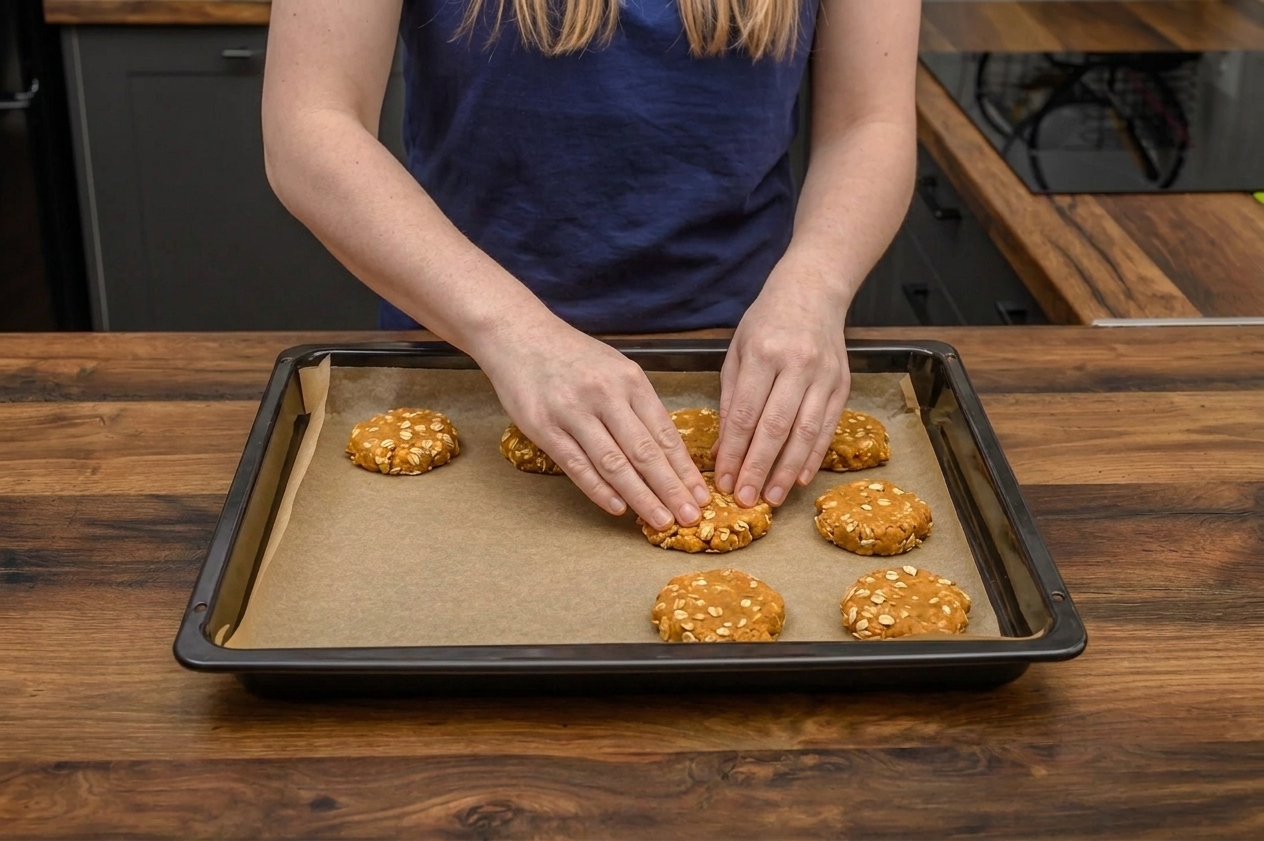
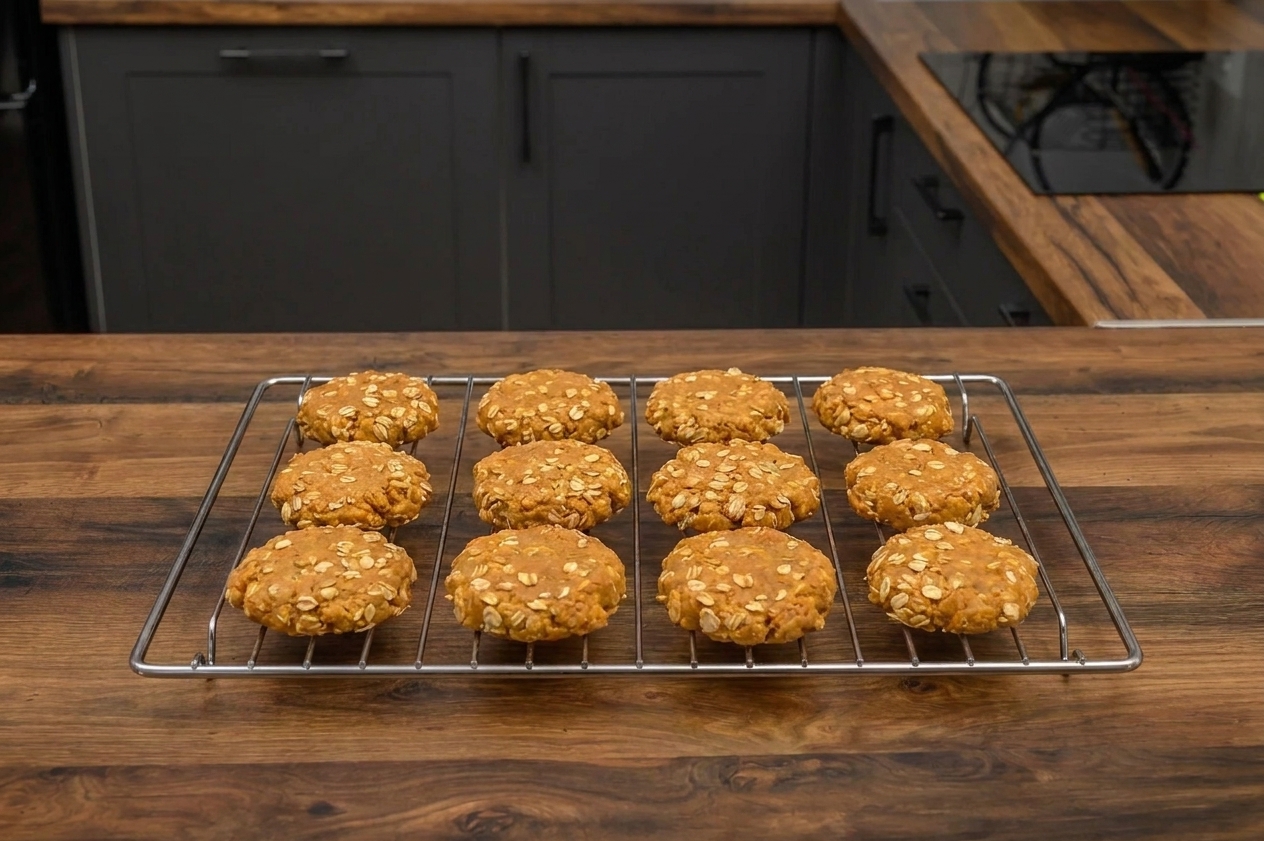
These vet-friendly homemade dog treats are my go-to when I want something I can feel good about: straightforward ingredients, no mystery fillers, and a texture that lands somewhere between crisp and chewy depending on how long you bake them. They are also the kind of recipe you can make on a weeknight without turning your kitchen into a flour bomb.

Quick note: “Vet-friendly” here means the ingredients and method align with widely accepted veterinary nutrition guidance for healthy dogs, plus I am calling out common hazards to avoid. If your dog has pancreatitis, kidney disease, food allergies, or is on a prescription diet, check with your veterinarian before introducing any new treat.
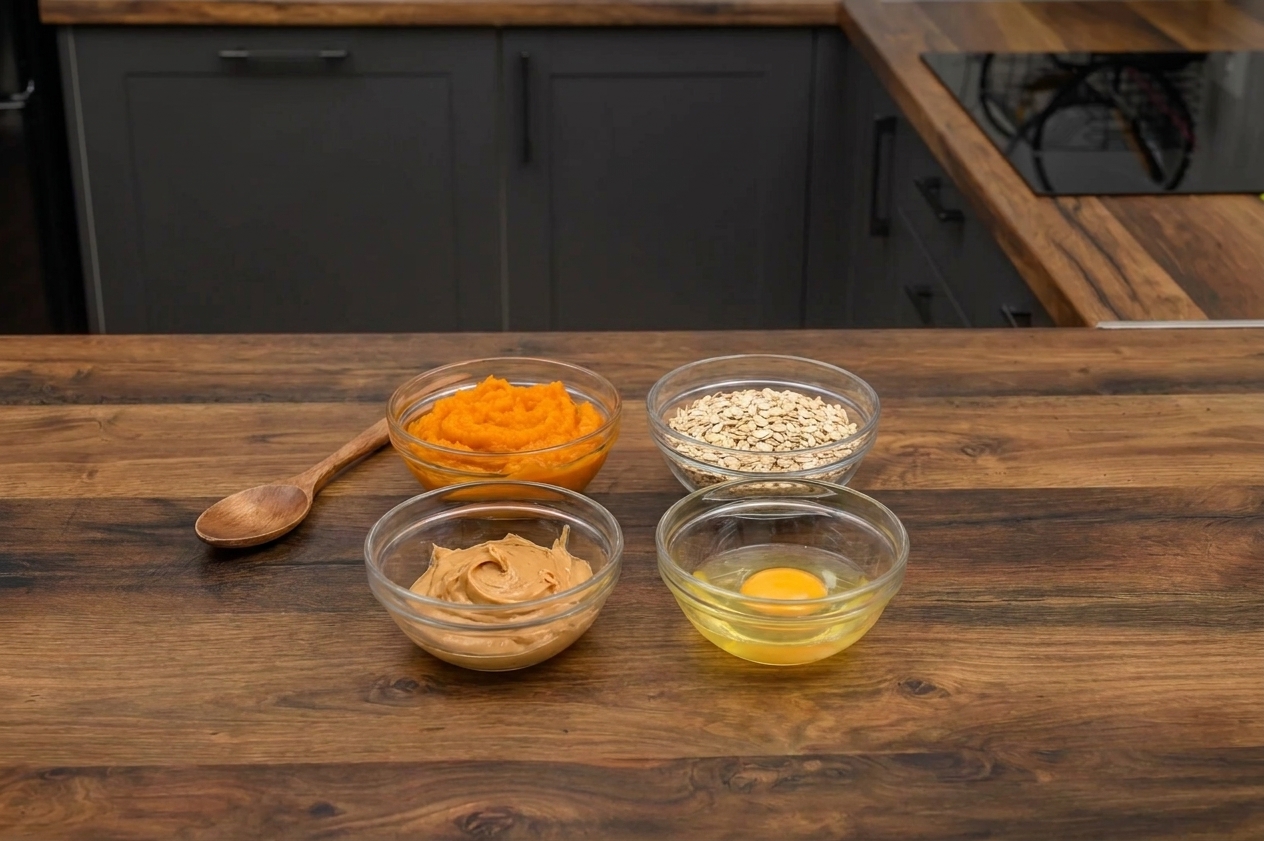
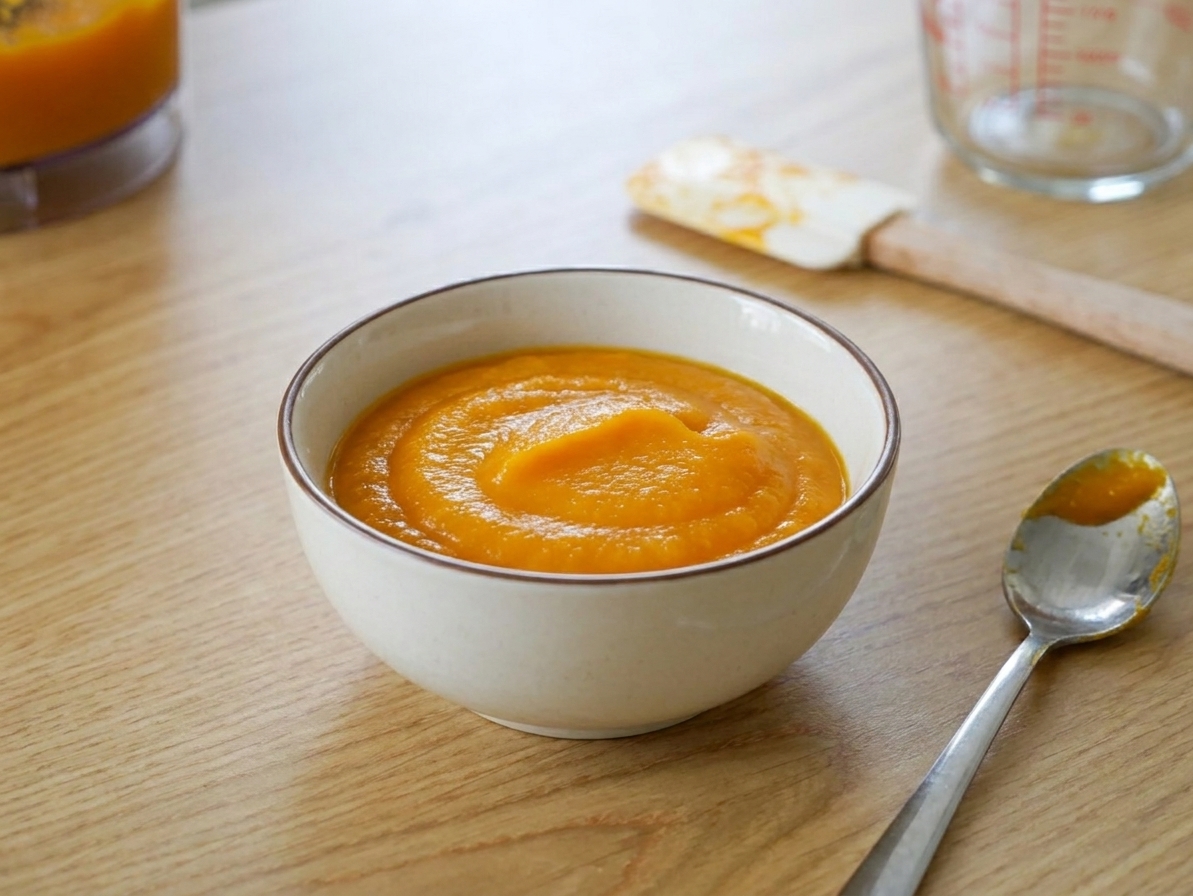
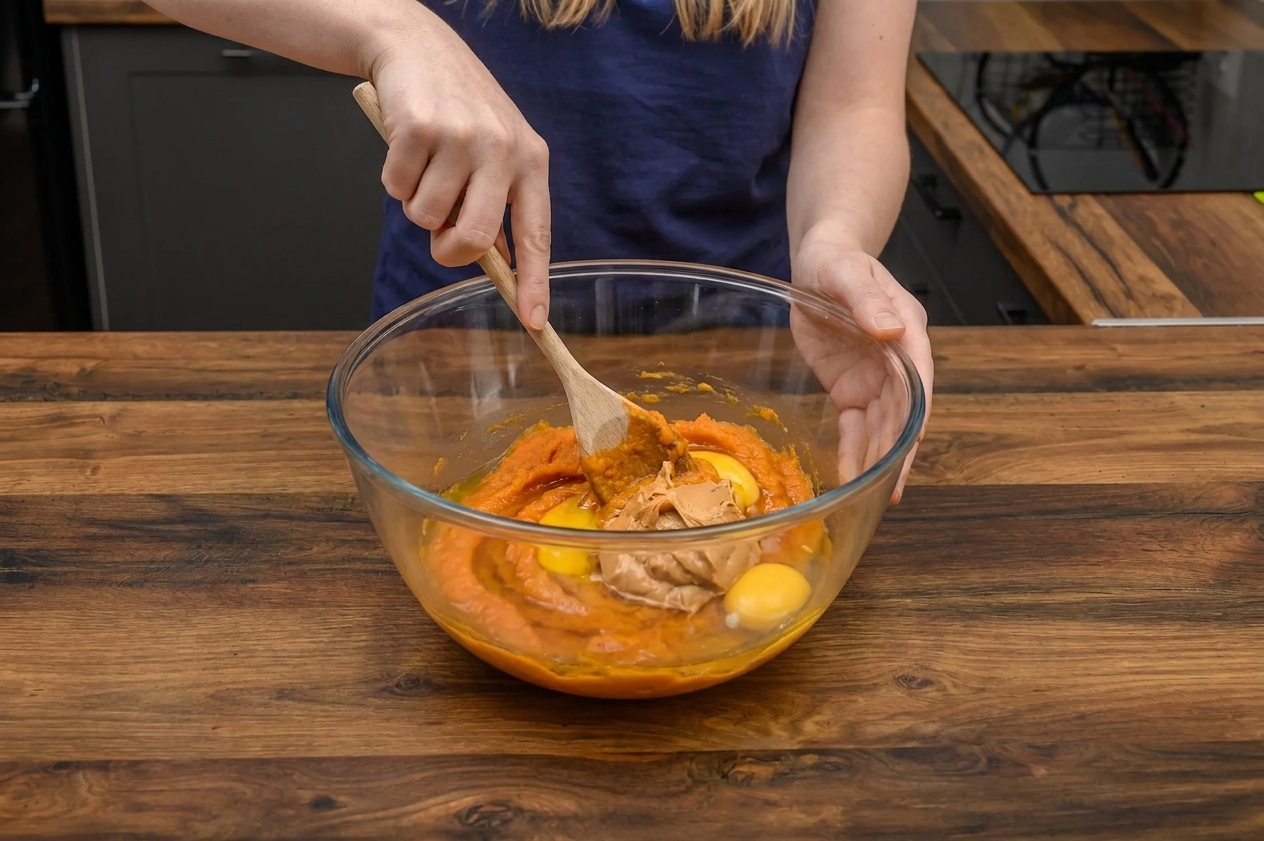
Measured ingredients for dog treats including pumpkin puree, rolled oats, peanut butter, and an egg arranged in small bowls on a kitchen counter

Why It Works

  • Simple, dog-safe pantry staples: pumpkin, oats, egg, and peanut butter, plus an optional pinch of cinnamon.
  • Crunch control: bake longer for a snappy crunch or shorter for a softer bite. You are in charge.
  • Often gentle for many dogs: pumpkin and oats are commonly well tolerated, but introduce slowly since extra fiber can be a lot for some pups.
  • No added salt or sugar: you get flavor from the ingredients, not from extras dogs do not need.

Vet safety checklist: Use xylitol-free peanut butter only (and check other nut or seed butters too), skip chocolate and grapes, avoid added salt, and keep treats to 10% or less of your dog’s daily calories.

Pairs Well With

Storage Tips

Homemade treats do not have preservatives, so storage matters.

  • Room temperature: Store fully cooled treats in an airtight container up to 3 to 5 days. If your treats baked up soft or your kitchen runs warm or humid, go shorter.
  • Refrigerator: Airtight container for 7 to 10 days.
  • Freezer: Freeze in a zip-top bag or container for up to 3 months. Thaw at room temperature for 15 to 30 minutes.

Safety cue: If treats smell off, look moldy, or feel damp or sticky, toss them.

Texture tip: If you bake them crunchy and they soften in storage, pop them into a 300°F oven for 5 to 8 minutes, then cool completely.

Common Questions

Are these treats actually “vet-approved”?

No website can speak for your personal veterinarian, so think of these as vet-friendly treats. They use ingredients that are broadly recognized as dog-safe when used appropriately: plain pumpkin puree, rolled oats, egg, and xylitol-free peanut butter. I also keep them unsalted and unsweetened. If your dog has medical issues or a prescription diet, ask your vet first.

How many can my dog have?

As a general guideline, treats should be 10% or less of your dog’s daily calories. That number depends on your dog’s size and the size of the treat, but for many dogs that often looks like 1 to 3 small treats per day. When in doubt, start with one and see how your dog does.

Can puppies eat these?

Often yes for healthy puppies once they are eating solid food consistently, but keep portions small and treat size appropriate to prevent choking. For very young puppies, softer treats can be easier. When in doubt, confirm with your vet.

My dog is allergic to peanut butter. What can I use?

Swap in sunflower seed butter (again, no xylitol and ideally no added salt) or use plain canned pumpkin plus a splash of water to bring the dough together.

What if my dog cannot have eggs?

If your dog has an egg sensitivity, skip this recipe or try a simple binder: mix 1 tablespoon ground flaxseed with 3 tablespoons water, let it gel for 5 minutes, then use it in place of the egg. The texture may be a little more tender.

Can I make them grain-free?

Oats are a grain, so not with this exact recipe. If you need grain-free for a medical reason, talk to your vet about alternatives that fit your dog’s needs. Many dogs do fine with oats, but every pup is different.

Why is xylitol such a big deal?

Xylitol is a sweetener that can cause a dangerous drop in blood sugar and liver injury in dogs. Always check labels on peanut butter, other nut or seed butters, and any “sugar-free” products.

I started making dog treats the same way I start most kitchen projects: I looked at a label, couldn’t pronounce half of it, and thought, I can absolutely do better with a bowl, a spoon, and a little pumpkin. The first batch I made was shaped like lumpy nuggets because I got impatient with cookie cutters. My dog did not care. That is the energy I bring to this recipe. Simple, a little chaotic, and very worth it.