Common Questions
Is Vietnamese lumpia the same as Vietnamese spring rolls?
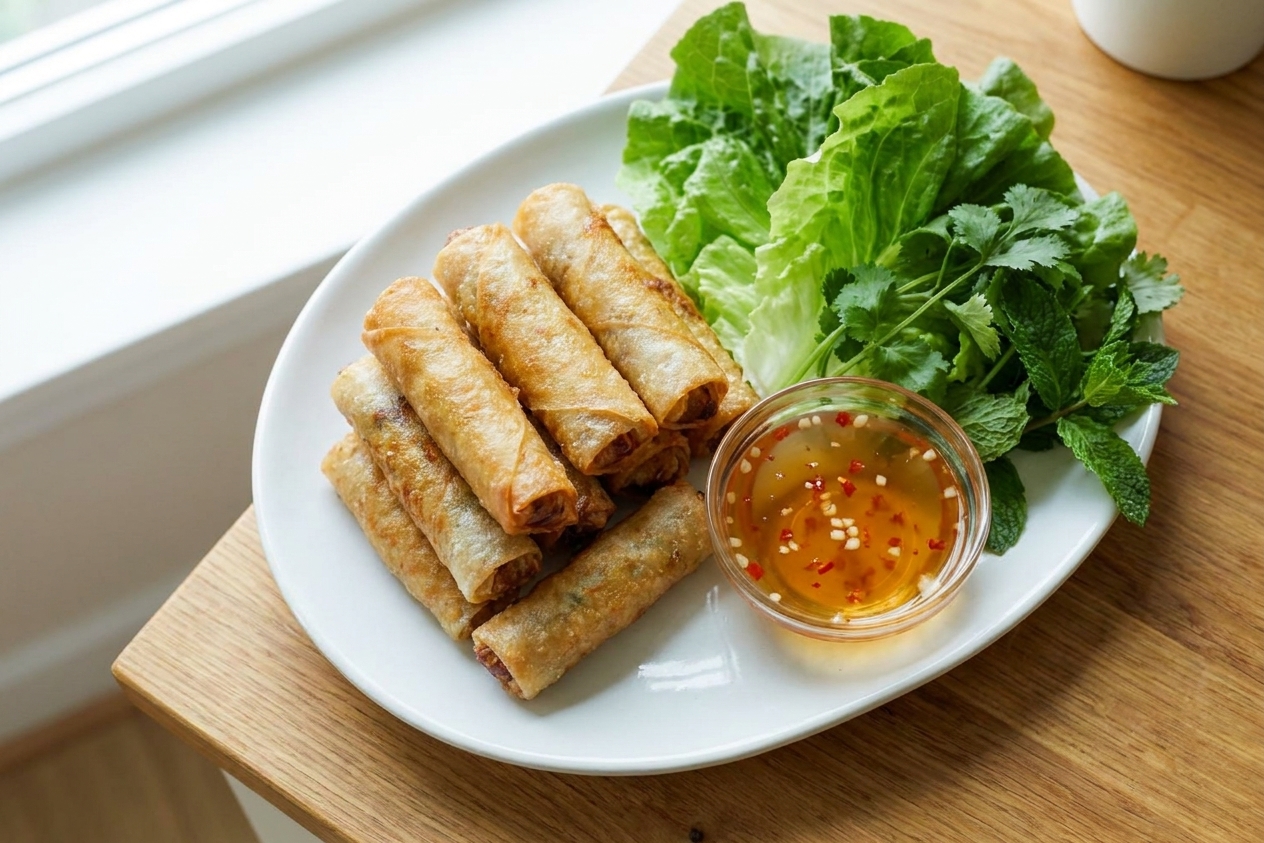
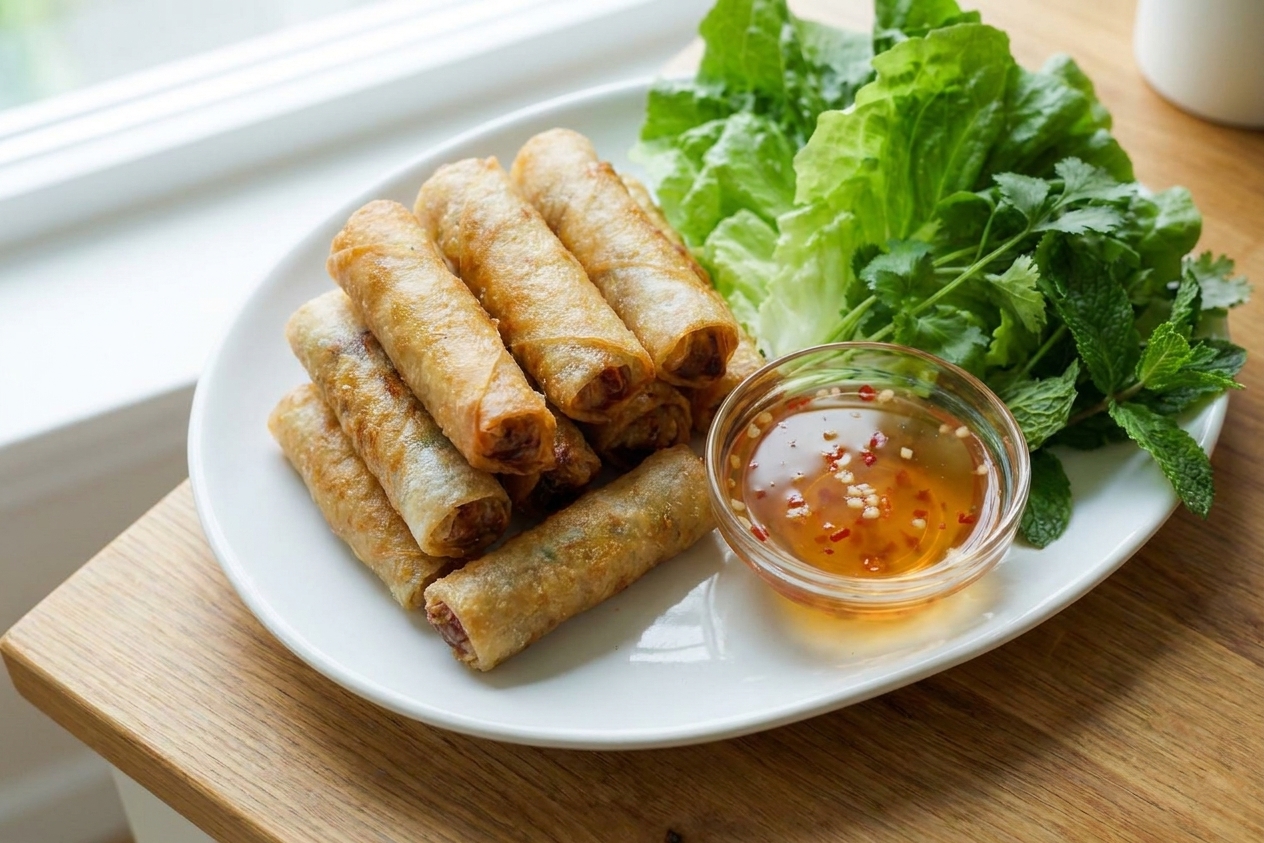
People use the words interchangeably, but they can mean different things. In many Vietnamese kitchens, fried spring rolls are often called chả giò. Fresh, not-fried rolls are usually gỏi cuốn. This recipe is the crispy fried kind. If you grew up calling any fried roll “lumpia,” consider this a chả giò (lumpia-style) situation.
What wrappers should I use?
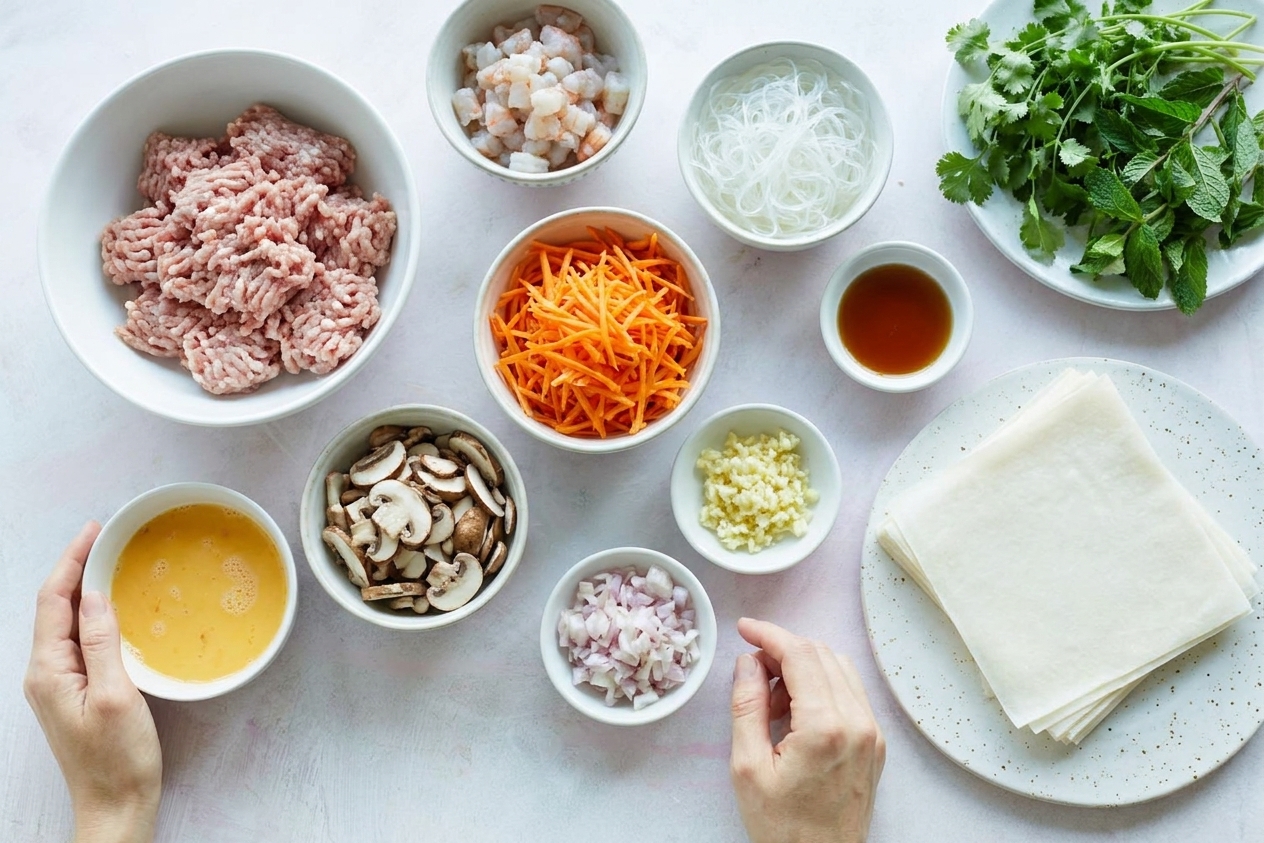
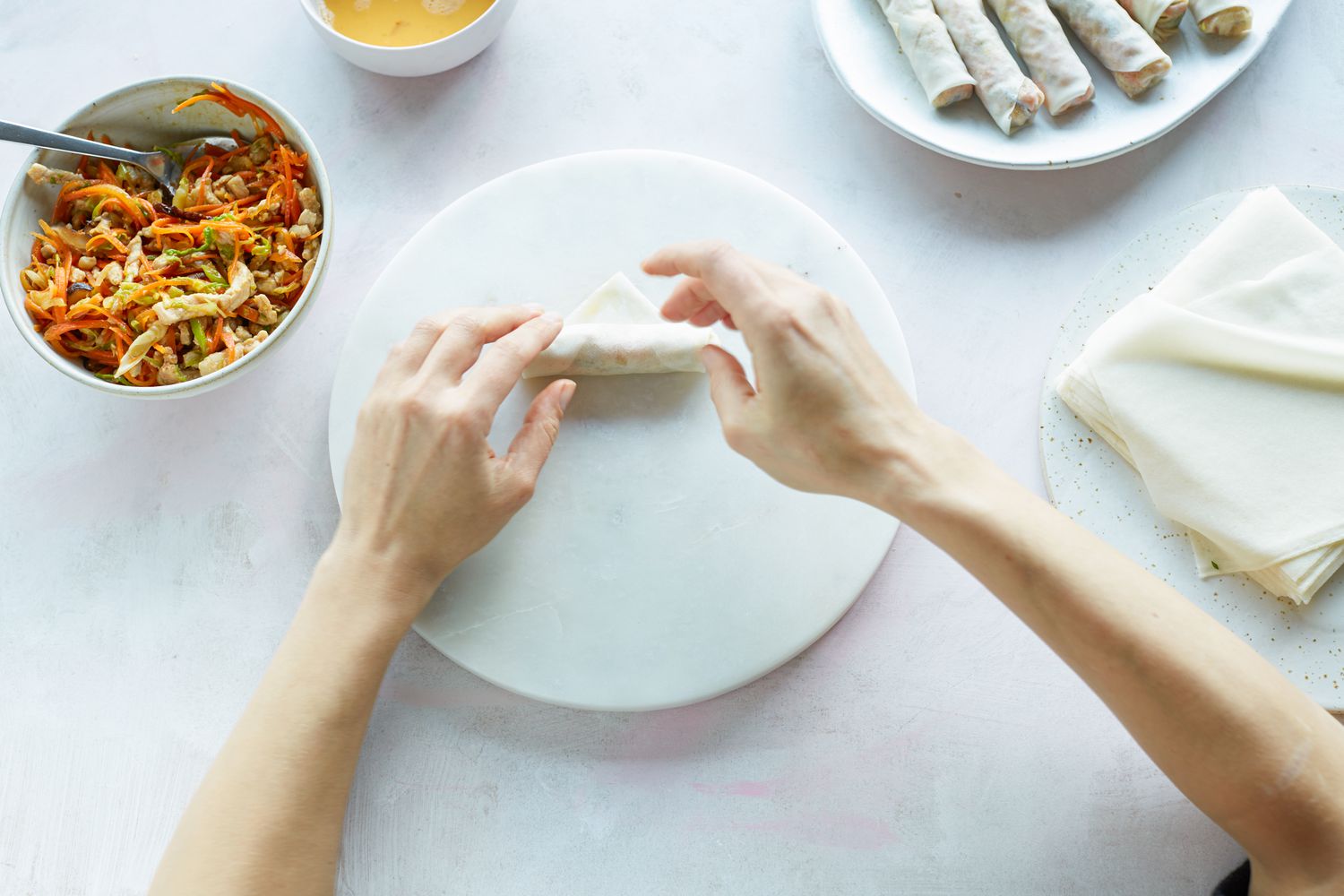
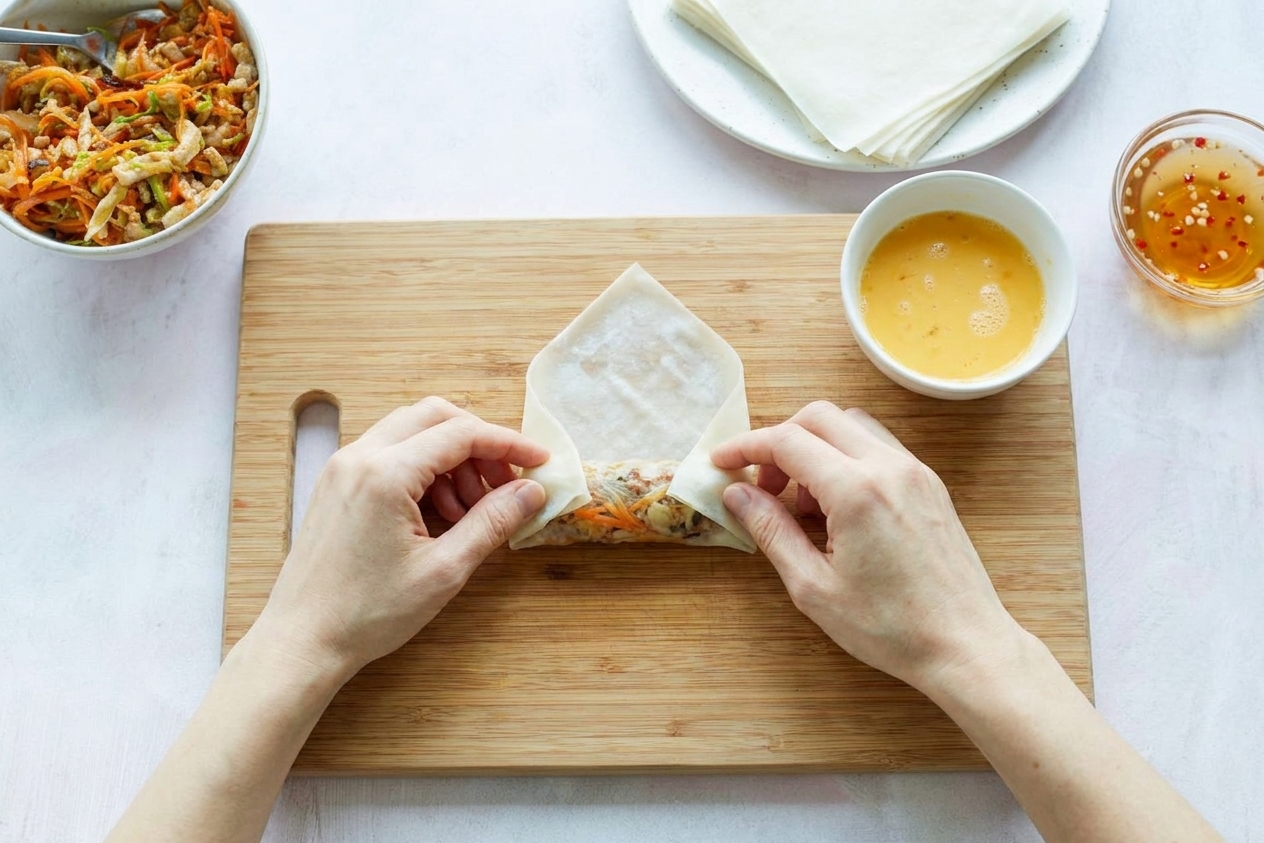
Both are used. Some families make chả giò with rice paper (bánh tráng), and some use wheat-based spring roll wrappers (often labeled “spring roll pastry”). This recipe uses wheat wrappers because they fry up extra blistered and crisp, and they are easy to roll. If you only have rice paper, you can still fry them, but the texture and rolling method will be different.
Why are my rolls bursting in the oil?
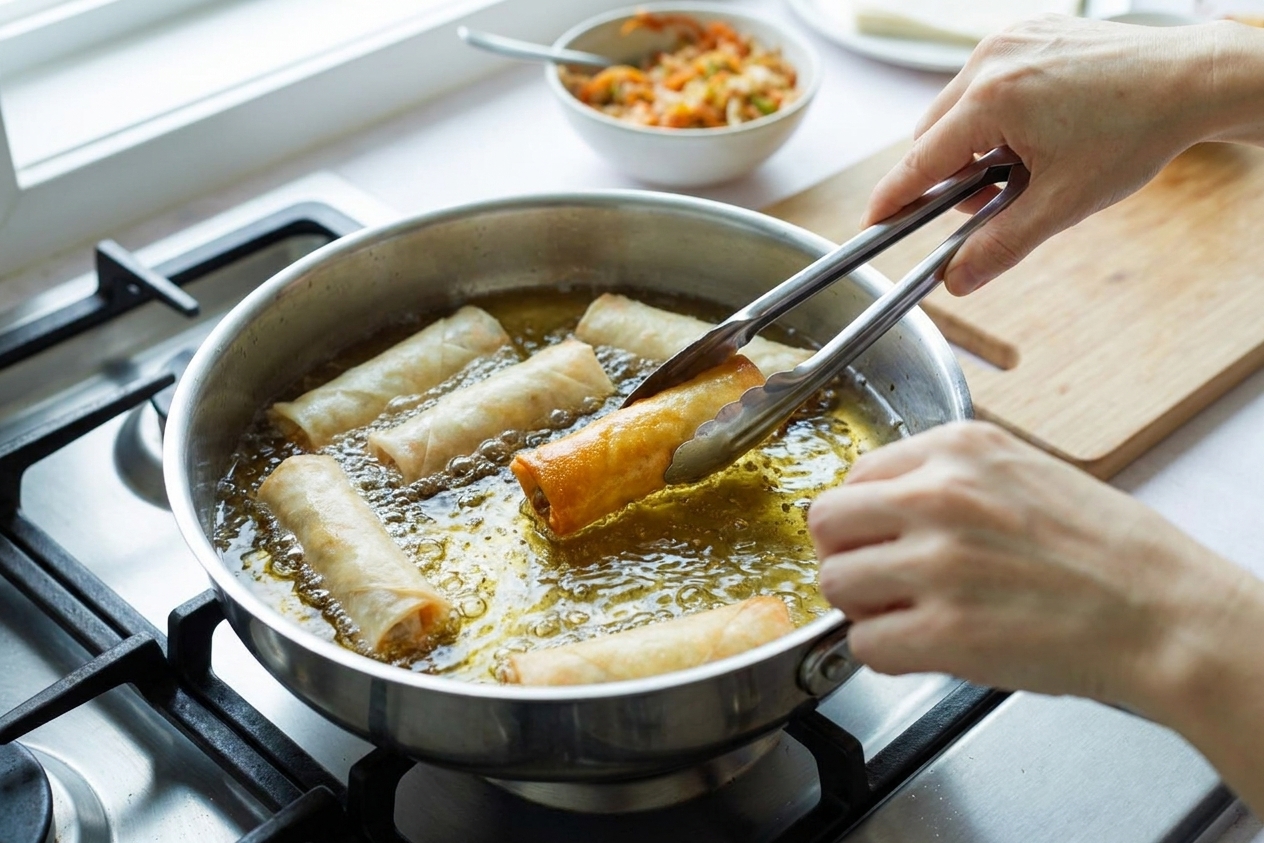
Usually one of three things: the filling is too wet, you rolled too tightly with no room for expansion, or the oil is too hot. Squeeze moisture from the vegetables, keep the filling cool, and aim for 325°F to 350°F oil. That first, gentler fry at 325°F helps set the wrapper and reduces blowouts.
How do I know the filling is cooked?
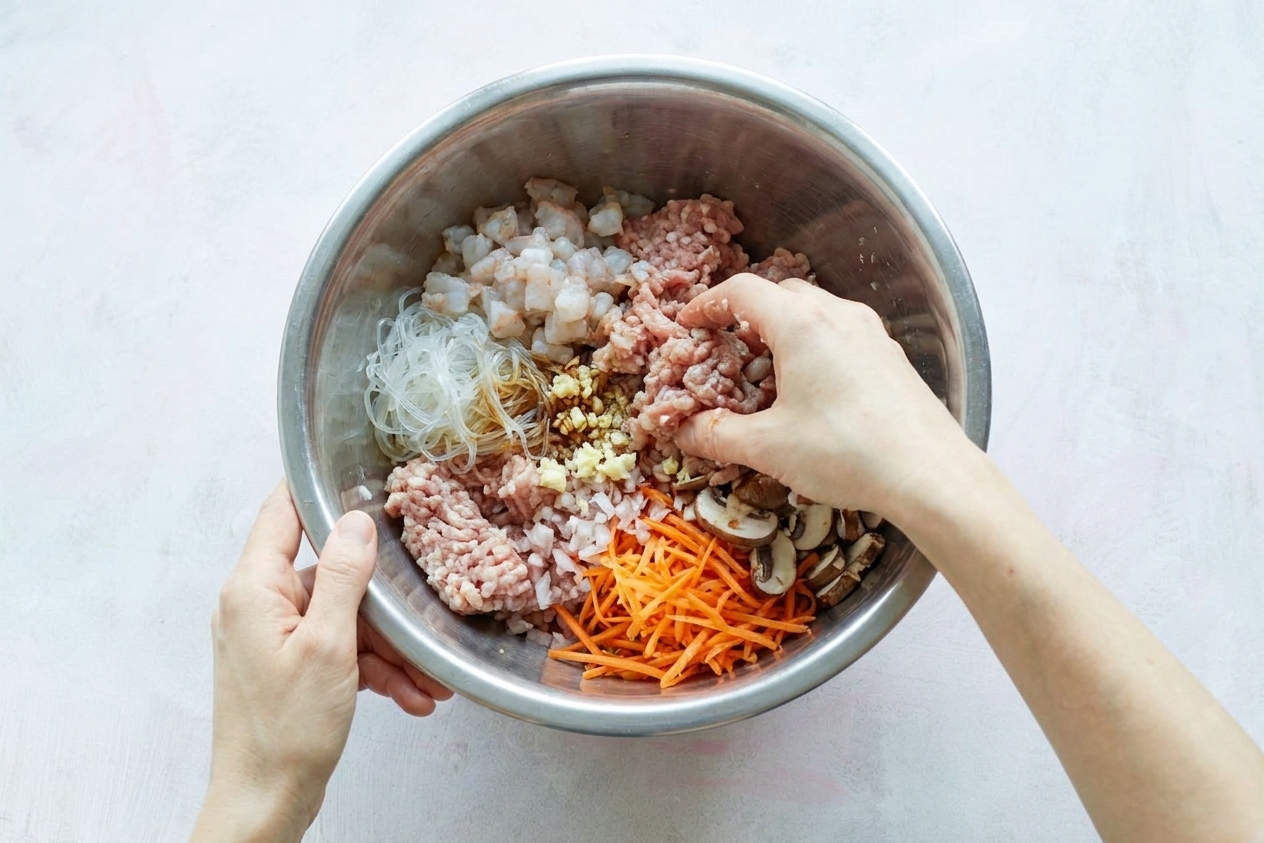
Because the filling starts raw, do a quick check on the first batch: cut one roll open. The pork should be cooked through with no pink, and the shrimp should be opaque. If you like numbers, aim for about 165°F in the center.
Can I bake them instead of frying?
You can, but they will not get the same bubbly crunch. If baking, brush or spray generously with oil and bake at 425°F, turning once, until deeply golden.
Can I make these ahead for a party?
Yes. Roll them earlier in the day and keep covered in the fridge with a barely damp towel over the tray so wrappers do not dry out. Fry right before serving, or do the first fry earlier and the second fry just before guests arrive. For appetizers, plan about 3 to 4 rolls per person, more if your crowd is the “hang out by the stove and snack” type.