Mom's Best Recipes
Recipe

Pork and Shrimp Shumai

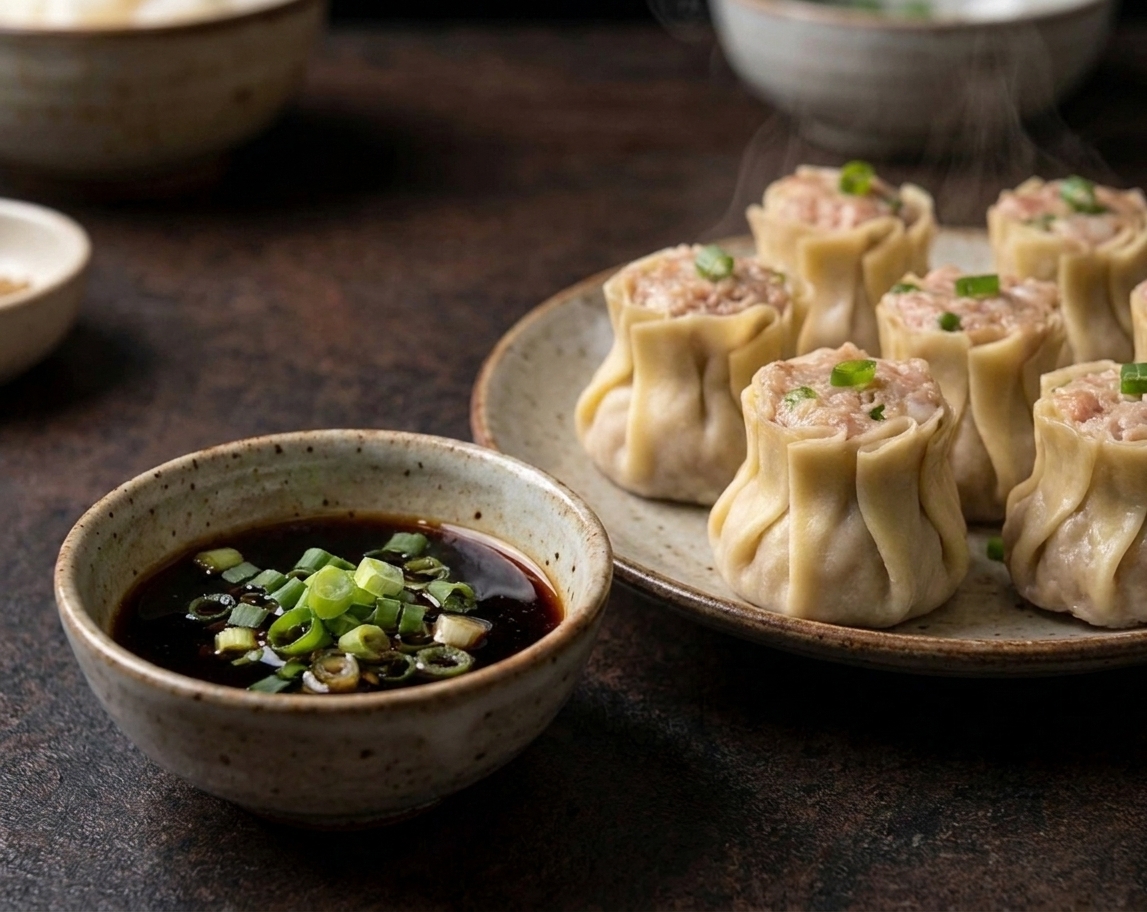
Tender, juicy Cantonese-style shumai with pork, shrimp, and a bright soy-vinegar dip.

Author By Matt Campbell
4.8
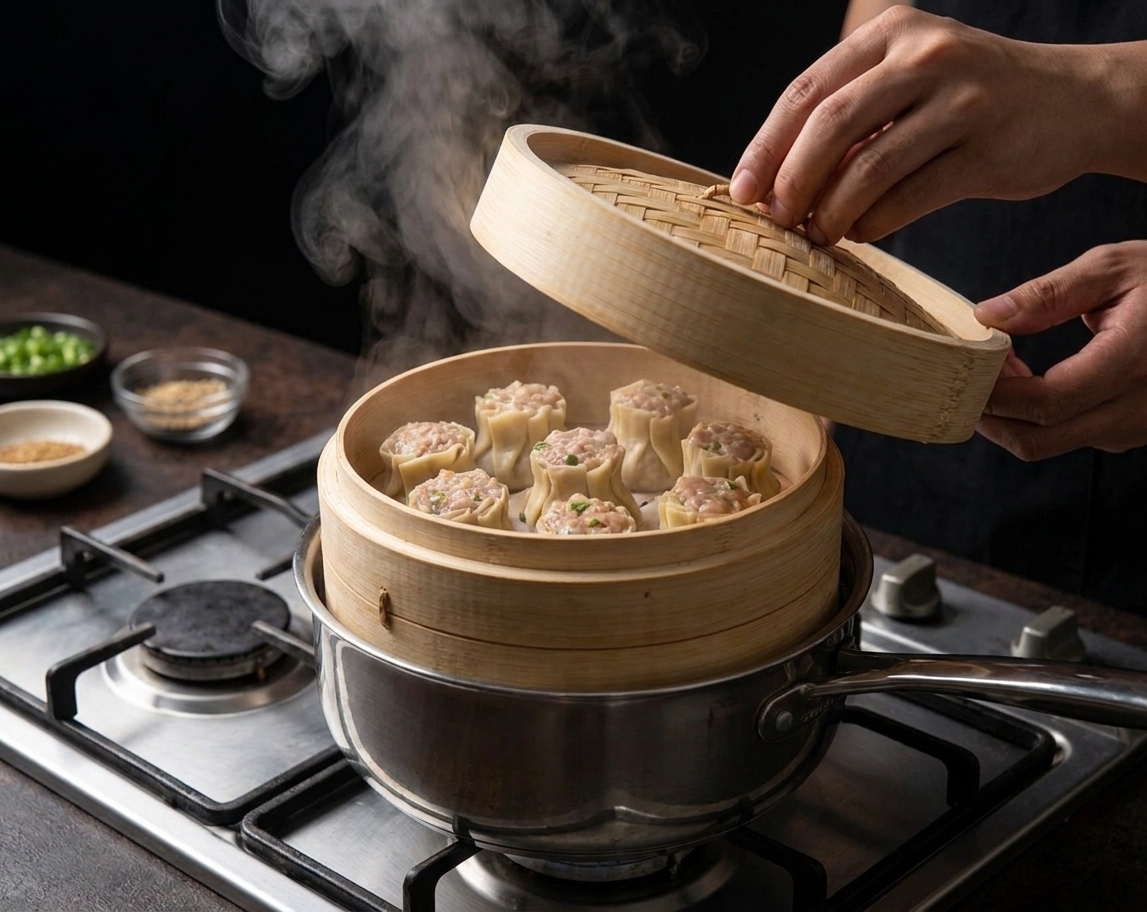
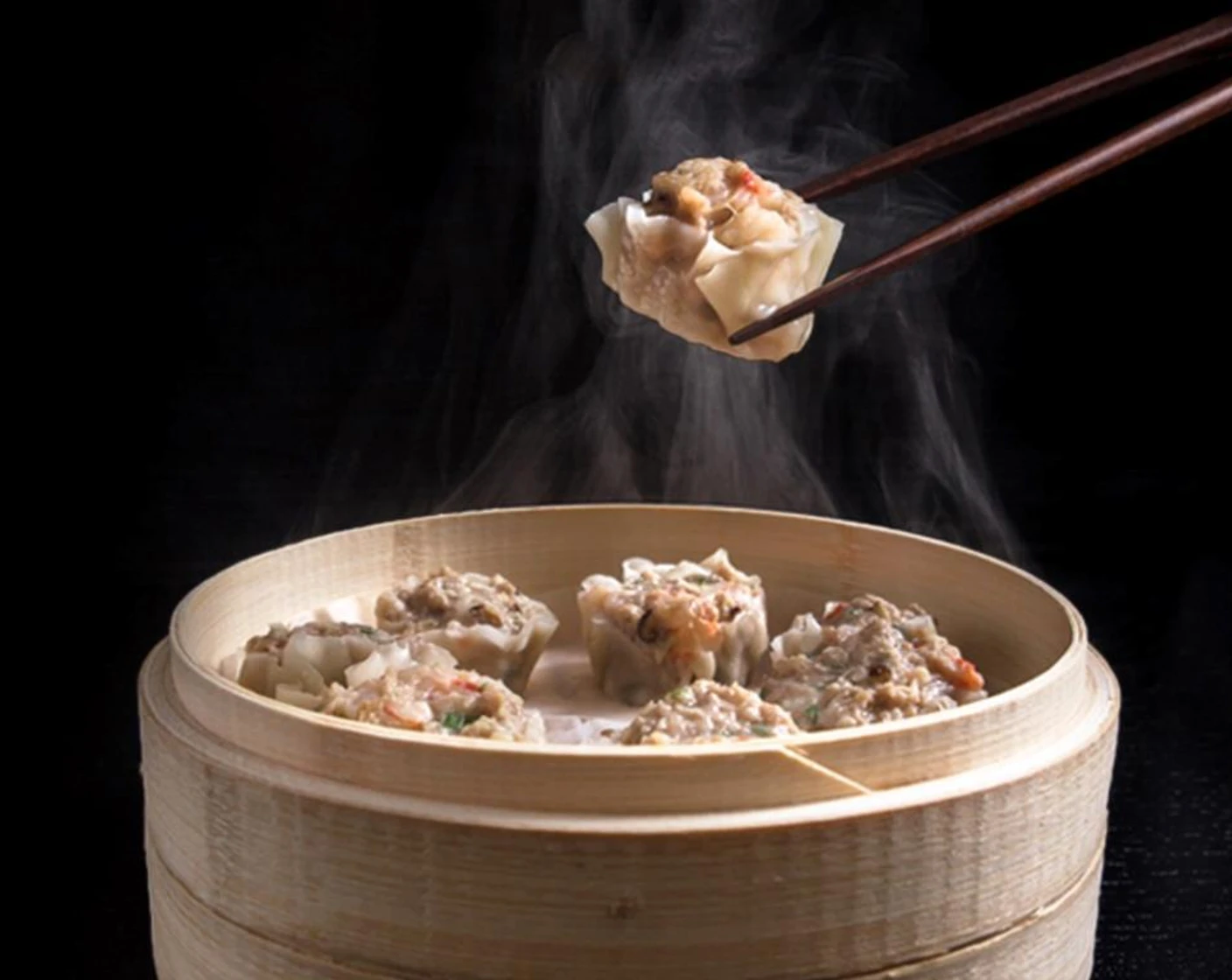
A bamboo steamer basket filled with pork and shrimp shumai, each topped with a small dot of orange roe, set on a wooden table with dipping sauce nearby

Dim sum is one of my favorite kinds of chaos: little plates, hot tea, and that unstoppable urge to order “just one more thing.” But here is the part I love most. A lot of dim sum favorites are way more doable at home than they look, especially shumai.

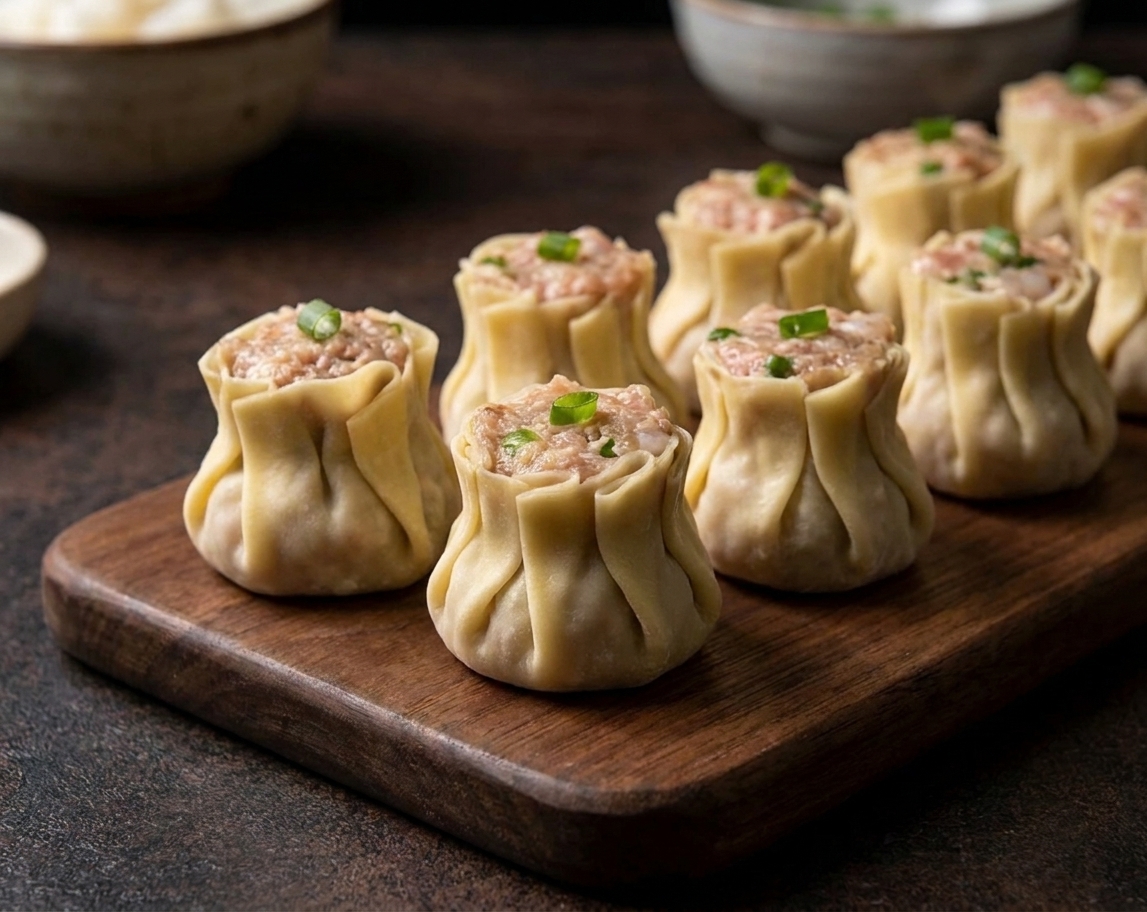
These are classic pork and shrimp shumai, the open-top dumplings you see stacked in bamboo steamers. They are bouncy, savory, and deeply snackable. You do not need special equipment beyond a steamer situation and a little patience for wrapping. Also, your first few will look a little wonky. That is not a bug. That is dim sum character.

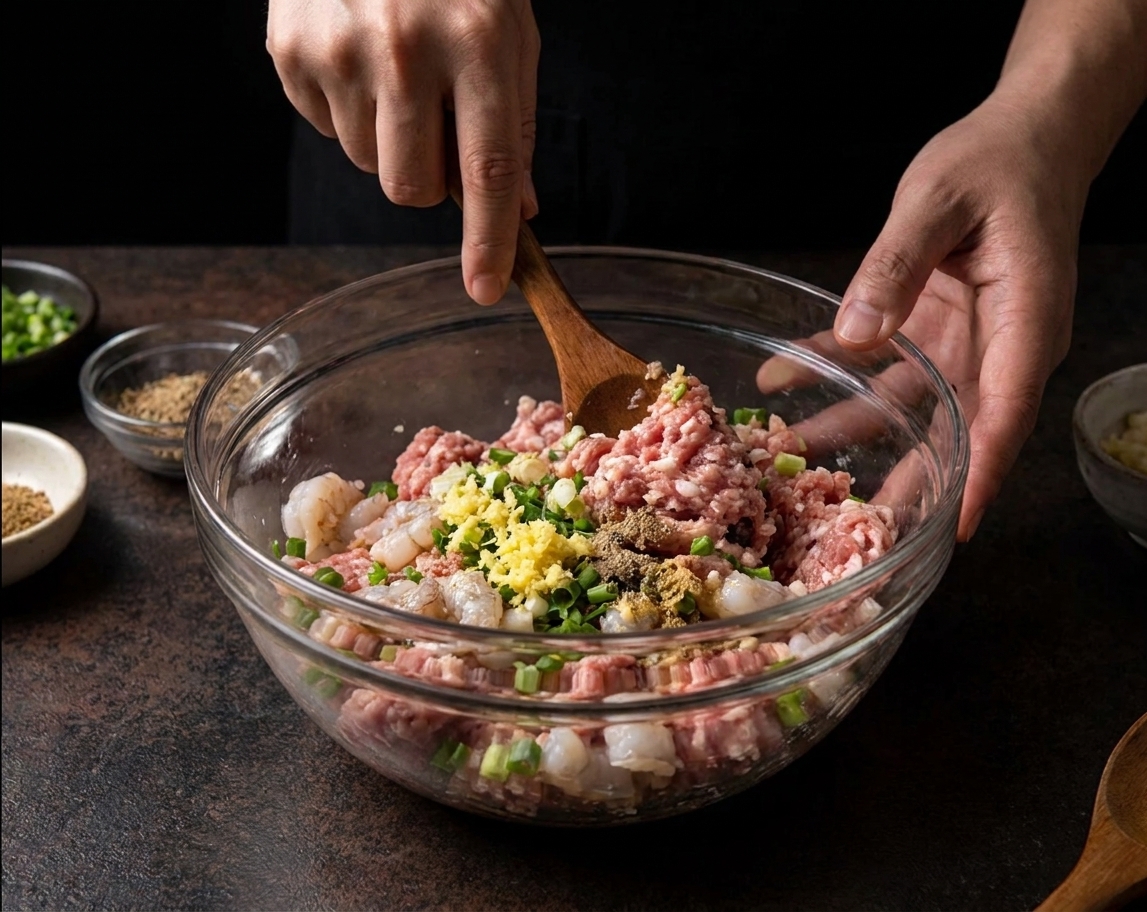
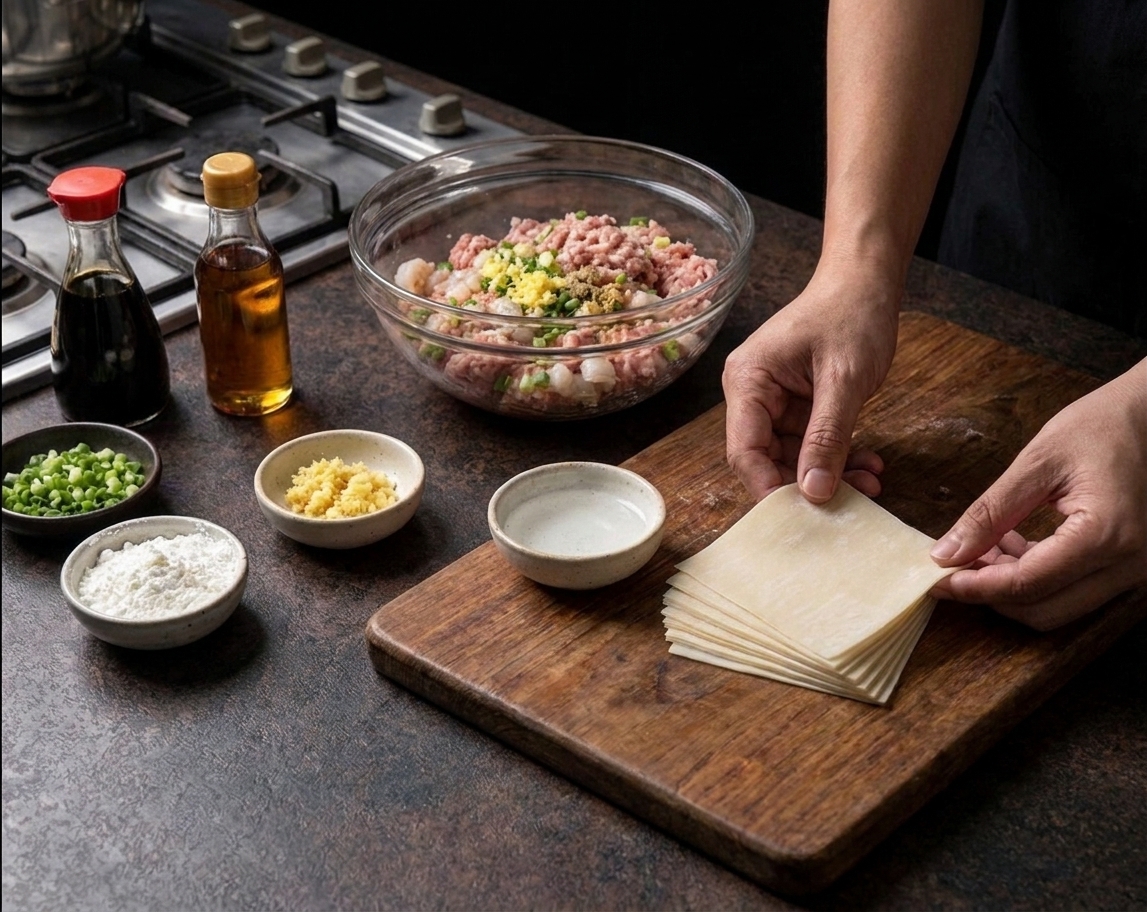
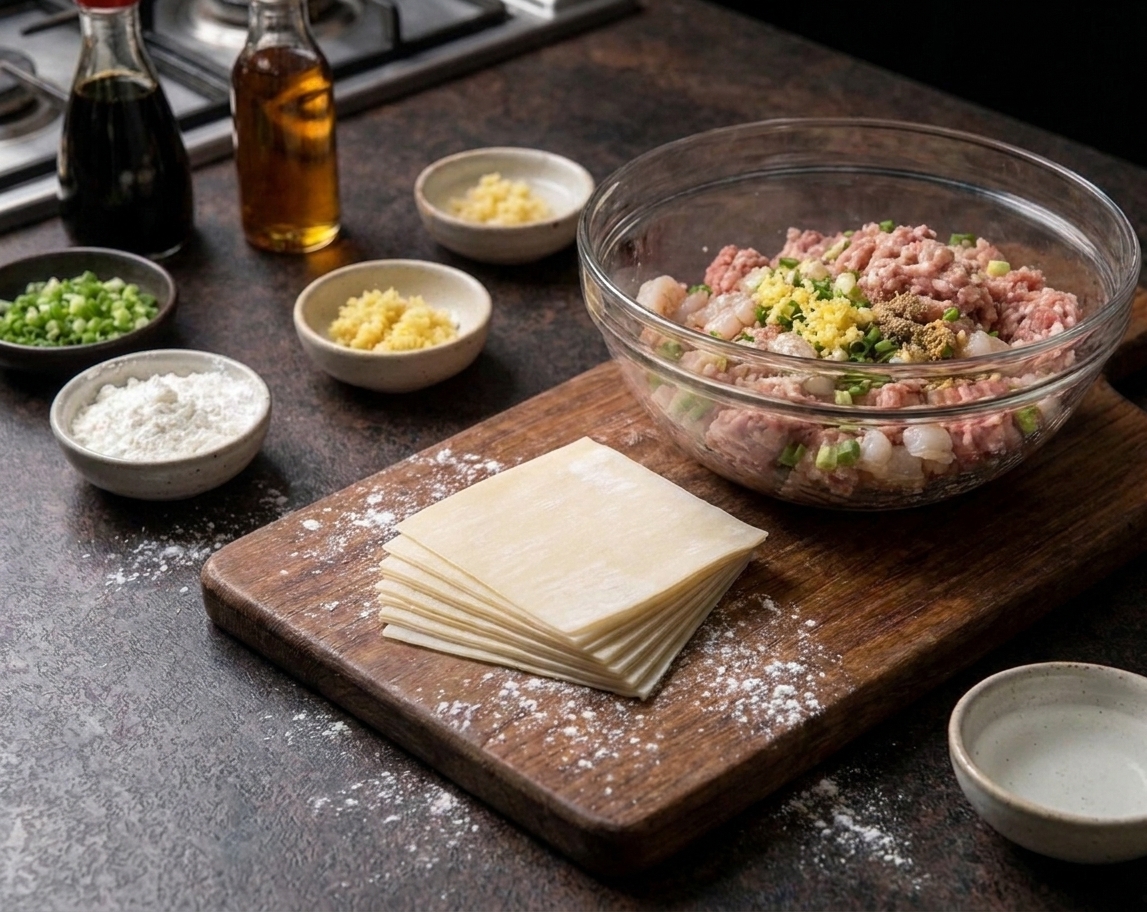
A kitchen counter with ground pork, chopped shrimp, scallions, ginger, soy sauce, sesame oil, cornstarch, and a stack of square wonton wrappers laid out for dumpling prep

Why It Works

  • Juicy filling with bounce: A mix of pork and shrimp plus a quick stir in one direction helps the texture turn springy instead of crumbly.
  • Easy shaping: Shumai are open at the top, so you are not fighting to seal edges. You are basically making a cute little dumpling cup.
  • No fancy steamer required: Bamboo is great, but a metal steamer insert or a DIY rack in a pot works too.
  • Big flavor, small ingredient list: Soy sauce, ginger, scallion, sesame oil, and a tiny hit of sugar make the filling taste restaurant-level without turning your kitchen into a pantry scavenger hunt.
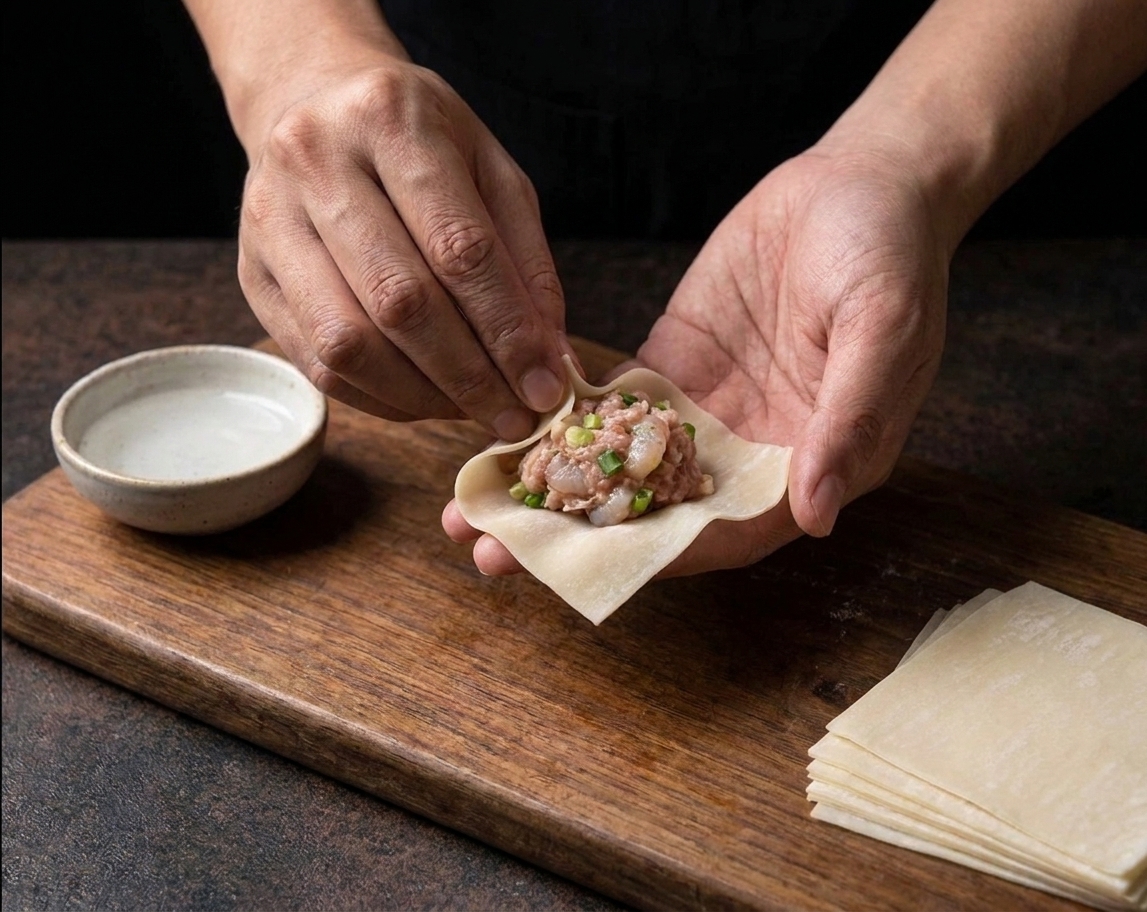
A pair of hands forming shumai by pressing a wonton wrapper around a small mound of pork and shrimp filling on a cutting board

Pairs Well With

Storage Tips

Storing cooked shumai

  • Fridge: Cool completely, then store in an airtight container for up to 3 days (best quality).
  • Reheat: Steam 3 to 5 minutes until steaming hot. Or microwave covered with a damp paper towel at 50% power in 20 to 30 second bursts until hot. Steaming keeps the wrappers tender.

Freezing (best option)

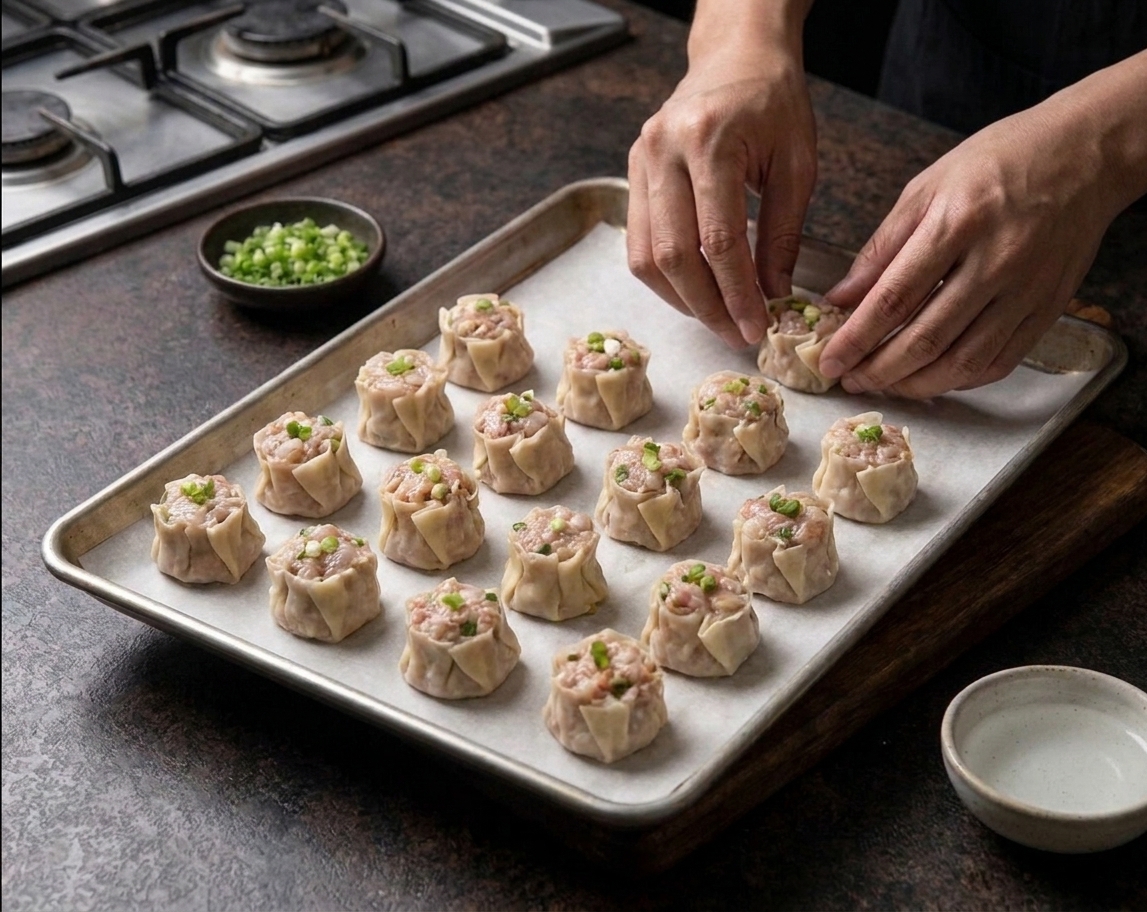
  • Freeze raw: Arrange shaped shumai on a parchment-lined sheet pan so they do not touch. Freeze until solid, then transfer to a freezer bag. Keeps well for up to 2 months (best quality).
  • Cook from frozen: Steam straight from frozen, adding 3 to 5 extra minutes.
  • If you prefer to thaw: You can thaw overnight in the fridge on a parchment-lined tray. This helps reduce condensation, which can sometimes make wrappers gummy.

Make ahead

  • Assemble ahead: Shape the shumai, place on a parchment-lined tray, cover, and refrigerate up to 8 hours before steaming.
Uncooked shumai arranged in neat rows on a parchment-lined baking sheet ready to be frozen

Common Questions

What is dim sum, exactly?

Dim sum is a Cantonese style of eating built around small dishes, usually served with tea. Think dumplings, buns, rolls, and little plates meant for sharing.

What is shumai made of?

Shumai are typically made with ground pork and/or shrimp, aromatics like ginger and scallion, and simple seasonings. They are wrapped in thin wonton wrappers and steamed.

Can I make these without a bamboo steamer?

Yes. Use a metal steamer basket inside a pot with a lid, or place a heatproof plate on a small rack in a wide pot with a tight-fitting lid. Just keep the shumai above the waterline.

Why did my shumai turn out tough?

Usually it is one of three things: the filling was overmixed until dense, they were oversteamed, or the heat was too aggressive and dried them out. Aim for a steady simmer and pull them as soon as the centers hit 160°F (for ground pork).

Can I swap the pork?

Ground chicken or turkey works, but choose a slightly fattier grind if possible. If it is very lean, add 1 to 2 teaspoons neutral oil to help with juiciness.

Do I need MSG?

No. Traditional dim sum kitchens might use it, but these are plenty flavorful without it. If you like it and have it, a small pinch is totally fair game.

The first time I tried making dim sum at home, I treated it like a high-stakes craft project. Perfect folds. Perfect symmetry. Zero joy. Then I realized shumai do not need perfection. They need good seasoning, a hot steady steam, and someone willing to taste the filling and adjust like a responsible adult. Now this is my go-to “I want dim sum but I also want to be in sweatpants” meal, and I am not above making a double batch just so Future Me can steam a few straight from the freezer.