What makes it “white” bolognese?
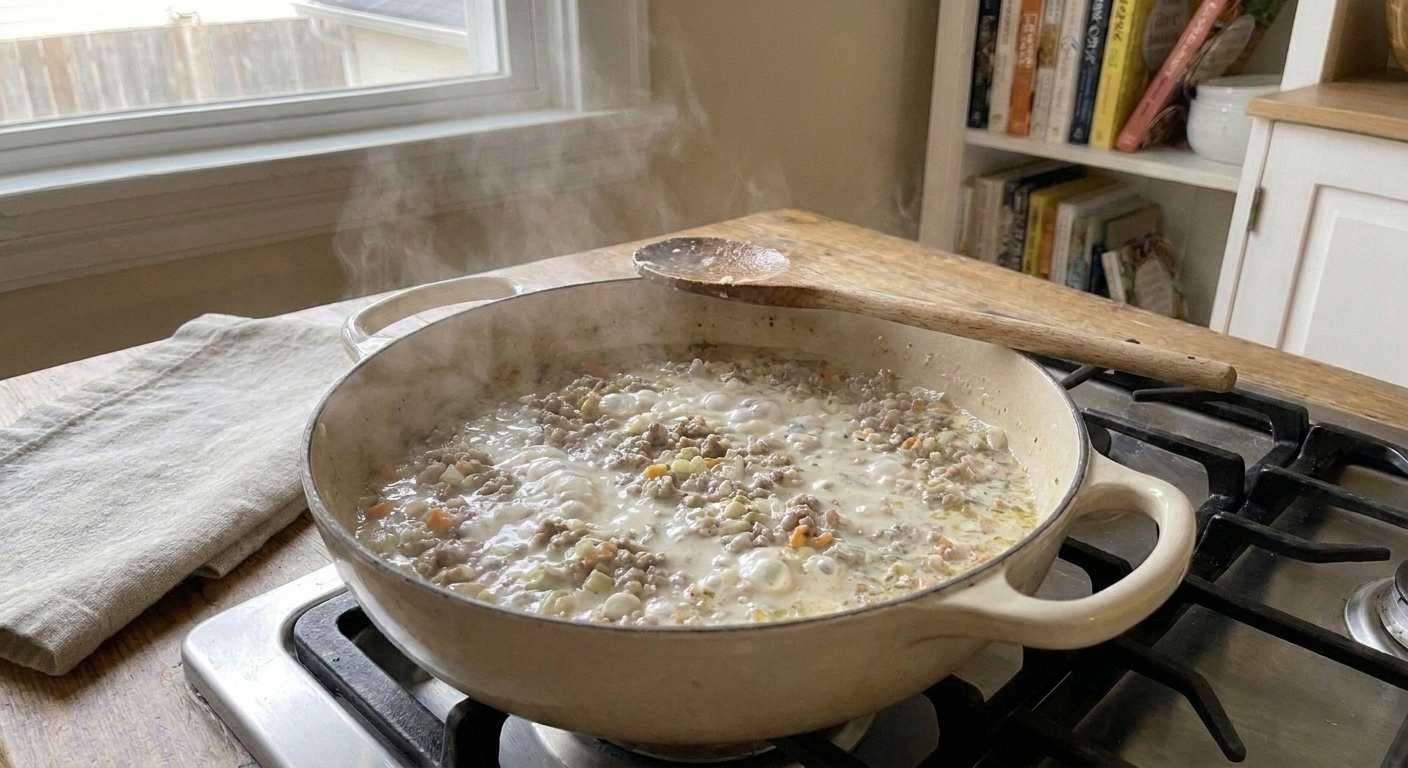
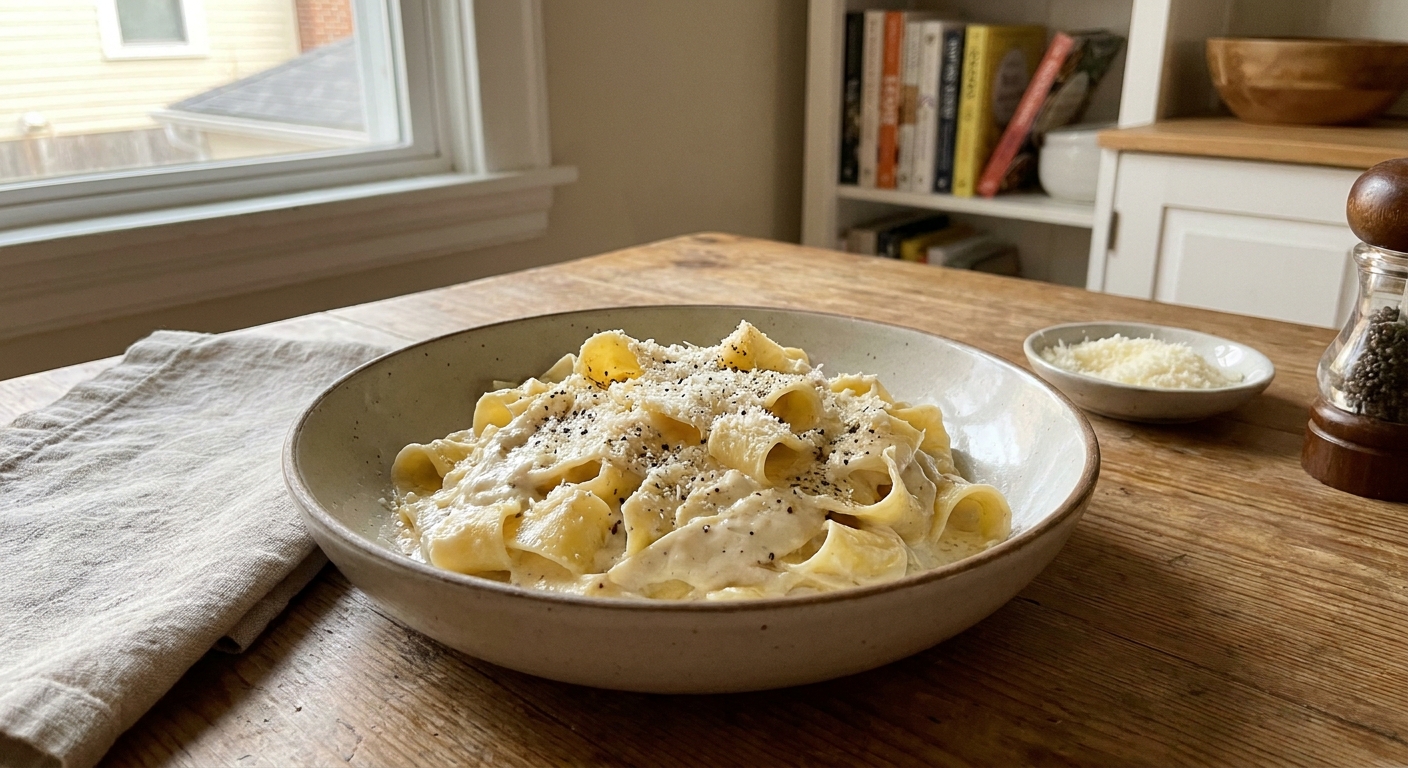
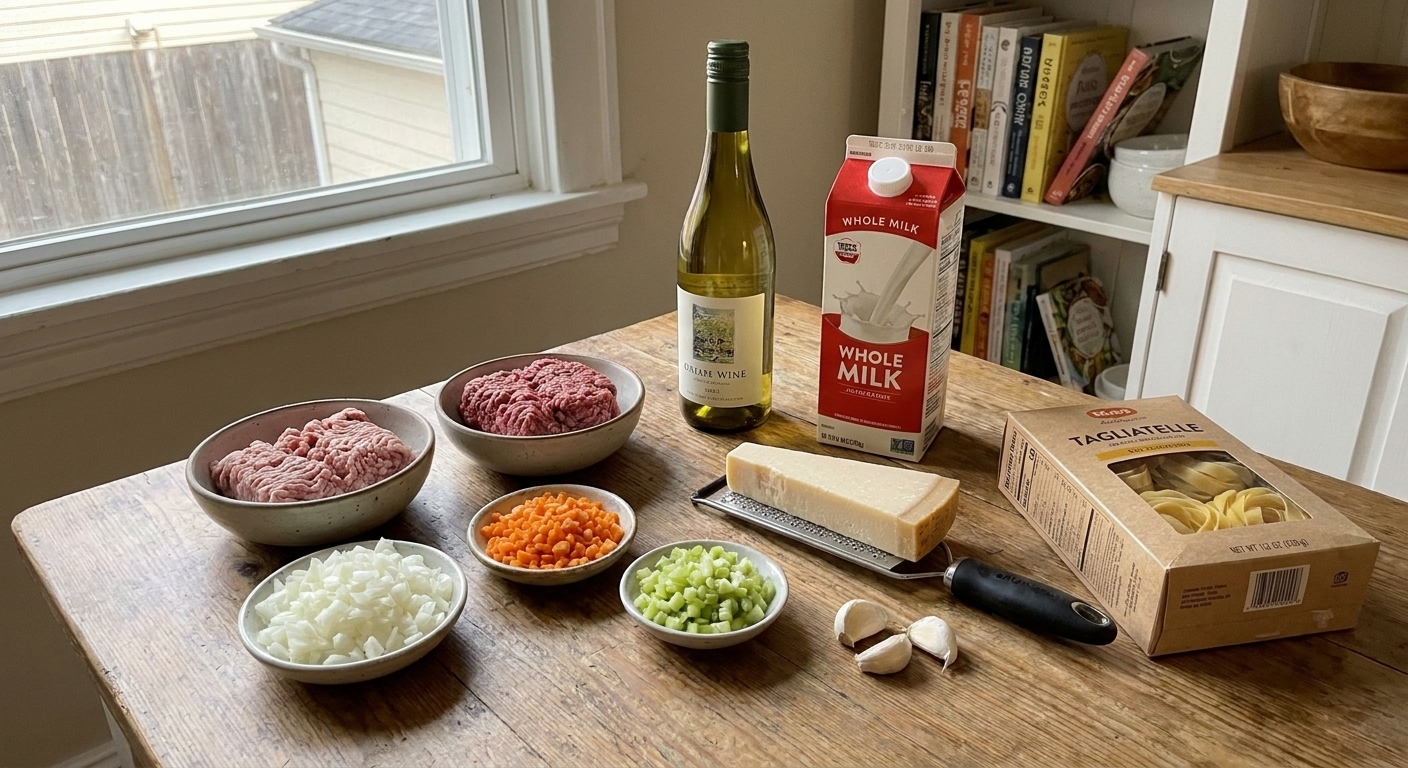
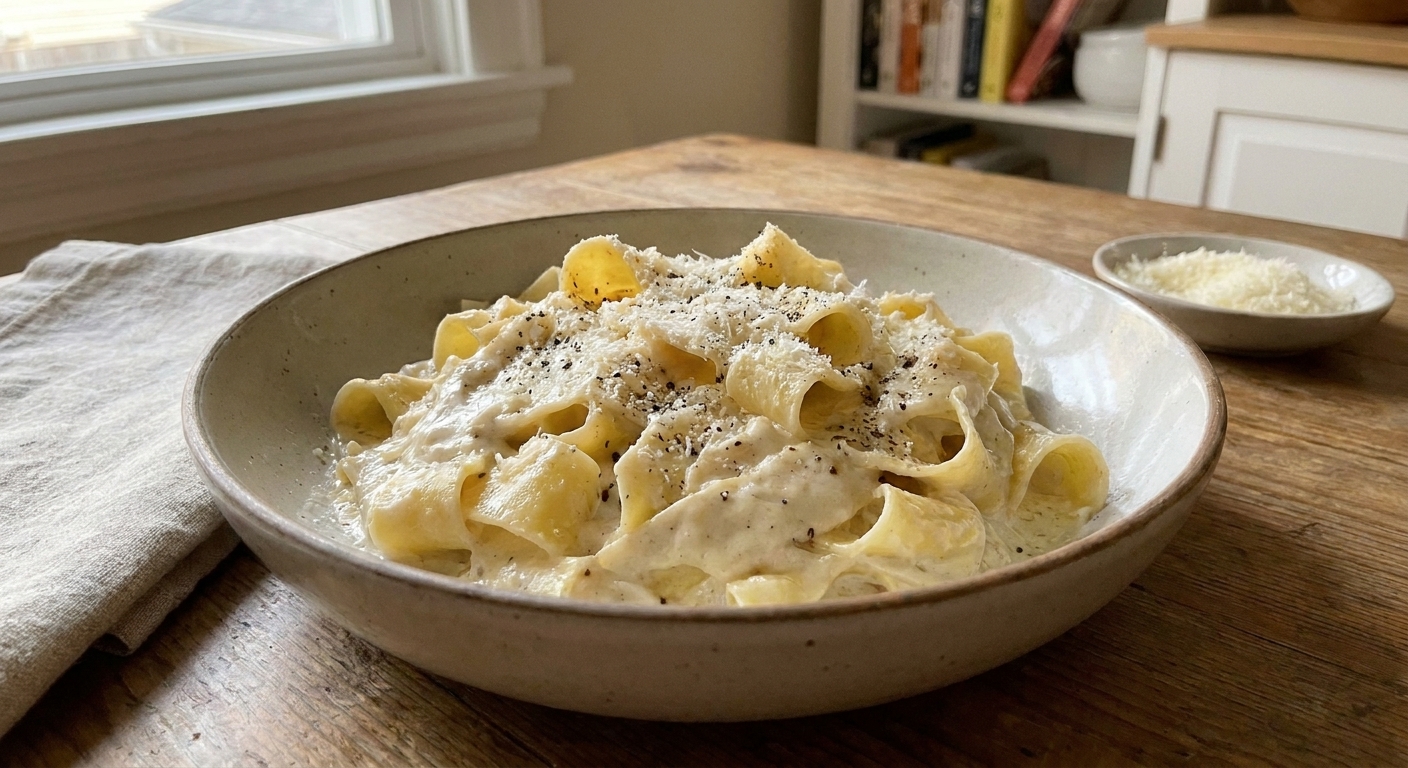
It is “white” because it is tomato-free. The sauce gets its body from soffritto, meat, wine reduction, and milk, which softens and enriches the ragù.
When should I add the milk to keep the sauce pale?
Add milk after the wine has mostly evaporated and the sharp alcohol smell is gone. Then add the milk warm and in 2 to 3 small additions, letting each addition gently simmer down before adding the next. This timing helps the milk blend smoothly and keeps the overall color light.
Why warm the milk first?
Cold milk hitting a hot pot can encourage the dairy to separate. Warm milk blends in more smoothly and keeps your simmer calm and creamy.
Can I use only beef, or only pork?
Yes. A mix of beef and pork is classic for balance, but all beef is still delicious. All pork makes a sweeter, richer ragù. If using very lean meat, add a touch more olive oil or butter for a silkier finish.
What wine should I use?
Use a dry white wine you would happily drink. Pinot Grigio, Sauvignon Blanc, or an unoaked Chardonnay work well. Avoid sweet wines.
Does white bolognese need nutmeg?
It is optional, but a tiny pinch plays nicely with milk-based sauces. Think “background cozy,” not “holiday candle aisle.”
Can I use turkey or chicken?
Yes, but poultry is leaner and can dry out faster. Use a little extra olive oil or butter, and start checking the sauce earlier. Once it is glossy and coats a spoon, you are there.
My sauce got darker than I wanted. Did I ruin it?
Not ruined. Darker usually comes from deeper browning or higher heat. It will still taste wonderful. For a paler look next time, brown a bit more gently and keep the simmer low. You can also stir in 2 to 4 tablespoons of warm milk near the end to soften and lighten it.