Mom's Best Recipes
Recipe

White Bolognese

Tomato-free ragù with white wine and milk, simmered until silky and spooned over wide pasta.

Author By Pip
4.7
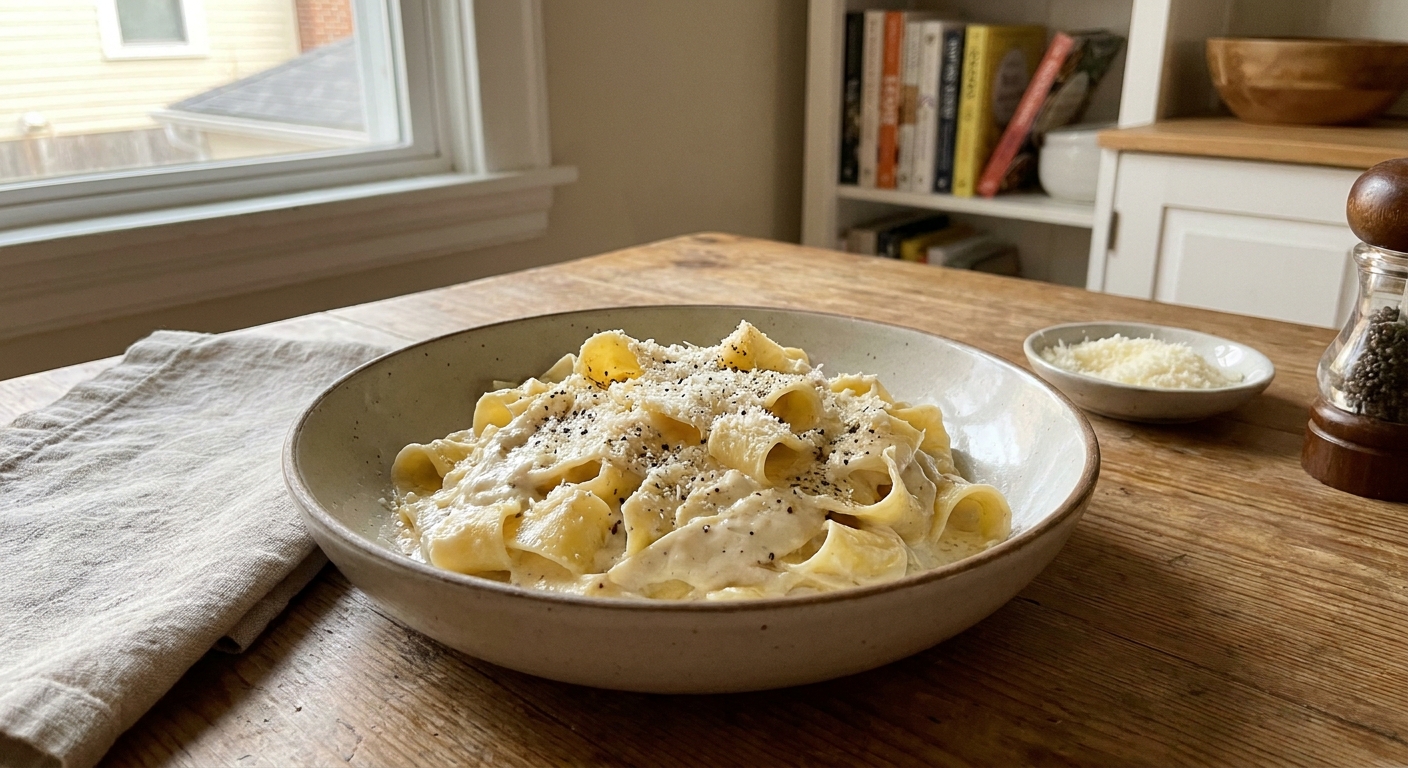
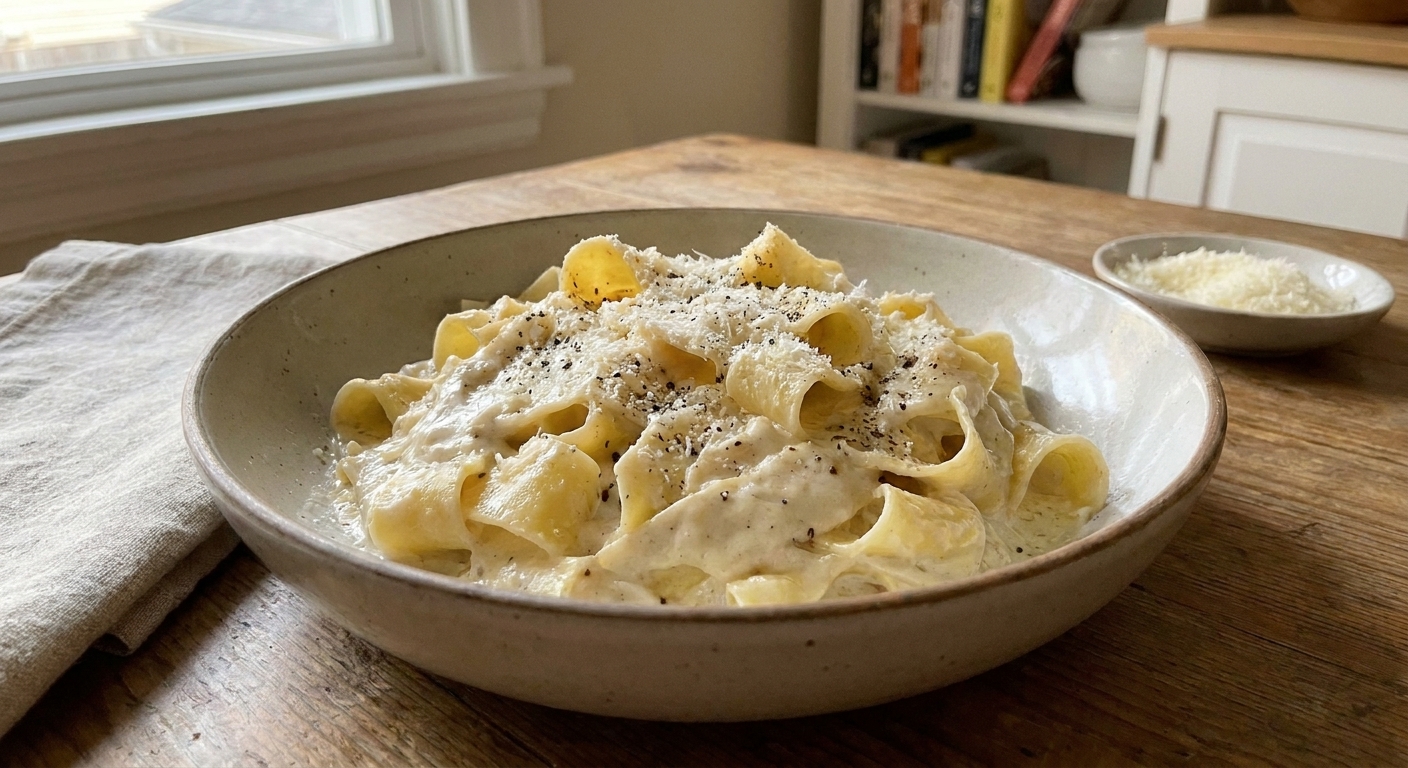
A shallow bowl of pappardelle tossed with creamy white bolognese, topped with grated Parmesan and black pepper on a cozy kitchen table

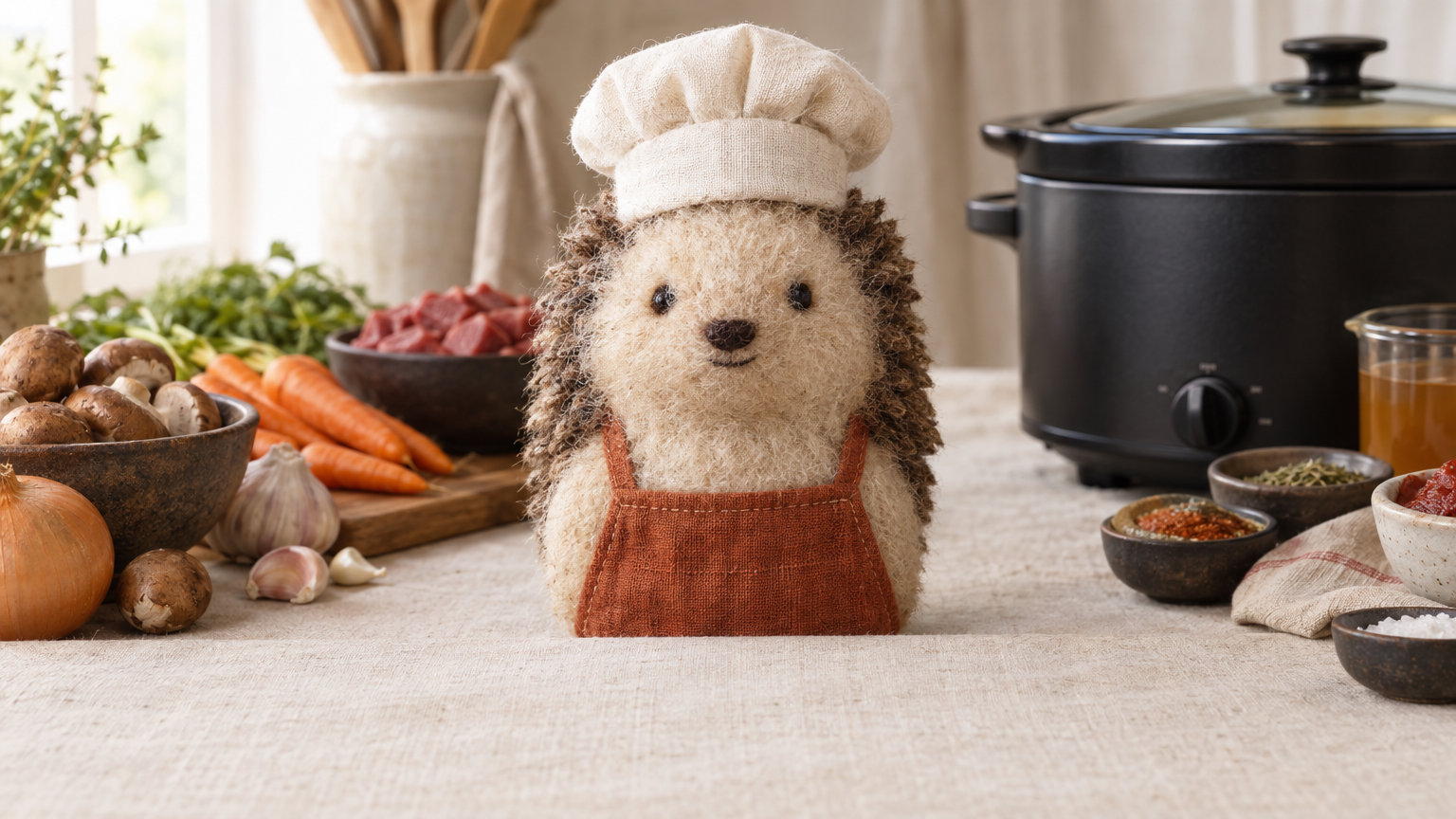
Pull up a chair. Our little hedgehog host is scooting a pot to the front burner, because this is one of those sauces that turns an ordinary weeknight into a soft blanket kind of dinner.

White Bolognese, also called ragù bianco, is the tomato-free cousin of classic bolognese: a slow-simmered sauce built from a gentle soffritto, ground meat, white wine, and milk until it turns glossy and silky. It is rich without being heavy, and it clings like a dream to wide pasta.

The biggest question is always the same: when do I add the milk so the sauce stays pale and the meat stays tender? I will show you exactly when, how, and what to do if it looks like it is heading toward “tan” instead of “ivory.”

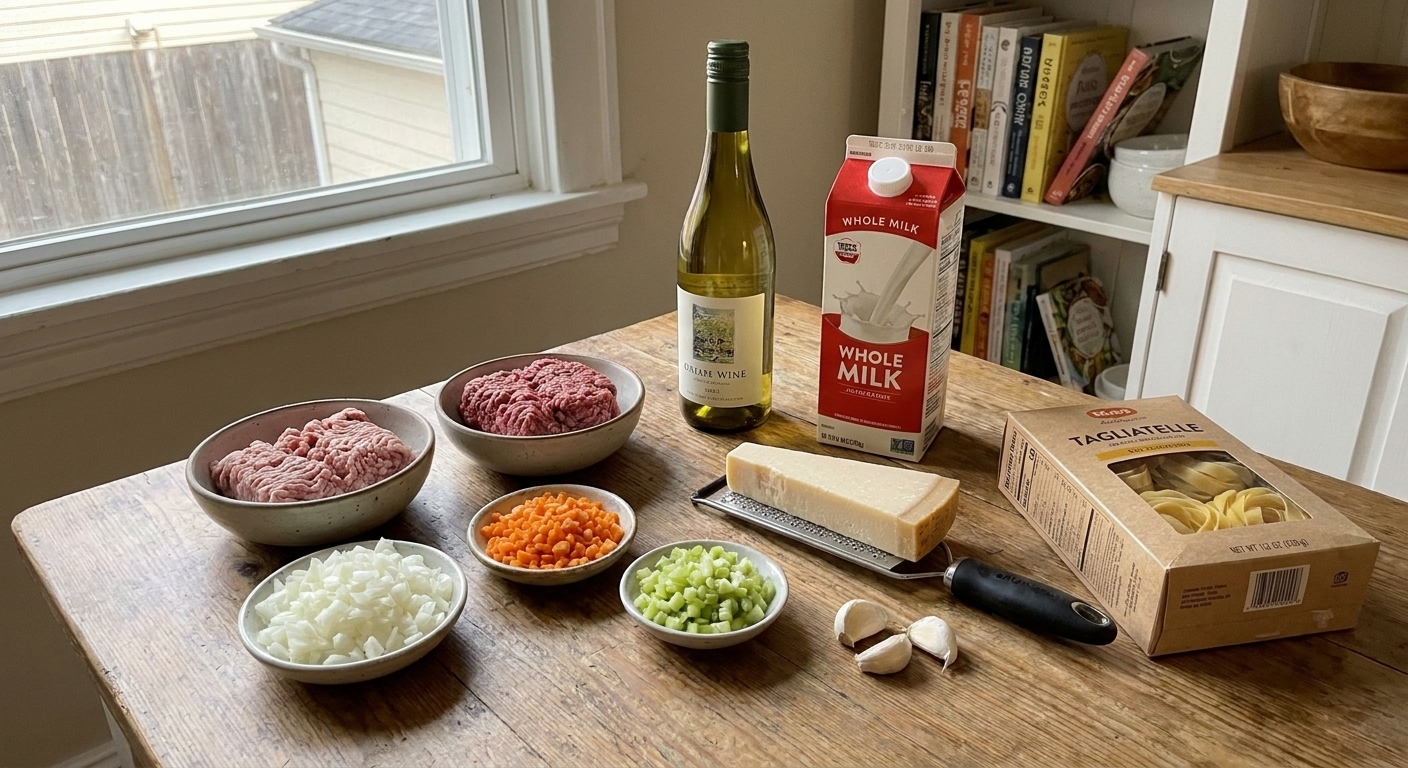
White bolognese ingredients arranged on a light kitchen counter including ground pork and beef, onion, carrot, celery, garlic, white wine, milk, Parmesan, and pasta

Why It Works

  • Silky texture without tomatoes: Slow cooking plus a splash of pasta water at the end gives you that restaurant-style cling.
  • Pale, tender sauce: Adding warm milk in small additions after the wine has mostly reduced helps it blend smoothly and can help keep the ragù tender.
  • Deep flavor from simple ingredients: A real soffritto, proper browning, and enough simmer time build richness the old-fashioned way.
  • Flexible for your kitchen: Use beef and pork, all pork, or beef alone. If swapping in turkey or chicken, add a touch more fat and start checking for doneness earlier.

Pairs Well With

Storage Tips

Cool and store safely: Let the sauce cool quickly, then refrigerate within 2 hours.

Refrigerate: Store in an airtight container for 3 to 4 days.

Freeze: Freeze in portioned containers for 2 to 3 months for best quality. For best texture, freeze the sauce by itself and cook fresh pasta when serving.

Reheat gently: Warm over low heat with a splash of water, broth, or milk to loosen. Avoid a hard boil, which can cause the dairy to separate and can tighten the meat.

Best leftover move: Reheat sauce in a skillet, add cooked pasta plus a splash of pasta water, then finish with Parmesan. It tastes newly made, which is a small miracle and I will not argue with miracles.

Common Questions

What makes it “white” bolognese?

It is “white” because it is tomato-free. The sauce gets its body from soffritto, meat, wine reduction, and milk, which softens and enriches the ragù.

When should I add the milk to keep the sauce pale?

Add milk after the wine has mostly evaporated and the sharp alcohol smell is gone. Then add the milk warm and in 2 to 3 small additions, letting each addition gently simmer down before adding the next. This timing helps the milk blend smoothly and keeps the overall color light.

Why warm the milk first?

Cold milk hitting a hot pot can encourage the dairy to separate. Warm milk blends in more smoothly and keeps your simmer calm and creamy.

Can I use only beef, or only pork?

Yes. A mix of beef and pork is classic for balance, but all beef is still delicious. All pork makes a sweeter, richer ragù. If using very lean meat, add a touch more olive oil or butter for a silkier finish.

What wine should I use?

Use a dry white wine you would happily drink. Pinot Grigio, Sauvignon Blanc, or an unoaked Chardonnay work well. Avoid sweet wines.

Does white bolognese need nutmeg?

It is optional, but a tiny pinch plays nicely with milk-based sauces. Think “background cozy,” not “holiday candle aisle.”

Can I use turkey or chicken?

Yes, but poultry is leaner and can dry out faster. Use a little extra olive oil or butter, and start checking the sauce earlier. Once it is glossy and coats a spoon, you are there.

My sauce got darker than I wanted. Did I ruin it?

Not ruined. Darker usually comes from deeper browning or higher heat. It will still taste wonderful. For a paler look next time, brown a bit more gently and keep the simmer low. You can also stir in 2 to 4 tablespoons of warm milk near the end to soften and lighten it.
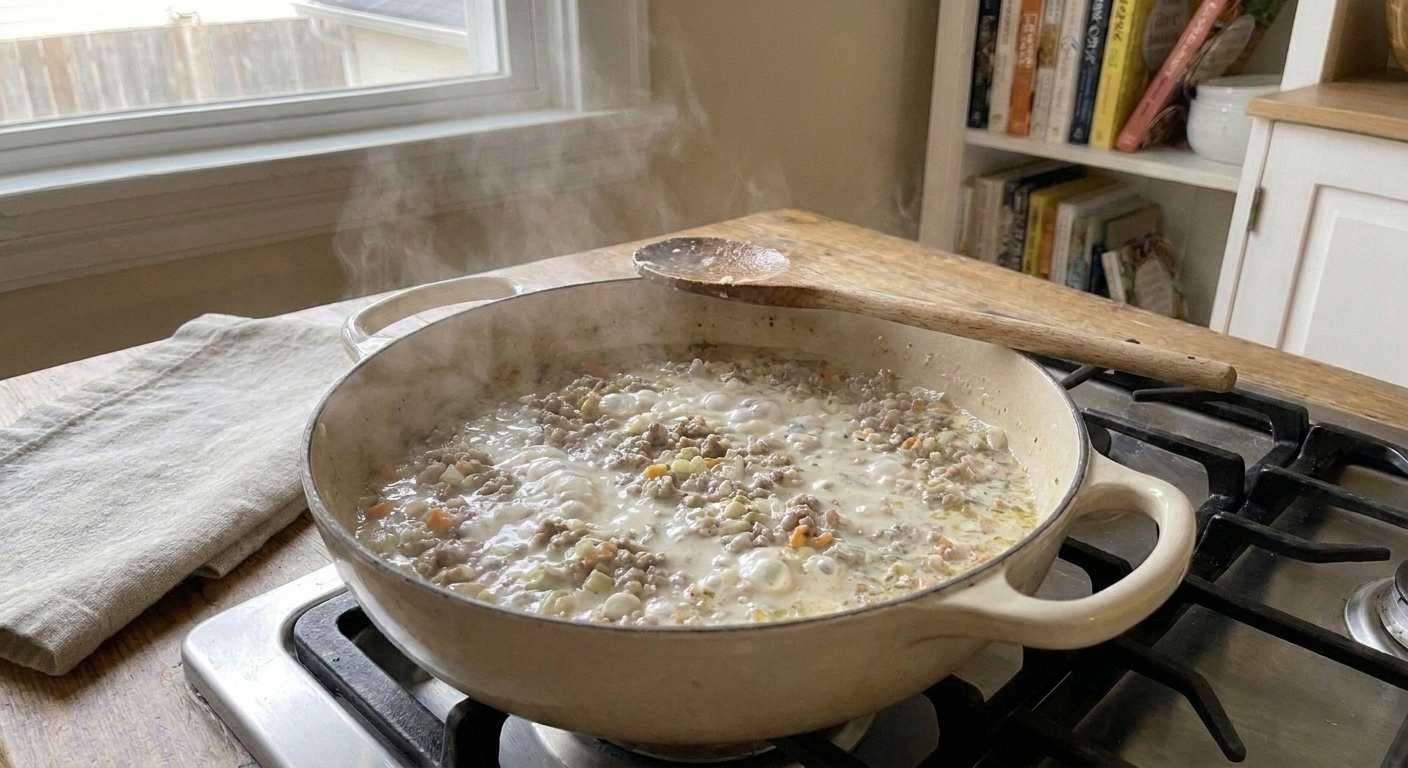
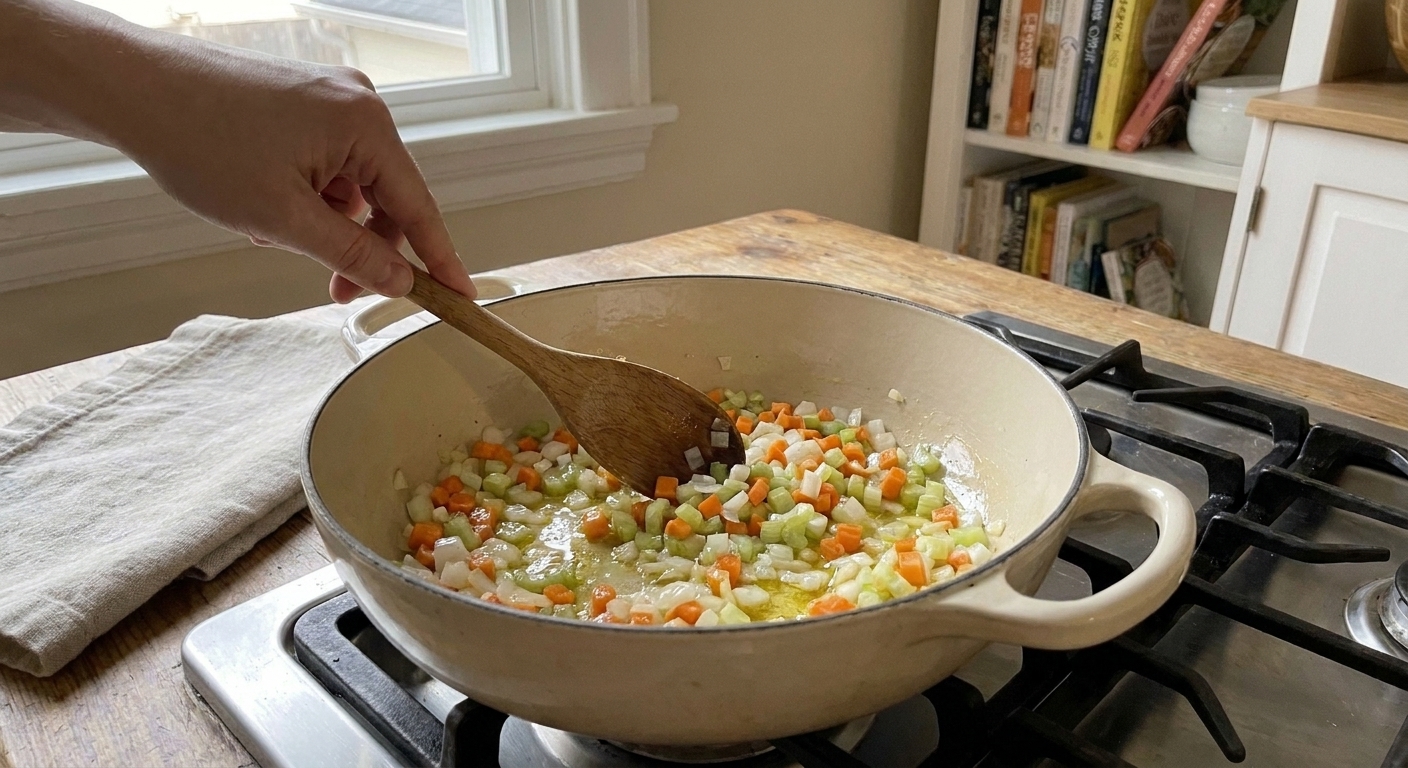
A Dutch oven on the stove with white bolognese gently simmering, a wooden spoon resting on the rim and steam rising

White bolognese feels like a little kitchen magic trick. You expect “bolognese” to mean tomatoes, but then the pot turns into something creamy and quietly luxurious instead. I like it for nights when I want comfort food that tastes slow and special, but I also want my pantry to stop bossing me around.

Also, it is the kind of sauce that makes wide noodles feel important. And in my book, pasta deserves to feel important at least once a week.