Mom's Best Recipes
Recipe

All-Butter Pie Crust

Flaky, crisp, and deeply buttery with clear steps, make-ahead options, and foolproof fixes for cracking and shrinkage.

Author By Matt Campbell
4.8
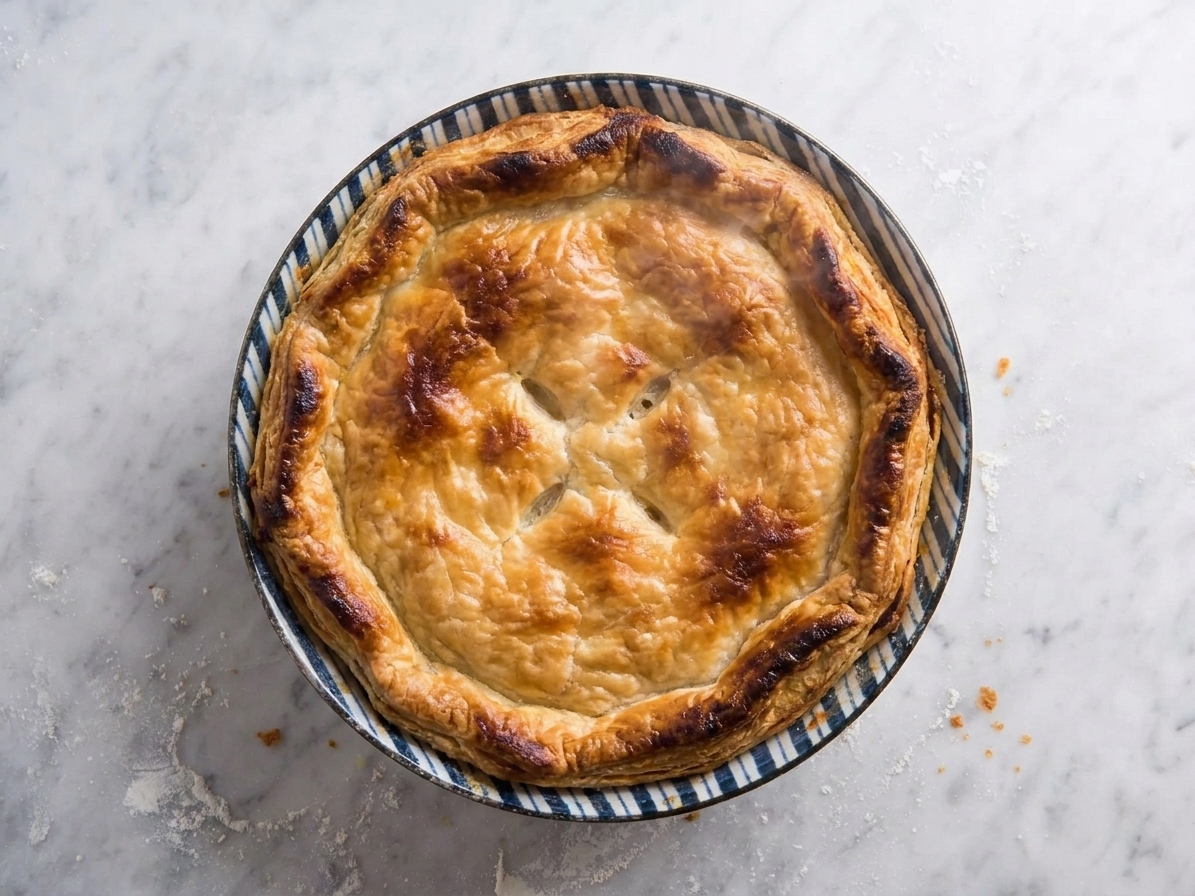
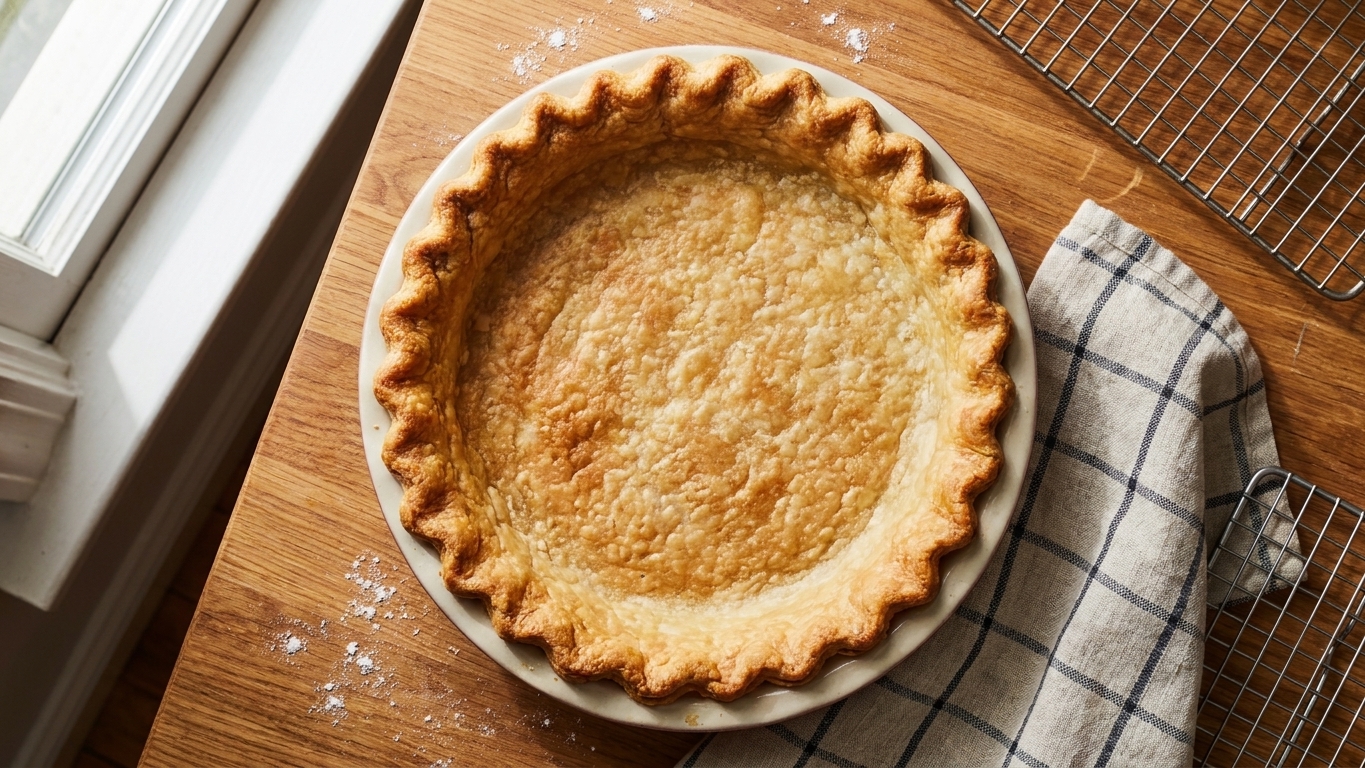
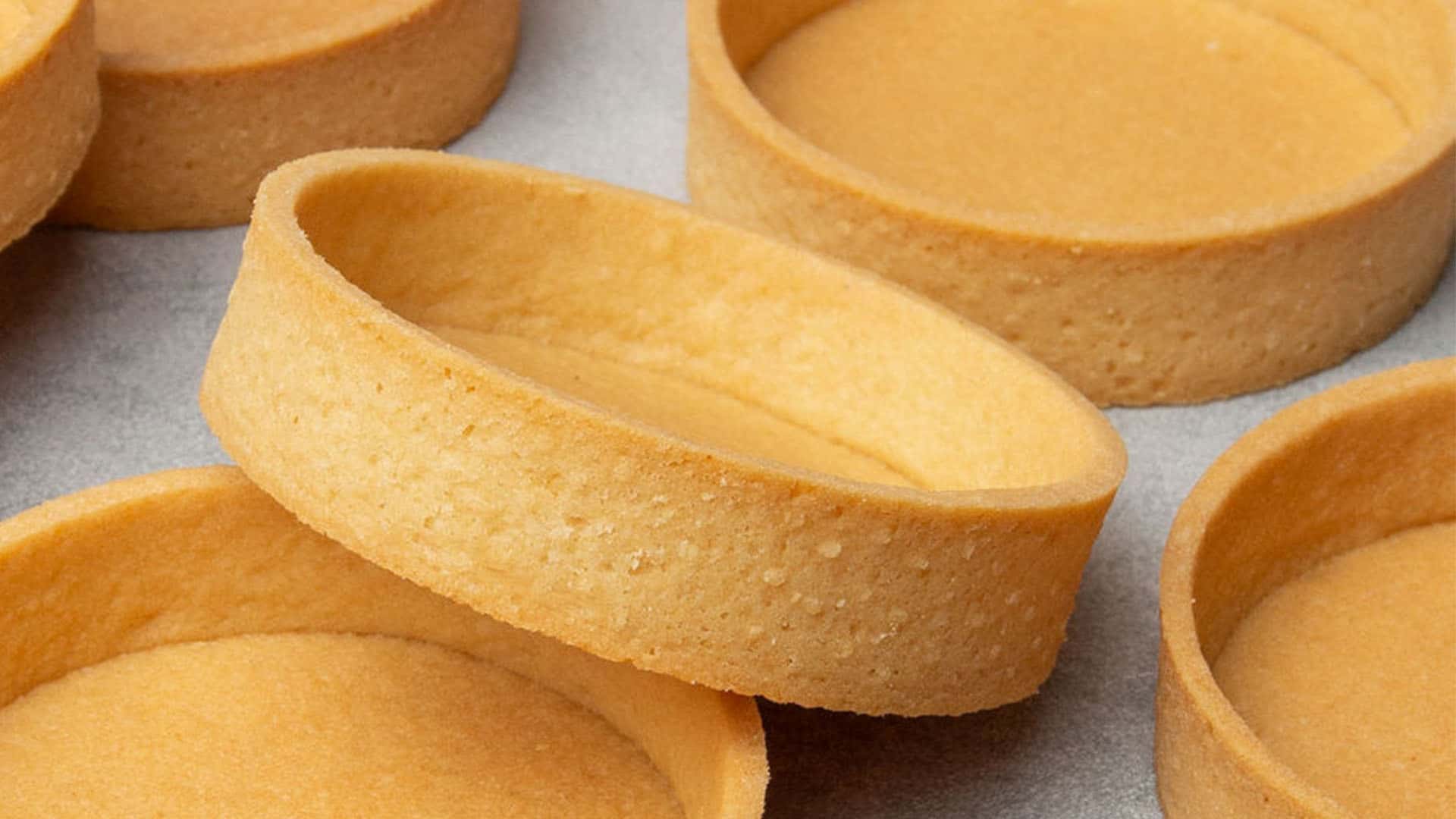
A baked all-butter pie crust with golden, flaky edges on a simple ceramic pie plate on a warm kitchen table

Pie crust butter is the whole vibe. It’s the reason the edges shatter a little when you cut in, the reason the bottom stays crisp instead of sad, and the reason you catch yourself “taste testing” the scraps like they’re cookies. If you’ve ever made a crust that turned out tough or shrank down the sides like it was trying to escape, this one’s for you.

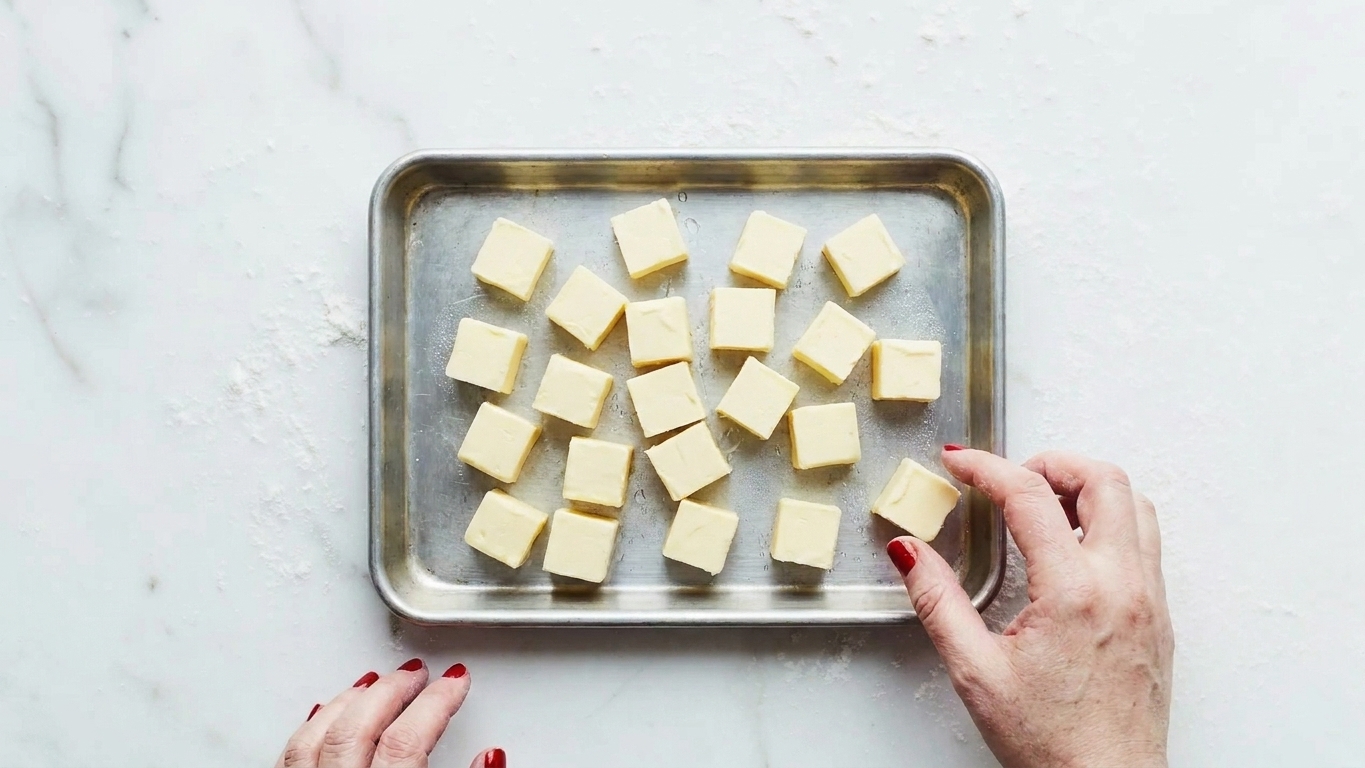
This is my go-to all-butter pie crust. No shortening. No mystery. Just cold butter, a quick mix, and a dough that rolls without drama once you let it rest. You get those flaky layers because the butter stays in little pieces that melt in the oven and separate the dough into crisp, golden strata. Keep it chill, work fast, and if you want to taste for seasoning, do it with the dry mix or bake a tiny scrap. Raw flour dough isn’t the snack.
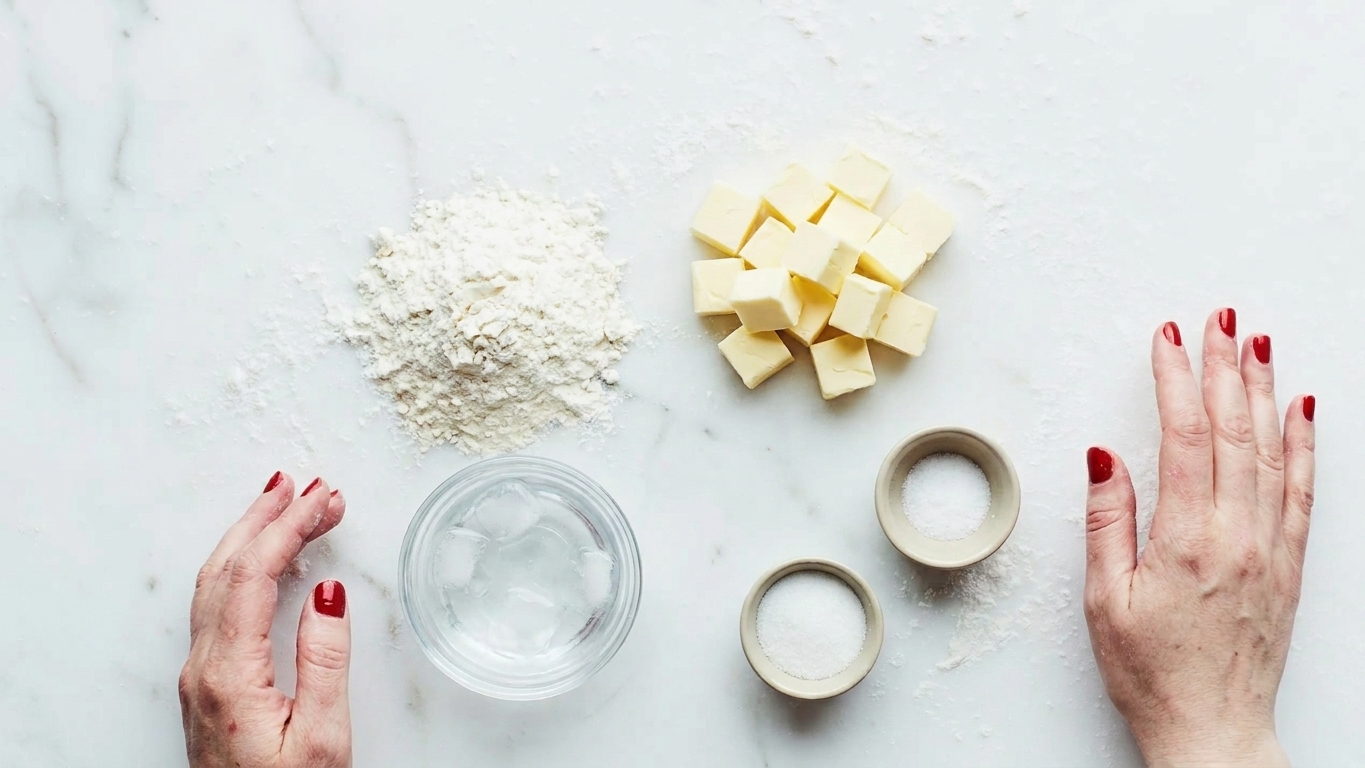
Flour, cubed butter, salt, sugar, and a small bowl of ice water arranged on a light kitchen counter

Why It Works

  • Big butter flavor, not greasy. Using cold butter in visible pieces gives you crisp layers and a clean, rich finish.
  • Flaky texture you can count on. A light touch plus proper chilling keeps gluten in check so the crust stays tender.
  • Works for sweet or savory pies. A little optional sugar helps browning, but it’s not dessert-only.
  • Make-ahead friendly. The dough can hang in the fridge for a few days or in the freezer for months.

Pairs Well With

Storage Tips

How to Store Pie Dough

  • Fridge: Wrap the dough disk tightly in plastic wrap, then pop it into a zip-top bag. Refrigerate up to 3 days.
  • Freezer (dough disk): Wrap well and freeze up to 3 months. Thaw overnight in the fridge before rolling.
  • Freezer (rolled crust): Roll and fit into the pie plate, crimp, then freeze uncovered until firm. Wrap the whole plate tightly and freeze up to 2 months. Bake from frozen (add a few extra minutes).
  • Baked crust: Cool completely, cover, and store at room temp for 1 day or refrigerate up to 3 days. Re-crisp in a 350°F oven for 5 to 8 minutes.

My rule: If it feels warm or soft, it goes back in the fridge. Cold dough is cooperative dough.

Common Questions

Does butter make pie crust more flaky?

Yes. Flakiness comes from cold pieces of butter staying separate in the dough. In the oven, the butter melts and the water in the butter turns to steam, creating little pockets and layers. The key is keeping the butter cold so it doesn’t fully blend into the flour.

Why is my all-butter crust tough?

Usually one of three things: too much water, too much mixing, or not enough rest time. Add ice water slowly, stop mixing when the dough just holds together, and chill the dough at least 1 hour so the gluten can relax.

My dough is cracking when I roll it. What do I do?

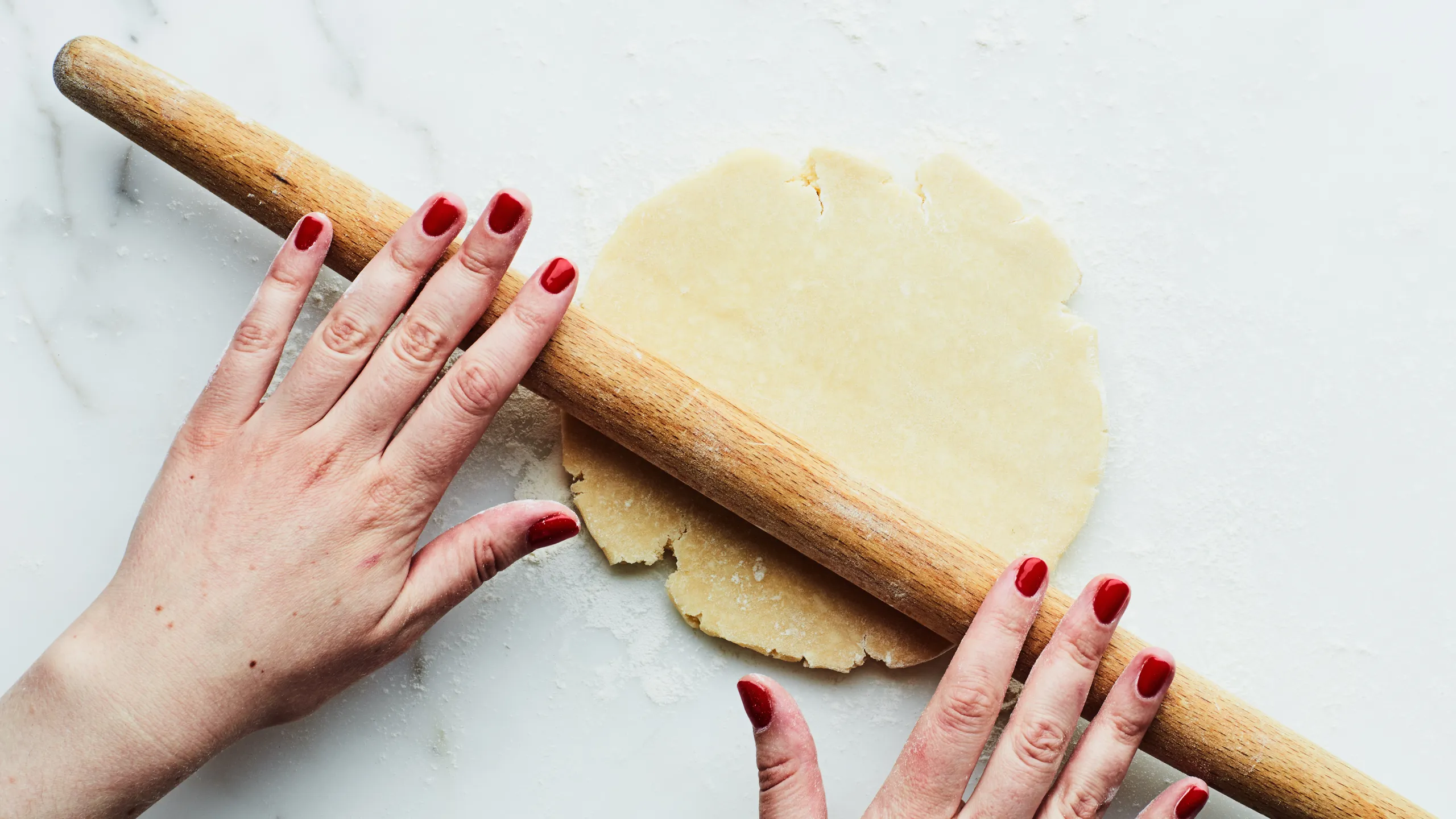
Cracking means it’s too cold or too dry. Let it sit at room temp for 5 to 10 minutes. If it still cracks, lightly sprinkle 1 to 2 teaspoons of ice water over the dry spots, then gently fold and press just until it comes together again.

How do I keep the crust from shrinking?

  • Chill the shaped crust in the pie plate for at least 30 minutes before baking.
  • Don’t stretch the dough to fit the pan. Lift and settle it in.
  • For full blind bakes, use parchment and pie weights. Skip docking so you don’t create little leak points.

Salted or unsalted butter?

Either works. I prefer unsalted so the salt level is fully in your control. If you use salted butter, reduce the added salt by about 1/4 teaspoon.

Can I use this for a double crust pie?

Absolutely. This recipe makes 2 crusts, perfect for a top and bottom crust or a lattice situation.

Do I need to blind bake?

Not always. Blind bake for pies with no-bake fillings (cream, pudding) or custard fillings where you want a crisp base. For most fruit pies that bake a long time with filling, you can usually skip it.

I was the kid who would happily eat the “boring” part of pie, meaning the crust, especially the corners where the butter basically caramelizes. When I started cooking more seriously, I tried to outsmart pie dough with gadgets and complicated steps, and it always felt like the crust knew I was overthinking it.

This all-butter version is the one that finally clicked: keep it cold, keep it moving, and let the fridge do some of the work. It’s the kind of recipe that makes you feel like a pie person, even on a random Tuesday when you’re just making quiche because you’ve got eggs and optimism.