Mom's Best Recipes
Recipe

All-Purpose Chicken Seasoning

A pantry-friendly seasoning blend that makes chicken taste like you actually tried, even on a Tuesday.

Author By Matt Campbell
4.9
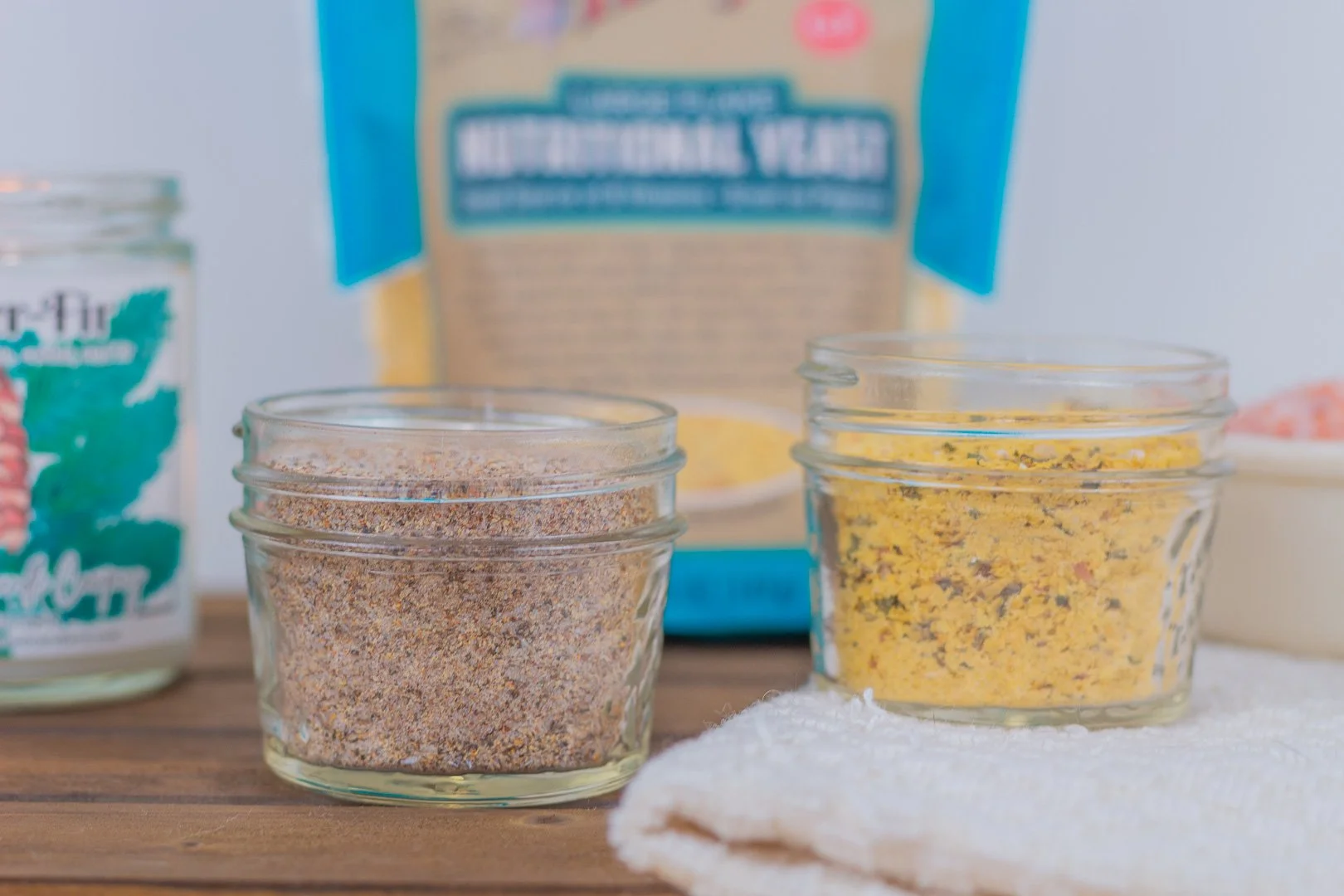
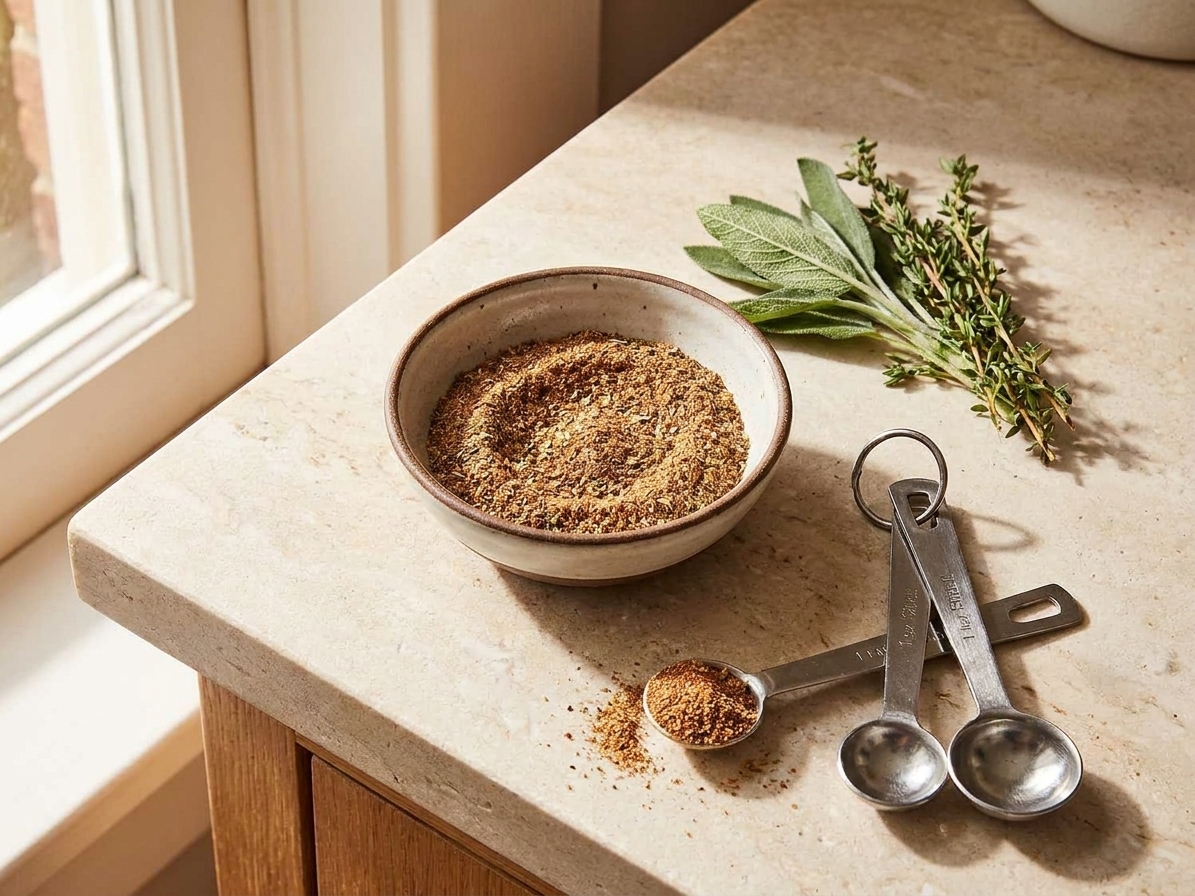
A small glass jar of homemade chicken seasoning with a measuring spoon on a warm kitchen counter, spices softly scattered nearby

Chicken is loyal. Chicken is reliable. Chicken is also one bad seasoning decision away from tasting like warm regret.

This is my everyday all-purpose chicken seasoning, built for real life: weeknight thighs, meal-prep breasts, wings that need crisp edges, and the random pack of drumsticks you found in the freezer. It is savory and a little smoky, with enough garlic and onion to feel cozy, plus dried herbs that make it taste like you did more than shake a plastic bottle.

Use it as a dry rub, stir it into a quick marinade, or sprinkle it on roasted veggies while you are at it. Tasting as you go is encouraged.
Why It Works

  • Balanced flavor: smoky paprika, garlic, herbs, and a little heat that does not bully the chicken.
  • Works on every cut: breasts, thighs, wings, drumsticks, and whole chicken.
  • Better browning: a touch of brown sugar helps with browning and caramelization, especially in the oven or air fryer.
  • Flexible salt level: you control it. Make it salt-free if needed, then salt per dish.
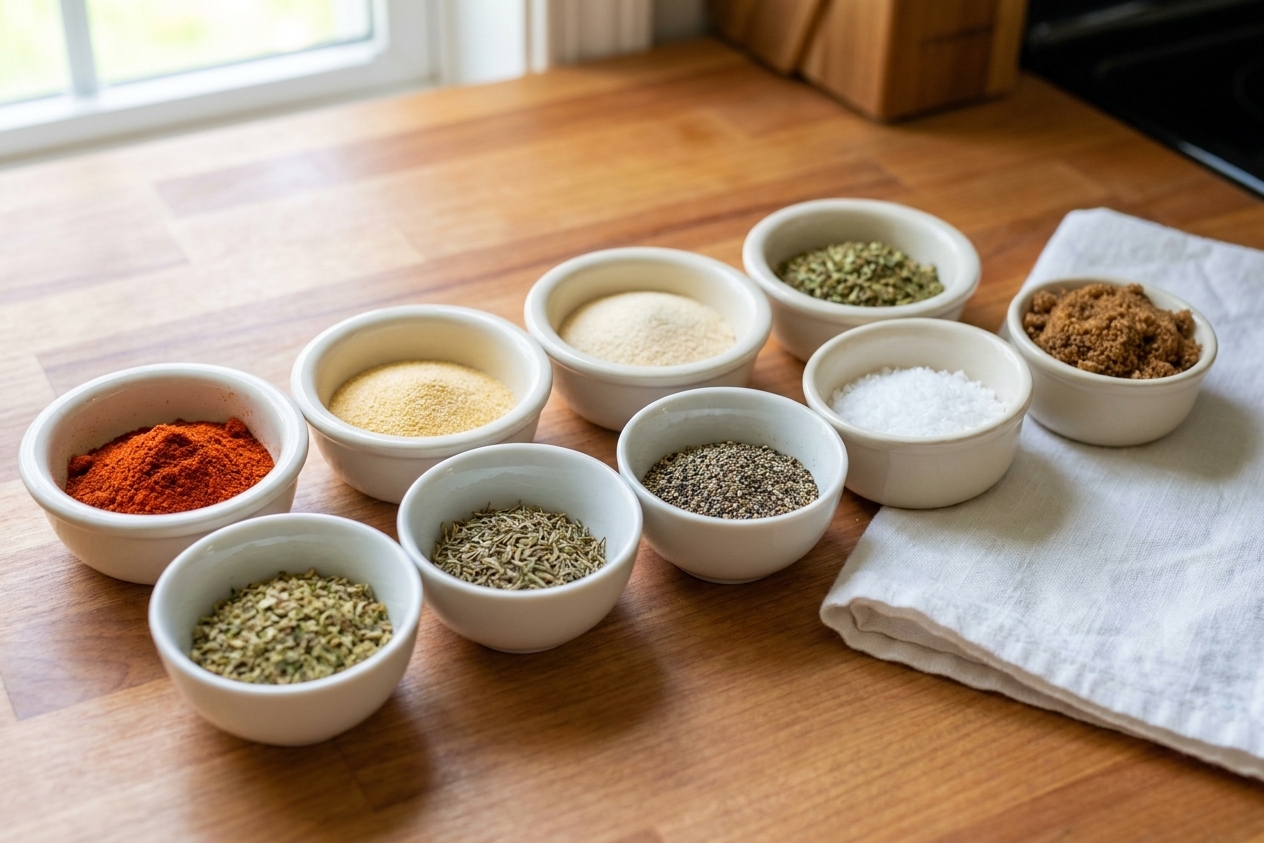
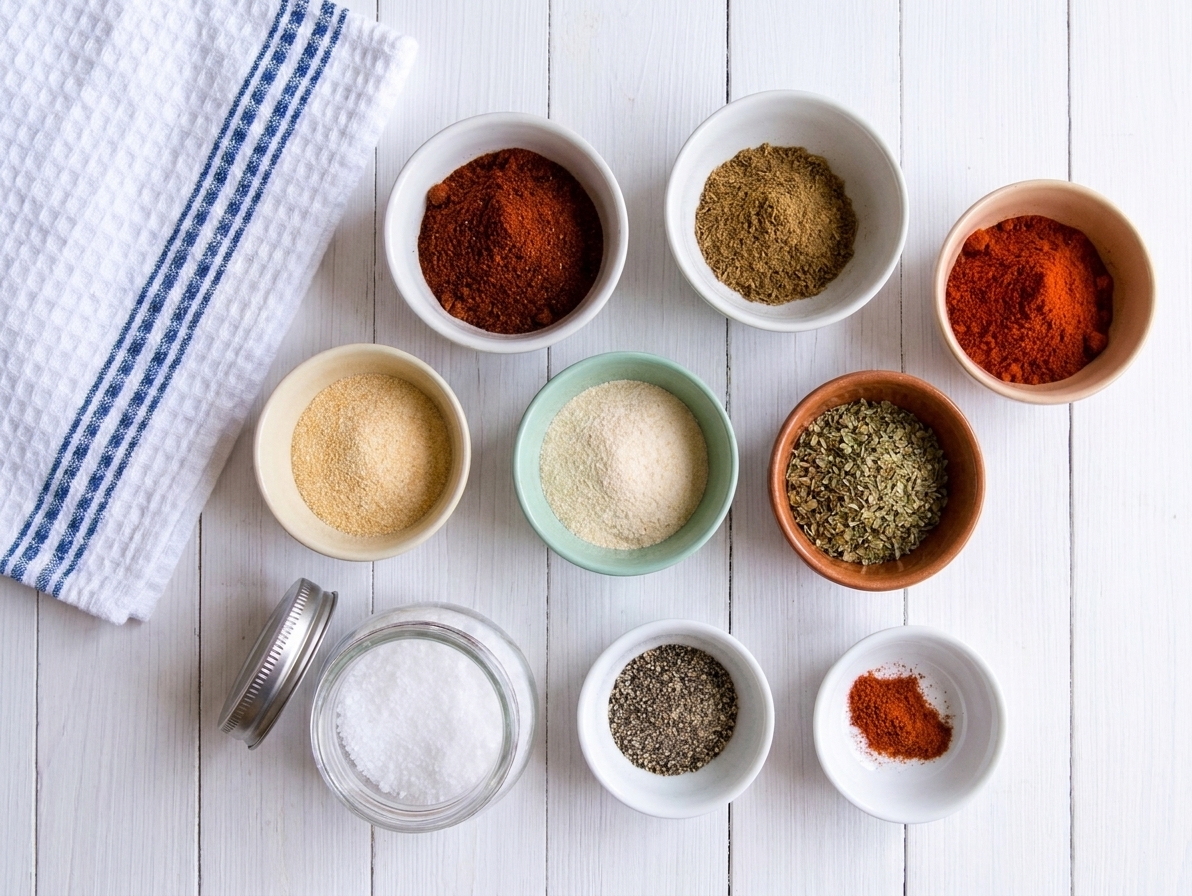
Small white bowls filled with paprika, garlic powder, onion powder, dried oregano, dried thyme, black pepper, salt, and brown sugar arranged on a warm wooden counter

Pairs Well With

Storage Tips

Seasoning blend: Store in an airtight jar in a cool, dark cabinet for up to 6 months. It is still safe after that, but the herbs fade first, so the flavor gets quieter.

Seasoned raw chicken: Refrigerate covered and cook within 24 hours for best texture. For food safety, follow standard refrigeration guidance and cook raw chicken within 1 to 2 days.

Cooked chicken: Refrigerate in a sealed container for 3 to 4 days. Reheat gently, and add a squeeze of lemon or a splash of broth to bring it back to life.

Common Questions

How much seasoning should I use per pound of chicken?

A good starting point is 1 to 1 1/2 tablespoons per pound. For wings, I go closer to 1 1/2 tablespoons per pound because more surface area equals more places for flavor to hang out.

Salt note: This blend is lightly to moderately salted as written. If you use the full 1 1/2 tablespoons per pound, you probably will not need extra salt unless you are seasoning a big batch of bland sides too.

Can I make this chicken seasoning without salt?

Yes. Just leave out the kosher salt. Season the chicken with salt separately right before cooking. If you meal prep, salting separately helps you avoid accidentally over-salting later recipes.

Is paprika the same as smoked paprika?

No. Regular paprika is mild and sweet. Smoked paprika brings that grill-like smoky vibe. This recipe uses smoked paprika for depth, but you can swap regular paprika if that is what you have.

Why is my seasoning burning in the pan?

Two usual suspects: too much heat or sugar. This blend has a small amount of brown sugar. For high-heat skillet searing, keep the heat at medium-high (not nuclear) and use enough oil. You can also reduce or omit the sugar if you mostly pan-sear.

Can I use this on turkey, pork, or veggies?

Absolutely. It is especially good on turkey cutlets, pork chops, roasted potatoes, and cauliflower. Just watch cook times and salt levels.

I used to overthink chicken. I would do three spices one night, nine spices the next, then wonder why it still tasted flat. The fix was not more chaos, it was a repeatable blend I actually like. This one is my kitchen cheat code. I keep a jar ready, and suddenly dinner feels less like a project and more like cooking with a friend who shows up on time and brings snacks.