Mom's Best Recipes
Recipe

Baked Lemon Garlic Salmon

One-pan salmon with a lemon garlic butter sauce, tender flakes, and just-crisp edges from a quick broil at the end.

Author By Matt Campbell
4.8
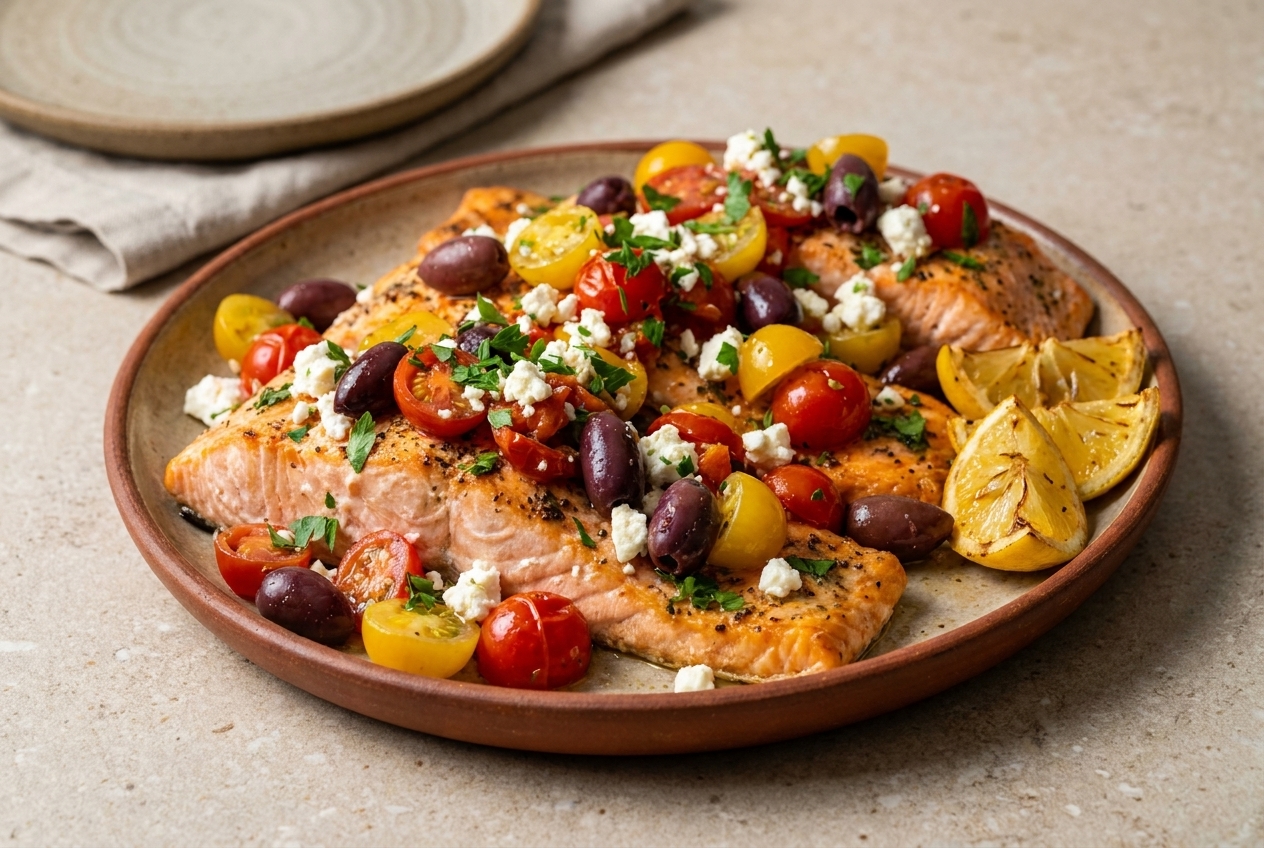
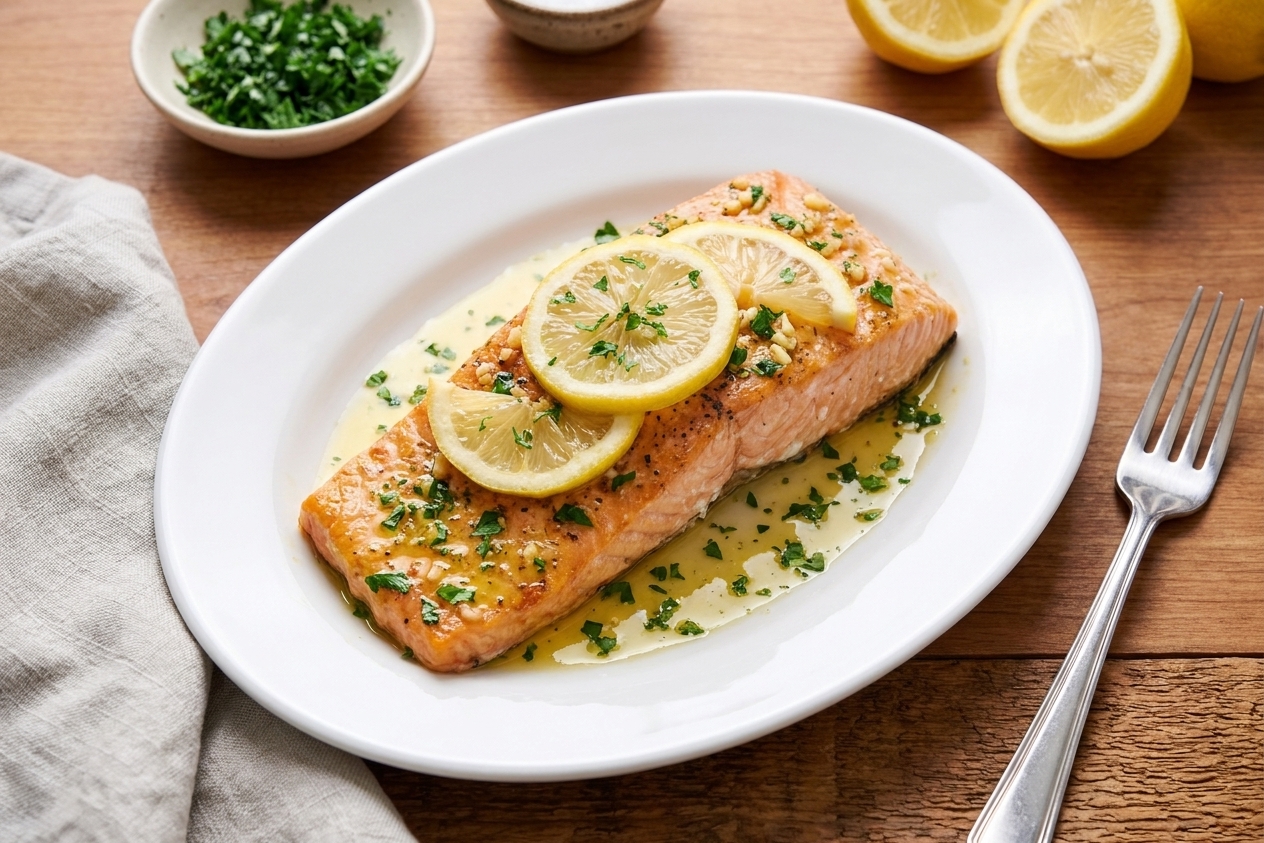
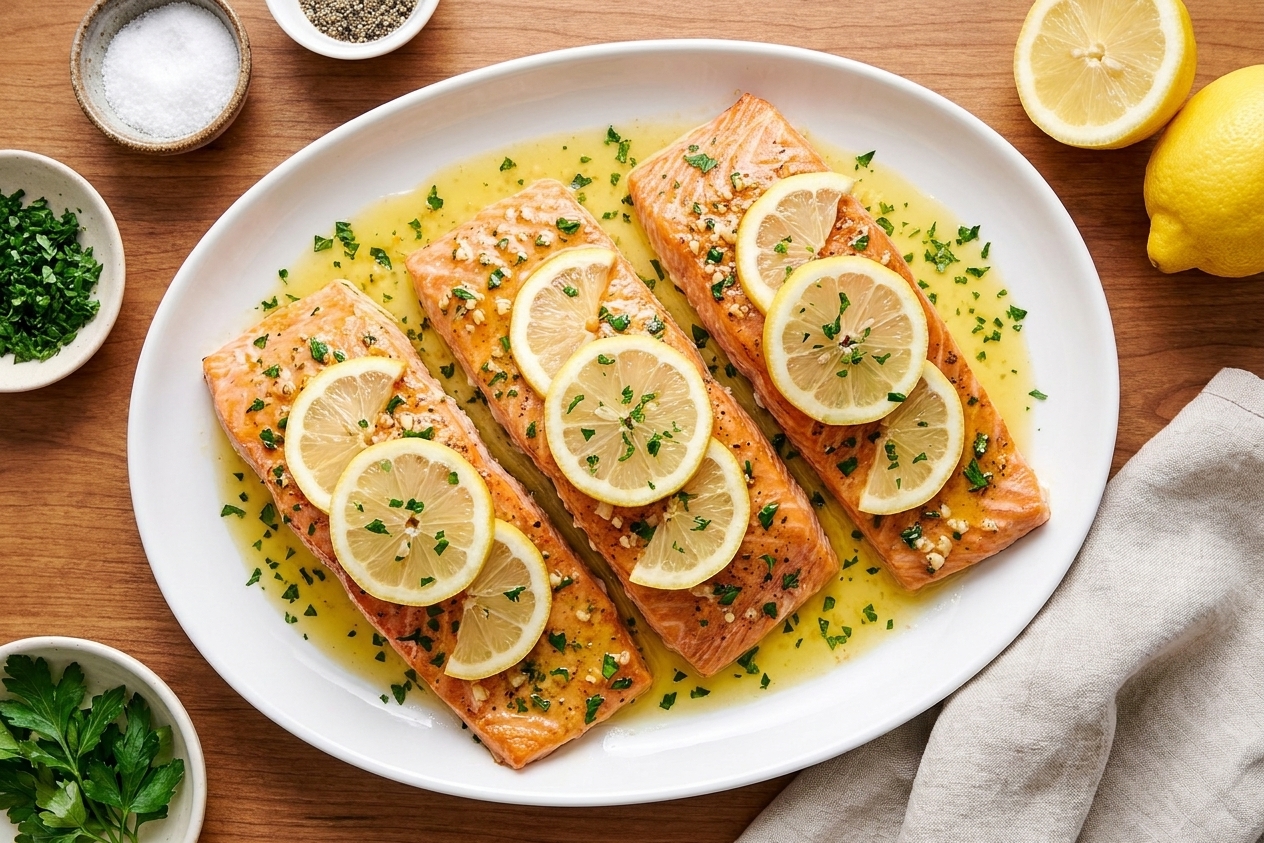
A white oval platter holding baked salmon fillets glazed with lemon garlic butter, topped with sliced lemons and chopped parsley on a warm wood table with a linen napkin

There are two kinds of salmon nights: the kind where you babysit a pan and hope it does not stick, and the kind where you slide a tray in the oven, make a punchy little sauce, and suddenly dinner feels like you tried harder than you did. This is proudly the second kind.

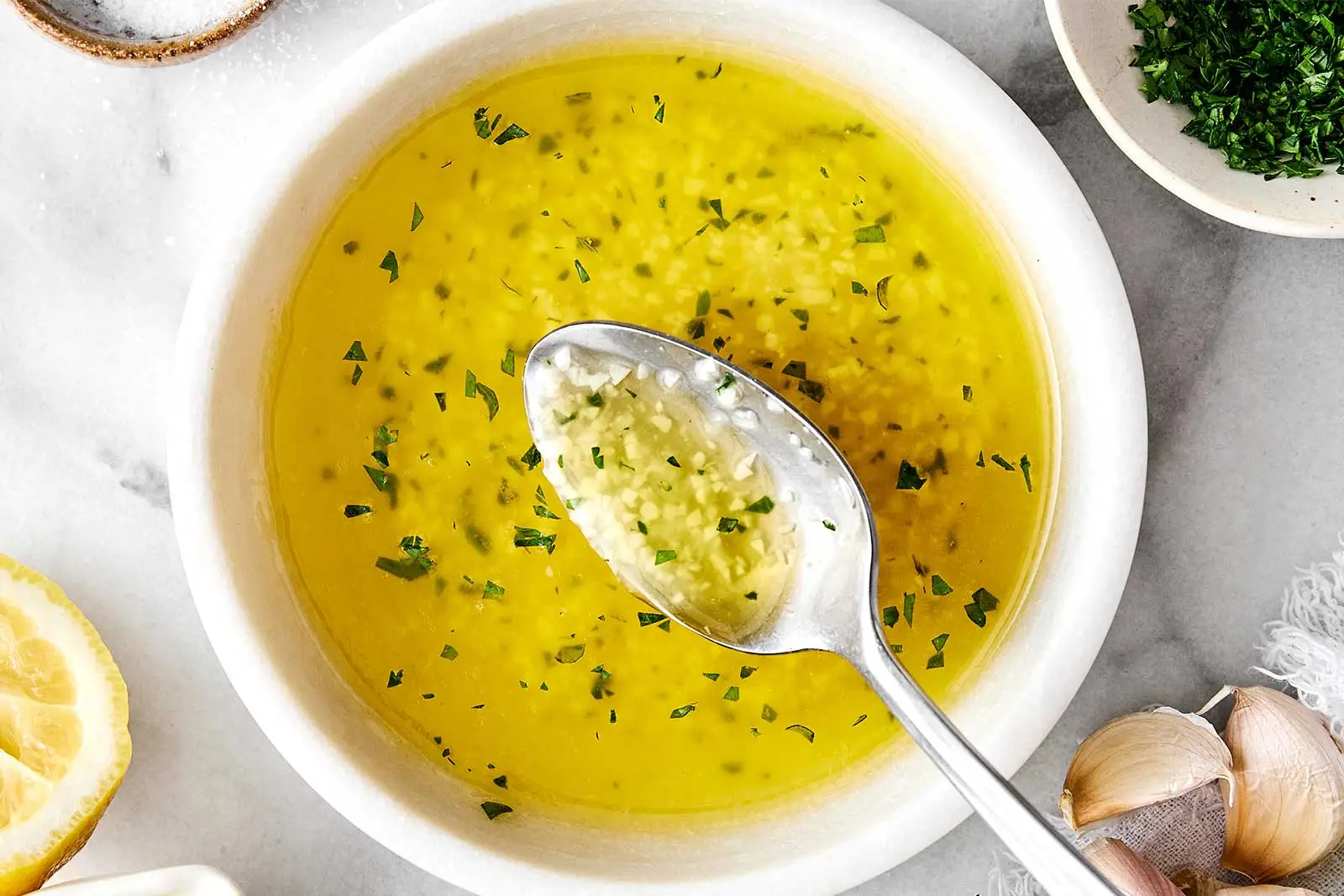
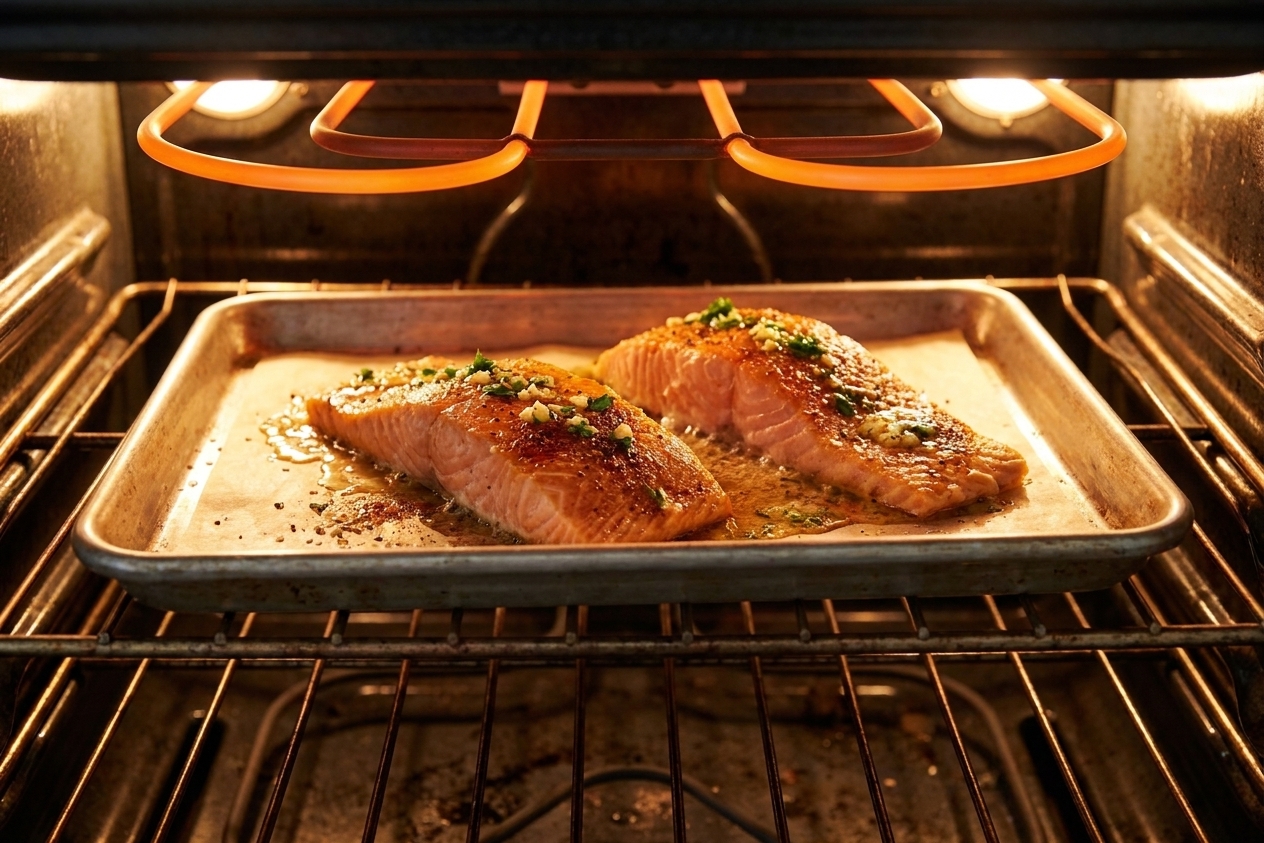
This baked lemon garlic salmon is bright, buttery, and quietly powerful in the flavor department. The trick is a fast lemon garlic butter that gets spooned over the fish before and after baking, plus a quick broil finish for those crisp edges we all fight for. No complicated marinades, no hard-to-find stuff, and yes, you are absolutely allowed to taste the sauce like three times.
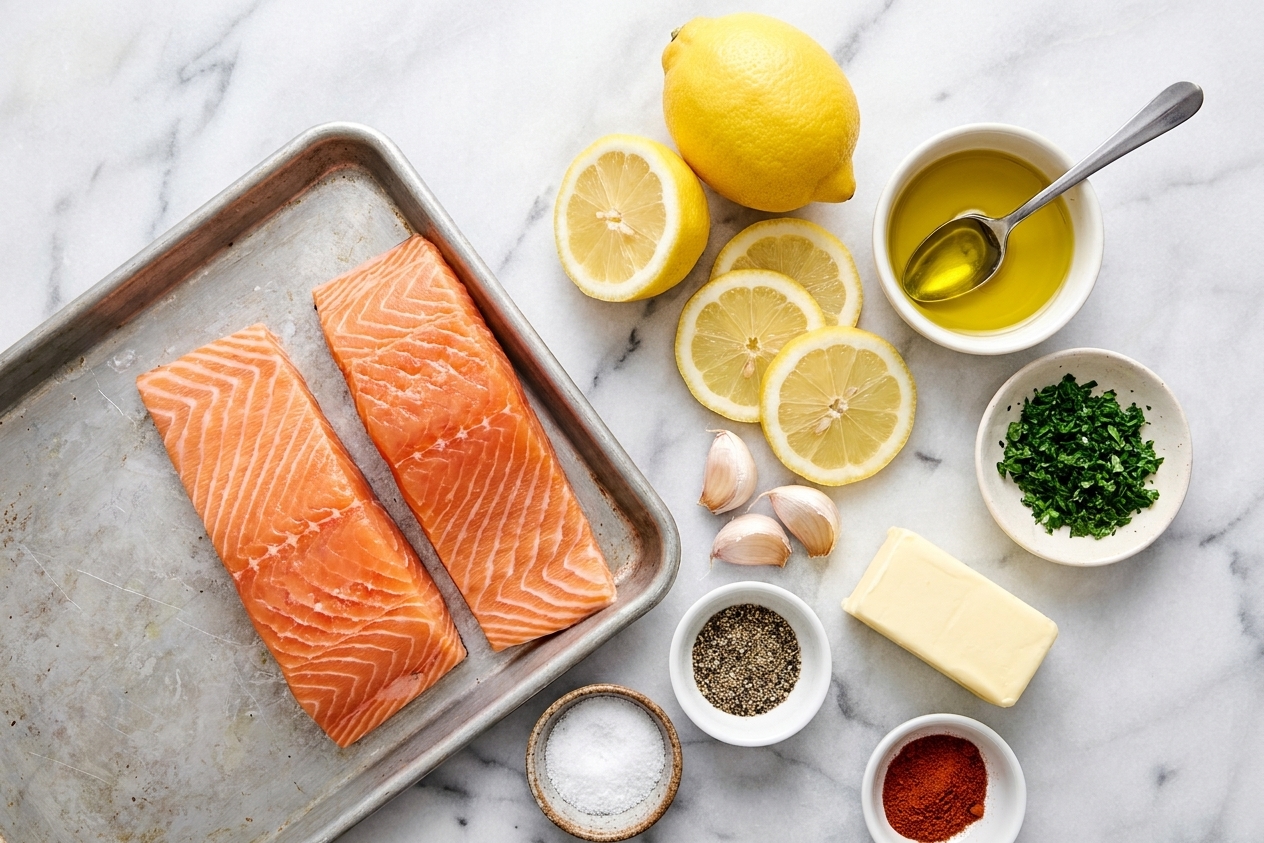
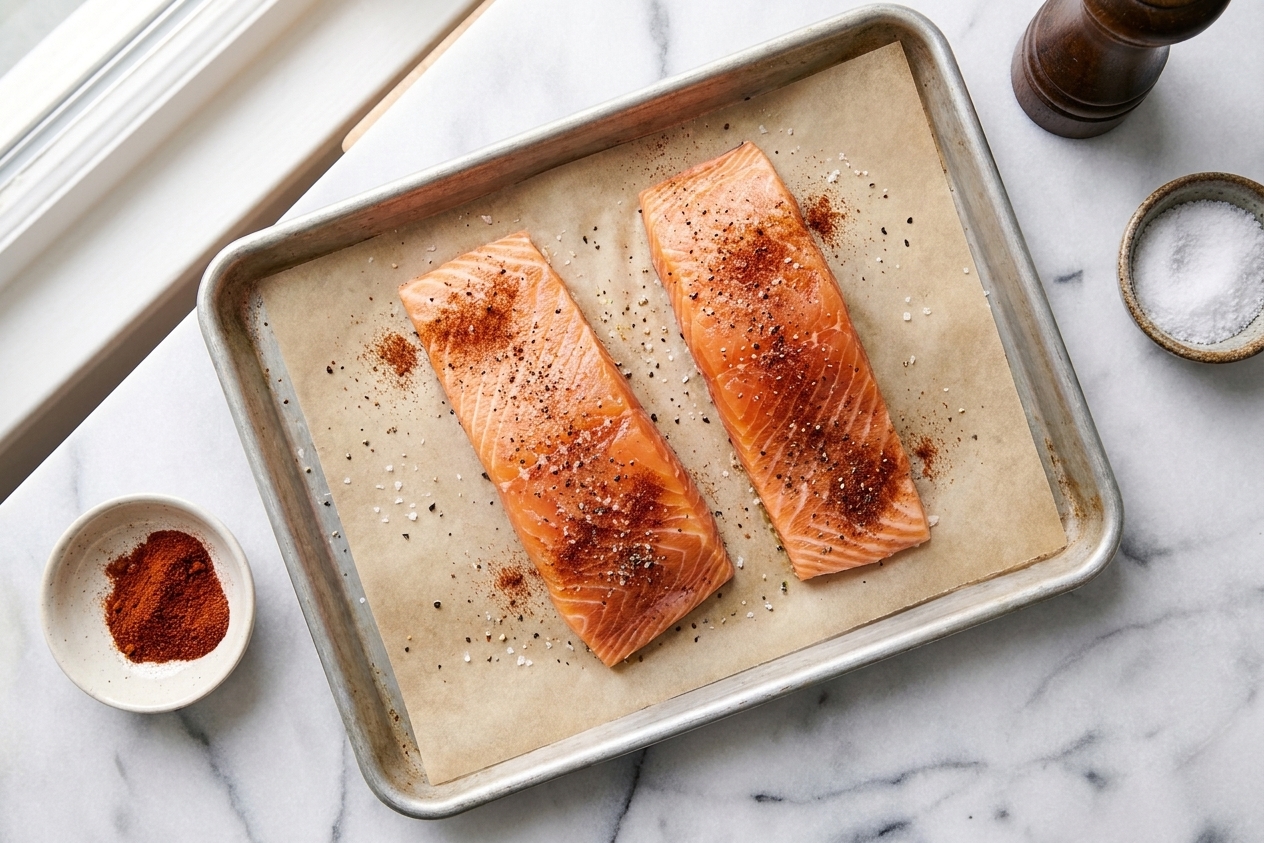
Raw salmon fillets, lemons, garlic cloves, butter, olive oil, parsley, salt, pepper, and paprika arranged on a light kitchen counter beside a small baking sheet

Why It Works

  • Big flavor, small effort: Lemon zest and garlic hit fast, and butter carries it straight to your taste buds.
  • Moist salmon without guesswork: Baking at a higher temp keeps it juicy, and pulling it at the right internal temperature prevents dryness.
  • Crisp edges on purpose: A short broil at the end gives you that restaurant-style top without overcooking the center.
  • One pan, easy cleanup: Foil or parchment keeps the whole situation low-drama.

Pairs Well With

Storage Tips

Refrigerate: Cool salmon, then store in an airtight container for up to 3 days.

Reheat (best method): Warm in a 275°F oven for 8 to 12 minutes, just until heated through. Add a tiny splash of water or an extra dab of butter on top to keep it silky.

Microwave (if you must): Use 50% power in 30-second bursts. Stop while it is still a little under and let carryover heat finish it.

Cold leftovers are underrated: Flake into a salad, tuck into a wrap with mayo and dill, or pile onto rice with cucumber and soy sauce.

Freezing: You can freeze cooked salmon up to 2 months, but the texture gets a bit drier. If you freeze it, plan to use it in salmon cakes, pasta, or salads.

Common Questions

What temperature should salmon be cooked to?

For the juiciest result, pull salmon at 125°F to 130°F in the thickest part for medium, then serve right away. This assumes good-quality fish and careful handling. If you prefer it more firm and fully opaque, go to 140°F. The official food safety guideline is 145°F. If you are pregnant, immunocompromised, serving young kids, or just want to play it extra safe, 145°F is the move (it will be drier, but still tasty with the extra sauce).

Do I bake salmon covered or uncovered?

Uncovered. Covering traps steam and can make the surface a little pale and soft. If your fillets are very thin and you are worried about drying out, you can loosely tent for the first half, then uncover to finish.

Can I use frozen salmon?

Yes, but for best texture, thaw overnight in the fridge. In a pinch, thaw sealed salmon in cold water for 30 to 60 minutes, or until pliable and no longer icy in the center. Baking straight from frozen works, but the exterior can overcook before the center catches up.

How do I keep garlic from burning?

We are baking, not pan-searing, so it is already gentler. Still, keep minced garlic mixed into butter and oil (not sitting dry on top), and add a little of it after baking as a fresh hit.

What if my salmon has skin?

Totally fine. Bake it skin-side down. The skin helps protect the fish from overcooking and lifts off easily after baking if you do not want to eat it.

I started making lemon garlic salmon back when I was in my “I can totally cook every night” era, which lasted about two and a half weeks. This recipe survived that phase because it is basically a guaranteed win: it smells like you know what you are doing, it tastes bright and buttery, and it does not require you to stand at the stove negotiating with a sticky pan.

Now it is my go-to when I want dinner to feel like a little reset. Clean flavors, crisp edges, and enough sauce to drag a forkful of rice through afterward, because I am not wasting that lemony butter.