Common Questions
Is a BBQ dry rub the same as seasoning?
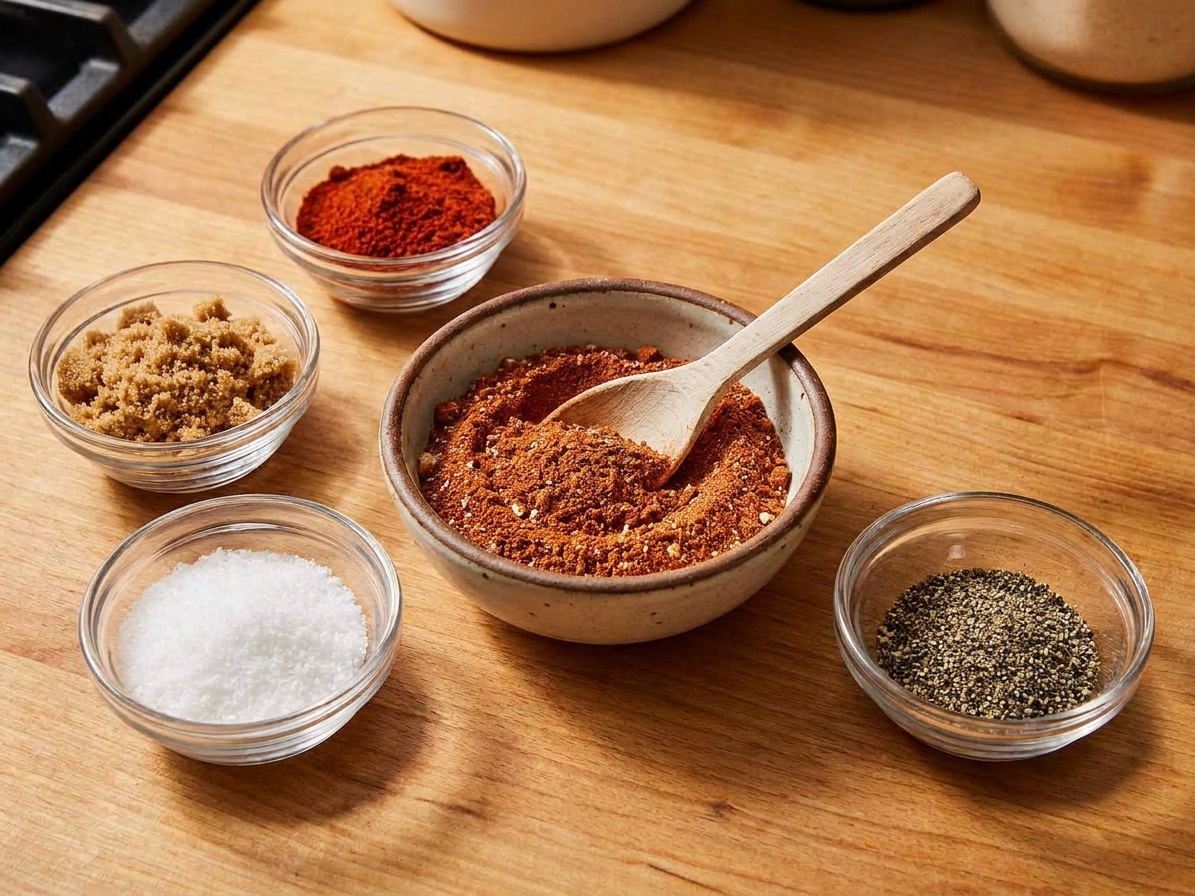
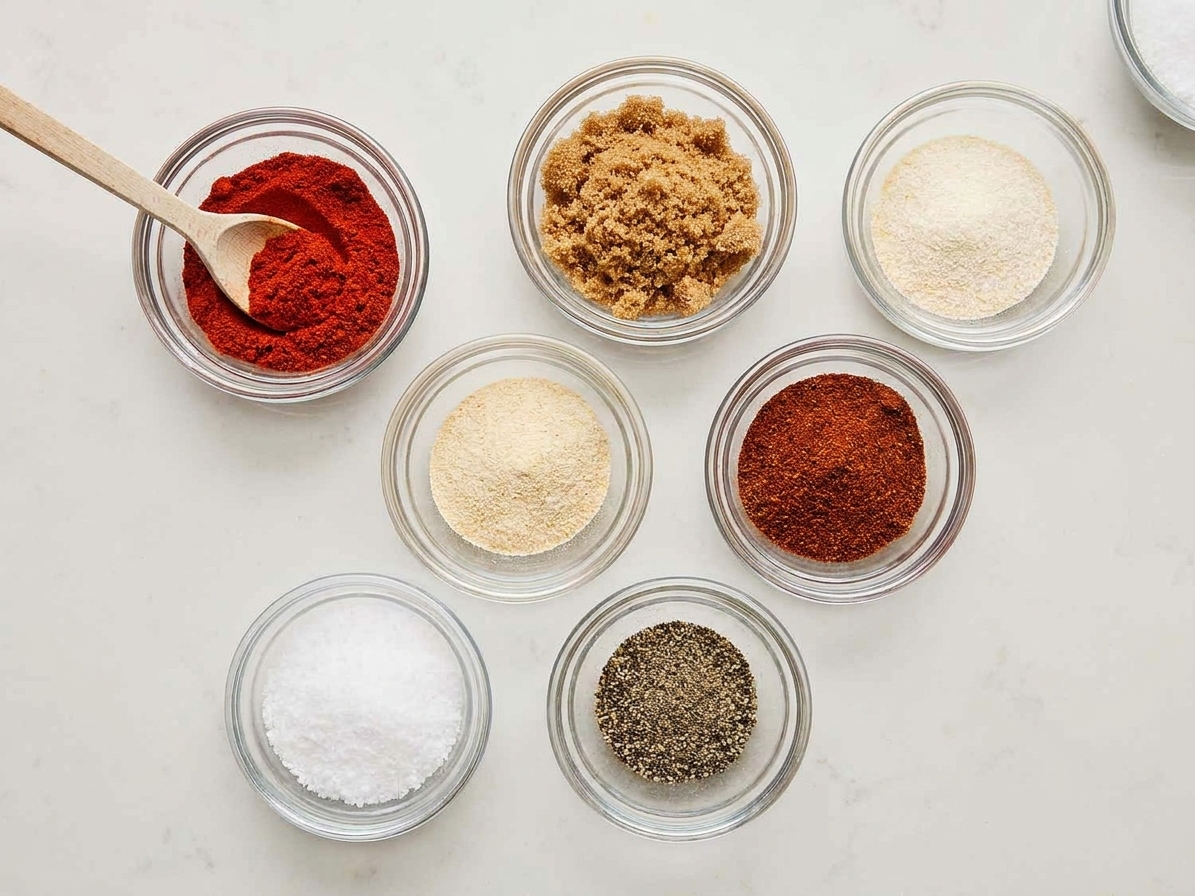
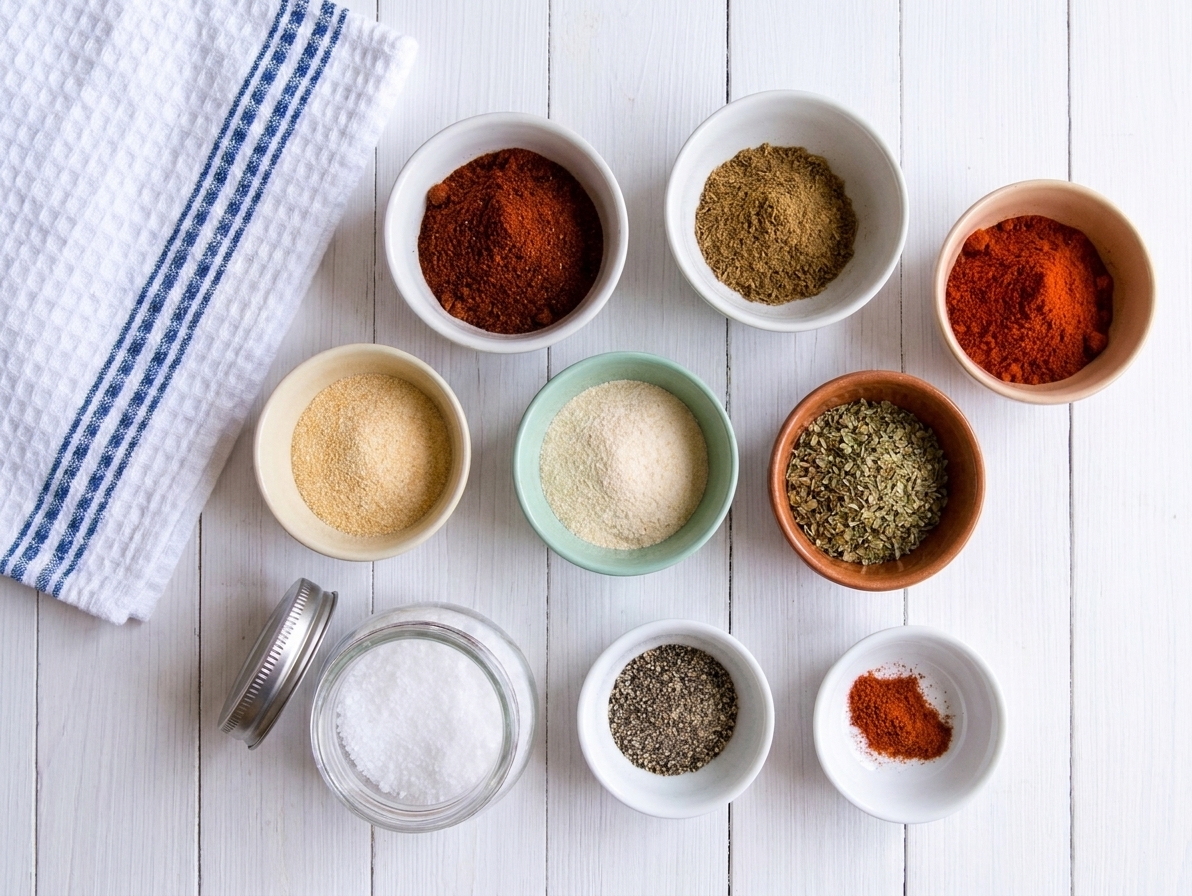
Basically yes, but BBQ rubs are usually built to handle heat and time. They often include sugar for caramelization, paprika for color, and enough salt to season bigger cuts evenly.
Do I need to add salt to a dry rub?
I recommend it. Salt helps the rub actually season the meat, not just sit on the surface tasting like spices. If you are on a low-sodium plan, you can cut the salt in half and finish with a little flaky salt after cooking.
Will the sugar burn on the grill?
It can if you are cooking hot and fast over direct flame. Two easy fixes: use indirect heat, or reduce the sugar a bit and save any sweet BBQ sauce for the end. If you grill very hot (like for quick burgers or thin chops), you can also try a no-sugar version of this rub.
Can I use this rub as a wet marinade?
Yes. Mix 2 tablespoons rub with 1 tablespoon oil and 1 tablespoon apple cider vinegar (or lime juice). Rub it on and marinate 30 minutes to overnight in the fridge.
What if I do not have smoked paprika?
Use regular paprika and add 1/4 teaspoon ground cumin plus a tiny pinch of chipotle powder if you have it. You will still get a great result.
How long should rub sit on meat before cooking?
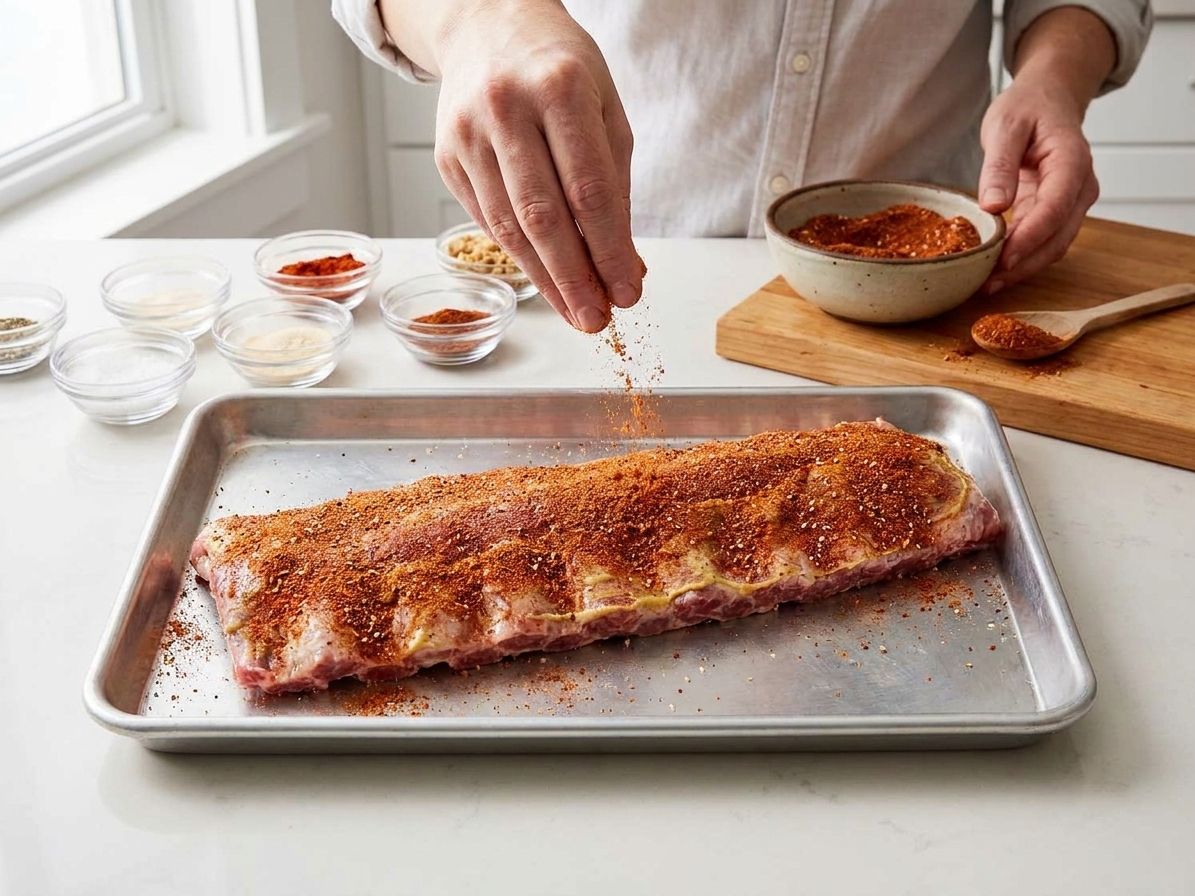
Minimum: 15 minutes while your grill or oven heats. Best: 2 to 12 hours in the fridge so the flavors settle in. Uncovered helps the surface dry for better bark, but you can also leave it loosely covered if your fridge runs dry. Keep meat refrigerated the whole time.
Can I make it low-carb or low-sodium?
Low-carb: omit the brown sugar or use a brown sugar substitute that measures like sugar. Low-sodium: cut the salt in half or make it salt-free and salt the meat separately right before cooking.