Mom's Best Recipes
Recipe

Beef Caldereta

A rich Filipino tomato-braised beef stew with potatoes, carrots, bell pepper, olives, and a savory finish from liver spread and cheese.

Author By Matt Campbell
4.8
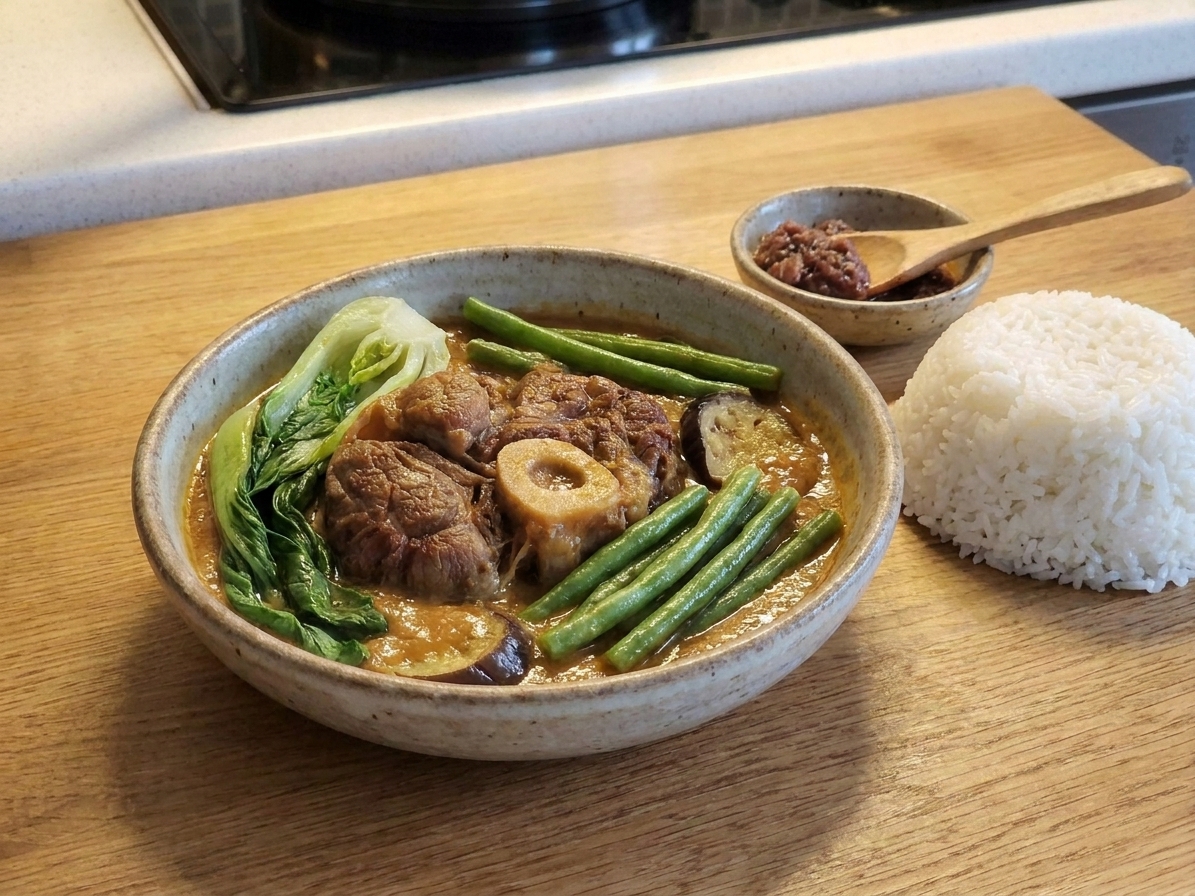
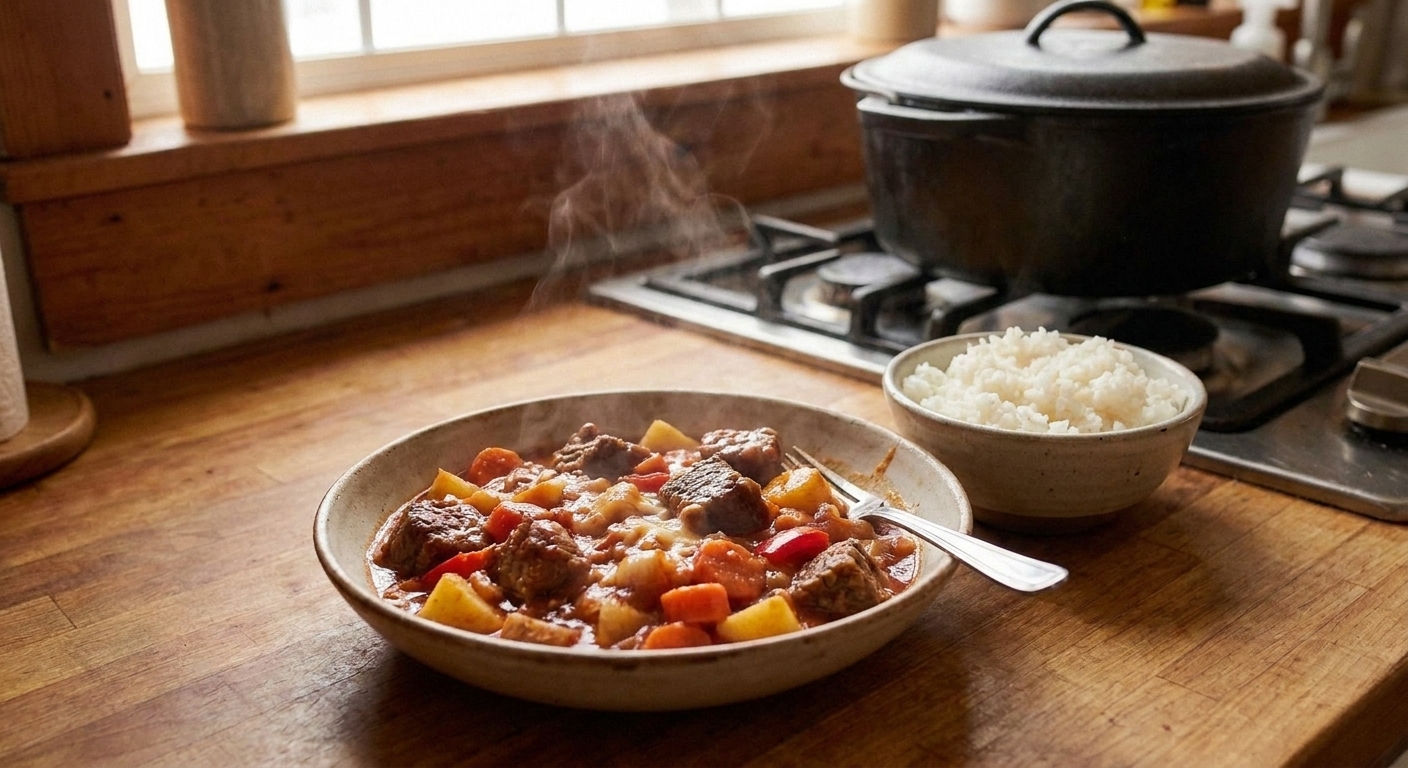
A bowl of Filipino beef caldereta with tender beef chunks, potatoes, carrots, and red bell pepper in a glossy tomato sauce, served with steamed rice on a warm wooden table

Caldereta is the kind of stew that makes you hover over the pot like it’s giving out life advice. It’s rich, tomatoey, a little briny from olives, and deeply savory thanks to one key ingredient that sounds random until you taste it: liver spread. Add a small handful of cheese at the end and suddenly the sauce goes from “nice stew” to “wait, why is this so good?”

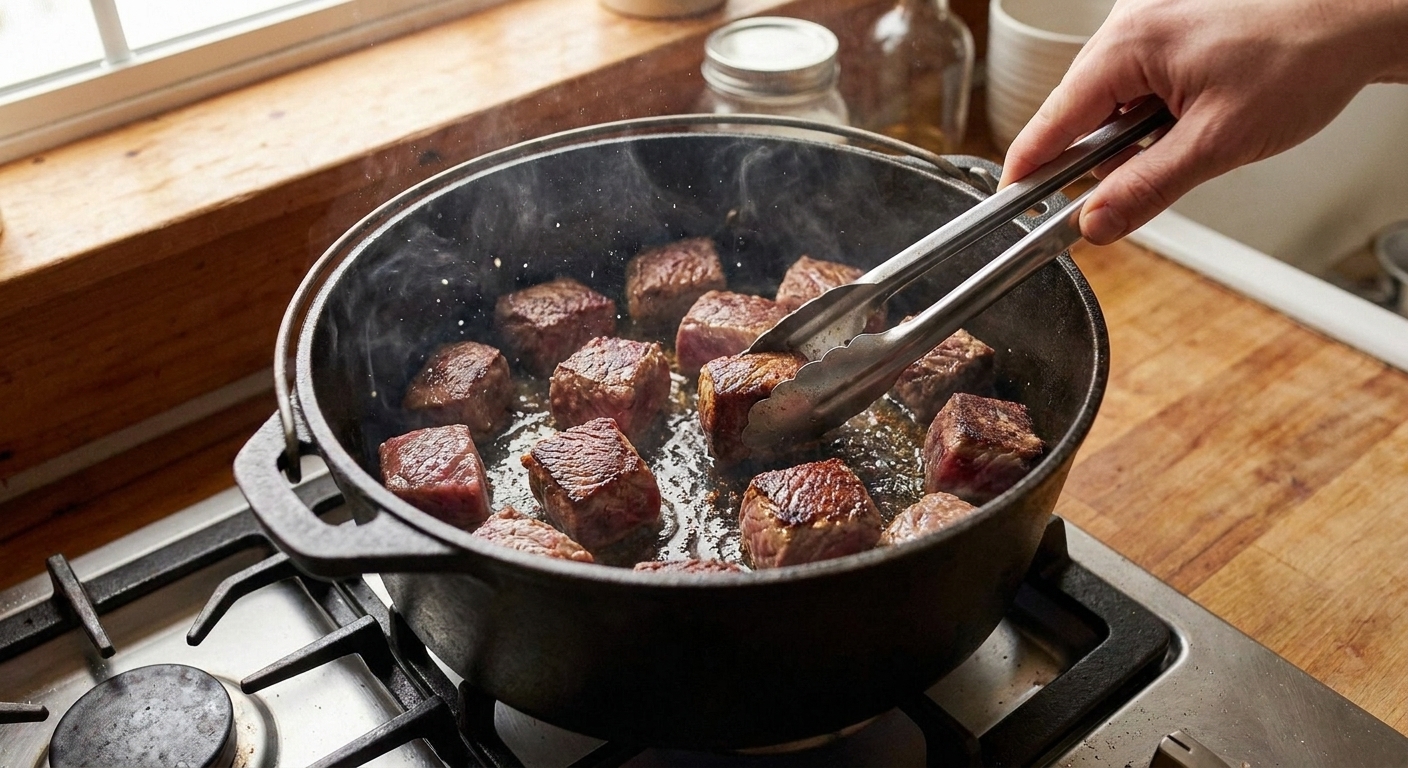
This version keeps the ingredients easy to find and the steps low drama. We brown the beef, build a bold sauce, then simmer until the meat is tender enough to cut with a spoon. It’s the definition of cozy, and it absolutely wants a big scoop of rice.

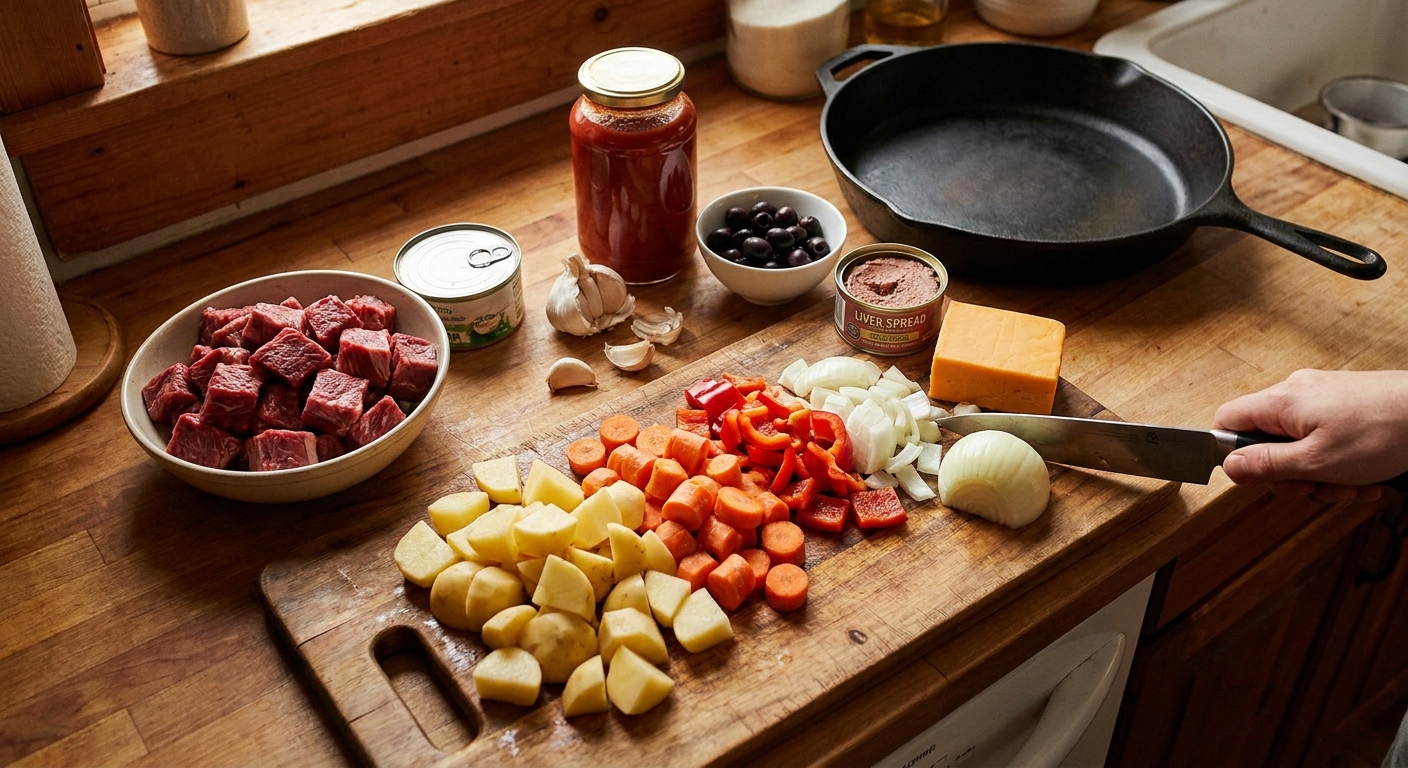
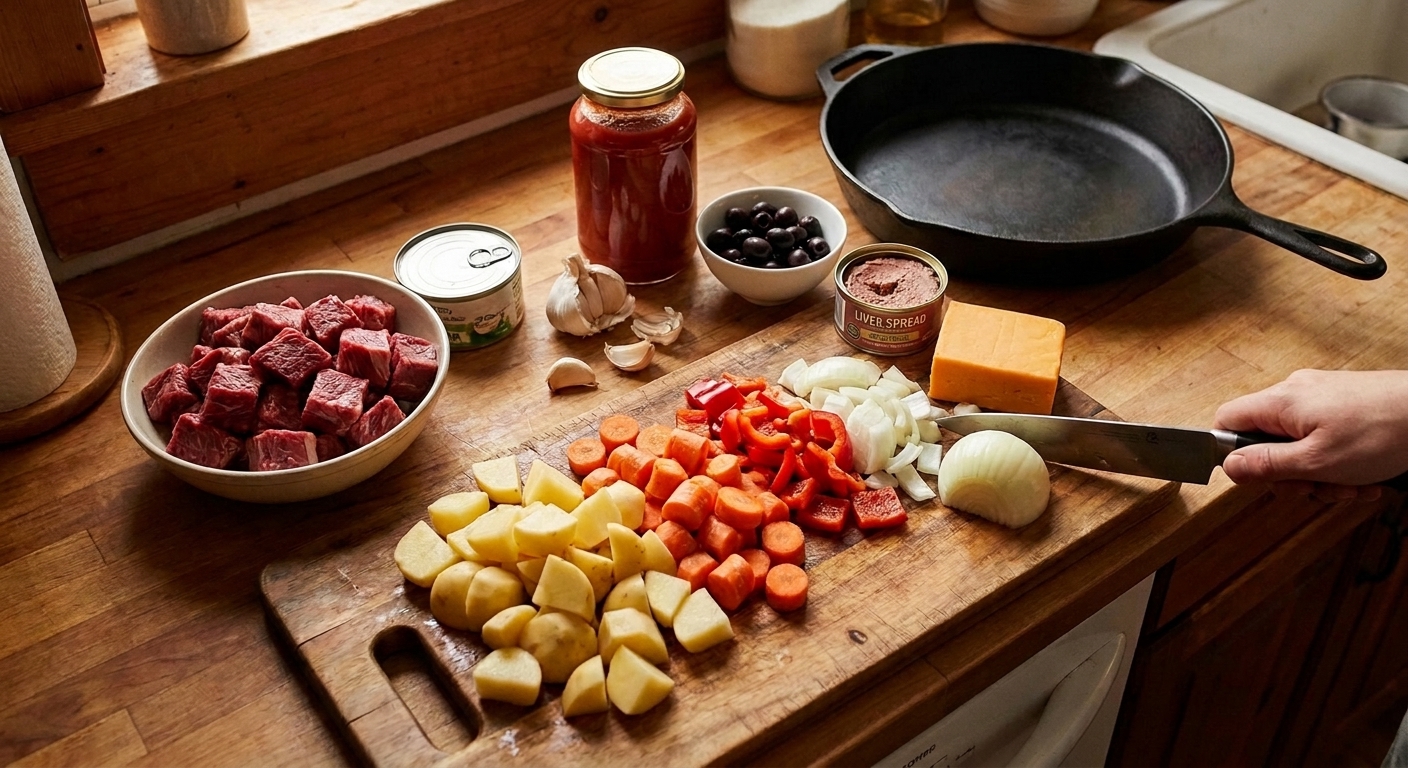
A cutting board and counter with beef chuck, potatoes, carrots, red bell pepper, onion, garlic, tomato sauce, olives, liver spread, and cheddar laid out before cooking

Why It Works

  • Big flavor without mystery. Tomato sauce, soy sauce, and a little vinegar make a punchy braise that tastes layered, not flat.
  • Tender beef, not chewy beef. We use chuck and give it time. That’s the whole secret.
  • The classic caldereta finish. Liver spread adds depth and a subtle, savory sweetness. Cheese melts in to round the sauce and make it cling to everything.
  • Vegetables that hold their shape. Potatoes and carrots go in after the beef starts to tenderize, so they don’t turn to mush.

Pairs Well With

Storage Tips

Refrigerate: Cool caldereta completely, then store in an airtight container for up to 4 days. The flavor gets even better overnight.

Freeze: Freeze in portioned containers for up to 3 months. Potatoes can soften a bit after freezing, but the sauce and beef reheat beautifully.

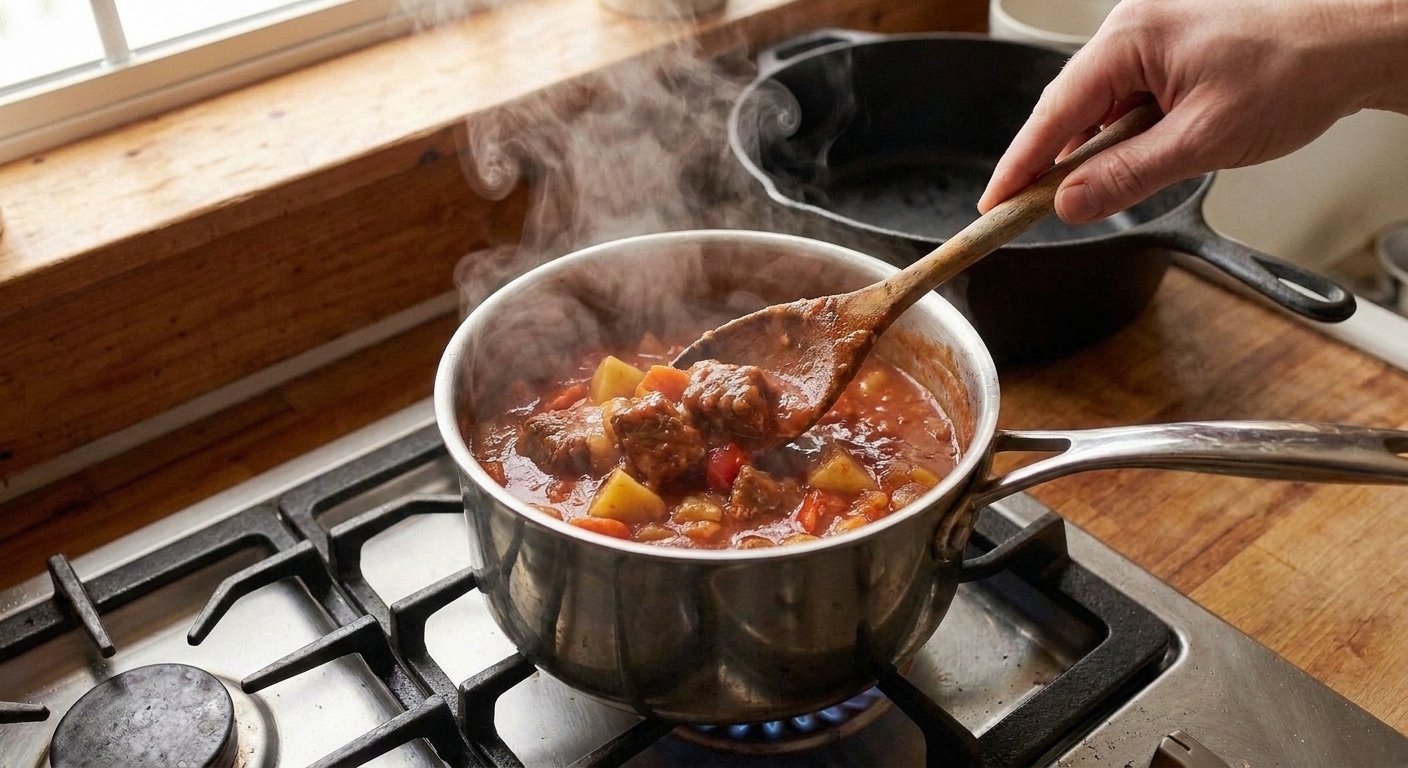
Reheat: Warm gently on the stovetop over medium-low with a splash of water or broth to loosen the sauce. Stir often so the cheese-enriched sauce doesn’t stick. Microwave works too, but do it in short bursts and stir in between.

A saucepan on the stove with leftover beef caldereta being reheated, a wooden spoon stirring the thick tomato sauce as steam rises

Common Questions

What cut of beef is best for caldereta?

Beef chuck is the sweet spot: good marbling, stays juicy, and turns tender with a simmer. Brisket works too. If you use a lean cut, it can dry out before it gets tender.

Do I have to use liver spread?

It’s traditional and it gives caldereta its signature depth. If you can’t find it, you can still make a tasty tomato-braised stew. Try adding 1 to 2 teaspoons fish sauce or a little extra soy sauce for a savory boost. It won’t taste exactly the same, but it’ll still be delicious.

Why add vinegar?

A small amount brightens the sauce and keeps the richness in check. It shouldn’t taste sour. If it tastes too sharp, you may have added a bit too much vinegar, or the sauce just needs balancing and a little more time to simmer. Add a pinch of sugar, a little more tomato sauce, or a splash more broth to round it out.

Can I make caldereta in a pressure cooker or Instant Pot?

Yes. Brown the beef using Sauté, build the sauce, then pressure cook on High for 35 minutes with a natural release for 10 minutes. If the beef isn’t tender enough, pressure cook 5 to 10 minutes more. Simmer potatoes and carrots on Sauté until tender, then stir in liver spread and cheese at the end.

What cheese works best?

Cheddar is easy and tasty, but quick-melt cheeses like Eden also feel very classic here. If you’re using a very sharp cheddar, start with a little less and add more to taste.

Do I have to add olives?

Nope. Olives add that briny pop, but if your crew is not into them, leave them out. You can add a tiny splash of soy sauce at the end to make up a little of that salty punch.

What should the sauce taste like?

Tomato-forward, savory, slightly salty, and a little briny from olives, with a rounded finish from liver spread and cheese. If it tastes dull, add a pinch of salt, a splash of soy sauce, or a squeeze of lemon at the end.

Troubleshooting: my sauce is too thin or too thick

Too thin: simmer uncovered for 5 to 10 minutes at the end to reduce. Too thick: splash in a bit of broth or water and stir. Tastes a little bitter or metallic: give it a longer simmer and add a pinch of sugar if needed.

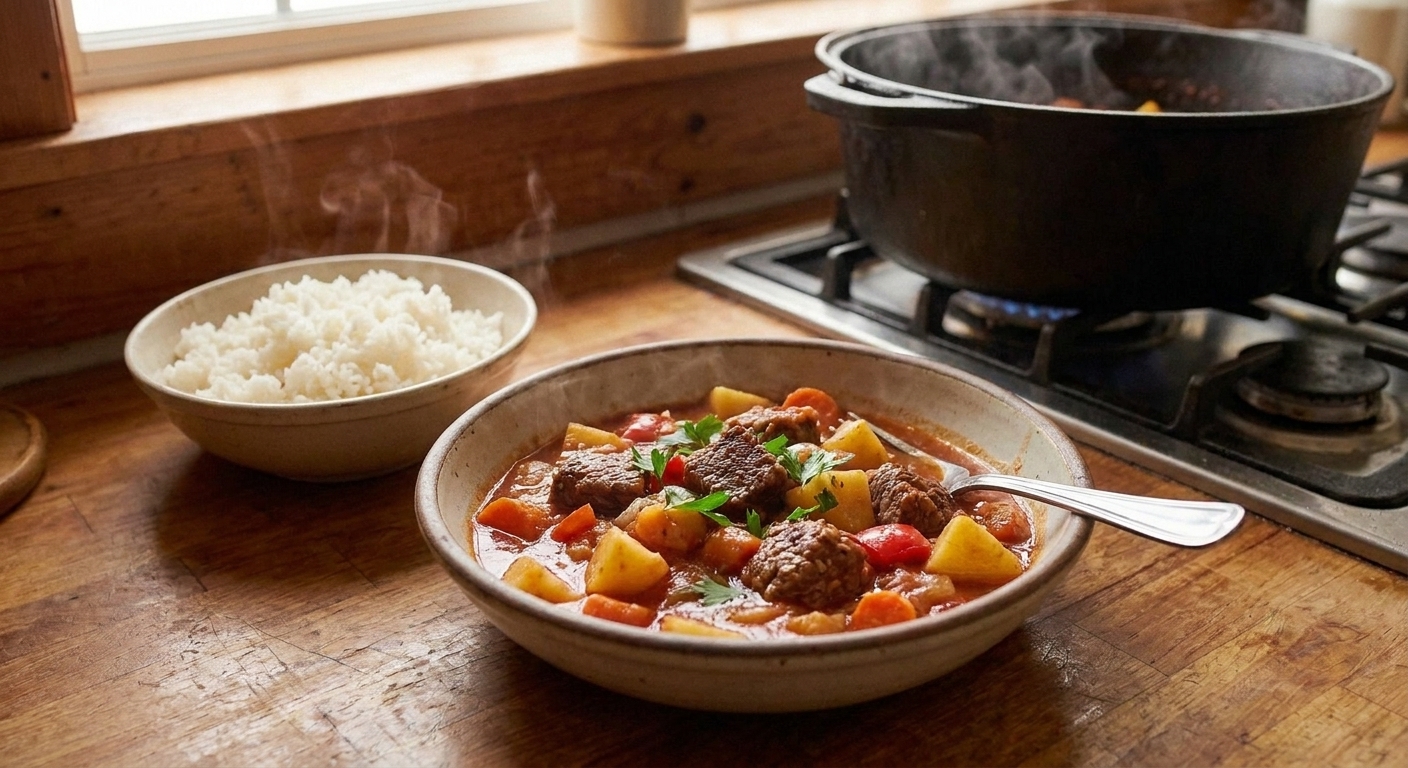
Caldereta is one of those dishes that makes me feel like I’ve got my life together, even if the kitchen looks like a small, delicious tornado hit it. The first time I made it, I was suspicious of the liver spread. Then I tasted the sauce and immediately got why people swear by it. It’s not loud. It’s just this deep, savory bass note that makes the whole pot taste like it’s been simmering since sunrise. Now it’s my go-to when I want comfort food that still feels a little special.