Mom's Best Recipes
Recipe

Beef Lo Mein

Saucy noodles, tender beef, and crisp veggies in a glossy homemade lo mein sauce.

Author By Matt Campbell
4.8
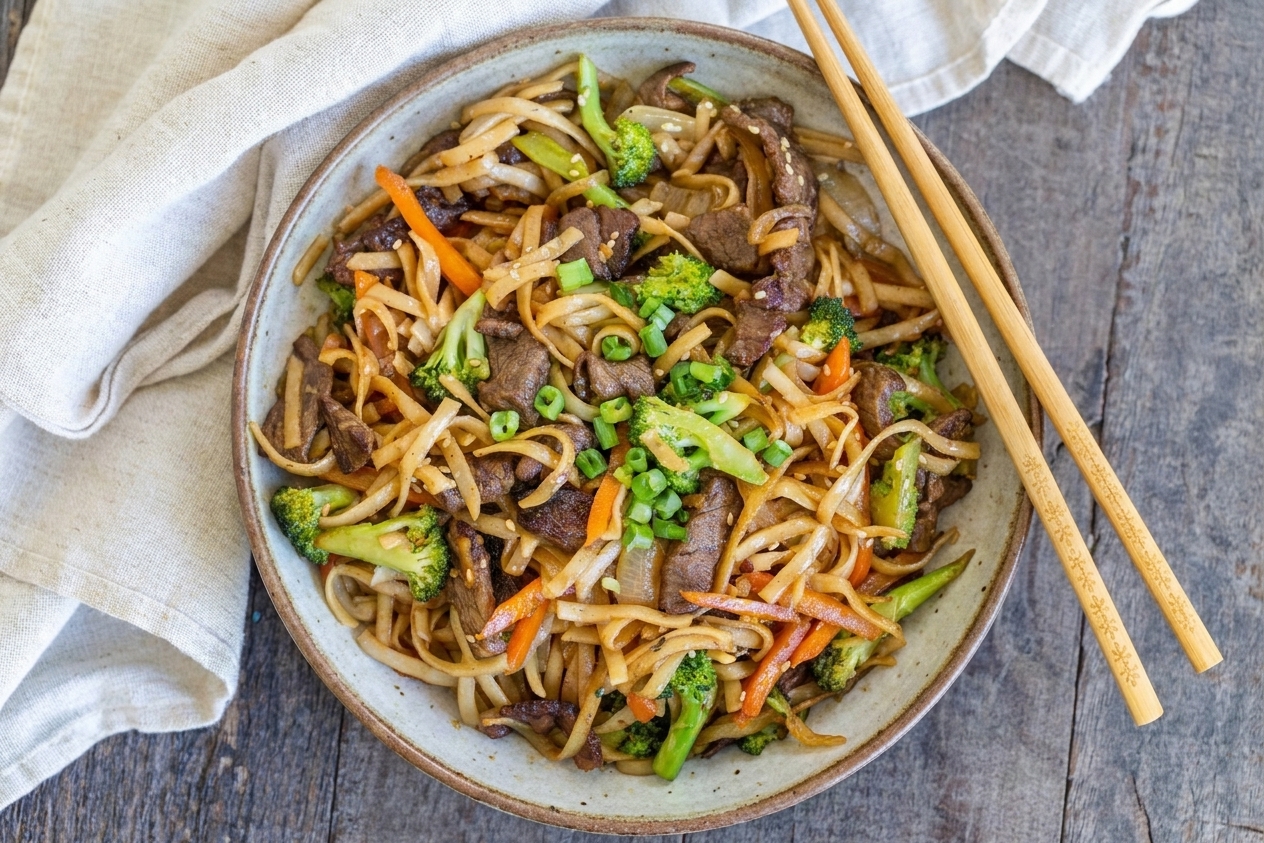
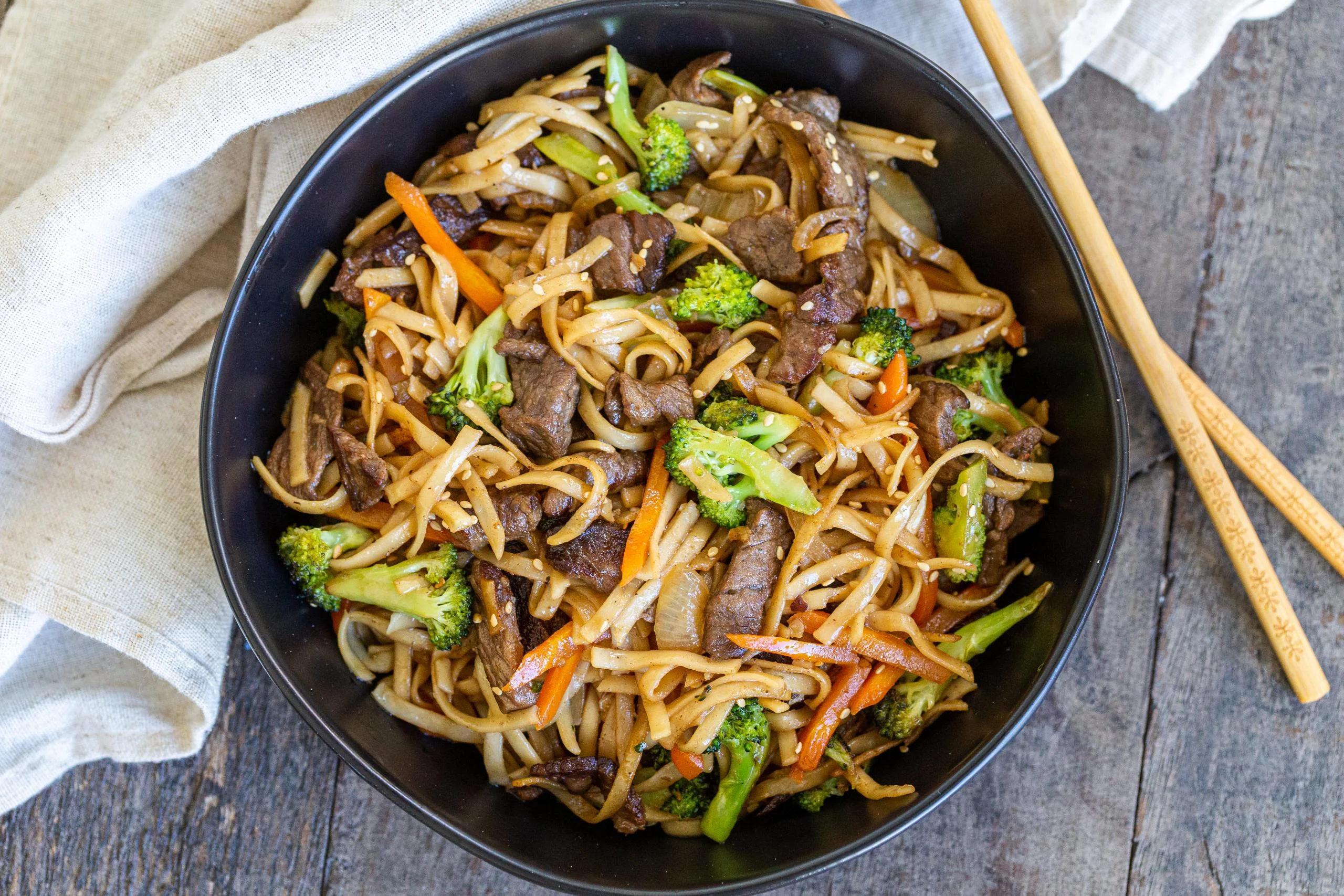
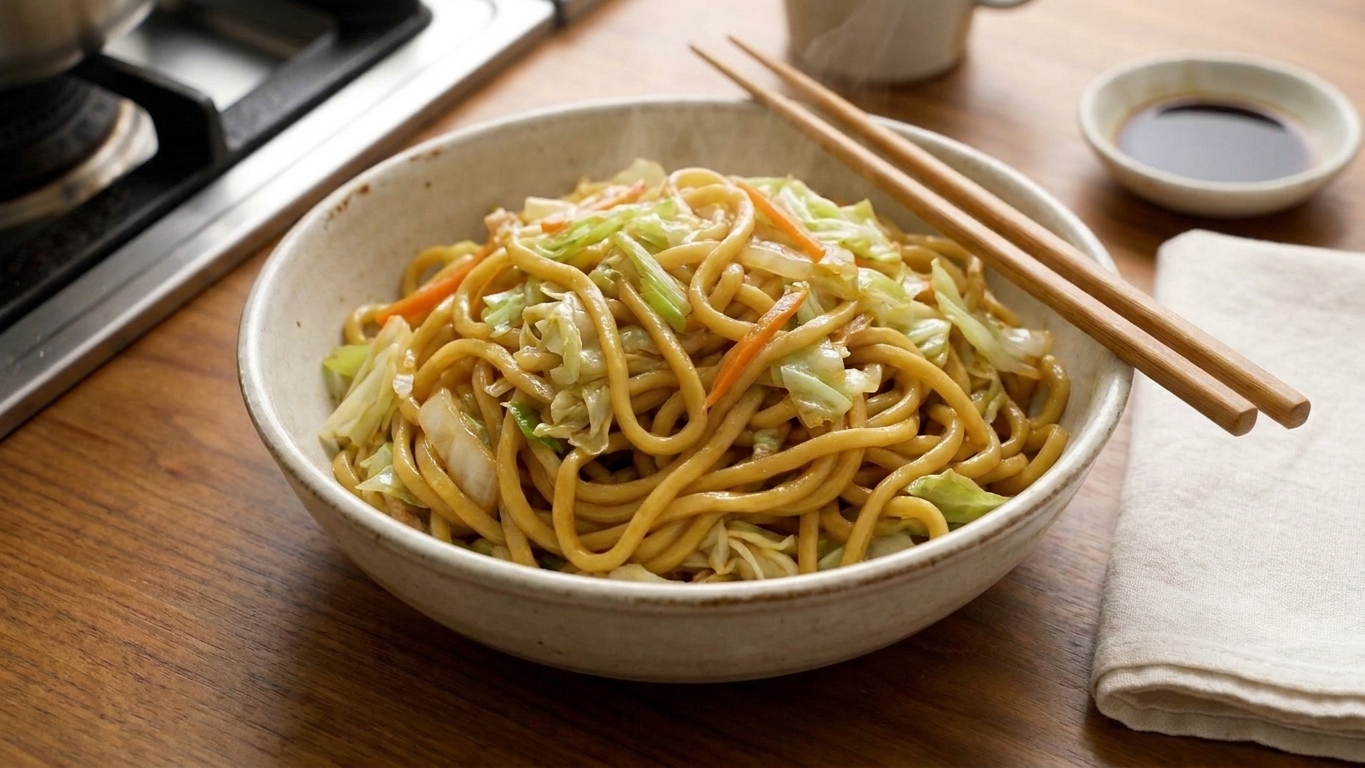
A large bowl of beef lo mein with glossy noodles, seared slices of beef, broccoli, carrots, and scallions on a wooden table with chopsticks

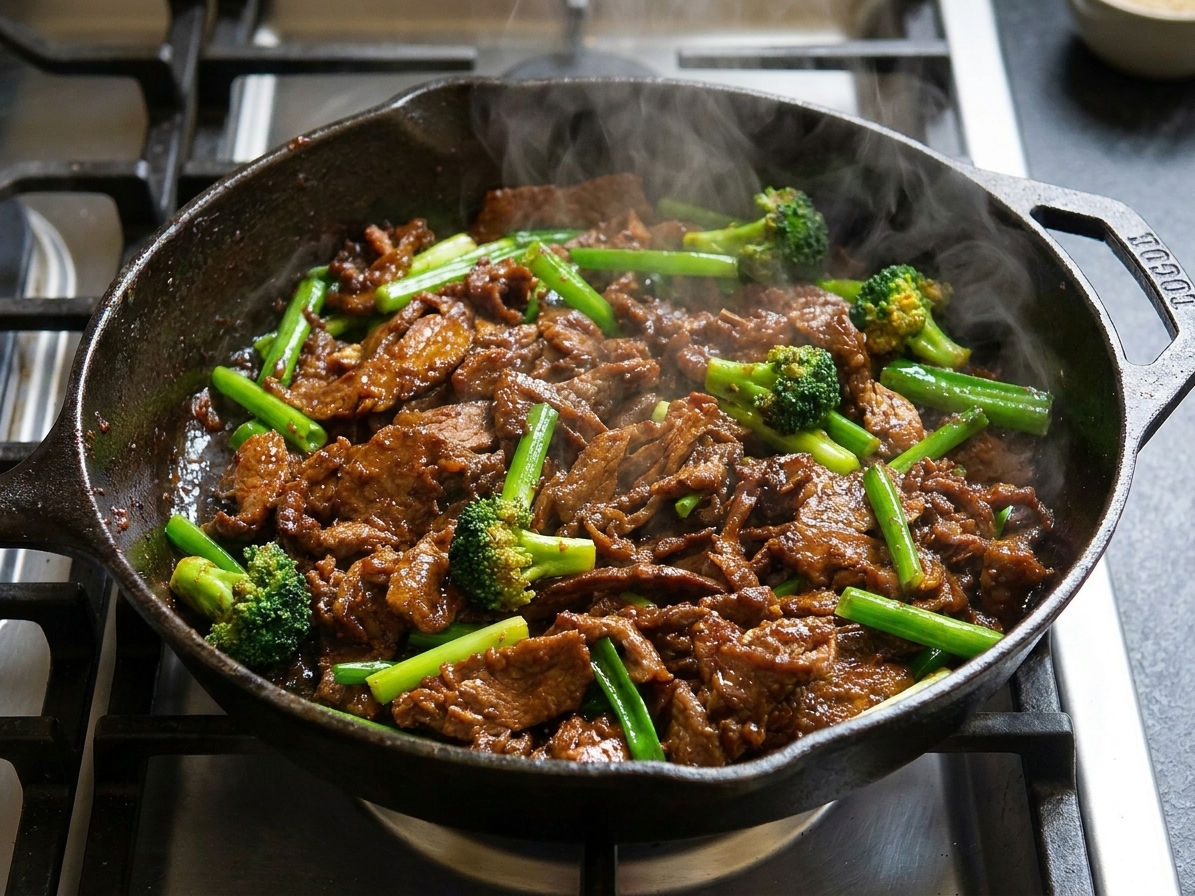
If takeout lo mein is your comfort food love language, this is the at-home version that actually hits. We're talking slick noodles that cling to a savory-sweet sauce, beef with browned edges, and vegetables that stay bright and crisp-tender instead of going sleepy and soft.

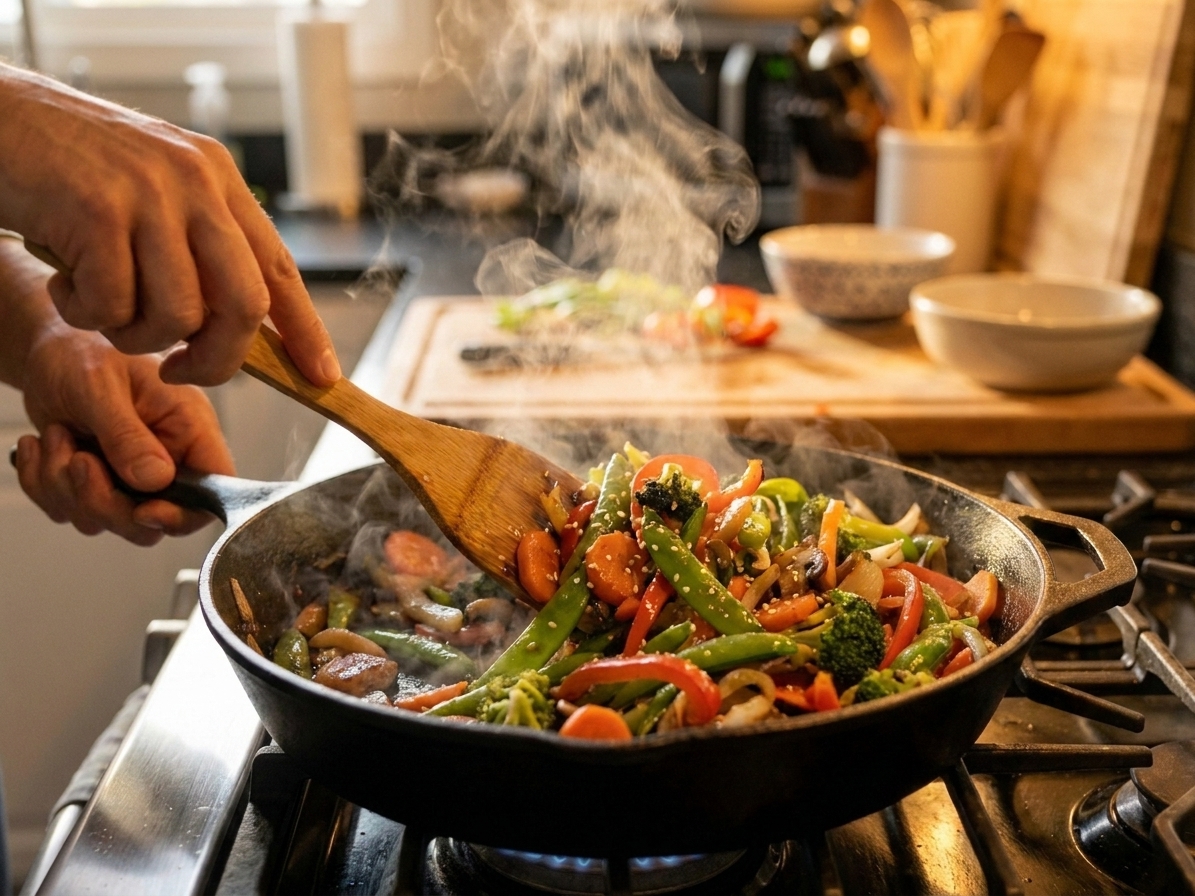
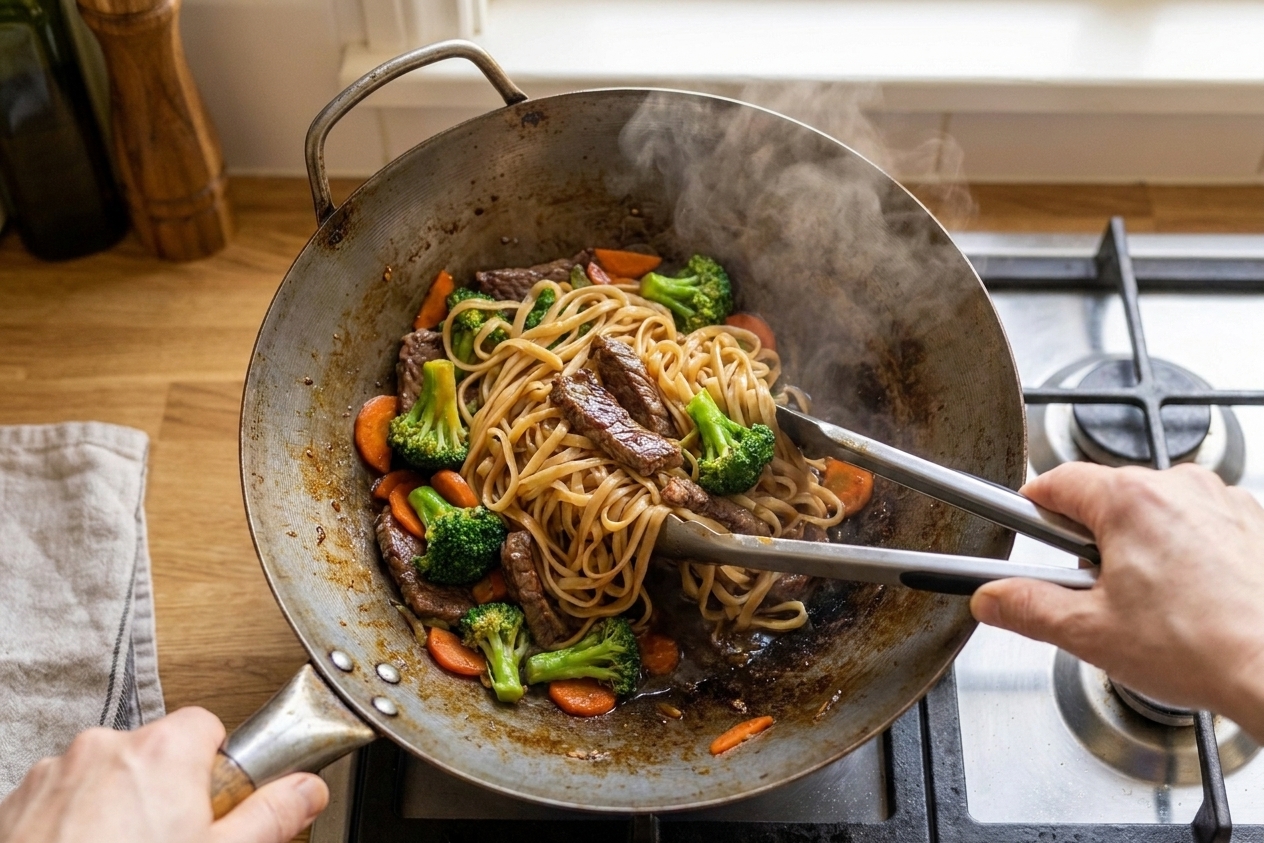
The secret isn't complicated. It's timing. We mix the sauce first, cook the noodles just until bouncy, then stir-fry in quick stages so everything keeps its personality. Also, you're going to taste the sauce before it hits the pan. That's not optional. That's the fun part.
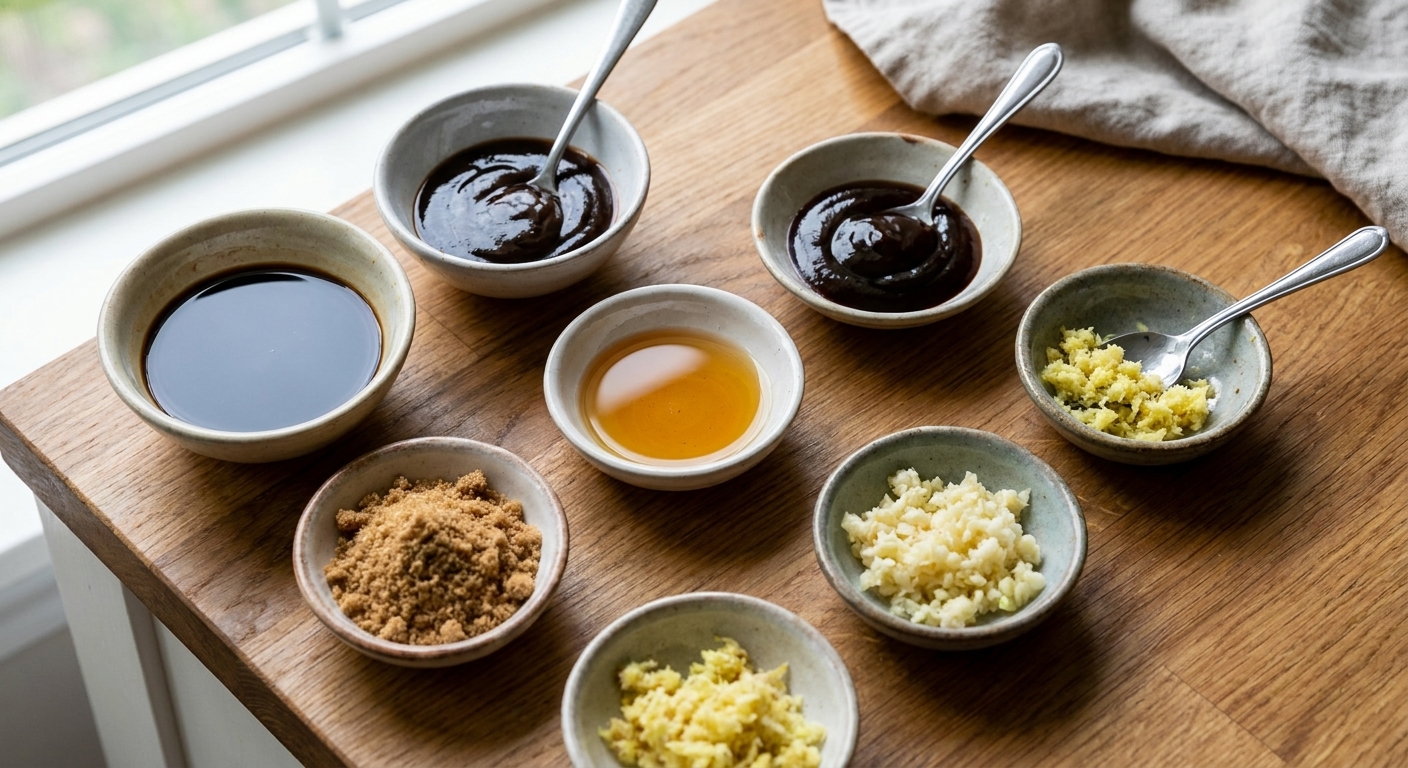
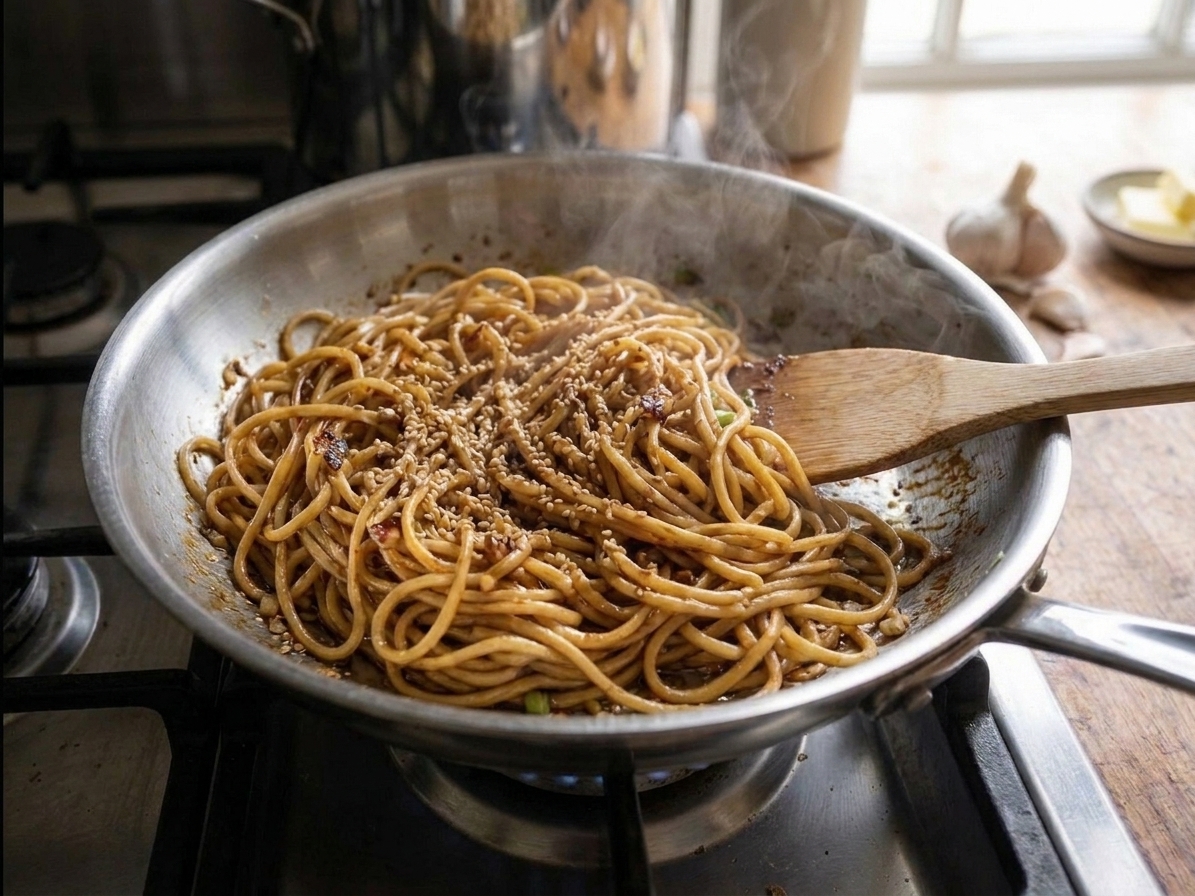
Small bowls of soy sauce, oyster sauce, sesame oil, brown sugar, minced garlic, and grated ginger arranged on a kitchen counter

Why It Works

  • Restaurant-style sauce that is glossy, balanced, and clings to noodles without turning soupy.
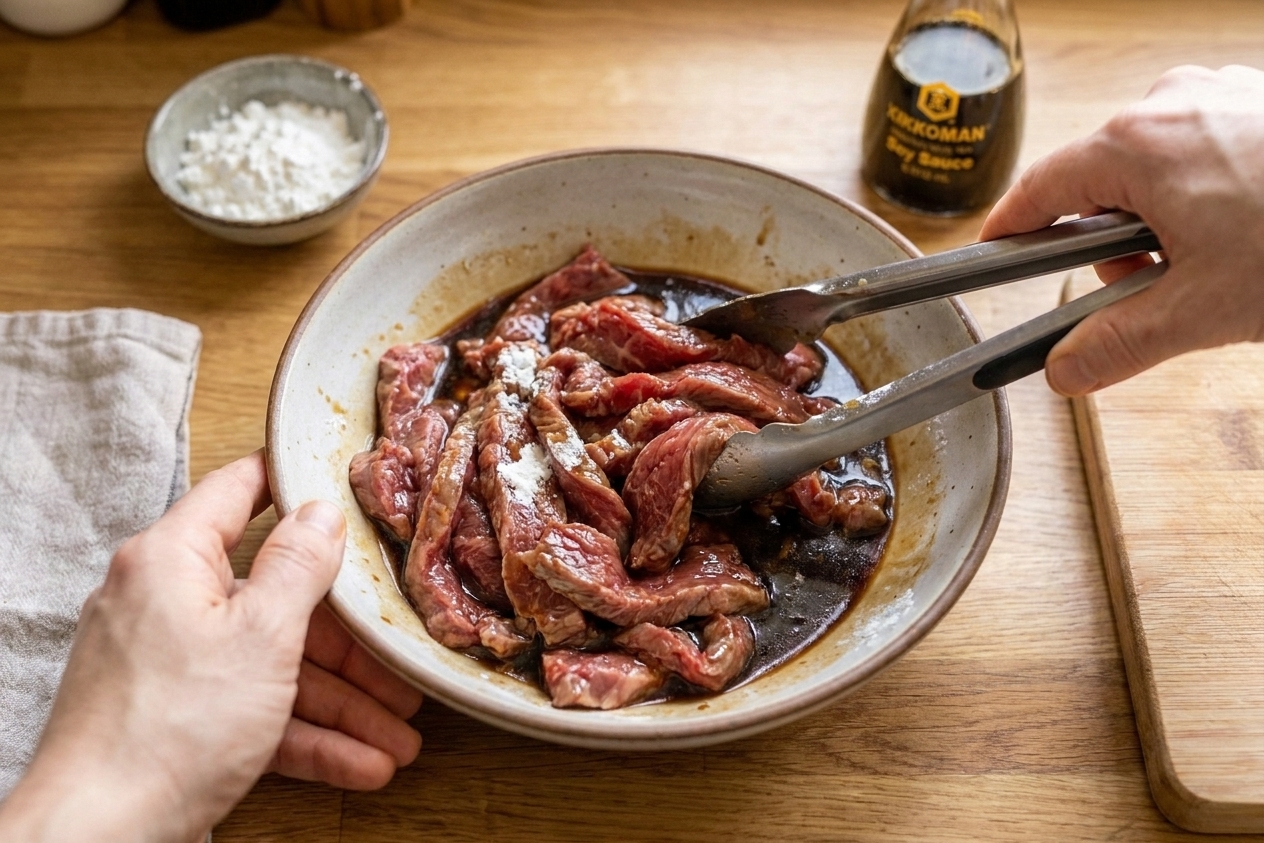
  • Tender beef thanks to a quick cornstarch marinade that helps it stay juicy and soft.
  • Crisp-tender vegetables because we cook them hot and fast, then bring everything together at the end.
  • Flexible and forgiving: swap the veggies, change the heat level, and use what you have.

Pairs Well With

Storage Tips

Refrigerate: Cool completely, then store in an airtight container for up to 4 days.

Reheat: Best in a skillet over medium heat with a splash of water or broth to loosen the sauce. Microwave works too, but stir halfway through and add a tiny splash of liquid so the noodles do not dry out.

Freeze: You can, but noodles soften after thawing. If you do freeze, portion into containers and freeze up to 2 months. Thaw overnight in the fridge and reheat in a skillet.

Common Questions

What noodles should I use for lo mein?

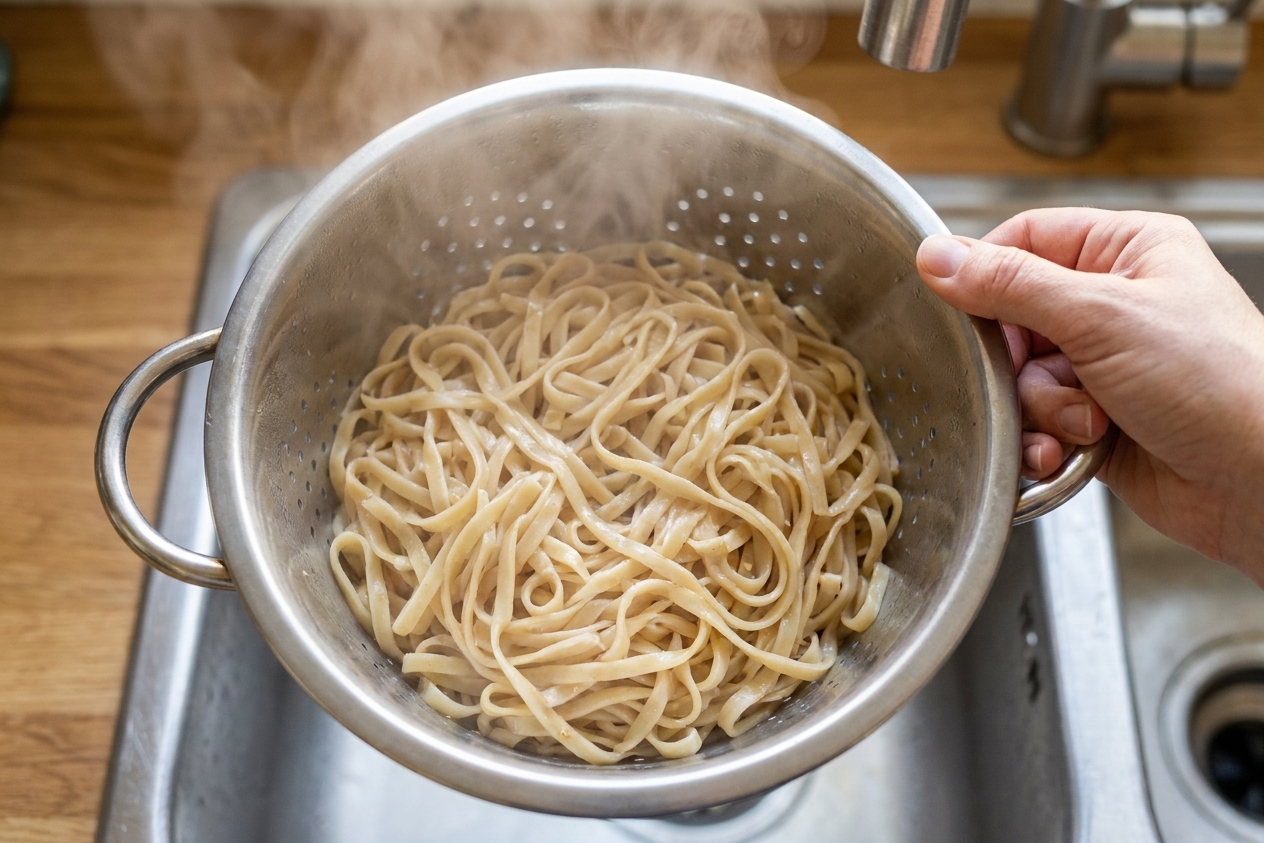
Fresh lo mein noodles are perfect if you can find them, but spaghetti works shockingly well. Use 10 to 12 ounces and cook just until al dente so it does not go mushy in the pan.

How do I keep the beef tender?

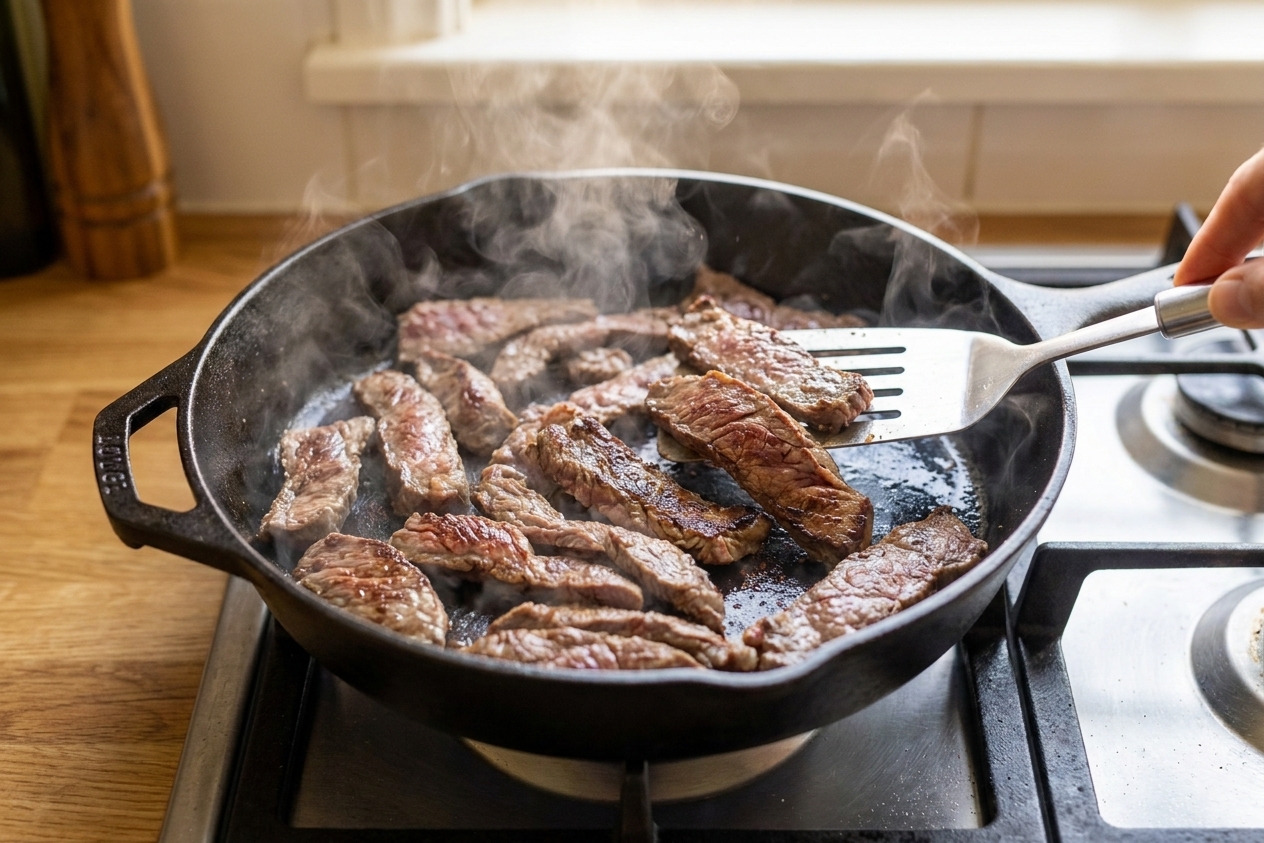
Slice against the grain, keep it thin, and do a quick marinade with cornstarch and soy sauce. That little velveting step helps the beef hold onto moisture and stay tender. Then sear it fast over high heat and pull it out before it overcooks.

Can I make this without oyster sauce?

Yes. Substitute hoisin sauce (a bit sweeter) or use extra soy sauce plus a teaspoon of brown sugar. The flavor will shift, but it will still be delicious.

Why is my lo mein watery?

Usually one of three things: you did not drain noodles well, the pan was not hot enough, or the vegetables released a lot of moisture. Use a big skillet or wok, cook hot and fast, and let excess liquid boil off before adding noodles.

Can I add spice?

Absolutely. Add chili crisp at the end, or stir in 1 to 2 teaspoons sriracha into the sauce. You can also toss in a pinch of crushed red pepper with the garlic.

Lo mein is one of my favorite “save the weeknight” meals because it rewards a little chaos. You can be slightly messy, slightly loud with the heat, and still land the plane. The first time I tried to nail this at home, I made the classic mistake of cooking everything at once and ended up with soft veggies and gray beef. Now I treat it like a tiny assembly line: sauce ready, noodles ready, beef seared and out, veggies quick, then everyone back in the pan for the glossy group hug at the end. It's fast, forgiving, and the leftovers are basically lunch bait.