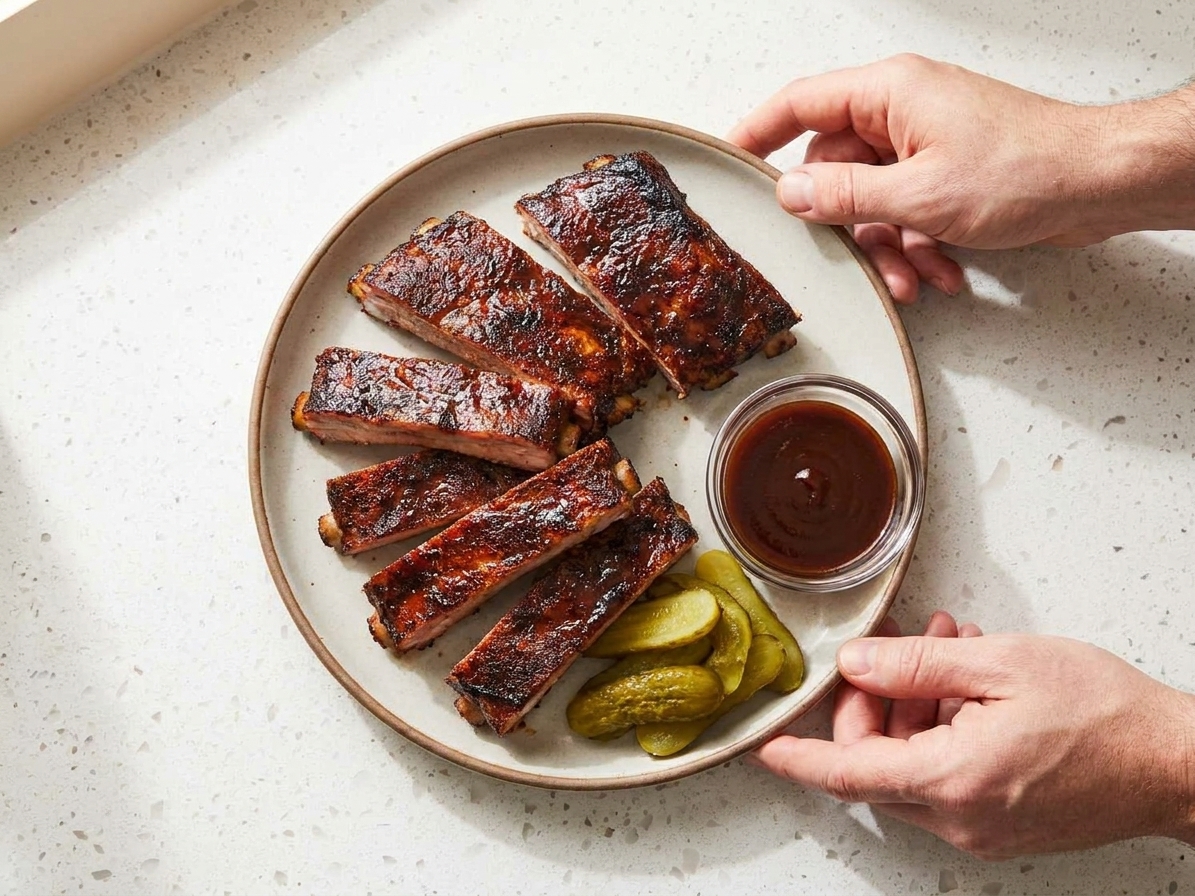
Should I use a binder (mustard, oil, etc.)?
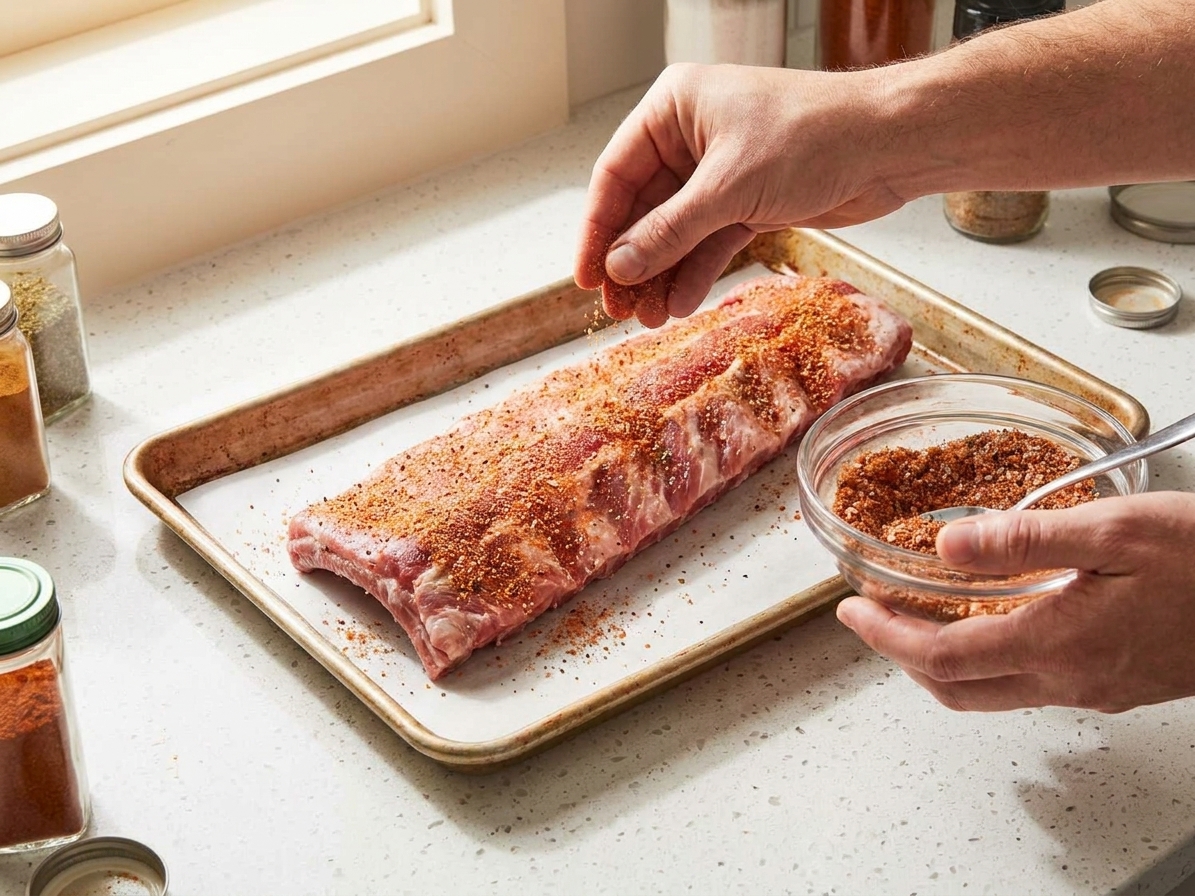
You can, but you don’t have to. The ribs will sweat and the rub will stick. If you want extra insurance, use a thin smear of yellow mustard. It usually won’t make the ribs taste like mustard, it just helps the rub cling.
How much rub do I use per rack?
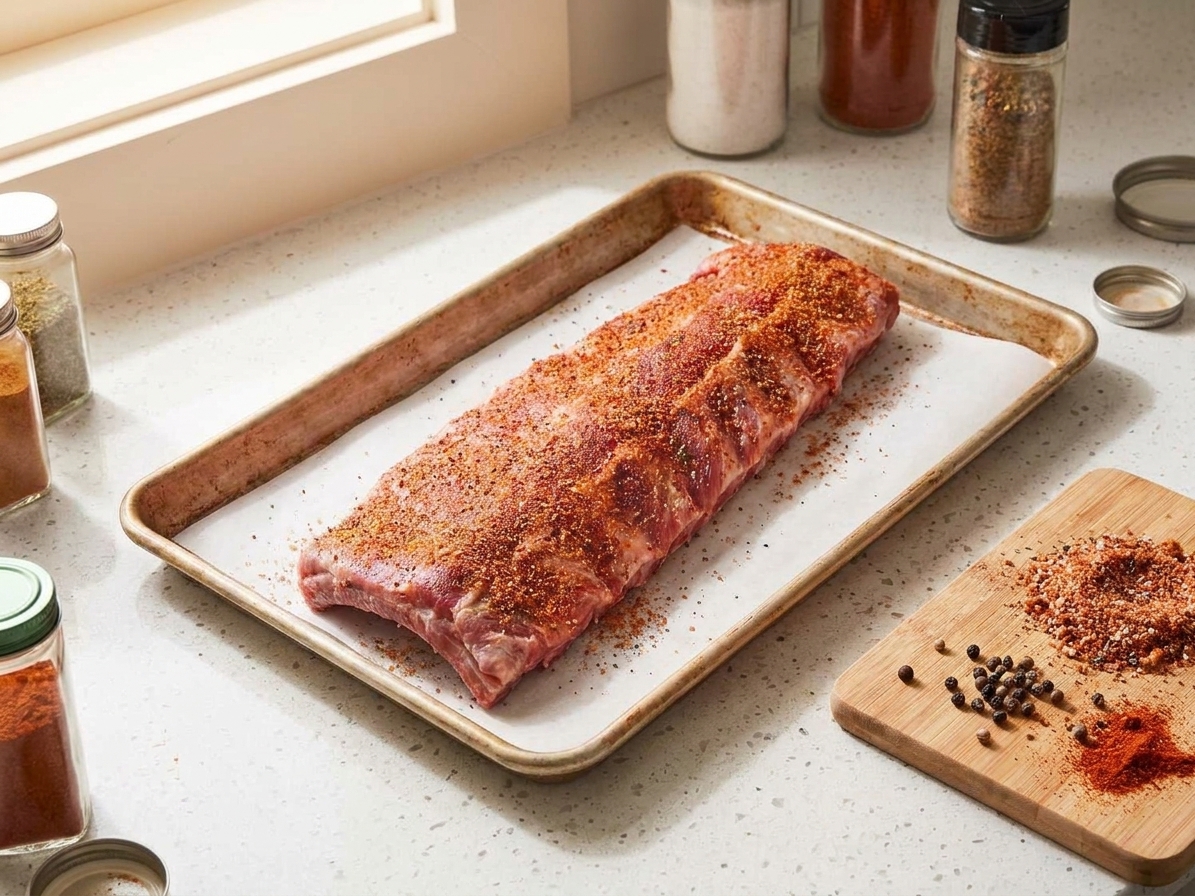
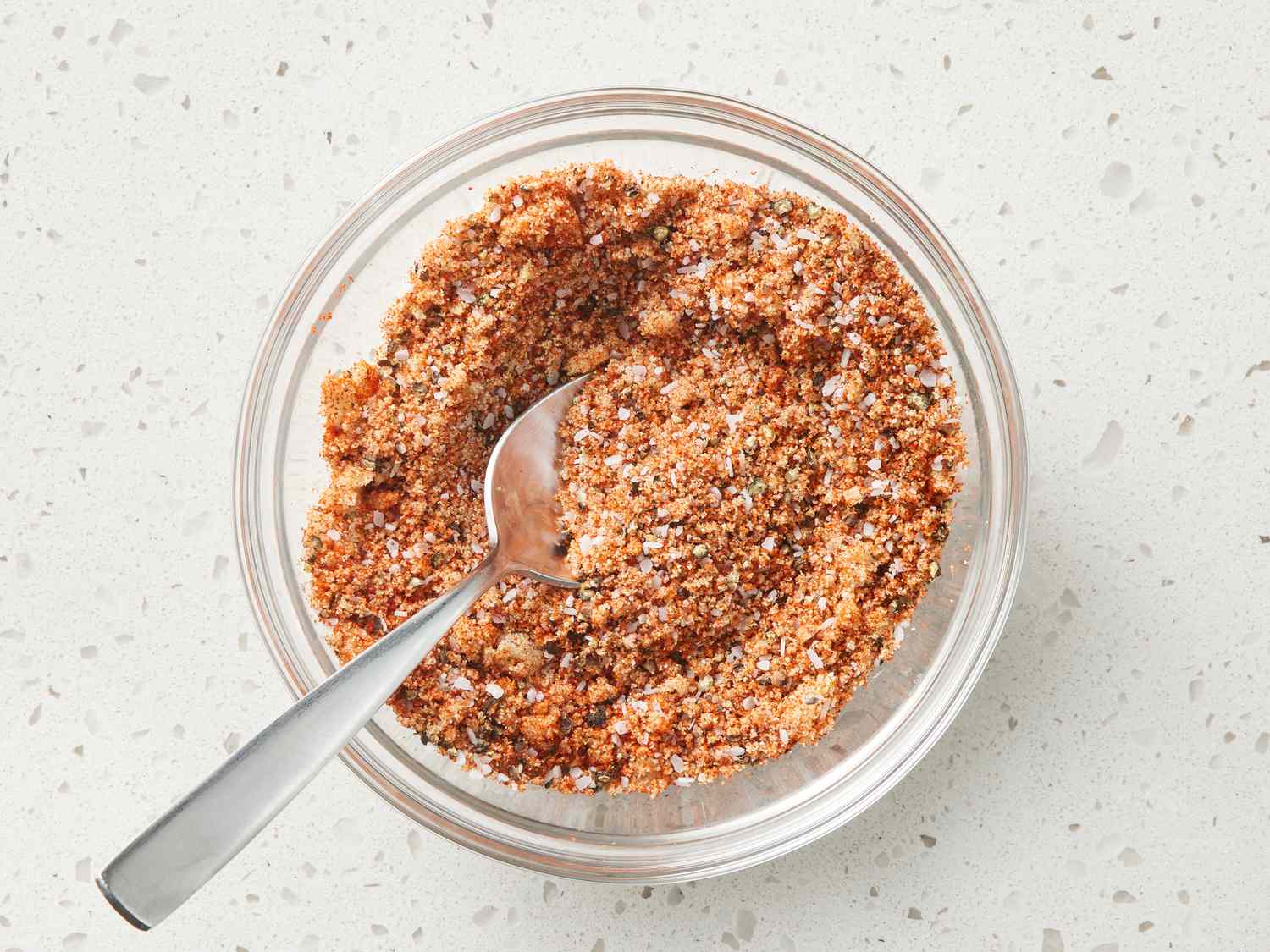
For a full rack, I usually use 2 to 3 tablespoons. You want an even coat, not a furry blanket. Too thick can turn pasty instead of crusty. If you want a more reliable rule, plan on about 1 tablespoon per pound, then adjust to taste.
Can I make it without sugar?
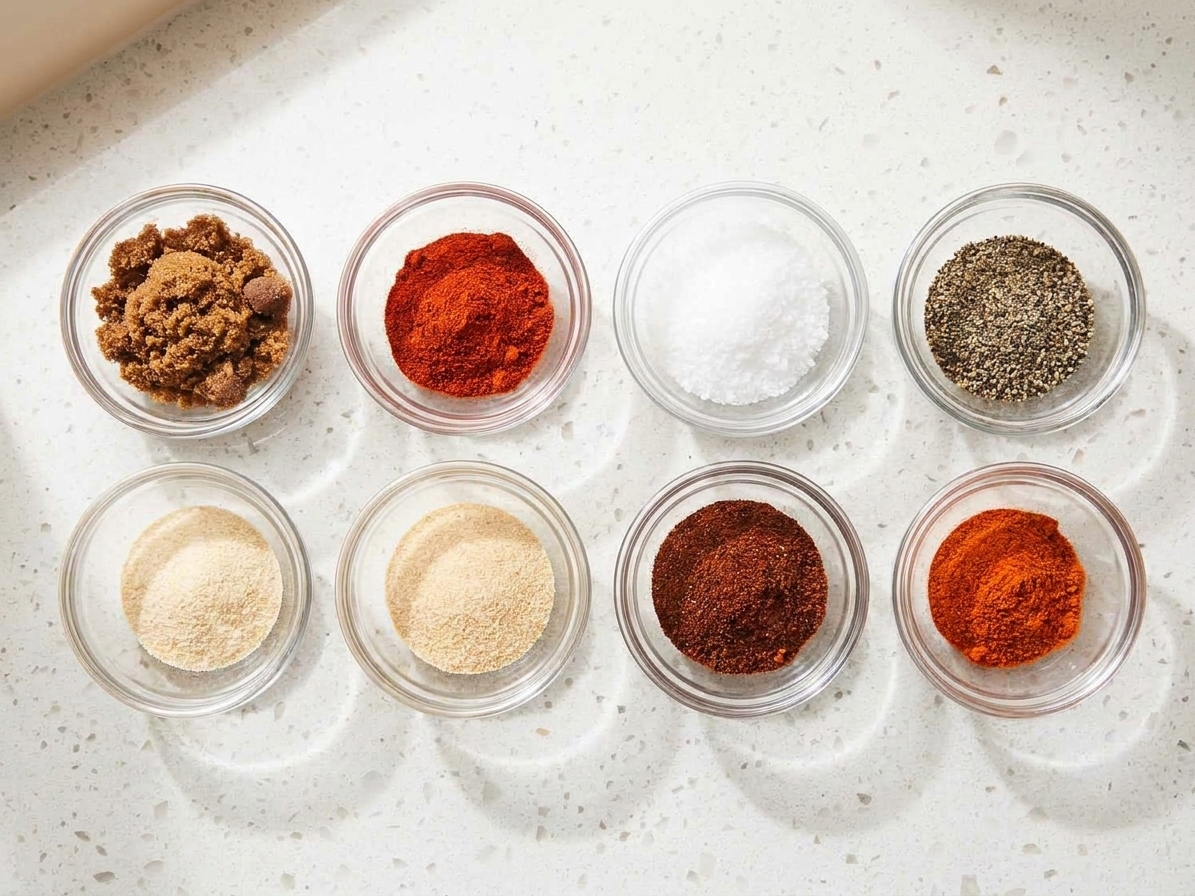
Yes. Swap the brown sugar for sweet paprika plus an extra 1 teaspoon of garlic powder. The crust will be less glossy and less caramel-y, but still delicious. If you’re smoking ribs, sugar-free also lowers the risk of scorching at higher temps.
Is this rub spicy?
With the listed cayenne, it’s a gentle warmth. For mild, cut cayenne to 1/8 teaspoon. For heat lovers, go up to 1 teaspoon and add 1/2 teaspoon crushed red pepper.
Baby backs vs. spare ribs: any changes?
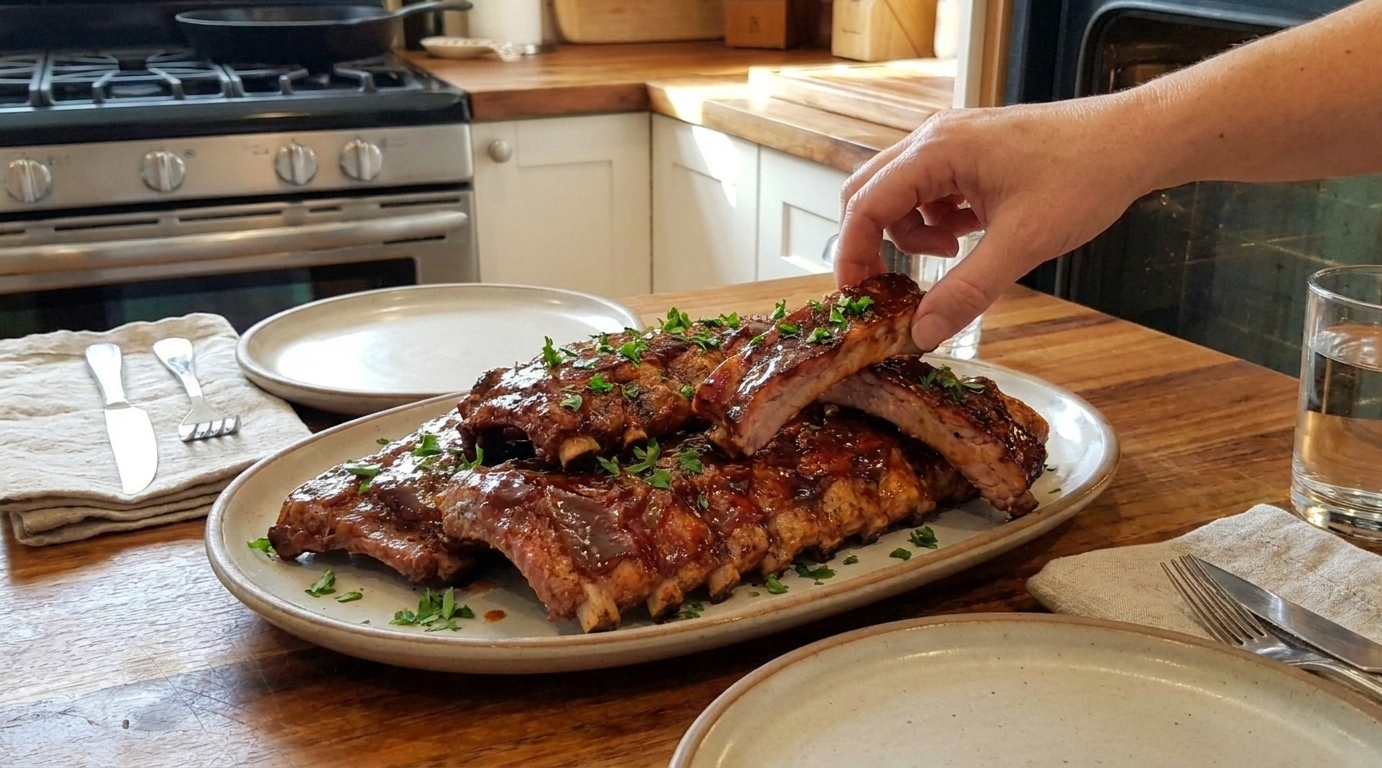
Baby backs are leaner and cook a bit faster, so I keep the rub as written. Spare ribs have more fat and can handle the same rub plus an extra 1/2 teaspoon black pepper for a slightly deeper bite.
Do I need to remove the membrane?
Highly recommended. It blocks seasoning and can turn leathery. Slide a butter knife under it, grab with a paper towel, and peel it off.
Can I use table salt instead of kosher salt?
You can, but reduce the amount. Kosher salt crystals vary by brand, too. As a rough guide: 1 tablespoon Diamond Crystal kosher is less salty than 1 tablespoon Morton kosher. If you’re using Morton, start with 2 teaspoons, mix, then adjust after a quick taste.