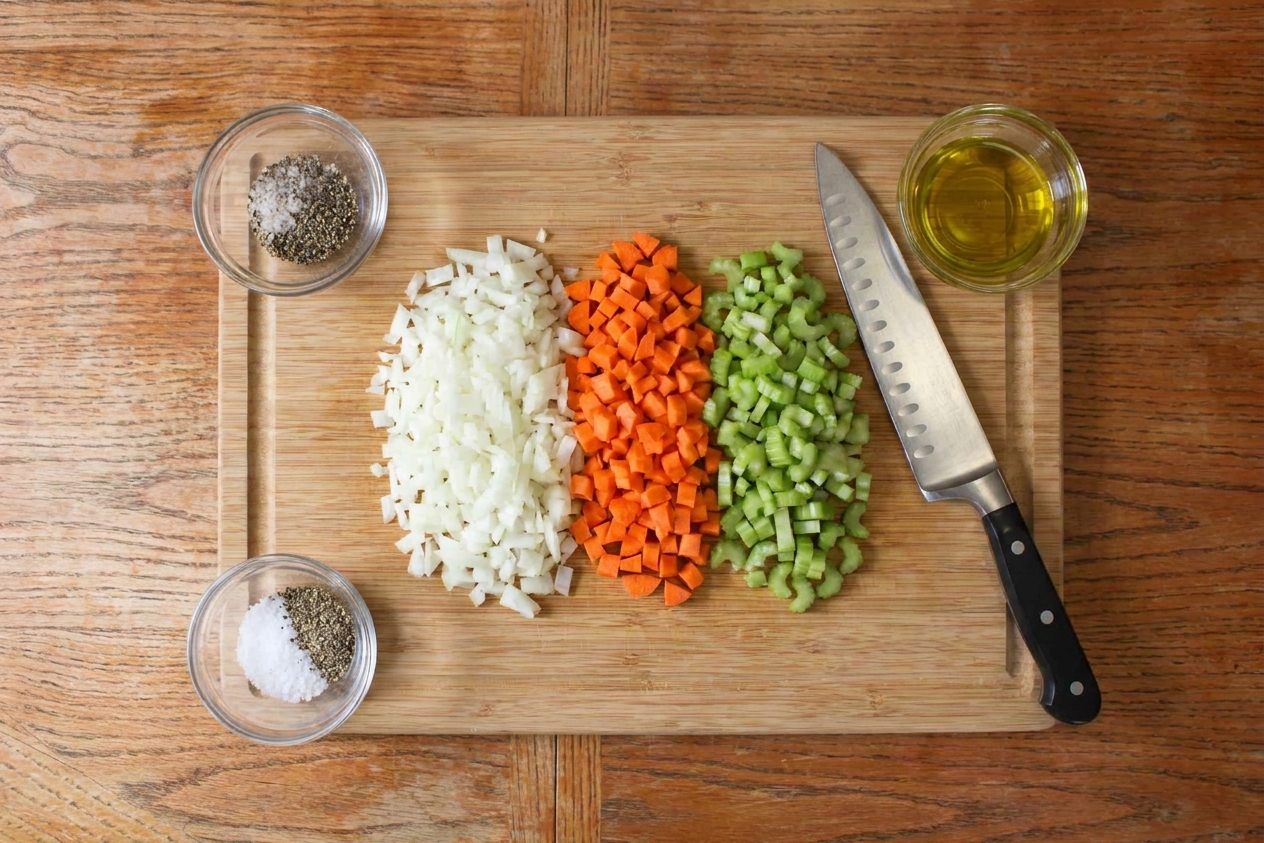
1) Build the ragù
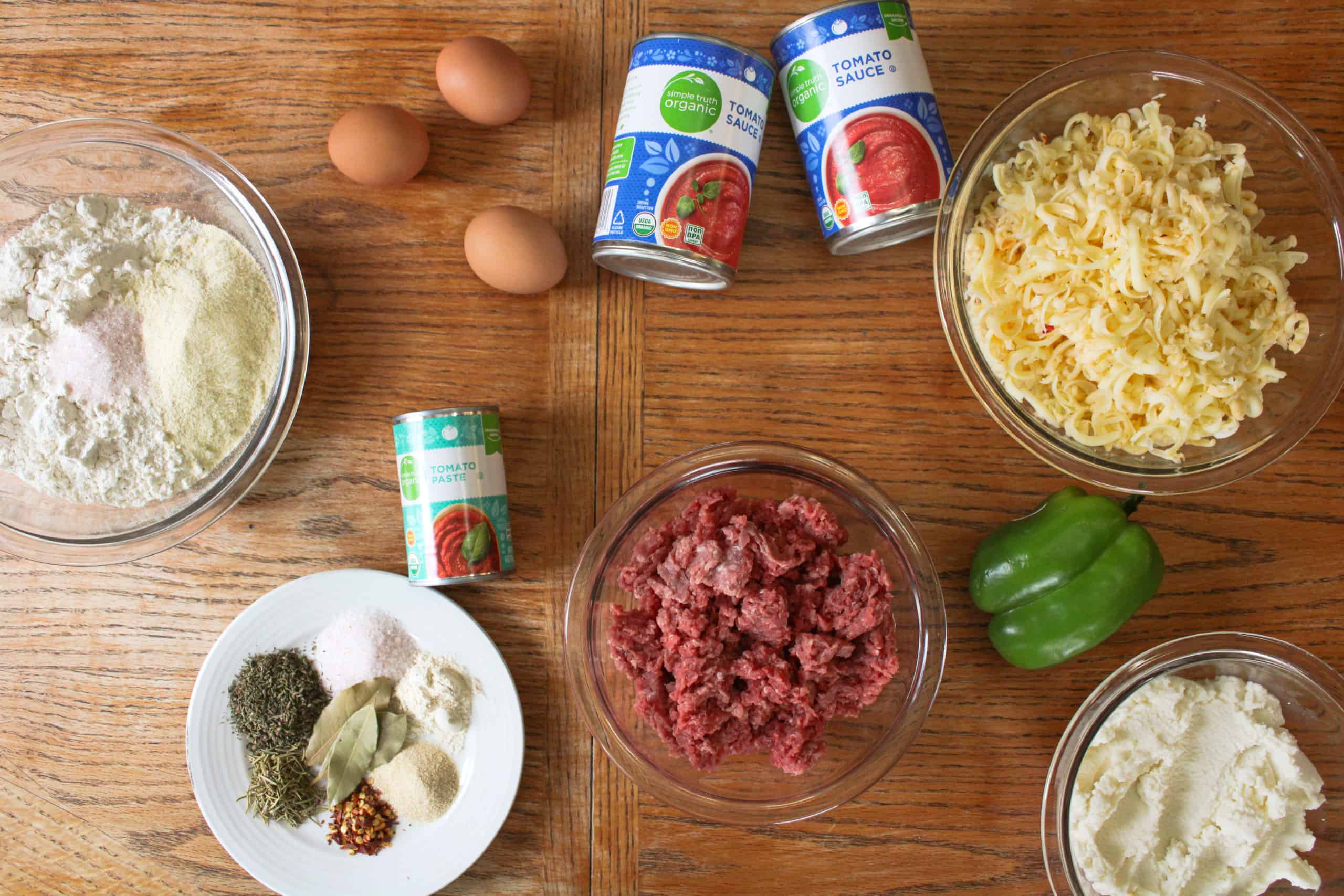
Heat olive oil in a large pot over medium heat. Add onion, carrots, and celery. Cook 8 to 10 minutes, stirring, until softened and lightly golden. Add garlic and cook 30 seconds.
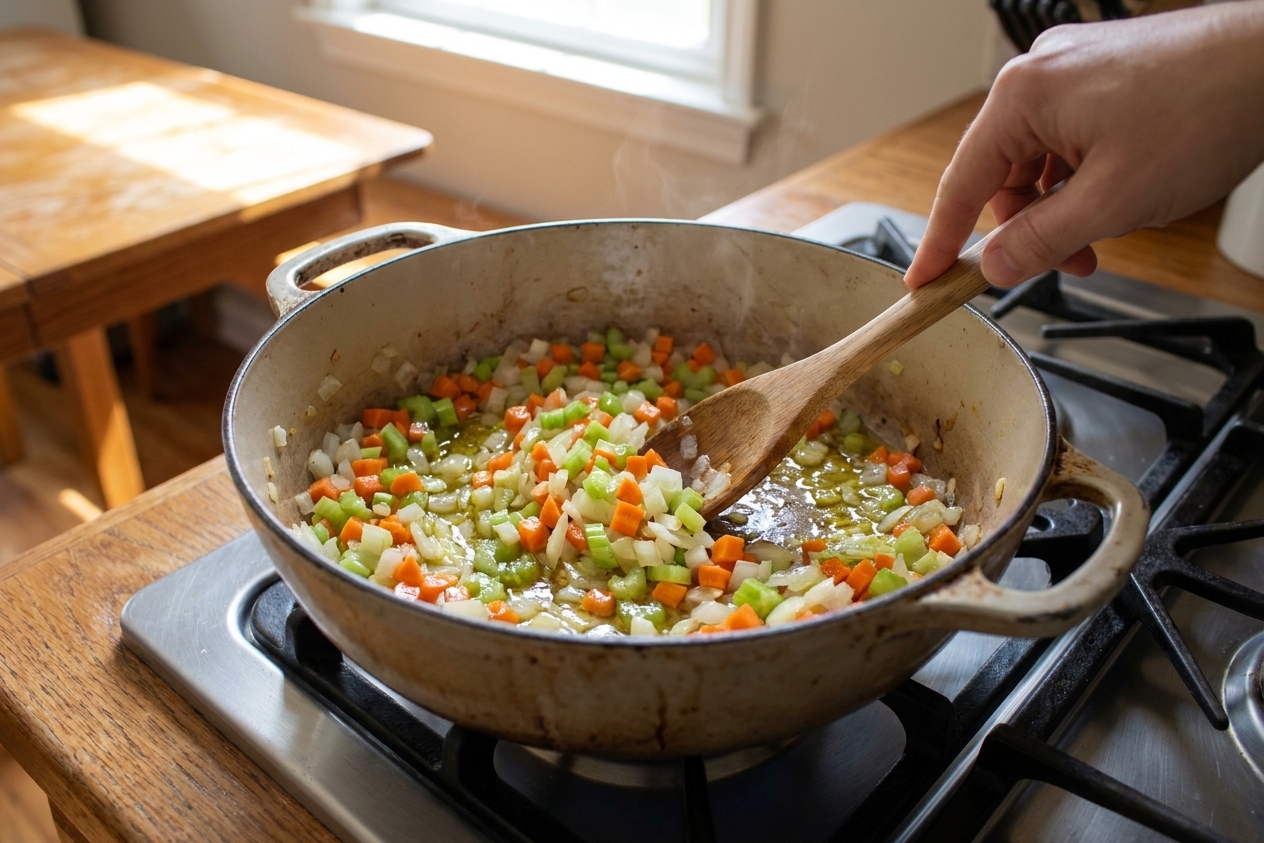
Add ground beef and sausage. Cook, breaking it up, until browned and no longer pink, about 8 to 10 minutes. Drain excess fat if needed, leaving about 1 to 2 tablespoons in the pot for flavor.
Stir in tomato paste and cook 1 to 2 minutes until it darkens slightly. Pour in wine and scrape up browned bits. Let it simmer 2 to 3 minutes.
Add crushed tomatoes, diced tomatoes, beef broth, 1 1/2 tsp salt, pepper, oregano, thyme, and bay leaf. Bring to a gentle simmer, then lower heat and simmer uncovered 35 to 45 minutes, stirring occasionally, until thick and spoonable.
Stir in the milk (if using) and simmer 5 minutes more. Taste and adjust salt. Remove bay leaf.
Timing tip: While the ragù simmers, make the béchamel and shred your cheese so the whole recipe moves faster.
2) Make the béchamel
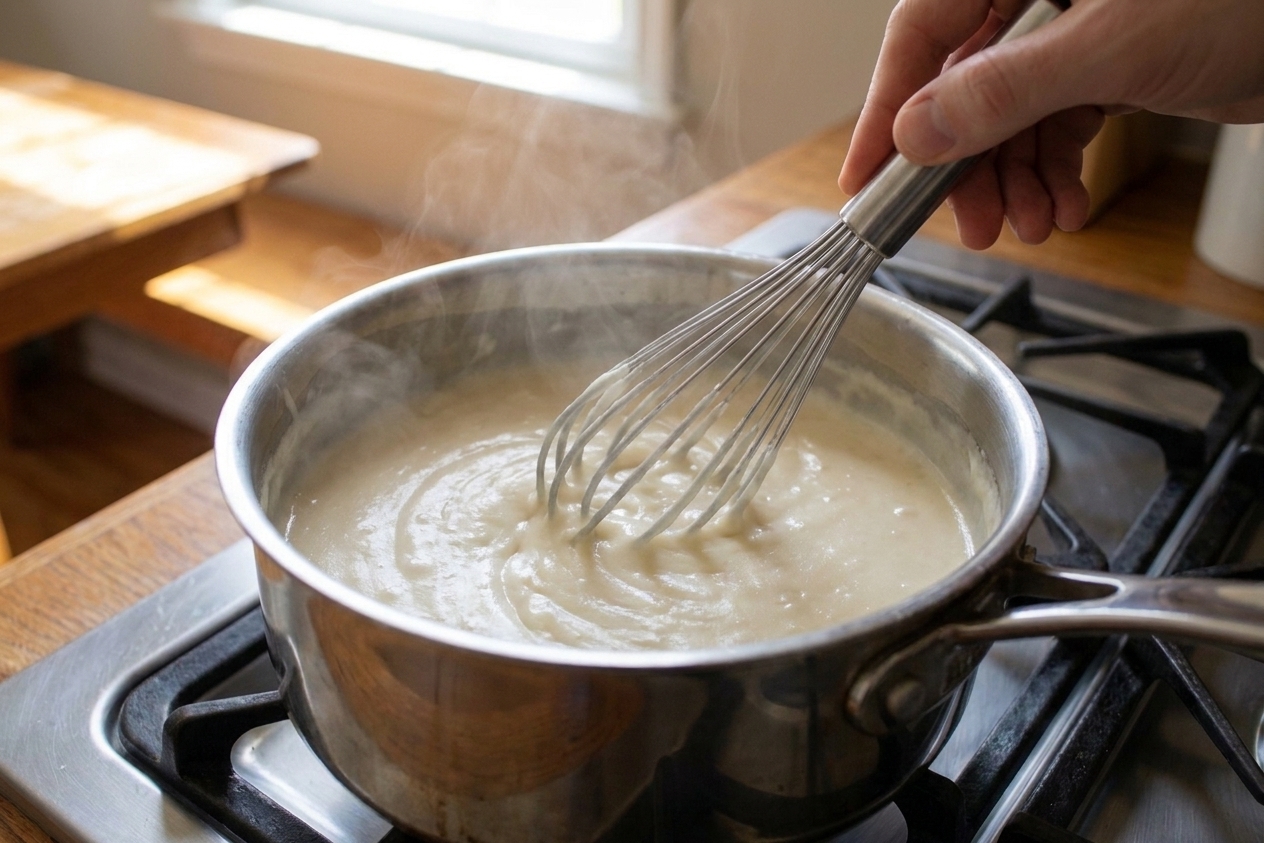
In a medium saucepan, melt butter over medium heat. Whisk in flour and cook 1 to 2 minutes until it smells lightly toasty (do not let it brown).
Slowly whisk in warm milk, a little at a time at first, until smooth. Keep whisking until it thickens, 6 to 10 minutes. Season with salt, pepper, and nutmeg. It should coat the back of a spoon.
You will have a generous amount, enough for 3 to 4 layers. If it gets too thick to spread easily, whisk in a splash of milk.
3) Prep noodles and oven
Heat oven to 375°F. If using traditional noodles, boil in salted water until just flexible, then drain and lay flat on a lightly oiled sheet pan so they do not stick. If using oven-ready noodles, skip boiling.
If you are using oven-ready noodles and your ragù is very thick, stir in an extra 1/4 to 1/2 cup broth before assembling. You want it saucy, not watery.
4) Assemble the lasagna
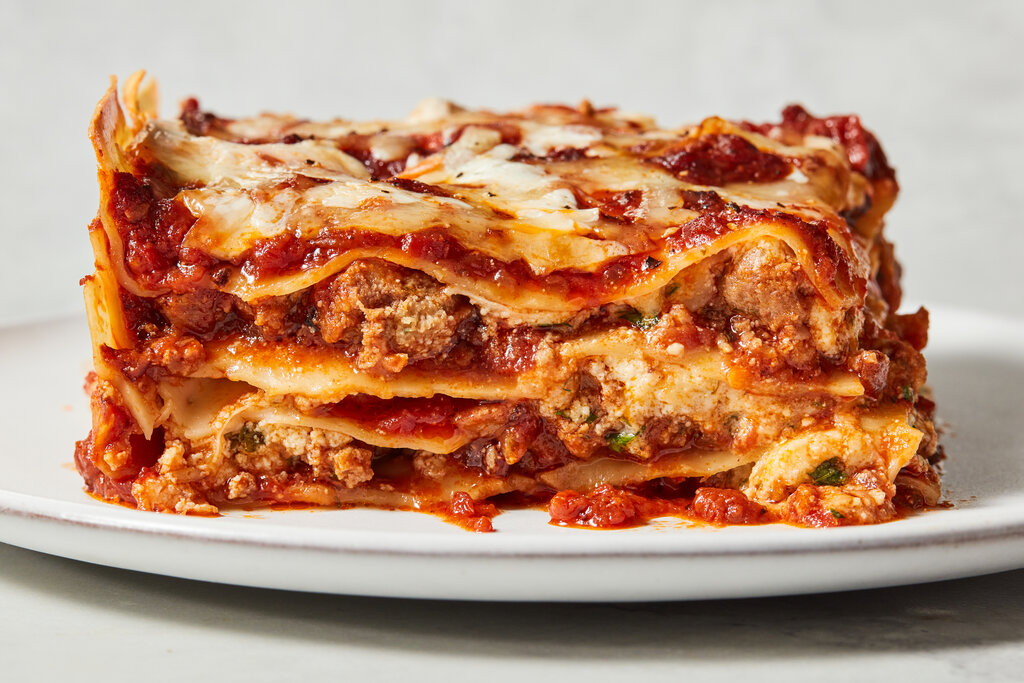
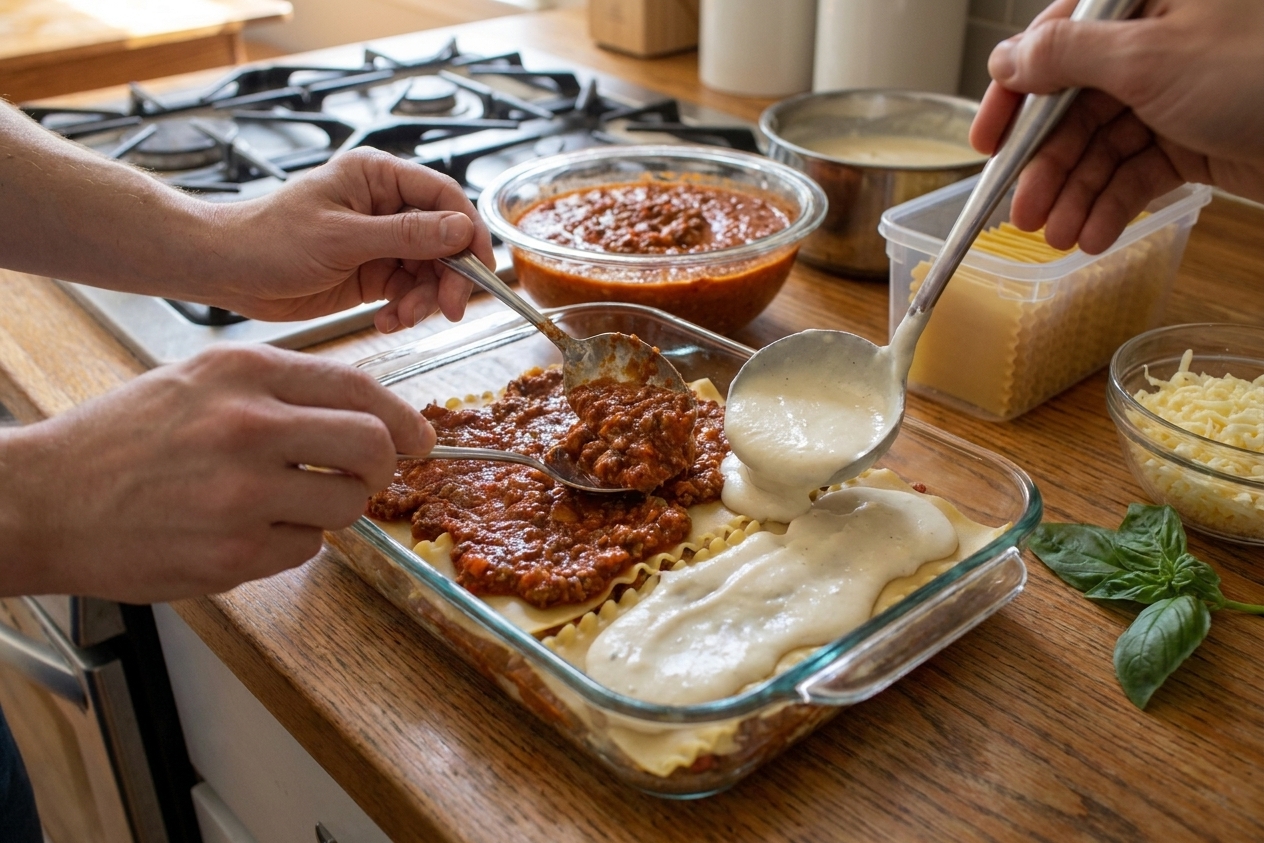
Spread a thin layer of ragù in the bottom of a 9 x 13-inch baking dish. Add a layer of noodles, then ragù, then béchamel, then a sprinkle of mozzarella and Parmesan.
Repeat that order (noodles, ragù, béchamel, cheese) until you have 3 to 4 noodle layers total, finishing with béchamel, mozzarella, and a generous final snowfall of Parmesan.
5) Bake
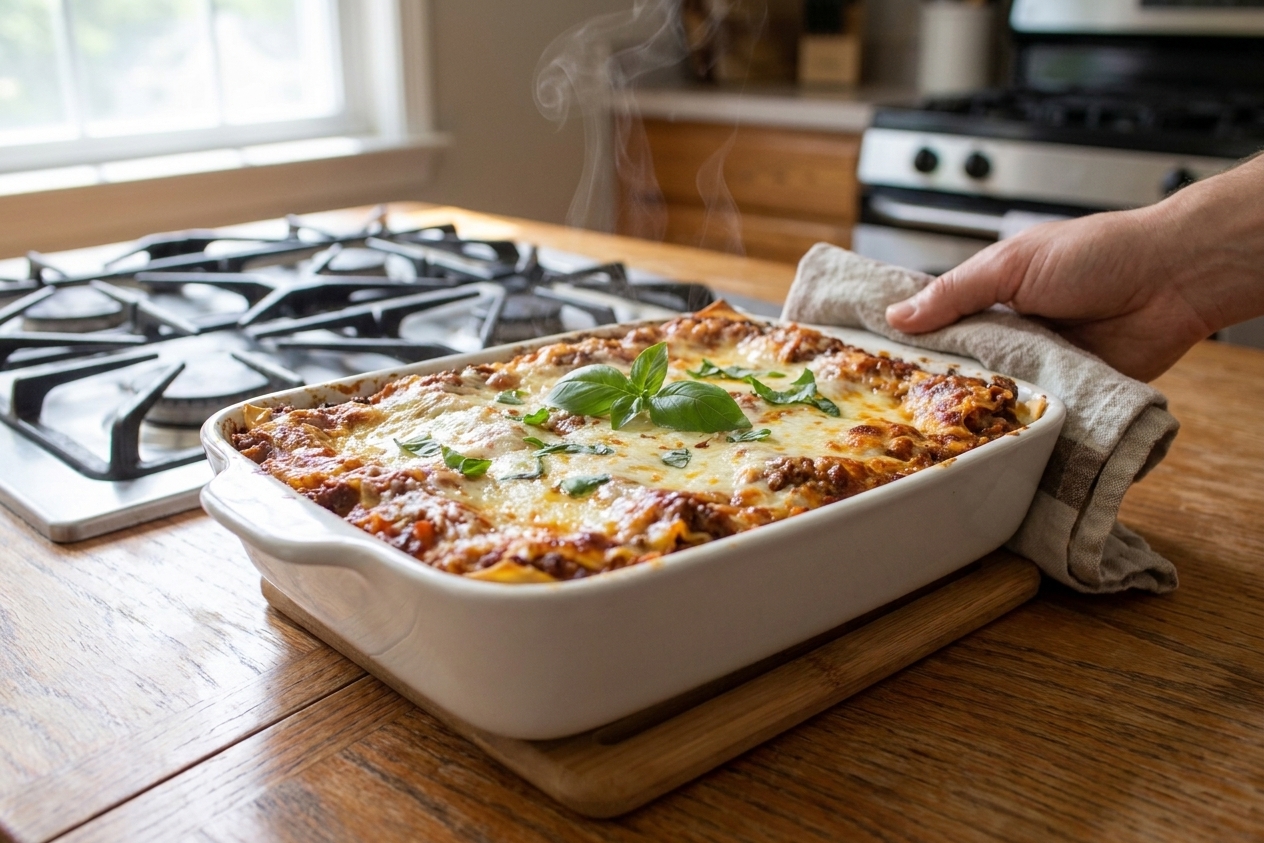
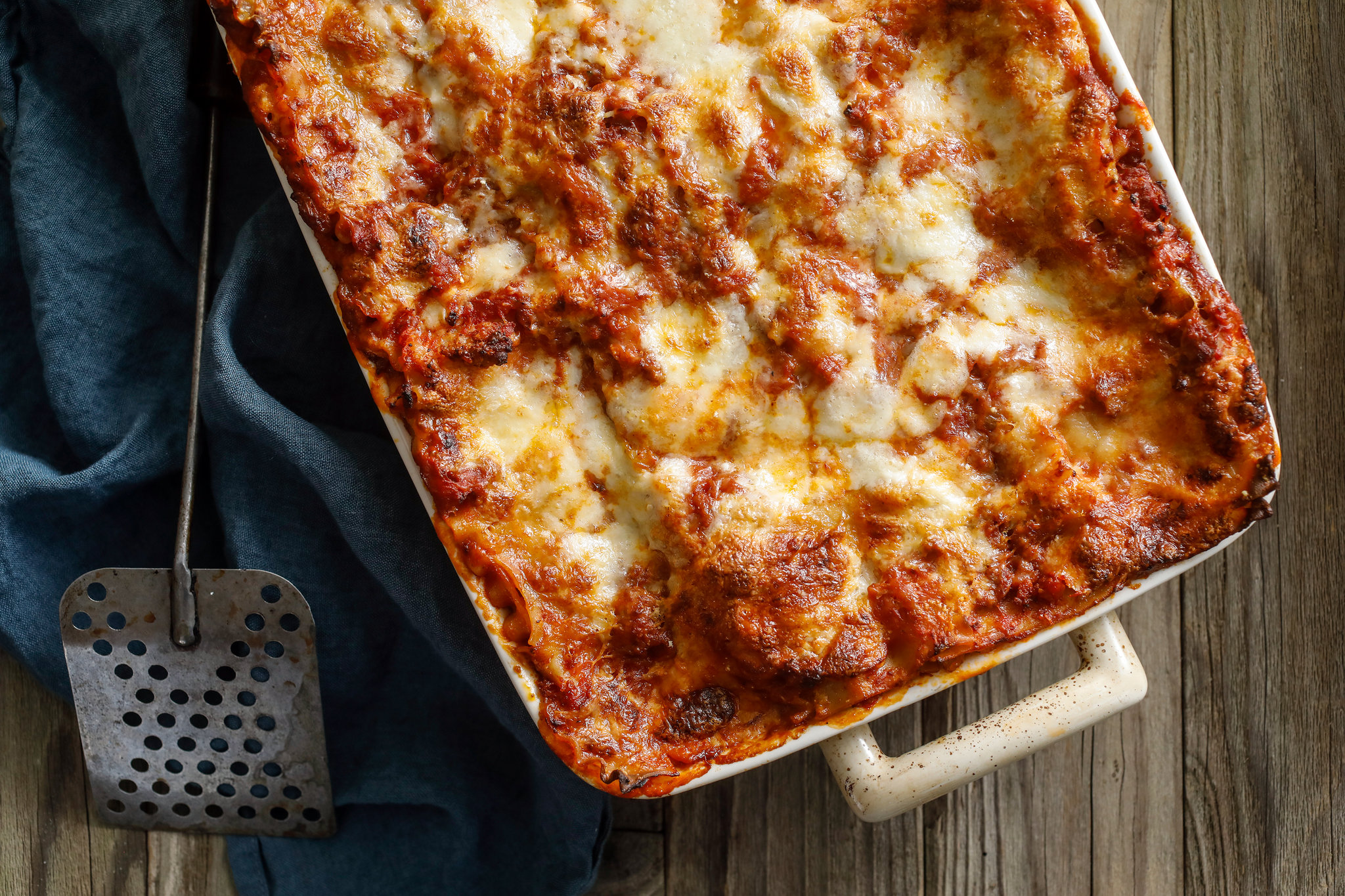
Cover loosely with foil (tent it so it does not stick to the cheese). Bake 30 minutes. Uncover and bake 25 to 35 minutes more, until bubbling around the edges and deeply golden on top.
Optional doneness check: The center should be hot, at least 165°F for food safety (some folks pull it in the 160 to 165°F range).
If you want extra crisp edges, broil 1 to 2 minutes at the end. Stay close. It can go from perfect to scorched fast.
6) Rest, slice, and serve
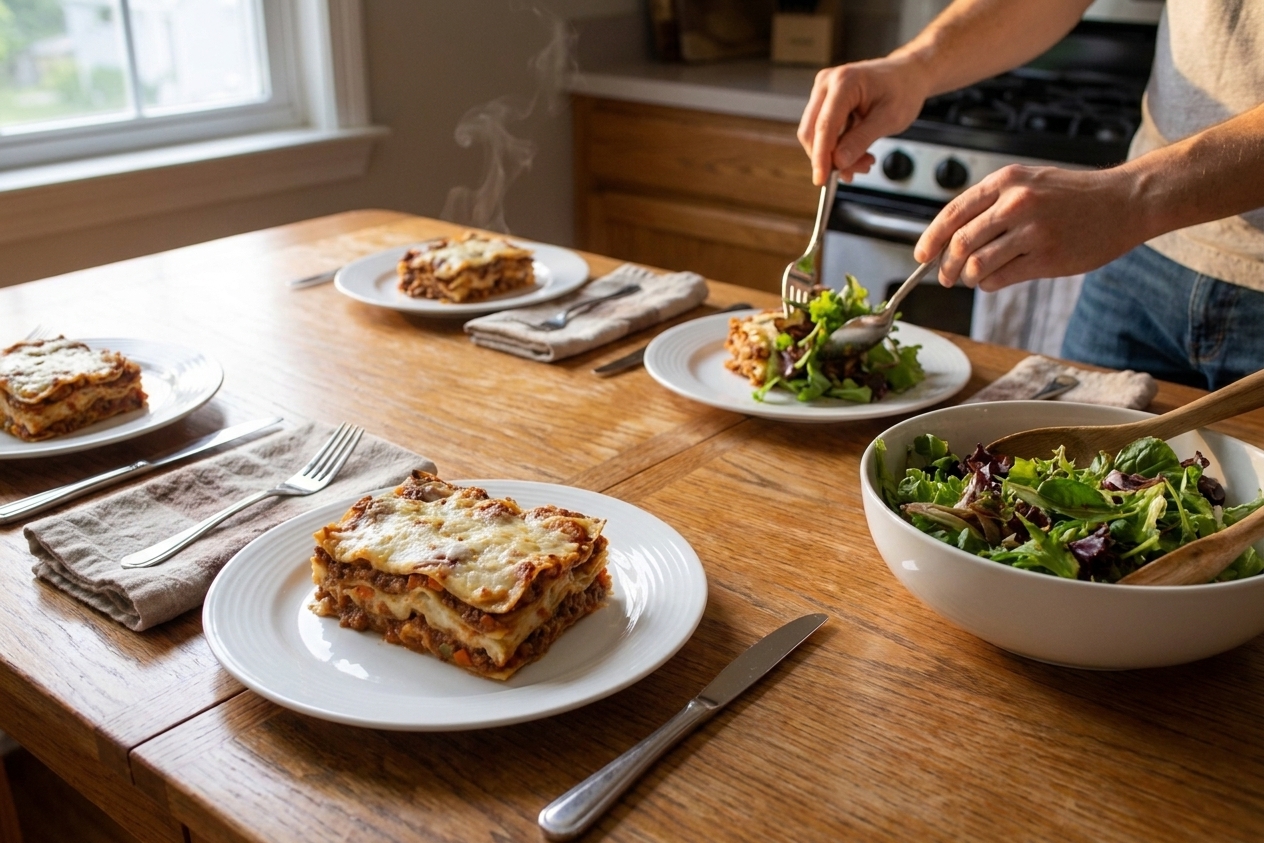
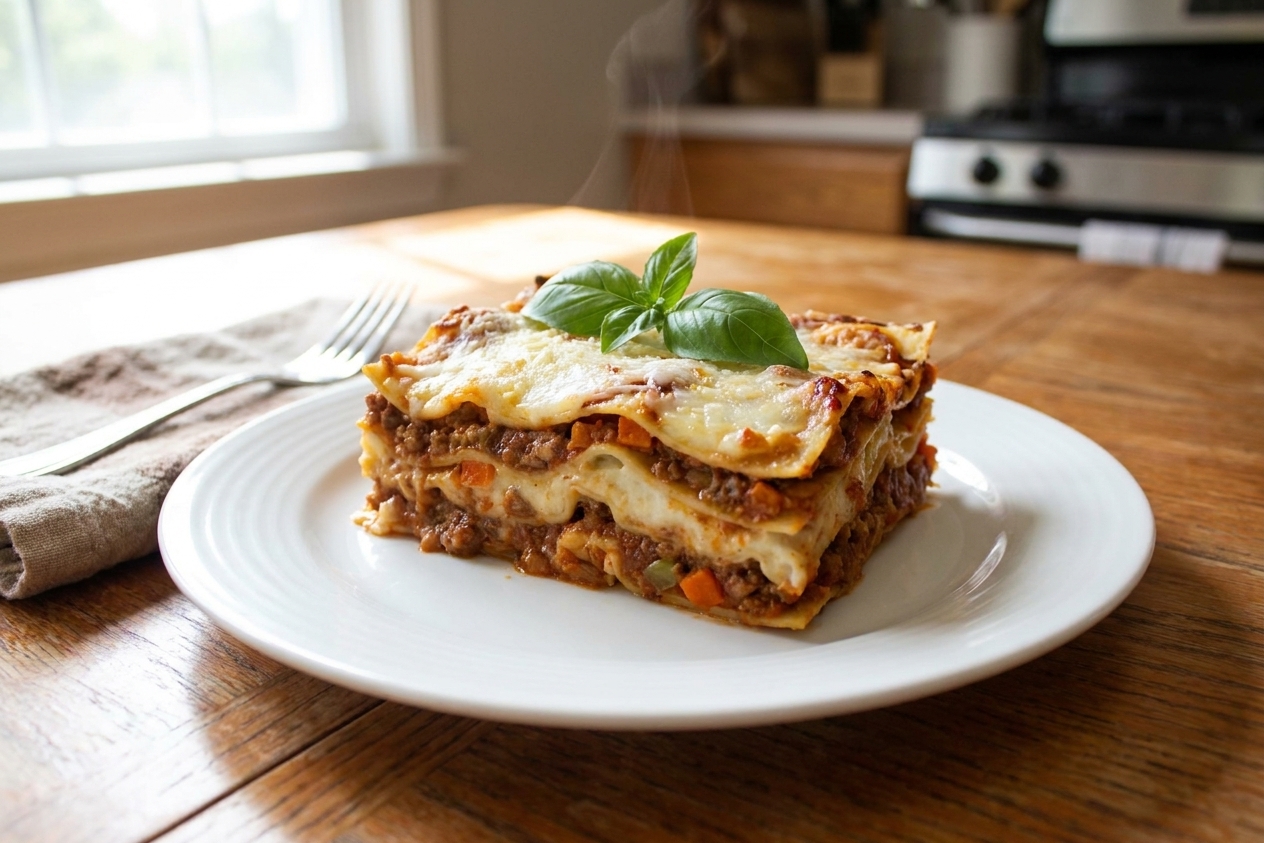
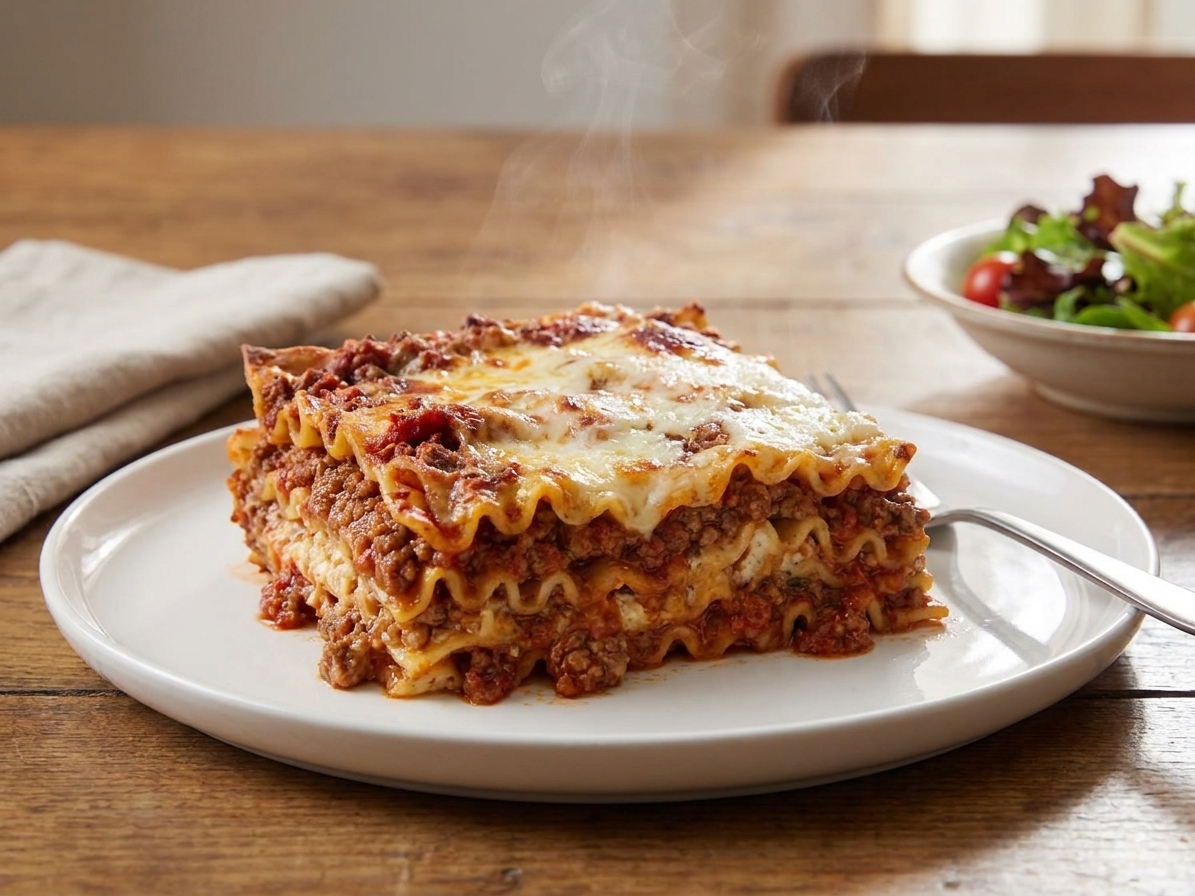
Let the lasagna rest 20 to 30 minutes before cutting. This is the difference between tidy slices and delicious lava. Top with basil or parsley if you are feeling fancy. Serve with something bright on the side, like a lemony salad, because lasagna deserves a little contrast.