Mom's Best Recipes
Recipe

Blackberry Jam

A small-batch stovetop blackberry jam that tastes like peak summer: bold berries, a little lemon, and a glossy set that spreads like a dream.

Author By Matt Campbell
4.8
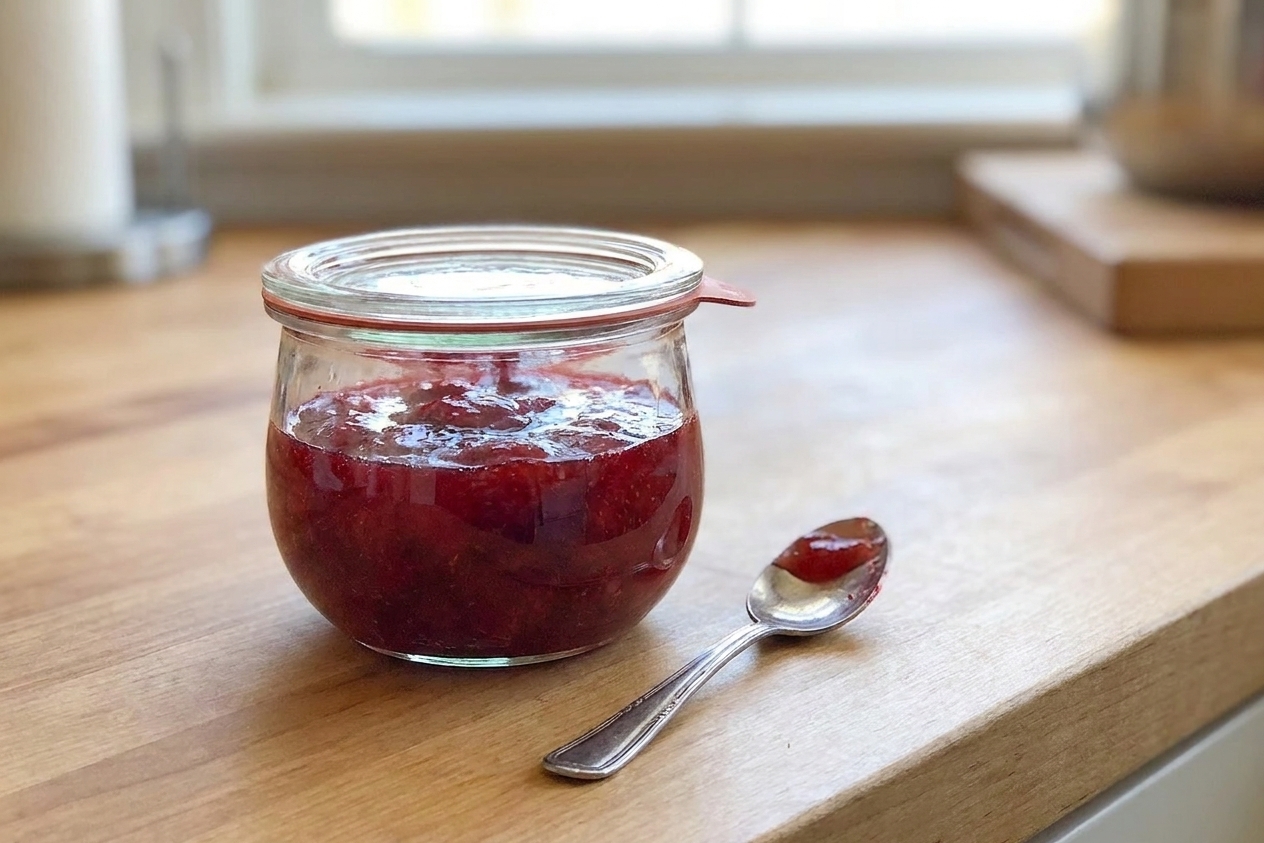
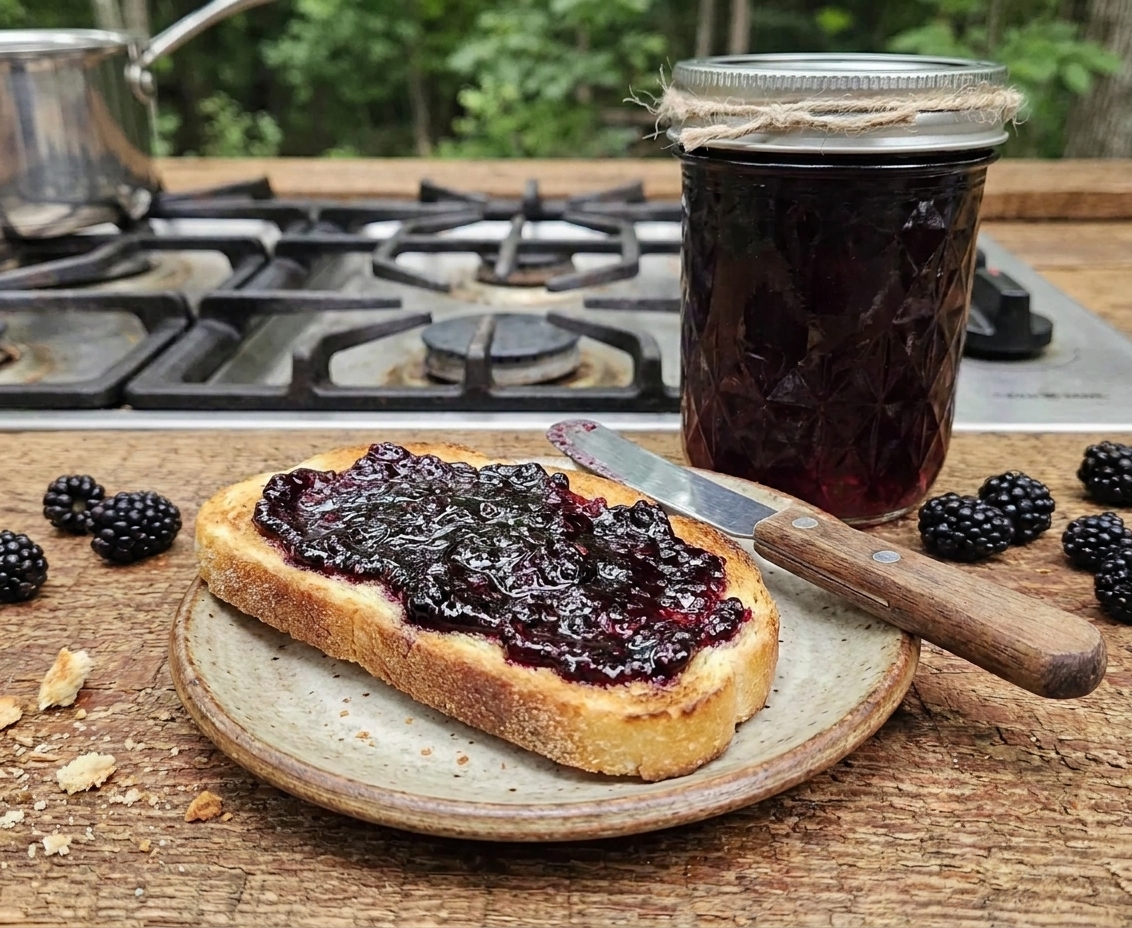
A glass jar of glossy blackberry jam on a wooden kitchen counter with fresh blackberries and a spoon beside it

Blackberry jam is one of those kitchen wins that feels fancy but is secretly very doable. You take a pile of berries, add sugar and lemon, simmer until it turns glossy and thick, and suddenly you have a jar of something that makes toast feel like a real plan.

This version is small-batch, no added pectin, and built for real life. Blackberries can be a little variable, so I give you a couple easy doneness cues to make sure you get that soft, spoonable set. The lemon pulls the flavor forward and helps it gel, and the method gives you options depending on your vibe: leave it seedy and rustic, or strain it for a smoother spread.

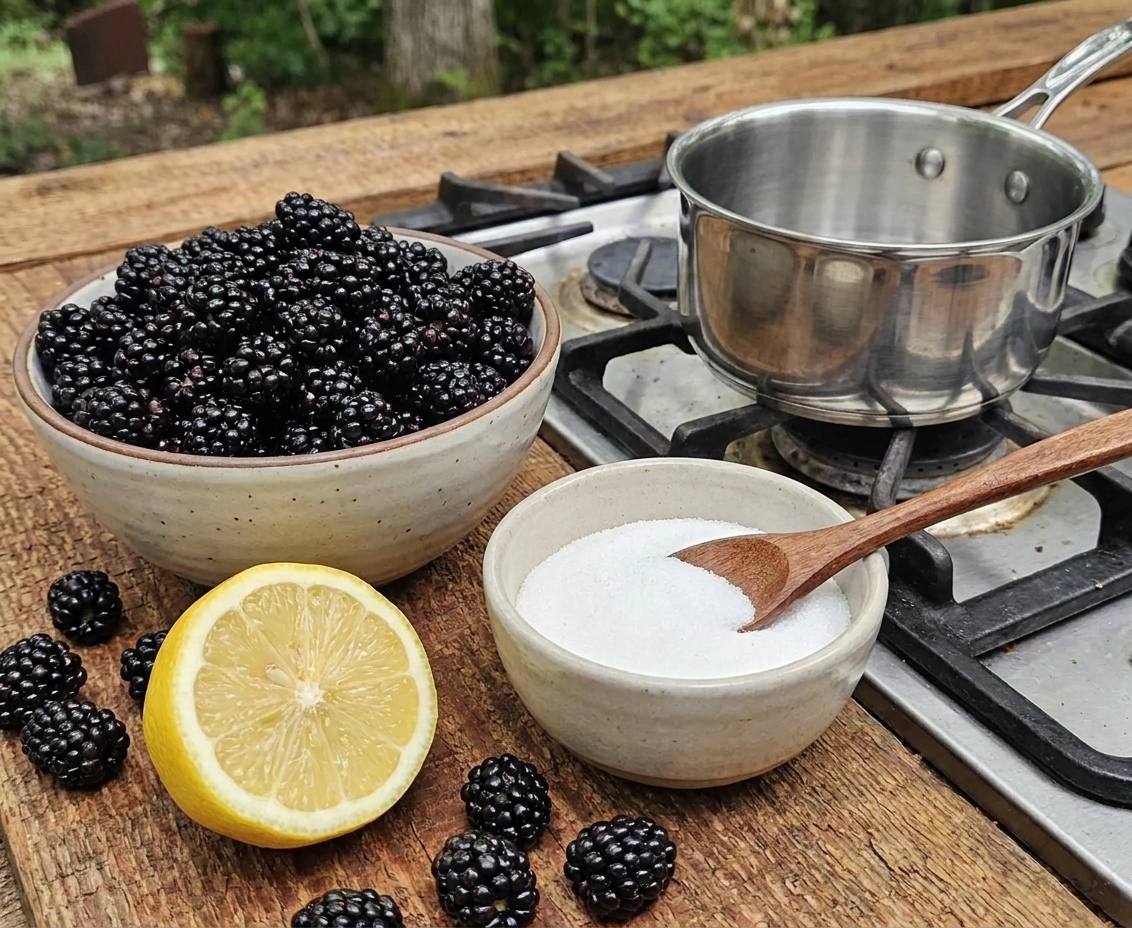
Fresh blackberries, a halved lemon, and a bowl of sugar arranged on a kitchen counter

Why It Works

  • Big blackberry flavor with enough lemon to keep it bright, not syrupy.
  • Soft, spoonable set that spreads easily and still feels homemade.
  • No added pectin. With reduction plus lemon, it often sets beautifully. Doneness cues included to keep it reliable.
  • Flexible texture: keep the seeds, mash lightly, or strain for smoother jam.
  • Scales well for weekend batches, and it is freezer-friendly for future-you.

Pairs Well With

Storage Tips

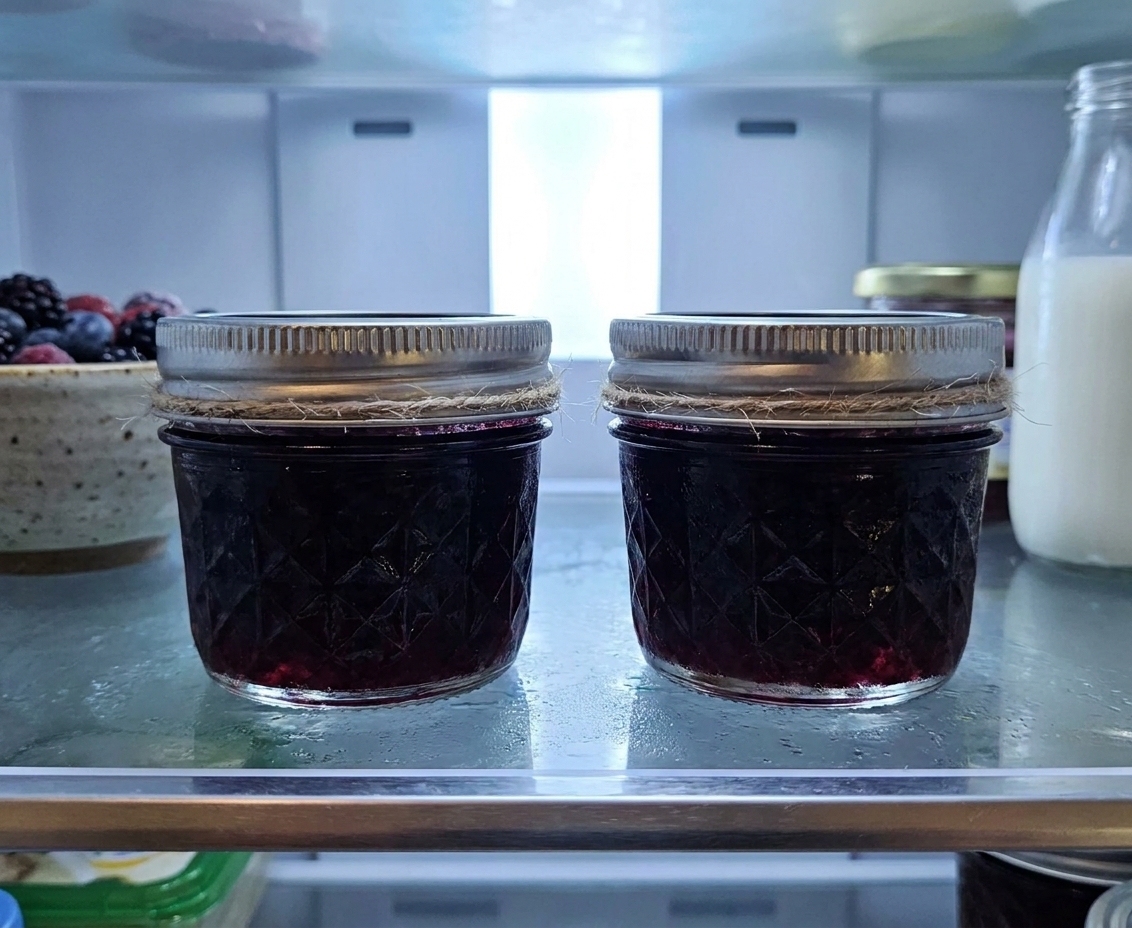
Refrigerator: Spoon jam into clean jars, cool completely, then refrigerate. For best quality, aim to use within 2 to 4 weeks. Use a clean spoon each time and keep the jar cold.

Freezer: Cool completely, then freeze in freezer-safe jars or containers with a little headspace. Best quality for 6 months. Thaw overnight in the fridge.

Water-bath canning (optional): This specific recipe is not written or tested as a canning recipe. If you want shelf-stable jam, follow a tested water-bath canning recipe for blackberry jam that includes the exact headspace, jar size, processing time, and altitude adjustments from a trusted source (USDA, National Center for Home Food Preservation, or a current Ball recipe). Once opened, store in the fridge.

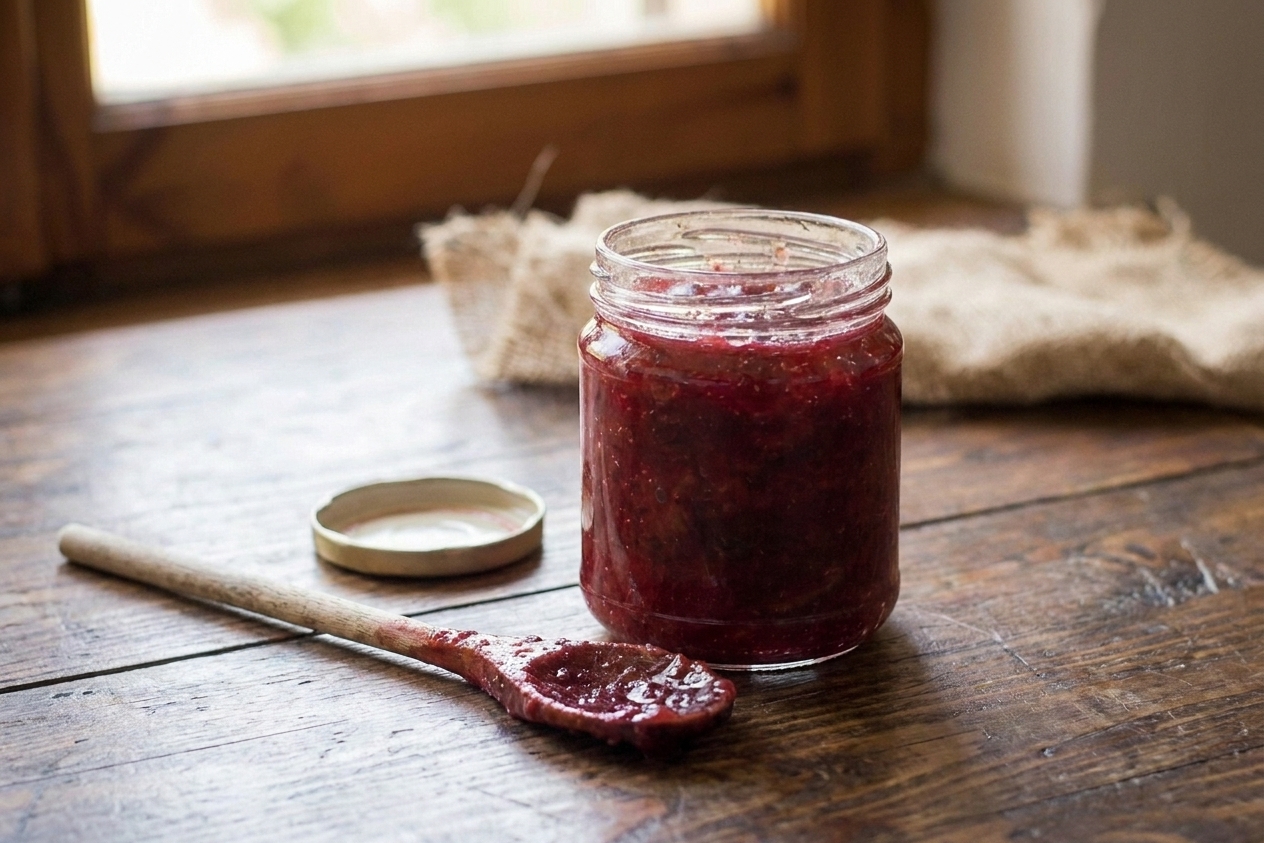
Two small jars of blackberry jam with lids on, resting on a refrigerator shelf

Common Questions

How do I know when blackberry jam is done?

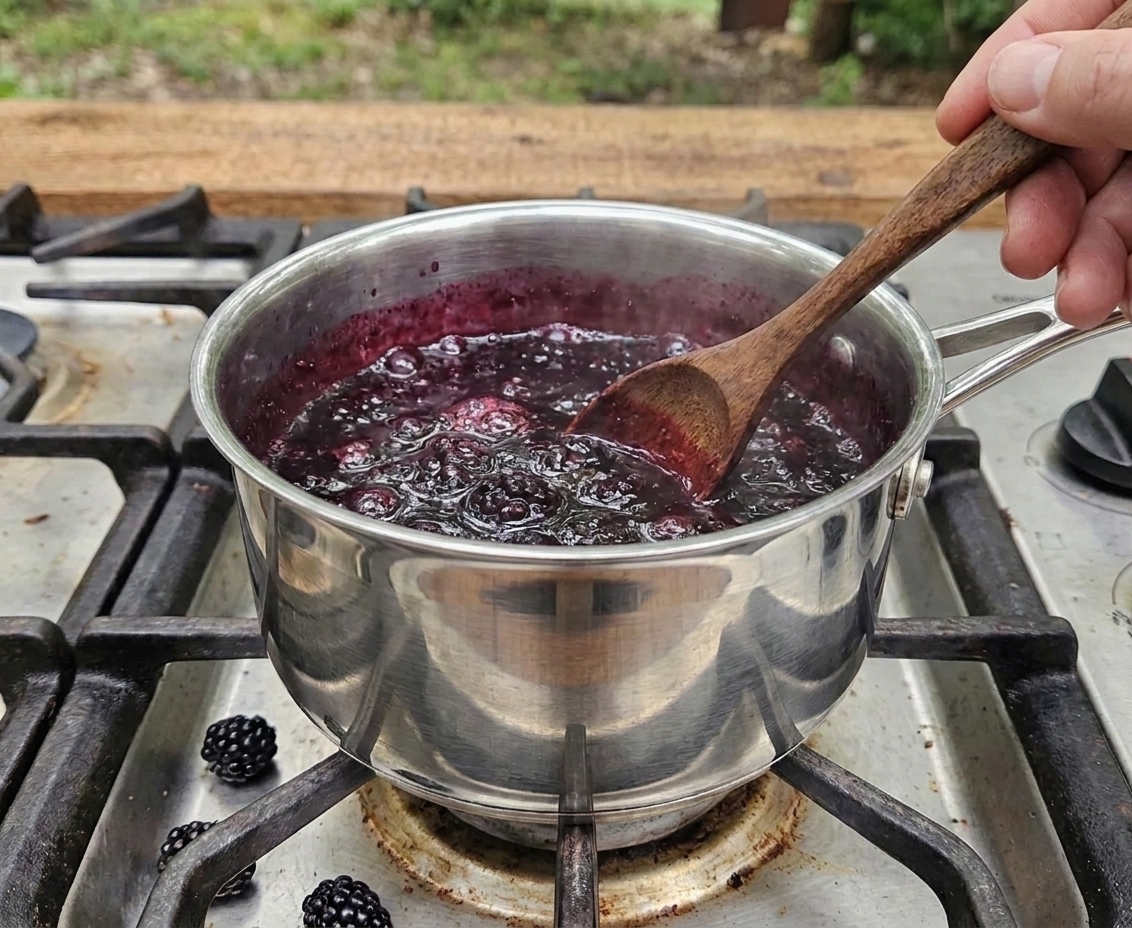
The most reliable home method is the cold plate test. Put a small plate in the freezer before you start. When the jam looks thicker and bubbles more slowly, spoon a little onto the cold plate, wait 30 seconds, then drag a finger through it. If it wrinkles slightly and the line holds, you are there.

If you like numbers, you can also use a thermometer: jam often sets around 220°F / 104°C at sea level, but it varies with altitude and fruit. Use temperature as a guide, and confirm with the cold plate test.

Why is my jam runny?

Usually it just needs more cook time, especially if your berries are very ripe, extra juicy, or frozen. Keep simmering and test again. Jam also sets as it cools, so judge it after it has cooled a bit. If it is still loose the next day, re-simmer for 5 to 10 minutes and test again. Lemon juice also helps the set, so do not skip it.

Why is my jam too thick or sticky?

It cooked a little long. Warm it gently and stir in a splash of water, 1 tablespoon at a time, until it loosens. Next time, pull it off the heat when it is a touch looser than your final goal, since it thickens as it cools.

Do I have to remove the seeds?

Nope. Seeds are classic blackberry jam energy. If you want it smoother, push the cooked fruit through a fine-mesh sieve before the final simmer. Just know the yield can be a little lower, and the thickening time may change.

Can I use frozen blackberries?

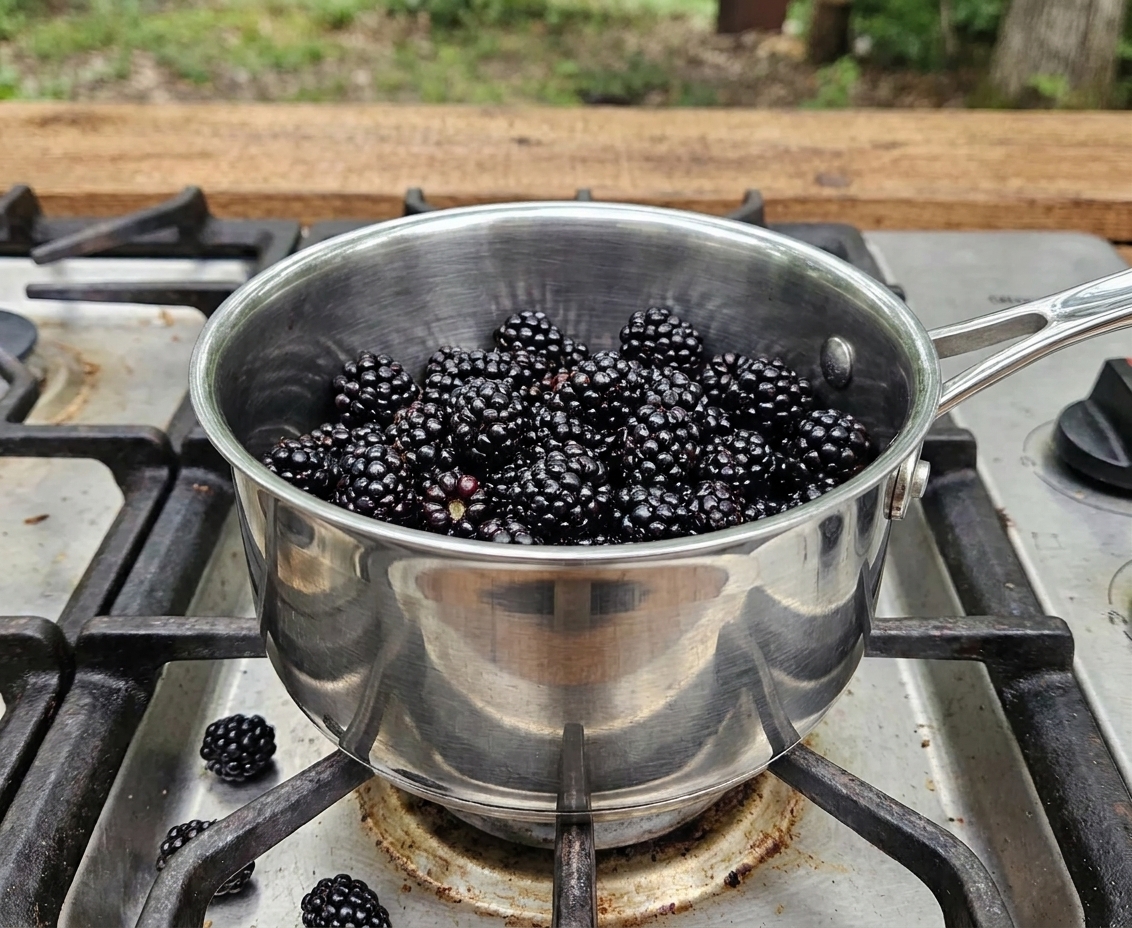
Yes. Add them straight to the pot and cook as directed. Frozen fruit releases extra liquid, so it may take a few more minutes to reduce.

Can I reduce the sugar?

You can, but sugar helps preservation and set. If you cut it a lot, expect a looser jam and shorter fridge life. For a lower-sugar option, keep the batch small and plan to refrigerate or freeze.

Can I water-bath can this recipe?

This recipe is written for refrigerator or freezer storage. If you want shelf-stable jam, use a tested water-bath canning recipe for blackberry jam from a trusted source (like the USDA, National Center for Home Food Preservation, or a current Ball recipe) that includes the exact jar size, headspace, processing time, and altitude adjustments. Do not treat the instructions here as a canning guide.

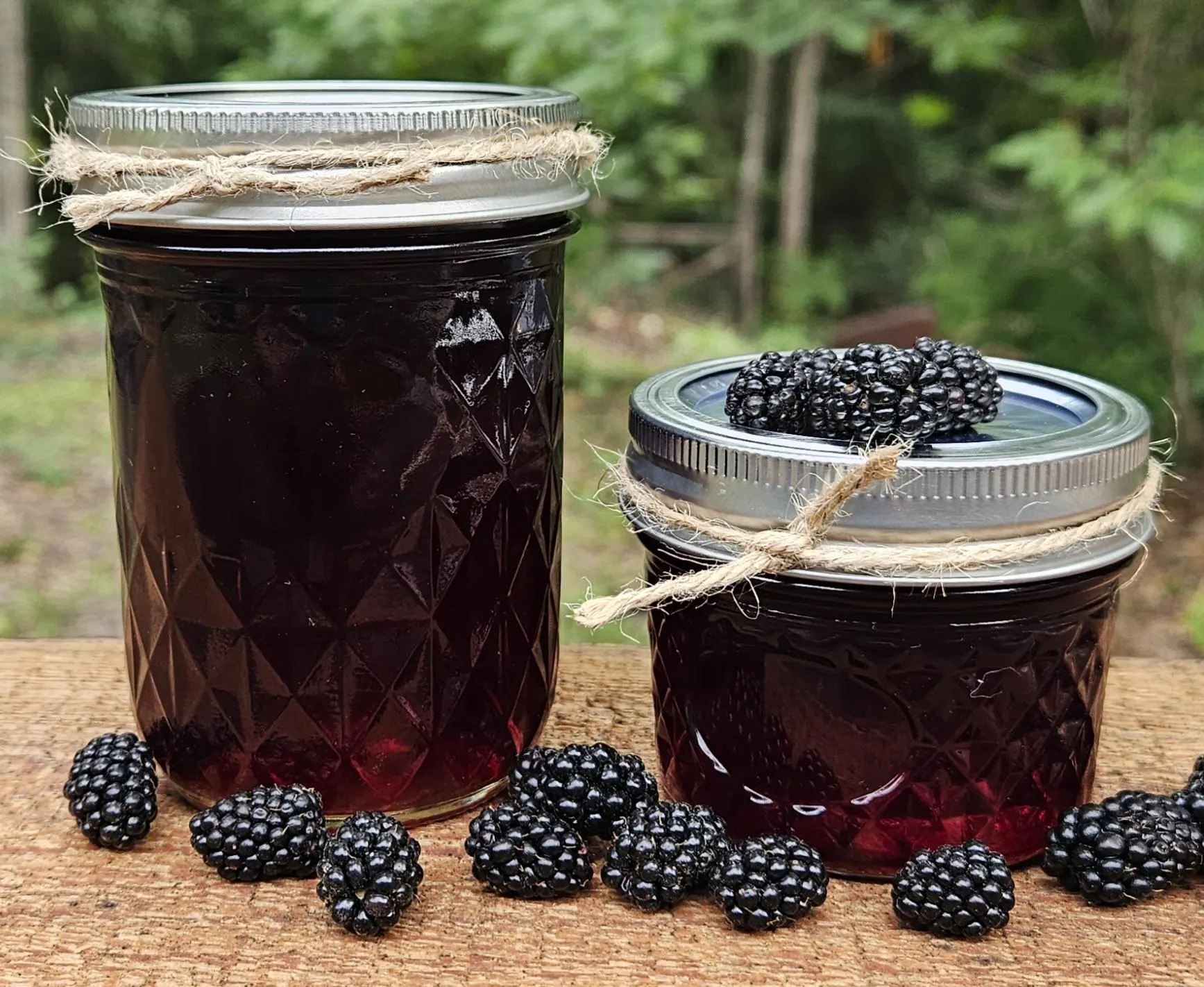
The first time I made blackberry jam, I thought it was going to be a whole production. It was not. It was basically berries, a pot, and me standing there stirring like I was guarding a tiny purple volcano. The smell alone made the kitchen feel warm and kind of nostalgic, like someone should be walking in asking what’s for breakfast.

Now it’s one of my favorite “use what you’ve got” recipes. A slightly too-tart clamshell of berries, a lemon that’s been rolling around the drawer, and suddenly you’ve got something that turns yogurt, oatmeal, biscuits, and late-night spoonfuls into a better day.