Common Questions
What does “blackened” mean, and is it burnt?
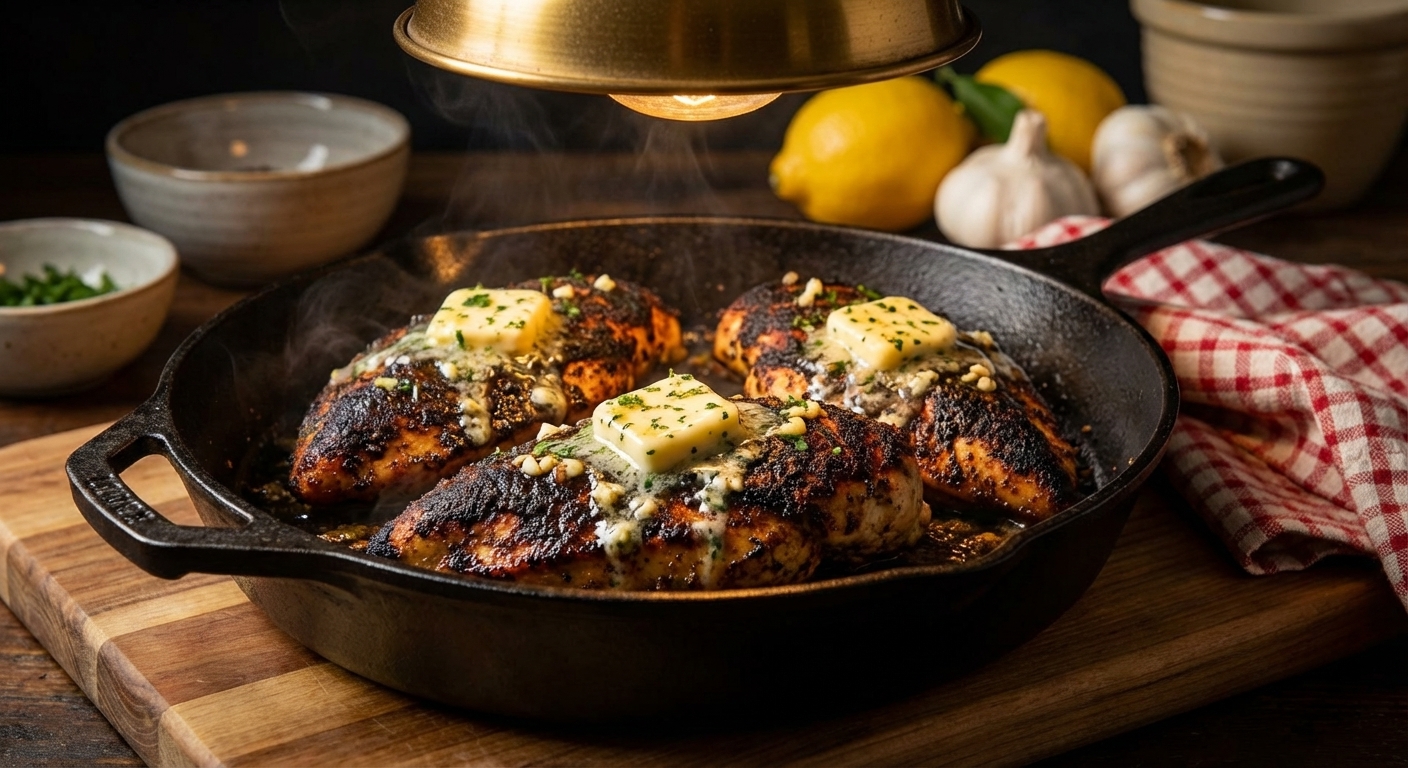
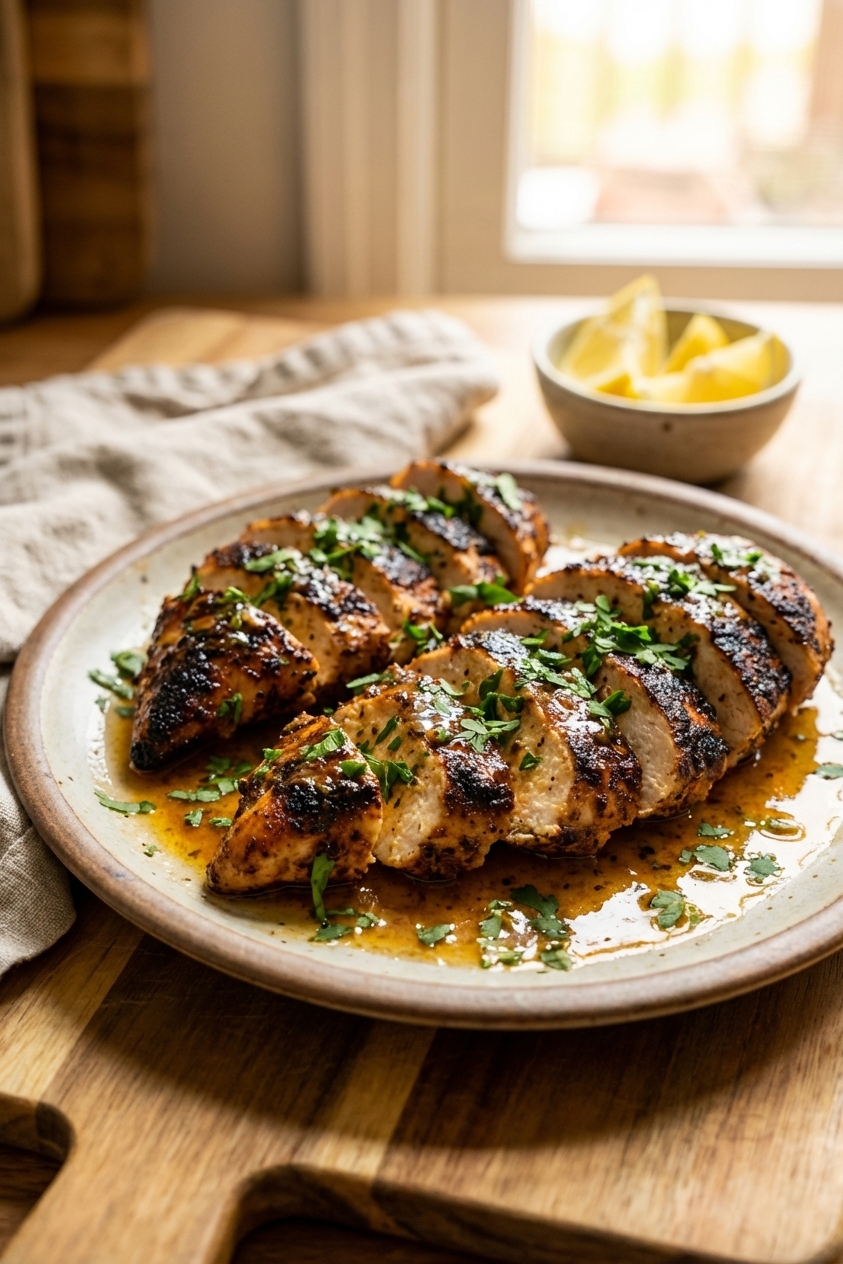
Blackened is a cooking technique where a heavily seasoned protein is cooked in a very hot pan so the spices toast and darken into a crust. It should be very dark brown with a few darker spots, not acrid or ashy. If it tastes bitter, the pan was too hot for too long, or the spices scorched.
How do I avoid burning the spices in a cast-iron skillet?
- Use medium-high heat, not max-high, on most home stoves.
- Preheat the pan well, then add oil and start cooking right away.
- Flip as soon as the crust is set and dark, then let the second side finish with the thermometer, not the clock.
- If the pan starts smoking aggressively, lower the heat a notch.
Should I use butter or oil to sear?
Use a high smoke point oil (avocado, canola, grapeseed) for the sear. Butter can burn fast at blackening temps. We bring butter in at the end, where it belongs, melting and tasting amazing.
Can I make this with chicken thighs?
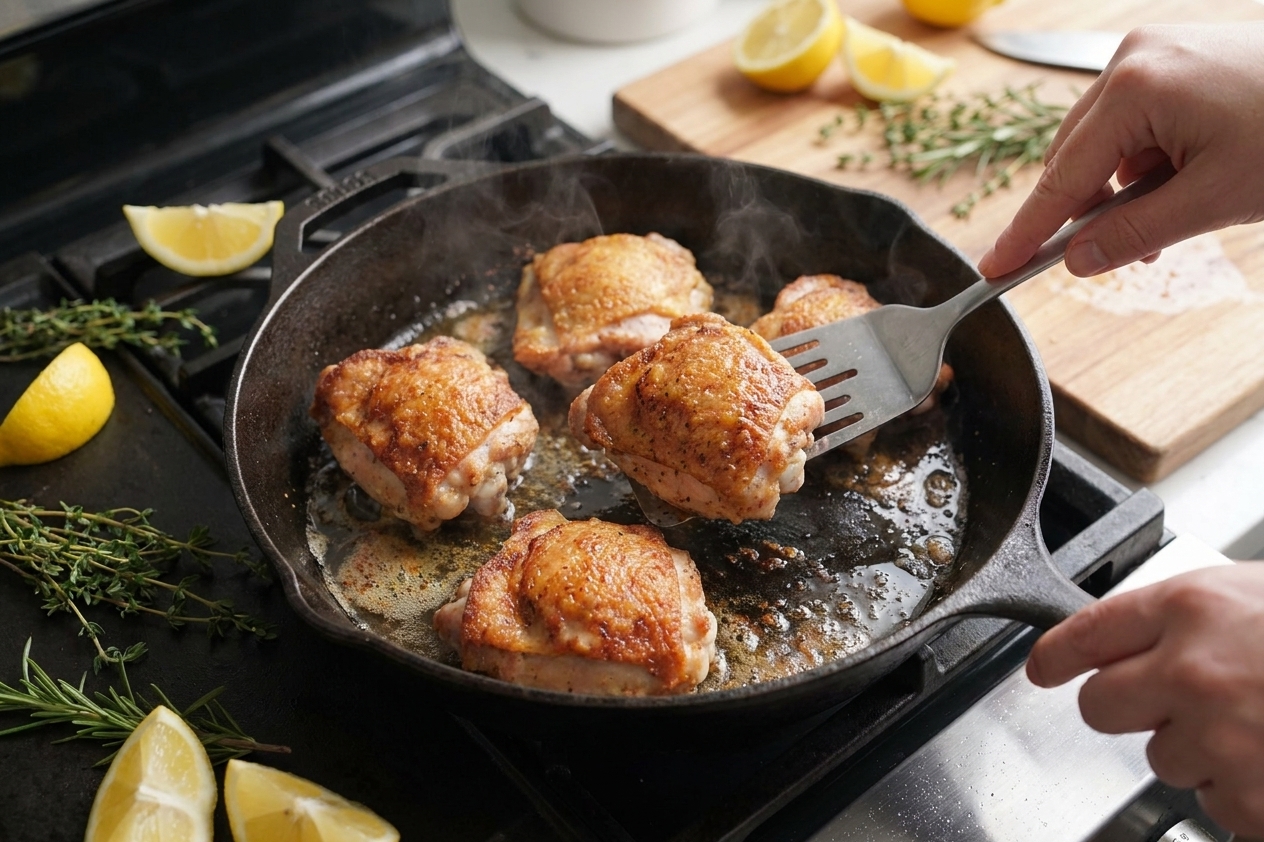
Absolutely. Boneless skinless thighs are very forgiving. They are safe at 165°F, but they usually get their best texture around 175°F to 185°F. They will take a little longer than breasts depending on size.
Is this super spicy?
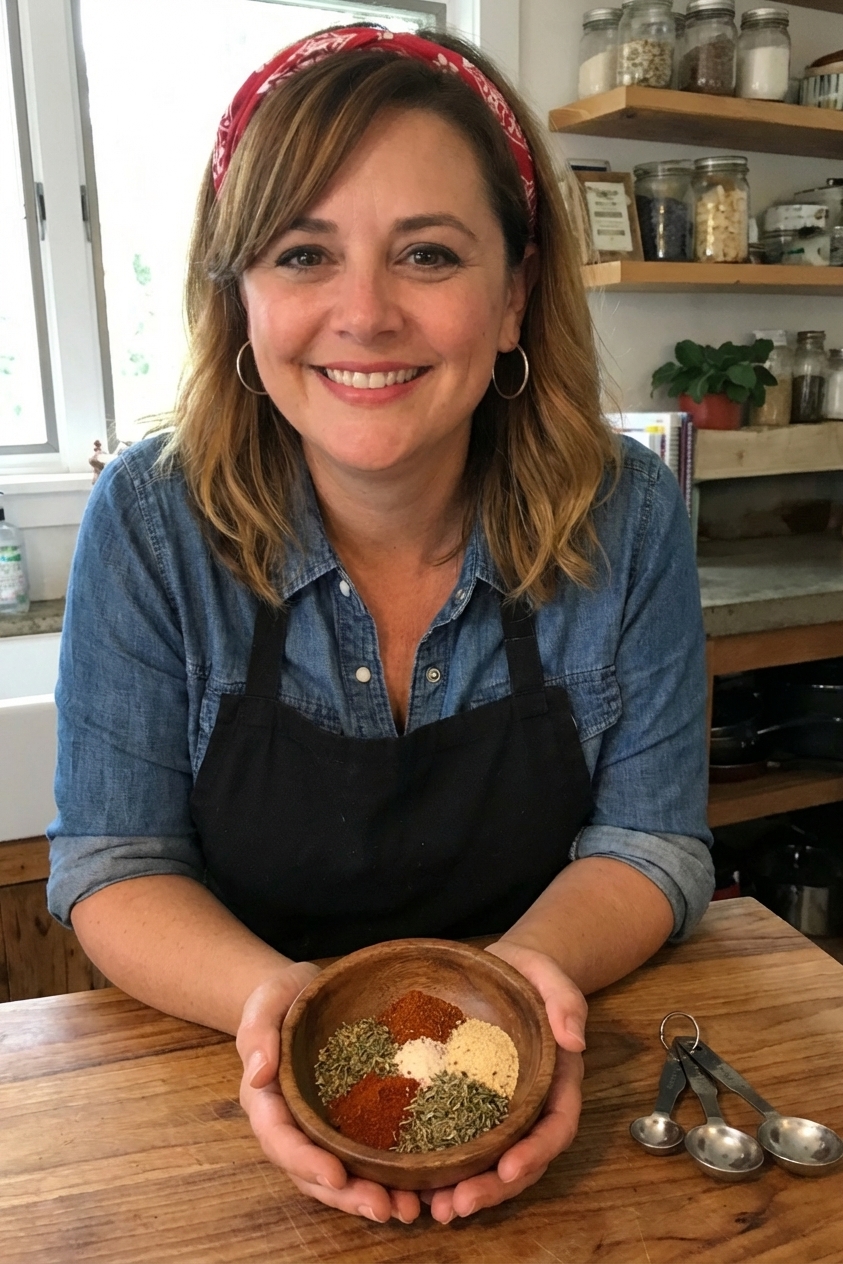
It is a solid warm heat. For mild, cut the cayenne in half. For spicy, add more cayenne or a pinch of crushed red pepper.
Do I need a meat thermometer?
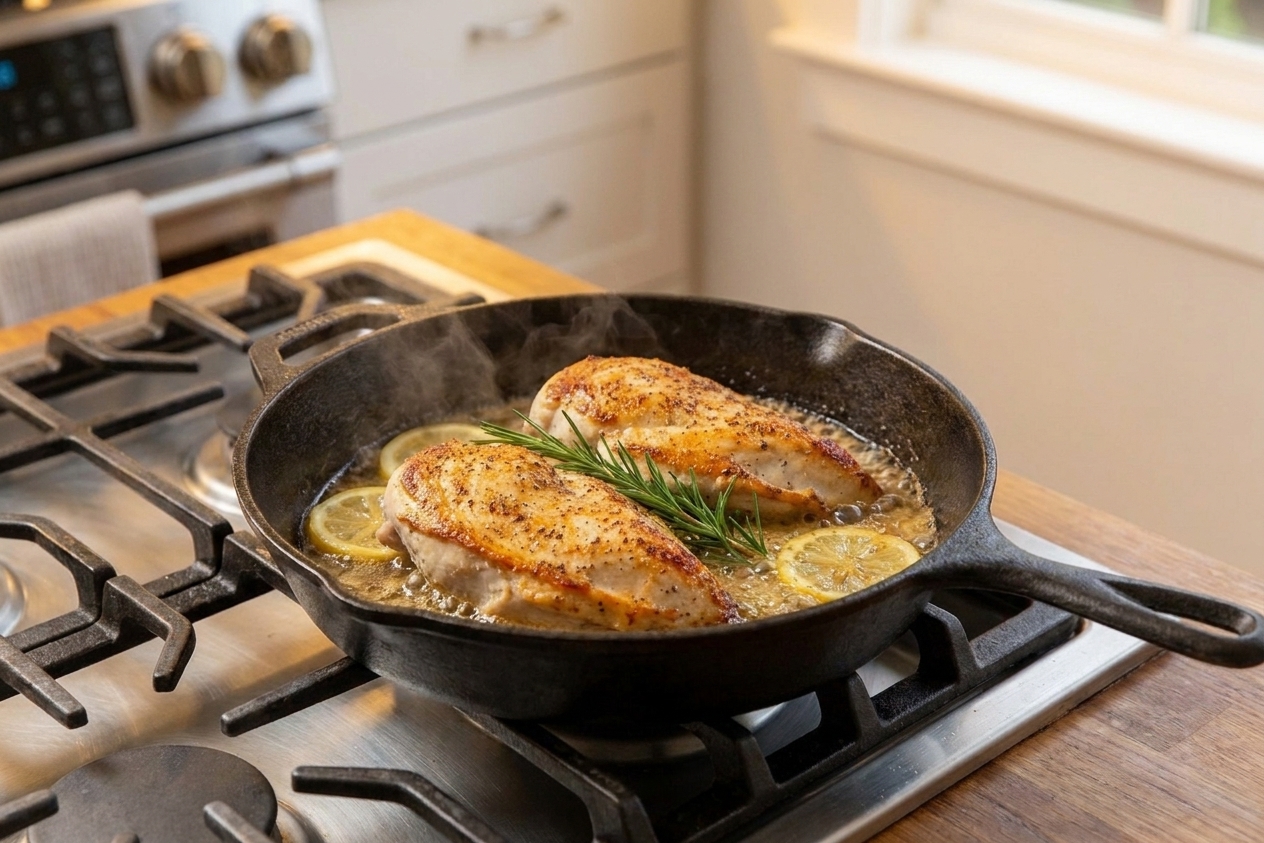
Highly recommended. For breasts, you can pull at 160°F if you expect a few degrees of carryover while resting, but if your pieces are smaller or your kitchen is chilly, just cook to 165°F in the thickest part to be safe without stressing.